The collector car market does not always announce its next direction loudly. Some of the most interesting movement happens away from the obvious headline cars, where experienced buyers start paying closer attention to machines with the right engineering story, the right period identity, and enough recent sales activity to suggest that the market is taking them more seriously.
Turbocharged cars fit that moment especially well. They represent a major shift in performance history, when boost began changing everything from sports coupes and European sedans to hot hatches and practical family cars. The best examples were not just faster than their naturally aspirated rivals. They had a different feel, a different sound, and often a little more drama built into the driving experience.
The timing also makes sense. Hagerty reported that online auctions sold more than 50,000 collector vehicles in 2025, up 6% from the year before, while combined auction and online sales reached $4.8 billion. At the same time, the market has become more selective, which tends to reward cars with real identity rather than vehicles riding on hype alone.
The strongest turbocharged collector candidates are no longer judged only by horsepower or rarity. A distinctive engine, a clear enthusiast following, a memorable period identity, and visible auction-market movement now matter just as much. That is where cars like the Porsche 944 Turbo, Saab 900 SPG, Volvo 850 T-5R, Dodge Omni GLH-S, and Lotus Carlton become difficult to ignore.
Why Turbocharged Collector Cars Are Drawing Attention
Turbocharging gave many late-20th-century performance cars a personality that naturally stands apart from the usual collector-car formula. Boost brought lag, surge, heat, noise, and a sense of occasion that made even practical cars feel more dramatic than their shapes suggested.
Rarity can help, but rarity alone does not create lasting demand. The cars gaining the most meaningful attention tend to offer something deeper: a special engine, a strong enthusiast community, a memorable design, a motorsport link, or a place in performance history that looks more important with distance.
That is why the current turbo-era conversation reaches far beyond the obvious poster cars. A front-engine Porsche, a Swedish hatchback, a fast Volvo wagon or sedan, a Shelby-tuned Dodge, and a Lotus-developed super sedan all speak to different corners of collector taste. Together, they show how much broader the market’s appreciation for turbocharged performance has become.
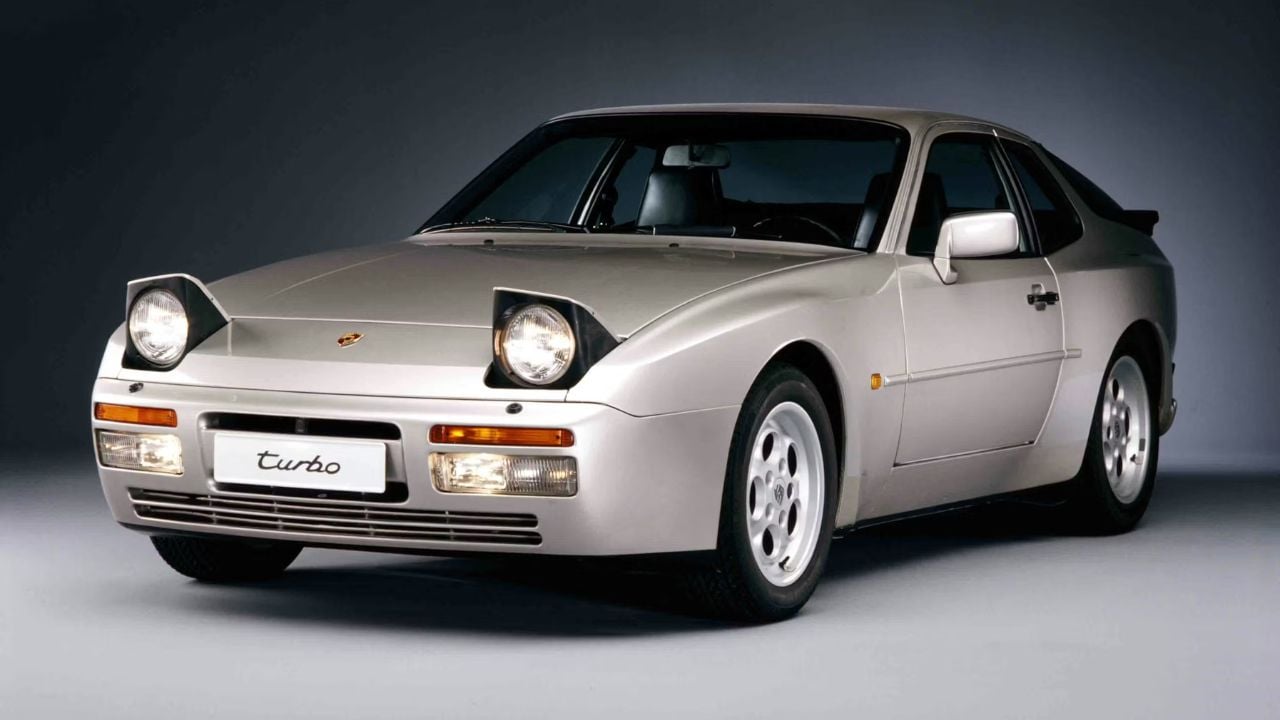
1986 To 1991 Porsche 944 Turbo

The 944 Turbo has moved well beyond its old reputation as the overlooked front-engine Porsche. For years, it sat in the shadow of the 911, but that hierarchy has become less rigid as collectors have grown more interested in balance, usability, and period-correct analog performance.
Hagerty’s valuation page for the 1986 Porsche 944 Turbo currently shows a #3 “good” condition value of $22,000, up 10%, and notes a recent auction sale of $47,199 on April 14, 2026. Hagerty’s broader Porsche valuation commentary has also pointed to strong movement for average-condition 944 values since 2020, which helps explain why the Turbo no longer feels like a casual alternative.
The appeal is not only about Porsche access. The 944 Turbo brings a turbocharged 1980s personality, a well-balanced chassis, pop-up-headlight-era style, and a level of driver involvement that has aged extremely well. Collectors are not simply buying it because it is cheaper than a 911. They are buying it because the car’s own argument has become much easier to understand.
1985 To 1991 Saab 900 SPG
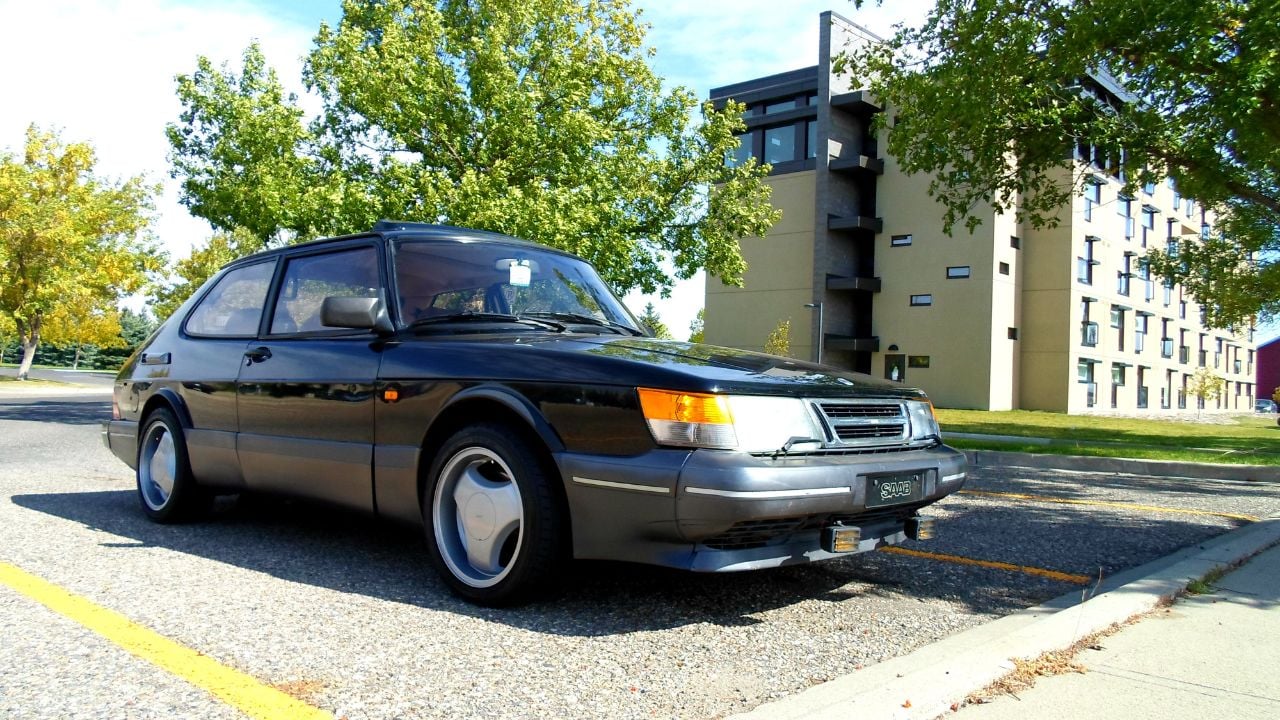
The Saab 900 SPG has the kind of profile that rewards informed collectors. It is distinctive, proudly unconventional, genuinely turbocharged in character, and impossible to confuse with anything else from its era.
For U.S. buyers, the SPG name is usually tied to the 1985-to-1991 cars, while broader market trackers often group related 900 SPG and Aero-type models across a wider first-generation range. CLASSIC.COM tracks the Saab 900 SPG as its own market, with an average sale price of $17,120 and a highest recorded sale of $57,000. On the broader 900 Turbo side, Hagerty’s current 1988 Saab 900 Turbo valuation page shows a recent $37,013 sale on January 21, 2026.
That pattern points to something more serious than random curiosity. The 900 SPG has moved from clever alternative into a niche collector car with a clear audience, especially among buyers who want intelligence and weirdness in the same package. It is not trying to be a German sport sedan or a Japanese performance coupe. Its advantage is that it could only be a Saab.
1995 Volvo 850 T-5R

The 850 T-5R used to feel like a cult choice for people who liked surprising others with their taste. Now it is beginning to feel more like a proper collector car, especially as 1990s performance machines become more important to younger and middle-aged enthusiasts.
Hagerty asked directly in September 2025 whether the one-year-only Volvo 850 T-5R was becoming collectible, and the sales trail supports the question. Hagerty highlighted a $24,517 Bring a Trailer sale in September 2025, while CLASSIC.COM tracks the model as its own 1995 market. The factory story also helps, because the T-5R was never just a normal 850 with a little more boost. It was a short-run performance version with a distinctive identity from the start.
That gives it a much stronger collector argument than “fast old Volvo.” The T-5R has touring-car-era flavor, a turbocharged five-cylinder, useful sedan and wagon body styles, and the kind of understated oddness that enthusiasts tend to protect once values start moving. It still feels practical, but it no longer feels like trivia.
1986 Dodge Omni GLH-S
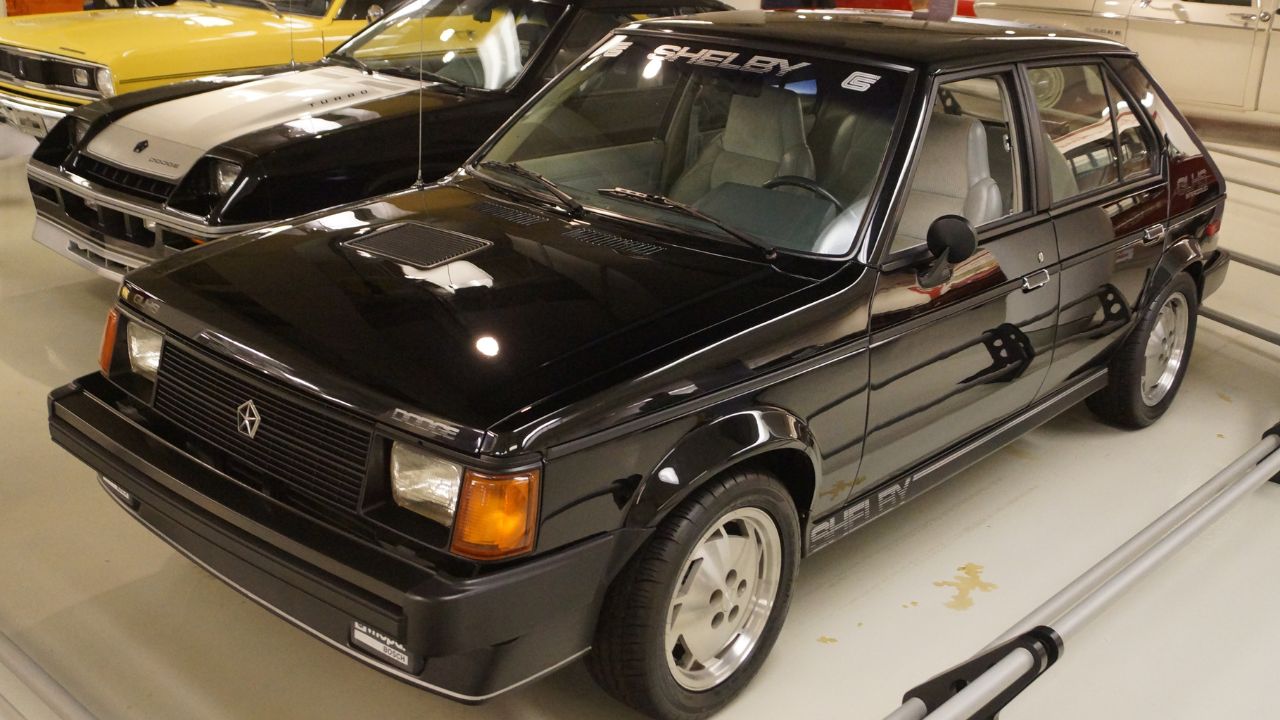
The Omni GLH-S can look confusing to outsiders and obvious to the right collectors. On paper, it is a small front-drive hatchback from the middle of the 1980s. In reality, it carries Carroll Shelby’s fingerprints, a memorable name, and a turbocharged personality that feels far bigger than the car itself.
The market data explains why people keep circling back to it. CLASSIC.COM lists the average sale price for the Dodge Omni Shelby GLH-S at $21,403, with a highest recorded sale of $41,000 for a 1986 example in August 2025. That still does not put the GLH-S into mainstream collector fever territory, but it is enough to show that the right buyers already understand the car.
Its appeal comes from contrast. The GLH-S is small, blunt, and deeply unglamorous in the traditional collector-car sense, yet it has real performance history and a huge amount of attitude. Cars like this often move quietly at first because they do not flatter casual taste. Then collectors realize how few machines combine this much character, story, and period turbo energy in such a compact package.
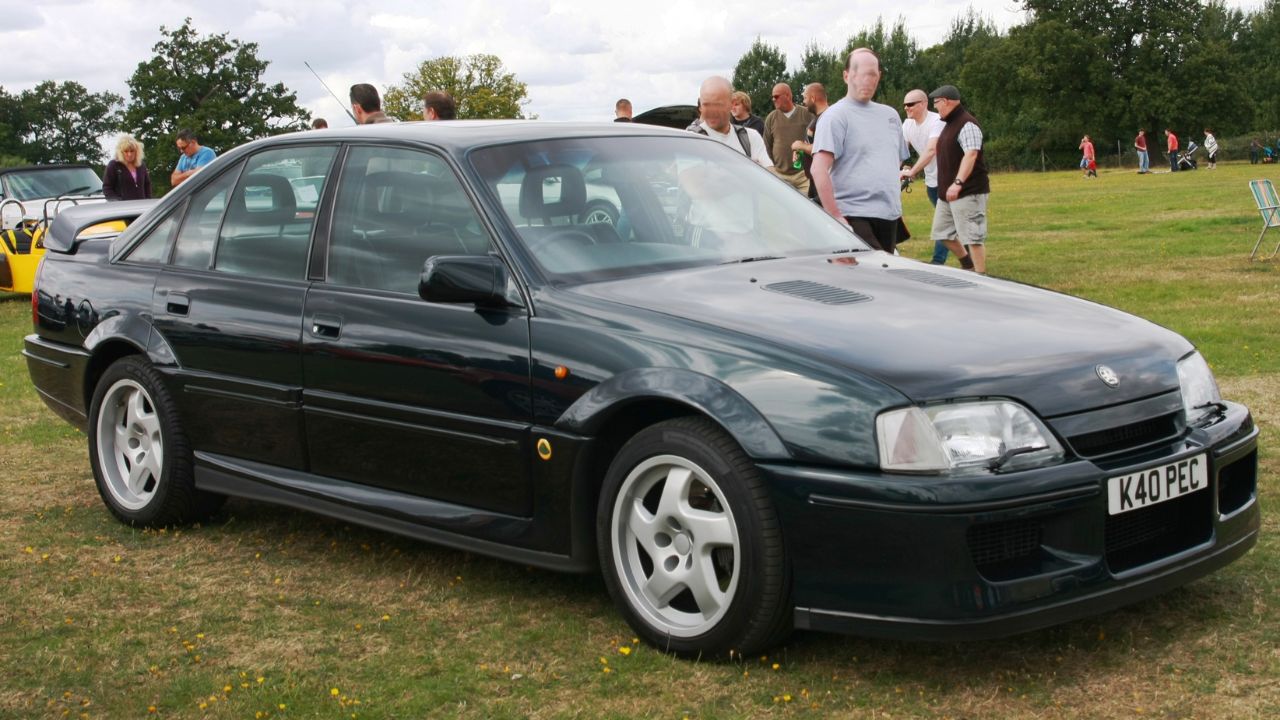
1991 To 1993 Lotus Carlton

The Lotus Carlton sits at the expensive end of this conversation, which makes it a useful marker for how far turbo-era collector interest can go. It is not an undiscovered bargain. It is a landmark turbocharged sedan whose status has become increasingly difficult to ignore.
Hagerty has called the Vauxhall Lotus Carlton one of the all-time great sleepers, noting that Lotus quoted a 176-mph top speed at a time when many German supersedans were limited to 155 mph. CLASSIC.COM also notes that 950 Carlton and Omega examples were built, powered by a 3.6-liter twin-turbo inline-six, and currently shows a 1991 Lotus Carlton market benchmark of $90,197.
The Carlton was outrageous when new, controversial in period, and still dramatic today. It proves that the ceiling can be high when a turbocharged performance car has the right mix of rarity, engineering, speed, and mythology. Not every car in this segment will climb that far, but the Carlton shows why the broader turbo-era story has become harder for collectors to dismiss.
Why Turbo-Era Performance Cars Are Gaining Ground

Turbocharged collector cars gain traction when they offer something more specific than simple speed. The 944 Turbo brings Porsche balance with boost. The Saab 900 SPG delivers Swedish eccentricity and real turbo identity. The Volvo 850 T-5R turns a practical box into a cult performance machine. The Omni GLH-S compresses Shelby-era attitude into a front-drive hatchback. The Lotus Carlton shows how far the turbo sedan idea could be pushed.
That variety matters in a selective collector market. Buyers are not only chasing the loudest legends anymore. Many are looking for cars with a clear story, a distinct feel, and enough market evidence to suggest that other serious enthusiasts are paying attention too.
No one needs to treat any of them like a guaranteed investment or a last-chance bargain. Their appeal is more durable than that. As the turbo era becomes a deeper part of collector culture, cars with this much identity are moving from interesting side stories into machines that are much harder to dismiss.