A few free days can feel much bigger when the place has a clear first image. A lake under mountains, an island road above coves, a cold green river, a Baltic beach, or an old Danish street can pull the week out of your head faster than another rushed city itinerary.
The five escapes below are not vague “go somewhere pretty” ideas. Each one has a real center of gravity: Talloires on Lake Annecy, Cres and Lošinj in the Adriatic, the Soča Valley between Bovec and Kobarid, Poland’s Tricity coast, and Ribe beside the Wadden Sea.
They work well for a long weekend because the days have something to hold onto without needing to become overplanned. You can swim, walk, eat, ride a boat, sit by a harbor, follow a river, or watch the tide change, then let the rest of the day stay loose.
That is the real luxury of a short break. Not doing everything. Just choosing a place where three or four days can still feel like a proper escape.
1. Talloires and Lake Annecy, France
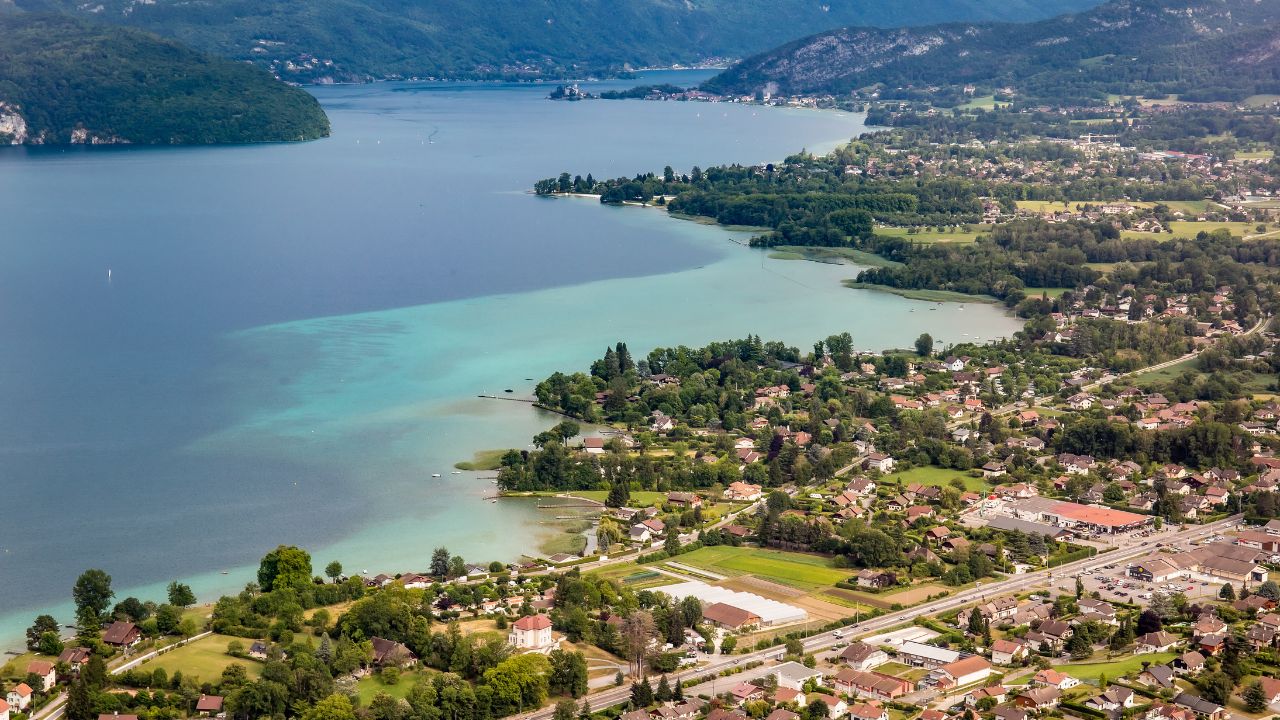
Talloires is the kind of lakeside village that makes a short Alpine trip feel cleaner than real life. The water sits bright below the mountains, boats move across the bay, and the village has just enough restaurants, beaches, and old stone to make the day feel looked after without becoming busy.
Lake Annecy’s tourist office describes Talloires-Montmin through its abbey, priory, Saint-Germain church, Angon waterfall, three supervised beaches, water sports, paragliding, golf, and other outdoor activities. That sounds like a lot, but the best part is simpler: you can wake up by the lake and decide the day from there.
La Tournette rises above the whole scene. The local tourism site gives the summit as 2,351 meters, and even if you are not doing the serious hike, the mountain changes the way Talloires feels from the water. Breakfast with that kind of backdrop is already a small event.
The lake is not just scenery to look at from a terrace. Lake Annecy tourism lists guided cruises, catamaran trips, wooden-boat outings, private boats, and other ways to get onto the water. From the middle of the lake, the villages, peaks, and wooded slopes look less like separate stops and more like one clean Alpine picture.
A good few days here can stay beautifully uncomplicated: swim if the weather is warm, take a boat when the lake is calm, eat outside if you can, and let Annecy town wait for the day when you want streets and canals instead of only water and mountain light.
2. Cres and Mali Lošinj, Croatia

Cres and Lošinj make a short island trip feel longer because the landscape keeps changing under your wheels. One stretch is dry stone, sheep, and empty-looking hills. Another drops toward a cove where the water is so clear that every rock below the surface looks close enough to touch.
Cres has the wilder side of the pairing. Visit Cres lists beaches such as Sv. Blaž, Mali Bok, Plave Grote, and Lubenice, and the island rewards people who like a little effort before the swim. Some beaches are not made for lazy parking-lot arrivals. They ask for a walk, a boat, or at least a willingness to deal with steep paths and rougher access.
Mali Bok is a good example. Visit Cres describes it as an idyllic cove surrounded by high rocks, with no tourist facilities, so visitors need to bring enough food and drinks. That is exactly the kind of detail that changes the day. You are not wandering down for a quick beach bar lunch. You are packing water, choosing your timing, and earning the swim a little.
Lošinj softens the trip without making it dull. Mali Lošinj Tourist Board describes the island’s highly indented coastline, numerous bays, rocky shores, white pebbles, crystal-clear sea, and emerald green shades created by pine trees growing near the shore. Around Mali Lošinj and Veli Lošinj, that means harbor evenings, pine smell, boats, seafood, and water that keeps pulling the day back outside.
This is a good long weekend for people who like movement but not a packed itinerary. Cres gives you stone lanes, hill villages, and coves that still feel a little wild. Lošinj gives you marinas, pine-shaded water, longer dinners, and that Adriatic evening air that makes everyone walk slower after sunset.
3. Bovec and Kobarid, Soča Valley, Slovenia

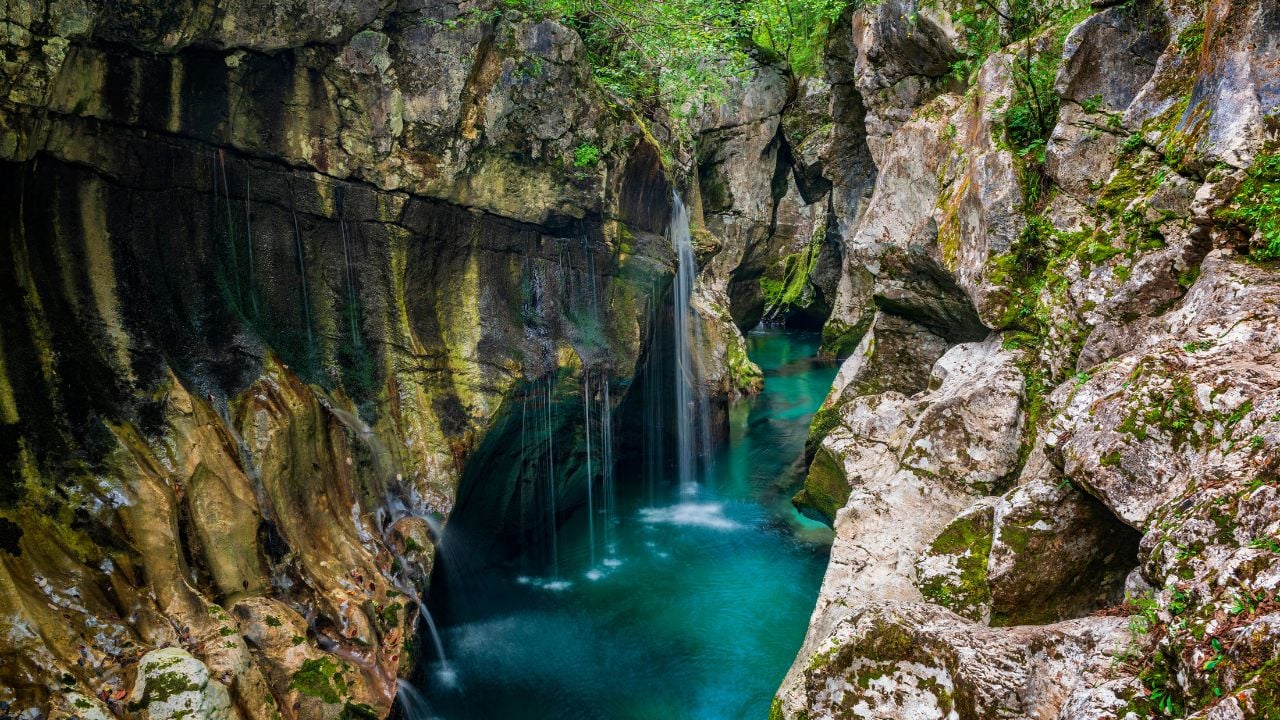
The Soča Valley does not need perfect weather to look unreal. The river has that cold green-blue color that makes people stop mid-walk, and the Julian Alps sit close enough that even a simple drive between Bovec and Kobarid feels like part of the trip.
Slovenia’s official tourism site describes the Soča Valley as a landscape between the emerald-green Soča River and the Julian Alps, with outdoor activities and World War I heritage trails. That combination matters. This is not only a pretty valley. It has rafting, hiking, mountain roads, old military routes, memorials, villages, and food that tastes better after a day outside.
Bovec brings the louder part of the escape. Rafting groups, kayaks, gear shops, mountain views, and people walking around in damp outdoor clothes give the town a very clear purpose. Even if you are not chasing adrenaline all day, the river keeps setting the mood: fast water, cold spray, white stones, forest edges, and suspension bridges that make everyone take the same photo for a reason.
Kobarid slows the trip down. The town has First World War history, a quieter center, and one of the valley’s best short walks nearby. The official Soča Valley site describes Kozjak Waterfall as a 15-meter waterfall where the Kozjak stream has carved a chamber-like space in the rock.
A few days here can feel much longer than they are because the hours change so much. Morning river mist, a mountain road, a waterfall path, a bowl of local food, wet shoes by the door, and the sound of the Soča somewhere nearby are enough to pull the regular week very far away.
4. Gdańsk, Sopot, and Gdynia, Poland
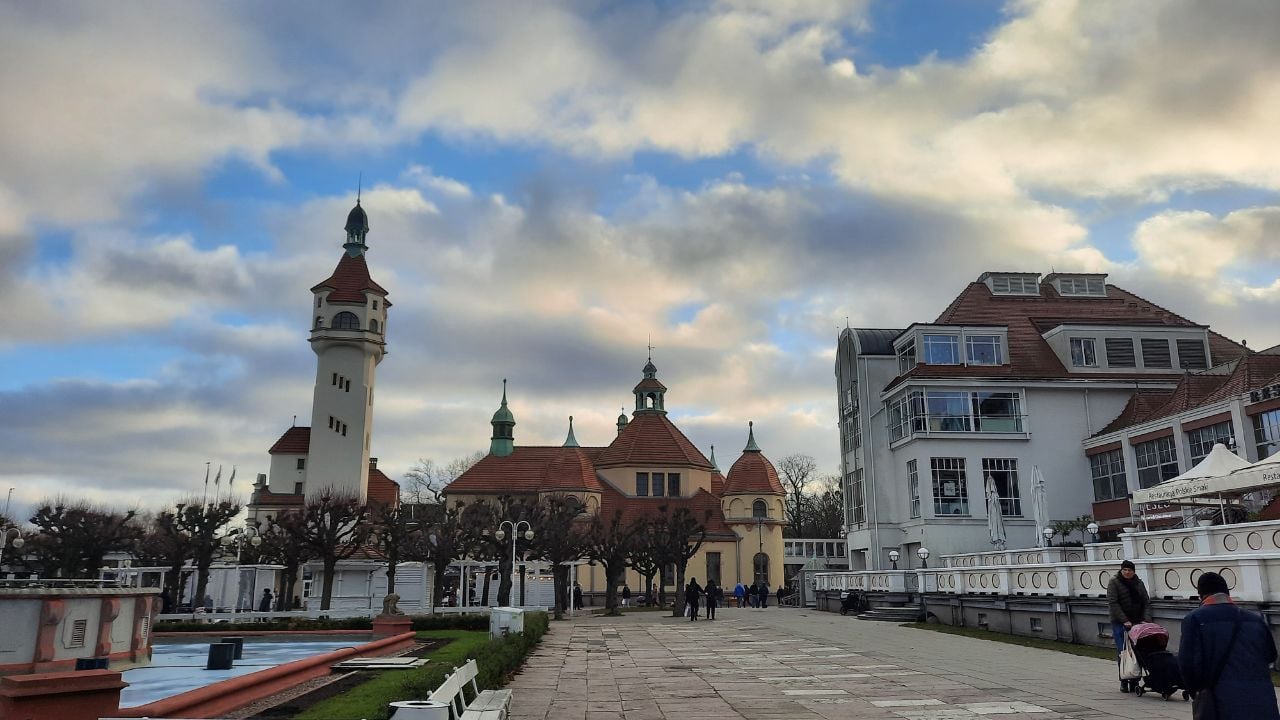
Poland’s Tricity works because it lets a few days change scenery without changing hotels. Gdańsk brings color, history, shipyard memory, old streets, amber shops, and riverfront walks. Sopot brings the beach and the pier. Gdynia adds a more modern harbor mood, with sea air that feels less decorative and more everyday.
Poland Travel describes Gdańsk as a Baltic port city that forms the TriCity with Gdynia and Sopot, with history, culture, leisure, and modern energy. That is the practical advantage here. The three places sit close enough that the trip can shift from old-town facades to sand and harbor views without turning into a travel day.
Gdańsk is the strongest first act. The Main Town gives you façades, gates, church towers, museums, restaurants, and the Motława waterfront. It can feel busy, but it also gives the trip weight. This is not just a beach escape with pretty buildings attached; it is a city with a long Baltic story and a serious sense of place.
Sopot changes the air. Poland Travel calls it a famous seaside resort and spa town and notes that it has the longest wooden pier in Europe. Pomorskie Travel gives the pier’s length as 515 meters, which is long enough for the walk itself to become the point: wind, gulls, the Gulf of Gdańsk, and the town sitting behind you.
Gdynia is the easiest one to underrate. It does not have Gdańsk’s old-town drama or Sopot’s resort image, but the harbor, modernist streets, waterfront spaces, and sea-facing mood make the Tricity feel more complete. Three days here can each have a different flavor: Gdańsk for history, Sopot for sand and pier walks, Gdynia for the modern Baltic edge.
5. Ribe and the Wadden Sea, Denmark
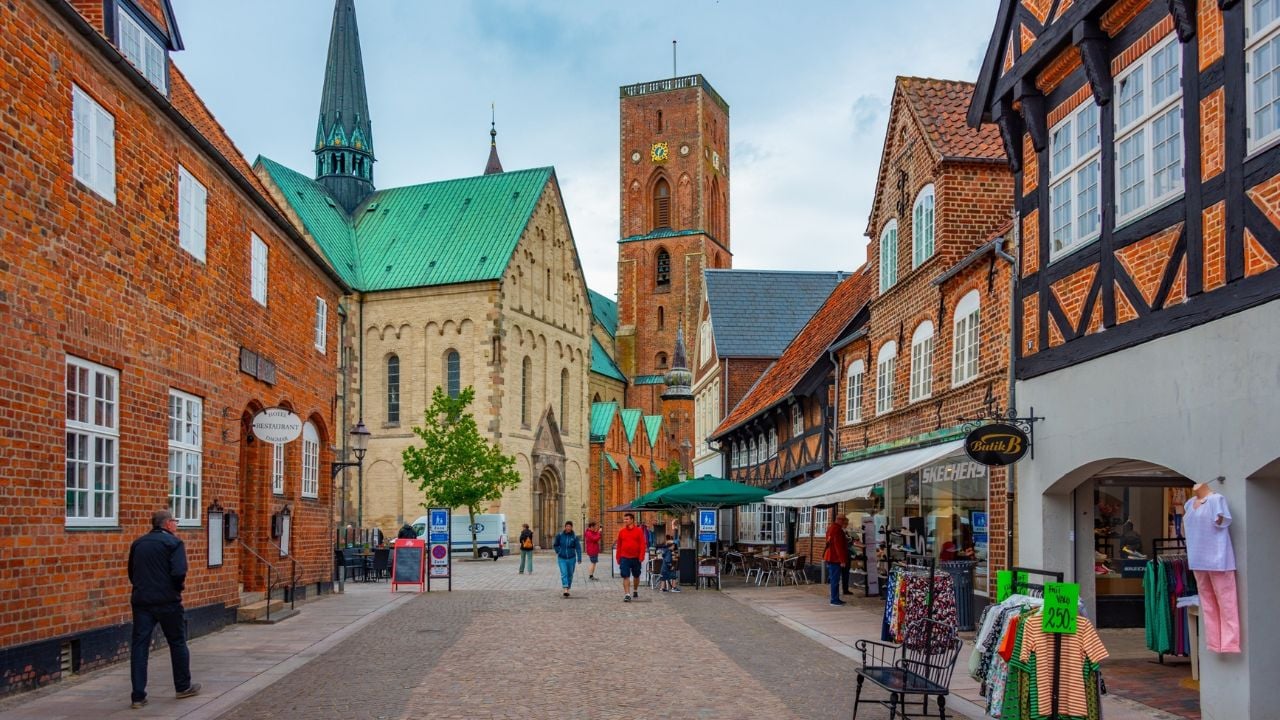
Ribe makes a small escape feel older than the calendar says. The streets are cobbled, the houses sit low and close, the cathedral keeps appearing between roofs, and the whole town seems to slow down after the day visitors leave.
Destination Vadehavskysten calls Ribe Denmark’s oldest town and points to its 1,300 years of history, art, shops, restaurants, and historic setting. That age is easy to feel without trying too hard. It is in the brick, the lamps, the lanes, the church tower, and the way the town looks better when you walk it slowly.
Ribe is a strong base because the old town and the Wadden Sea feel completely different. One gives you narrow streets, coffee, cathedral views, and evening quiet. The other gives you open sky, mudflats, tides, birds, wind, and a coastline that changes shape instead of sitting still for photos.
UNESCO describes the Wadden Sea as the largest unbroken system of intertidal sand and mud flats in the world. The Danish part is included in the World Heritage property, and the landscape is defined by tidal movement, transitional zones, and species adapted to difficult coastal conditions.
That contrast is what makes the break stay in memory. In the morning, you may be walking past old houses toward Ribe Cathedral. Later, you may be out under a huge sky watching the tide expose flats that look almost otherworldly. It is a short trip, but it does not feel small.