
A road trip budget can change before the first scenic stop. Fuel, tolls, parking, park passes, timed entries, motel locations, rental-car extras, and one-way fees can all add costs that are easy to miss when travelers only price hotels and daily mileage.
The biggest savings often come from checking the route before the bookings are final. A cheaper room may add an hour of driving, a faster highway may carry tolls, and a larger rental may cost more at the pump and in parking garages. These five checks help travelers price the full drive, not just the headline rate.
1. Estimate Fuel Before Choosing the Route

Fuel is easy to underestimate because the cost is split across several stops. FuelEconomy.gov has a trip calculator that lets travelers estimate fuel costs by route and vehicle. That helps when comparing a personal car, a rental sedan, an SUV, or a larger vehicle for a family trip.
AAA also has a gas cost calculator that uses route and vehicle details, along with current average fuel-price information. The estimate should be checked before extra detours, longer scenic loops, or distant hotels are added to the plan.
Real fuel use can climb beyond the calculator number. Mountain roads, traffic, high speeds, heavy luggage, roof boxes, bikes, and extra passengers can all reduce mileage. A route that looks cheap on a map may cost more once the vehicle, terrain, and fuel stops are included.
2. Check Toll Rules Before Picking the Fastest Highway
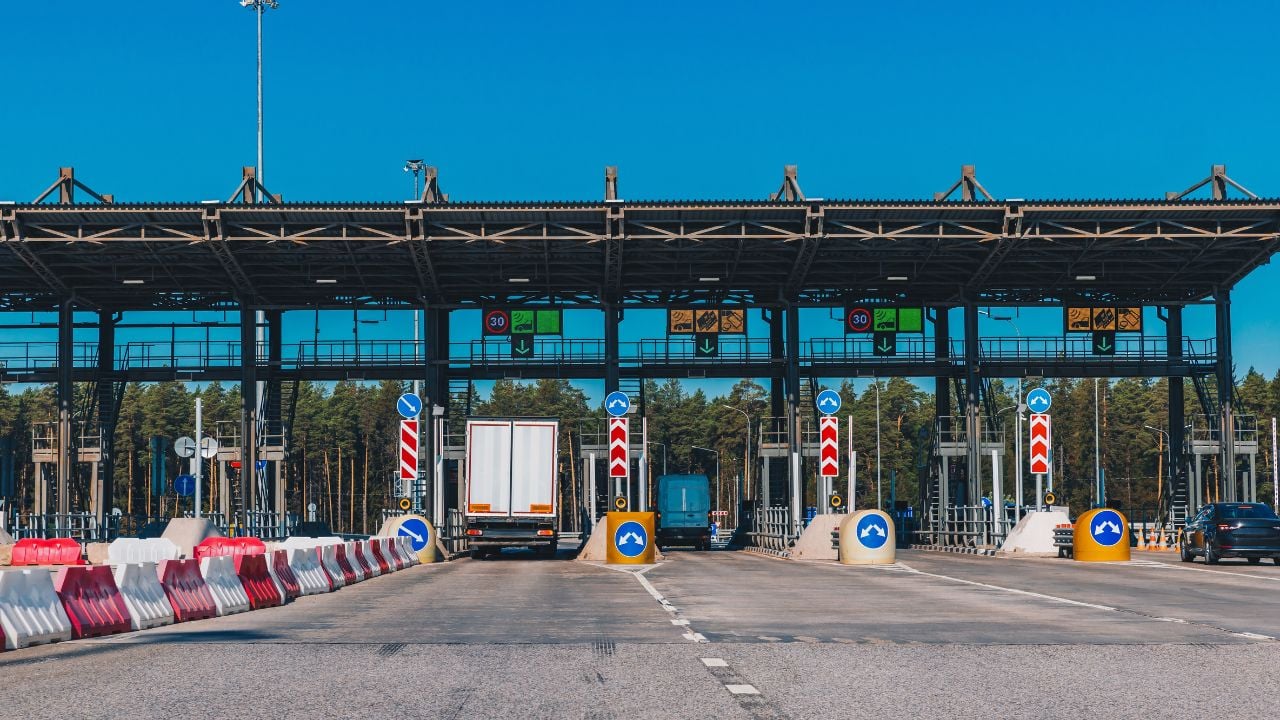
Tolls can change the cost of a route, especially on long drives through several states or countries. A navigation app may show the quickest highway, but it may not show the final rental-car toll bill, cashless toll rules, or transponder fees.
FTC says rental companies may charge toll service fees in several ways, including a daily service fee, a one-time service fee, or a fee each time a toll device is used. A driver can end up paying more than the toll itself if the rental company’s toll program activates on a road with cashless collection.
Travelers should check the rental company’s toll policy before pickup. The useful details are the daily fee, maximum rental-period charge, covered roads, whether the device can be declined, and what happens if a toll is billed later by plate. A toll route may still be worth using, but the rental agreement should show the real cost before the car leaves the lot.
3. Price Park Passes, Reservations, and Timed Entries Early
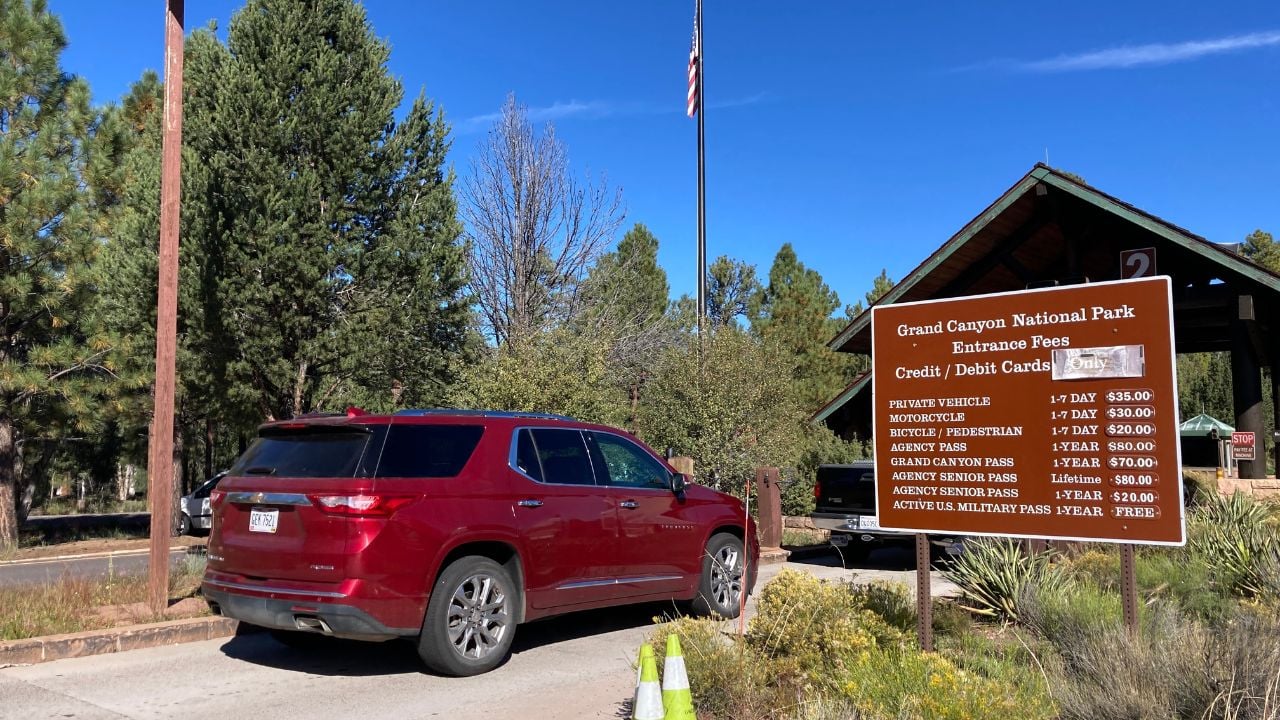
National parks, state parks, scenic drives, and popular trailheads can require more than a parking space. NPS lists federal recreation pass options, including annual America the Beautiful passes, park-specific passes, and free or discounted passes for eligible groups. For 2026, the NPS pass page lists a US$80 annual pass for U.S. residents and a US$250 annual pass for nonresidents.
A road trip with several federal sites should be priced before individual entrance fees are paid one by one. Some parks also use timed-entry permits, vehicle reservations, shuttle reservations, or seasonal road rules. Those systems can affect where travelers sleep the night before and what time they need to reach the gate.
Recreation.gov sells digital site passes for some destinations, and many high-demand reservations also run through the same platform. Travelers should check the official park page first, then confirm whether the pass, timed entry, shuttle seat, or trail reservation is handled through Recreation.gov or another official system.
4. Choose Lodging by the Next Morning’s Drive

A cheaper room 30 miles from the main stop may add that distance twice: once at night and again the next morning. That extra driving can add fuel, parking costs, late check-in stress, and a weaker start to the next day.
Before booking, travelers should map the next morning’s first real stop. For a park trip, that may be the entrance gate, shuttle lot, trailhead, or scenic road. For a city stop, it may be the parking garage, ferry terminal, old town, museum district, or airport return location. The lowest nightly rate is not always the lowest trip cost.
Parking rules should be checked with the room rate. A hotel that looks cheaper can lose the advantage if it charges for overnight parking, sits far from public transit, or forces travelers to drive back into a congested area the next morning. A slightly higher room rate can be cheaper overall when it cuts miles, parking fees, and early-morning delays.
5. Match the Car to the Route and the Fees

A larger vehicle can make a long drive more comfortable, but it can also raise the total cost through fuel, parking, rental category, toll class, and luggage choices. AAA advises drivers to remove unnecessary cargo and notes that rooftop cargo boxes can reduce fuel economy. That becomes more important on highway-heavy road trips.
Fuel grade should also be checked before choosing a rental or planning the budget. AAA has reported that premium fuel provides no benefit in vehicles designed to run on regular fuel. Travelers should follow the owner’s manual or rental-car fuel requirement rather than paying for premium by habit.
The rental agreement can carry several road-trip costs beyond the daily rate. FTC lists possible charges such as out-of-state fees, drop-off fees, equipment rentals, additional-driver charges, and fuel charges. Road-trip renters should check mileage limits, one-way fees, insurance or waiver terms, toll programs, fuel policy, extra-driver rules, and return-location hours before checkout.
The best rental is not always the biggest or cheapest vehicle on the first screen. It is the car that fits the passengers, bags, parking plans, fuel budget, road conditions, and rental terms for the actual route.