
Renting a car in Europe can be useful for vineyards, villages, mountain roads, island drives, rural hotels, and places trains do not reach easily. It can also create problems at the counter if Americans arrive with the wrong license paperwork, the wrong transmission, the wrong card, or the wrong assumption about tolls and borders.
Before pickup, check five details in writing: license and International Driving Permit rules, manual versus automatic transmission, insurance and deposit terms, toll and city-access rules, and permission for any border crossing.
1. Check License and International Driving Permit Rules Before Departure
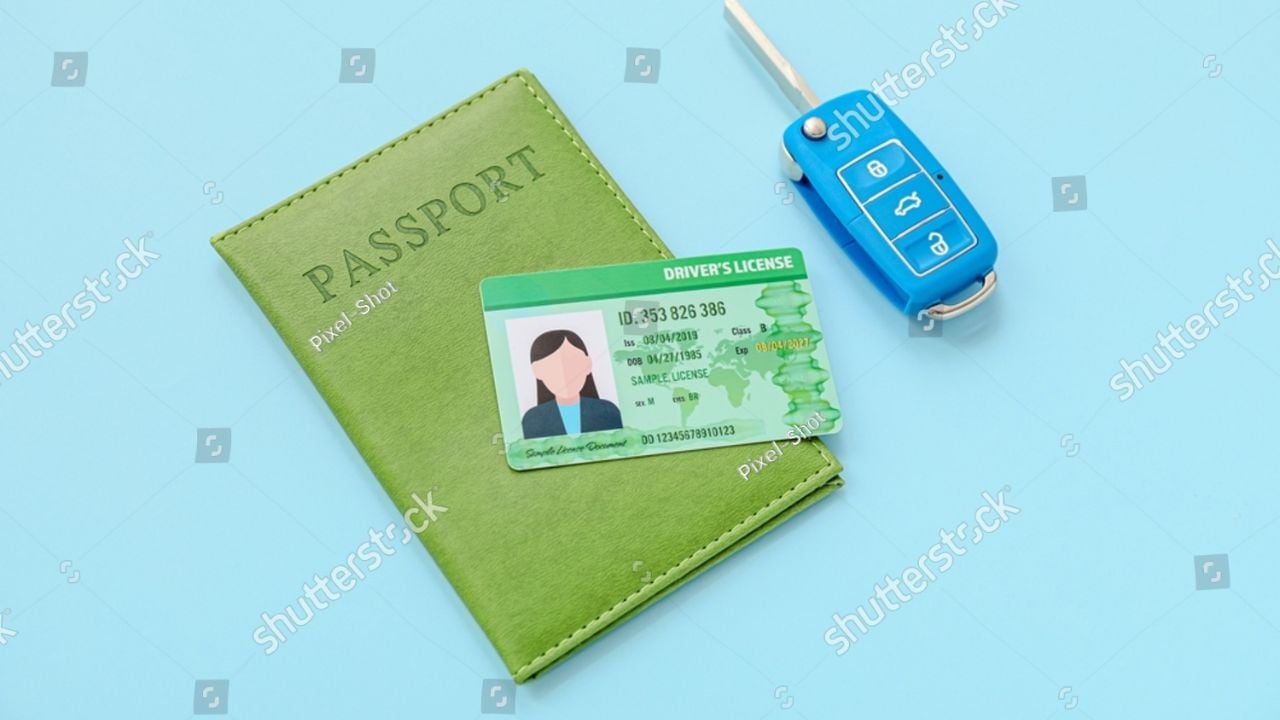
A valid U.S. driver’s license is not always enough by itself. The U.S. State Department says some countries accept a U.S. license, while many require an International Driving Permit. Travelers should also carry their valid U.S. license when driving abroad.
An IDP does not replace the license. It translates driver information into multiple languages and supports the original license at rental counters or during police stops.
Apply before departure. AAA notes that an IDP used with a U.S. license must be issued in the United States, and many countries require one to drive legally.
Check every country on the route, not only the pickup country. A road trip through several countries can put the driver under different license and IDP rules in the same vacation.
2. Reserve the Transmission and Size You Can Actually Handle

Americans who drive only automatics should not book a manual car to save money. Auto Europe says travelers can compare automatic and manual rental quotes by selecting the transmission type during booking.
Confirm “automatic” in the reservation, not only at pickup. A cheaper manual car can become a real problem on steep village streets, roundabouts, mountain roads, left-side driving routes, or crowded old-town approaches.
Car size also needs discipline. A larger vehicle may look comfortable online, but old villages, narrow lanes, small parking garages, ferry ramps, hotel courtyards, and mountain roads often favor a smaller car.
Book enough space for passengers and luggage, then stop. A compact automatic with a manageable trunk can be more useful than a large upgrade that barely fits through the places the trip is supposed to reach.
3. Read the Insurance, Deposit, and Card Terms Before the Counter

Rental insurance terms can sound simple until the counter asks for a deposit, a credit card, or another waiver. The U.S. State Department warns that U.S. auto insurance may not cover driving in other countries and says travelers should carefully review rental-company insurance before driving abroad.
Your Europe says every rental vehicle must have third-party liability insurance valid in all EU countries, and that this should be included in the rental price. That coverage is not the same as full protection for damage to the rental car, theft, tires, glass, underbody, keys, roof damage, roadside assistance, or the deductible.
Check the excess or deductible amount, collision damage waiver terms, theft waiver terms, excluded damage, roadside assistance, fuel policy, mileage limits, additional-driver fees, child-seat fees, and one-way fees before pickup.
The payment card can decide whether the rental happens. ECC Netherlands says most rental companies require a credit card and use it for the deposit, excess, damages, and traffic fines. It also warns that rental companies often reserve a deposit amount on the card, and that the amount can exceed €1,000. The main driver’s name should match the credit card and rental contract.
4. Ask About Tolls, Vignettes, and City-Access Rules
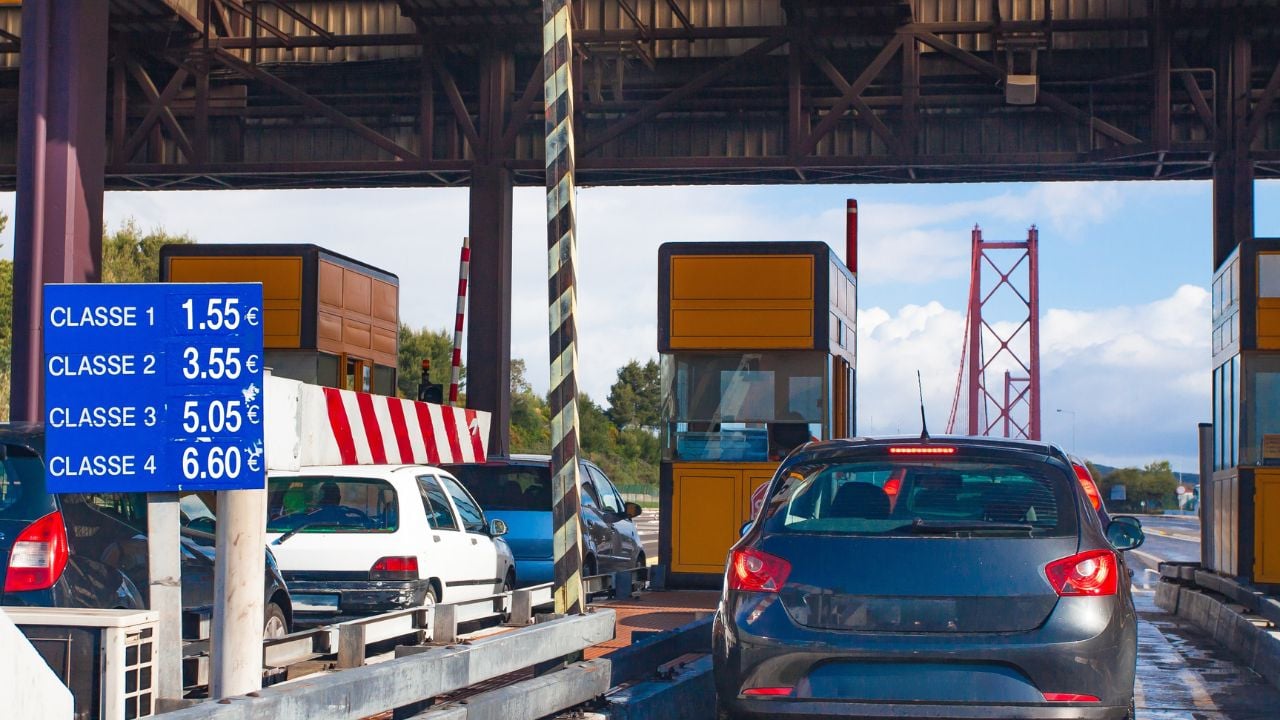
European road charges do not all work like American toll roads. The European Commission explains that road charging can involve distance-based tolls or time-based vignettes, with national authorities responsible for how charges are collected.
Ask the rental company whether the car has a toll transponder, an e-vignette, a motorway sticker, an emissions sticker, or any country-specific device. Ask how unpaid tolls, electronic tolls, and later fines are billed.
City driving can add another problem. The European Commission describes urban vehicle access regulations such as low-emission zones, congestion charging, pedestrian areas, parking schemes, and limited traffic zones. Access can depend on vehicle type, emissions class, time, area, or payment.
Do not drive into historic centers or restricted zones just because the navigation app sends the car that way. Check official local rules for the destination city and ask the rental desk how zone fines and rental-company administration fees are handled.
5. Get Cross-Border Permission in Writing
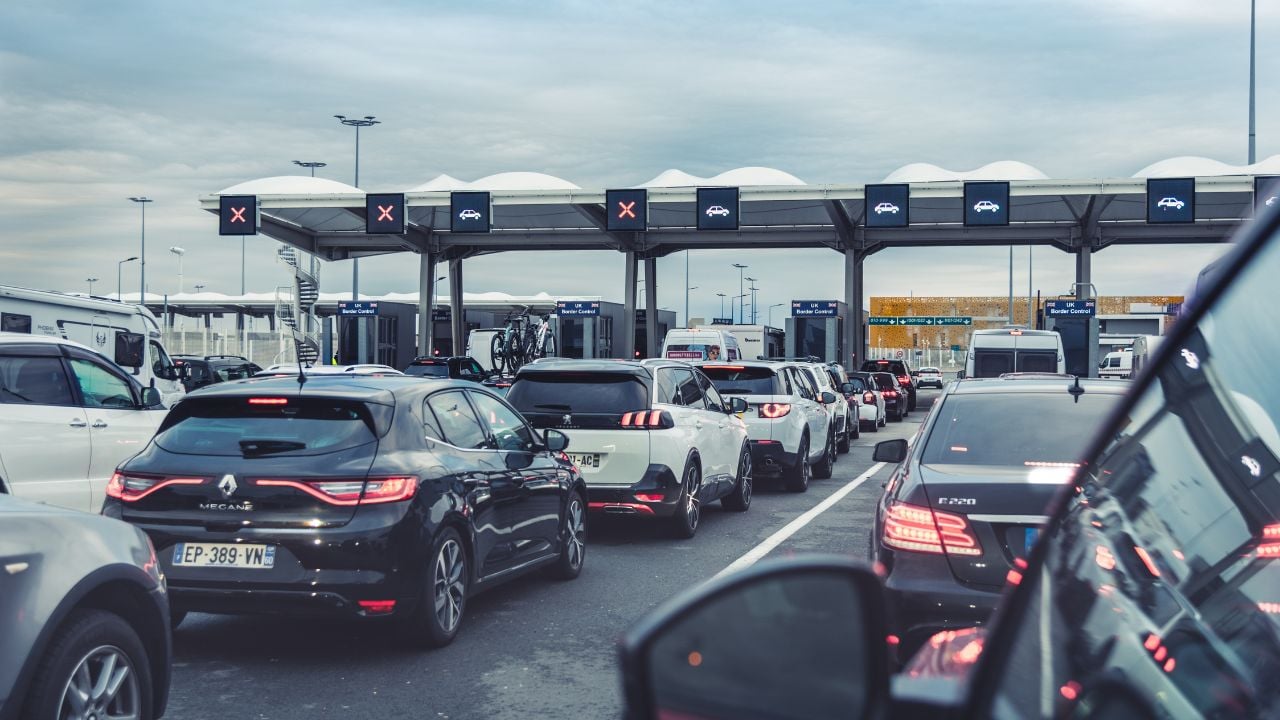
European borders can feel easy on the road, but rental contracts may not follow the map as freely as travelers expect. Europcar says taking a rental vehicle abroad may require prior written consent and a specific cross-border package, with conditions depending on the rental country, vehicle type, and destination countries.
This can affect trips such as Austria to Slovenia, Italy to Switzerland, Croatia to Montenegro, Germany to Czechia, or France to Spain. The problem may be insurance validity, roadside assistance, vehicle category restrictions, ferry use, country exclusions, or added fees.
Get the cross-border permission and fee in the booking confirmation, rental agreement, or written rental-company message. Do not rely on a casual counter conversation.
Check the return country too. One-way international drop-offs can be expensive or unavailable, even when driving across the border itself is allowed.