The collector car market has not stopped rewarding famous names, but some of the smarter buying now happens just outside the obvious icons. The cars getting quiet attention are often the ones with real engineering stories, clean surviving examples, and enough usability to be enjoyed instead of stored away.
That is why buyers keep circling cars that once looked ordinary, misunderstood, or slightly out of step with their time. A full-size Chevrolet sedan with an LT1 V8, a Porsche-developed Mercedes, a smooth Lexus coupe, a front-engine Porsche GT, and a woodgrain Buick wagon do not belong to the same category on paper. In the collector world, they share one important trait: good examples are getting harder to replace.
Collectors are looking more closely at originality, mileage, documentation, color, trim, mechanical condition, and unmodified cars. A clean survivor with records can matter more than a rougher car with a more famous badge.
These five classics fit that shift. They are not speculative guarantees, and none should be bought blindly. They simply have the kind of character, market activity, and era-specific appeal that make informed buyers pay attention before the crowd fully catches up.
Where Quiet Collector Momentum Becomes Real
This selection focuses on classic and modern-classic cars sold in the U.S. market that still appear through collector listings, auctions, and specialist classifieds. Each model needed more than nostalgia or a low entry price. The car had to offer a clear reason for collector interest.
The strongest examples in this group tend to be original, well documented, and carefully maintained. Low mileage helps, but condition and history matter just as much. A poorly kept version of any car here can erase the value argument quickly.
The list also avoids the obvious headline cars. These are not Hemi E-Bodies, air-cooled 911s, Mk4 Supras, or Ferrari poster cars. They are quieter machines with specific appeal: final-era American V8 sedans, understated German performance, Japanese luxury-coupe durability, transaxle Porsche engineering, and full-size wagon nostalgia.
The market has already noticed them in different ways. Some trade in the $10,000 to $30,000 range, while others have pushed much higher. The common point is not price. It is that clean, correct examples now get taken seriously instead of dismissed as old used cars.
1994 to 1996 Chevrolet Impala SS
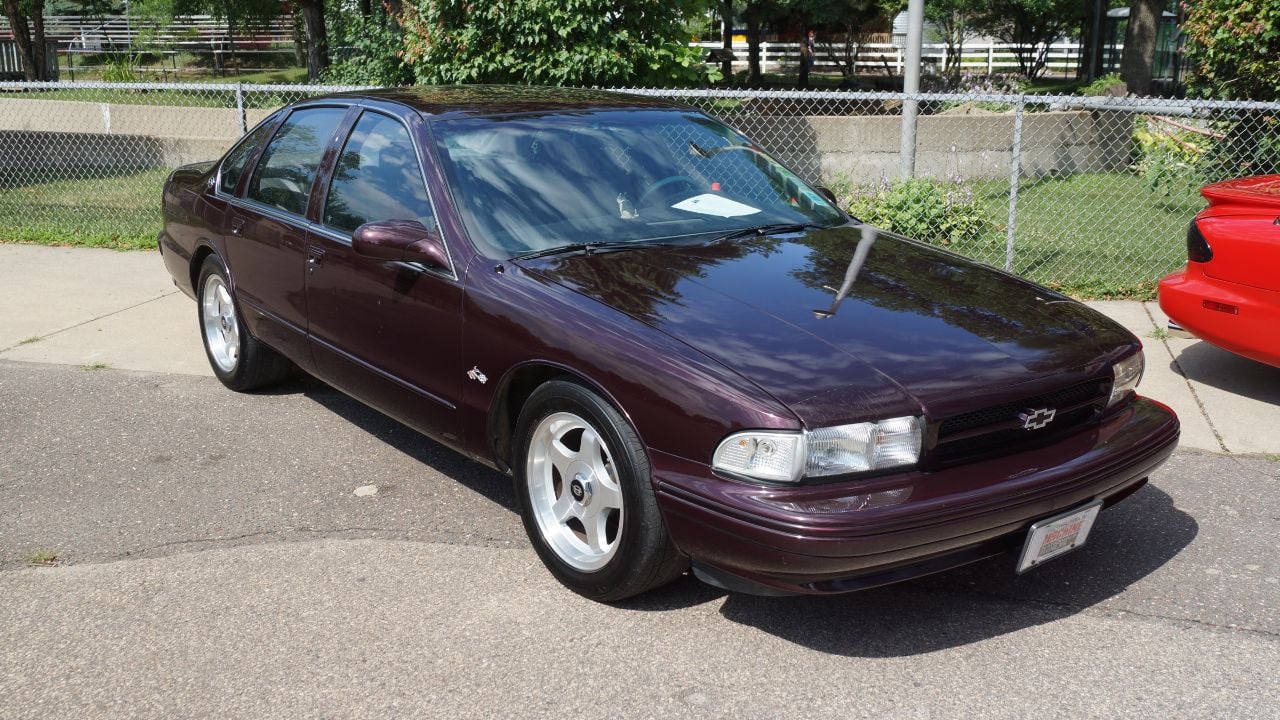
The final rear-drive Chevrolet Impala SS has become a collector favorite because it represents the end of a specific American formula. It was a big body-on-frame sedan with rear-wheel drive, dark factory attitude, and enough V8 torque to make it feel different from the ordinary family sedans around it.
Chevrolet built the 1994 to 1996 Impala SS on the B-body platform. The car used a 350-cubic-inch LT1 V8 rated at 260 hp and 330 lb-ft of torque, paired with a 4-speed automatic transmission.
The market now treats clean Impala SS examples as more than cheap nostalgia. Classic.com shows an eighth-generation Impala SS benchmark in the mid-$20,000s, while clean and lower-mile cars are often listed higher, including examples in the $30,000s and beyond.
The appeal is not complicated. A good Impala SS has space, comfort, torque, a factory muscle-sedan look, and a shape that still reads clearly from across a parking lot. Buyers should focus on originality, mileage, rust, interior condition, suspension wear, and whether the car has avoided rough modifications.
1992 to 1994 Mercedes-Benz 500E and E500
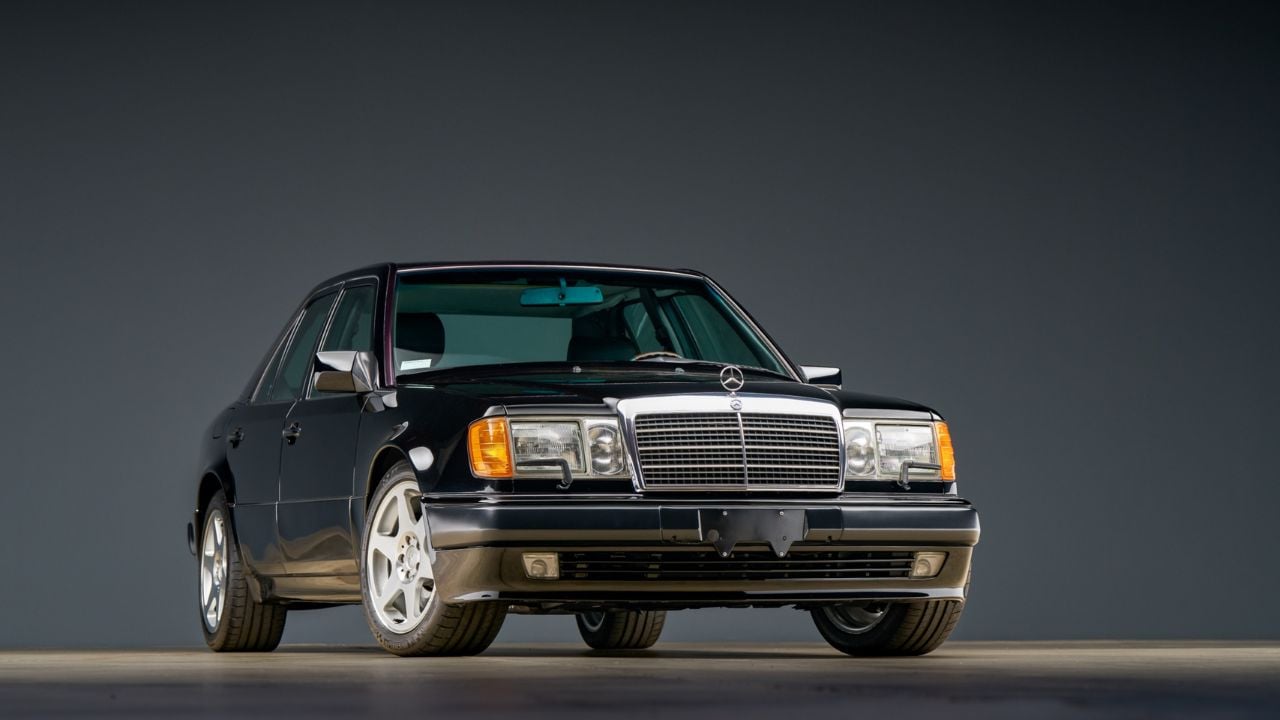
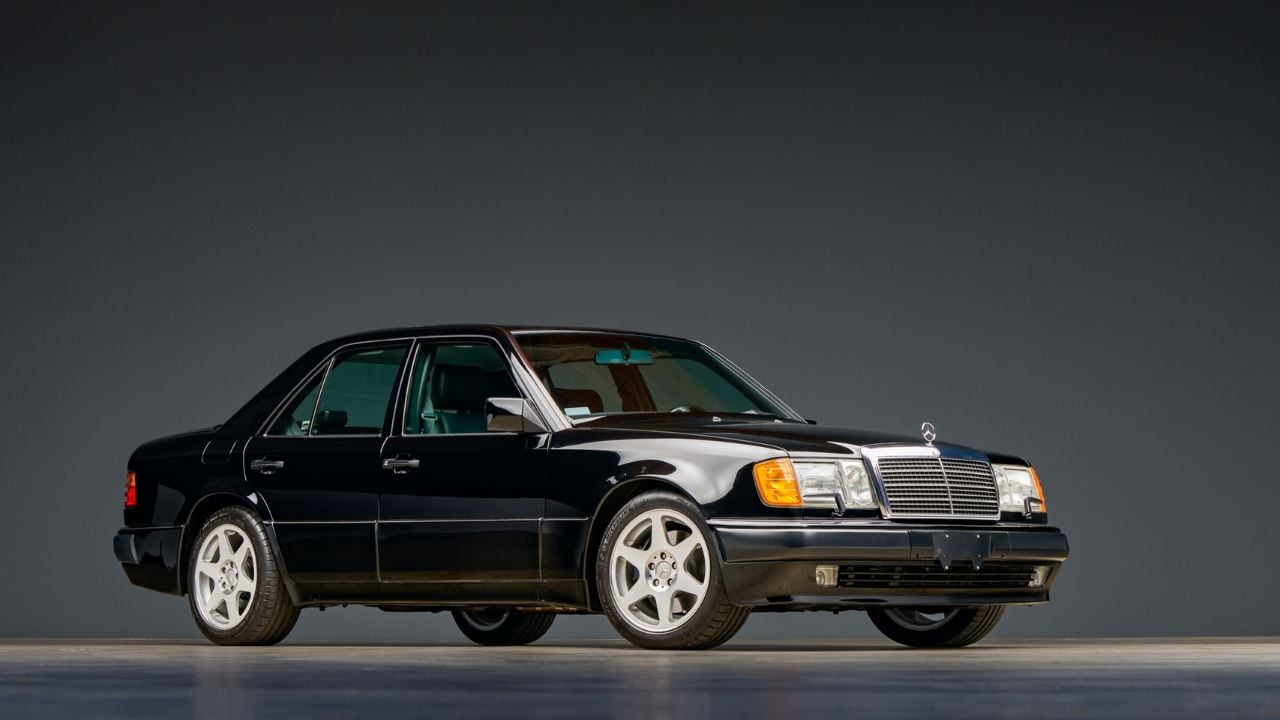
The Mercedes-Benz 500E is the kind of car that becomes more interesting once the buyer knows what to look for. From a distance, it is a restrained W124 sedan. Up close, the wider fenders, lower stance, larger brakes, and V8 packaging reveal something much more serious.
Porsche’s own newsroom confirms that Daimler-Benz commissioned Porsche to help develop the fast touring sedan. The 500E used a 5.0-liter V8 related to the 500SL engine, and U.S. period specifications list the 1992 500E at 322 hp and 354 lb-ft of torque.
The naming needs precision. In the U.S., the 500E covers the earlier cars, while the facelifted E500 followed for 1994. Collector listings often treat them as closely related W124 performance sedans, but buyers still care about year, history, mileage, and originality.
The car’s collector argument is built on restraint. It does not need a wing, a loud exhaust, or a dramatic badge to make sense. It gives buyers Porsche involvement, Mercedes build quality, V8 power, and a body shape that hides most of the story from people who are not paying attention.
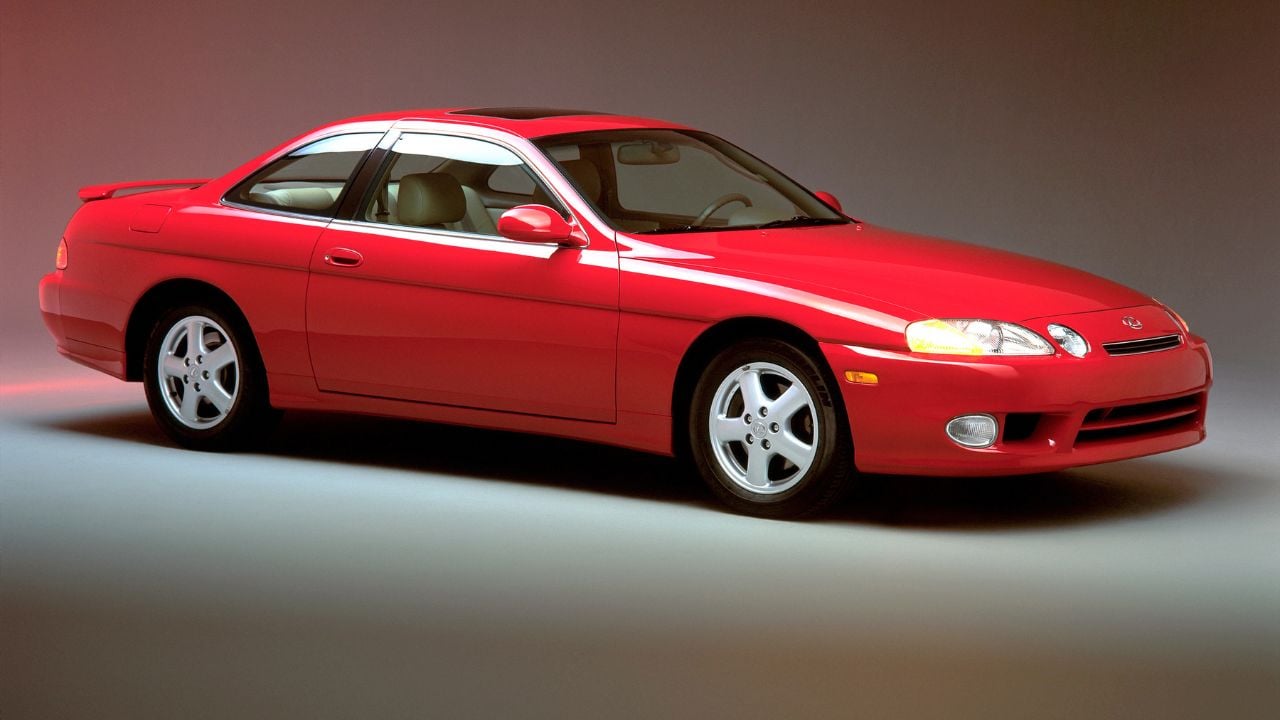
1992 to 2000 Lexus SC300 and SC400
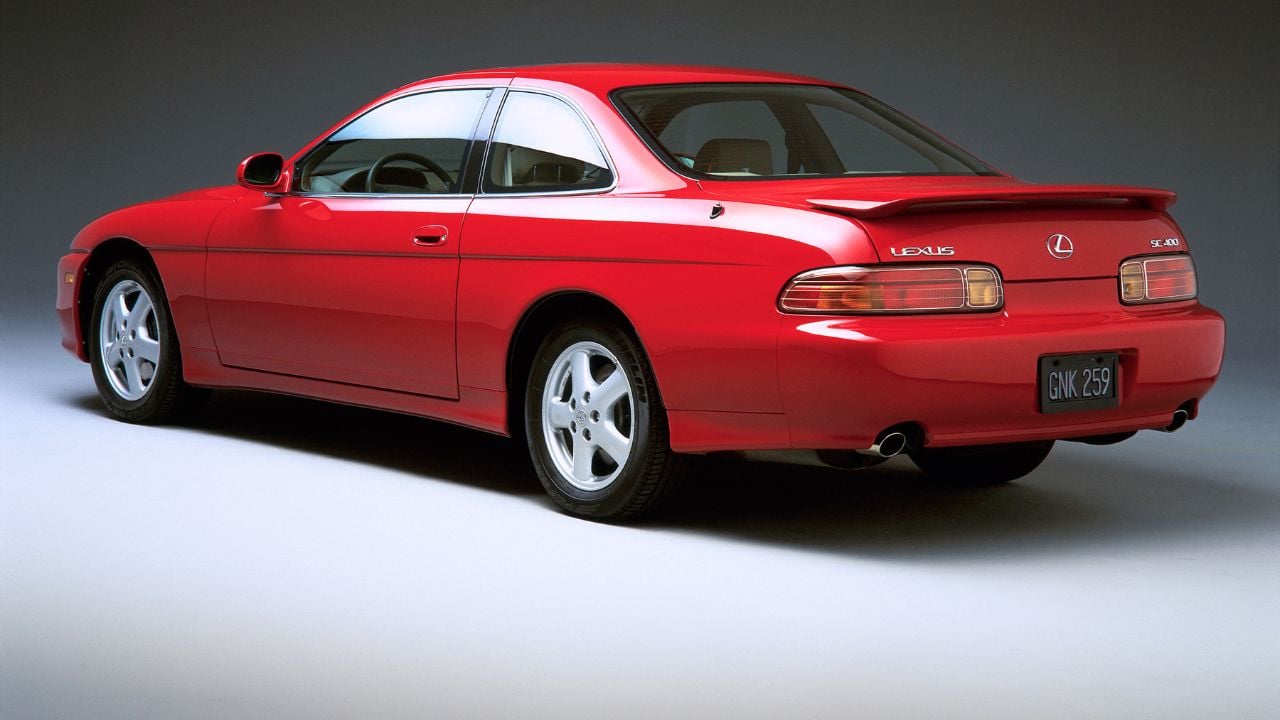
The first-generation Lexus SC is finally getting the kind of attention its design and build quality deserved. It arrived as a sleek Japanese luxury coupe with rear-wheel drive, a long hood, a low roofline, and the kind of cabin quality that helped establish Lexus as more than a quiet sedan brand.
The SC400 used Toyota’s 1UZ-FE V8. Classic.com lists early Z30 SC400 output at 250 hp and 260 lb-ft of torque, with later VVT-i cars rising to 290 hp and 300 lb-ft.
The SC300 adds a different collector angle. Its 2JZ inline-six connection matters to Toyota enthusiasts, and rare factory manual-transmission examples sit in a more focused collector lane. The SC400, meanwhile, appeals as the smoother V8 luxury coupe.
These cars are not being noticed only because they are old Lexuses. The shape has aged well, the mechanical reputation is strong, and clean unmodified cars feel more special as many surviving examples have been neglected, modified, or simply worn out. Buyers should watch for timing-belt history, suspension wear, interior condition, LCD and electronics issues, and signs of poor modifications.
1987 to 1991 Porsche 928 S4 and GT
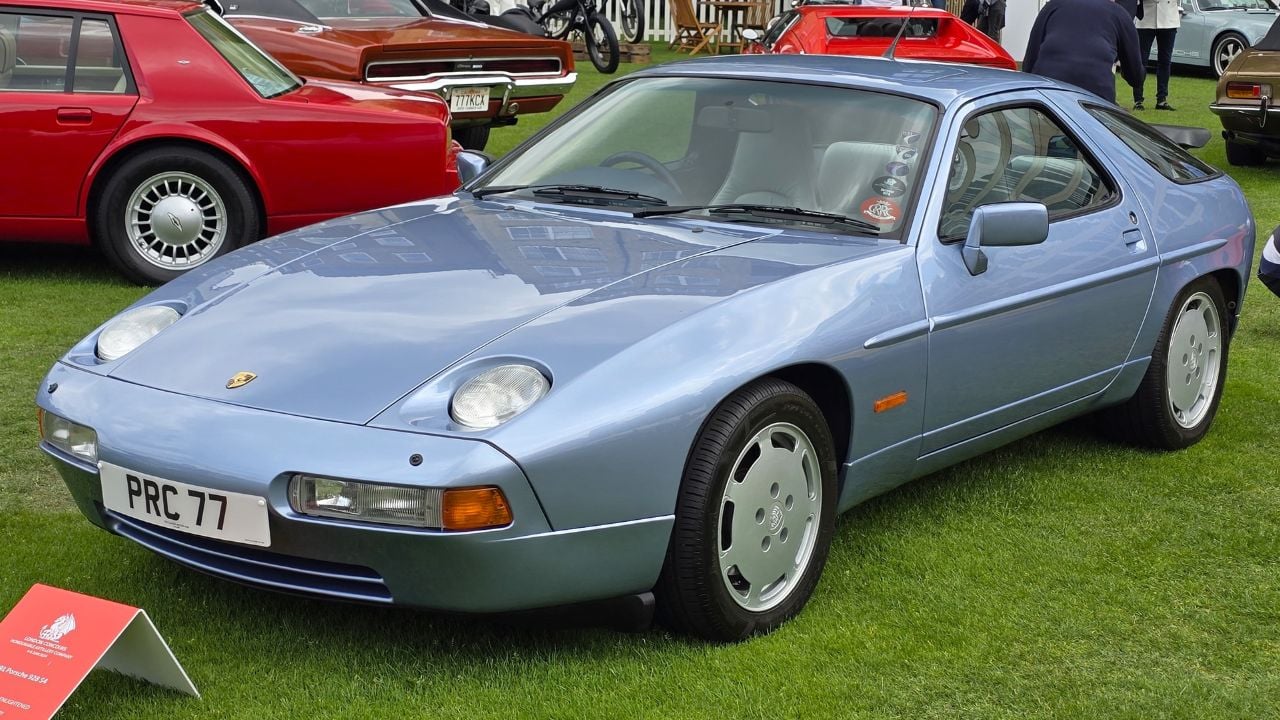
The Porsche 928 spent decades being judged against the 911, which was never the fairest comparison. It was Porsche’s front-engine grand tourer, with V8 power, transaxle balance, a distinctive shape, and a cabin built for long-distance speed rather than rear-engine tradition.
The 928 S4 used a 5.0-liter V8 rated at 316 hp and 317 lb-ft of torque. The later 928 GT sharpened the idea with a 5-speed manual gearbox, firmer performance focus, and a 326-hp version of the 5.0-liter V8.
Car and Driver’s archived 1990 928 GT test recorded 0 to 60 mph in 5.2 seconds, a strong number for a heavy, expensive grand tourer of its period. Classic.com currently shows 928 GT market activity with a benchmark around the low-$50,000 range, which shows how far strong examples have moved from old used-car territory.
The 928 feels different from most collectible Porsches because it is not trying to follow the 911 script. It is smooth, technical, expensive-feeling, and visually distinct. Buyers should pay close attention to timing-belt service, cooling-system health, electrical condition, transaxle behavior, interior wear, and the cost of deferred maintenance.
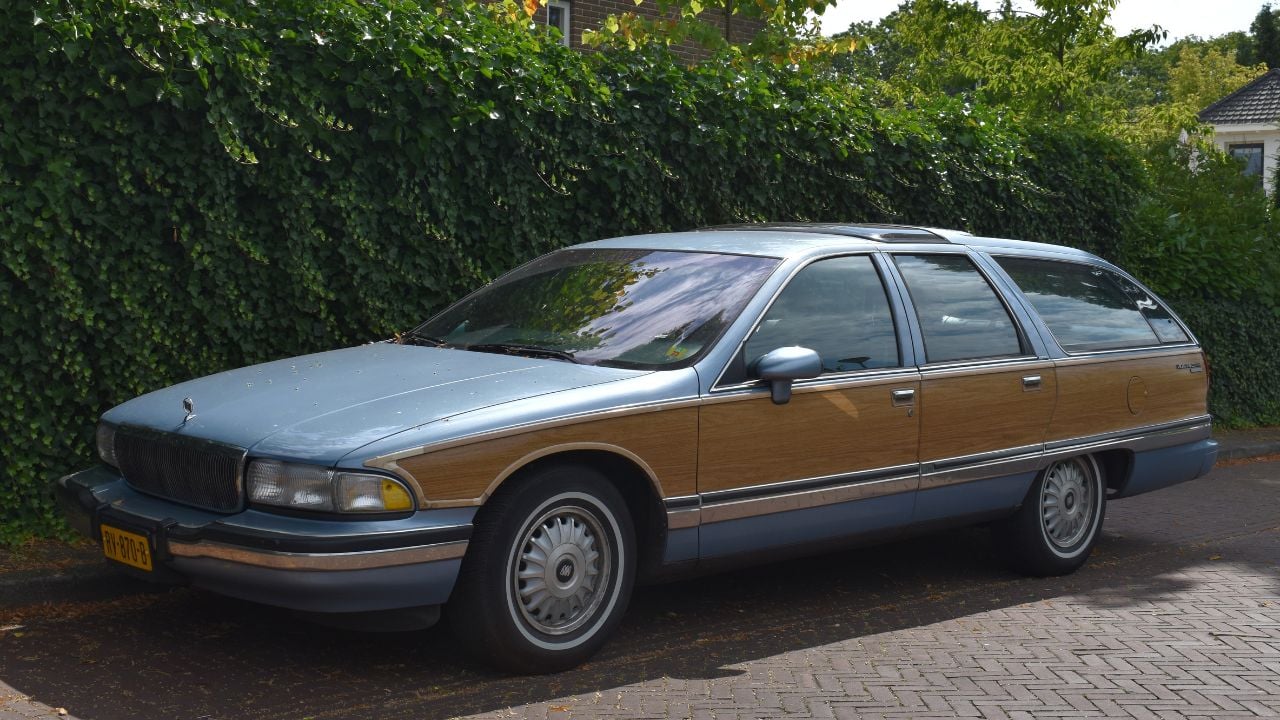
1994 to 1996 Buick Roadmaster Estate Wagon

The Buick Roadmaster Estate Wagon looks like the least likely collector car here until the details start adding up. It has rear-wheel drive, huge cargo space, available woodgrain trim, three-row family-hauler nostalgia, and the same basic LT1 V8 family that helped make the Impala SS collectible.
The 1994 to 1996 Roadmaster wagons are the versions buyers watch most closely because they received the 5.7-liter LT1 V8. Period specification sources list the 1996 Estate Wagon at 260 hp and 330 lb-ft of torque, and Edmunds lists rear-wheel drive with a 4-speed automatic transmission.
The market is still more accessible than the Impala SS, but clean wagons are no longer invisible. Classic.com shows eighth-generation Roadmaster activity with usable wagons often around the low-to-mid-$10,000 range, while cleaner or lower-mile examples can reach higher.
The Roadmaster’s appeal is practical and nostalgic at the same time. It can haul people, cargo, dogs, luggage, or road-trip gear, while still giving the owner V8 torque and a shape modern crossovers cannot imitate. Buyers should check rust, rear air suspension if equipped, trim condition, cooling-system health, interior plastics, and whether the fake-wood exterior trim has survived well.
Why the Smartest Buys Often Start Quietly
The best collector buys are not always the cars making the loudest auction headlines. Many start as well-kept examples that enthusiasts quietly protect because they know the combination of specification, condition, and era is getting harder to duplicate.
The Impala SS brings final-era rear-drive Chevrolet V8 sedan appeal. The Mercedes-Benz 500E and E500 bring Porsche involvement to a formal W124 body. The Lexus SC300 and SC400 combine Toyota durability with luxury-coupe design. The Porsche 928 S4 and GT give collectors a front-engine transaxle Porsche with real grand-touring ability. The Buick Roadmaster Estate Wagon turns the American family wagon into something worth preserving.
None of these cars should be treated as a guaranteed investment. Mileage, documentation, originality, accident history, rust, service records, and trim condition still decide whether a specific example is worth chasing.
The reason they matter is simpler than hype. They come from moments the industry is not going to repeat: body-on-frame V8 sedans, Porsche-built Mercedes sleepers, overbuilt Japanese luxury coupes, front-engine Porsche GTs, and full-size American wagons with real cargo space. Clean examples make sense now because replacing them keeps getting harder.