Some famous places are still every bit as beautiful as their photos suggest. Venice still has its canals and lagoon light, Lake Louise still glows beneath the Canadian Rockies, and Machu Picchu still rises above the Andes with the same force that made it famous.
The harder part now is the visit itself. More headline destinations are using access fees, timed tickets, shuttle systems, visitor caps, cruise limits, and stricter rules to manage crowds and protect fragile places.
None of that makes these destinations overrated. It simply changes the trip from a casual arrival into something that needs planning. Travelers who expect to show up whenever they want, wander freely, or recreate old social-media photos may be surprised by how structured the experience has become.
In the five places below, the scenery still earns the attention. The visit now comes with more rules, more reservations, and less room for spontaneity than many travelers still imagine.
1. Venice, Italy
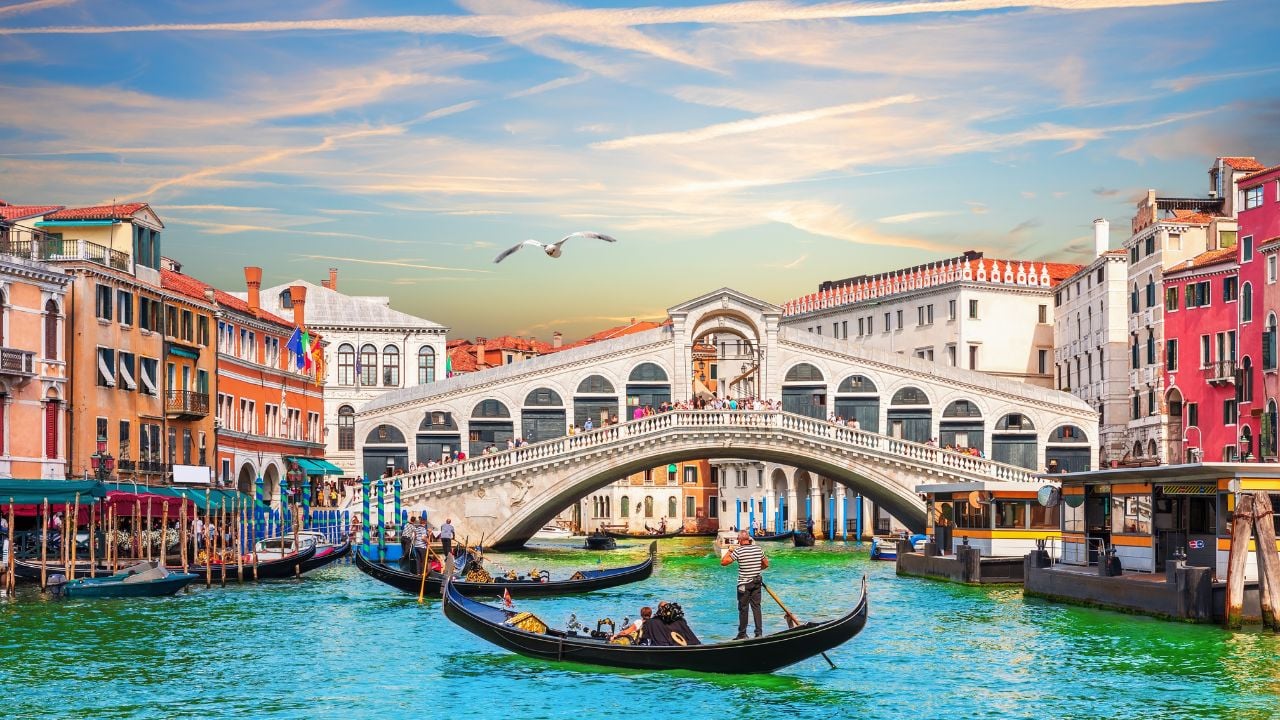
Venice still photographs the way travelers hope it will. The canals, bridges, narrow lanes, old facades, and changing lagoon light remain powerful enough to justify the trip on visual terms alone.
The city now makes day-trip logistics part of the experience. Venice’s official Access Fee site says the 2026 access contribution begins on April 3 and applies on selected days from 8:30 a.m. to 4 p.m.
The official fee page says the charge applies only on marked days, with no payment or exemption required on unmarked days. It also lists a €5 daily fee for people who pay by the fourth day before access and a €10 daily fee for later payment.
For travelers, the practical change is clear. Venice can still feel magical from a bridge at sunset, but the day-trip version now requires checking dates, fees, exemptions, and crowd rules before arrival.
2. Lake Louise and Moraine Lake, Canada

Lake Louise and Moraine Lake still look almost unreal in person. The glacial color, surrounding peaks, and alpine setting remain among the strongest scenic experiences in the Canadian Rockies.
Access has become the main planning issue. Parks Canada’s Lake Louise and Moraine Lake guidance says Moraine Lake Road is closed to personal vehicles year-round. Access is limited to Parks Canada shuttles, licensed commercial operators, and registered guests of Moraine Lake Lodge.
Parks Canada also says reservations are required for its shuttles, and the 2026 reservation launch is scheduled for April 15 at 8 a.m. MDT. Shuttle service is listed for Lake Louise Lakeshore from May 15 to October 12 and for Moraine Lake from June 1 to October 12, weather permitting.
Lake Louise still allows personal vehicles, but parking is a major gamble during busy periods. Parks Canada says visitors without a confirmed shuttle, transit, or commercial-operator reservation are unlikely to find parking at Lake Louise Lakeshore. The lakes are still spectacular, but the easiest visit now starts with transportation planning, not a casual drive-up arrival.
3. Machu Picchu, Peru
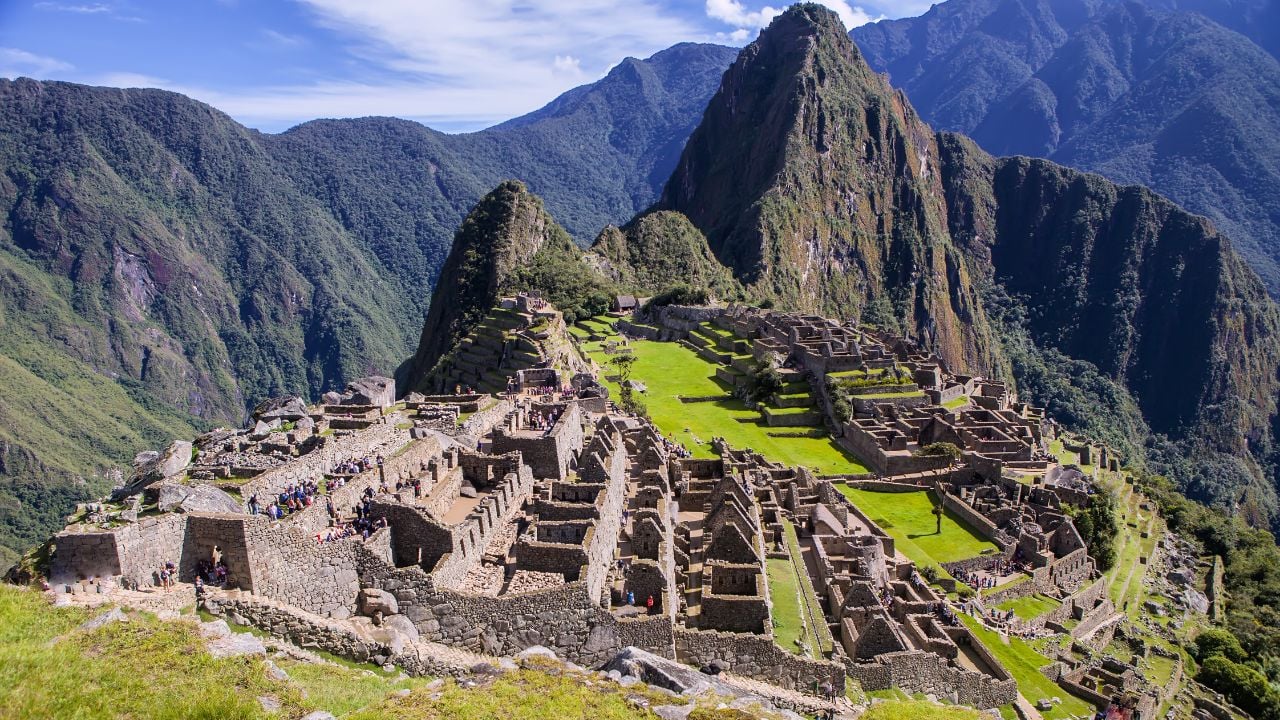
Machu Picchu still has enormous visual force. The terraces, stonework, green peaks, and high Andean setting remain among the most recognizable travel images in the world.
The visit is now much more structured than many first-time travelers expect. Peru’s official online ticket page says entrance tickets are sold through the Peruvian State Platform for the Management of Visits to Cultural Centers.
The official circuit page says three new circuits grouping 10 visit routes have been in effect since June 1, 2024. A separate official schedule page organizes visit times according to those circuits and routes.
That structure changes how travelers should plan. A ticket is not just a general pass to wander wherever the mood leads. The route chosen in advance can shape which viewpoints, terraces, and classic angles a visitor actually reaches.
4. Maya Bay, Thailand
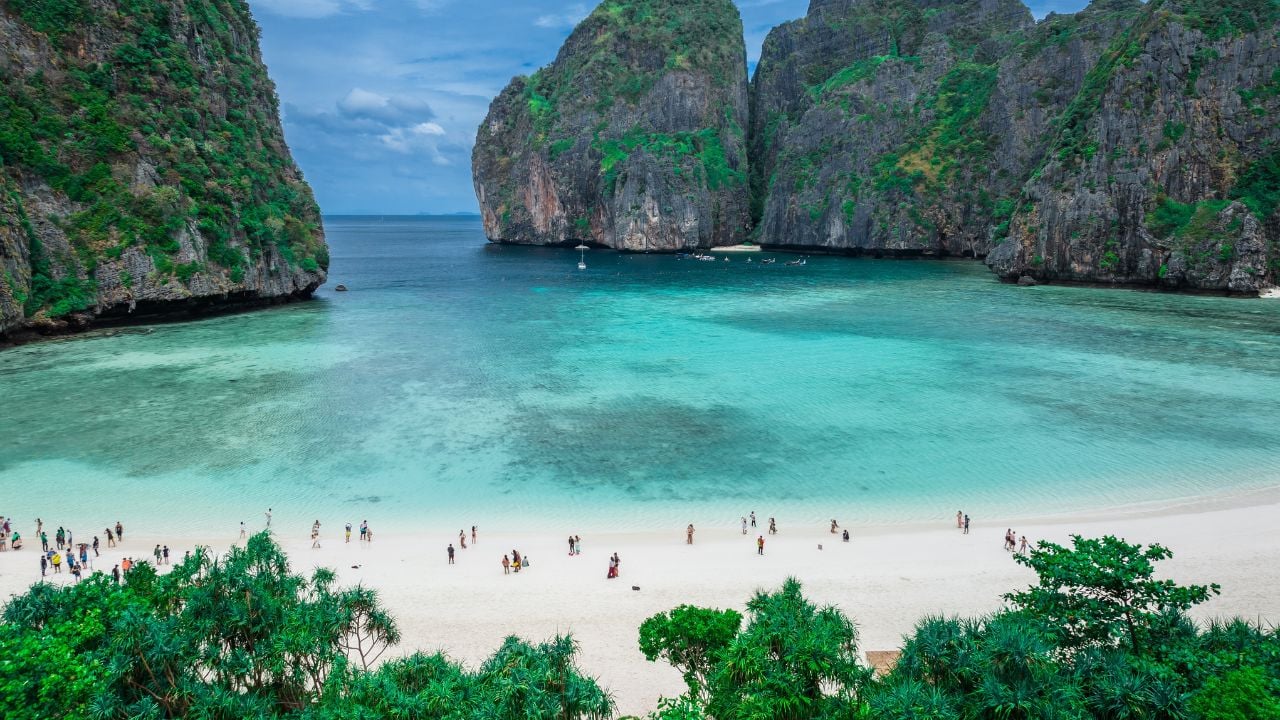
Maya Bay still looks like a tropical travel poster. The limestone cliffs, pale sand, and clear water explain why the beach became famous far beyond Thailand.
The old version of the visit was not sustainable, and Thailand has changed how the site is handled. The Tourism Authority of Thailand’s regenerative tourism coverage says Maya Bay, once closed to allow coral reefs to recover, now limits daily visitors and prohibits swimming to support continued ecosystem rehabilitation.
That rule changes the emotional expectation of the trip. Travelers can still see the cliffs, beach, and water, but Maya Bay is no longer a free-use swimming stop where visitors can treat the scene like a private movie set.
The healthier version of the visit is more restrained. Go for the view, follow the rules, and expect a protected natural site rather than a casual beach day. The photo may still look effortless, but the access is now built around recovery and control.
5. Santorini, Greece
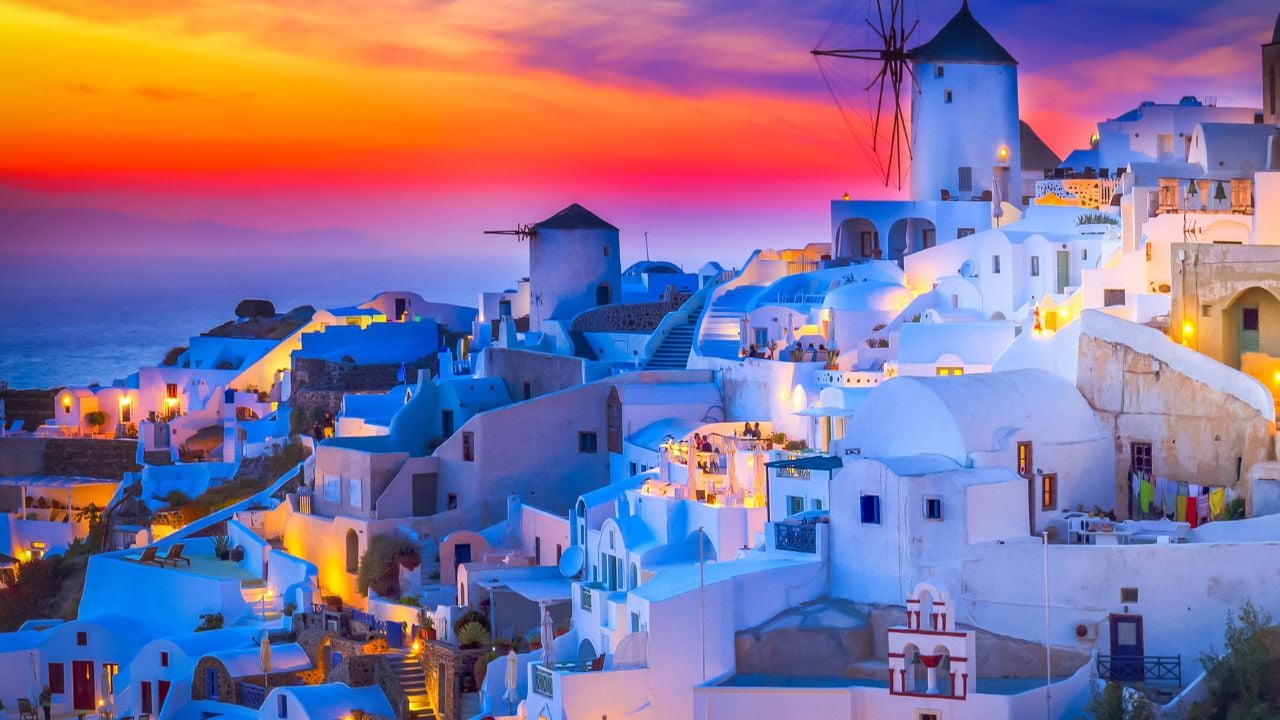
Santorini still gives travelers the image they came for. The caldera views, whitewashed buildings, blue domes, cliffside paths, and golden-hour light remain as photogenic as ever.
The island is also being managed more directly as a high-pressure destination. The Municipal Port Fund of Thira’s cruise policy says the maximum number of cruise passengers visiting Santorini on the same day will not exceed 8,000 in 2026.
The same policy describes a two-phase process for cruise call requests, including a ranking system and adjustments when passenger limits are exceeded. In practical terms, the island is not only counting visitors; it is trying to manage when and how cruise traffic arrives.
There is also a financial signal. Reuters reported that Greece approved a cruise-passenger levy, including a €20 charge for cruise ship arrivals to Santorini and Mykonos. Santorini can still look perfect from a cliffside terrace, but peak-season visits now sit inside a larger system of caps, fees, and crowd management.