
A first trip to France gets easier when Americans know a few local habits before arrival. The common surprises are not complicated: greet before making a request, check museum hours before building the day, understand which train tickets are flexible, and do not treat restaurant service like it works in the United States.
France rewards travelers who handle the practical details early. A closed museum, a tight train connection, a missed “bonjour,” or an American-style tip added on top of service can make the day more awkward than it needs to be.
The goal is not to overplan every hour. It is to know the rules and customs that affect the trip most, then leave room for cafés, markets, neighborhood walks, long meals, and the slower parts of travel that make France worth visiting.
These five habits help first-time visitors move through France with fewer mistakes, fewer rushed decisions, and more confidence from the first airport arrival to the last restaurant bill.
1. Check Entry Rules Before Treating France Like a Quick Domestic Trip

France is part of the Schengen Area, so Americans should check the broader European stay limit before booking a longer route. The U.S. State Department says tourism or business visitors with a valid U.S. passport can stay in the Schengen Area for up to 90 days during any 180-day period.
That usually will not matter for a one- or two-week vacation. It can matter for travelers combining France with Italy, Spain, Germany, Greece, Portugal, or other Schengen countries, because the clock usually counts across the area rather than separately for each country.
Do not check only the expiration date. France-Visas says travelers should have a passport issued less than 10 years before and valid for at least three months after the planned departure date.
Future paperwork is changing too. The European Union says ETIAS, the new travel authorization for visa-exempt travelers entering 30 European countries, is scheduled to start operations in the last quarter of 2026. The official EU site says no action is required from travelers at this point, but anyone booking far ahead should check the official rules close to travel.
2. Say “Bonjour” Before Asking for Anything
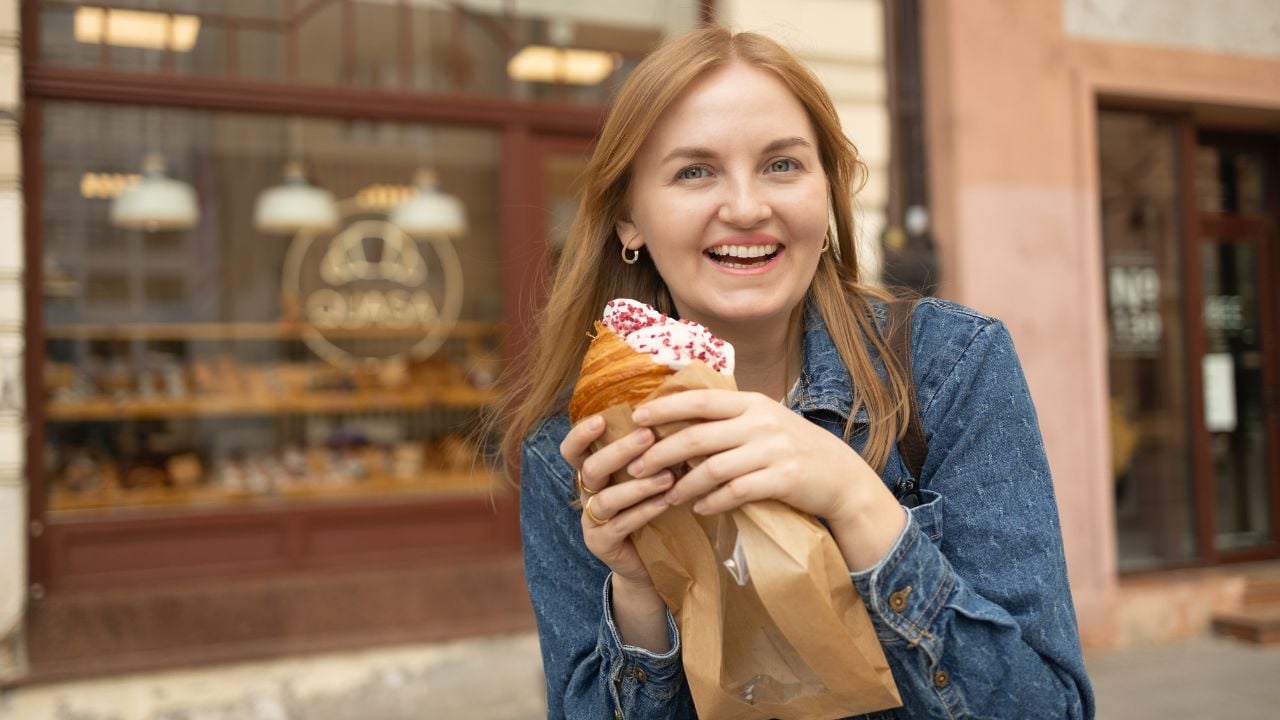
One of the easiest ways to start badly in France is to walk into a bakery, café, hotel desk, pharmacy, or small shop and begin with the request. Greet first. Then ask the question.
A simple “bonjour” during the day or “bonsoir” in the evening does more than show off a word of French. It tells the person behind the counter that the visitor understands the basic order of the exchange.
Keep the rest simple too. “S’il vous plaît,” “merci,” and “au revoir” can carry a surprising amount of daily travel, even when the rest of the conversation switches to English. Americans do not need perfect French to be polite.
The habit is small, but it matters. Start with the greeting, make the request, then end with thanks. That order can make everyday interactions feel much less tense.
3. Book One Major Sight, Then Keep the Rest of the Day Flexible

Major French sights can reward planning, especially in Paris. The Louvre says it is closed on Tuesdays, open from 9 a.m. to 6 p.m. on Monday, Thursday, Saturday, and Sunday, and open until 9 p.m. on Wednesday and Friday. Last entry is one hour before closing.
Those details matter when a visitor has only two or three days in Paris. A closed Tuesday, a late start, or a missed final-entry time can damage a short itinerary fast.
The same logic applies to the Eiffel Tower, Versailles, Mont-Saint-Michel, major wine tours, and other big-ticket plans. The official Eiffel Tower ticket office sells individual e-tickets in advance at official rates, which helps visitors avoid relying only on the day-of ticket line.
Put the major sight on the calendar, then avoid stacking the rest of the day with too many timed entries. A museum morning can pair well with a café, a market, a garden, or a neighborhood walk. Three formal bookings in one day can turn France into a schedule instead of a trip.
4. Learn the Transport Rules Before the First Station Rush
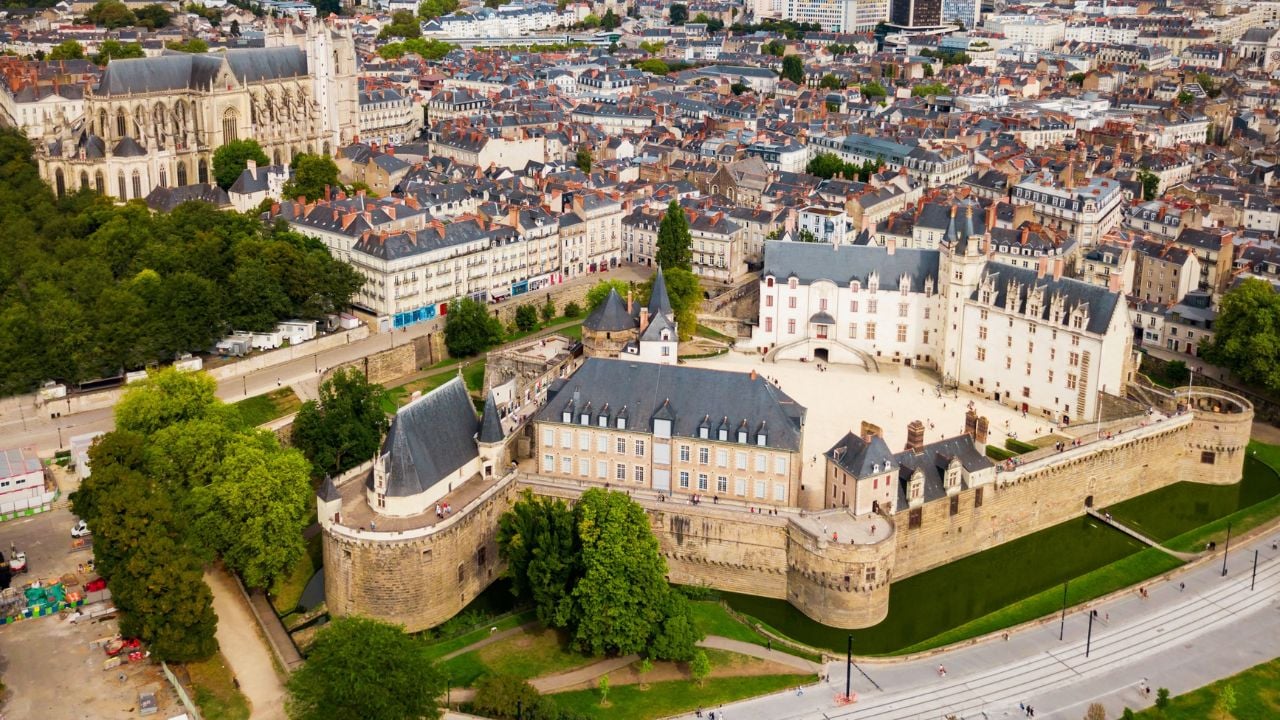
Public transportation in France can be easy, but first-timers should not wait until a busy platform to understand tickets. In Paris and the Île-de-France region, the Navigo Easy pass is designed for casual travelers and can load tickets such as Metro-Train-RER or Bus-Tram tickets.
For many occasional visitors, loading tickets on Navigo Easy or a phone is cleaner than buying a fresh ticket for each ride. Still, travelers should check which ticket covers the exact route, especially when airports, RER journeys, or longer regional trips are involved.
Long-distance trains need attention too. SNCF Connect says exchange and refund conditions depend on the train company and the fare conditions of the ticket. TGV, Intercités, TER, OUIGO, Eurostar, and other services do not all behave the same way.
Read the fare conditions before buying, keep the ticket easy to reach, and avoid tight airport-to-train connections after an international flight. A delayed plane or slow baggage claim can turn a cheap fixed ticket into a bad start.
5. Let Meals Move More Slowly and Tip Like a Local
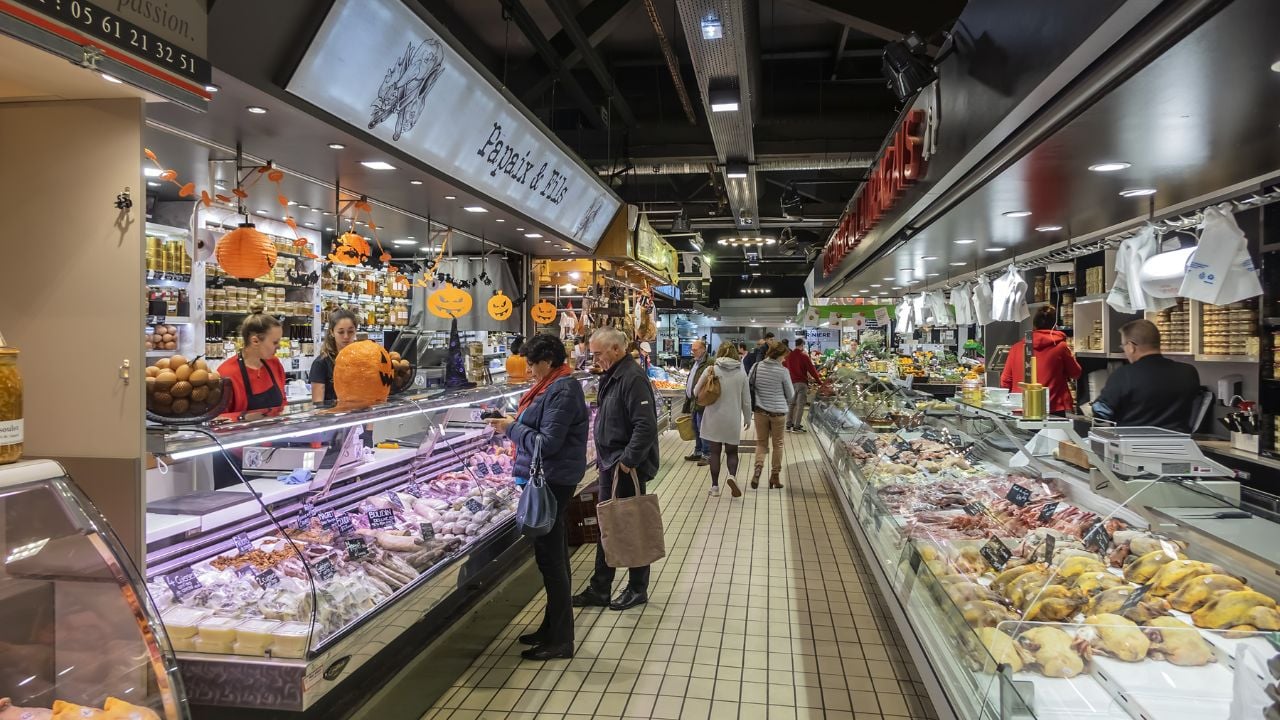
Restaurant habits can surprise Americans because service often feels less hurried. Servers may not check in every few minutes, the bill may come only when requested, and a long meal is usually treated as normal rather than inefficient.
That does not mean the server forgot the table. In many French restaurants, leaving diners alone is part of the service style. Ask clearly for the bill when ready instead of waiting for it to appear automatically.
Tipping also works differently from the United States. French restaurant bills commonly include service, often shown as “service compris,” and American-style 20% tipping is not expected. Travelers can still round up or leave a small extra amount for good service, but they should read the bill before adding money.
The safest approach is simple: check for “service compris,” ask for the bill when ready, and carry a little change for small gestures. The meal feels easier when visitors stop expecting the table to move at American restaurant speed.