In the 1980s, top speed stopped being a line in the brochure and became a public challenge. It was how manufacturers proved nerve, engineering, and status all at once. If a car could run near 200 mph in that era, it was no longer just fast. It was making a statement.
That is why the decade’s quickest road cars still carry such force now. They came from a moment when 200 mph still sounded faintly absurd, when getting close to it could reshape a brand’s reputation, and when the machines doing the chasing still felt raw enough to make the whole thing seem dangerous.
They also arrived by very different routes. One came from a tiny German manufacturer that embarrassed the establishment. One came from Ferrari at the exact moment Maranello wanted to plant its flag at the very top. One emerged from the wilder world of high-end Porsche-based specials. Another came from Porsche’s own technical masterclass. The last was a bridge car, linking an older supercar age to a much more serious one.
Together, they show why the decade still matters. These were not merely the fastest cars of their time. They were the road cars that made 200 mph feel close enough to matter and glamorous enough to become legend.
How This List Was Judged
This list sticks to road-legal production cars and legitimate period road-going specials from the 1980s. Prototypes, concept cars, and publicity machines with no real street-car identity were left out. The ranking leans on the strongest credible period figures available, using major road-test results and manufacturer claims where appropriate.
That matters because the late 1980s were full of disputed numbers, incomplete runs, and claims that shifted depending on who was measuring. The goal here is not to repeat the loudest legends. It is to rank the road cars most credibly tied to the highest top speeds of the decade.
1. RUF CTR Yellowbird
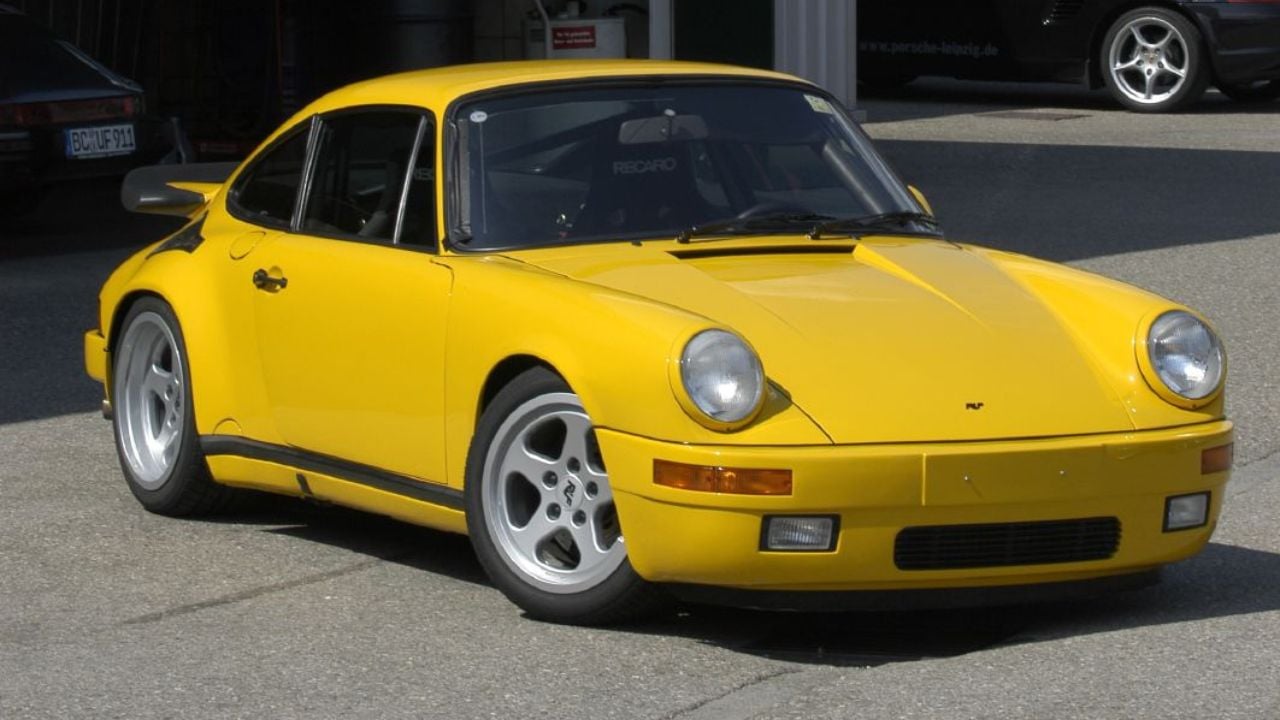
The RUF CTR Yellowbird sits at the top because it did more than win the period argument. It ended it. In Road & Track’s 1987 Ehra-Lessien test, the twin-turbo CTR recorded 211 mph, clearing the rest of the field by a margin large enough to make the result feel decisive rather than debatable.
What makes the Yellowbird so compelling is not only the number. It is the source of the number. This was not Ferrari or Porsche leaning on industrial scale and factory mythology. It was RUF taking the familiar 911 shape and turning it into one of the most intimidating road cars on the planet. The CTR was not fast for a specialist. It was one of the fastest road cars in the world, period.
2. Ferrari F40
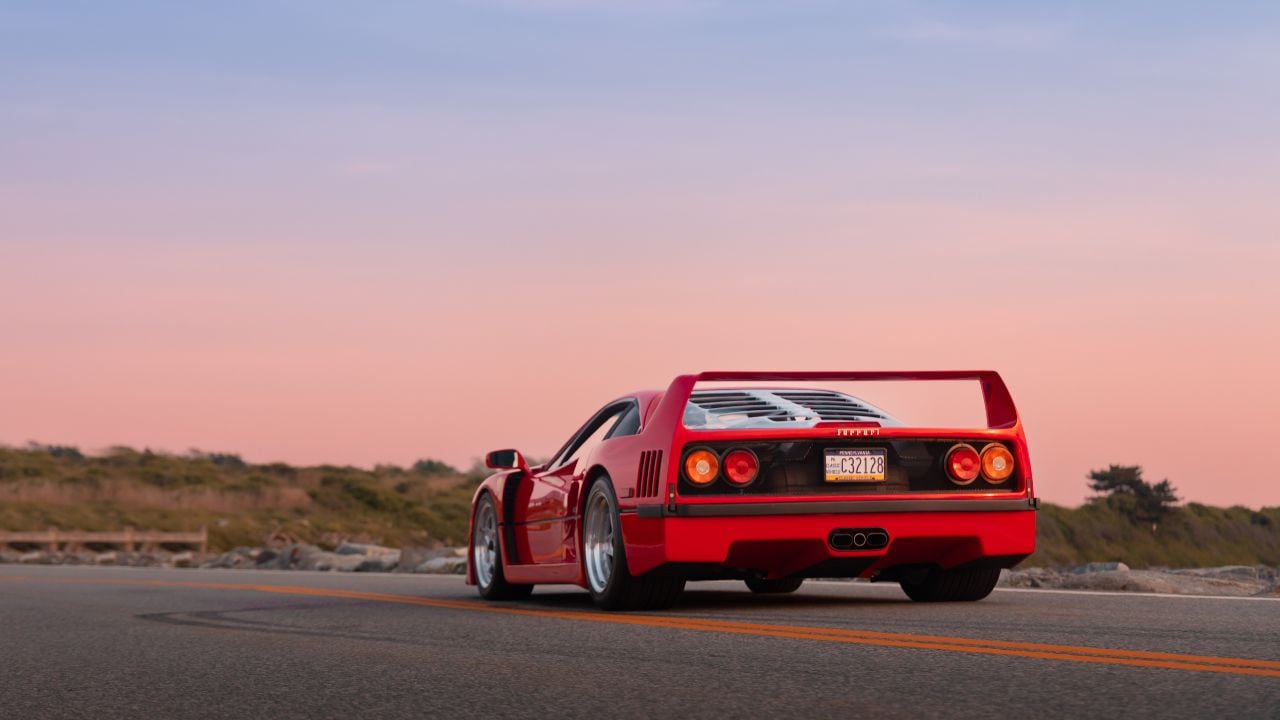
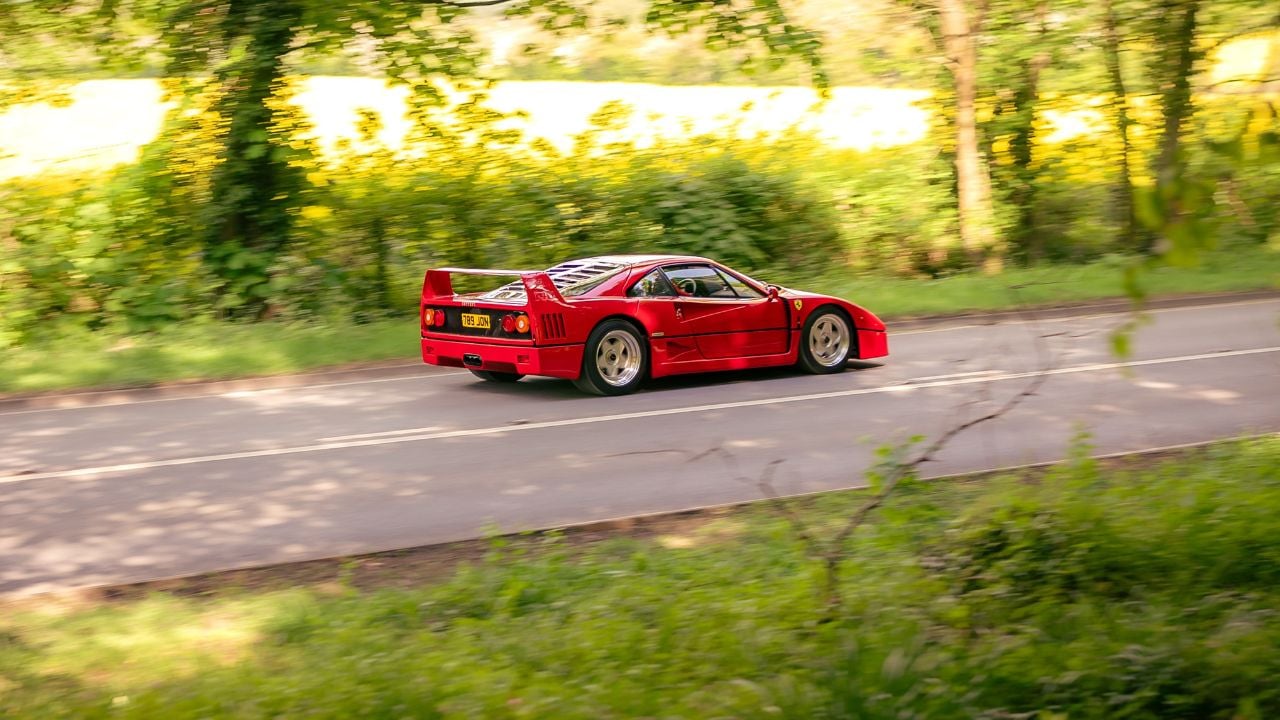
Ferrari’s F40 belongs near the summit because it became the decade’s most famous 200-mph statement. Ferrari credits it with a 201 mph top speed, and within Ferrari’s own history it stands as the company’s first production car to officially break the 200-mph barrier. That gave the F40 instant status even before its legend had time to settle in.
The number was only part of the effect. The F40 looked exactly like a car that had no interest in compromise. It was light, sparse, sharp-edged, and visually urgent in a way later supercars often softened. Other cars of the decade were fast. The F40 made speed feel severe, and that is a big reason it still defines late-1980s performance so completely.
3. Koenig/RS Turbo Porsche
The Koenig/RS Turbo Porsche remains one of the strangest and most fascinating names in the decade’s speed story. In the same Road & Track Ehra-Lessien feature that crowned the Yellowbird, the blue Koenig/RS reached 201 mph before mechanical trouble ended its day. That is enough to keep it firmly in this company, whether or not it arrived with the polish or pedigree of a factory flagship.
That is exactly what gives the car its appeal now. It came out of the more unruly world of German specials, where ambition sometimes ran ahead of convention and occasionally produced numbers too big for the major brands to ignore. The Koenig/RS never became the poster icon the F40 did, but it absolutely earned its place among the most serious top-speed outliers of the era.
4. Porsche 959
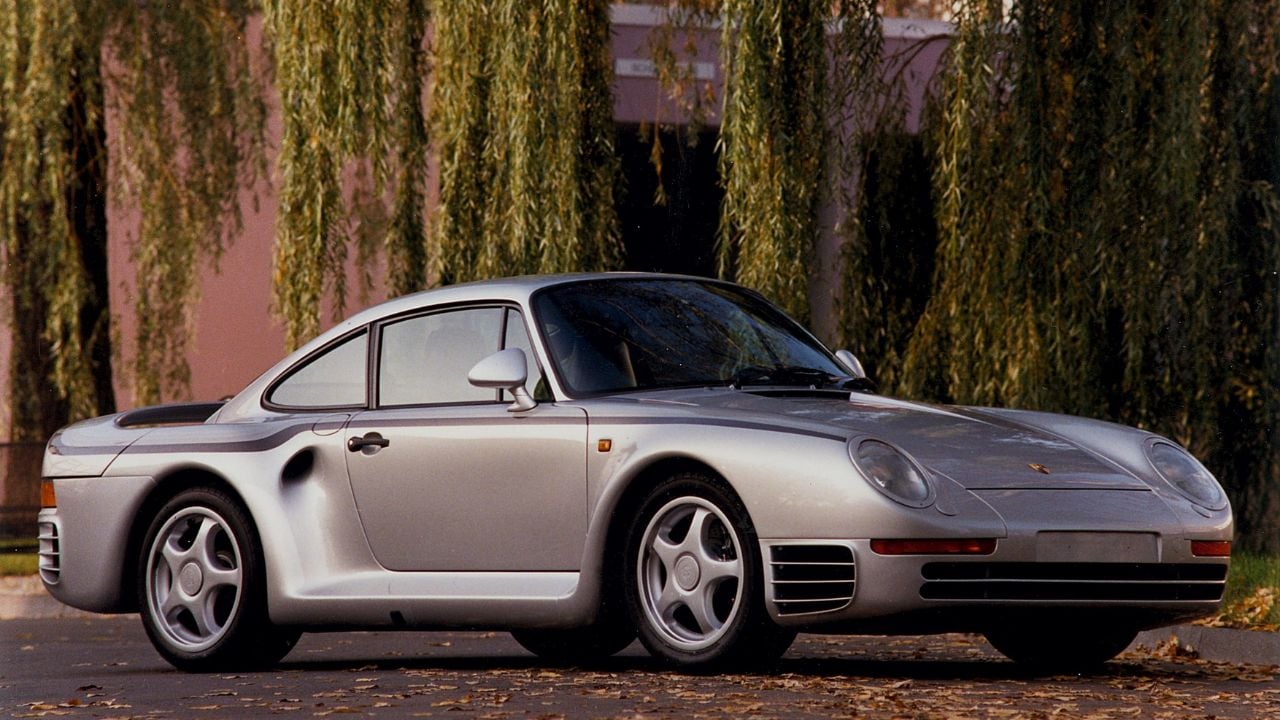
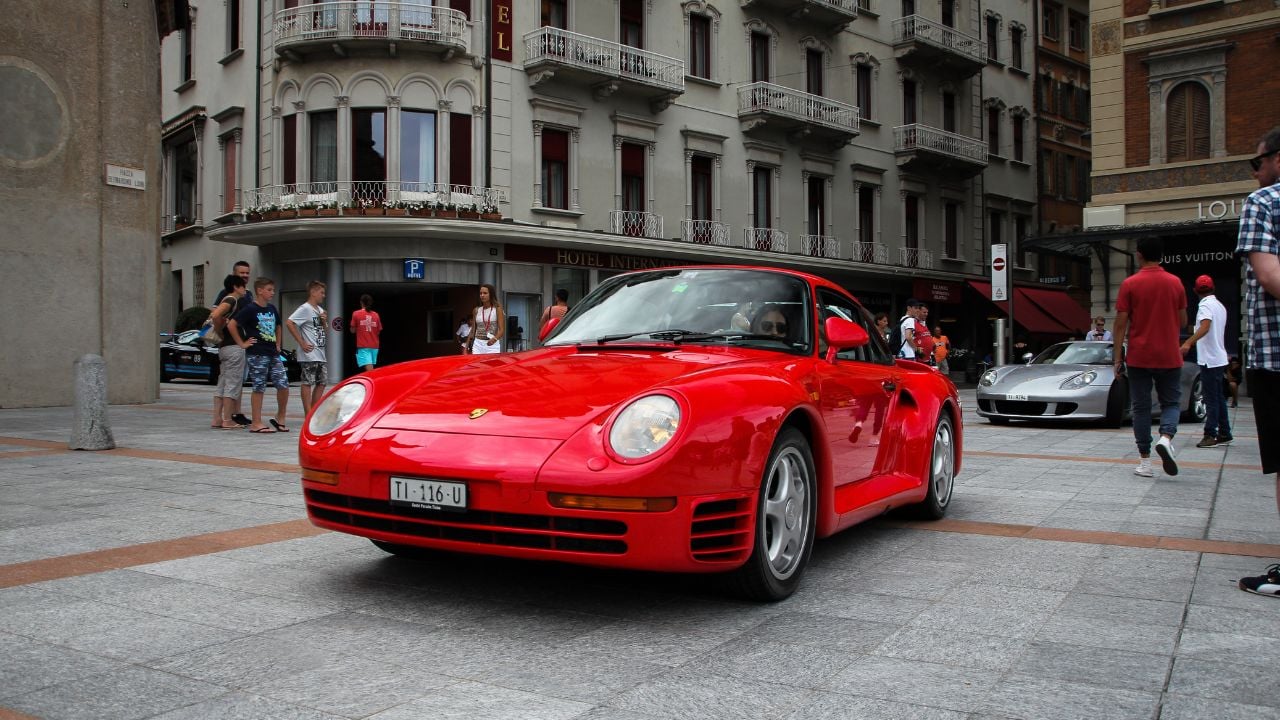
The Porsche 959 brought a very different kind of authority to the late-1980s speed race. Porsche’s official historical material places the car at 317 km/h, or about 197 mph, while Road & Track recorded 198 mph for the lighter 959 Sport in 1987. Either way, it lived right at the edge of the barrier that defined the decade.
What made the 959 special was the manner of its achievement. Where some rivals sold drama first, the Porsche sold intelligence. It looked disciplined, measured, and deeply engineered, yet it still ran with the fastest road cars on earth. The 959 made the 1980s feel technologically ambitious in a way few others could match. It was not merely quick. It felt like a glimpse of the future moving at full speed.
5. Ferrari 288 GTO

The Ferrari 288 GTO closes this five-car group because its official 305 km/h figure, or about 189 mph, still places it firmly among the elite road cars of the decade. It may sit short of the 200-mph line, but it was one of the most important cars in the run-up to that threshold and one of the most significant Ferraris of the entire era.
The GTO matters because it was the hinge point. It connected the earlier Ferrari road-car tradition to the much harder, more extreme supercar language that the F40 would soon perfect. Its rarity, homologation roots, and menacing shape gave it an aura all its own. Even without the clean 200-mph claim, it remains one of the key cars in the decade’s speed story, because it helped define what came next.
When 200 MPH Still Felt Like The Edge

What still feels so vivid about these five cars is not just the speed itself. It is how differently they pursued it. One came from a tiny German manufacturer with nothing like Ferrari’s prestige. One came from Ferrari at the height of its supercar bravado. One arrived from the restless world of Porsche-based excess. One was Porsche’s own technical masterpiece. One was the Ferrari that set the stage for the decade’s most famous speed icon.
That variety is a big part of what made the 1980s so thrilling. Speed had not yet been polished into something clinical. The cars chasing it still felt improbable, noisy, occasionally unruly, and all the more memorable because of it. Some broke 200. Some got painfully close. All of them helped make the chase itself one of the defining stories of the era.