Some beach towns become famous because they promise sunshine by day and loud fun after dark. For years, that formula helped fill hotels, clubs, restaurants, taxis, and late-night food counters.
The same image can create problems when party tourism spills into residential streets, beaches, public squares, and nightlife zones that have to function after visitors leave. Local officials in several coastal destinations are now using stricter rules, fines, access checks, alcohol limits, noise controls, and safety inspections to reset expectations.
These places are not closed to visitors. Miami Beach, Ibiza, Albufeira, Hvar, and Goa all remain major travel draws, with beaches, food, nightlife, scenery, and local culture beyond the loudest party areas.
Travelers should not arrive expecting a rule-free waterfront. The safer plan is to check local conduct rules, use licensed venues, respect residential areas, and avoid treating a beach town like a disposable weekend playground.
1. Miami Beach, Florida
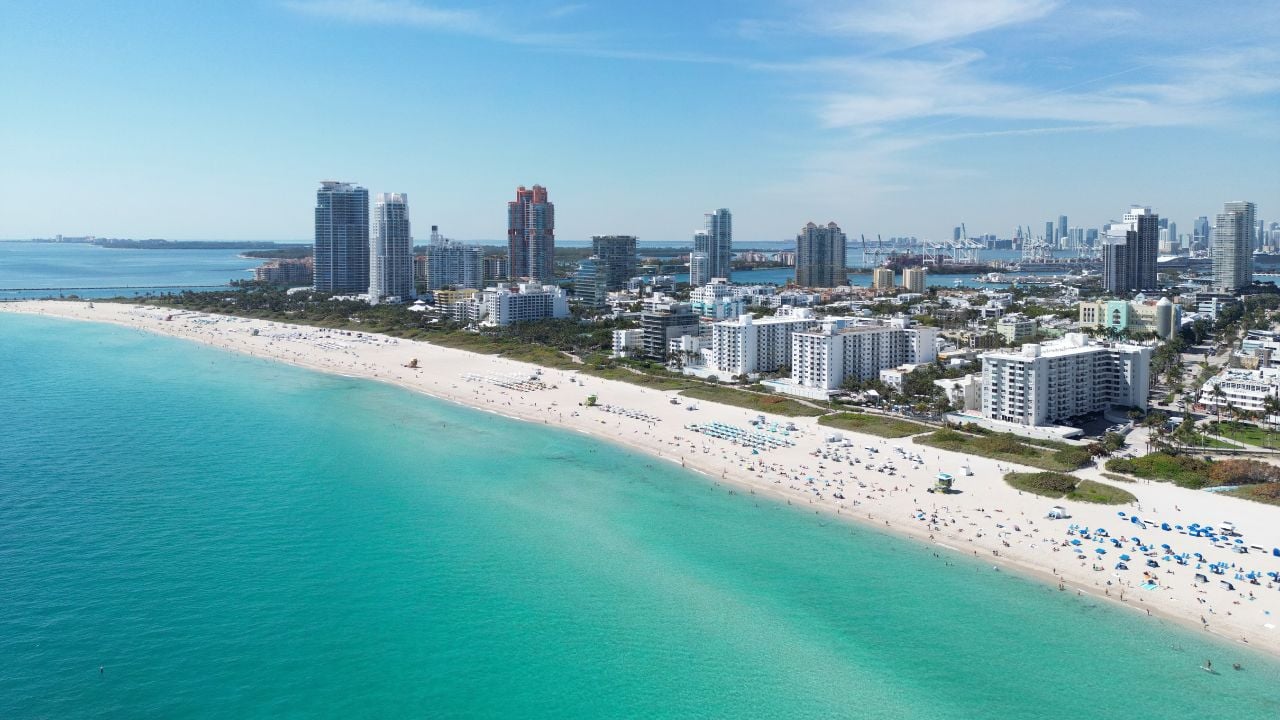
Miami Beach has one of the most recognizable spring-break images in the United States. South Beach has Art Deco hotels, wide sand, restaurants, clubs, and warm weather, but March now comes with stricter crowd controls in the busiest areas.
For March 2026, the city’s official spring break beach rules limit Ocean Drive beach entrances every Thursday through Sunday to 5th, 7th, 8th, 10th, 12th, and 14th streets. Those entrances have security checkpoints for prohibited items, including coolers, glass containers, inflatable devices, tents, tables, and similar objects.
The same city page restricts amplified music without a city-issued permit and reminds visitors that alcohol and smoking are always prohibited on city beaches. Those rules turn peak spring break into a managed public-safety period, not a casual beach free-for-all.
Visitors can still enjoy the sand, restaurants, hotels, and nightlife, but they should expect lines, screening, traffic controls, and a stricter atmosphere during March weekends. Miami Beach is a residential city as well as a vacation brand, and the rules are aimed at keeping the busiest weeks from overwhelming local streets and beaches.
2. Ibiza, Spain
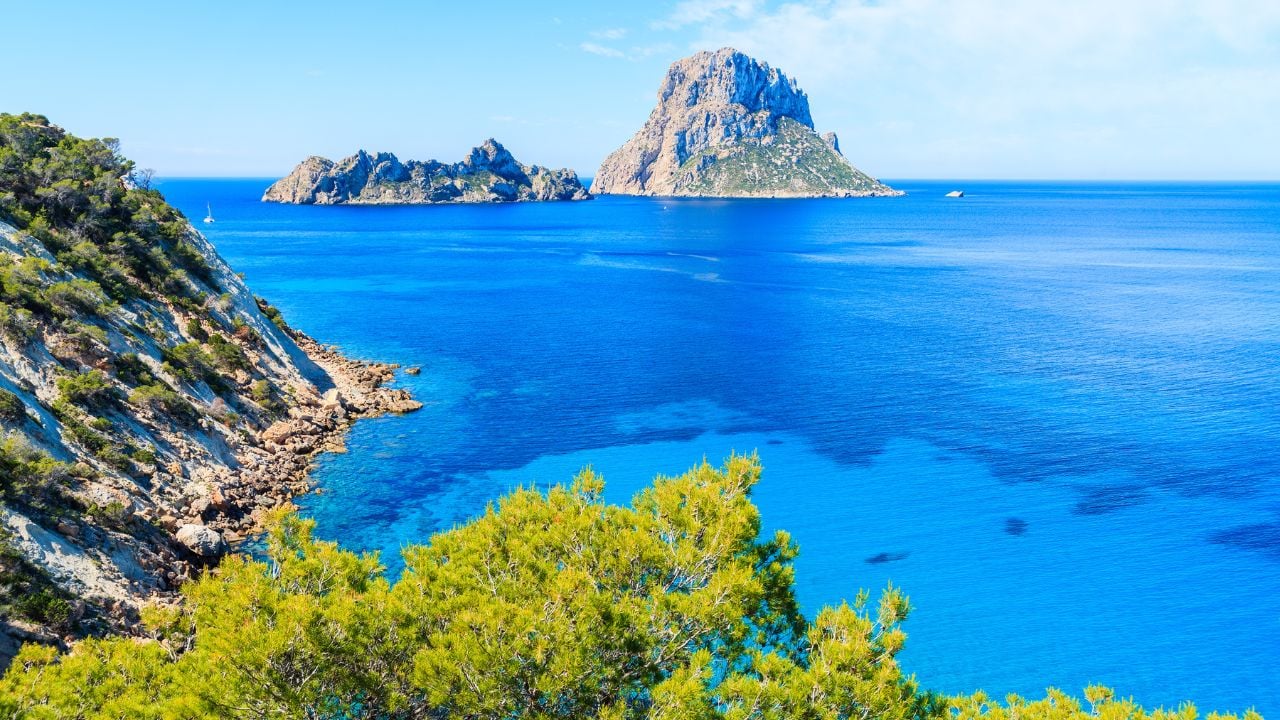
Ibiza’s name is almost shorthand for European nightlife. The island has world-famous clubs, beach venues, sunset bars, stylish hotels, and coves that look far calmer than its party reputation suggests.
The loudest version of that reputation has created a stricter official response. Balearic responsible tourism guidance says drinking alcohol on public roads is not permitted in affected areas, with possible penalties from €500 to €1,500.
The same guidance restricts promotions that encourage fast alcohol consumption, including happy hours, two-for-one offers, and pub crawls. Shops in those zones cannot sell alcohol between 9:30 p.m. and 8 a.m., while bars, restaurants, and nightclubs can still serve customers under their normal licensing framework.
The practical message is clear: Ibiza wants nightlife inside regulated venues, not spilling across streets and squares. Visitors who come for music, food, beaches, and style can still have a strong trip, but public drinking and cheap-drink chaos now carry more risk than many travelers expect.
3. Albufeira, Portugal

Albufeira has long been one of the Algarve’s busiest vacation bases. Beaches, Old Town lanes, the marina, restaurants, and bar-filled nightlife areas make it an easy choice for groups looking for sun and convenience.
The town has taken a firmer line on public behavior. The United Kingdom’s official Portugal travel advice says Albufeira has introduced a Code of Conduct that bans inappropriate behavior in public places. Travelers who break the rules can face on-the-spot fines ranging from €150 to €1,800.
The same UK guidance notes restrictions on alcohol sales from shops and supermarkets in certain parts of Albufeira between 11 p.m. and 8 a.m. Public drunkenness, excessive noise, inappropriate dress away from the beach, and disruptive behavior can now become expensive mistakes rather than harmless holiday stories.
Albufeira still has sea views, boat trips, seafood, beaches, and a lively evening scene. Visitors get a better version of the town when swimwear stays near the beach or pool, drinking stays in appropriate venues, and late-night noise does not spill into residential streets.
4. Hvar, Croatia

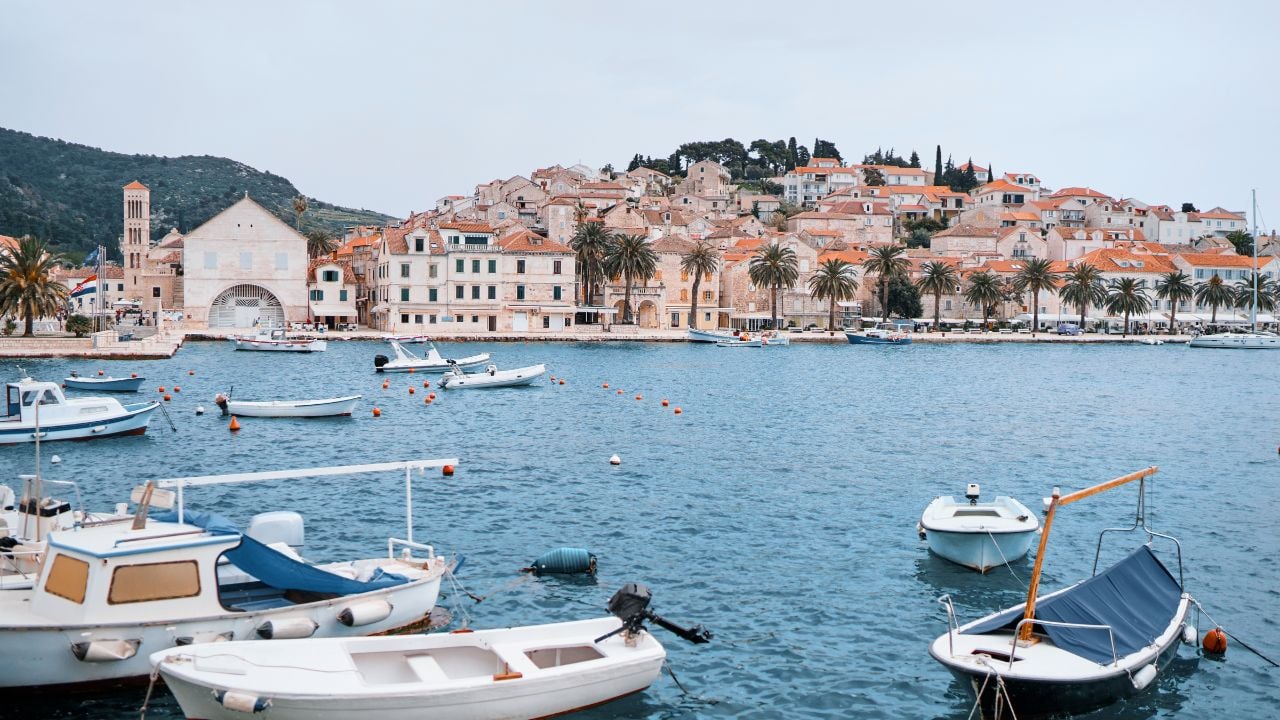
Hvar has spent years balancing two identities. One side is scenic and elegant, with stone streets, a pretty harbor, lavender hills, clear water, and boat trips to nearby islands. The other side is louder, shaped by summer nightlife, yacht crowds, outdoor venues, and visitors who arrive ready to stay out late.
A 2025 Euronews Travel piece said Hvar town councillors voted to maintain summer restrictions limiting noise to 85 decibels. The article said the measure would affect outdoor clubs, discos, and restaurants hosting outdoor weddings during peak season.
The rule points to a town trying to keep nightlife from dominating its historic center. Hvar can still be a strong Adriatic base for dinner by the harbor, island-hopping, swimming, beach clubs, and sunset views, but the noisiest version of the destination is under more pressure.
Visitors should not treat every evening as a street-level party. Book reputable venues, respect posted noise rules, keep late returns quiet, and remember that the harbor area is part of a town where people live and work, not only a stage for summer nightlife.
5. Goa, India

Goa’s coastal image is built around beaches, music, food, shacks, churches, markets, and a relaxed rhythm that feels different from many other parts of India. North Goa in particular has long been linked with clubs, late-night venues, festivals, and a free-spirited travel culture.
That party image now sits beside serious safety questions. Reuters said a December 2025 fire at the Birch by Romeo Lane nightclub in Arpora killed 25 people, and that Goa authorities ordered an investigation. The same account said at least four of the dead were tourists and 14 were club staff, citing police information given to ANI.
AP’s coverage of the blaze said Goa’s chief minister stated that the club had violated fire safety regulations and that the state government ordered an inquiry to determine the cause and responsibility.
The aftermath reached other nightlife venues as well. The Economic Times’ hospitality coverage said Goa authorities sealed two prominent nightclubs in Vagator after inspections found alleged violations following the Birch by Romeo Lane fire.
Goa remains a major travel draw, but nightlife choices now need more scrutiny. Beaches, heritage areas, spice farms, local restaurants, river cruises, and quieter coastal stays give visitors a fuller trip, while late-night venues should be chosen with licensing, crowding, exits, and basic safety in mind.