
A Europe trip can get more expensive before the first hotel check-in. The extra cost usually comes from five small assumptions: the airport is near the city, the carry-on is included, the train fare can wait, the hotel total is final, and paying in dollars is safer.
Each one needs a number before booking. Check the airport transfer, bag size, train fare rules, local hotel charges, and card conversion prompt before choosing the cheapest-looking option.
1. The Cheap Airport May Be 80 Kilometers From Town
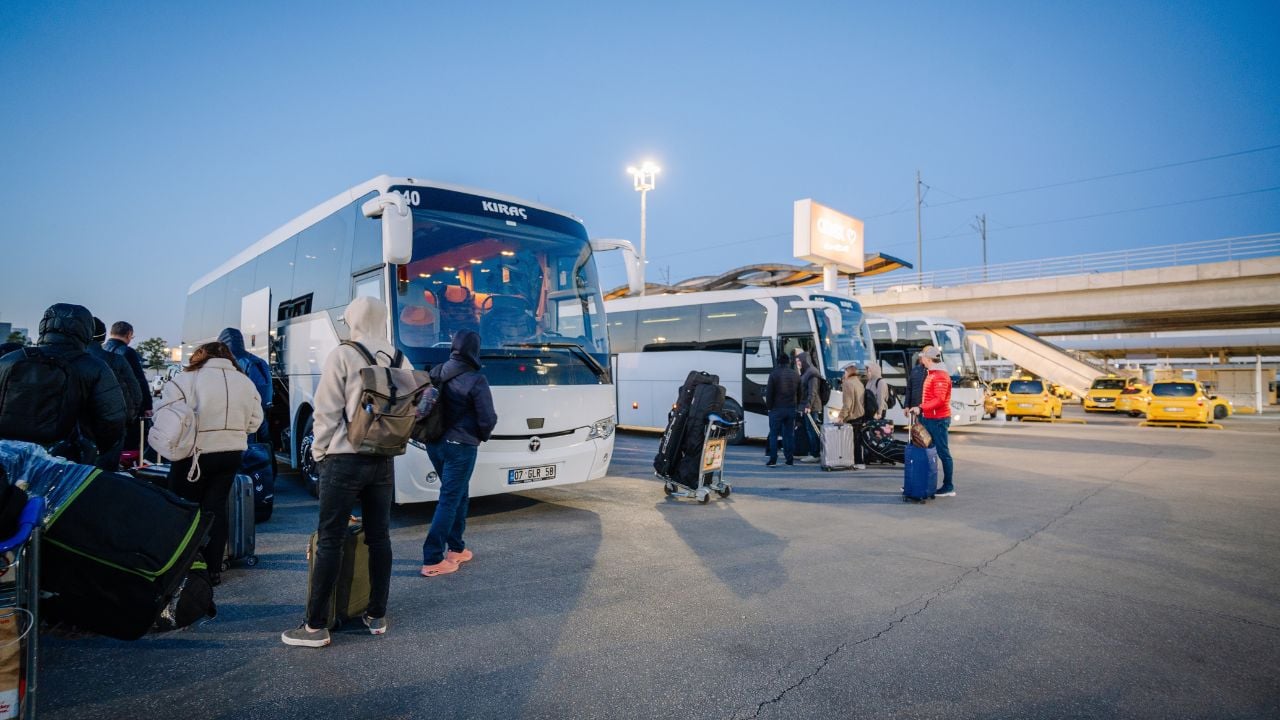
Low-cost flights can save money, but the airport name may hide the real arrival cost. Paris-Beauvais Airport is a clear example. Paris je t’aime says the airport is about 80 kilometers north of Paris, with a normal driving time of about 1 hour and 15 minutes via the A16 motorway.
That distance changes the fare calculation. A traveler may still need a shuttle, train connection, taxi, ride-hailing fare, or overnight airport hotel after landing. A late arrival can make the ground portion more expensive than expected.
Before buying the flight, price the route from the airport to the hotel door. Check the shuttle fare, last bus, taxi estimate, luggage rules, and how the transfer works after dark.
A flight into a secondary airport can still be a good deal. It only stays a good deal when the transfer time and transfer price are included in the total.
2. The Free Bag May Only Fit Under the Seat
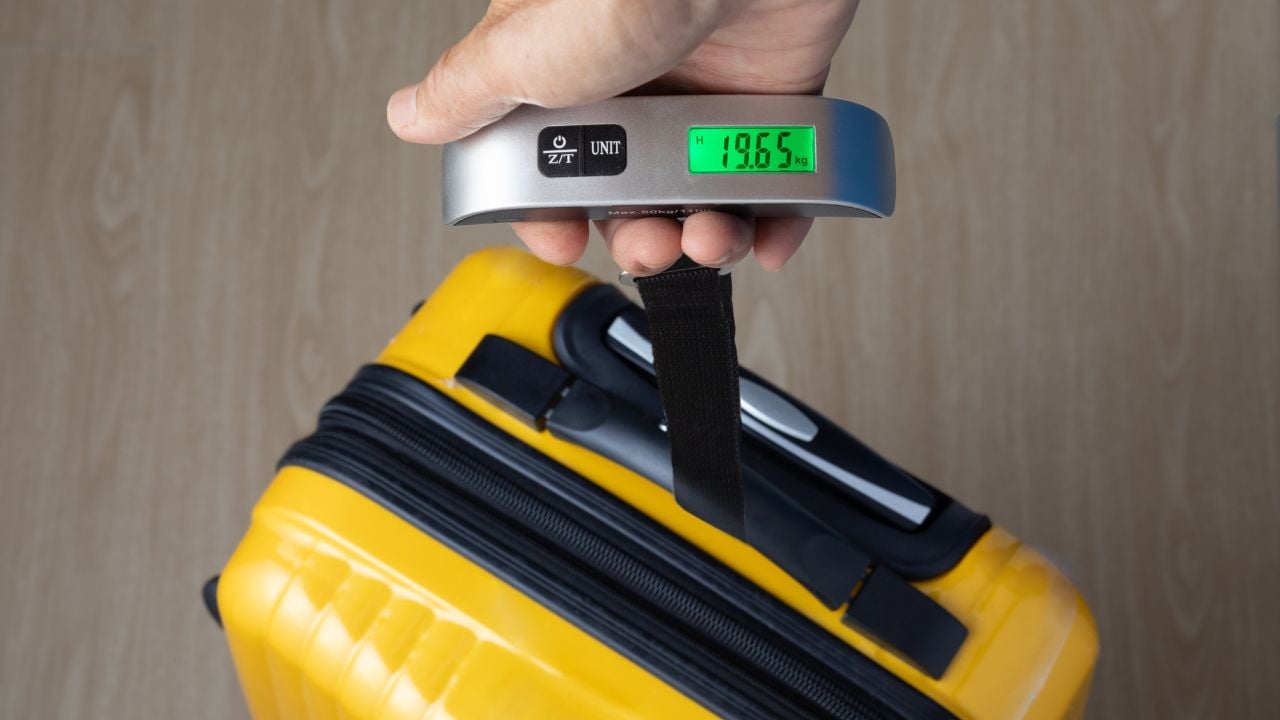
Many Americans hear “carry-on” and picture a small roller bag in the overhead bin. On some European budget airlines, the cheapest fare may include only a personal item for under the seat.
Ryanair’s bag rules say Priority and 2 Cabin Bags includes a small personal bag measuring 40 x 30 x 20 centimeters plus a 10-kilogram cabin bag measuring 55 x 40 x 20 centimeters. easyJet says everyone can bring one small under-seat cabin bag for free, with a maximum size of 45 x 36 x 20 centimeters, including handles and wheels.
A standard roller bag may need a paid cabin-bag option, checked baggage, or a different fare. Buying the cheapest seat first and adding the bag later can erase the fare advantage.
Measure the bag before booking, including wheels and handles. If the trip needs an overhead suitcase, compare the ticket price with baggage included.
3. High-Speed Train Fares May Punish Waiting

European train travel is not always one fixed price. Long-distance and high-speed fares can rise as cheaper seats sell out, especially on popular routes and busy dates.
Eurostar’s cheap-ticket advice tells travelers to book early and says seats on routes between France, Belgium, the Netherlands, and Germany often go on sale six to eight months in advance. Waiting until the week of travel can leave higher fares, awkward times, or fewer seats.
Italy also shows why fare rules matter. Trenitalia’s fare information separates ticket types by conditions such as changes and refunds, and its lower fares can come with tighter restrictions than flexible tickets.
Book fixed high-speed legs early when the date is locked. Keep regional trains flexible when the price difference is small and the route does not require a reserved seat.
4. The Hotel Total May Not Include the City Bill

The room rate shown in search results may not be the full hotel cost. City taxes, tourist taxes, breakfast, parking, resort-style fees, local charges, and payment-at-property amounts can sit lower in the booking page.
Amsterdam’s official city tax page lists tourist tax at 12.5% of the overnight price, excluding VAT. In the Netherlands, the business portal says the VAT rate for overnight accommodation went from 9% to 21% in 2026 for short-stay accommodation such as hotels, holiday homes, B&Bs, guesthouses, hostels, platform rentals, and furnished mobile homes.
VAT is often already reflected in consumer-facing prices, while tourist or city taxes may appear separately or be collected at the property. Travelers should read the breakdown instead of comparing only the first nightly number.
Open the full price screen before booking. Look for “city tax,” “tourist tax,” “local charge,” “taxes and fees,” “due at property,” breakfast cost, parking cost, and cancellation terms.
5. Paying in Dollars May Hand the Exchange Rate to the Terminal
Card machines and ATMs in Europe may ask whether to pay in the local currency or in U.S. dollars. The dollar amount can look helpful because it shows a familiar number, but the prompt may be dynamic currency conversion.
Visa explains that dynamic currency conversion may include the exchange rate used for the conversion and additional fees or markup assessed when a merchant or ATM offers to bill the traveler in the cardholder’s home currency.
Travelers should know their own card’s foreign transaction fee, ATM fee, and exchange-rate policy before leaving. At a terminal or ATM, read the screen before accepting a dollar conversion.
Choosing local currency usually leaves the conversion to the card network or card issuer instead of accepting the merchant or ATM’s conversion offer. The final choice depends on the traveler’s own card terms, but the dollar button should not be treated as the safer option by default.