
Eating abroad gets easier when travelers know which restaurant habits may feel different before they sit down. The surprises are usually small: dinner starts later, the server does not keep checking in, water may need to be requested, the bill may not come automatically, and tipping rules can change completely from one country to another.
Those differences are not problems. They only become stressful when Americans expect every restaurant to work like one back home. A little preparation can prevent the awkward moments: wandering for lunch after kitchens close, overtipping because the service charge was already included, or waiting twenty minutes for a check that will not arrive until someone asks.
The best approach is practical. Check meal times, reserve the meals that matter, read the bill before tipping, ask clearly when ready to pay, and learn the local basics for water, bread, refills, and table charges.
These five habits help American travelers feel more comfortable at restaurants abroad without overthinking every menu, receipt, or table custom.
1. Check Meal Times Before You Get Hungry
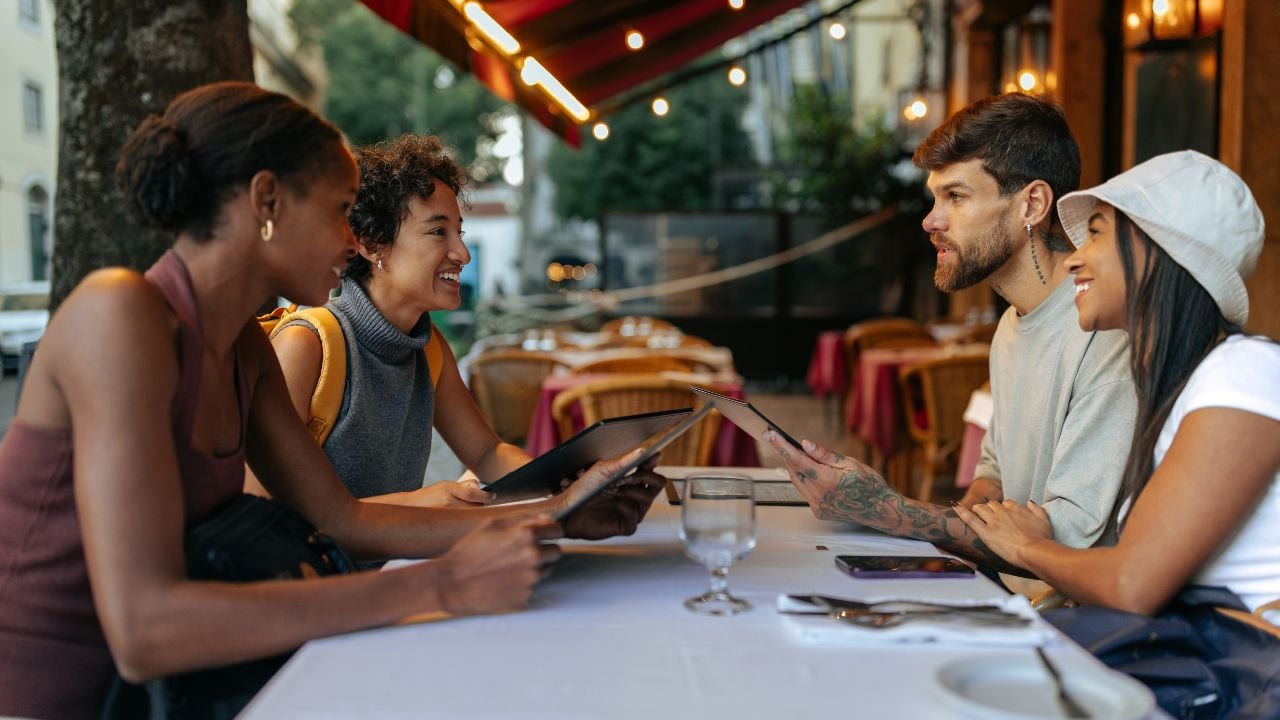
American travelers are often used to finding a full meal whenever the mood hits. That does not always work abroad. In smaller towns, beach areas, countryside destinations, and parts of southern Europe, restaurants may close between lunch and dinner or keep kitchen hours that feel narrow compared with the United States.
A traveler who waits until 3 p.m. for lunch or 6 p.m. for dinner may find plenty of cafés open but fewer full kitchens serving meals. Spain can run later than many Americans expect, while parts of Italy may have a clear break between lunch and dinner service. Tourist areas may offer something all day, but the better local places often keep their own schedule.
Check hours before heading out, especially on arrival day, Sundays, holidays, and in smaller towns. If the restaurant matters, look up the kitchen hours rather than only the opening hours.
Keep a simple backup nearby: a bakery, market, casual counter, grocery shop, or hotel bar. Food is much easier to enjoy when the day does not turn into a hungry search for the only open kitchen.
2. Make Reservations When a Meal Really Matters
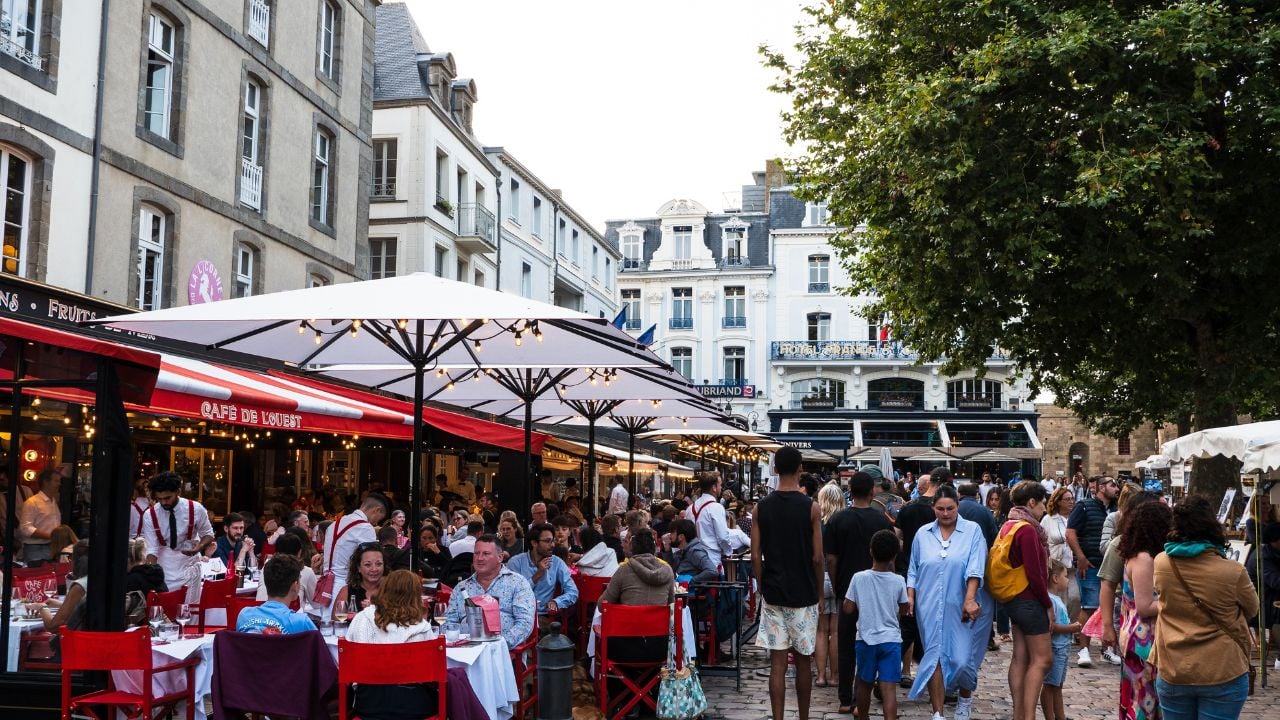
Wandering into a great meal can happen, but it is not a reliable plan everywhere. Popular restaurants, small dining rooms, weekend nights, coastal towns, famous food neighborhoods, and peak travel seasons can fill up faster than visitors expect.
A first night in Rome, Paris, Tokyo, Barcelona, or London is not the best time to wander for an hour hoping the perfect table appears. Jet lag, luggage, weather, and unfamiliar streets make a weak dinner plan feel worse than it should.
Book the meals that would be frustrating to miss. That might mean one special dinner, a popular local place, a restaurant near a show, or a first-night table close to the hotel.
Not every meal needs a reservation. Leave room for casual lunches, bakeries, markets, street food, and places spotted while walking. The point is to protect the meals that matter, not schedule every bite of the trip.
3. Read the Bill Before Adding an American-Style Tip
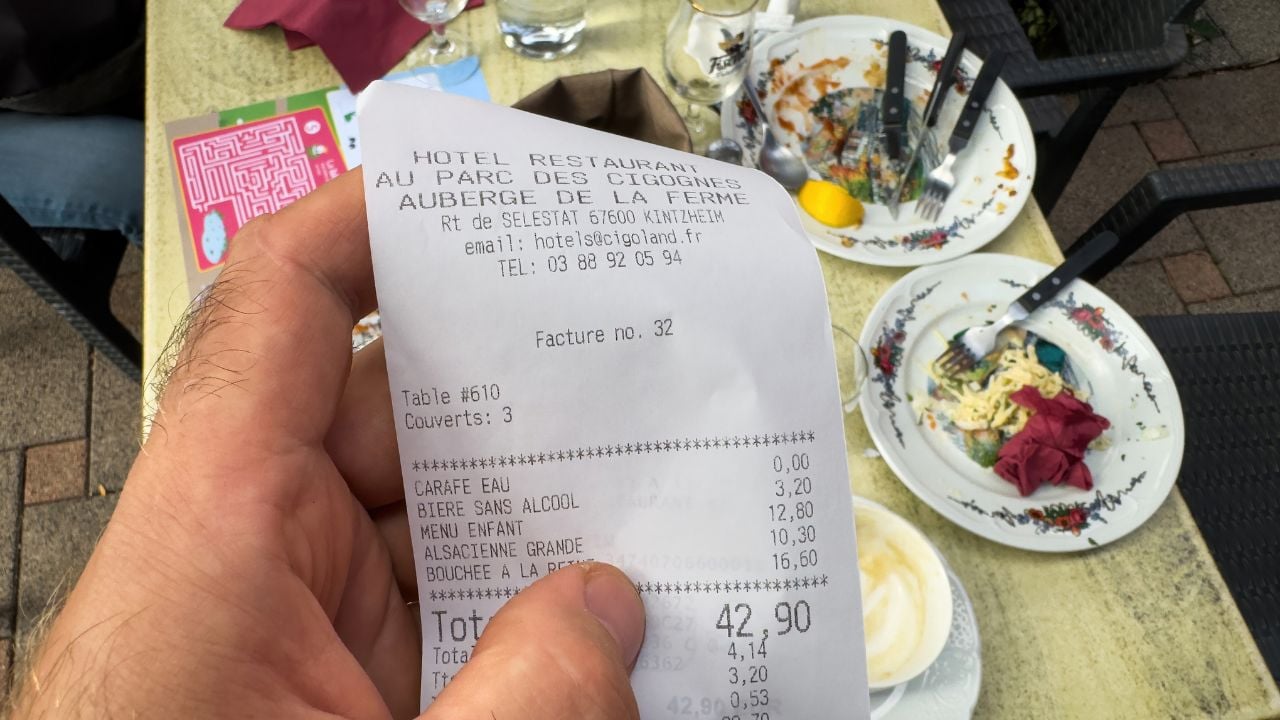
Tipping rules change dramatically by country, so the bill matters more than a universal percentage. Rick Steves notes that restaurant tips in Europe are generally more modest than in the United States, with 5% often adequate and 10% considered a nice tip in many countries.
London shows why travelers should read the receipt before reaching for extra cash. Visit London says 10% to 15% is customary when eating out if no service charge is included, but restaurants often add a service charge, usually 12.5%.
Japan is different again. Japan’s official tourism site says tipping is not expected and should be done discreetly even in special cases such as private guides or interpreters.
Look for terms such as service charge, service included, cover charge, or optional service before adding anything extra. When unsure, ask the server or hotel staff what is normal locally. Guessing from American habits can lead to overtipping in one place and missing a local custom in another.
4. Ask for the Check When You Are Ready to Leave

In many countries, attentive service does not mean constant check-ins. A server may leave diners alone for long stretches because interrupting the table too often would feel pushy. The meal may be treated as something to settle into, not something to move through quickly.
The bill may not arrive until someone asks for it. Americans sometimes read this as slow service, but in many places the server is giving the table space. Lingering over coffee, wine, dessert, or conversation is normal in plenty of restaurants abroad.
The fix is simple: ask clearly and politely when ready. Learn the local phrase for “the bill, please,” or use a simple gesture if language becomes awkward.
This habit matters when there is a train, museum entry, tour, or show later in the day. If the schedule is tight, ask for the bill before the meal drifts longer than planned.
5. Learn the Local Basics for Water, Bread, and Table Extras
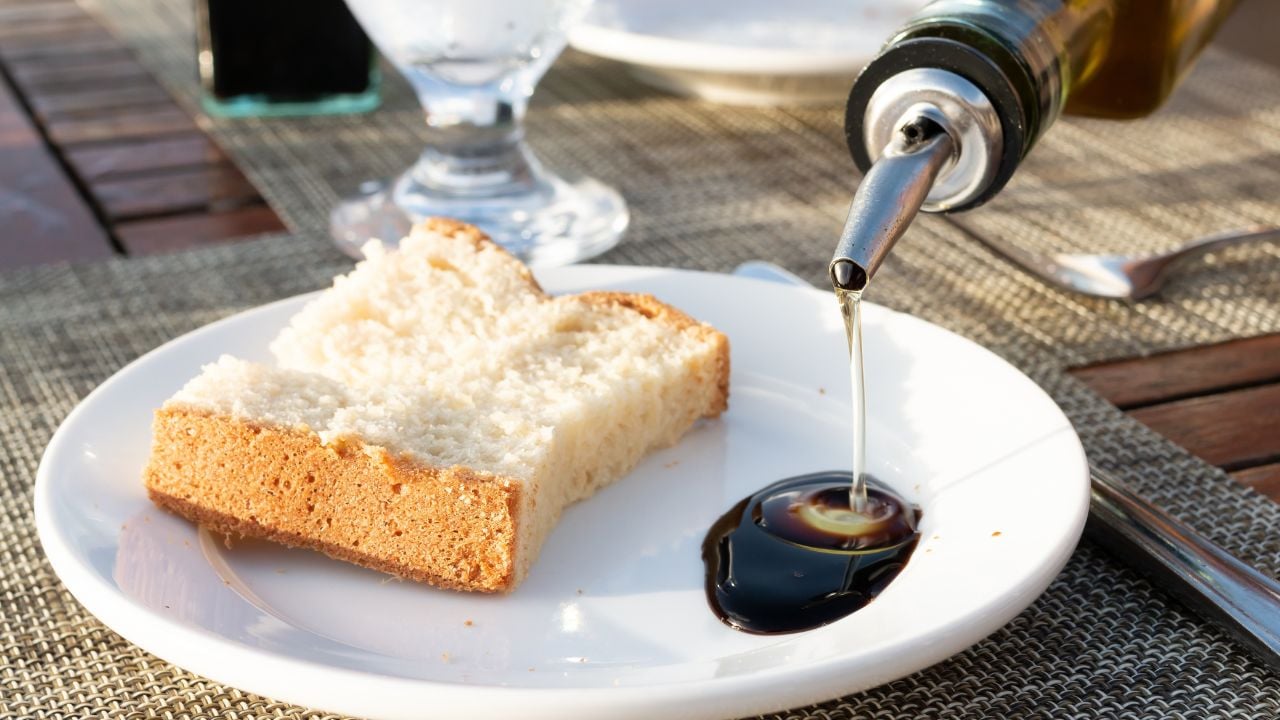
Small table details can create big confusion. Water may be bottled by default, tap water may need to be requested, bread may not be free, and refills may not arrive automatically. A basket of bread, olives, or snacks might be included in one country and charged in another.
In Italy, travelers may see a coperto, or cover charge, listed on the menu or bill. In other places, bread or table snacks may appear automatically but cost extra if eaten. In many countries, unlimited soda or coffee refills are not part of the normal restaurant experience.
Ask simple questions before assuming. Still or sparkling water? Is bread included? Is the dish meant to be shared? Is it spicy? Is the portion a starter or a full meal?
Travelers with allergies or strict dietary needs should carry the key phrases written in the local language. Do not rely only on pronunciation, phone battery, or a rushed explanation at a loud table. A small card or saved note can prevent a serious mistake.