A good trip sometimes starts with a small private grin. You arrive, look around, and realize you did not choose the obvious place, but you may have chosen the better one.
The streets have something to say, lunch looks promising, and the day does not need to be planned down to the minute. You can start with a square, a river walk, a castle view, a museum, or one long meal and still feel like the trip is already proving itself.
These five destinations are good for travelers who like that feeling. They are not empty alternatives picked just to be different. They have real history, food, art, old streets, views, and enough local life to keep a short stay full.
The trick is not to rush them. Pick the first good place to begin, then let the streets, cafés, museums, hills, and old stones do the rest.
1. Tartu, Estonia
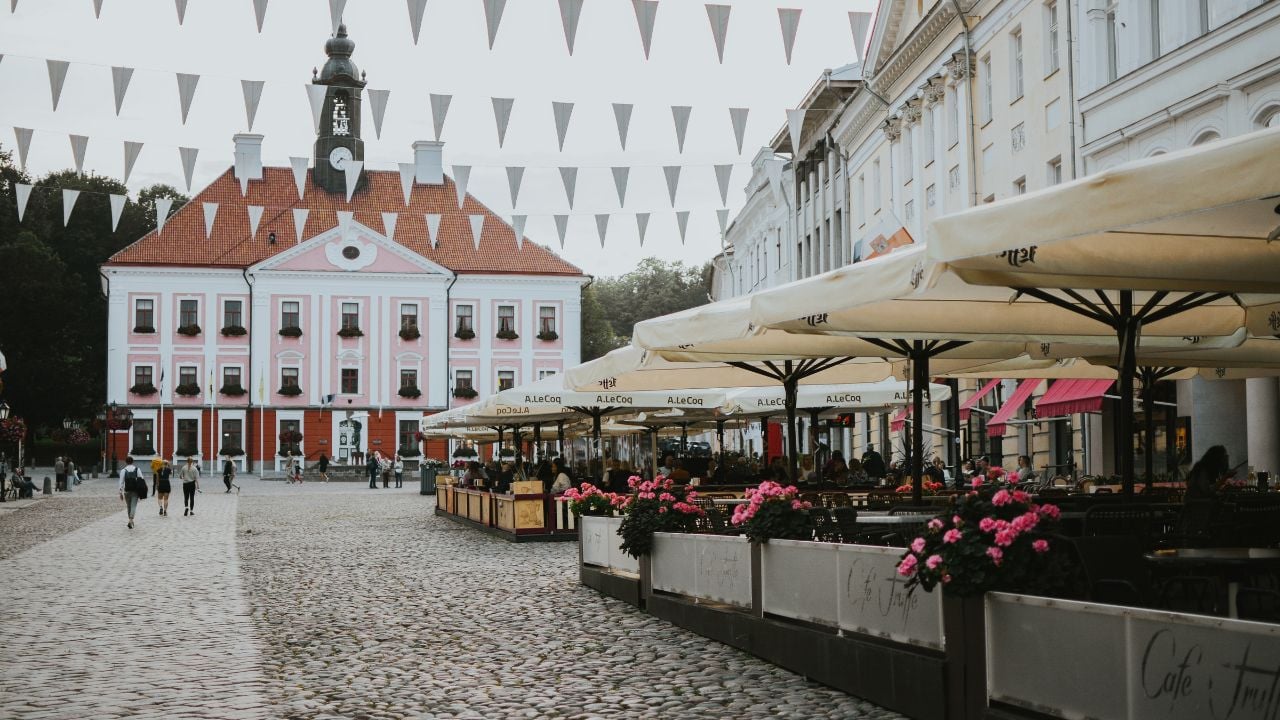
Tartu is the kind of city where the first hour should start in Town Hall Square. The pastel buildings, café terraces, and the Kissing Students Fountain make the center feel open and easy, not stiff. Sit down for coffee if the weather is decent, because this is not a city that needs to be attacked with a checklist.
Visit Estonia describes Tartu as Estonia’s cultural “heart and soul,” with more than 20 museums and UNESCO Creative Cities recognition as an International City of Literature since 2015. Tartu and Southern Estonia also held the European Capital of Culture title in 2024, which brought new attention to the city’s creative side.
That sounds impressive, but the better way to feel Tartu is on foot. Walk from the square toward the Emajõgi River and the city loosens up. The water cuts through the center, students cross between cafés and university buildings, and the streets stay lively without becoming tiring.
If you want one proper stop, choose it by mood. Go to AHHAA Science Centre if you want something playful, look for a museum if the weather turns, or just follow the river and let the day stay simple. Tartu is small enough to understand quickly, but it is not empty once the first square is behind you.
The best part is how little effort it asks from visitors. Coffee in the square, a river walk, a bookshop, a museum, dinner somewhere casual — suddenly the “alternative” Estonia trip feels like the smart choice.
2. Albi, France
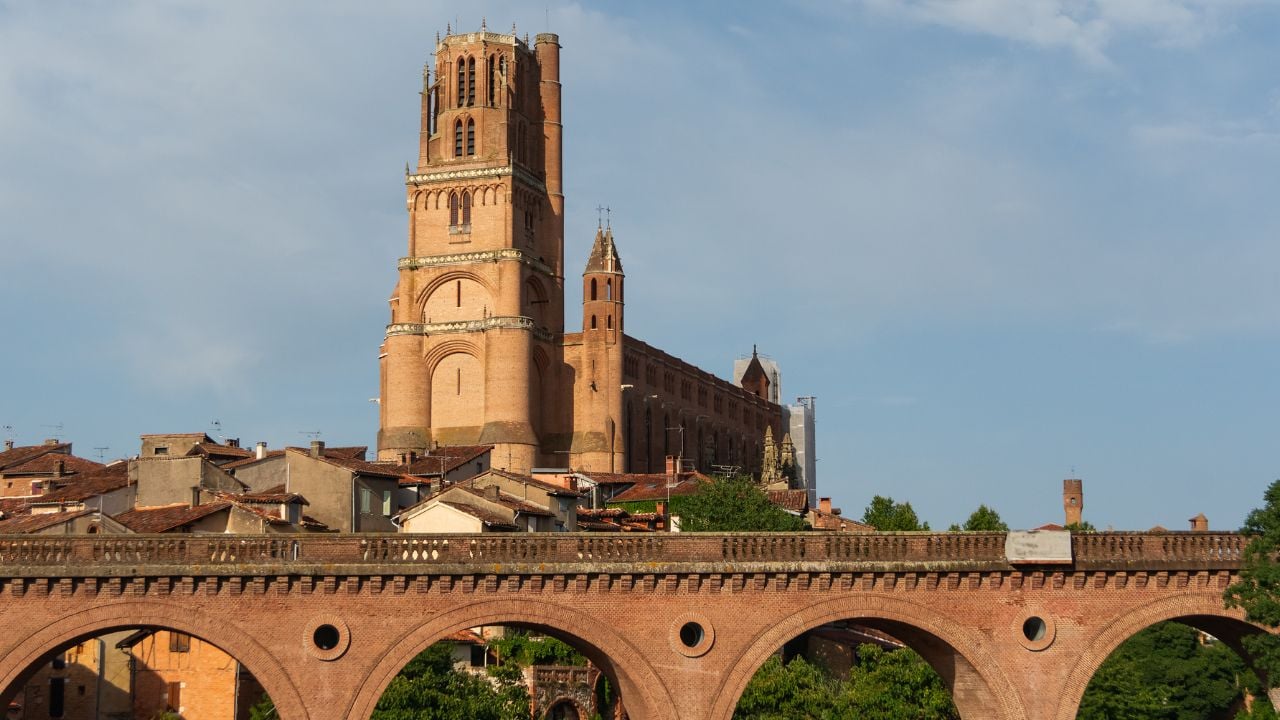
Albi does not need much time to impress you. The red brick, the Tarn River, the huge Sainte-Cécile Cathedral, and the old lanes around it give the city a strong first look before you have even found lunch.
Albi Tourism says the Episcopal City has been listed as a UNESCO World Heritage Site since 2010 and describes Sainte-Cécile as the largest brick cathedral in the world. The cathedral does not sit politely in the background. It dominates the city, and that is part of the thrill.
Start there, then move slowly around the old center. The brick gives everything a warmer, heavier look than the pale stone people often expect from French historic cities. The streets feel solid, sunny, and a little theatrical, especially when the cathedral keeps reappearing between buildings.
The Palais de la Berbie adds the next big piece. Albi Tourism describes it as one of the oldest and best-preserved castles in France and the setting of the Toulouse-Lautrec Museum. The gardens and views over the Tarn make the stop feel bigger than a normal museum visit.
Do not leave too quickly after the art. Walk the river, look back at the cathedral from a bridge or viewpoint, then find a long lunch. Albi feels grand, but the city is compact enough that the day never has to become hard work.
3. Gjirokastër, Albania
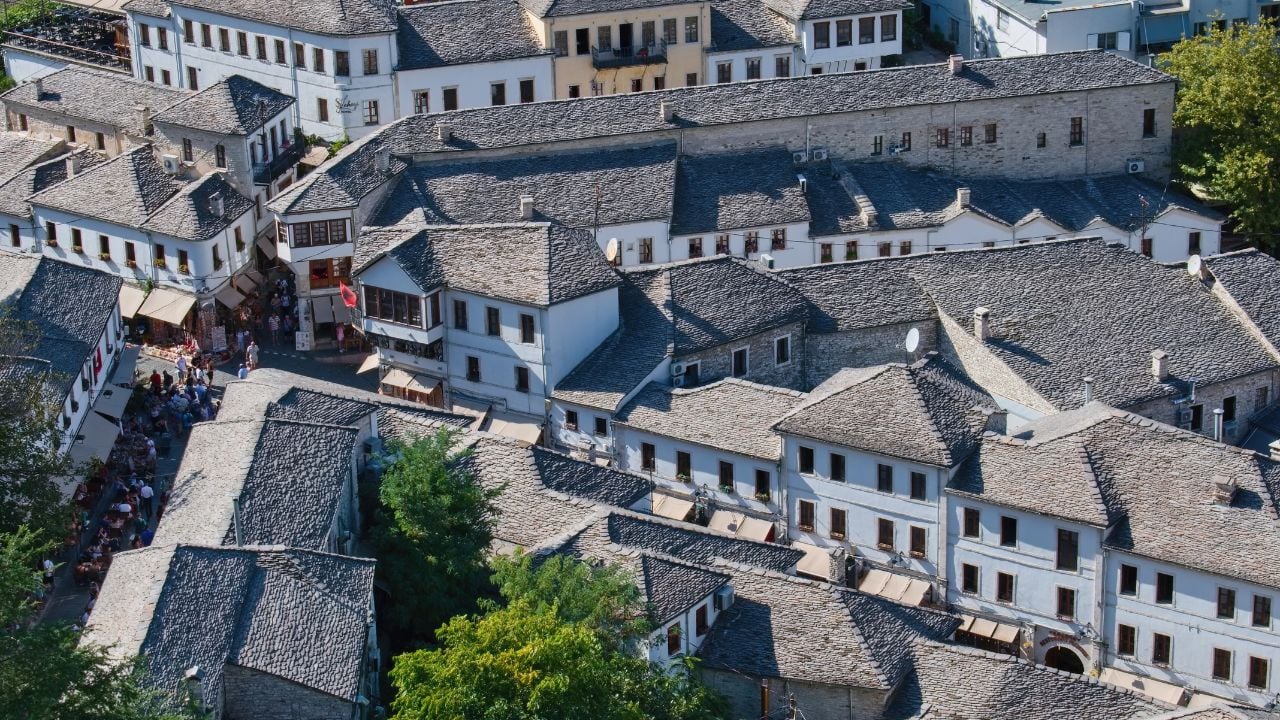
Gjirokastër is the kind of place that makes you feel like you found something properly different. Stone roofs climb the hillside, the bazaar streets rise and twist under your feet, and the castle sits above the town with the Drinos Valley spread beyond it.
UNESCO lists Berat and Gjirokastra as rare examples of Ottoman-period architecture and notes that Gjirokastra has outstanding two-story houses, a bazaar, an 18th-century mosque, and two churches from the same period. On the ground, the history feels less like a label and more like weight: stone underfoot, stone overhead, stone on the roofs, stone in the walls.
Start in the bazaar. Walk the cobbled streets slowly because they are not gentle on the feet, and because the details need time: shopfronts, carpets, old facades, cafés, steep lanes, and glimpses of the valley between buildings.
Then climb toward the castle. The official Gjirokastra tourism site points visitors toward the bazaar’s cobblestoned streets and medieval facades, while the castle gives the wider view over the valley. From above, the town’s “Stone City” nickname stops sounding like a tourism phrase and starts sounding obvious.
Gjirokastër is not polished in the soft, easy way. That is why it stays with you. Coffee in the bazaar, one museum interior, the climb to the castle, and a slow look over the rooftops can make a short visit feel far bigger than it looked on the map.
4. Pécs, Hungary
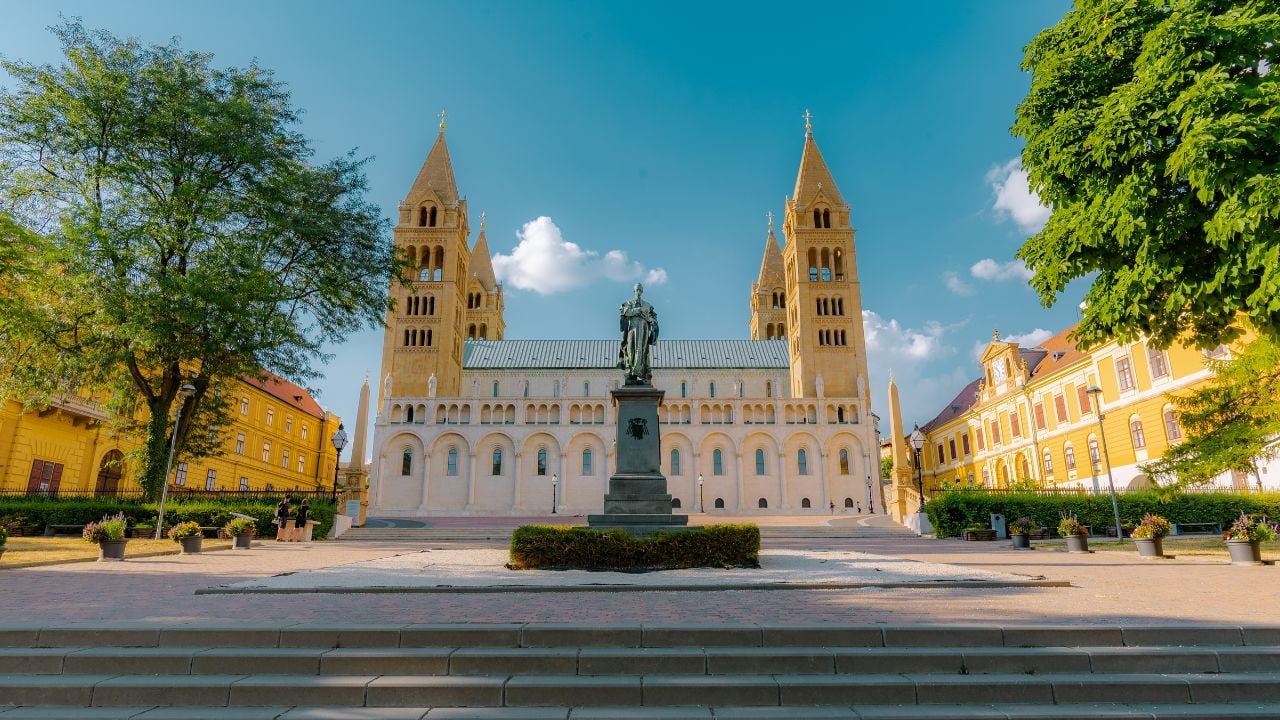
Pécs is a good answer when someone asks for Hungary but you do not want to say Budapest again. The city has a warmer southern feeling, with cafés, squares, church towers, Ottoman traces, ceramic details, and enough history under the streets to make the visit feel much older than the daily life above it.
The Early Christian Necropolis is the deep-history stop. UNESCO describes the site, in ancient Sopianae, as a group of decorated 4th-century tombs, underground burial chambers, and memorial chapels above ground. It is a serious piece of history, but it sits close enough to the city center that it does not pull the whole day away from normal wandering.
Above ground, Pécs feels much lighter. Sit in a square, look at the cathedral area, notice the Ottoman-era details, then let the day move toward the Zsolnay side of the city. The contrast is what makes the place interesting: tombs below, cafés above, bright ceramics and old stone sharing the same trip.
The Zsolnay Cultural Quarter sits on the former Zsolnay family factory area and now uses a restored 5-hectare site with protected historic buildings, public Zsolnay statues, parks, promenades, cafés, craft shops, restaurants, and exhibitions. It is not just a porcelain footnote. It gives Pécs color, texture, and another reason to stay longer.
A good Pécs day might go from ancient tombs to a café, then from cathedral views to ceramic details in the Zsolnay Quarter. That is a better mix than many better-known city breaks manage.
5. Urbino, Italy
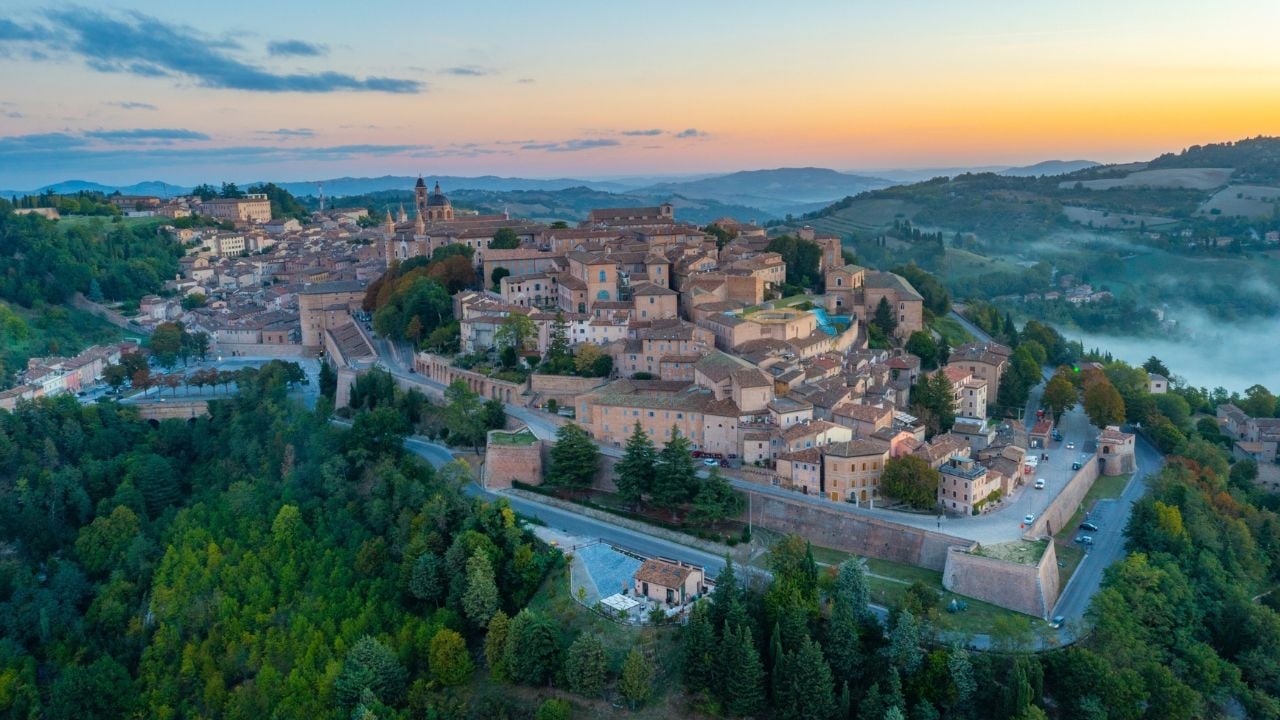
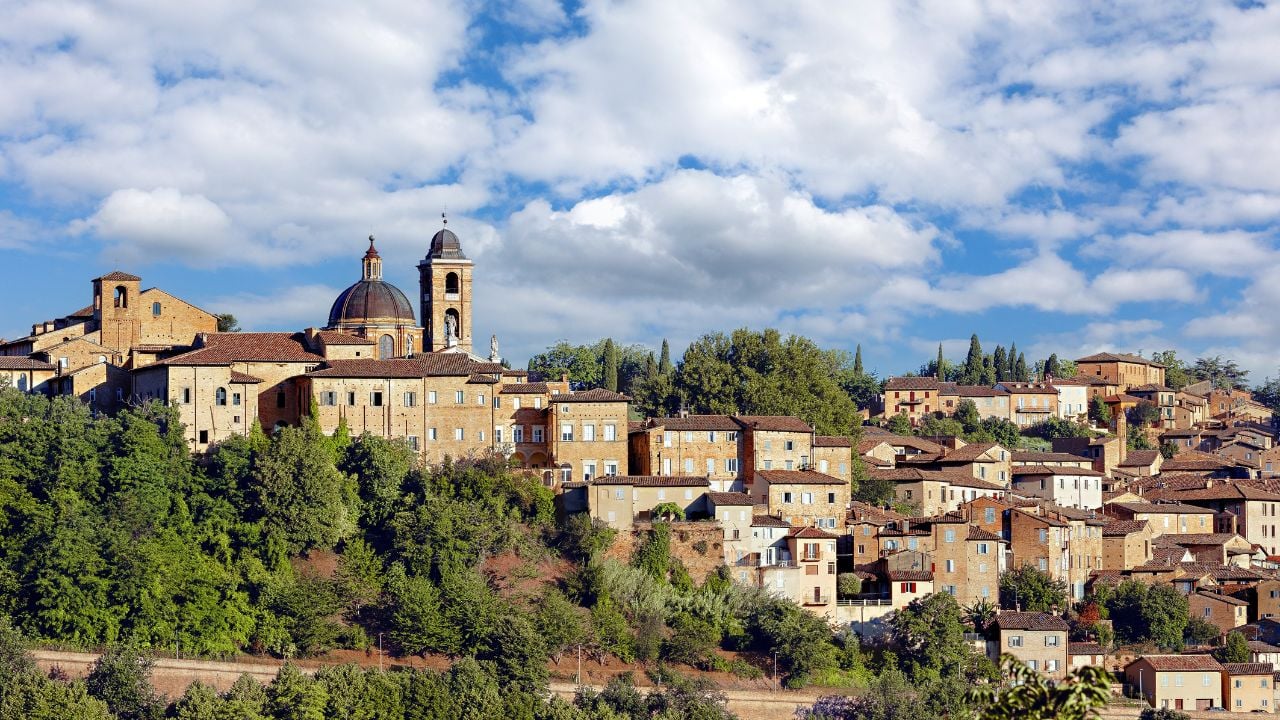
Urbino makes the choice feel clever before you even reach the palace. The town sits high, the streets climb and turn, and the old center has that Italian hill-town feeling where every nice view makes you forget the next uphill stretch for a few seconds.
UNESCO says Urbino became one of Europe’s major cultural centers during the Renaissance and that its historic center is still defined by Renaissance walls that survive virtually intact. Inside those walls are major buildings such as the Ducal Palace, the cathedral, the Monastery of Santa Chiara, and a system of oratories.
The Ducal Palace gives the town its main presence, but Urbino is not only a palace stop. Walk the streets around it and the town becomes more personal: stone facades, steep lanes, small squares, students, views over the Marche hills, and that quiet feeling of an art city that did not turn itself into a theme park.
Italia.it describes Urbino’s historic center as walkable, surrounded by brick walls, and filled with sandstone buildings, monuments, and works of art. It also points visitors toward Raphael’s birthplace, which adds another reason to leave time beyond the palace.
Do not rush Urbino just because the center is compact. Go to the palace, find Raphael’s house, pause in a small square, then walk to a viewpoint and look back over the rooftops. It feels like the kind of Italian trip people pretend they discovered before everyone else did.