Public debt rankings can look like dry spreadsheet territory, but they shape real life fast. They affect borrowing costs, how much room leaders have during shocks, and whether a government can spend on roads, schools, or emergency relief without panicking bond markets. For this slideshow-style list, the benchmark is IMF World Economic Outlook (October 2025) data on general government gross debt as a share of GDP in 2025.
One precision note matters before the headline starts a comment war. The IMF-linked 2025 list used by Voronoi includes Macao SAR at 0%, but Macao is a Special Administrative Region, so the ranking below keeps sovereign states only and moves Kuwait into the fifth spot. On the “deep in trouble” side, the picks are not a global top-three formula by one metric but places facing active distress, arrears, or restructuring stress documented by the IMF and Reuters.
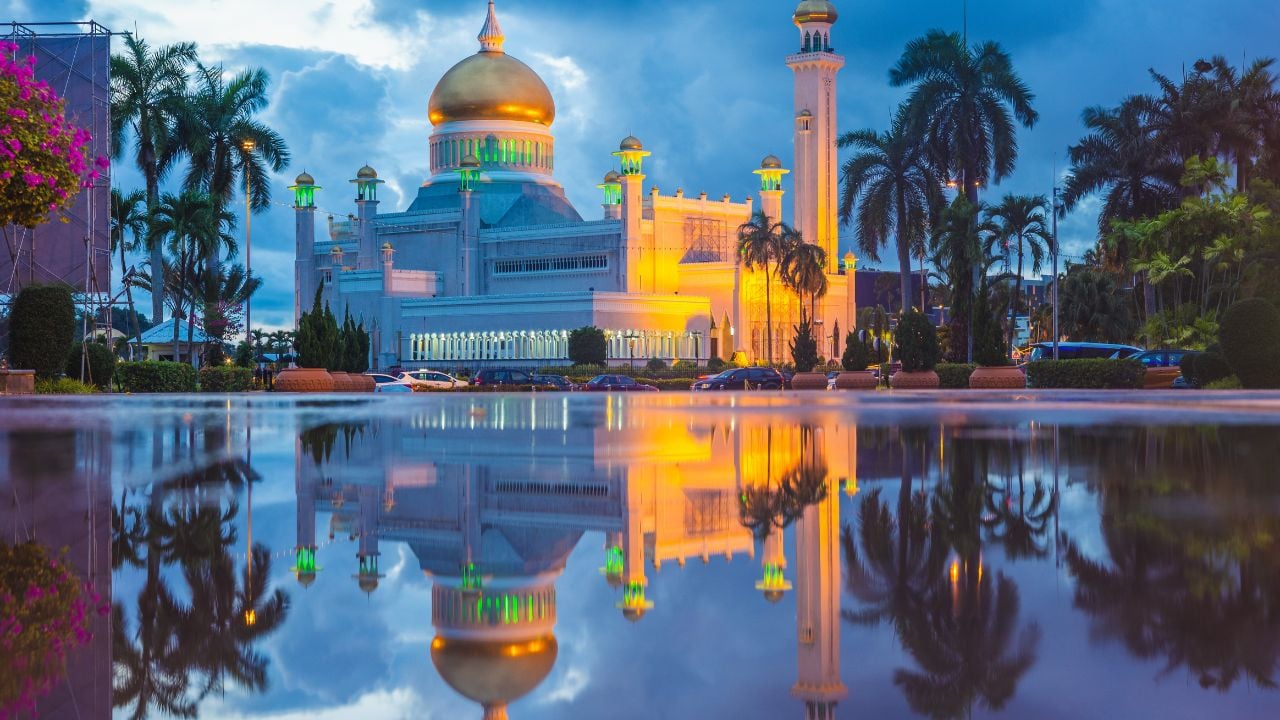
1. Liechtenstein

Liechtenstein sits at the top of the sovereign-state list here, with general government gross debt at 0.5% of GDP in the 2025 ranking compiled from IMF WEO data. In the same source set, only Macao SAR posts a lower figure, and that is why this article starts with the Alpine principality. IMF material tied to Liechtenstein also shows a gross public debt figure of 0.5% in a recent consultation document (IMF Article IV PDF).
Snowy ridges, compact towns, and a finance-heavy economy make the place feel almost unreal on paper and on a postcard. A tiny economy can make headline ratios swing quickly, so low public liabilities do not mean zero risk in every scenario. Still, as a headline number, this is about as close to fiscal featherweight status as it gets.
2. Brunei Darussalam
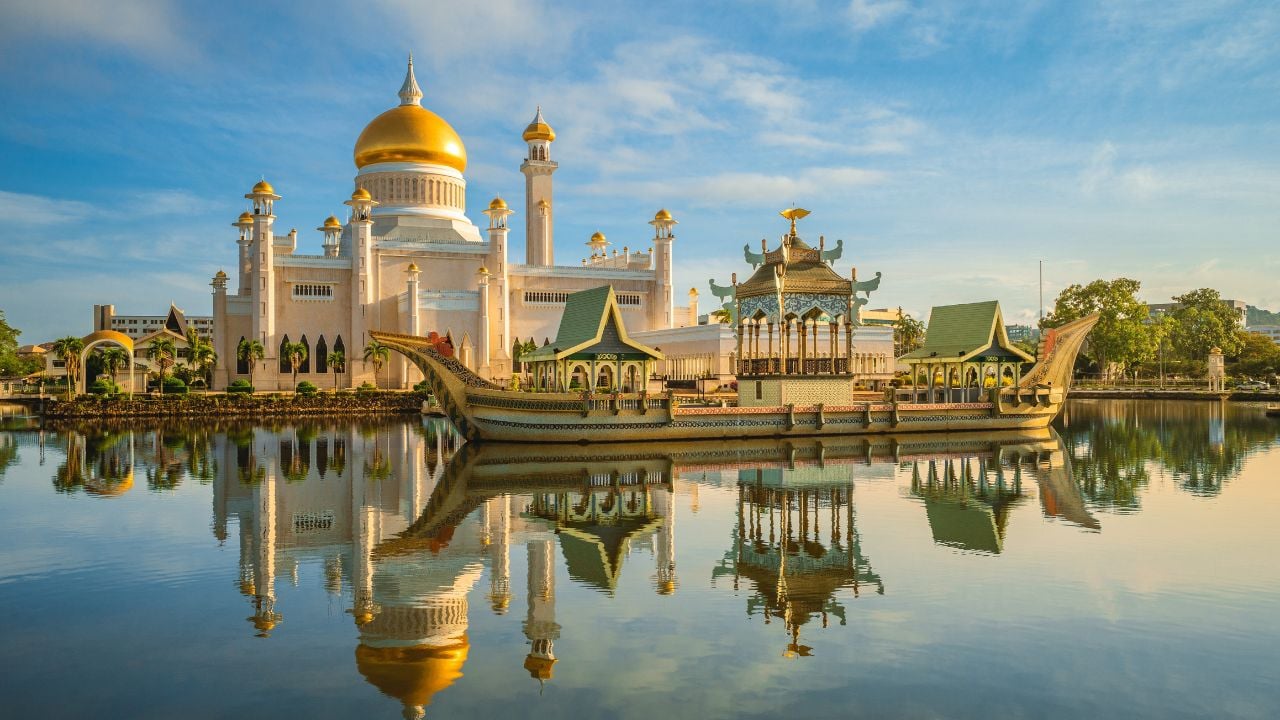
Brunei Darussalam follows with 2.3% of GDP in the same 2025 IMF-based ranking. IMF DataMapper’s WEO debt series (October 2025) shows the same general government gross debt metric for Brunei in this low-single-digit range (IMF DataMapper: Brunei), matching the compiled list figure. That consistency makes Brunei one of the cleanest entries for a quick fact check.
Travel photos usually lock onto the golden domes and waterfront scenes, yet the fiscal snapshot is the part that makes economists raise an eyebrow. A low public burden gives policymakers unusual room compared with heavily indebted peers. That does not freeze the future in place, but it does change the starting point.
3. Tuvalu
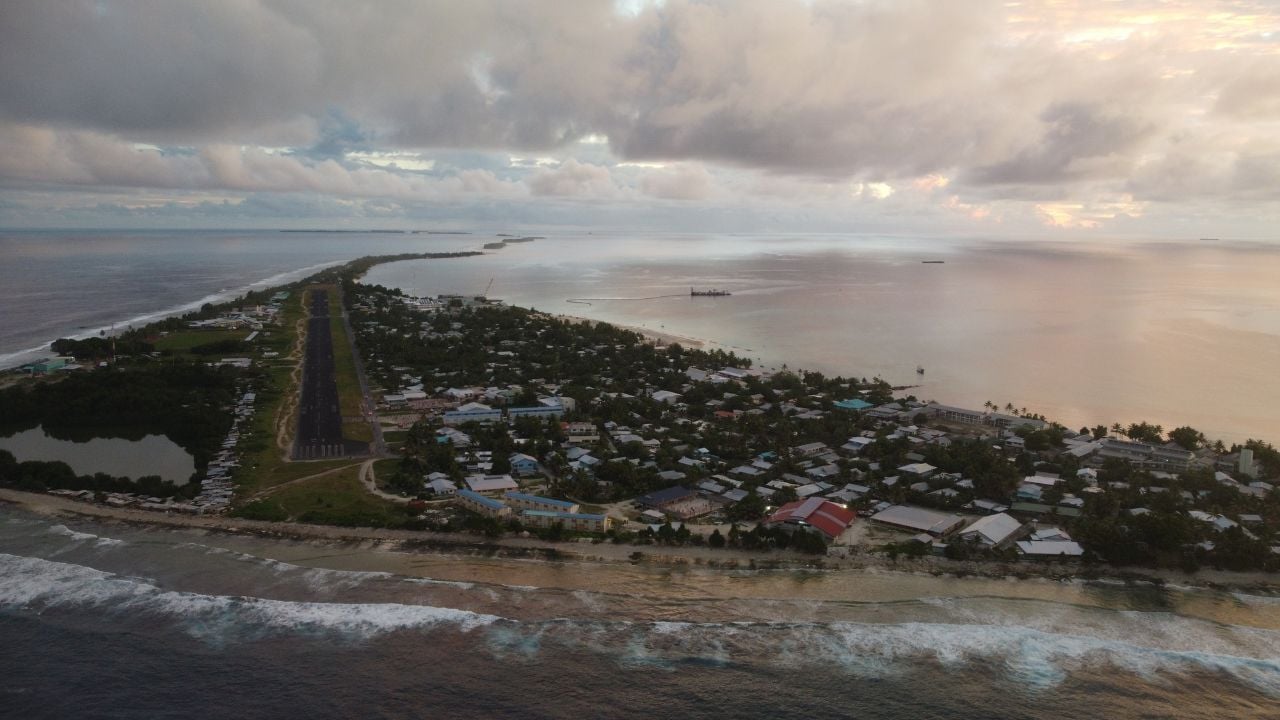
Tuvalu ranks next at 3.6% of GDP in the 2025 country list built from IMF WEO data (IMF DataMapper: Tuvalu). The same compiled table places it ahead of Turkmenistan and Kuwait among sovereign states in this low-liability group. For a small Pacific state facing climate exposure, that number stands out immediately.
Tiny economies can look calm in one indicator while carrying major vulnerability through geography, imports, and disaster risk. That is why a low borrowing ratio should be read as one useful signal, not a full national report card. Even so, Tuvalu earns a genuine place in this ranking.
4. Turkmenistan
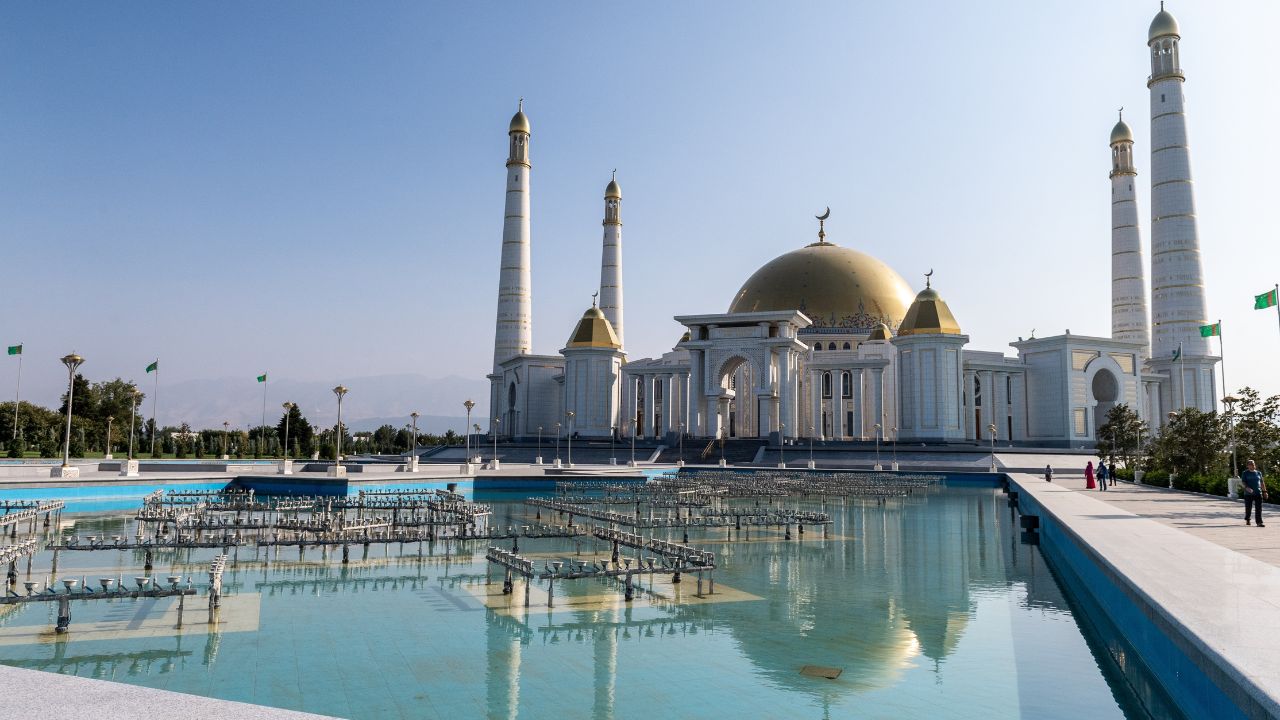
Turkmenistan comes in at 3.9% of GDP in the same 2025 compilation tied to IMF WEO figures (IMF DataMapper: Turkmenistan). In practical terms, that keeps it in the rare zone where public liabilities remain very small relative to output. The gap between this level and global high-debt cases is enormous.
Desert landscapes and monumental city imagery tend to dominate conversation around Turkmenistan, not balance-sheet trivia. Yet this metric matters because it shapes fiscal flexibility during commodity swings or external pressure. One clean ratio cannot explain everything, but it absolutely changes the macro starting line.
5. Kuwait
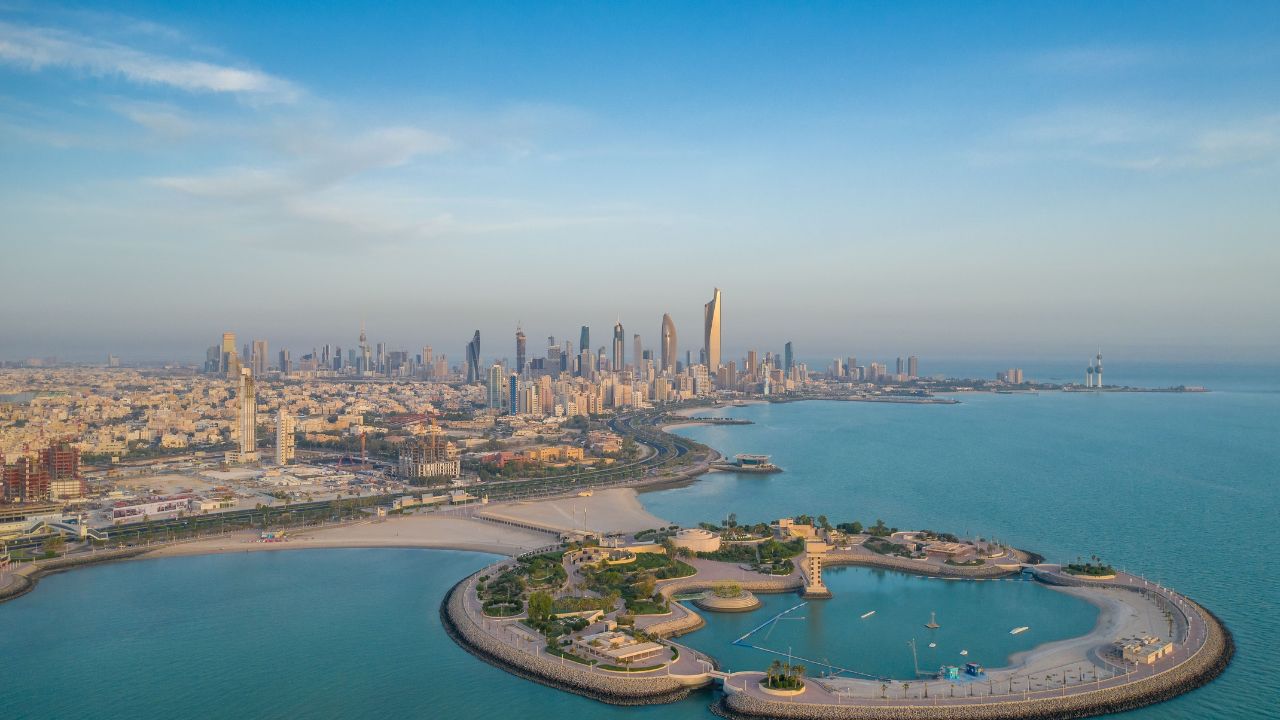
Kuwait rounds out the sovereign top five in this version of the list at 7.3% of GDP for 2025, based on the IMF-sourced ranking cited above (IMF DataMapper: Kuwait). That slot appears after excluding Macao SAR and counting only sovereign states. Even with that adjustment, Kuwait remains firmly in the ultra-low group by international standards.
Glass towers, Gulf heat, and giant infrastructure projects create a visual contrast with the numbers on paper. Plenty of countries would love to begin fiscal planning from a single-digit public borrowing share. Markets notice that kind of breathing room.
6. Ethiopia

Ethiopia lands in the “deep trouble” section because the IMF’s LIC DSA list, as of September 30, 2025, shows it as “in debt distress” and marks the sustainability assessment as “unsustainable” (IMF LIC DSA list PDF). That is a formal warning category, not a dramatic headline flourish. Reuters also reported that Ethiopia defaulted on its only international bond in late 2023 and that restructuring talks with bondholders hit an impasse in 2025, with legal options being explored (Reuters report).
Addis Ababa’s skyline looks like a city sprinting into the future, which makes the sovereign finance story even more jarring. Growth ambitions and restructuring battles can coexist, and they often do. Here, the key issue is not vibes but the hard mechanics of creditor negotiations.
7. Malawi
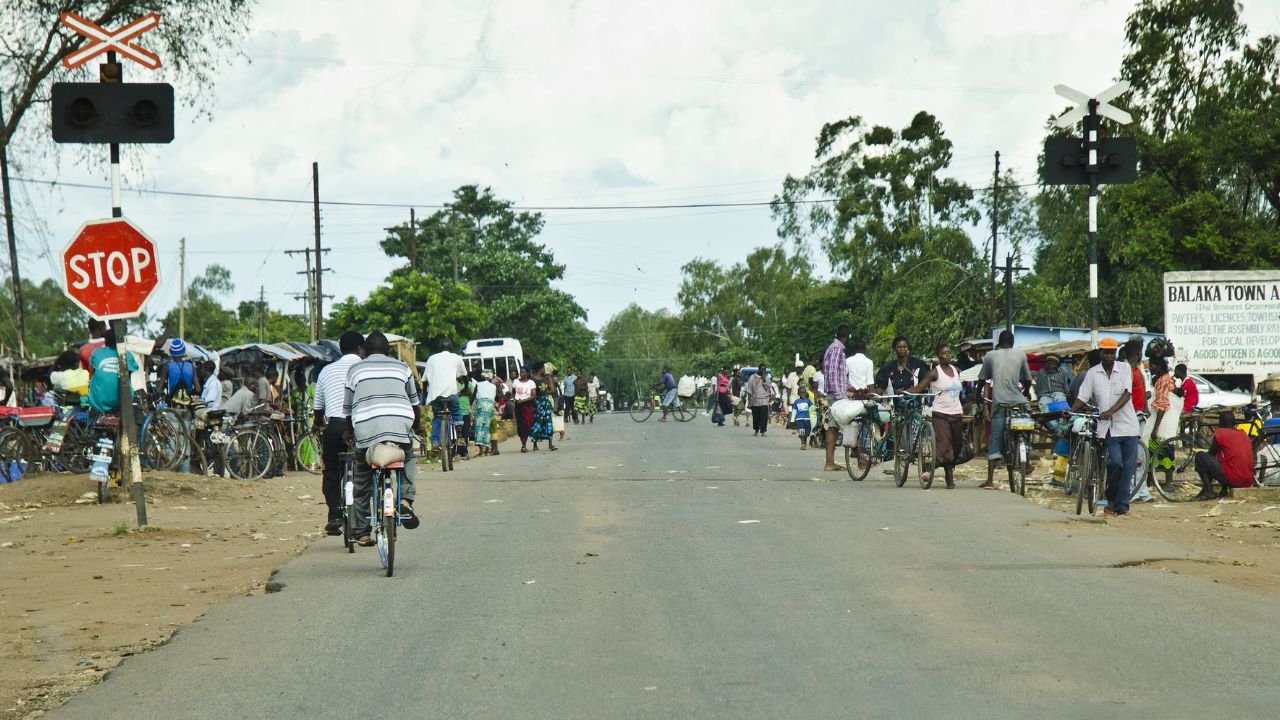
Malawi appears on the same IMF list as “in debt distress,” with the DSA table indicating an unsustainable assessment (IMF LIC DSA list PDF). Reuters added another layer in May 2025, reporting that Malawi’s IMF program ended early after only $35 million of a $175 million arrangement had been disbursed, while the Fund cited inflation above 30%, forex shortages, and unsustainable external obligations not yet fully reworked (Reuters report). That is a heavy combination for any government to manage.
Street-level impact tends to show up long before a clean macro fix arrives. Import pressure, currency strain, and high prices are the kinds of problems ordinary people feel immediately at shops and fuel stations. Fiscal distress is never just an abstract chart when essentials get harder to secure.
8. Zimbabwe

Zimbabwe is also listed by the IMF as “in debt distress” in the September 30, 2025, LIC DSA table (IMF LIC DSA list PDF). Reuters reported in October 2025 that the country had about $12.2 billion in external arrears and that those arrears blocked normal IMF lending channels (Reuters report). Reuters later reported that Zimbabwe agreed to a staff-monitored program with the IMF in February 2026 (Reuters report), and the IMF also published its own announcement of the staff-level agreement the same day (IMF press release).
Harare can look bright and fast-moving in photos, while the sovereign ledger tells a slower story, with old liabilities still blocking normal financing channels. Progress is possible, yet arrears are a brutal anchor. In debt analysis, momentum matters, but starting conditions matter even more.