Some countries are easier to explore when the train does the heavy lifting. A rental car can sound flexible until travelers start dealing with city traffic, parking rules, tolls, fuel costs, mountain roads, or hotel locations that were never designed around cars.
The best rail countries remove a lot of that friction. Stations often sit close to the center, major cities connect directly, and the ride itself can carry travelers past lakes, mountains, villages, suburbs, farms, and coastlines without another airport transfer.
That does not mean train travel is automatic everywhere. Seat reservations, supplements, strike notices, construction work, pass rules, luggage space, and peak-season demand can still change the day. The smoothest trips come from knowing which routes are simple and which tickets need a second look.
These five countries stand out because trains connect the places visitors actually want to see. Each one works for a different reason: Switzerland for scenery and integrated transport, Japan for high-speed distance, Austria for city-to-Alps routes, the Netherlands for short hops and contactless travel, and Italy for a strong high-speed city spine.
1. Switzerland
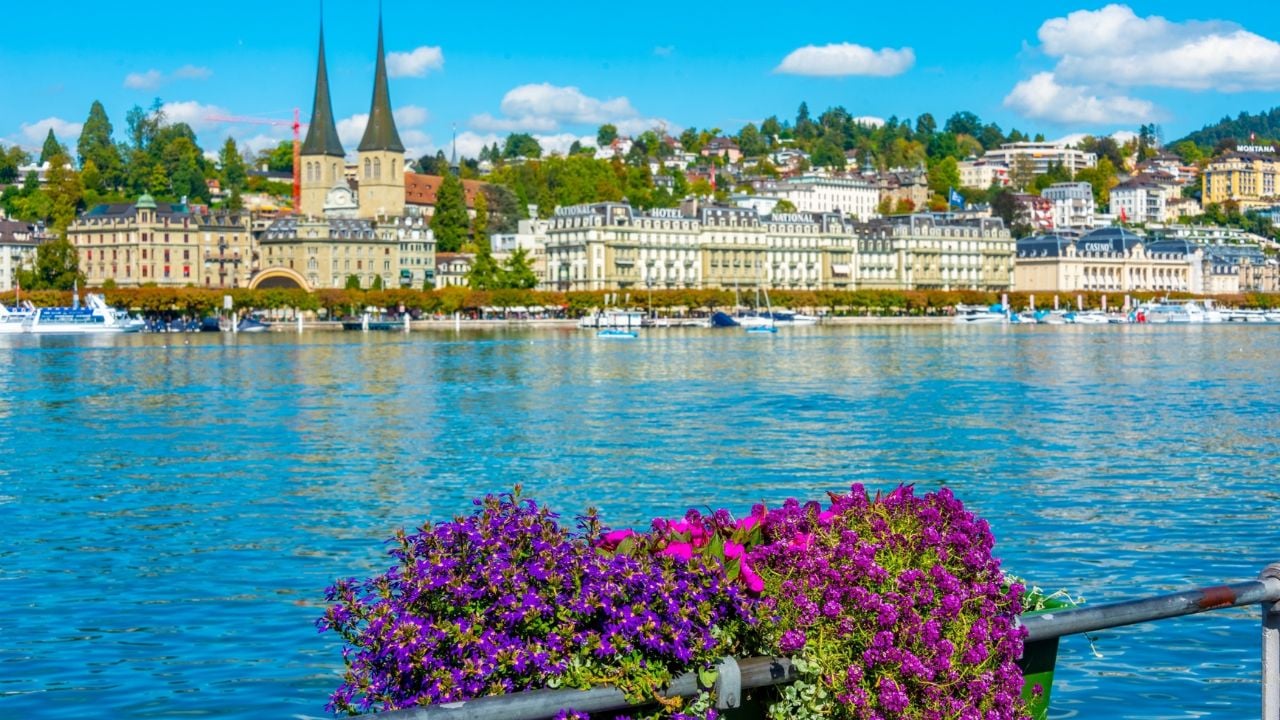
Switzerland is the clearest example of a country where rail travel can shape the whole trip. Zürich, Lucerne, Interlaken, Montreux, Bern, Lausanne, and Zermatt all fit naturally into train-based itineraries, and many of the best travel days combine rail with lakes, boats, mountain gateways, or old-town walks.
The Swiss Travel Pass lets eligible visitors travel by train, bus, and boat across the country. SBB says it also covers panoramic trains apart from required seat reservations or supplements, and includes public transport in more than 90 Swiss towns and cities.
That coverage is useful because Switzerland’s appeal is spread across different kinds of places. A traveler can sleep in Lucerne, ride toward Interlaken, continue to Montreux, or build a route toward Zermatt without treating every transfer like a separate project. Mountain railways, cable cars, and some special routes may cost extra, but the main framework stays easy to understand.
The country’s rail advantage is not only efficiency. A normal transfer can pass lake water, steep valleys, grazing fields, and snow-covered peaks. Switzerland is one of the few places where the practical route and the scenic route often feel like the same thing.
2. Japan

Japan looks huge on a first itinerary, but the rail system makes the classic route far easier than the map suggests. Tokyo, Kyoto, Osaka, Hiroshima, Kanazawa, Hakata, and other major stops can connect without repeated airport check-ins or long drives between unfamiliar cities.
The Japan National Tourism Organization describes the Shinkansen as a bullet train network that runs from Tokyo to major cities around the country at regular intervals. That frequency matters for first-timers. A route such as Tokyo to Kyoto to Osaka can stay flexible enough for sightseeing days while still giving travelers a fast way to cover serious distance.
The Japan Rail Pass can still help some visitors, but it is no longer something to buy automatically without doing the math. The official pass site says the Japan Rail Pass is not valid for Nozomi and Mizuho trains on the Tokaido, Sanyo, and Kyushu Shinkansen lines unless pass holders buy a special additional ticket.
That detail matters because Nozomi and Mizuho services can be the fastest options on key routes. Once travelers compare pass prices with individual tickets and understand which trains their pass covers, Japan becomes one of the easiest countries in the world to plan around rail.
3. Austria
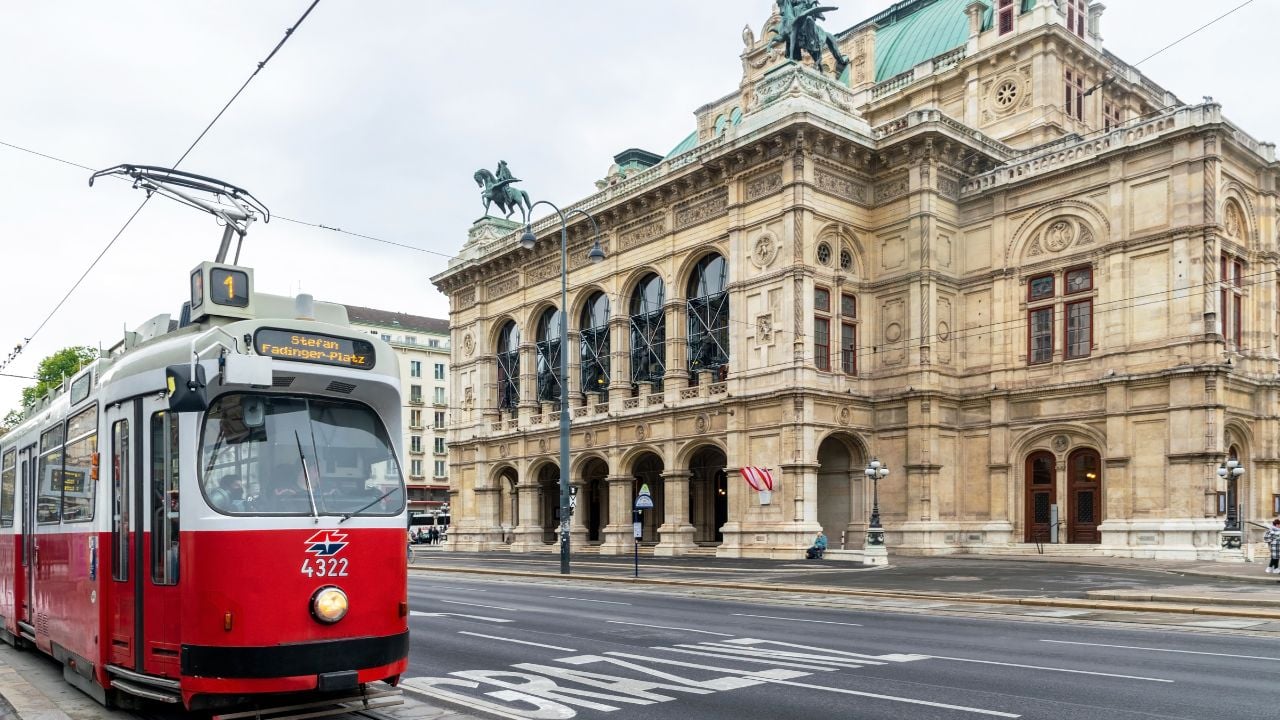
Austria works well by train because its most obvious first-time route lines up with the rail network. Vienna gives travelers museums, cafés, palaces, and music history. Salzburg adds baroque streets and mountain edges. Innsbruck brings the Alps into the trip without requiring a rental car.
Austria’s official tourism site says Vienna to Salzburg takes less than 2.5 hours by ÖBB Railjet, while Salzburg to Innsbruck takes less than two hours. Those times make a Vienna-Salzburg-Innsbruck route realistic without turning the trip into a chain of long travel days.
ÖBB Railjet services connect Austria with a maximum speed of up to 230 km/h, and ÖBB also describes itself as Austria’s largest mobility services provider. For visitors, the result is a country where rail feels like the normal way to move between major stops, not a workaround for people avoiding cars.
Austria is strongest for travelers who want culture and mountain scenery in one trip. A few days in Vienna, a stop in Salzburg, and a move toward Tyrol can deliver opera-house façades, old-town streets, alpine views, and regional side trips without parking in historic centers or driving mountain roads after a long sightseeing day.
4. The Netherlands
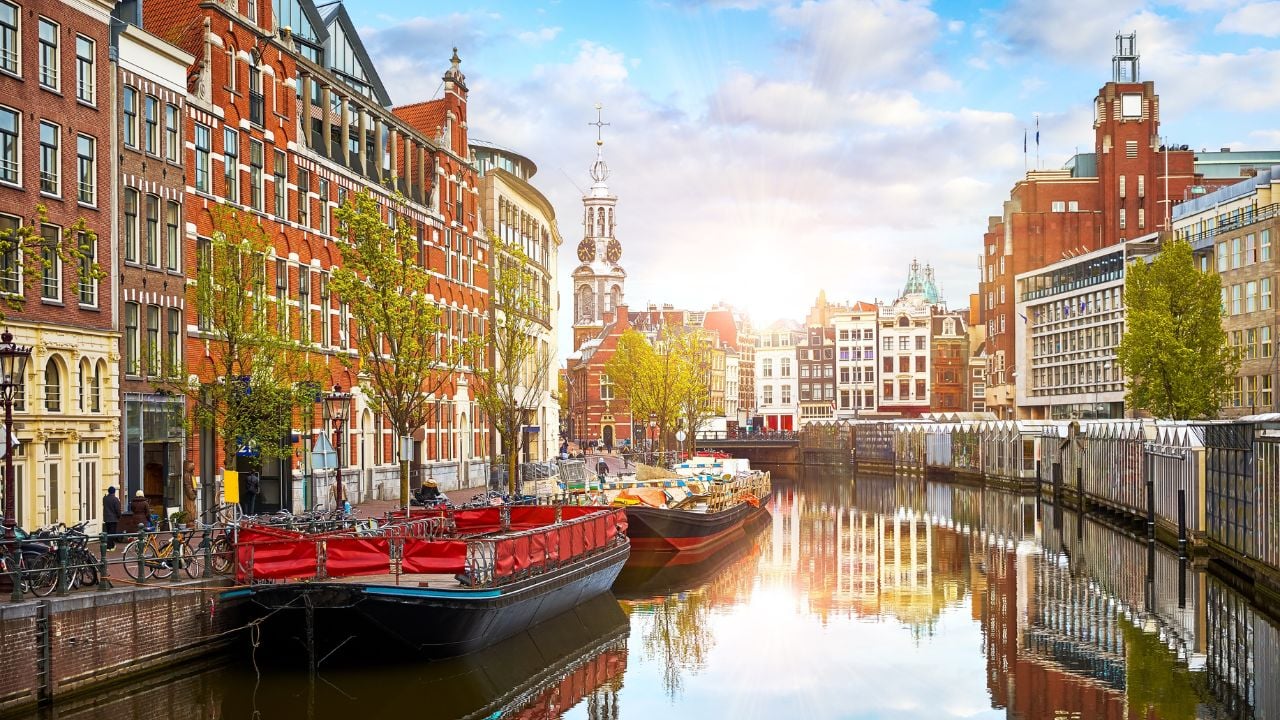
The Netherlands makes rail travel easy because the distances are short and the network is part of daily life. Amsterdam, Haarlem, Utrecht, The Hague, Delft, Rotterdam, Leiden, and Gouda can all fit into a short trip without forcing travelers into long transfer days.
NS says travelers can check in and out with a debit card, credit card, or mobile phone, and OVpay describes contactless check-in and check-out across public transport by card, phone, or OV-pas. For visitors, that removes one of the most annoying first-day problems: figuring out a separate transport card before the first train ride.
The rail advantage is especially clear on day trips. Haarlem can work as an easy alternative base near Amsterdam. Delft and Leiden offer smaller historic centers. Rotterdam gives the trip a sharper modern contrast. The Hague adds museums, government buildings, and easy access toward the coast.
Because the country is compact, weather can shape the itinerary without wrecking it. A rainy museum day in Amsterdam, a clearer afternoon in Utrecht, or a last-minute switch to Delft can still work when stations sit close to the places travelers came to see.
5. Italy
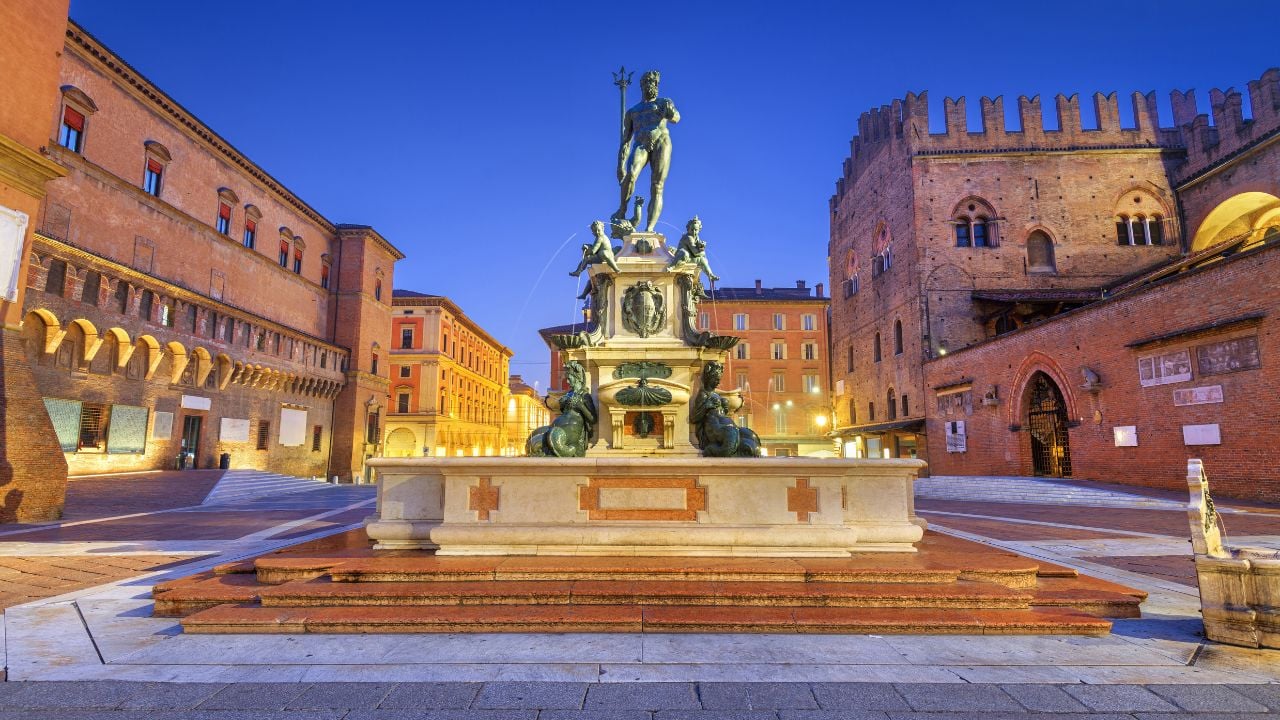
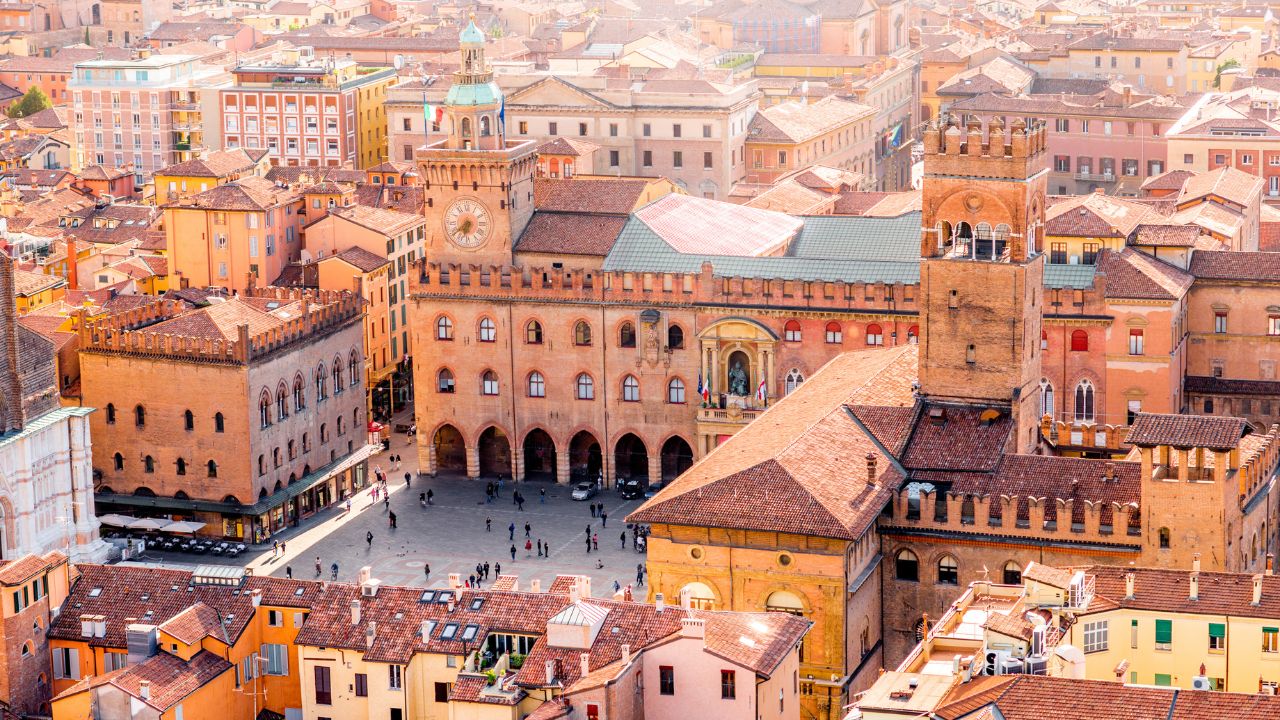
Italy is not always easy to plan, but its major-city rail spine is one of the best tools a first-time visitor has. Rome, Florence, Bologna, Milan, Venice, Naples, and Turin connect well by train, which keeps many classic routes out of rental-car territory.
Trenitalia says Frecciarossa trains run into the heart of Italy’s most important cities, with frequent connections and departures and arrivals in city centers. That matters in a country where airport transfers, restricted driving zones, parking, and historic-center traffic can turn a short move into a frustrating day.
High-speed trains are best for longer city-to-city hops, while regional trains are useful for smaller places, lake towns, coastal bases, and short local rides. A Rome-Florence-Bologna-Venice or Rome-Naples-Florence route can stay much cleaner by rail than by car.
The ticket type matters. Faster trains are usually tied to a specific service and seat, while regional tickets have their own timing and validation rules. Once those details are clear, Italy by rail gives travelers a practical way to see several major stops without spending the trip on highways, parking garages, and airport shuttle buses.