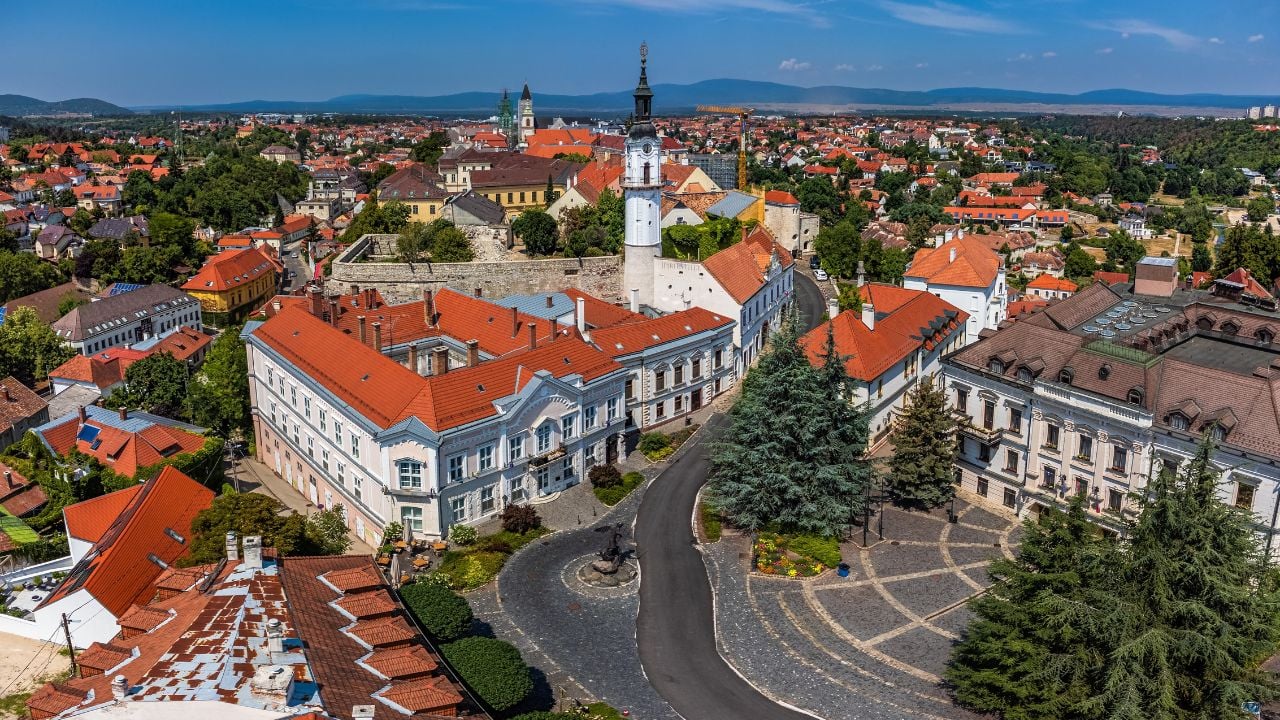
Some smaller European cities make short trips easier because the castle, cathedral, old streets, riverfront, main square, and museums sit close together. Visitors can see several major sights in one day without building the whole trip around taxis, long transfers, or a packed schedule.
These five cities are not the obvious capital-city picks. They work because the main sights have a clear shape on the ground: a castle at the center, a hill above the old town, rivers meeting below a citadel, a compact Renaissance square, or a historic core built for walking.
The appeal is not only that they are pretty. Each one gives travelers enough history, architecture, food, views, and street life for a satisfying short stay, while keeping the route manageable. A weekend can include a major landmark, a museum, a long lunch, and an evening walk without turning into a race.
For travelers who want culture without a heavy itinerary, these compact European cities make the day feel full without making every hour do too much.
1. Ferrara, Italy
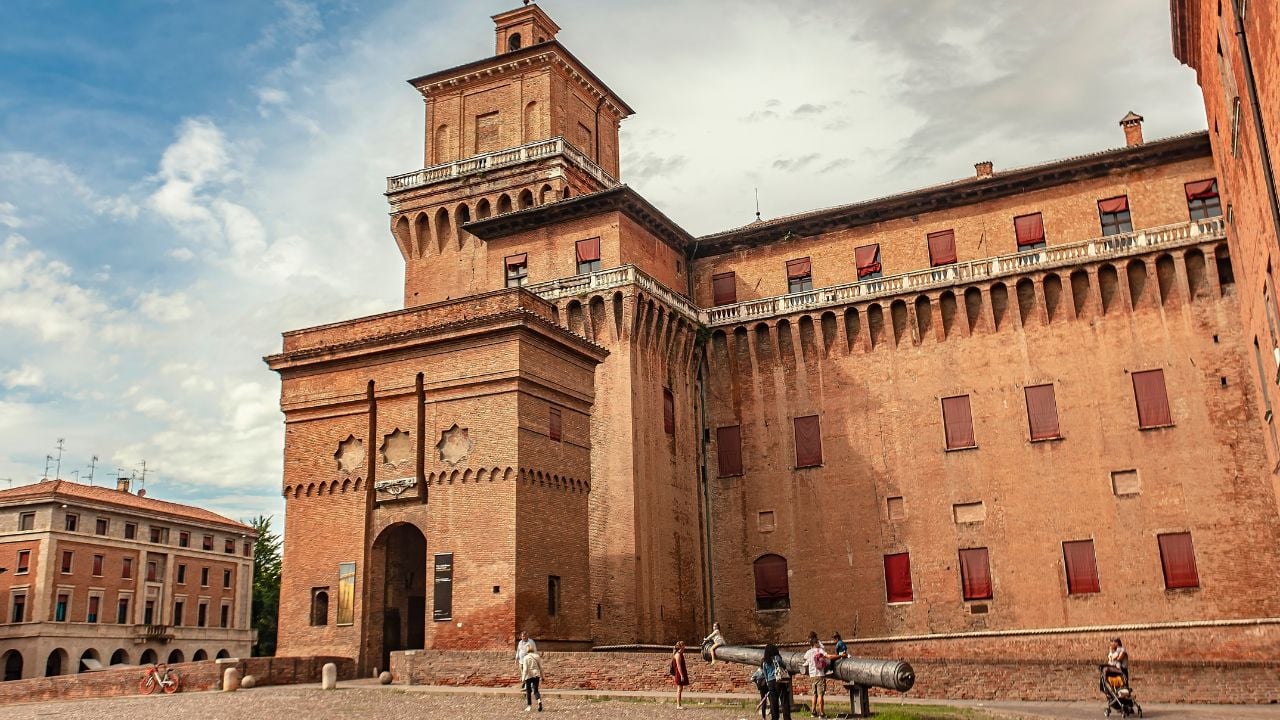
Ferrara gives travelers Renaissance architecture without the pressure of a much larger Italian city. The main route can start at Castello Estense, continue toward the cathedral area and Piazza Trento e Trieste, then move into old streets, arcades, museums, and quieter corners without needing a complicated plan.
UNESCO lists Ferrara as the “City of the Renaissance,” with its World Heritage recognition expanded to include the Po Delta and the Delizie Estensi. The city’s scale makes that history easier to absorb than in places where every major sight sits across another long walk or bus ride.
The center works well on foot, but Ferrara also has a strong bicycle culture. Italia.it describes Ferrara as a city to explore on foot or by bicycle and notes how closely bikes are tied to local movement. That gives visitors another way to cover more ground without speeding through the place.
A good day can include Castello Estense, Via delle Volte, Palazzo Schifanoia, the cathedral area, and a slow meal near the center. Ferrara has enough substance for a cultural weekend, but the route stays readable from the first square.
2. Quedlinburg, Germany

Quedlinburg is built for travelers who want a dense historic center rather than a long list of spread-out sights. The old town, market square, castle hill, Collegiate Church, Münzenberg, and half-timbered lanes give the day a compact route with constant visual detail.
The official tourism site describes Quedlinburg as an almost 1,100-year-old half-timbered city with more than 2,000 half-timbered houses from eight centuries. It also says the castle hill, Collegiate Church, castle, and Münzenberg helped earn UNESCO World Heritage status in 1994, with a heritage area of 93 hectares.
The best first walk can move from the lower streets toward the castle hill, then return through smaller lanes for coffee, cake, or dinner. Timbered façades, steep roofs, stone lanes, and small squares keep the route interesting even between the official sights.
Quedlinburg works especially well for a one- or two-night stay. Visitors can see a lot without needing a strict timetable because the main landmarks sit inside a walkable historic core.
3. Namur, Belgium
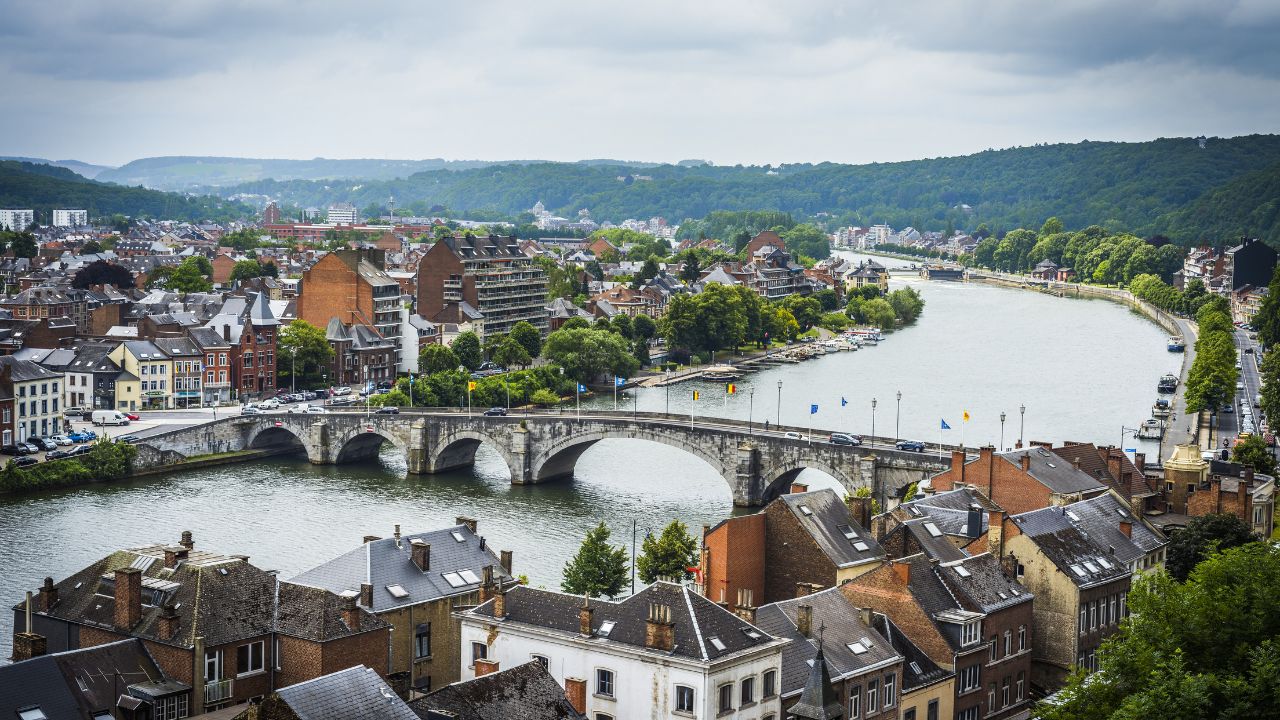
Namur has an easy shape for a short visit: two rivers below, a citadel above, and the old center close enough to fold into the same day. Travelers can start near the confluence of the Sambre and Meuse, climb or ride toward the Citadel, then return downhill for streets, cafés, and river views.
The city describes the Citadel as one of Namur’s defining places, while Namur Tourism points visitors toward the confluence before heading up to the fortress area. That gives the city a route that is visible on the ground, not just on a map.
The Terra Nova Visitor Centre adds history without taking over the whole day. Namur Tourism says the center, located in the old Terra Nova barracks, presents 2,000 years of urban and military history connected to Namur and its fortress.
After the Citadel, the day can drop back toward the riverfront and center instead of continuing across town. Namur is satisfying because the main experience can be done as a compact sequence: water, height, history, and an easy return to the lower streets.
4. Veszprém, Hungary
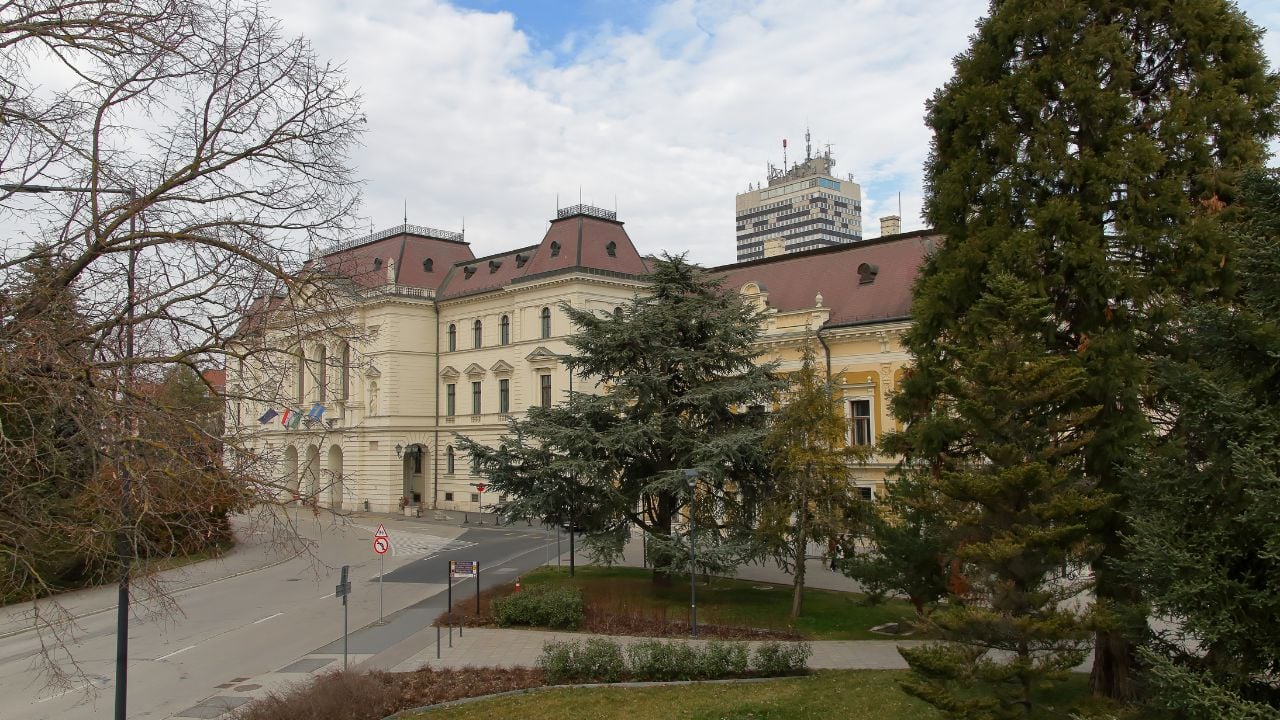
Veszprém is a less obvious Hungarian choice, but it works for travelers who want a historic center with enough variety for a short stay. The Castle District, downtown streets, museums, galleries, gardens, restaurants, and viewpoints can give the visit several layers without turning the day into a long cross-city route.
The official tourism site presents Veszprém as the “City of Queens” and gathers visitor information for the castle area, downtown, museums, galleries, restaurants, events, guided tours, and other local planning details. That gives first-time visitors a clear base for building a compact route.
The city also has smaller discoveries beyond the main historic walk. Veszprém Tourism says Mihály Kolodko’s mini-sculptures can be explored individually using a free map from the Tourinform Veszprém office. Those pieces give travelers a reason to look closely at corners, streets, and small public spaces while moving through the center.
Veszprém Zoo is a good optional add-on rather than something to force into the same compact old-town route. Keep the main day around the Castle District and downtown, then add the zoo, gardens, or a longer meal if the schedule has room.
5. Úbeda, Spain

Úbeda is one of the clearest examples of a city where major architecture stays close. The old center gives travelers Renaissance palaces, churches, stone streets, and one of Spain’s most impressive historic squares without requiring a long sightseeing route.
UNESCO lists the Renaissance Monumental Ensembles of Úbeda and Baeza as a World Heritage Site and notes that the two Andalusian cities are about nine kilometers apart. Úbeda’s inscribed property covers 4.2 hectares, which helps explain why the visit feels rich but contained.
Plaza Vázquez de Molina is the obvious place to start. Spain’s official tourism site says El Salvador Chapel sits next to palaces around the square, with a layout designed by Diego de Siloé and a Plateresque main front by Vandelvira.
The Town Hall, Palace of Dean Ortega, Sacred Chapel of El Salvador, Basilica of Santa María de los Reales Alcázares, and nearby Renaissance streets can fill a slow morning or afternoon without spreading the visit thin. Úbeda gives travelers a concentrated dose of Spanish Renaissance architecture in a city that still feels manageable on foot.