A walkable city break should reveal itself in layers, not force visitors to keep checking transport apps. In the right place, breakfast near a square leads to old stone, river light, a market, a museum, and dinner without crossing half the city.
Nîmes, Girona, Coimbra, Olomouc, and Utrecht all have that compactness, but each uses it differently. Nîmes folds Roman monuments into ordinary café streets. Girona stacks river houses, Jewish Quarter lanes, cathedral steps, and wall walks inside a tight Catalan center.
Coimbra climbs from the Mondego River to university courtyards and garden terraces. Olomouc fills its main squares with Baroque sculpture, fountains, trams, cafés, and student life. Utrecht drops café terraces below street level along the Oudegracht, making the canal part of lunch, shopping, and evening walks.
These trips still need choices. Museum time, lunch, viewpoints, and dinner should be spaced out, but the short distances leave more time for streets, food, architecture, and water instead of transfers between them.
1. Nîmes, France
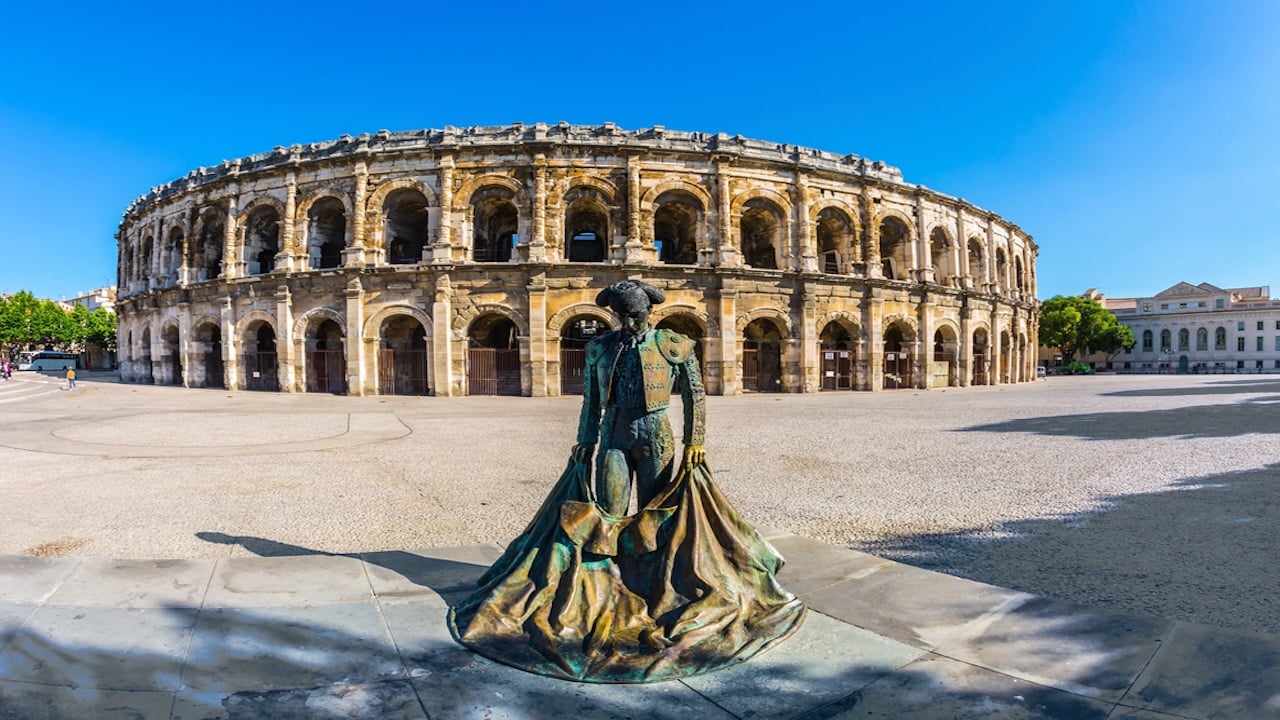
Nîmes puts Roman history directly into the daily street scene. The Arena rises near café terraces and ordinary foot traffic, the Maison Carrée stands in the city center, and the Jardins de la Fontaine lead the walk toward water, trees, statues, and the hill below Tour Magne.
France’s official tourism site describes Nîmes as a Roman city known for some of the world’s best-preserved Roman monuments, including the Arena and the UNESCO-listed Maison Carrée. The monuments do not sit apart from the visit; they shape the center a few streets at a time.
A good first route starts at the Arena, moves toward the Maison Carrée, then continues through shaded streets toward the Jardins de la Fontaine. Between those stops, the city gives travelers bakeries, terraces, shops, and southern French stone rather than long blank stretches between landmarks.
Nîmes suits travelers who want history without a heavy schedule. One Roman site, one garden walk, one museum or market stop, and a slow lunch give the day enough structure without turning the center into a timed circuit.
2. Girona, Spain
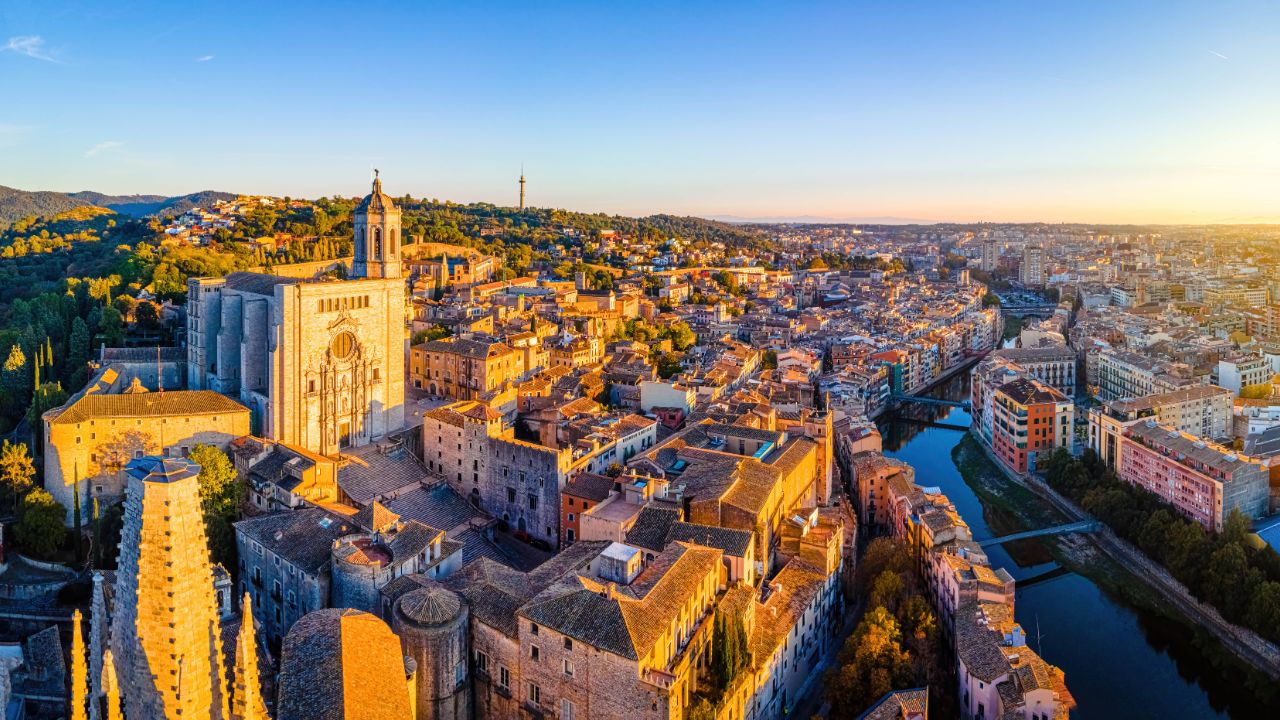
Girona gives the first walk color before it gives height. The houses along the Onyar River bring the bright opening view, then the route slips into stone lanes, arches, steps, courtyards, old walls, and the tighter streets of the Jewish Quarter.
Spain’s official tourism site calls Girona the City of the Four Rivers and notes that its historic quarter carries Roman, Arab, and Hebrew influences. Girona City Council describes the Jewish Quarter, or Call, as a labyrinth of narrow streets and patios that has maintained its medieval atmosphere.
The city’s layout gives a short visit a clear sequence. Start near the Onyar bridges, enter the Call, climb toward the cathedral steps, then use the old walls for views over rooftops, church towers, and the hills beyond the center.
Food and pauses fit easily into that route. Bakeries, cafés, small restaurants, market stops, and Catalan dishes sit close to the historic streets, so the day does not have to split into separate sightseeing and dining zones.
3. Coimbra, Portugal
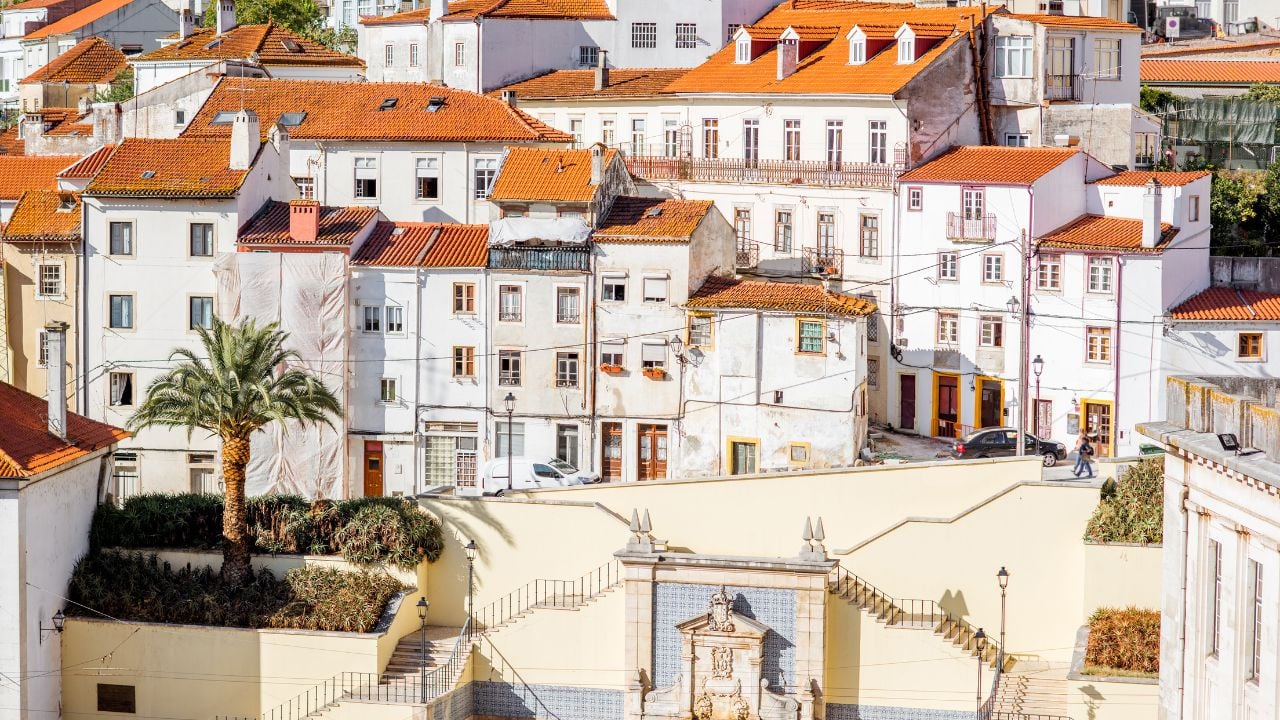
Coimbra is a hillside city, and the climb is part of how it tells the story. Streets rise from the Mondego River toward the university, passing old houses, churches, stairways, cafés, student streets, and viewpoints that look back over the lower city.
UNESCO notes that Coimbra sits on the banks of the Mondego River and is famous for its university, one of the oldest in Europe, with the University of Coimbra, Alta and Sofia inscribed on the World Heritage List in 2013.
The university area gives the visit its upper level: courtyards, historic buildings, library visits when available, and views over the city. Below it, the Botanical Garden adds a quieter route through terraces, trees, shaded paths, and green space between the university area and the river.
A full day should not rush the hill. Start high if the weather is warm, then work down toward the old lanes, cafés, garden terraces, and the Mondego. Coimbra’s streets reward a slower descent more than a repeated climb back and forth across the center.
4. Olomouc, Czech Republic
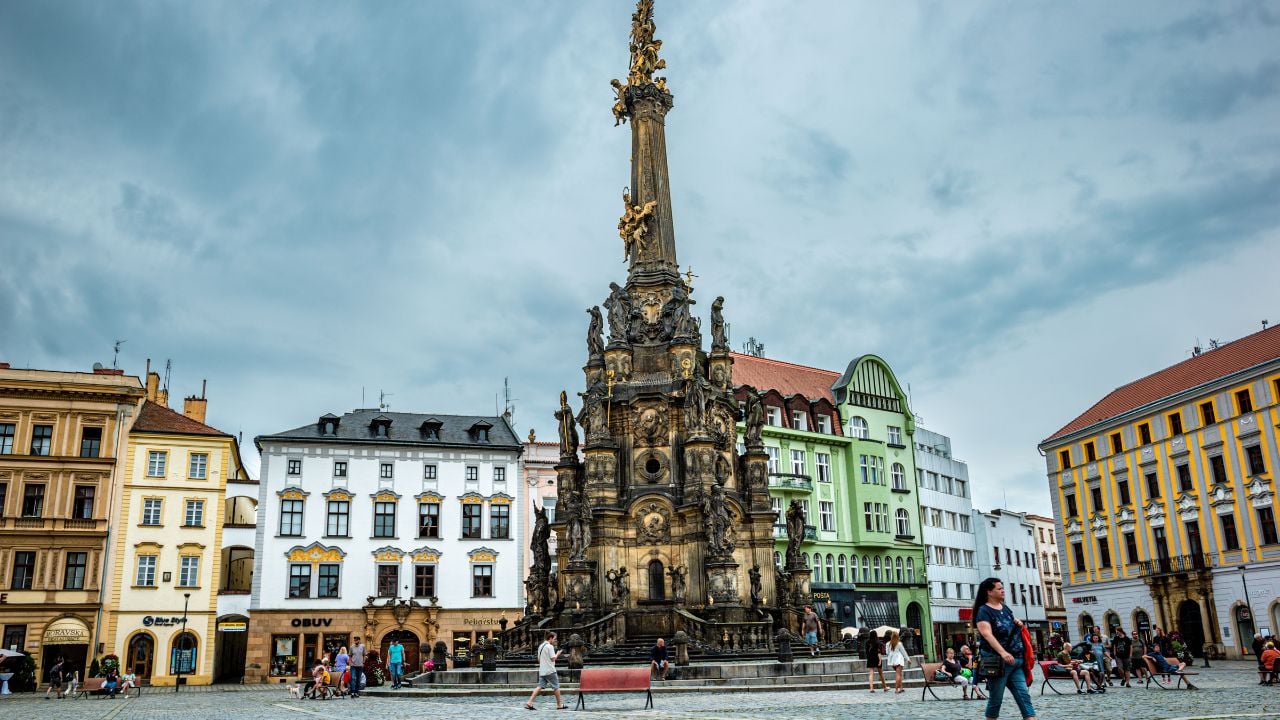
Olomouc introduces itself through open squares and sculpted stone. The Holy Trinity Column rises above the center, fountains break up the surrounding space, trams cross the historic setting, and church towers appear above façades that still frame everyday café and student life.
Olomouc Tourism says the Holy Trinity Column has been a UNESCO World Heritage Site since 2000 and describes it as a dominant feature of the city center. The same monument gives the square its main visual anchor, but the streets around it carry much of the visit.
Upper Square and Lower Square keep the main experience close together. A traveler can move between the column, fountains, town hall, churches, cafés, restaurants, and smaller streets without crossing a large city or rebuilding the day around transport.
Olomouc offers a Czech city break with scale on the square and calm in the surrounding streets. The right pace is simple: look closely at the column, continue through the fountains and arcades, step into a church or museum, then leave time for coffee or dinner near the center.
5. Utrecht, Netherlands
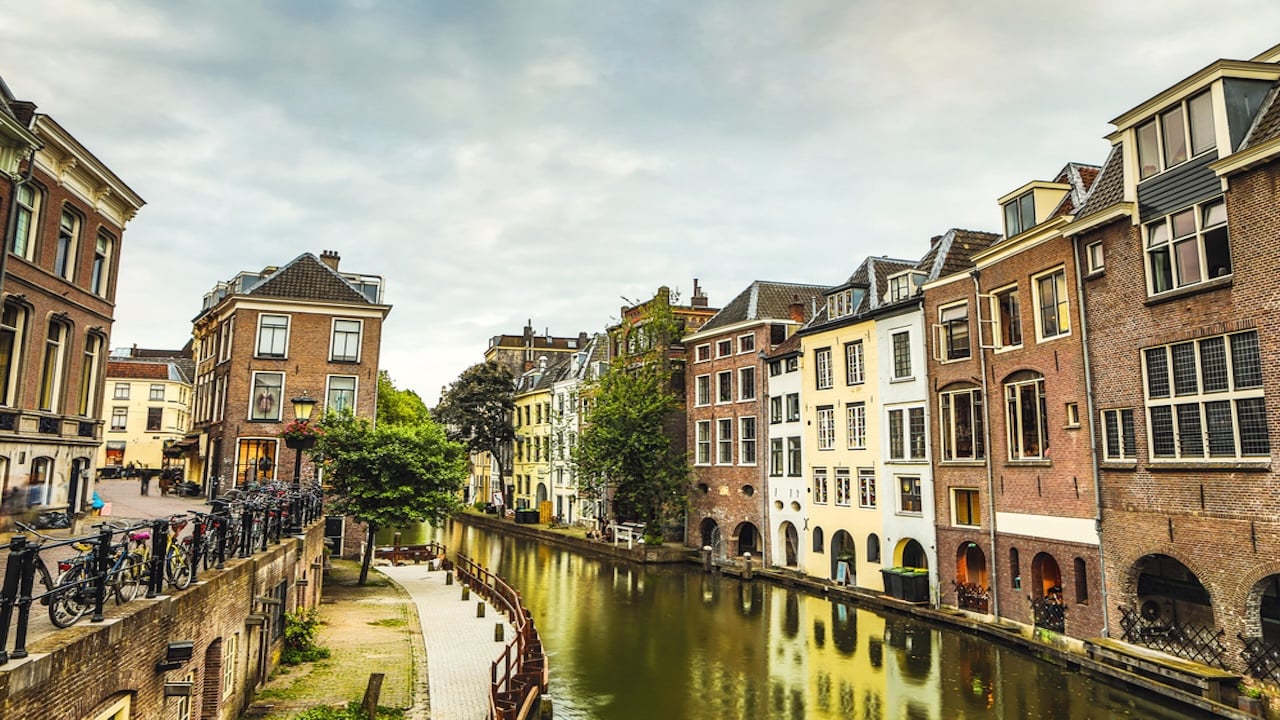
Utrecht’s center drops the visitor into two levels of city life. At street level, there are brick houses, bikes, bridges, shops, churches, and the Dom Tower. Below, along parts of the Oudegracht, wharf terraces and cellars put restaurants and cafés right beside the water.
Discover Utrecht says the city’s canals, wharves, and wharf cellars are unique in the world, and that today they hold shops, restaurants, and private residences. That lower canal level gives Utrecht a different feel from a standard canal walk.
A useful route starts at Dom Square, continues toward the Oudegracht, then drops to the water-level wharves for lunch, coffee, or an evening drink. The canal does not sit beside the visit; it becomes part of where people eat, shop, and pause.
Utrecht has museums, churches, guided walks, and side streets for a longer stay, but the first day should stay near the Dom Tower and Oudegracht. That pairing gives the city its clearest shape: tower above, canal below, and a compact center between them.