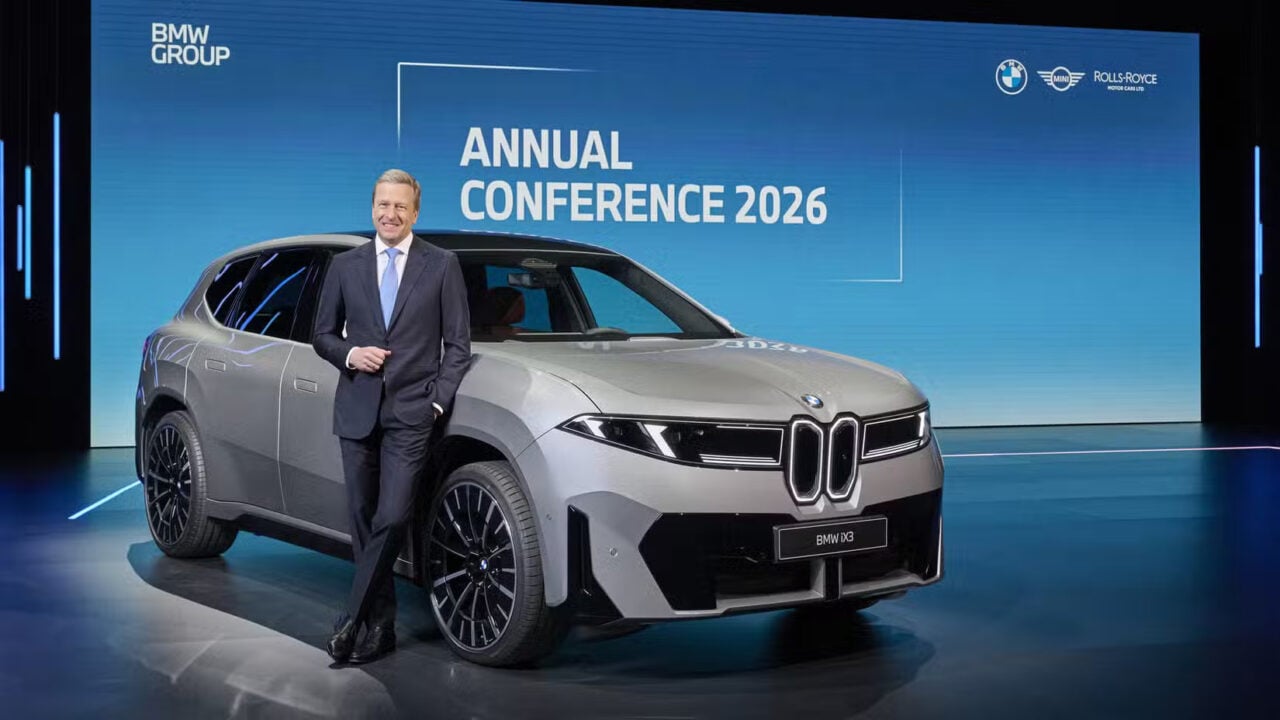
BMW’s outgoing boss used his final appearance as CEO to celebrate the company’s recent success while subtly taking aim at struggling German rivals. During BMW’s 106th Annual General Meeting, Oliver Zipse highlighted strong profits, rising dividends, and employee bonuses before delivering what sounded like a carefully aimed jab toward competitors dealing with financial pressure.
After nearly seven years as chairman and 35 years with BMW overall, Zipse officially handed leadership duties over to Milan Nedeljković. His farewell speech focused heavily on BMW’s stability during a turbulent period for the global auto industry, particularly as many European automakers continue struggling with slowing EV demand, tariffs, and weakening profits.
The comments came at an interesting moment for Germany’s automotive sector. Porsche, Mercedes-Benz, and Audi have all faced difficult financial conditions over the past year, forcing cost-cutting measures and changes to worker bonus structures as profits tightened across the industry.
BMW, meanwhile, continues to position itself as one of the few major automakers successfully balancing combustion engines, hybrids, EVs, and even hydrogen development without overcommitting too aggressively to a single technology.
Zipse’s Subtle Jab At Porsche And Other Rivals
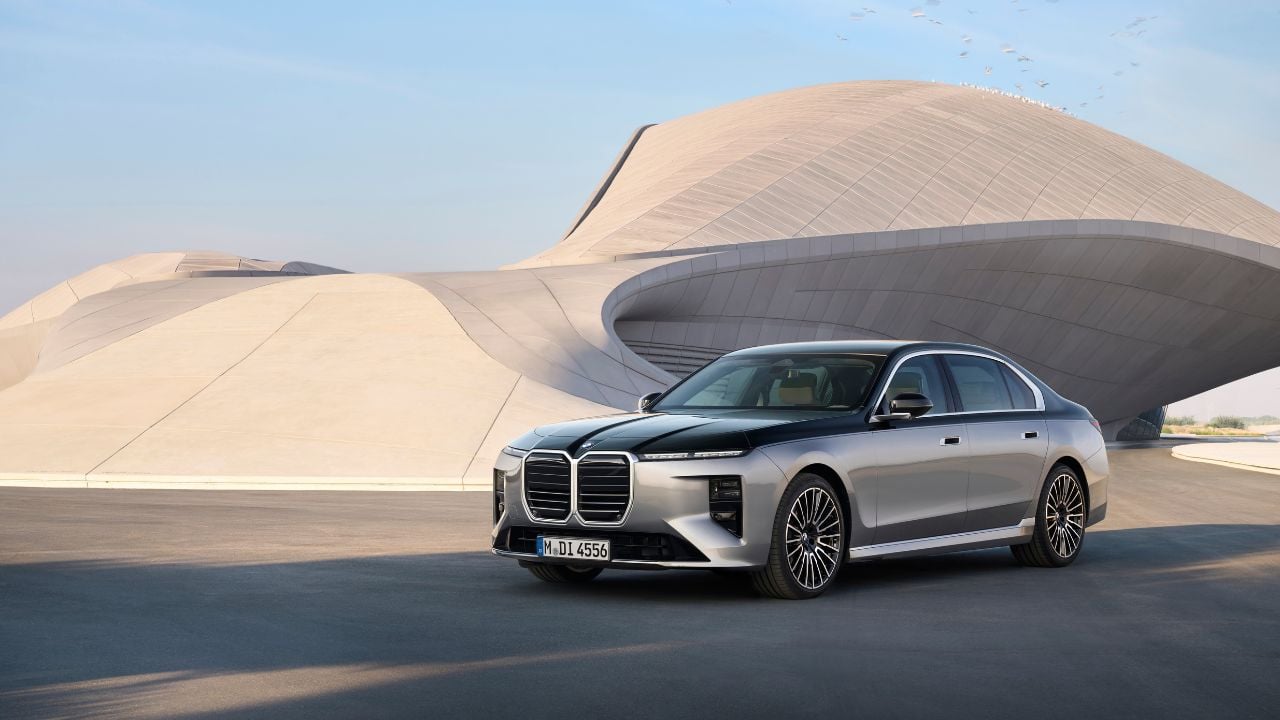
While discussing BMW’s 2025 performance, Zipse pointed to the company exceeding its earnings targets and increasing shareholder dividends. BMW also confirmed that employees in Germany would receive attractive profit-sharing bonuses following another strong year financially.
That is where the outgoing CEO appeared to slip in a quiet shot at competitors. “Others are canceling bonuses,” Zipse said with a smile during the speech, immediately drawing attention given the struggles some rival brands faced last year.
Porsche in particular made headlines after canceling worker bonuses entirely following a difficult 2025. Audi and Mercedes-Benz also adjusted portions of their bonus structures, though neither eliminated payouts completely.
BMW’s stronger financial position has allowed the company to avoid some of the harsher measures seen elsewhere in Germany’s automotive industry. Zipse emphasized that BMW’s “business model is robust,” reinforcing the idea that the company’s broader strategy is currently paying off.
BMW’s U.S. And China Strategy Is Paying Dividends
Zipse also highlighted BMW’s Spartanburg factory in South Carolina, which remains the company’s largest global production facility and the biggest automotive exporter by value in the United States. The plant builds many of BMW’s SUVs, helping shield the company from tariff pressures that continue hurting some competitors.
That production footprint has become increasingly valuable politically and financially. Zipse even noted that BMW’s investment in the United States is “recognized and appreciated in U.S. political circles,” a comment that reflects how important domestic manufacturing has become amid ongoing trade tensions.
China remains another critical market for BMW despite slowing overall industry growth there. The company sold roughly 625,000 vehicles in China last year and says it outperformed the broader market slowdown.
To maintain momentum, BMW is preparing several China-focused products, including long-wheelbase versions of the iX3, i3, and 7 Series. Those vehicles are designed specifically for Chinese buyers, where rear-seat comfort and technology features remain especially important.
BMW Still Isn’t Backing Away From EVs
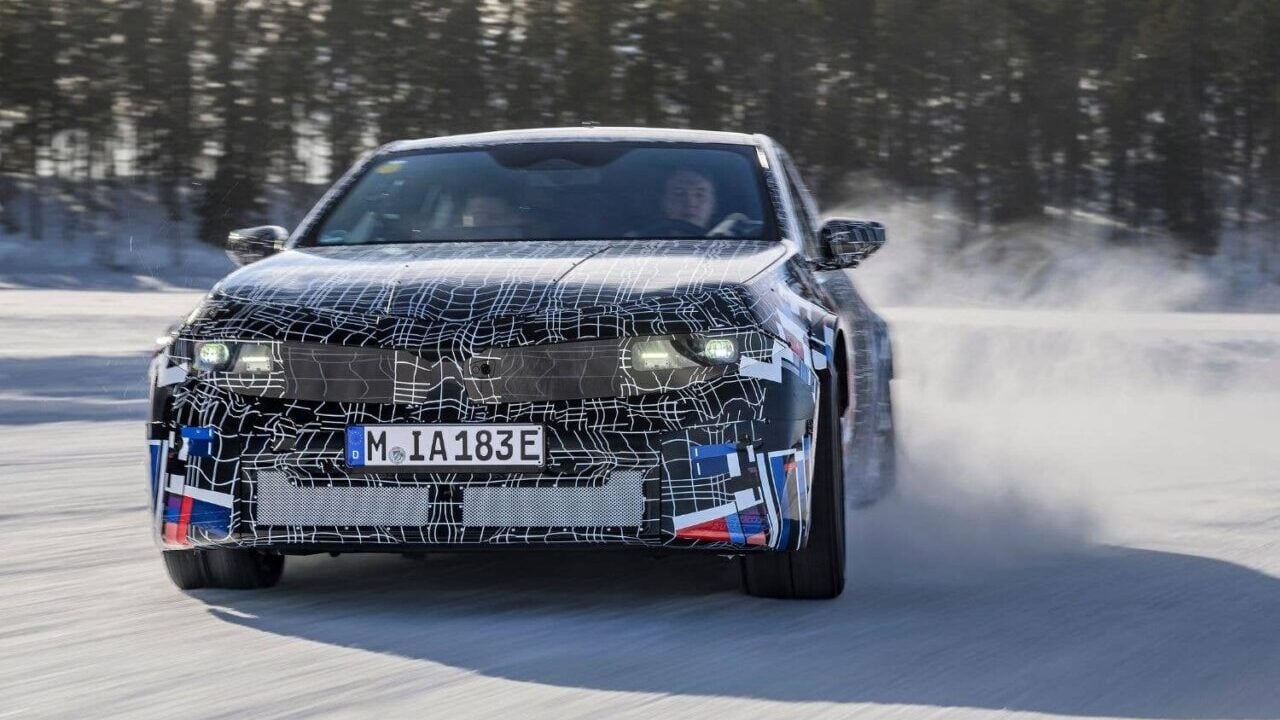
Despite criticism of Europe’s emissions regulations, BMW continues to expand its electrified lineup aggressively. Zipse again pushed back against the European Union’s regulatory approach, arguing that strict downsizing rules have hurt industrial competitiveness instead of encouraging innovation.
Still, BMW says it comfortably met the EU’s 2025 emissions targets without relying on emissions pooling agreements or buying excess regulatory credits from competitors. That is becoming increasingly rare among major automakers.
The company plans to offer 20 EVs across BMW, Mini, and Rolls-Royce by the end of the year. Production of the next-generation i3 electric sedan will begin this August, while an electric i3 Touring wagon is expected to follow around 2027.
BMW also confirmed it remains committed to hydrogen technology. Beginning in 2028, the company plans to launch hydrogen-powered vehicles starting with the next-generation X5, which BMW says will eventually support five different powertrain types.
BMW’s Wagon Commitment Continues
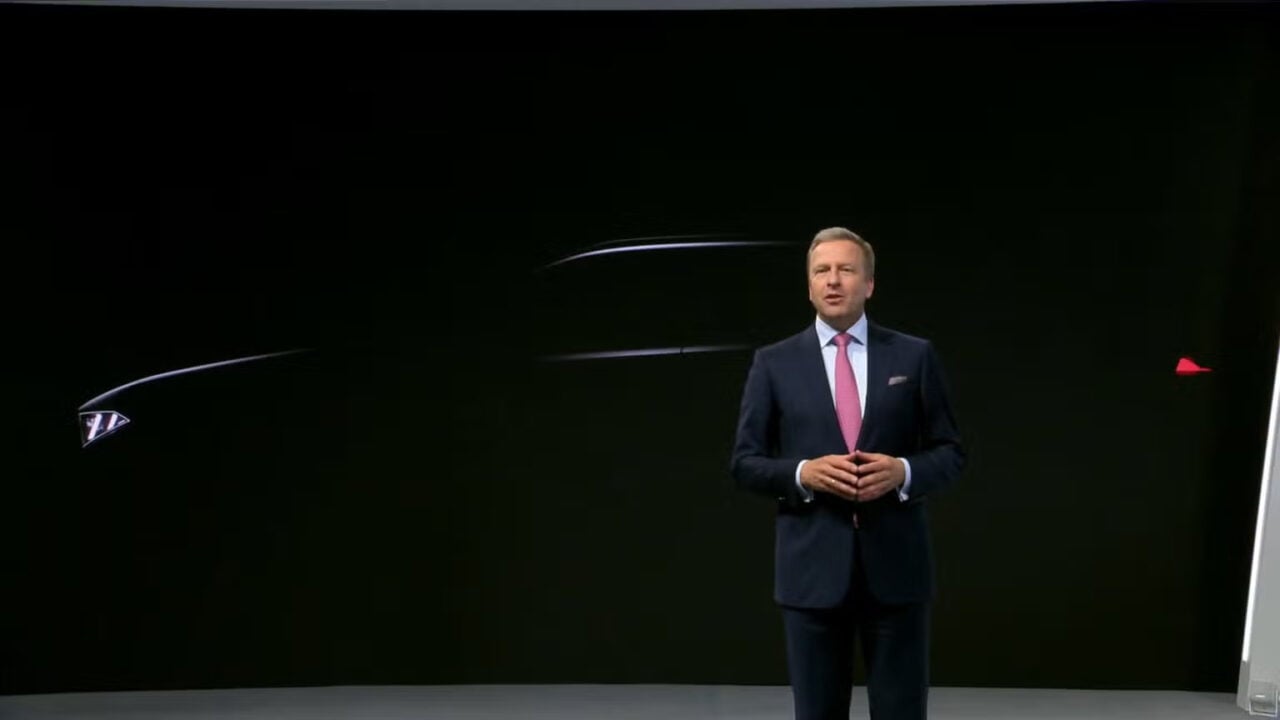
One of the more surprising reveals during Zipse’s farewell speech was a teaser for the next-generation BMW 3 Series Touring. The shadowy images shown during the presentation confirmed BMW still sees a future for wagons even as most automakers continue abandoning the body style.
“The 3 Series is more than a sedan,” Zipse said. “The 3 Series Touring is very popular with families and business customers.”
The upcoming wagon will reportedly exist in both combustion and fully electric forms. The electric i3 Touring is expected to arrive first, potentially followed later by performance-oriented M variants as BMW expands its EV lineup.
For American buyers, though, the situation is less certain. BMW executives have hinted that high-performance wagons like the M5 Touring may continue coming to the U.S., but mainstream Touring models are still unlikely given America’s overwhelming preference for SUVs and crossovers.