Some cities are remembered through ordinary movement: a ferry horn, a market basket, a boat landing, a workshop doorway, a river step, a hot wall after sunset. Istanbul, Mexico City, Luang Prabang, Fez, and Cartagena all have famous sights, but this article is not about checking them off. It is about the daily scenes around them.
These places reward travelers who pay attention to how the city works: where people cross the water, buy lunch, sit for coffee, carry goods, open shops, serve tea, repair metal, paint ceramics, gather in plazas, and walk home after dark.
1. Istanbul, Türkiye
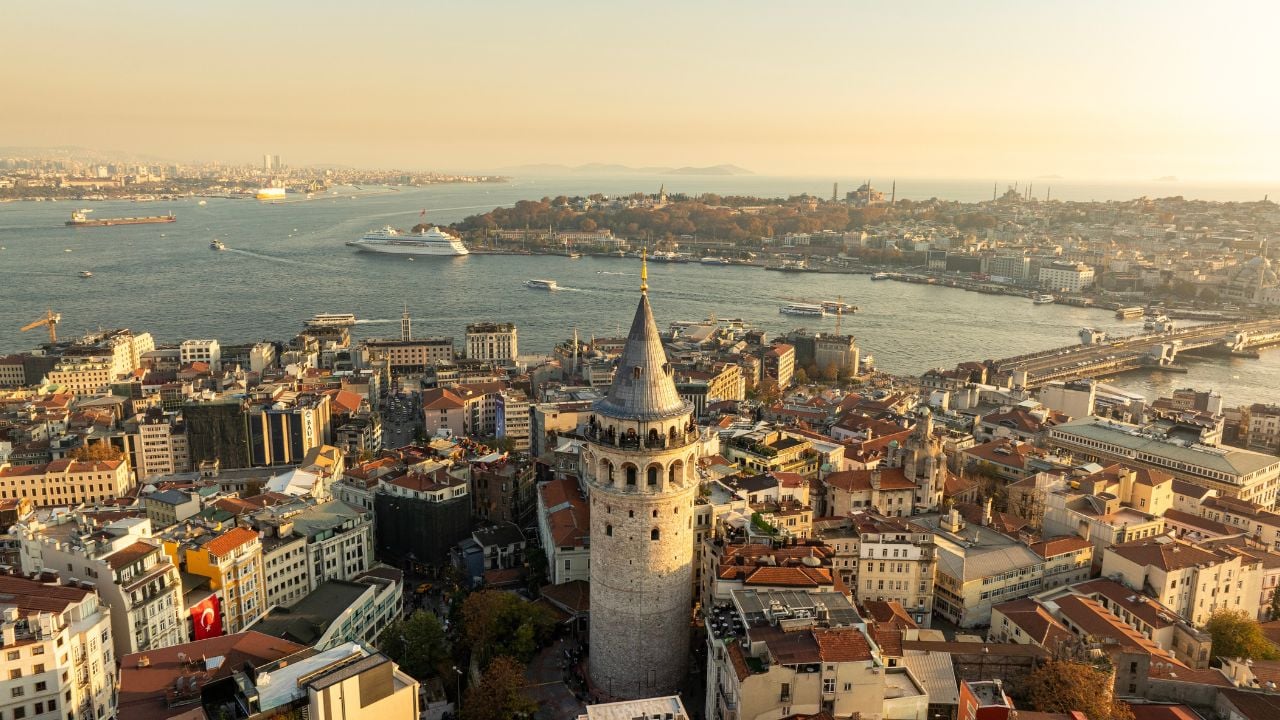
Istanbul is a city of piers as much as palaces. At Eminönü, Karaköy, Beşiktaş, Üsküdar, and Kadıköy, people move between ferry gates, tea stands, simit sellers, ticket machines, and benches facing the Bosphorus. The water is not a scenic extra; it is part of the commute, the meal, the errand, and the evening.
Şehir Hatları, Istanbul’s public ferry operator, lists domestic trips, Bosphorus tours, piers, and timetables. The long Bosphorus tour includes stops such as Eminönü, Beşiktaş, Üsküdar, Kanlıca, Sarıyer, Rumeli Kavağı, and Anadolu Kavağı. A traveler who uses the boats sees the city through engines, gulls, gangways, tea glasses, apartment blocks, mosque domes, bridges, and ships pushing through the strait.
Kadıköy works well after the crossing. Fish counters, bakeries, produce stalls, bookstores, coffee shops, casual restaurants, and evening crowds give the Asian side its own pace. A strong Istanbul day can hold a mosque courtyard, a ferry deck, a market street, grilled fish, and tea without forcing the whole trip into one old-city route.
2. Mexico City, Mexico
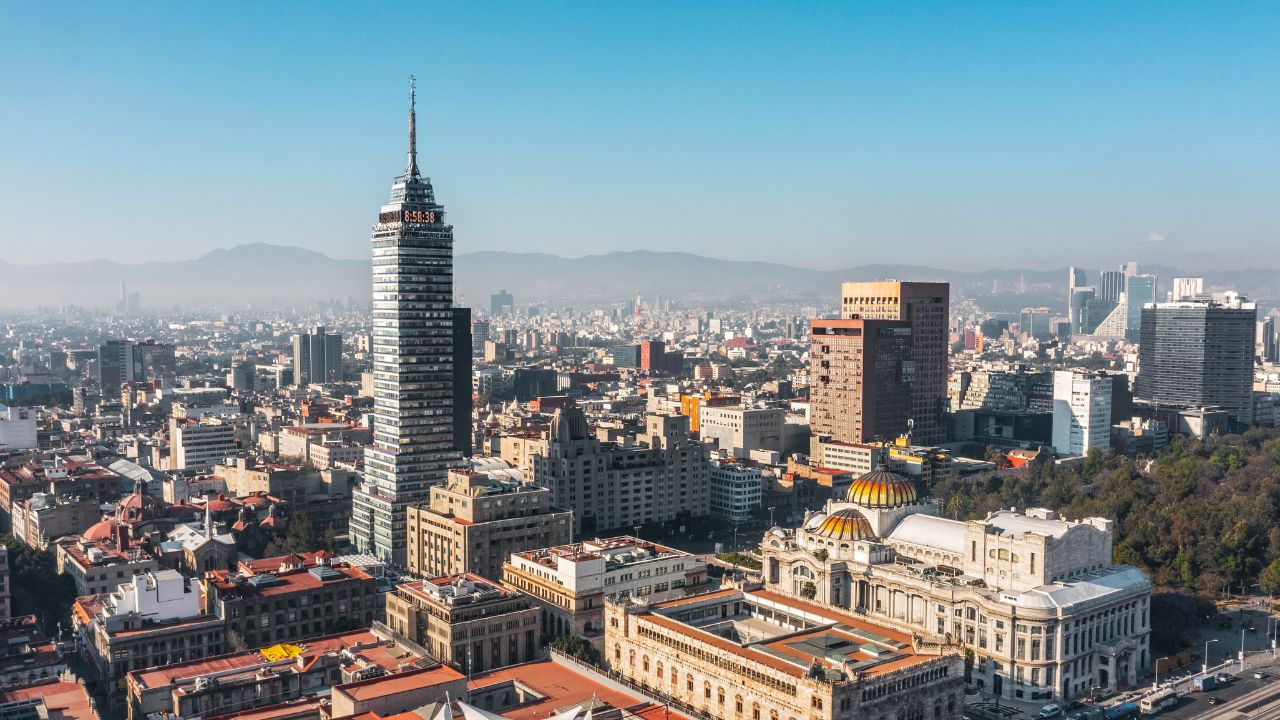
Mexico City runs through markets, parks, taco stands, plazas, canals, and long neighborhood walks. The historic center brings stone, museums, churches, government buildings, and heavy foot traffic, but the capital keeps changing once the day moves into Coyoacán, Roma, Condesa, or Xochimilco.
The official city guide describes the Centro Histórico as having the largest concentration of museums, cultural sites, and points of interest in Mexico City. The same official guide points visitors toward Xochimilco’s trajinera launches, historic center, and 17 original barrios.
Xochimilco has boat landings, painted trajineras, food vendors, music, and canals. Coyoacán has benches, markets, churros, tostadas, coffee, and green spaces in the south. Roma and Condesa bring tree-lined avenues, old houses, bakeries, parks, restaurants, and café tables that stay busy after lunch. The city works best when the day includes both central stone and everyday neighborhood movement.
3. Luang Prabang, Laos
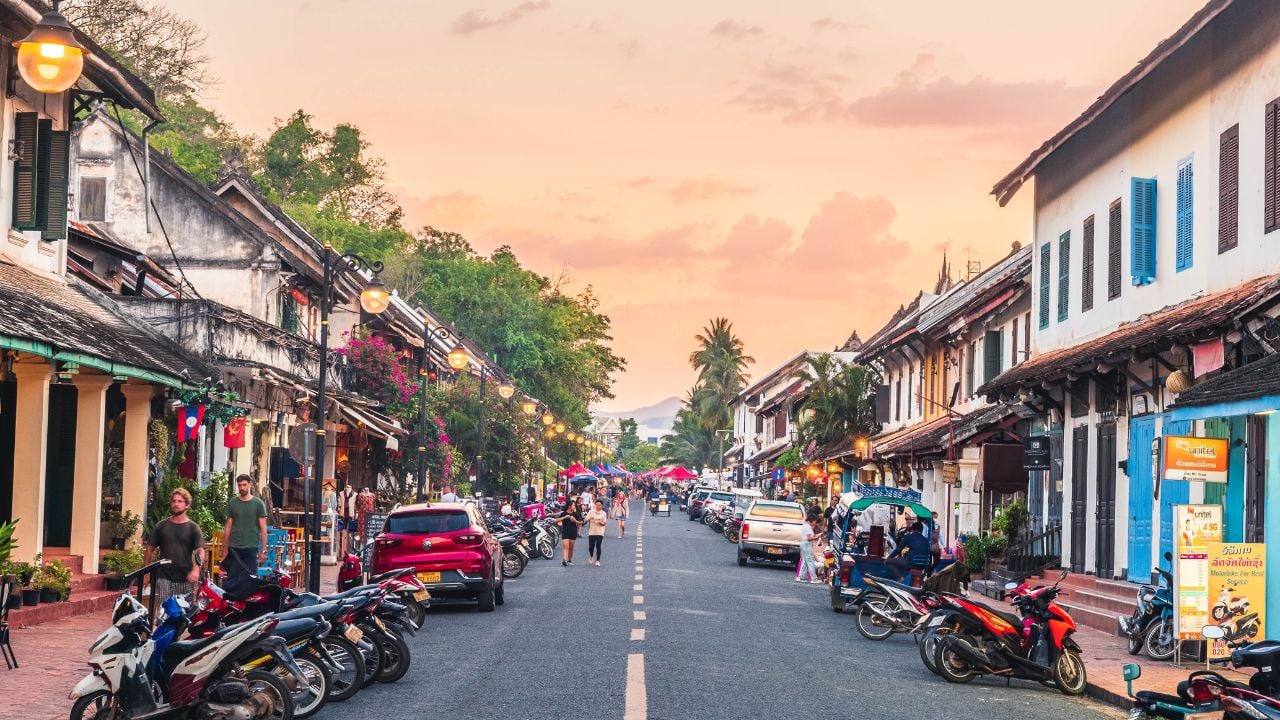
Luang Prabang asks visitors to slow down around riverbanks, temple courtyards, market tables, wooden shutters, low roofs, small restaurants, and boat landings. The town is not large, but the day fills through repeated details: sandals on pavement, saffron robes, fruit baskets, coffee cups, river steps, tiled roofs, and motorbikes passing guesthouses.
UNESCO describes Luang Prabang as sitting on a peninsula delimited by the Mekong and Nam Khan rivers, surrounded by mountains and greenery, with Mount Phousi at the center of the town. That geography keeps the rivers close to ordinary movement: boats tying up near steps, tables set near the water, and lanes that keep turning back toward the banks.
Temple visits should sit beside respectful distance from religious routines. Monks’ routes, offerings, courtyards, bells, and morning movement are not props. A good day can include Wat Xieng Thong, the morning market, Lao coffee, a walk along the Mekong, a boat landing, and an evening market table without rushing from one named stop to another.
4. Fez, Morocco
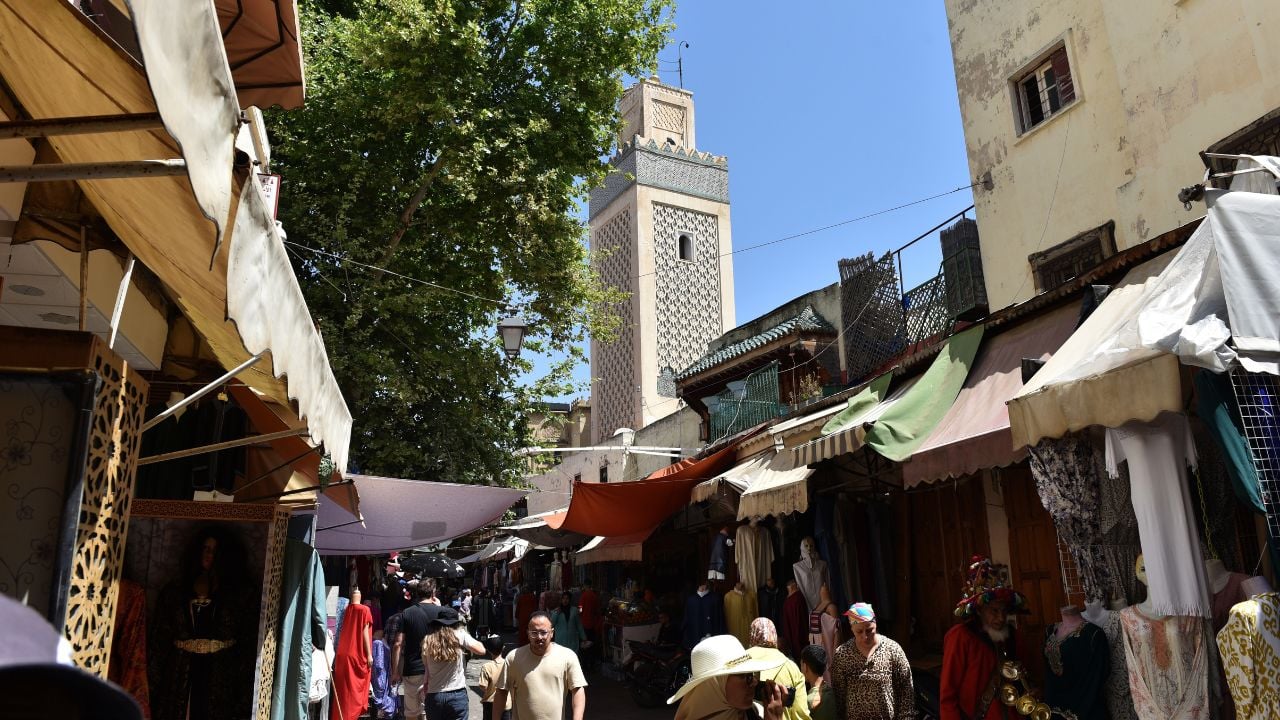
Fez is built around narrow movement. The medina has covered passages, carved doors, old fountains, shopfronts, tiled thresholds, donkeys, school doors, mosque walls, riad entrances, and workshops hidden behind plain openings.
UNESCO describes the Medina of Fez as one of the most extensive and best-conserved historic towns of the Arab-Muslim world, with many original functions still preserved. Visit Morocco describes the medina as an open-air museum where craftsmen gather, including tanners, weavers, metalworkers, and potters.
The craft streets are physical and loud. Leather hides dry near tannery terraces. Brass and copper ring from workshop doors. Loom threads, ceramic dust, carved wood, dyed wool, leather slippers, tile fragments, and mint tea trays fill the lanes with objects being made, carried, repaired, sold, wrapped, and loaded onto carts.
A guide can help with the maze, but the medina should still be given enough time for spice stalls, dye vats, bakery smoke, mule traffic, metal hammering, doorway shadows, and courtyards that appear only after a plain door opens.
5. Cartagena, Colombia
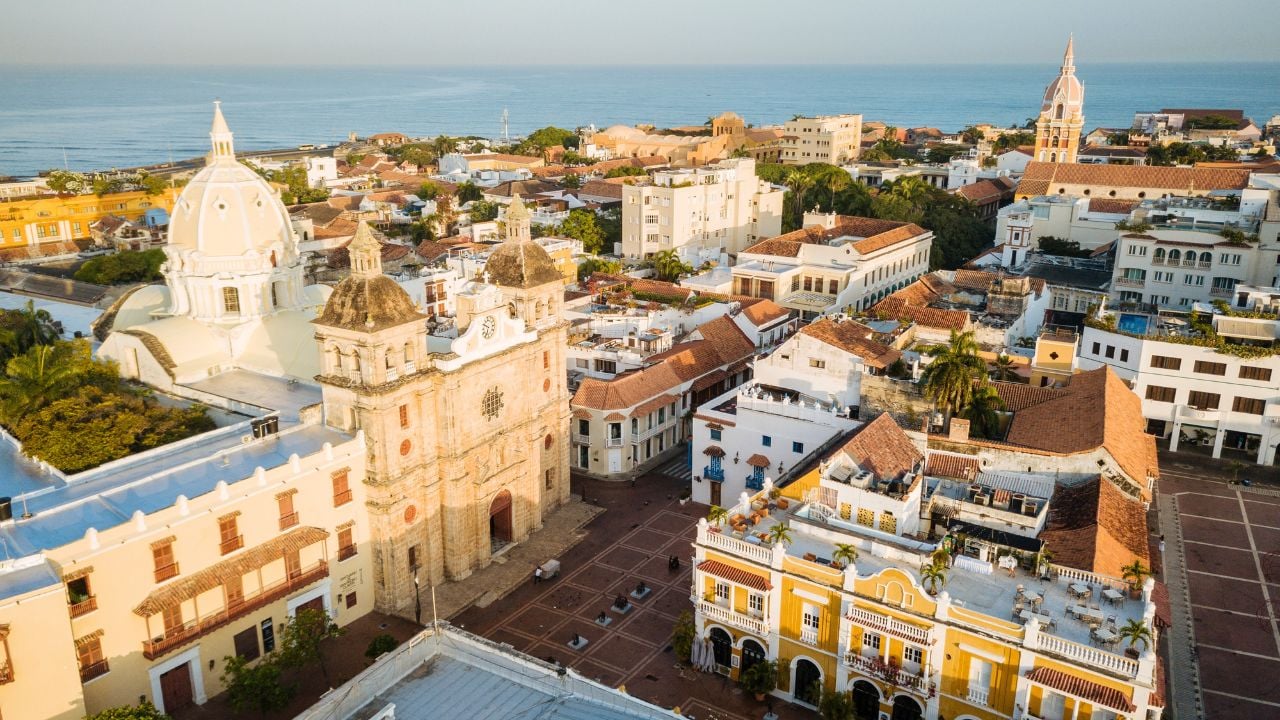
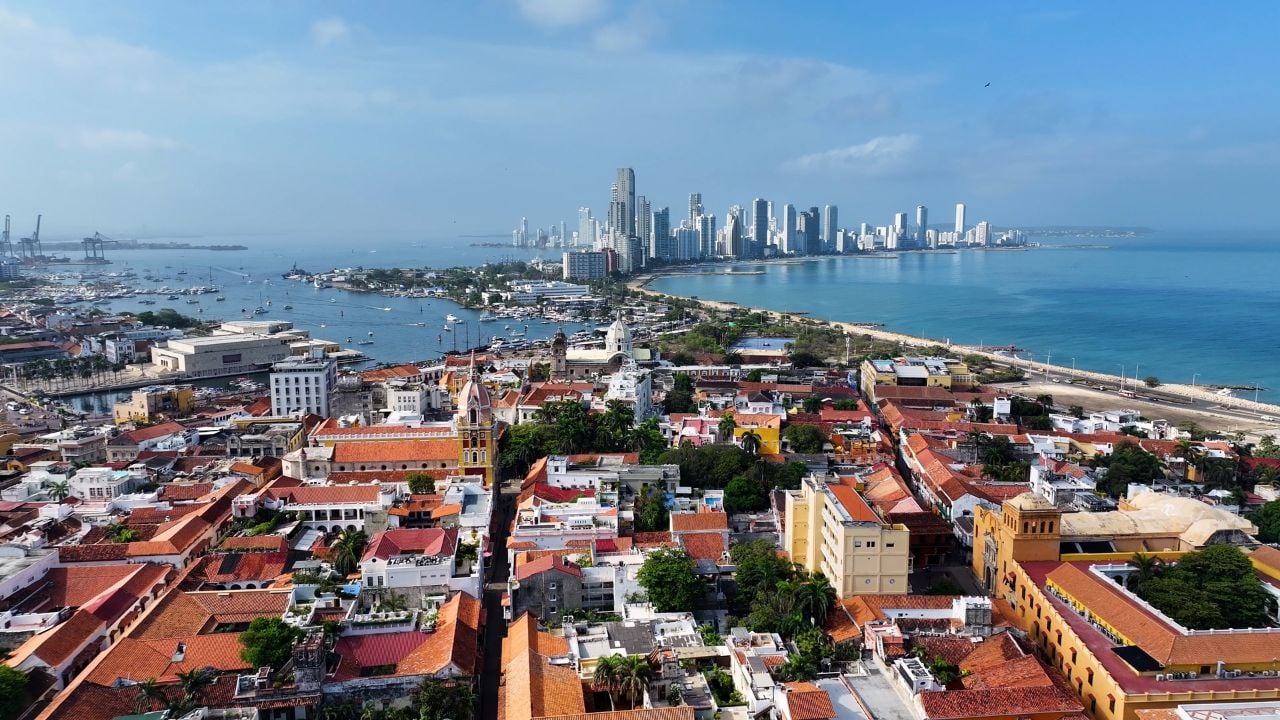
Cartagena works through heat, stone, balconies, plazas, music, fruit carts, sea wind, painted walls, and streets that stay alive after sunset. The old city has gates, churches, walls, and shaded corners, while Getsemaní brings murals, drums, casual restaurants, open doors, and tables spilling into the street.
UNESCO describes Cartagena as a bay city on the Caribbean Sea with the most extensive fortifications in South America, historically divided into areas including San Pedro, San Diego, and Getsemaní. Colombia Travel says the historic center is surrounded by stone walls, with fortifications and bastions facing the Caribbean coast.
The walls give the city cannons, ramps, sea wind, and wide corners facing the water. Getsemaní gives it painted façades, balcony plants, fried snacks, fruit sellers, plaza benches, corner bars, music from several directions, and warm stone underfoot at night.
A full day can move from bastions and church squares to seafood, murals, drums, balconies, and a late walk through streets where the evening keeps gathering around doors, tables, and open windows.