
Canada sells itself on big skies and breathing room, so the shock hits harder when the most famous corners start to feel like a moving line. What residents usually complain about is not tourism itself. Friction shows up when cruise arrivals land all at once, sidewalks turn into slow traffic, and basic errands downtown start taking twice as long as they should.
This slideshow sticks to places where crowd pressure is documented through official caps, city planning moves, port data, or public polling about tourism impacts. Each stop is still worth seeing, yet the “how” matters: timing, transit choices, and where you spend your money can either ease the load or add to it. Consider these notes a local-flavored survival guide, not a guilt trip.
1. Vancouver, British Columbia
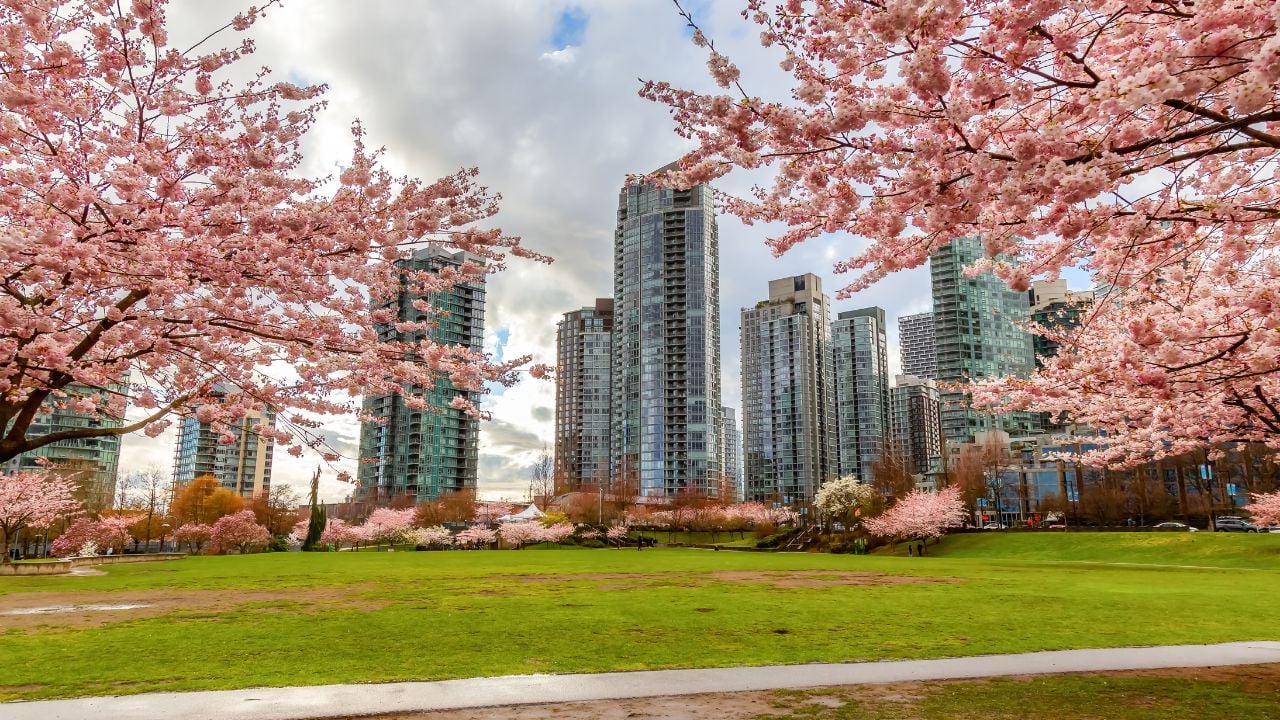
Downtown Vancouver can feel like it is running two schedules at once: the city’s weekday rhythm and the surge calendar tied to cruise calls. According to the Port of Vancouver’s cruise season fact sheet, recent seasons have brought more than 300 ship calls and well over one million passengers. When multiple ships turn over on the same morning, the blocks around Canada Place and Waterfront Station can feel like a pop-up city.
Residents tend to describe the same pattern: packed sidewalks, long restaurant waits, and a downtown core that becomes harder to use during peak embarkation and disembarkation windows. The cruise industry points to economic upside, while locals push for smoother dispersion beyond the terminal zone. Travelers can ease pressure by skipping the “everyone off at once” hours and using SkyTrain instead of rideshare in the cruise corridor. Step a few neighborhoods away for lunch, and you will usually get a better table and a calmer room.
2. Victoria, British Columbia

Victoria’s cruise debate is not hypothetical. The Greater Victoria Harbour Authority has reported more than 300 cruise ship calls in a recent season, a scale residents feel most sharply in James Bay and the Inner Harbour. When ships overlap, streets that already run narrow can turn into a shuffle of tour groups, buses, and taxis.
Local reporting has referenced a City of Victoria survey showing many James Bay residents felt cruise tourism negatively affected quality of life. That does not translate into anti-visitor sentiment across the board; it usually comes down to congestion at specific moments. Visitors can lower the temperature by walking from Ogden Point instead of grabbing a taxi, avoiding the first post-docking hour, and planning dinner slightly later when the day-tripper wave thins out.
3. Québec City, Québec

Old Québec was built for foot traffic and horses, not modern-scale cruise surges funneling through a few historic arteries. The Port of Québec has long referenced a daily cap of 15,000 cruise passengers introduced to reduce pressure on infrastructure and residents’ quality of life. Even with limits, the medieval street grid means crowd density can spike quickly around Petit-Champlain and Dufferin Terrace.
Locals often focus on two friction points: bus congestion and “one-hour blitz” tourism that fills streets without spreading economic benefit. Staying overnight is the best pressure-release valve because it distributes activity into early mornings and evenings. Walk before 9 a.m., duck into smaller museums away from the Château Frontenac funnel, and the city regains its human scale.
4. Niagara Falls, Ontario
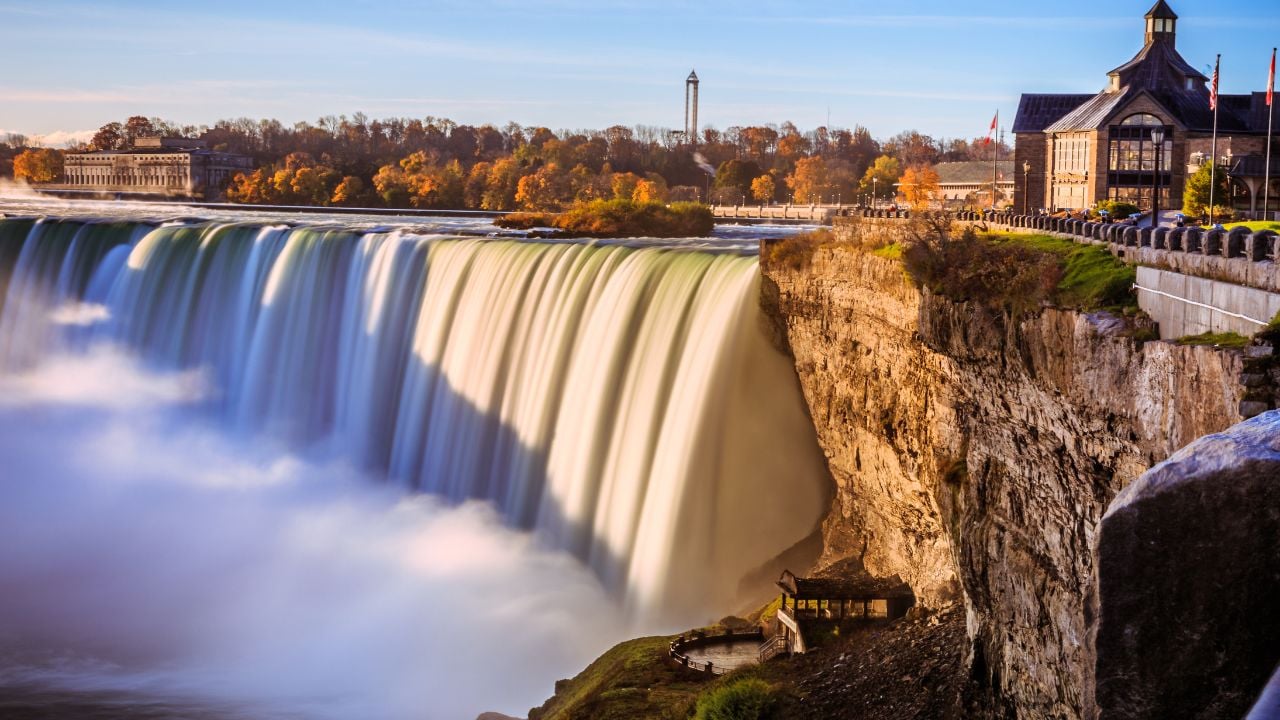
Niagara Falls is blunt about its scale. Tourism research materials published by Niagara Falls Tourism cite roughly 12 million visitors per year. On prime summer weekends, that volume turns viewpoints and parking lots into a logistics exercise rather than a leisurely stroll.
The strain is not theoretical. Ahead of the April 8, 2024 solar eclipse, Niagara Region declared a state of emergency in anticipation of a massive influx, underscoring how quickly the area can tip from busy to overwhelmed. If you want the Falls without the swarm, target weekday mornings, explore trails beyond Clifton Hill, and consider shoulder-season dates when the roar is still there but the shoulder-to-shoulder shuffle is not.
5. Montréal, Québec
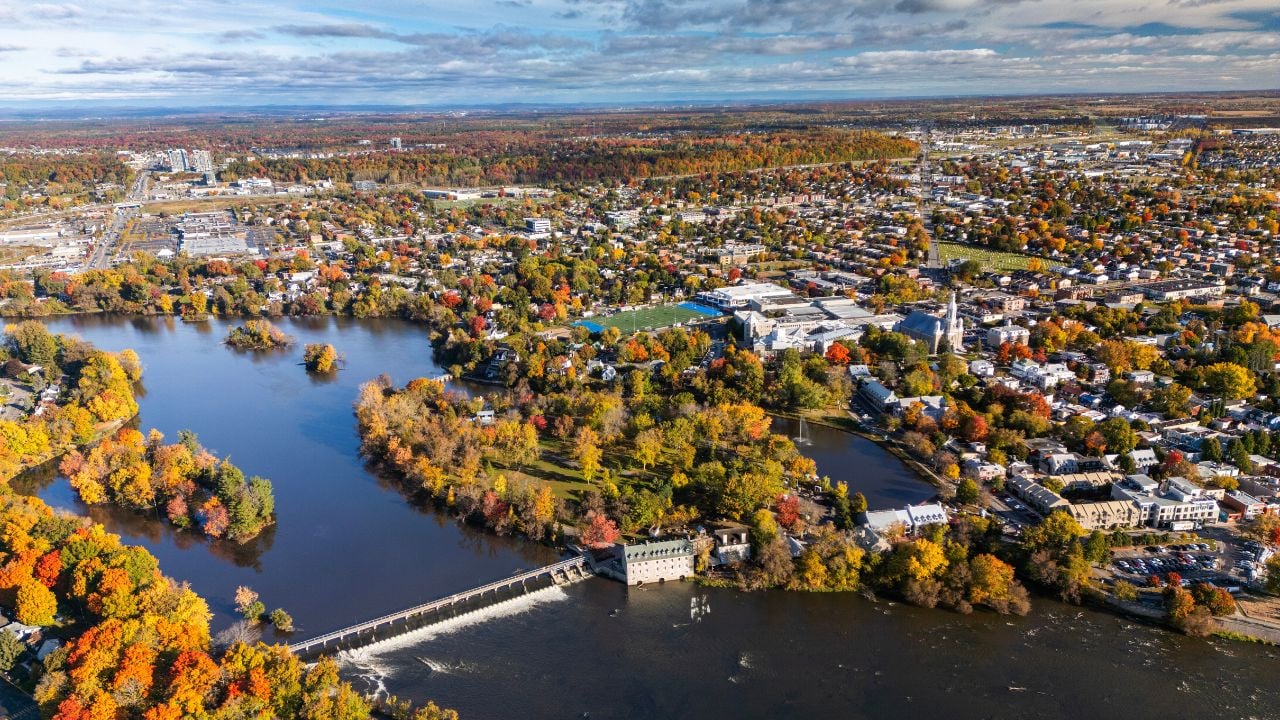
Old Montréal is compact and visually dense, which is exactly why it gets squeezed in peak months. The City of Montréal has outlined a long-term pedestrian-priority rollout for Old Montréal running from 2024 through 2030, expanding car-free areas to make heavy foot traffic safer and more manageable. Cities usually redesign streets at that scale only when congestion becomes constant.
Tourism scale backs that up. Tourisme Montréal reported around 11 million visitors in 2024. Locals often describe summer in the historic district as two cities layered together: one residential, one visitor-driven. Travelers can ease friction by using metro stops just outside the Old Port and walking in, booking timed museum entries, and choosing restaurants a block or two off the main drag where the neighborhood still feels lived-in.