Cities do not usually flip overnight. They get reshaped in slow layers: new residents, new money, new construction, and a few old corners that suddenly feel like museum exhibits. Longtime neighbors notice first because their mental map stops matching the street in front of them.
What follows is not a “don’t go” list. Each place is still worth visiting, and some are more exciting than ever. The point is simple: go in with updated expectations, then plan your days around what the city is now, not what it was a decade ago.
1. Austin, Texas
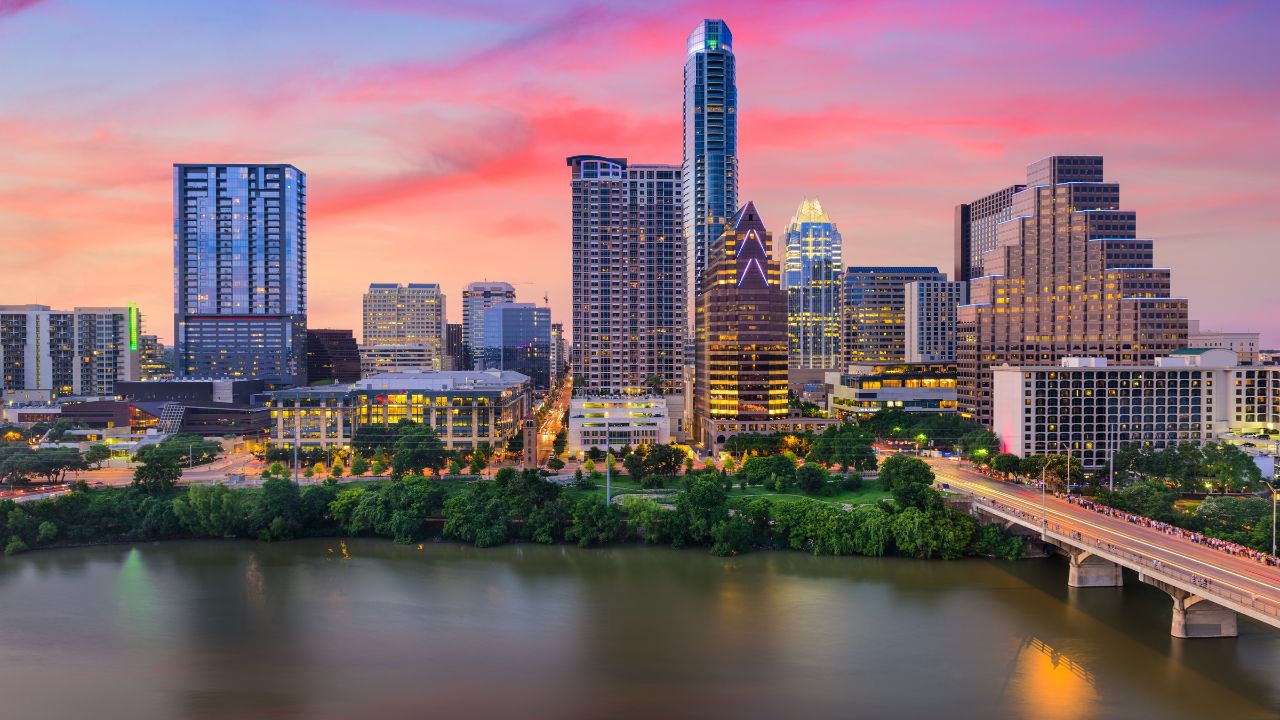
Between 2010 and 2020, Austin’s population jumped from 790,390 to 961,855, a surge that changed everything from traffic to skylines. Housing pressure followed. Reporting has linked pandemic-era demand and remote work to sharp price and rent increases in the region, and local storytelling has framed the shift as a move from a “keep it weird” vibe to a fast, tech-fueled metropolis.
Downtown now feels like a place that markets itself in real time, with cranes as a permanent background feature. Live music is still there, but it competes with reservations, long lines, and a calendar packed with big events. Travelers get the best version of the city by mixing old-school institutions with newer neighborhoods, then building in time buffers because congestion is part of the experience.
2. Nashville, Tennessee

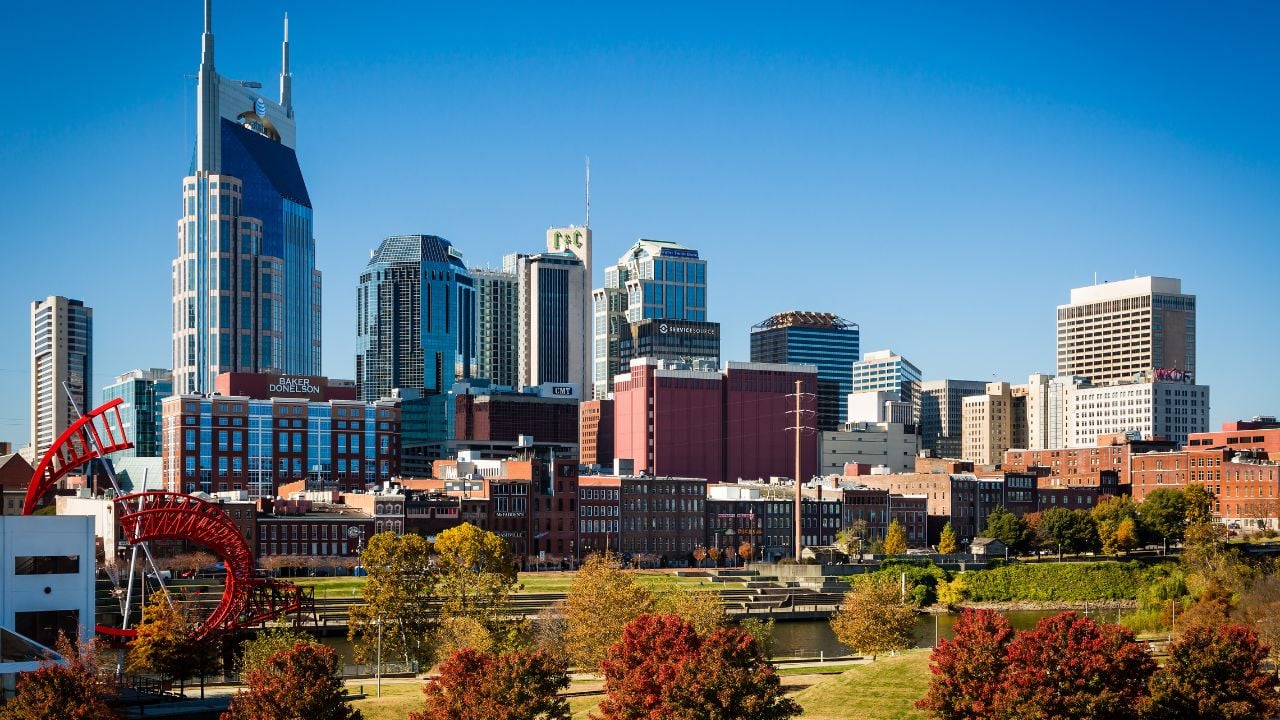
Tourism has grown into a defining force, and official releases report Davidson County visitor spending hit a record $11.2 billion in 2024. Local public radio also reported that 2023 brought a high of 16.8 million visitors, along with historic spending. With that kind of volume, it is no surprise that residents talk about a different downtown than the one they knew.
Lower Broadway has become a party engine, and locals have described feeling crowded out by the weekend vibe. Coverage of the bachelorette economy helps explain why so many street-level businesses now cater to short, high-energy trips rather than everyday community life. For visitors, the sweet spot is exploring beyond the neon corridor, then saving honky-tonks for a targeted night instead of making them the whole itinerary.
3. Seattle, Washington

Seattle’s official planning data notes the city was among a small group of U.S. cities that grew by more than 100,000 people over the 2010s. The tech boom has been tied to housing stress, and a Census Bureau analysis discusses rising rents around the metro area and the “Amazon Effect” narrative that followed. Growth brought restaurants, density, and jobs, yet it also intensified debates about who gets to stay.
Policy responses have tried to slow displacement, including moves aimed at building or financing income-restricted homes. Neighborhood character is still alive, but it can feel split-screen: glossy new towers on one block, legacy storefronts fighting for survival on the next. Smart travel planning here means leaning into walkable pockets, using transit when possible, and treating peak commute windows like weather you plan around.
4. Miami, Florida

Miami’s city population rose from 399,457 in 2010 to 442,241 in 2020, and post-2020 estimates show continued growth. Remote work helped pull high-earning professionals toward South Florida, and Reuters has reported on firms following that talent. The result is a city that feels more global and finance-forward than it did pre-pandemic.
Cost pressure is the shadow side, and Florida reporting has cited a major rent run-up since 2019. Add climate-driven real estate dynamics, and some neighborhoods have become case studies in “climate gentrification,” where higher ground draws developer interest and reshapes community life. Visitors can still have an incredible trip, but it pays to book earlier, budget more carefully, and explore beyond the flashiest districts for food and culture that still feel rooted.
Absolutely true about Seattle. I’ve lived here for almost 60 years and there’s very little go recognise except the Space Needle and Pike Place Market.
Note: Amazon is leaving slowly to other areas, Boeing headquarters moved to Chicago, and Starbucks is moving to Nashville. Perhaps Seattle is shrinking.