
Northern Europe is often praised for its order, efficiency, and dramatic landscapes, but Southern Europe consistently delivers experiences that feel warmer, richer, and more deeply human. From sun-soaked coastlines and historic cities to relaxed daily rhythms and vibrant food cultures, the southern part of the continent offers a lifestyle that many travelers find more inviting.
While Northern Europe can feel reserved and expensive, Southern Europe tends to be more open, social, and affordable, making it easier to connect with both places and people. Long meals, late evenings, and outdoor living define the culture, encouraging visitors to slow down and truly enjoy their surroundings. The climate alone makes a compelling case, with more sunshine, longer summers, and milder winters. For many travelers, Southern Europe simply feels more alive.
Beyond weather and scenery, Southern Europe excels in cultural depth, everyday pleasures, and emotional warmth. Ancient ruins sit beside lively cafés, while centuries-old traditions continue to shape daily life in visible and meaningful ways. Food is not rushed but celebrated, turning every meal into an experience rather than a necessity.
Locals often prioritize relationships, leisure, and joy over rigid schedules, creating an atmosphere that feels welcoming and human. Art, music, and history are woven into ordinary streets rather than confined to museums. These qualities make Southern Europe a destination that consistently outshines the North for travelers seeking richness, connection, and soul.
Amalfi Coast, Italy

The Amalfi Coast combines dramatic cliffs, turquoise waters, and colorful villages that feel carved into the landscape itself. Coastal towns like Positano and Ravello offer breathtaking views that change with every step and every hour of sunlight.
The Mediterranean climate allows visitors to enjoy outdoor cafés, seaside walks, and boat trips for most of the year. Fresh seafood, handmade pasta, and locally grown lemons define a cuisine rooted in tradition and simplicity. Unlike many northern coastal regions, the Amalfi Coast feels vibrant and social rather than quiet and reserved. Every moment here feels cinematic, warm, and deeply sensory.
Life along the Amalfi Coast moves at a relaxed yet joyful pace that encourages visitors to slow down. Locals value long lunches, family gatherings, and evening strolls through narrow streets. The region’s history is visible everywhere, from ancient churches to Roman ruins overlooking the sea. Small beaches and hidden coves provide intimate experiences rather than crowded tourist scenes.
Art, music, and craftsmanship remain part of everyday life rather than tourist attractions alone. Compared to Northern Europe’s cooler and more restrained destinations, the Amalfi Coast feels emotionally rich and endlessly inviting.
Seville, Spain

Seville is a city defined by warmth, color, and a deep sense of cultural pride. Its historic center is filled with Moorish architecture, orange-lined streets, and lively plazas that encourage social life outdoors. Flamenco music and dance are not performances for tourists but living traditions rooted in everyday culture. The city’s climate allows for late dinners, long evenings, and vibrant nightlife well into the early hours. Tapas culture turns eating into a social ritual rather than a scheduled event. Compared to Northern European capitals, Seville feels more expressive, passionate, and alive.
Daily life in Seville revolves around human connection rather than efficiency. Locals gather in plazas, cafés, and family homes, prioritizing conversation and presence. Historic landmarks like the Alcázar and Seville Cathedral coexist naturally with daily routines. Spring festivals such as Semana Santa and Feria de Abril showcase community, tradition, and joy on a grand scale. The city’s affordability makes it accessible without sacrificing quality of life. Seville’s warmth, both climatic and emotional, consistently outshines the cooler, quieter cities of the north.
Lisbon, Portugal

Lisbon’s hills, river views, and pastel-colored buildings create a city that feels both historic and effortlessly charming. Sunlight reflects off tiled façades, giving the city a golden glow that defines its atmosphere. Neighborhoods like Alfama and Bairro Alto invite slow exploration through winding streets and hidden viewpoints. Seafood-based cuisine, fresh pastries, and strong coffee are central to daily life. The Atlantic climate provides mild winters and long, pleasant summers. Lisbon feels welcoming and relaxed compared to many northern capitals.
The city’s culture values music, storytelling, and nostalgia, most famously expressed through fado songs. Locals take time to enjoy meals, conversations, and riverside walks. Historic trams and viewpoints blend function with romance rather than efficiency alone. Lisbon offers excellent value, making high quality of life accessible to visitors and residents alike. The pace encourages reflection rather than constant productivity. Against Northern Europe’s often formal atmosphere, Lisbon feels warm, soulful, and deeply human.
Dubrovnik, Croatia

Dubrovnik’s medieval walls and Adriatic setting create one of Europe’s most striking coastal cities. The contrast between ancient stone streets and clear blue water is visually unforgettable. Walking through the old town feels like stepping into living history rather than a preserved museum. The Mediterranean climate allows outdoor dining and swimming for much of the year. Fresh seafood and regional wines anchor the local culinary culture. Compared to colder northern cities, Dubrovnik feels sun-lit and emotionally rich.
Life in Dubrovnik balances history with everyday enjoyment. Locals swim near ancient walls and gather in small cafés after work. The city’s slower rhythm encourages lingering rather than rushing. Cultural festivals and music events reflect a strong sense of local identity. Even crowded seasons maintain a sense of beauty and warmth. Dubrovnik’s blend of history, climate, and lifestyle consistently outperforms Northern Europe’s more reserved destinations.
Athens, Greece

Athens offers a rare combination of ancient civilization and modern Mediterranean life. The Acropolis rises above a city full of cafés, markets, and neighborhoods buzzing with daily activity. Warm weather supports outdoor living, from rooftop dining to evening walks. Greek cuisine emphasizes sharing, simplicity, and fresh ingredients. History is not distant but part of everyday surroundings. Compared to Northern Europe’s structured cities, Athens feels layered, expressive, and alive.
Athenians value social interaction and long conversations over rigid schedules. Cultural life extends beyond museums into music, theater, and street life. The city’s affordability allows visitors to experience richness without excessive cost. Coastal areas nearby add beaches and sea breezes to urban life. Athens blends intellectual depth with relaxed Mediterranean rhythm. This balance gives it a vibrancy rarely matched in the north.
Barcelona, Spain

Barcelona combines architecture, beaches, and culture into one dynamic urban experience. Gaudí’s buildings give the city a playful, artistic identity rarely found in Northern Europe. The Mediterranean climate allows beach days alongside city exploration. Food culture emphasizes sharing, variety, and pleasure rather than formality. Neighborhoods feel social and lived-in rather than strictly functional. Barcelona’s energy feels creative rather than restrained.
Daily life revolves around public spaces, markets, and community interaction. Locals gather for long lunches and late dinners. Cultural festivals bring entire neighborhoods together in celebration. The city encourages walking, wandering, and discovery. Compared to Northern Europe’s reserved cities, Barcelona feels emotionally open and inspiring. It rewards curiosity and presence rather than punctuality alone.
Florence, Italy

Florence is a living museum where art and history shape everyday life. Renaissance architecture defines the cityscape, creating beauty at every turn. Warm weather supports outdoor dining and evening strolls along the Arno River. Italian cuisine here is simple, seasonal, and deeply satisfying. Life feels centered on enjoyment rather than speed. Compared to Northern Europe, Florence feels intimate and soulful.
Residents value craftsmanship, tradition, and quality over efficiency. Small workshops and family-run businesses remain central to the economy. Art is part of daily awareness, not confined to galleries alone. The pace encourages appreciation and reflection. Florence invites emotional engagement rather than passive observation. This depth makes it endlessly rewarding.
Nice, France

Nice blends Mediterranean warmth with French elegance, creating a lifestyle that feels both refined and relaxed. The city’s palm-lined Promenade des Anglais offers daily views of turquoise water and sunlit skies. Unlike many Northern European cities, Nice encourages outdoor living through cafés, markets, and seaside walks. The climate allows residents and visitors to enjoy fresh air and sunshine most of the year. Local cuisine focuses on fresh ingredients, olive oil, and seafood rather than heavy, cold-weather meals. The overall atmosphere feels lighter, more social, and more emotionally open than destinations farther north.
Life in Nice revolves around balance rather than efficiency alone. Locals prioritize long lunches, casual conversations, and unhurried evenings by the sea. Art and culture are integrated into daily life instead of reserved for formal institutions. The city feels sophisticated without being stiff or distant. Neighborhoods maintain a strong sense of community and local identity. Compared to Northern Europe’s reserved tone, Nice offers warmth in both climate and character.
Sicily, Italy

Sicily delivers a powerful mix of dramatic landscapes, ancient history, and deeply rooted traditions. Volcanoes, beaches, and historic towns exist side by side, creating constant visual and cultural contrast. The island’s warm climate supports outdoor living and social gatherings year-round. Sicilian cuisine reflects centuries of influence, emphasizing bold flavors and local ingredients. Daily life feels expressive rather than restrained, with strong emotional and cultural identity. Compared to Northern Europe, Sicily feels raw, passionate, and unmistakably alive.
Life in Sicily places family, food, and tradition at the center of daily routines. Time is flexible, allowing moments to unfold naturally rather than on strict schedules. Local markets feel personal and communal instead of transactional. History is visible everywhere, not separated from modern life. Conversations are lively and deeply human. This emotional richness consistently sets Sicily apart from the cooler, more reserved north.
Porto, Portugal

Porto’s historic streets and riverside setting create a city filled with warmth and character. The Douro River defines daily life, offering scenic walks and social gathering points. Sunlight reflects off colorful buildings, giving the city a welcoming glow. Porto’s food and wine culture emphasizes tradition, comfort, and shared experiences. The climate is mild, encouraging year-round outdoor activity. Compared to Northern Europe, Porto feels more relaxed and emotionally accessible.
Life in Porto moves at a thoughtful, unhurried pace. Locals value conversation, long meals, and connection over productivity alone. Architecture tells stories rather than striving for modern perfection. The city feels authentic rather than curated. Affordability enhances quality of life without sacrificing culture. Porto’s warmth and depth make it more inviting than many northern cities.
Valencia, Spain

Valencia combines Mediterranean beaches with historic streets and modern creativity. The city enjoys abundant sunshine that naturally supports outdoor living. Food culture centers on fresh produce, shared meals, and local tradition. Neighborhoods feel lively without being overwhelming. Public spaces encourage social interaction rather than isolation. Compared to Northern Europe, Valencia feels lighter, friendlier, and more human-scaled.
Daily life in Valencia balances work and leisure with ease. Locals gather in parks, plazas, and markets throughout the day. Cultural festivals animate the streets without disrupting everyday rhythm. The city remains affordable while offering high quality of life. Green spaces support relaxation and reflection. Valencia consistently delivers warmth, accessibility, and joy that northern cities often lack.
Naples, Italy

Naples is intense, energetic, and deeply authentic in a way few cities can match. The streets are alive with conversation, food, and movement at all hours. Warm weather encourages constant outdoor interaction and social life. Neapolitan cuisine is simple, bold, and emotionally satisfying. History exists everywhere, woven into daily routines. Compared to Northern Europe, Naples feels unapologetically human and expressive.
Life in Naples prioritizes emotion, family, and presence over order. Streets act as shared living spaces rather than mere transit routes. Traditions remain strong and visible across generations. Art and history are lived, not observed from a distance. The city thrives on personality rather than perfection. This raw energy makes Naples unforgettable compared to more reserved northern destinations.
Crete, Greece

Crete offers a powerful combination of beaches, mountains, and ancient culture. The island’s climate supports outdoor living for most of the year. Food is based on local ingredients, tradition, and simplicity. Villages maintain strong community bonds and hospitality. Life moves at a calm and natural rhythm. Compared to Northern Europe, Crete feels grounded, warm, and deeply connected to nature.
Daily life on Crete emphasizes family, land, and tradition. Nature is not an escape but part of everyday experience. History feels accessible rather than distant or formal. The pace encourages reflection and balance. Social life remains central and welcoming. Crete offers emotional richness that northern destinations often lack.
Malta

Malta combines Mediterranean sunshine with layers of ancient history. The sea shapes daily routines, from meals to movement. Outdoor life dominates social interaction throughout the year. Cuisine reflects diverse influences while remaining deeply local. Streets feel lively and intimate rather than reserved. Compared to Northern Europe, Malta feels warmer and more personal.
Life in Malta values connection and tradition over speed. History is visible everywhere, not confined to museums. Communities remain close-knit and socially active. The climate supports a relaxed daily rhythm. Conversations unfold slowly and naturally. Malta consistently delivers warmth, depth, and accessibility beyond what the north offers.
Sardinia, Italy
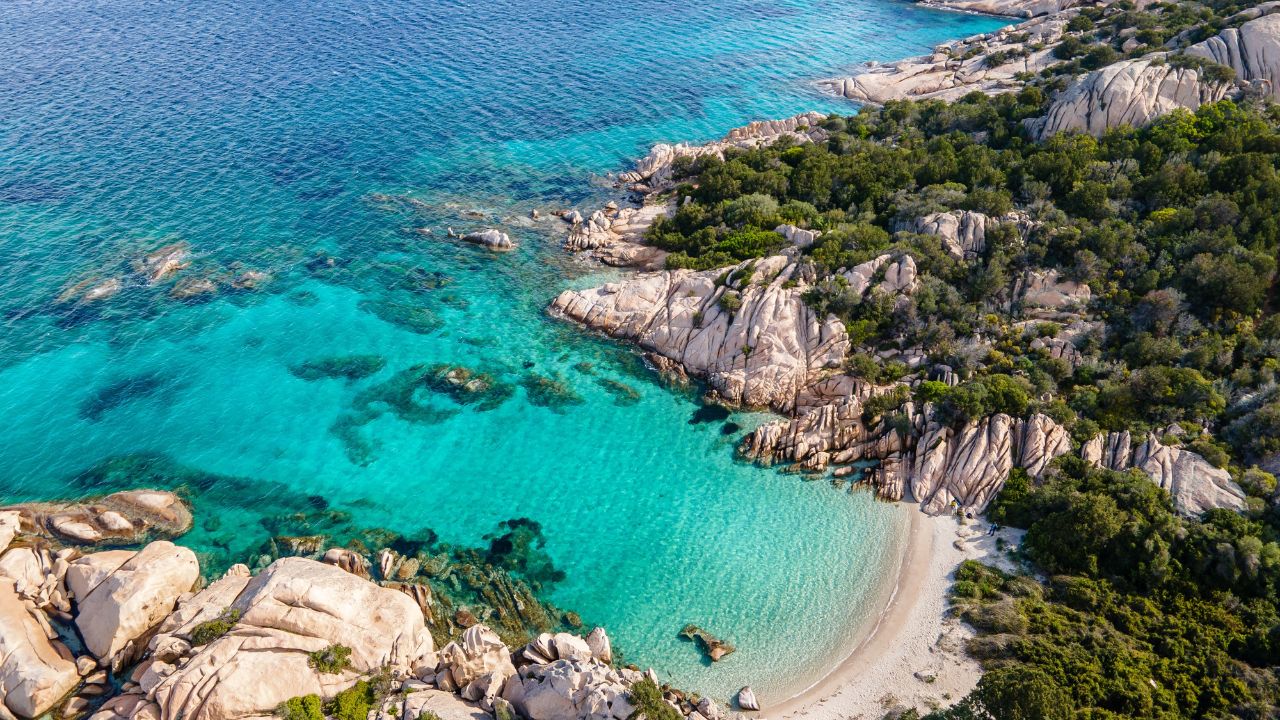
Sardinia offers pristine coastlines and deeply rooted traditions. The island feels timeless and unhurried. Food culture emphasizes local produce and simplicity. Nature plays a central role in daily life. Communities remain closely connected. Compared to Northern Europe, Sardinia feels calm, authentic, and emotionally rich.
Life in Sardinia values longevity, balance, and outdoor living. Locals prioritize quality of life over constant productivity. Landscapes encourage reflection and calm. Traditions remain strong across generations. The pace allows space for connection. Sardinia’s depth makes it far more rewarding than northern destinations.
Andalusia, Spain
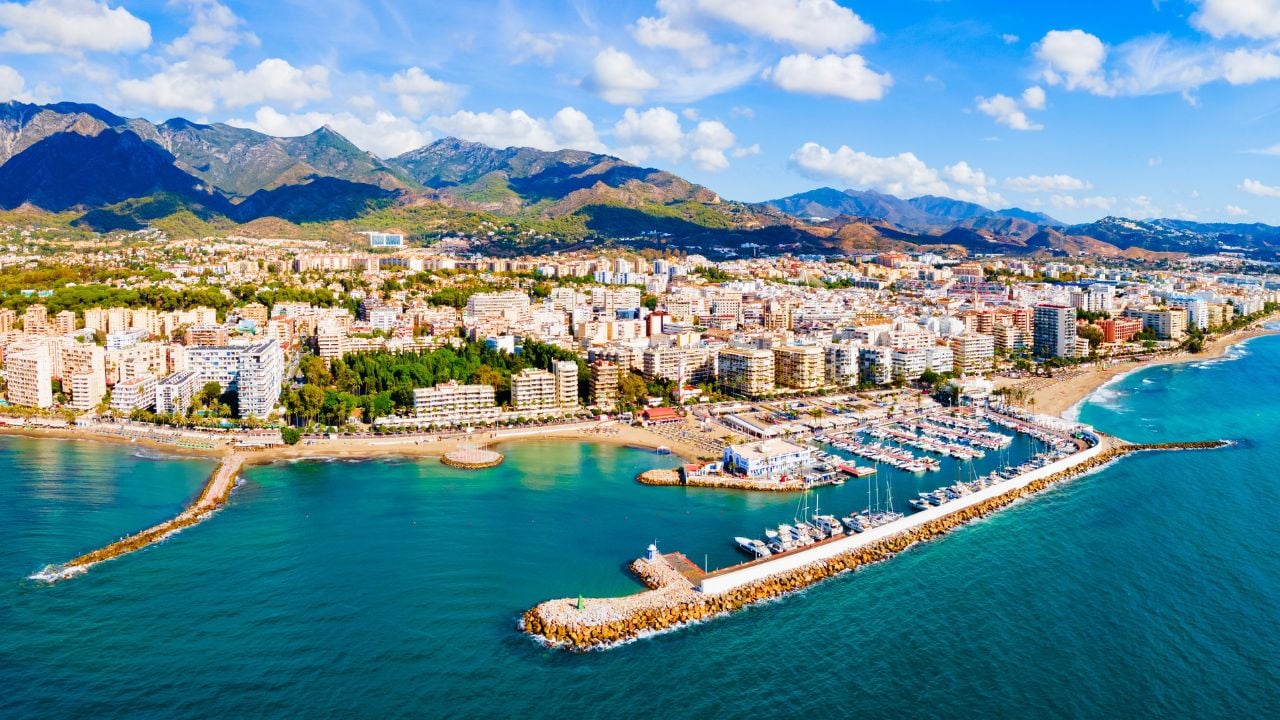
Andalusia is defined by sunshine, history, and expressive culture. White villages and Moorish architecture shape its identity. Flamenco and festivals remain part of everyday life. Food culture is social and joyful. Outdoor living dominates daily routines. Compared to Northern Europe, Andalusia feels passionate and open.
Life here values celebration and human connection. History remains alive rather than preserved at a distance. Evenings stretch late into warm nights. Towns feel welcoming and deeply social. The rhythm encourages enjoyment rather than urgency. Andalusia’s warmth surpasses the north in every sense.
Corsica, France

Corsica blends rugged mountains with Mediterranean coastline. Nature feels powerful and close at all times. Food reflects strong regional pride. Life moves at a measured, intentional pace. Traditions remain deeply rooted. Compared to Northern Europe, Corsica feels raw and alive.
Daily routines center on family and landscape. Coastal towns encourage slow, reflective living. History feels personal rather than institutional. Outdoor life is constant and natural. The island values independence and balance. Corsica offers emotional depth rarely found in the north.
Montenegro Coast
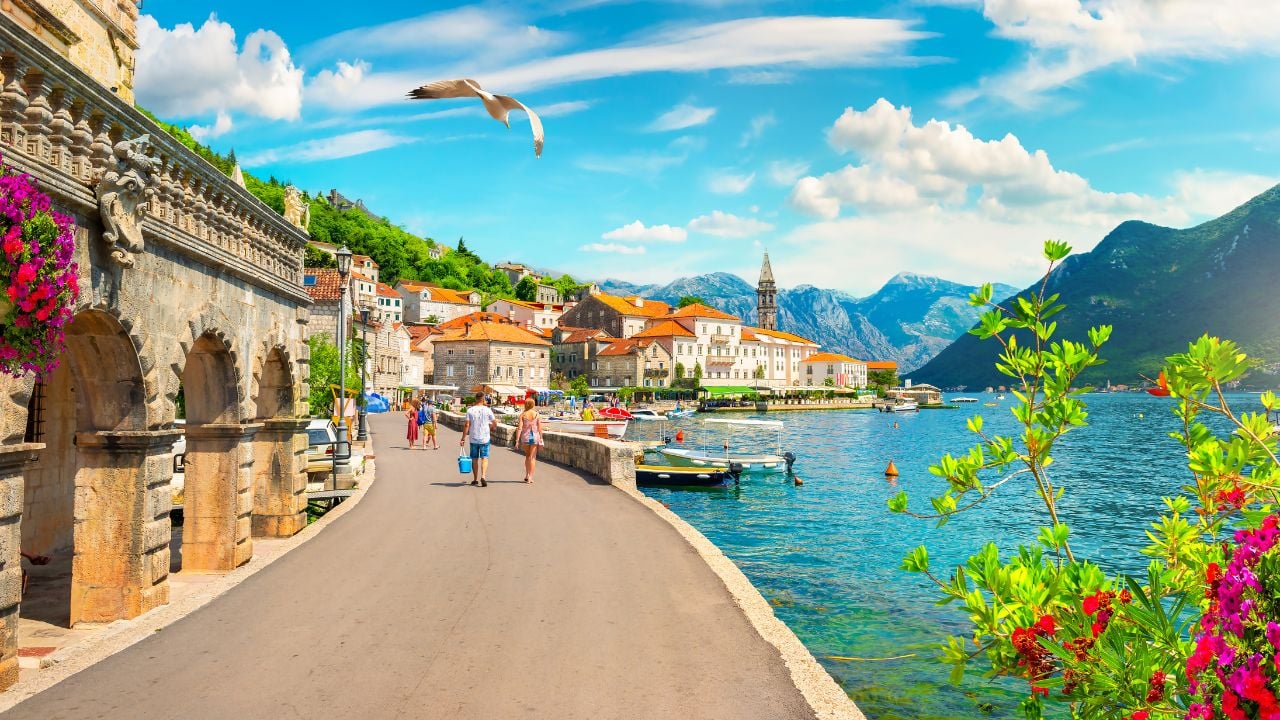
Montenegro’s coast combines dramatic mountains with clear Adriatic waters. Historic towns feel intimate rather than overdeveloped. The climate supports long summers and relaxed days. Food is simple, fresh, and local. Life unfolds without constant urgency. Compared to Northern Europe, Montenegro feels open and welcoming.
Community life remains strong and visible. Nature dominates the experience rather than infrastructure. Affordability enhances comfort and accessibility. History blends seamlessly with modern life. The pace encourages presence and appreciation. Montenegro’s coast consistently outshines colder northern alternatives.
Puglia, Italy

Puglia’s white towns and olive groves create a calm and grounded atmosphere. The region feels authentic and unhurried. Cuisine focuses on tradition and local ingredients. Outdoor living defines daily routines. Communities remain close and social. Compared to Northern Europe, Puglia feels deeply human.
Life in Puglia values simplicity and connection. Landscapes encourage reflection and stillness. History feels accessible and lived-in. The pace allows meaningful moments to unfold. Quality matters more than speed. Puglia delivers warmth and depth that northern destinations rarely match.