
Kidnappings that involve travelers rarely look like movie plots. They’re often fast, opportunistic, and tied to money: a forced ATM withdrawal “ransom” demand sent from a stolen phone, or a setup that starts with a friendly message online. In several parts of the world, official travel advisories increasingly flag kidnapping and abduction-for-extortion as a growing risk, especially in major cities where visitors stand out.
This slideshow focuses on cities where kidnapping and abduction-style extortion have become a more serious concern for tourists in recent years. Risk levels can change quickly by neighborhood, time of day, and how you move around, so treat these as awareness “slides,” not panic buttons.
Port-au-Prince, Haiti

Port-au-Prince has been under extreme security pressure, with kidnappings cited as a major threat in travel warnings. Armed groups control large areas, and movement around the city can become risky with little notice. Visitors face added vulnerability because safe transport options are limited and situations can escalate fast.
Even short drives can carry risk when road conditions and checkpoints change without warning. Travelers who must be in the city often rely on trusted local security support and tightly controlled routes. This is a place where a flexible sightseeing mindset can backfire, because “just exploring” can mean unpredictable exposure.
Quito, Ecuador

Quito remains a fascinating high-altitude capital, but Ecuador’s kidnapping problem has been worsening, with “express kidnappings” specifically highlighted in official safety guidance. These incidents tend to be financially motivated and short in duration, focusing on forced transfers or ATM withdrawals. Tourists are more exposed when they’re moving between hotels, nightlife areas, and transport hubs.
The risk isn’t evenly spread, which can give travelers a false sense of safety. A calm historic center visit does not automatically mean the next neighborhood is fine. Staying alert with rides, avoiding random street pickups, and keeping plans simple at night makes a real difference here.
Guayaquil, Ecuador
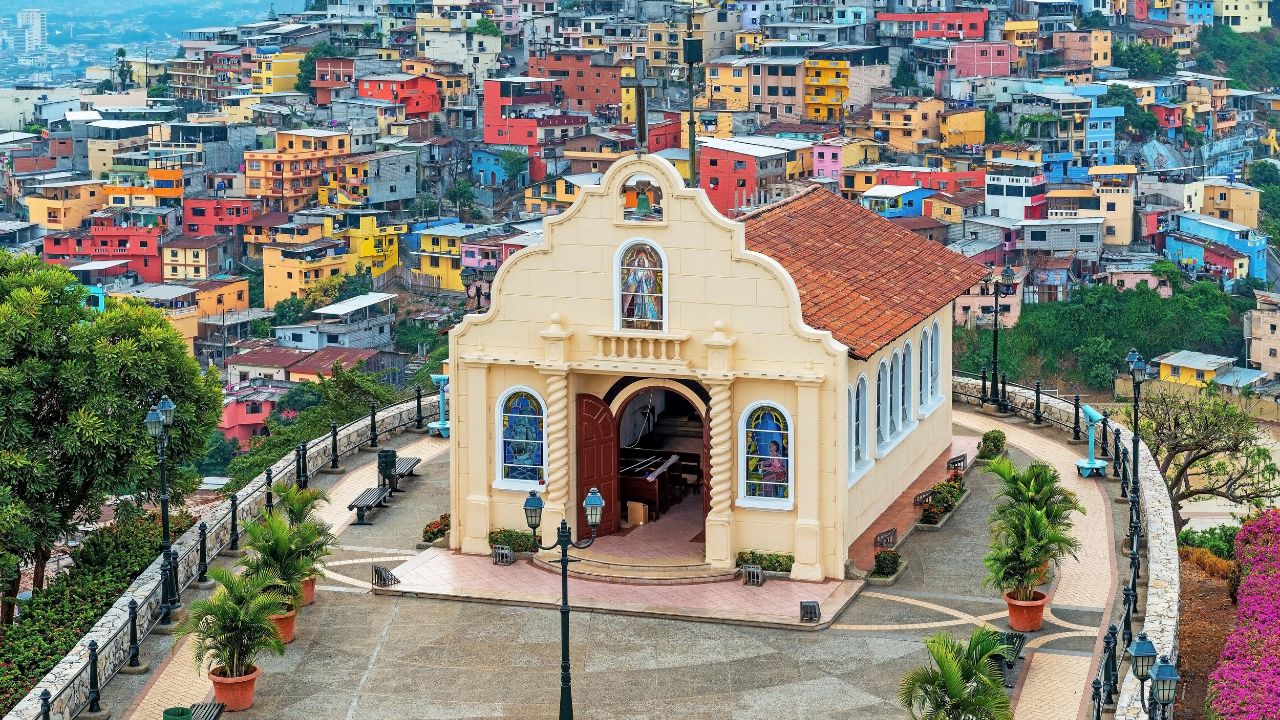
Guayaquil has been at the center of Ecuador’s security crisis, and kidnapping rates have been flagged as rising in recent updates. Criminal groups operate in ways that can affect everyday movement, including along common routes visitors use. Travelers passing through for flights or coastal trips can underestimate how fast conditions shift.
A big danger is routine logistics: getting from point A to point B without a verified ride plan. Criminal kidnappings tend to be about speed and leverage, not long captivity. The safest approach is to reduce “in-between moments,” like wandering alone while looking for transport.
Medellín, Colombia

Medellín is one of South America’s most popular city breaks, and that popularity has attracted criminals who target foreigners for quick profit. Reports of extortion and robbery linked to nightlife and app meetups sometimes involving short-term abduction for forced transfers have pushed the issue into the spotlight.
Most trips are trouble-free, but the patterns are consistent: isolation, unfamiliar streets, and impaired judgment are common ingredients. Staying in well-reviewed areas helps, yet it’s not magic armor. A travel style built around low-key plans and controlled transport is much safer than chasing last-minute adventures.
Bogotá, Colombia

Bogotá’s size is part of its charm and part of its risk. Kidnapping remains a concern in Colombia’s broader security picture, and travelers can be exposed through scams that turn into forced withdrawals or coercion. The city’s altitude also tricks people into tiring quickly, which makes sloppy choices more likely at night.
Tourists tend to run into problems during transitions: leaving bars, catching rides, or drifting outside familiar areas. Bogotá rewards travelers who move with intention, not improvisation. Keeping valuables minimal and choosing arranged transport over random pickups reduces your odds of becoming a target.
Puerto Vallarta, Mexico

Puerto Vallarta looks like a classic beach escape, but recent security alerts have warned about kidnappings linked to dating app meetups. These cases often involve lures that pull travelers away from resort zones into private locations. Once isolated, the situation can shift into kidnapping-for-extortion or ransom demands.
This risk doesn’t mean “don’t go,” but it does mean “don’t freestyle with strangers.” Meeting in public places, keeping friends informed, and avoiding private addresses are practical safeguards. The city is still packed with legitimate fun, and you do not need risky side missions to enjoy it.
Nuevo Vallarta (Nuevo Nayarit), Mexico
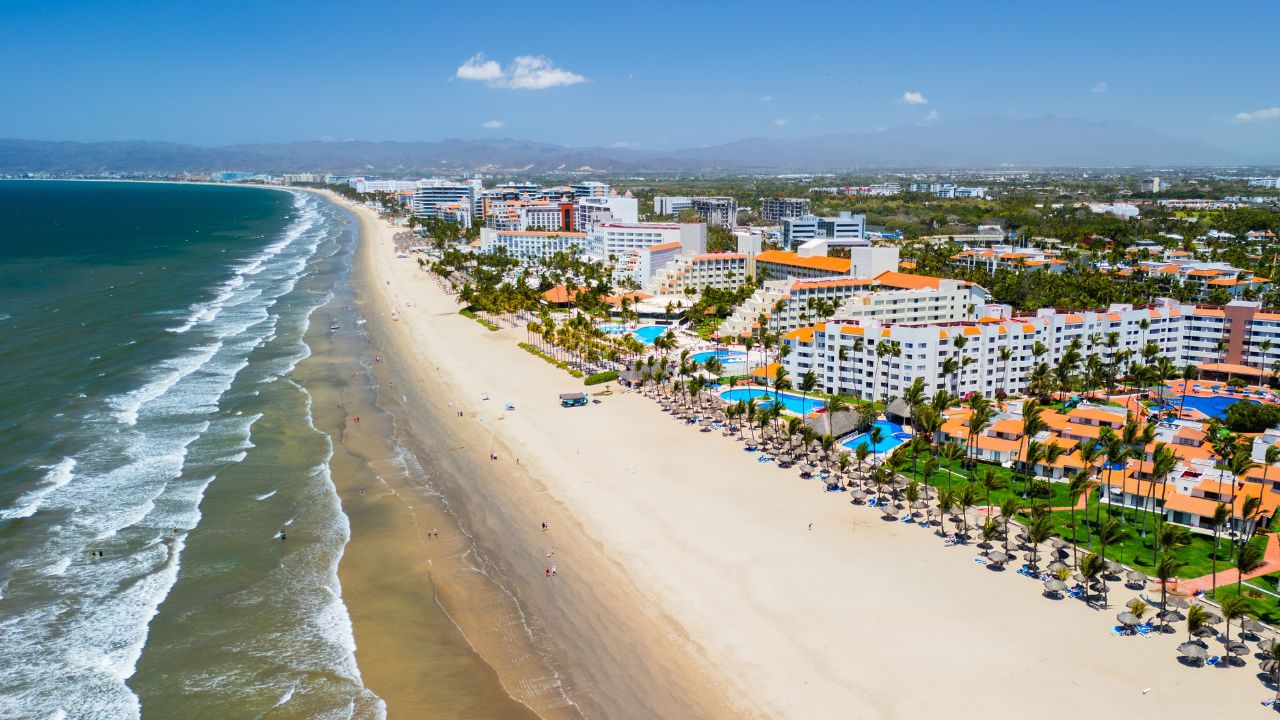
Nuevo Vallarta, part of the resort corridor near Puerto Vallarta, has also been named in warnings tied to kidnappings and extortion schemes. Tourists staying in high-end areas can assume everything is controlled, yet criminals often aim for exactly that audience. The setup can begin with a normal conversation and end with a forced cash demand.
What makes this area tricky is how “safe” it feels on the surface. Resorts create a bubble, and bubbles pop the moment you step outside routine. If you’re exploring beyond the property, use app-based rides and keep meetups in busy, public settings.
Mexico City, Mexico
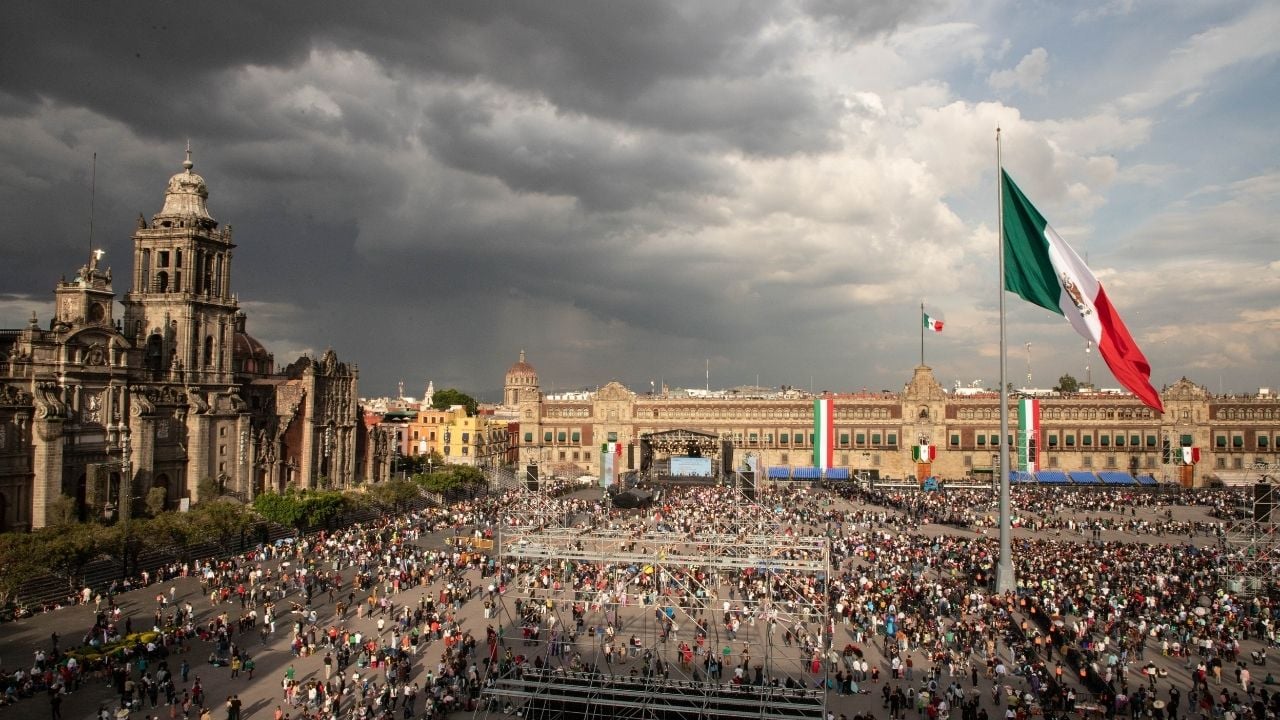
Mexico City is huge, stylish, and full of great neighborhoods, but kidnapping risk exists in the wider safety landscape, including short-term “express kidnapping” scenarios. As we mentioned before, these are tied to ATM withdrawals. Tourists are more exposed when hailing random street taxis late at night or moving alone.
Most visitors won’t experience anything close to this, but the goal is to avoid being the easy option. Stick to app-based rides, verified taxi stands, and well-lit areas after dark. Mexico City is a place where smart habits matter more than fear.
Mazatlán, Mexico

Mazatlán has long drawn beach travelers and cruise visitors, yet the broader regional security environment has led to stricter warnings and tighter movement advice in some guidance. In places where organized crime conflicts intensify, kidnapping and extortion can become part of the risk picture. Tourists can get caught in the wrong place at the wrong time without doing anything “reckless.”
Mazatlán works best with a structured plan. Stay in established zones, keep transport direct, and avoid wandering into unfamiliar areas after dark. The city’s beauty is real, but so is the need to treat logistics like a safety tool.
Manzanillo, Mexico
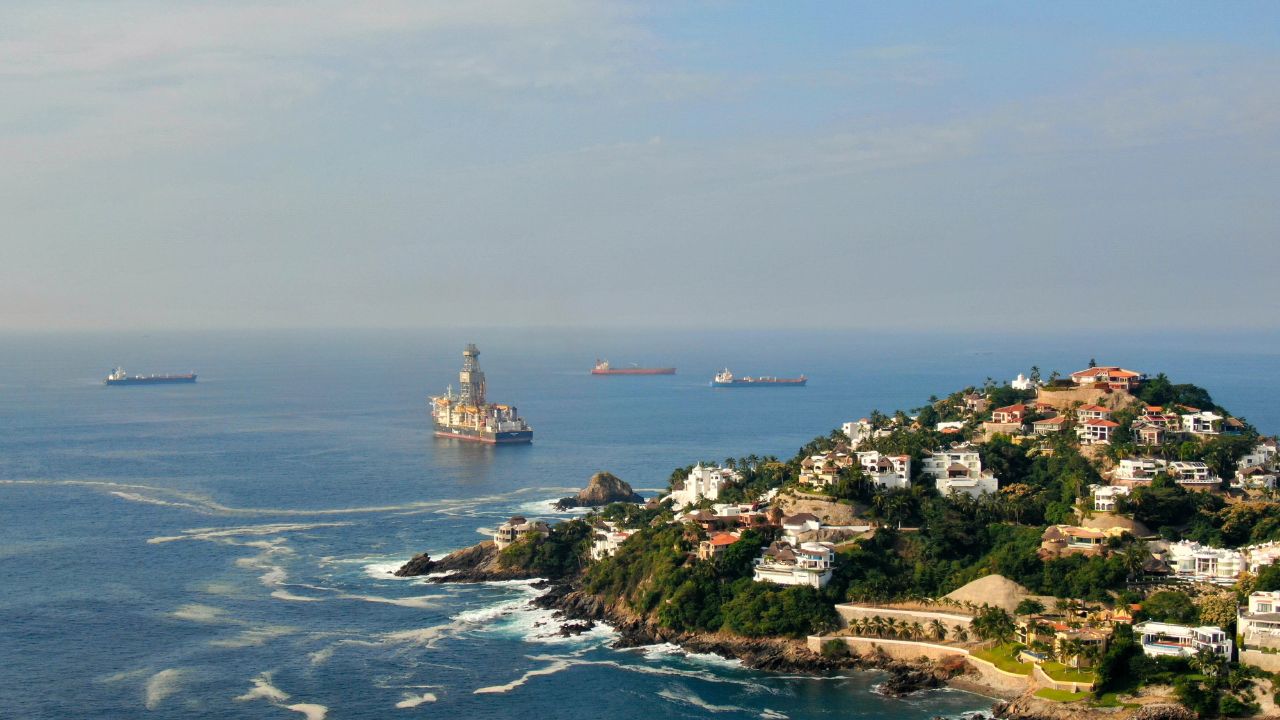
Manzanillo is a port city that still appears on travel itineraries, yet the state-level security environment has raised serious concerns, including kidnapping being listed among major crimes. Travelers often pass through quickly, which can lead to rushed decisions and risky transport choices. Port areas can feel orderly while nearby zones are far less predictable.
Short stays can actually increase risk because visitors may skip basic precautions. Use direct routes, avoid late-night movement, and treat unfamiliar “helpful” strangers with skepticism. In high-risk regions, friendliness is not a safety guarantee.
Rio de Janeiro, Brazil

Rio is iconic, but Brazil’s major cities have long dealt with “express kidnappings”. These incidents are often short, targeted for financial gain, and linked to moments when a traveler is distracted. Tourists juggling phones, maps, and beach gear can look like easy wins.
Rio is safest when you keep your movements predictable. Choose trusted transport, avoid flashing valuables, and don’t wander into quiet areas just to chase a shortcut. The city has endless highlights, and the best ones don’t require risky improvisation.
Johannesburg, South Africa

Johannesburg has faced rising concerns about kidnapping and robbery-linked abductions, including incidents aimed at forced cash withdrawals. The risk often spikes in downtown areas, on poorly lit streets, and when travelers use informal transport. Visitors who assume “big city rules” are the same everywhere can get surprised here.
The simplest safety move is reducing exposure time in high-risk zones. Arrange pickup points, keep your phone use discreet outside, and avoid walking at night unless you truly know the area. Johannesburg can be rewarding, but it demands a sharper travel style.
Cape Town, South Africa

Cape Town’s natural beauty draws travelers year-round, and kidnapping for extortion is part of the broader crime concern in South Africa. Some incidents involve quick abductions designed to empty accounts or pressure victims into transfers. Tourists are most exposed when they drift away from busy areas or accept unofficial rides.
Cape Town is a “plan your routes” city, not a “wander anywhere” city. Stick to arranged drivers, stay alert in transition zones like parking areas, and avoid being alone late at night. You can still have a dreamy trip here, just with guardrails.
Nairobi, Kenya
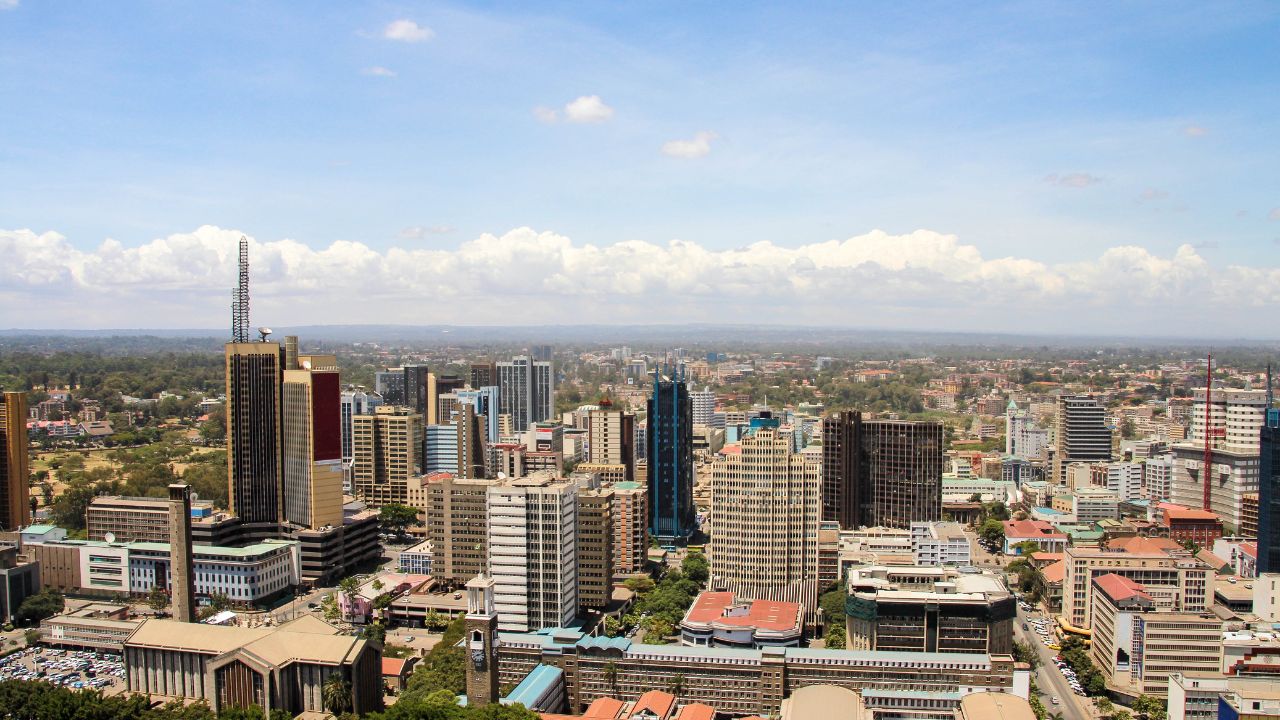
Nairobi is a major hub for safaris and business travel, and travel advisories have warned about kidnapping risks in certain neighborhoods. Threats can range from opportunistic crime to more serious abduction concerns, depending on location and context. Visitors who handle transport casually are the easiest targets.
Airport routes and everyday commuting deserve extra care. Use trusted drivers, avoid flashy displays of wealth, and keep your phone secured when moving through crowded areas. Nairobi is energetic and exciting, but it rewards travelers who stay organized.
Lamu, Kenya
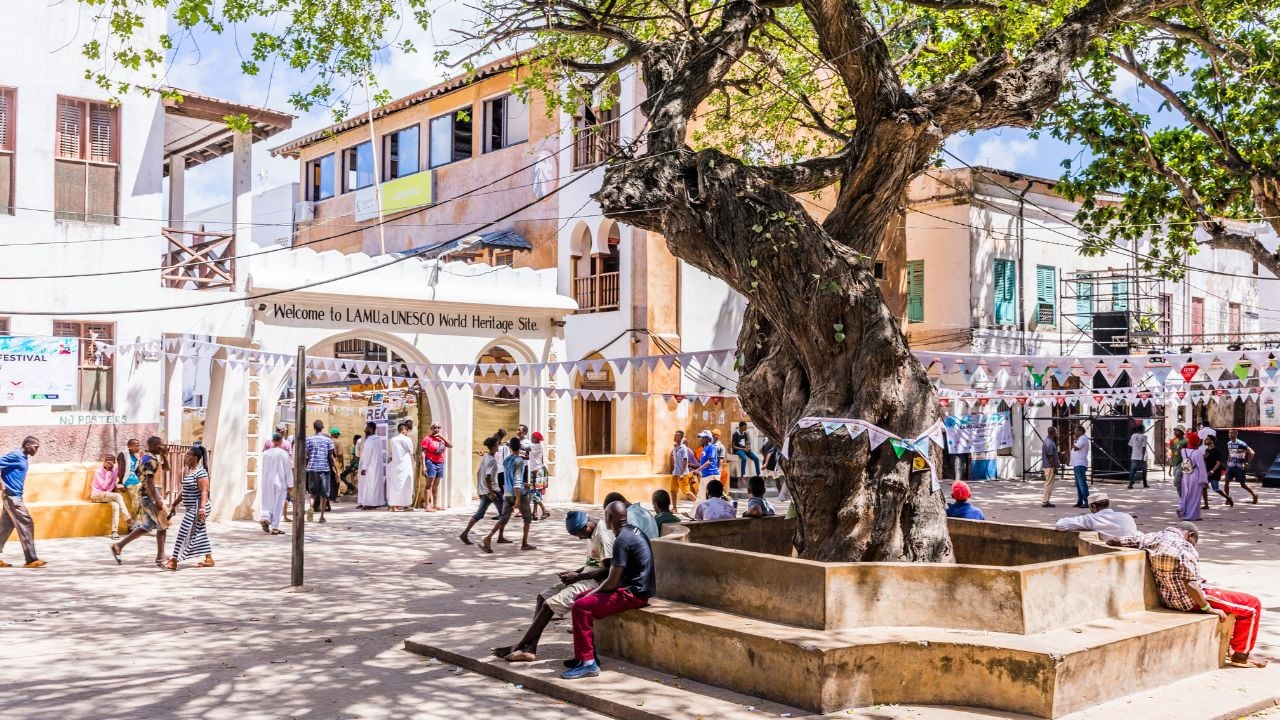
Kenya’s coast attracts beach travelers, but advisories warn that kidnapping risk is higher in some coastal counties, especially areas north of Malindi and around Lamu. Tourists may feel safe inside resort areas and underestimate the vulnerability of travel days and excursions. Criminals and hostile actors look for predictable routines and easy isolation.
Staying safe often comes down to verified logistics. Book reputable tours, avoid late-night solo movement, and keep to well-trafficked areas. Coastal trips can be incredible here, especially when the itinerary stays structured.
Metro Manila, Philippines
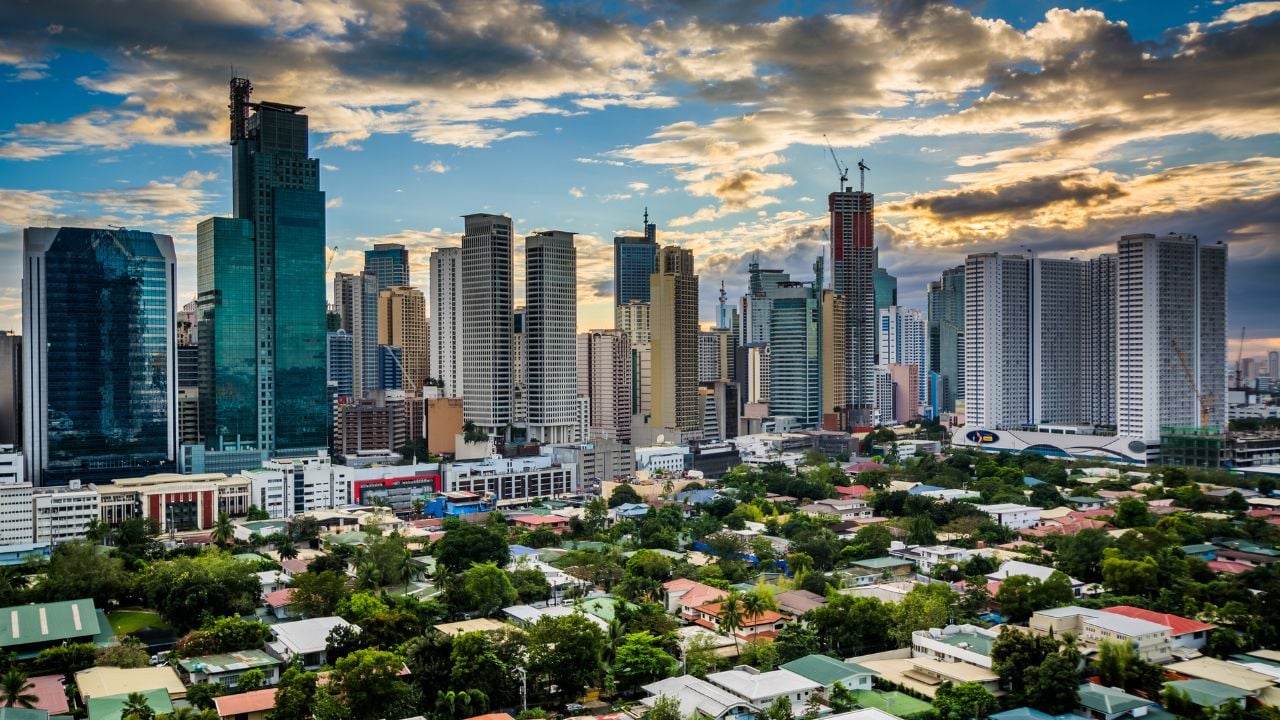
Metro Manila is often treated as a quick stopover, but kidnapping threats have been noted in advisories, including cases tied to financial motives. These incidents are not always “classic kidnappings,” but can involve coercion, extortion, or forced withdrawals. Travelers are most exposed during nightlife, unplanned meetups, or inconsistent transportation choices.
Big-city awareness matters more than bravado. Stick to known routes, keep meetups public, and avoid getting pulled into private spaces by strangers. Manila can be fun and rewarding, but it’s not a place to gamble on “it’ll probably be fine.”
Lagos, Nigeria
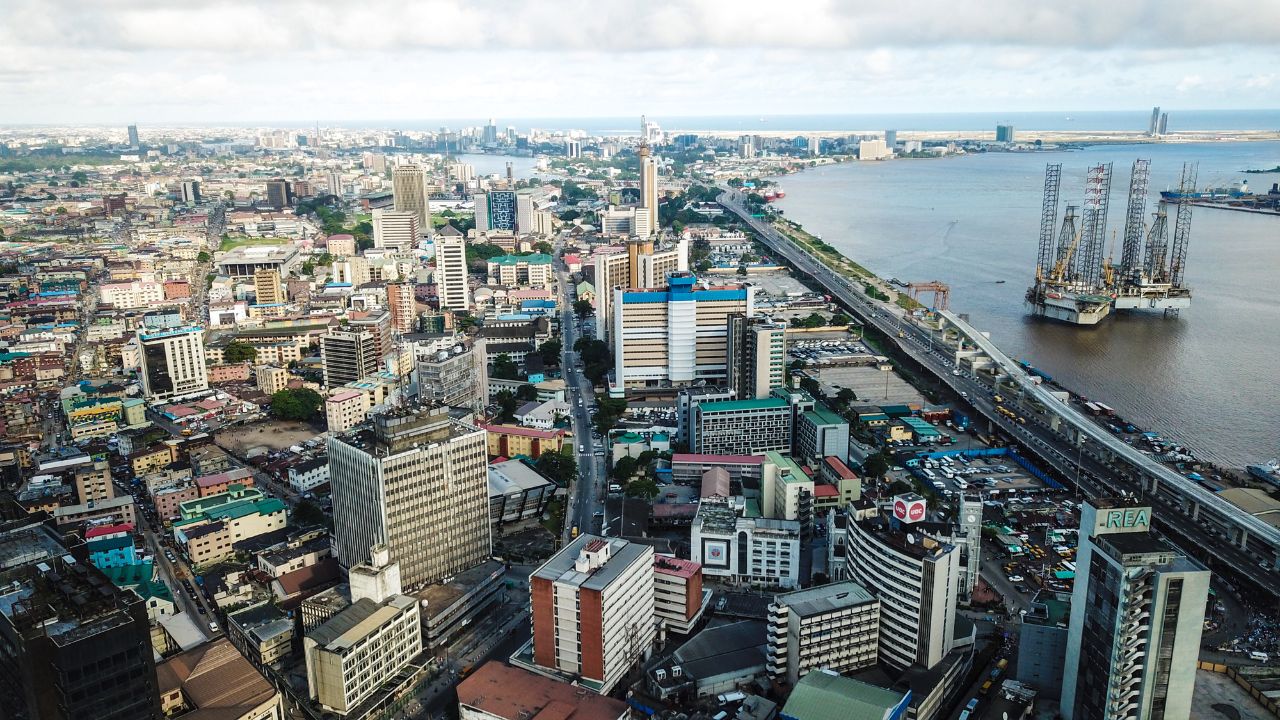
Lagos is a huge, fast-moving city, and kidnapping risk across Nigeria has been described as widespread in official guidance. Travelers can face threats ranging from street crime to organized abductions, depending on where they go and how they move. Foreigners are often seen as high-value targets, which changes the risk equation immediately.
This is a city where layered security planning matters. Visitors usually rely on trusted local contacts, controlled transport, and careful scheduling. The best approach is to treat Lagos like a serious assignment, not a casual weekend break.
Guatemala City, Guatemala
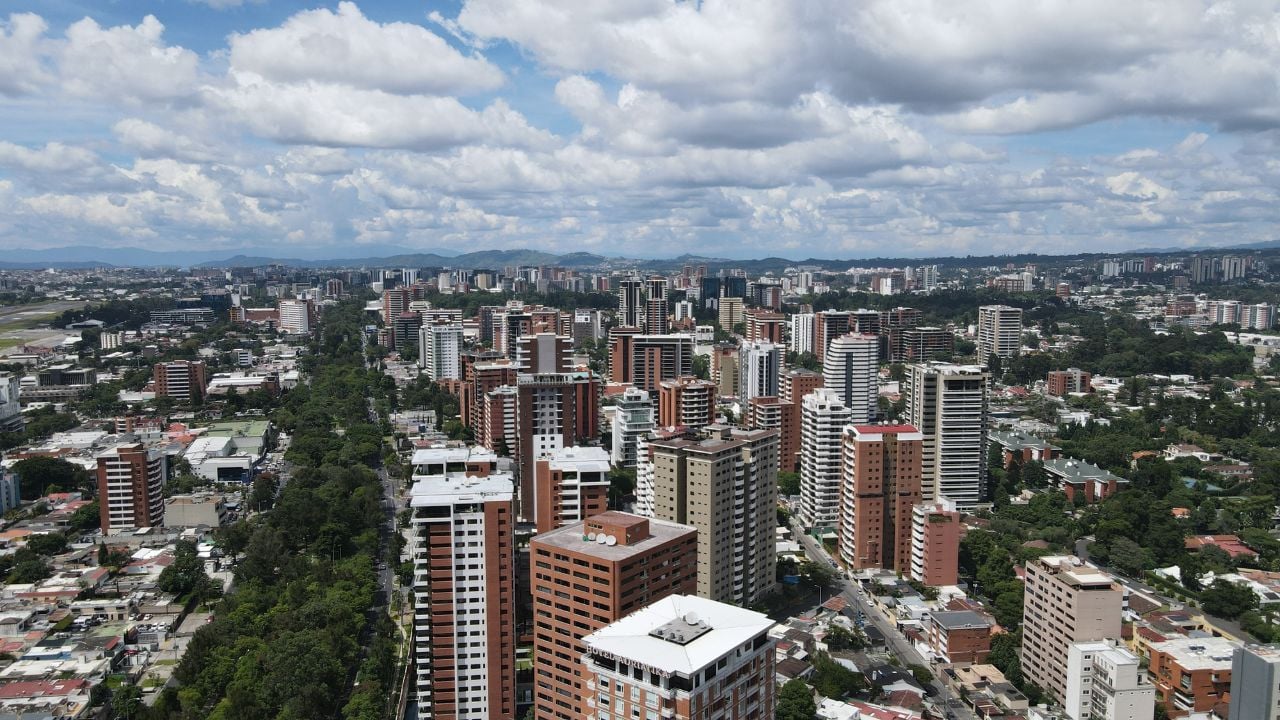
Guatemala City is a common entry point for travelers heading to Antigua or Lake Atitlán, yet express kidnappings have been described as a real concern. These short abductions often focus on cash withdrawals and can be linked to street-hailed taxis. Tourists rushing between airports, hotels, and bus terminals can be vulnerable.
The solution is boring, and boring is beautiful. Use reputable transport, avoid random street pickups, and keep valuables low-profile. When logistics are handled smartly, the city becomes a manageable transit stop instead of a stress test.
Tegucigalpa, Honduras

Tegucigalpa is not a major tourist playground, but it’s a capital city some travelers pass through, and kidnapping remains part of Honduras’ broader violent crime risk. Visitors are more exposed when they move without local guidance, especially at night. Quick “wrong turn” situations can escalate because emergency response can be limited.
If you must be here, keep your footprint small. Use trusted transportation, avoid wandering, and treat nighttime movement as a high-risk decision. Tegucigalpa can be navigated safely with structure, but it punishes casual travel habits.