
Travel broadens horizons and creates lasting memories, but not every destination rolls out the red carpet for visitors. While cultural differences often explain perceived rudeness, some countries consistently earn reputations for unwelcoming attitudes toward tourists.
Based on comprehensive traveler surveys, expert analyses, and official rankings from organizations like the World Economic Forum, these eleven destinations stand out for making visitors feel less than welcome, whether through cultural barriers, economic pressures, or simply different social norms that clash with tourist expectations.
France: The Parisian Paradox

France topped the list with nearly 700 Reddit users agreeing about experiencing rudeness, particularly in Paris and Marseilles. The City of Light’s reputation for dismissive attitudes toward tourists has become legendary, with countless visitors reporting cold shoulders from locals who seem annoyed by foreign presence.
“Some travelers said Parisians ignored them when they spoke English, or corrected their French pronunciation without actually offering directions”. This linguistic snobbery creates immediate barriers that make simple interactions feel hostile rather than helpful, leaving many tourists feeling unwelcome from their first moments in the country.
The Parisian service industry, from waiters to shop clerks, often exhibits an indifference bordering on contempt that shocks visitors expecting basic hospitality. “One person even had a service worker scream at them in frustration”, illustrating how routine transactions can escalate into unpleasant confrontations.
However, “A few travelers defended France, saying experiences outside Paris were far warmer, and some found Parisians delightful when they attempted even a little French”. This suggests that making an effort to speak French, even poorly, can dramatically improve reception, while venturing beyond Paris often reveals more welcoming French attitudes.
Russia: The Cold Shoulder Culture

Russia came up again and again in the thread, with people calling it cold, unwelcoming, and intimidating. The country’s reputation for unfriendliness stems from cultural norms that prioritize privacy and formality over the casual friendliness that many tourists expect.
“Russians generally don’t smile when they meet strangers, it’s not meant to be rude, it’s just not part of their culture”. This fundamental difference in social expression creates immediate impressions of hostility among visitors from cultures where smiling at strangers represents basic politeness.
“Stories ranged from strangers never smiling to travelers being told not to grin in public because it would make them look suspicious”. Such cultural differences in non-verbal communication create ongoing tension throughout visits, as tourists struggle to interpret local behavior and adjust their own expressions accordingly.
Yet “Russians will usually assist foreigners in need, despite looking unapproachable, so long as you are polite”, suggesting that beneath the stern exterior lies genuine helpfulness for those who approach interactions with appropriate respect and formality.
China: Impatience in the Middle Kingdom

China, especially Beijing, was mentioned for locals seeming grumpy or impatient with tourists. The world’s most populous country creates environments where sheer numbers of people combine with cultural differences to produce challenging visitor experiences.
The rapid pace of Chinese urban life leaves little patience for tourist confusion or language barriers. Crowding in popular attractions becomes so intense that simple courtesy often disappears in the struggle to move through masses of people, creating environments where politeness becomes a luxury few can afford.
Language barriers compound frustration on both sides, as tourists struggle to communicate basic needs while locals become impatient with repeated explanations. The cultural emphasis on efficiency over accommodation means that tourist needs often feel secondary to maintaining operational flow in transportation, dining, and shopping environments.
Czech Republic: Post-Communist Hangover
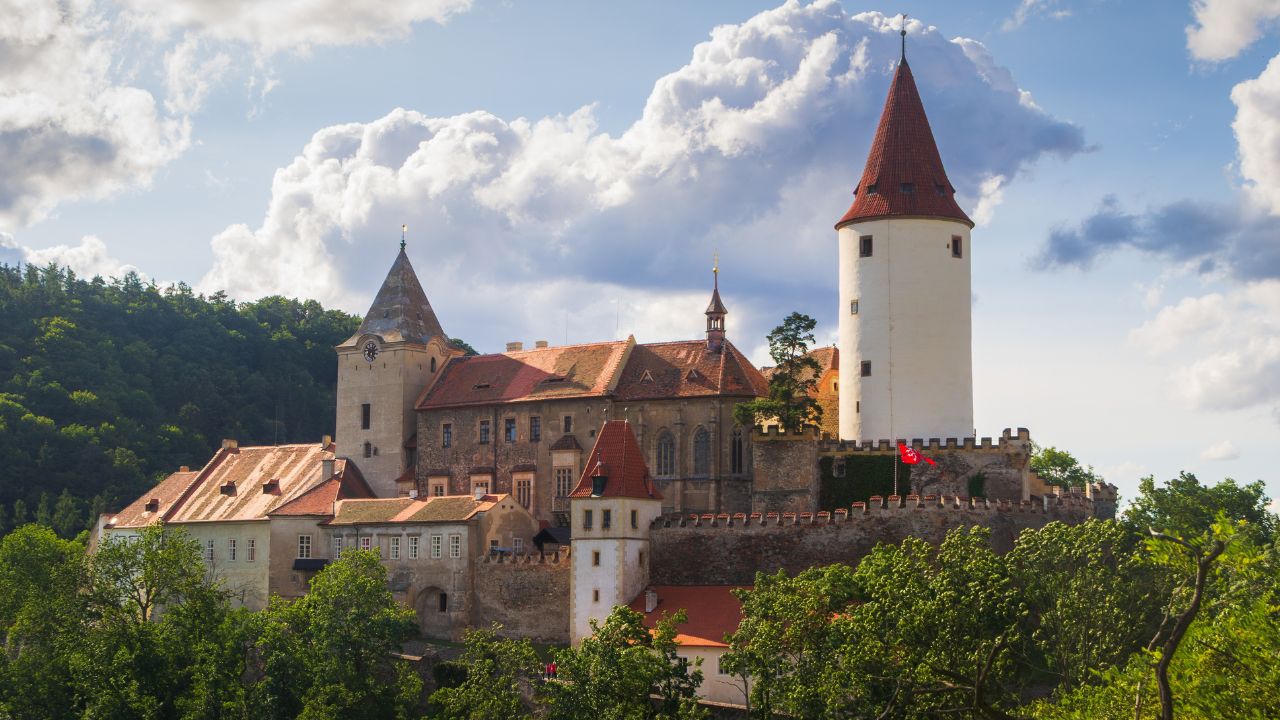
Prague’s tourism boom has created local resentment toward the millions of visitors who flood the historic city annually. “For this reason, you could probably understand why the locals resent tourists”, as over-tourism transforms residential neighborhoods into tourist zones that price out local residents.
Service industry workers often display minimal enthusiasm for helping foreign visitors, creating transactional interactions that feel cold and unwelcoming. The contrast between Prague’s fairy-tale architecture and the often sullen reception from locals creates cognitive dissonance that many tourists find jarring.
However, “The young people are way nicer” suggests that visitor experiences improve significantly when interacting with younger Czechs who grew up in the post-Communist era and embrace more international perspectives.
Kuwait: Institutional Unwelcome

Kuwait ranked last (53rd) in the global expat survey for the seventh year in a row, and the numbers tell the story. Just 22% of expats are satisfied with their social life (vs. 52% globally), and only 26% feel locals are friendly toward foreign residents (vs. 61%).
The rigid social hierarchy and cultural barriers prevent meaningful interaction between visitors and locals, creating environments where tourists feel more like temporary workers than welcomed guests. Economic prosperity reduces local dependence on tourism income, eliminating financial incentives for hospitality.
Religious and cultural conservatism creates additional barriers for visitors whose behavior, dress, or customs conflict with local expectations, making many tourists feel constantly scrutinized and judged throughout their stays.
Hungary: Budapest Blues

Hungary, with over 80 Reddit users agreeing, was noted for unfriendly service interactions. “The people of Budapest were the grumpiest and unfriendliest in Europe I’ve met”. The Hungarian capital’s service industry seems particularly resistant to basic hospitality toward foreign visitors.
Restaurant and shop staff frequently appear uninterested in helping non-Hungarian speakers, creating dining and shopping experiences that feel more like endurance tests than enjoyable activities.
The language barrier compounds difficulties, as English proficiency remains limited outside tourist zones, leaving visitors feeling isolated and unwelcome when attempting basic interactions. Historical factors including decades of Communist rule and recent political tensions contribute to general skepticism toward foreigners.
North Korea: Controlled Hostility

The totalitarian state creates uniquely unwelcoming environments where every interaction is monitored and controlled. This level of supervision eliminates authentic cultural interaction while creating constant tension about inadvertently violating regulations that visitors may not fully understand.
The artificial nature of permitted activities creates tourism experiences that feel more like propaganda tours than genuine cultural exchange. Every local interaction is scripted and monitored, preventing the spontaneous encounters that make travel memorable and meaningful.
The genuine risks associated with visiting an authoritarian state where tourists have been detained for arbitrary reasons create underlying anxiety that permeates every moment of the visit, making relaxation and enjoyment virtually impossible.
Austria: Alpine Coldness

This personal account reflects common experiences where Austrian formality comes across as hostility to visitors from more casual cultures.
The emphasis on propriety and tradition creates social environments where tourists feel constantly judged for failing to observe complex etiquette rules they don’t understand. Service interactions become exercises in navigating cultural minefields rather than enjoyable exchanges.
Pakistan: Security Shadows

“So, if you don’t want to be shunned by waitresses and dismissed by taxi drivers, then Pakistan and Russia are apparently not for you”, according to World Economic Forum rankings that place Pakistan among the world’s least welcoming destinations.
Security concerns create environments where interactions with foreigners become complicated by suspicion and official scrutiny. “For starters, stories of violent extremists run rampant, leaving the locals in a constant state of fear”, which affects how residents interact with visitors.
The constant security apparatus required for tourist safety creates barriers between visitors and authentic local culture, while also generating resentment among locals who view foreign visitors as sources of additional complications and restrictions in their daily lives.
Economic pressures and political instability contribute to stress levels that manifest in poor treatment of tourists, who often become convenient targets for frustrations about broader social and economic problems beyond their control.
Bulgaria: Balkan Indifference
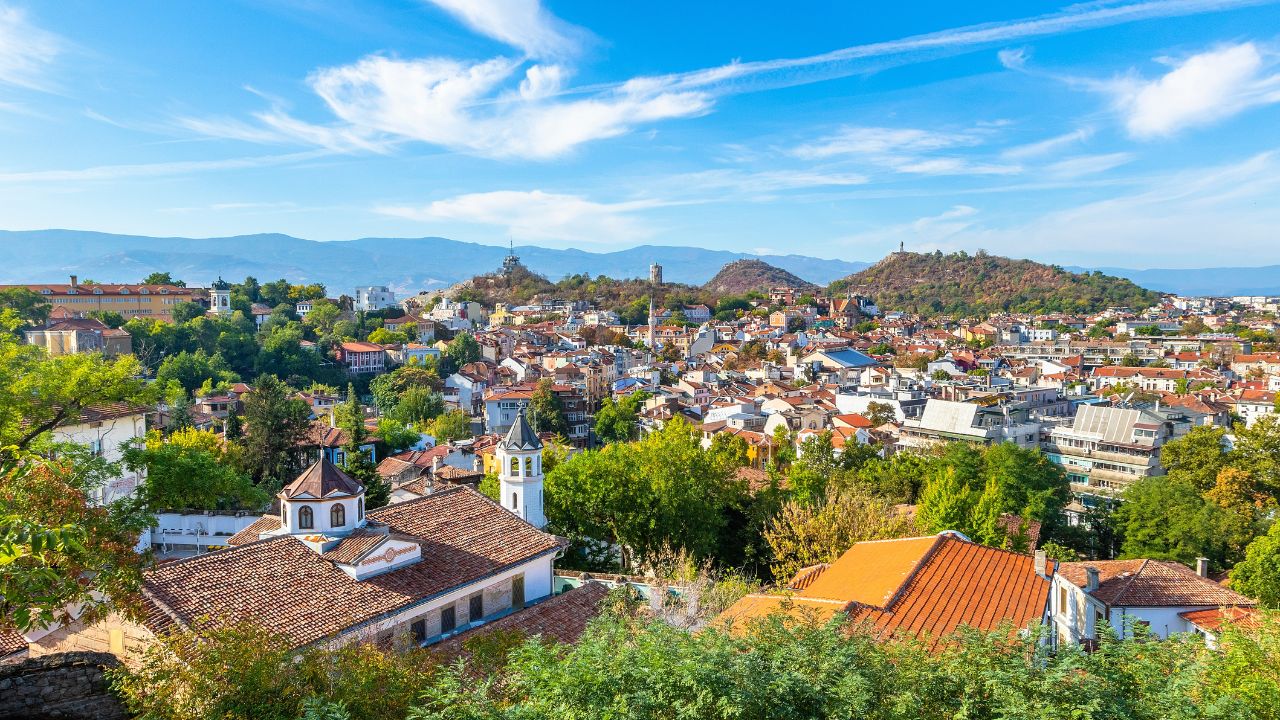
“With over 60 Reddit users agreeing, Bulgaria, especially Sofia, was criticized for unfriendliness. I’ve visited a lot of Europe. Bulgaria (Sofia) has been the absolute worst”. The Balkan nation consistently disappoints visitors seeking basic hospitality. Restaurant and shop interactions become exercises in persistence rather than pleasant exchanges.
Post-Communist economic transitions and ongoing political instability contribute to general cynicism that affects how locals view foreign visitors. Limited tourism infrastructure means that many businesses aren’t economically dependent on visitor satisfaction, reducing incentives for hospitality.
“Many visitors report feeling ignored in restaurants, receiving minimal assistance in shops, and facing difficulty engaging locals in even basic interactions”, creating tourism experiences where visitors feel more like inconveniences than welcome guests.
Egypt: Harassment Capital
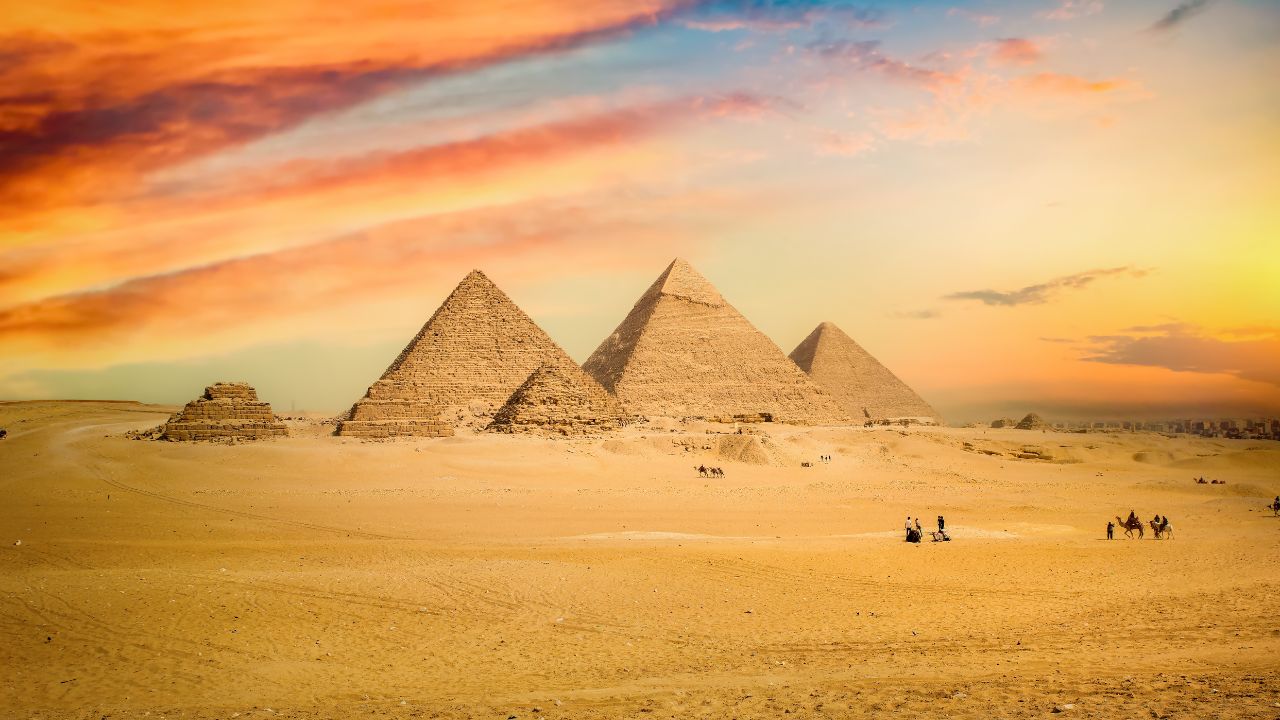
While not specifically mentioned in recent surveys, Egypt consistently appears in traveler complaints about unwelcoming attitudes. “Tourists often encounter aggressive sales tactics in markets and crowded areas, which can feel overwhelming or rude”.
“Vendors and guides may press for business persistently, creating discomfort for those unprepared”. The relentless commercialization of tourist interactions transforms every public space into a gauntlet of sales pitches that make relaxation impossible.
Economic pressures drive locals to view tourists primarily as income opportunities rather than guests deserving courtesy and respect. This transactional approach to visitor interaction creates environments where authentic cultural exchange becomes secondary to commercial extraction.
“While many Egyptians are hospitable and kind, the pressure of high tourist traffic and economic challenges occasionally results in brusque or forceful behavior that visitors perceive as unfriendly”, highlighting how economic desperation can override traditional hospitality values.