
Some cars do more than turn heads; they create distance. Not because they’re loud or flashy, but because they exist in a different tier of reality. They’re rare, historically important, or so carefully controlled that most enthusiasts will only ever encounter them behind museum ropes, concours lawns, or through shaky phone videos at events.
These are often called “forbidden fruit,” not because they’re unattainable in theory, but because ownership demands the perfect collision of timing, money, access, and tolerance for complexity. Some were limited-production flagships. Others were engineering moonshots that quietly became legends. All of them command attention long after production ended.
This list isn’t about auction prices or speculative value. It’s a staff-curated selection of the cars we consider the most coveted — machines that linger in the collective imagination. They’re the ones people remember, debate, and daydream about decades later.
What “Forbidden Fruit” Means to Us
This list came together through healthy debate and more than a few disagreements across the Guessing Headlights team.
Our criteria were deliberately loose but intentional. We focused on a combination of desirability and elusiveness: not just how badly someone might want the car, but how unlikely it would be to ever encounter one casually in the real world.
In other words, these are cars where simply having Scrooge McDuck money isn’t enough to guarantee a spot in your driveway. Access matters. Timing matters. Relationships matter. In some cases, permission matters.
That’s also why we intentionally omitted some highly desirable machines, the kinds of cars any celebrity, athlete, or supermodel could plausibly be photographed stepping out of on a red carpet or outside a nightclub. Those cars are impressive, but they’re visible. This list is about the ones that feel distant, protected, and almost unreal, even to people who live and breathe cars.
1. Ferrari 250 GTO (1962–1964)

If the phrase “forbidden fruit” has a patron saint, it’s the 250 GTO. It’s not just rare — it’s culturally untouchable. Built to win, homologated for the road, and revered like fine art, the GTO exists in a world where ownership feels less like buying a car and more like joining a tiny historical registry.
With only 36 built, the 250 GTO sits at the intersection of racing pedigree, design purity, and scarcity. It’s a benchmark car — even for people who have never seen one in person.
2. Ford GT40 (1964–1969)
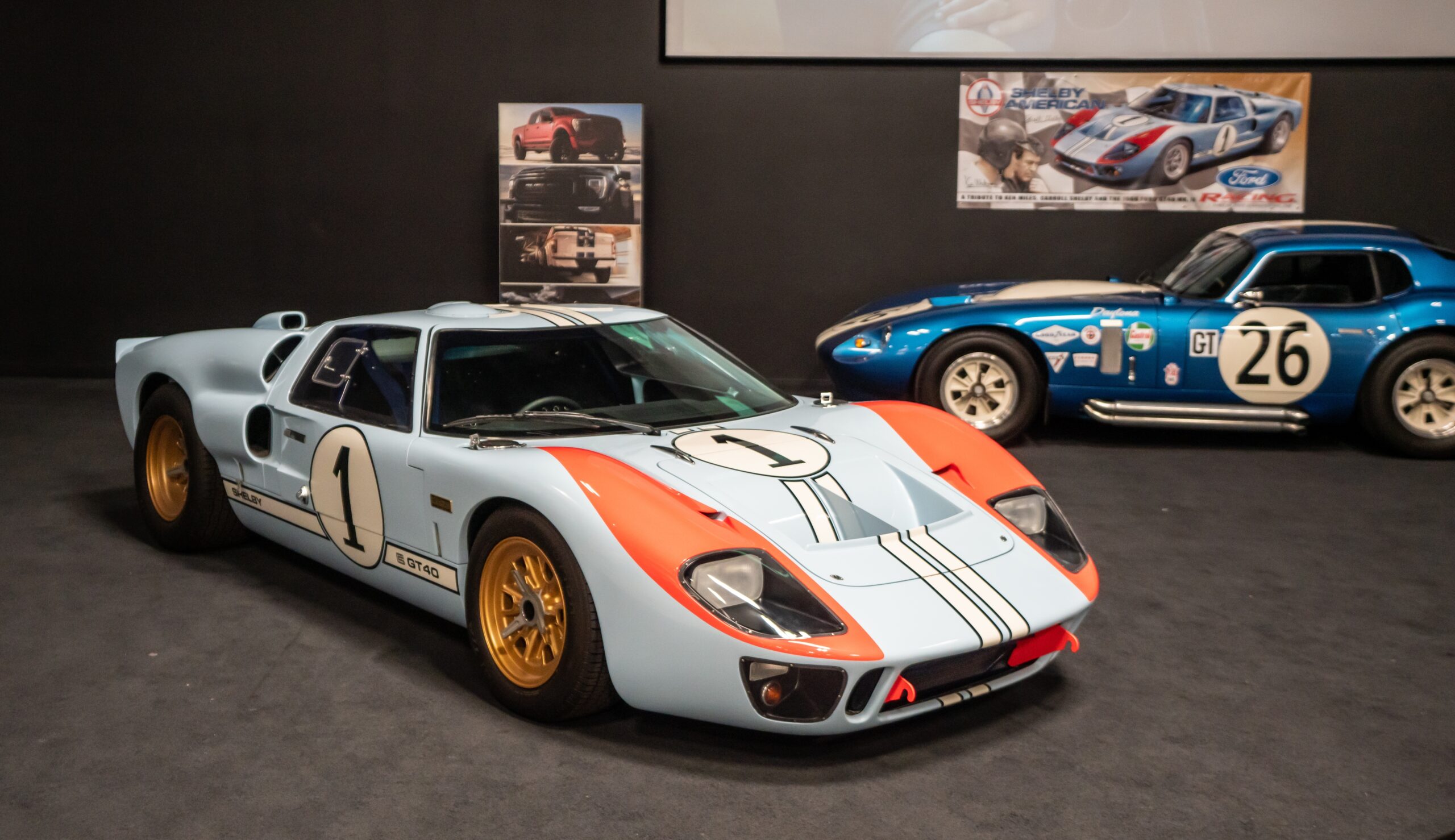
The GT40 earns its place here because it isn’t just rare — it’s foundational. Built with one clear objective, defeating Ferrari at Le Mans, the GT40 succeeded so completely that it reshaped motorsport history.
What’s often overlooked is that a small number of road-legal GT40s were actually sold. Ford built 105 GT40s in total. A total of 31 Mk I cars were produced in ‘road’ trim, and Ford also built seven Mk III models that leaned further toward road use. They featured softer suspension, basic trim, mufflers, and full lighting — but calling them civilized is generous.
Even the road cars were brutally low, notoriously hot inside, and mechanically demanding. They were legal, not comfortable — and that razor-thin line between race car and road car is exactly why original GT40s feel so untouchable today.
3. Lamborghini Miura (1966–1973)

Before the Miura, the modern supercar didn’t really exist. Its transverse, mid-mounted V12 rewrote the rulebook and established a layout that still defines exotics today.
With just 764 built, the Miura became an icon almost instantly. Its handling can be lively and occasionally unforgiving, but that edge is part of its reputation. The Miura isn’t sanitized — it’s a reminder of how raw early supercars truly were.
4. Toyota 2000GT (1967–1970)

The Toyota 2000GT quietly changed global perceptions of Japanese cars. Elegant, balanced, and meticulously engineered, it proved that performance didn’t need excess to feel special.
Only 351 were built, and its long-nose fastback profile has aged beautifully. The 2000GT is revered not for shock value, but for restraint — and its scarcity keeps it permanently out of reach.
5. BMW M1 (1978–1981)
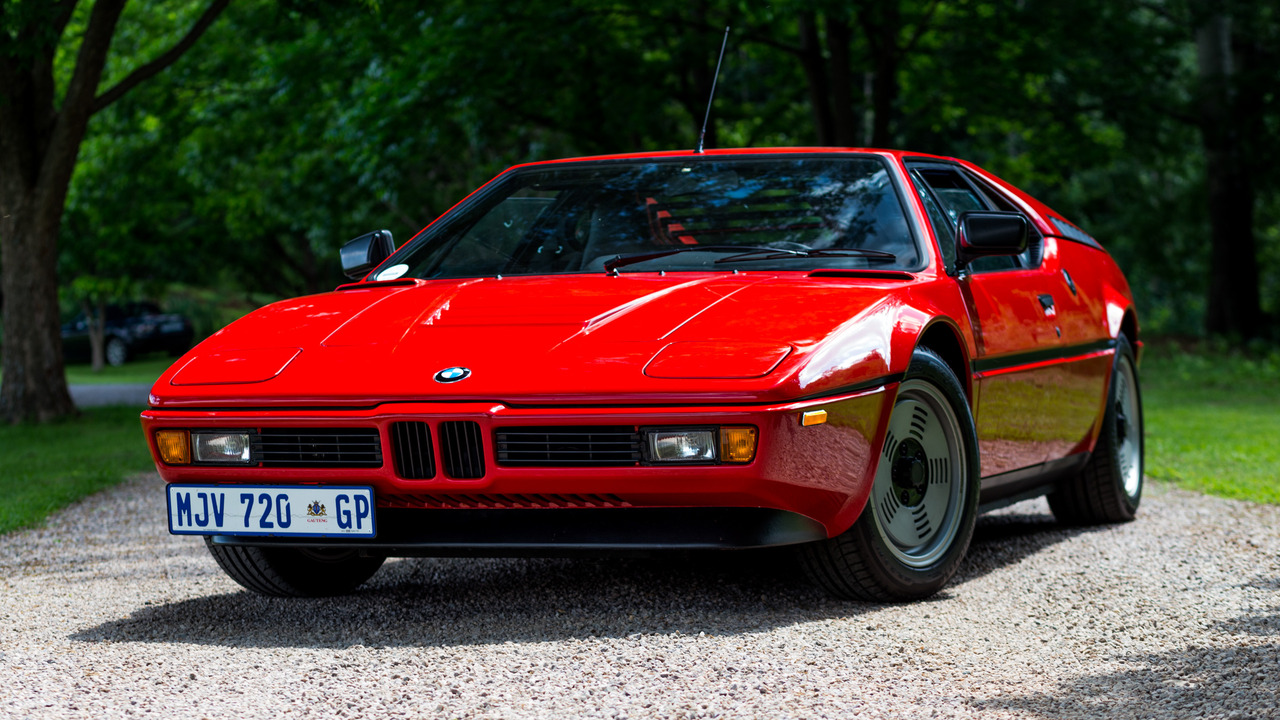
The BMW M1 remains a singular moment in the brand’s history. BMW’s only mid-engine road car, it was built to homologate a racing program that never fully materialized.
With only 453 examples produced, the M1 is prized for its balance, analog feel, and clean design. It’s the rare BMW that even non-BMW people stop to stare at.
6. Porsche 959 (1986–1993)

The Porsche 959 was less about drama and more about the future. It introduced advanced all-wheel drive, adjustable suspension, and electronics that were years ahead of their time.
Only 337 examples were built, and many never officially reached the U.S. Despite its complexity, the 959 remains one of the most usable supercars of its era — a blueprint rather than a spectacle.
7. Ferrari F40 (1987–1996)

The Ferrari F40 represents the brand at its most uncompromising. Built to celebrate Ferrari’s 40th anniversary, it stripped away comfort in favor of raw intent.
The interior bordered on industrial, with exposed carbon and minimal insulation. That austerity is precisely why the F40 remains revered. With roughly 1,300 built, it sits in the rare space between usable and mythical.
8. Bugatti EB110 (1991–1995)

The EB110 marked Bugatti’s ambitious rebirth. Featuring a quad-turbo V12, carbon-fiber chassis, and all-wheel drive, it pushed technology far beyond what most cars of the era attempted.
Only 139 were built, and ownership today requires patience and deep technical understanding. Its ambition is exactly what makes it unforgettable.
9. Jaguar XJ220 (1992–1994)

Once controversial, the XJ220 has aged into respect. Sleek, imposing, and genuinely fast for its era, it briefly held the title of the world’s fastest production car.
With just 275 built, the XJ220 feels more appreciated today than it did at launch — a misunderstood icon finally getting its due.
10. McLaren F1 (1992–1998)
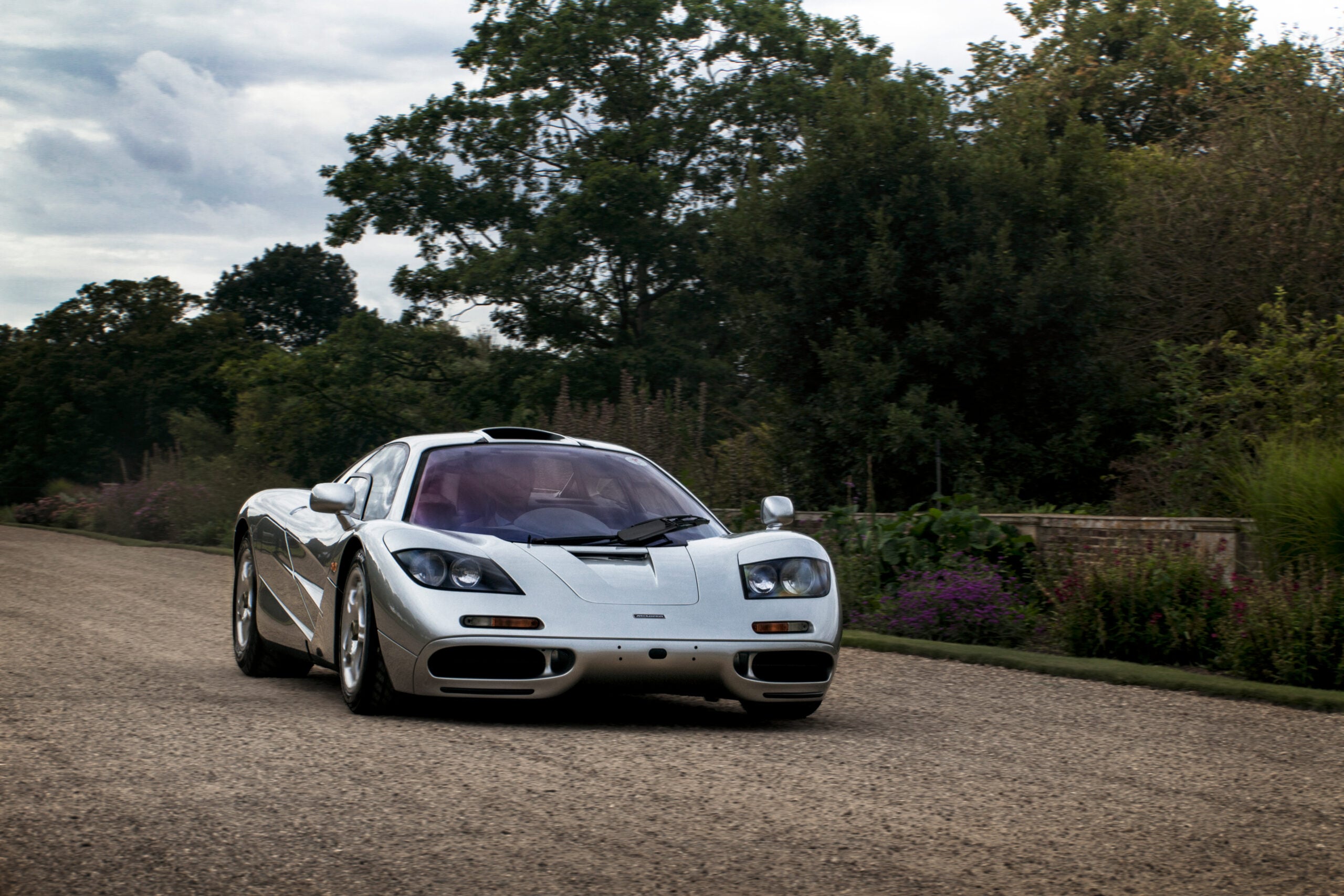
The McLaren F1 arrived without compromise. Designed with a singular focus on excellence, it remains one of the most celebrated road cars ever engineered.
The central driving position is iconic, and with only 106 examples built, the F1 is less a possession and more a responsibility. Its reputation has only grown stronger with time.
11. Mercedes-Benz CLK GTR (1997–1999)
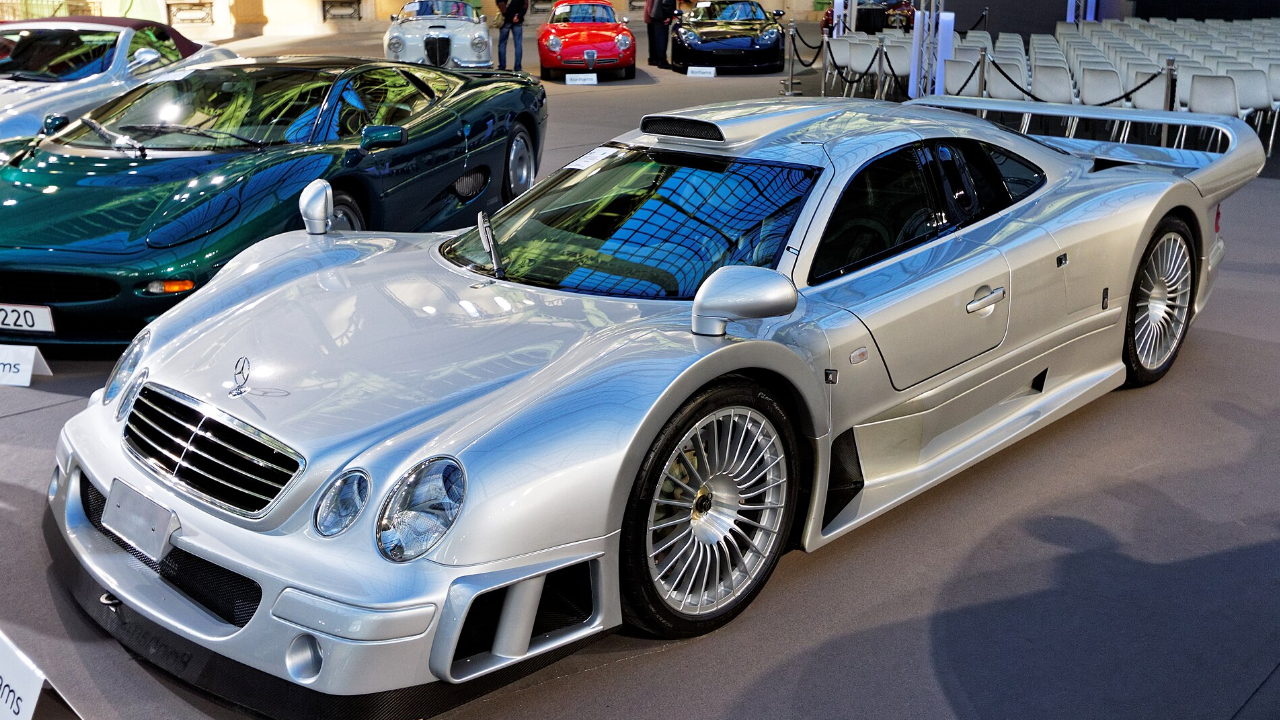
The CLK GTR exists because racing rulebooks once allowed manufacturers to bend reality. Built to homologate Mercedes’ GT1 race car, it is effectively a Le Mans prototype wearing license plates.
Of the 28 road cars produced, 20 were coupés and six were roadsters, with two prototypes. Comfort was an afterthought. Legality was a technicality. Once regulations closed that loophole, cars like this disappeared forever.
12. Pagani Zonda C12 (1999–2000)
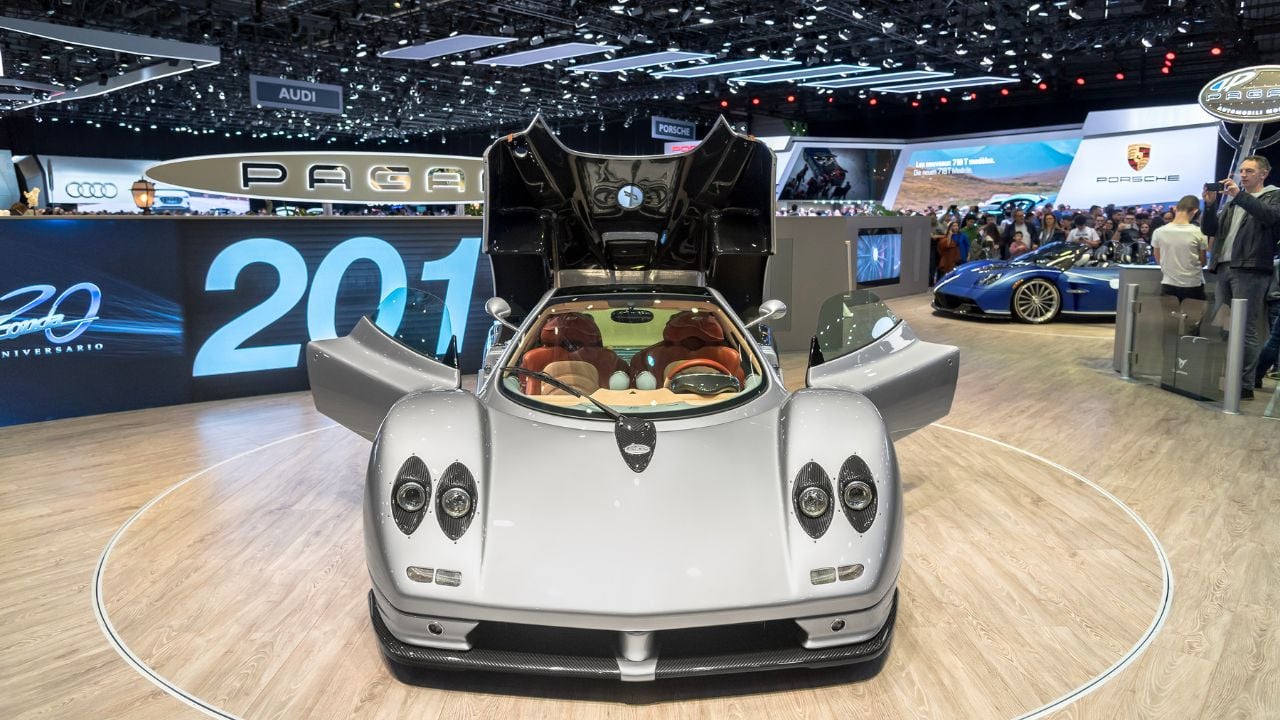
The original Zonda established Pagani’s obsession with craftsmanship. Every surface, fastener, and detail feels intentional — designed to be admired as much as driven.
Production numbers were tiny, and every example feels personal. The Zonda doesn’t chase trends; it creates its own category.
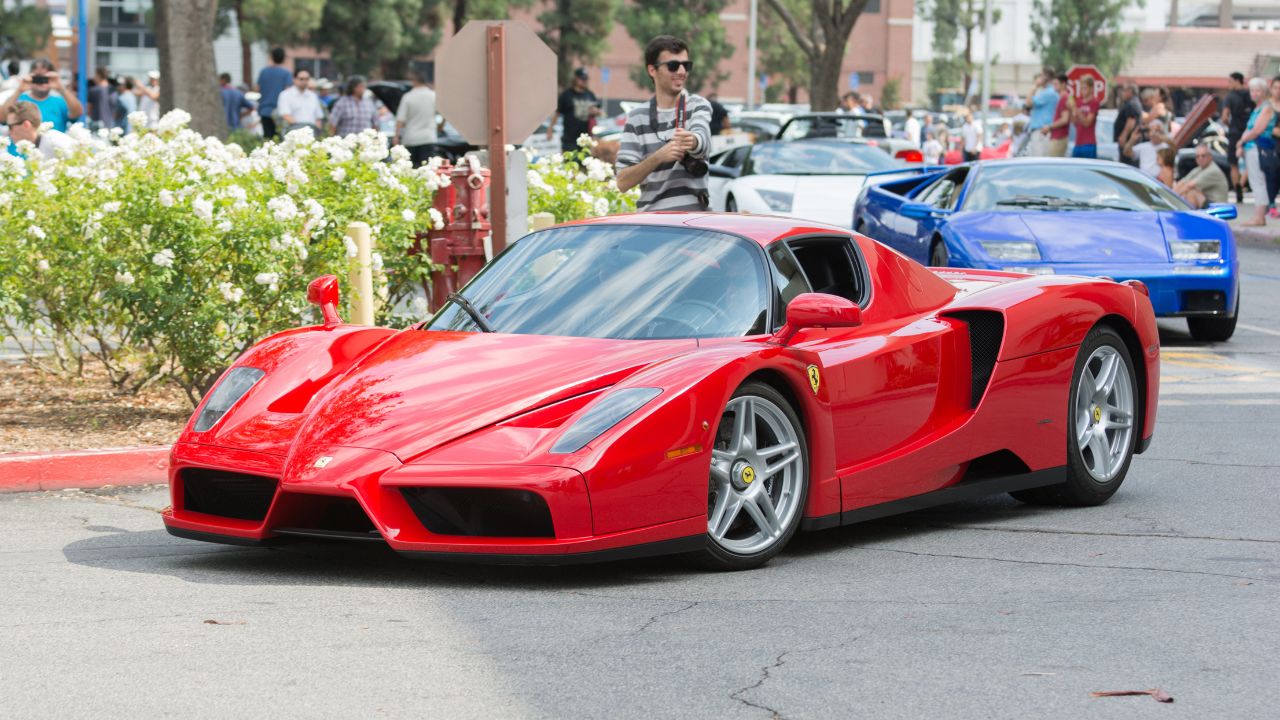
13. Ferrari Enzo (2002–2004)
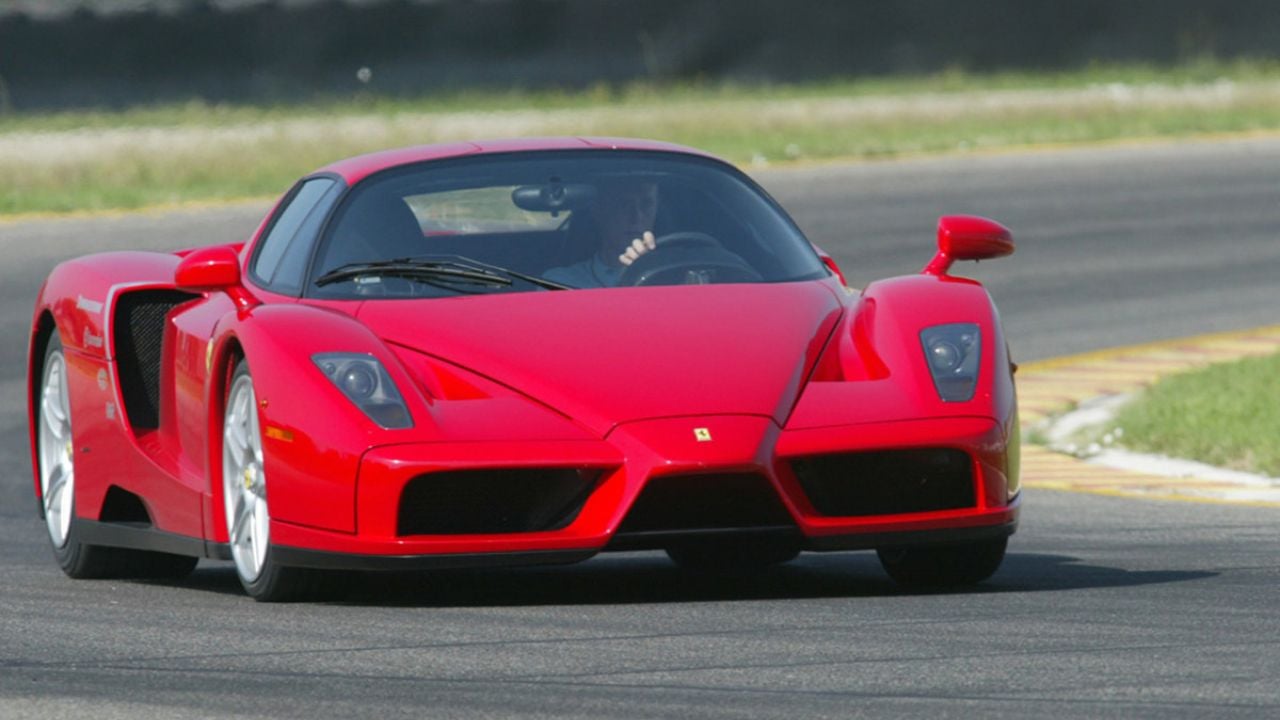
The Enzo is Ferrari’s early-2000s statement piece — a road car shaped by Formula 1 thinking.
Production was capped at 399, and access was famously controlled. It’s modern enough to feel real, yet distant enough to remain a permanent poster car for most enthusiasts
14. Porsche Carrera GT (2003–2006)
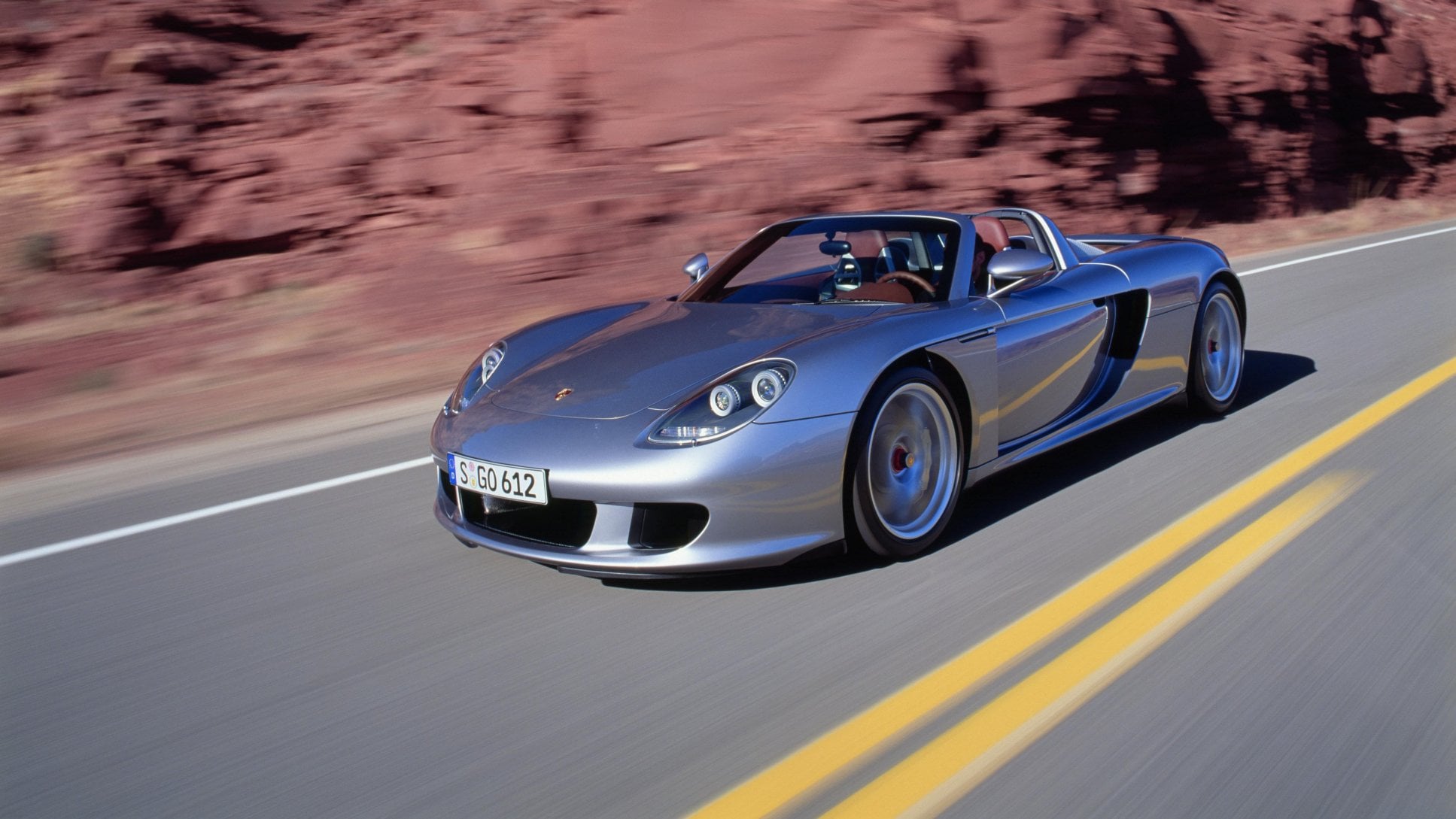
The Carrera GT is one of the last truly analog hypercars. Manual, naturally aspirated, and demanding, it refuses to soften the experience.
Manual-only, naturally aspirated, and unapologetically demanding, the Carrera GT offered a brief window where ownership felt possible to serious enthusiasts before rising values, increased scrutiny, and its reputation for difficulty quietly closed the door. Many admired it, some nearly bought one, and plenty assumed there would always be more time.
That’s why it’s so often talked about as the one that got away. Not because it was ever easy to own, but because it once felt just close enough — before it slipped permanently into legend.
15. Maserati MC12 (2004–2005)
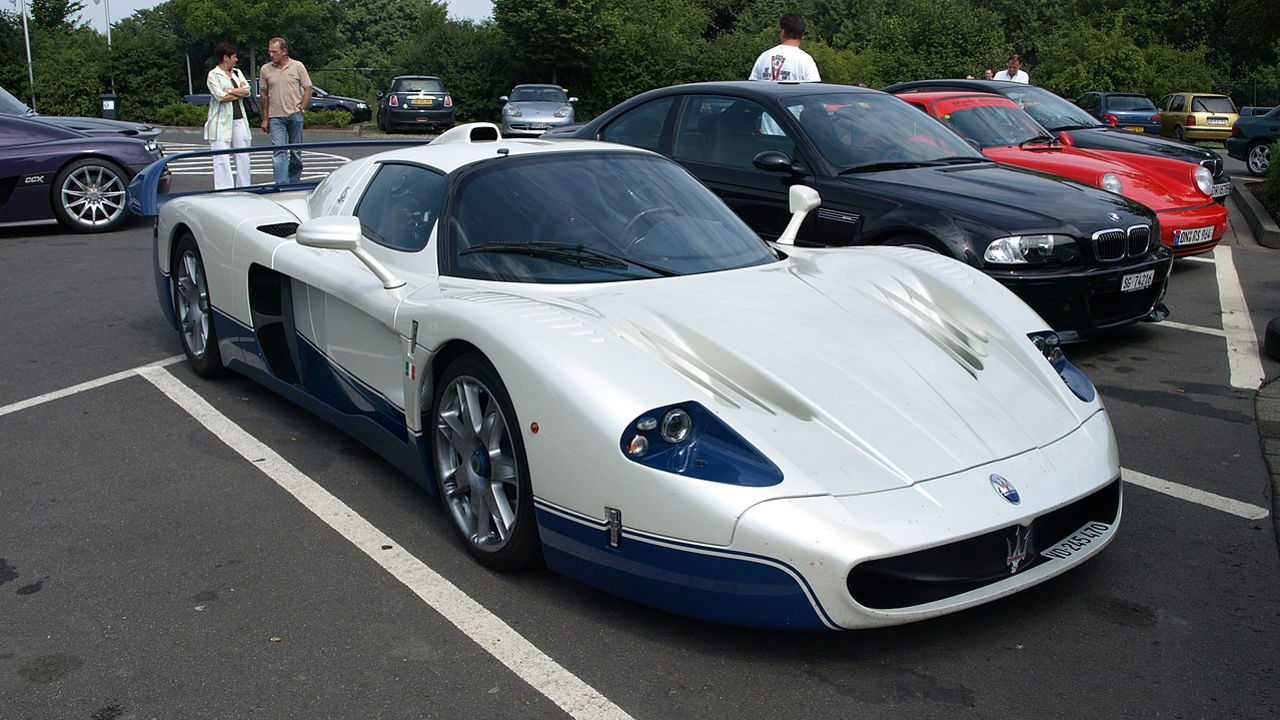
Closely related to the Ferrari Enzo, the MC12 stretched that platform into something more extreme. Its shape prioritized aerodynamics over beauty, and its presence feels almost surreal.
Only 50 street versions were built, giving the MC12 an almost untouchable aura today.
16. Koenigsegg CCX (2006–2010)

The CCX announced Koenigsegg as a global force. Extreme performance was paired with extreme exclusivity, and ownership exists outside normal automotive ecosystems.
Everything about it — service, parts, expertise — reinforces the sense that this is not a normal car experience.
17. Alfa Romeo 8C Competizione (2007–2010)

The Alfa Romeo 8C prioritizes emotion over efficiency. It’s remembered as much for how it looks and sounds as for how it drives.
500 coupes were built, and even standing still, the 8C stops people mid-stride.
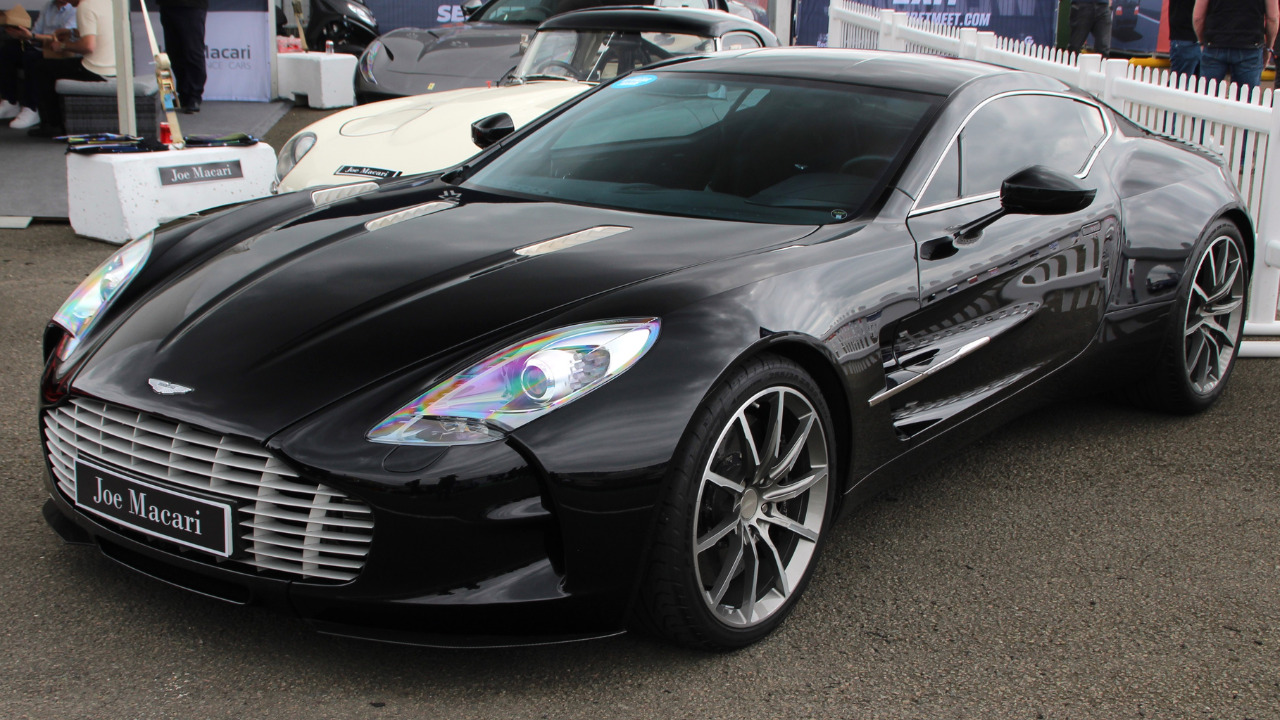
18. Aston Martin One-77 (2009–2012)

The One-77 represented Aston Martin at its most ambitious. Hand-built, bespoke, and deeply personal, it feels less produced and more commissioned.
Only 77 were built, each tailored to its original owner.
19. Ferrari LaFerrari (2013–2016)

LaFerrari represents Ferrari’s modern pinnacle — a bridge between old-school V12 drama and new-era technology.
With just 499 coupes produced, it’s the kind of car most people only ever encounter as a rumor, a photo, or a once-in-a-lifetime sighting.
Near Misses

These cars came up in our internal discussions, and we understand why — but they ultimately fall just outside our definition of forbidden fruit.
Lamborghini Countach
Iconic and influential, but produced in larger numbers and still regularly seen in collections and at events.
Shelby Cobra (Original)
Historically important, but the vast replica ecosystem softens the sense of distance this list focuses on.
Bugatti Veyron
A technical marvel, but heavy marketing and visibility make it feel familiar rather than elusive.
Honda / Acura NSX (First Generation)
A hero car — just not a unicorn.
Modern Hypercars (P1, 918, Chiron, Huayra)
Spectacular machines, but still part of the current cultural conversation. Forbidden fruit tends to ripen with time.
Why These Cars Will Always Feel Forbidden
Some cars are inaccessible by accident. Others are designed that way. Whether through limited production, cultural significance, or mechanical complexity, these machines exist beyond the reach of ordinary ownership.
Even if they never sit in your garage, they shape how enthusiasts think about cars — and that lingering presence is precisely why they’ll always feel just out of reach.