
Travel has never been more accessible, but easy access does not mean permanence. A growing number of famous destinations are under visible pressure from climate change, habitat loss, erosion, pollution, overtourism, and poor water management. None of that means these places will vanish overnight. It does mean that the version travelers see today may look very different a generation from now, and in some cases the damage is already obvious on the ground.
This list focuses on destinations where the warning signs are well documented by primary or expert sources, including UNESCO, NOAA, national park agencies, the World Bank, and other conservation bodies. The point is not panic or bucket-list melodrama. It is to show how environmental stress, policy choices, and visitor behavior shape real places in real time. Traveling well in these locations means treating them less like disposable backdrops and more like fragile systems that need discipline, funding, and respect to survive.
1. The Great Barrier Reef, Australia

The Great Barrier Reef is the world’s largest coral reef system and one of the planet’s most important marine ecosystems. UNESCO’s World Heritage profile and NOAA’s coral bleaching reporting make the current problem hard to ignore: ocean heat has already driven repeated bleaching events, and UNESCO has continued to warn about the effect of climate change on the reef’s long-term condition. This is still a staggering place to see, but it is no longer a site anyone can honestly describe as stable.
Heat stress is only part of the story. Runoff, water quality, coastal habitat loss, and fishing pressure all affect how well the reef can recover after bleaching. The best visits here tend to be the ones that slow down and explain the science rather than treating the reef like a quick snorkeling backdrop. Done well, a trip becomes less about ticking off a wonder and more about seeing what a globally important ecosystem looks like under pressure.
2. Venice, Italy

Venice still feels miraculous when you first see it, which is exactly why its fragility hits so hard. UNESCO’s Venice profile identifies high tides, flood protection, and tourism pressure as pressing management issues, while UNESCO’s broader climate and historic cities guidance notes how sea-level rise increasingly threatens coastal heritage. The city is not “gone,” but it is living with a constant combination of environmental exposure and visitor pressure that few famous places can match.
That tension shapes the experience. Venice remains extraordinary, yet it also works as a lesson in what happens when a delicate urban environment becomes globally consumable at industrial scale. Responsible travel matters more here than in most cities: staying longer, moving slower, avoiding peak crush periods, and treating Venice as a living place rather than an attraction help reduce the strain.
3. The Maldives

Few destinations make sea-level risk feel more immediate than the Maldives. A World Bank climate profile notes that more than 80% of the country’s land area is less than one meter above mean sea level, which helps explain why rising seas, coastal erosion, and saltwater intrusion are treated as existential concerns rather than distant scenarios. The country still looks like a postcard, but its physical margin for error is tiny.
Tourism adds another layer. Resorts help fund the economy, yet coastal development, dredging, and reef disruption can weaken the very systems that protect islands from wave energy and erosion. The smartest version of a Maldives trip is not just luxury with a conscience slogan pasted on top. It is understanding that this is one of the clearest real-world examples of climate vulnerability meeting development pressure head-on.
4. Glacier National Park, USA
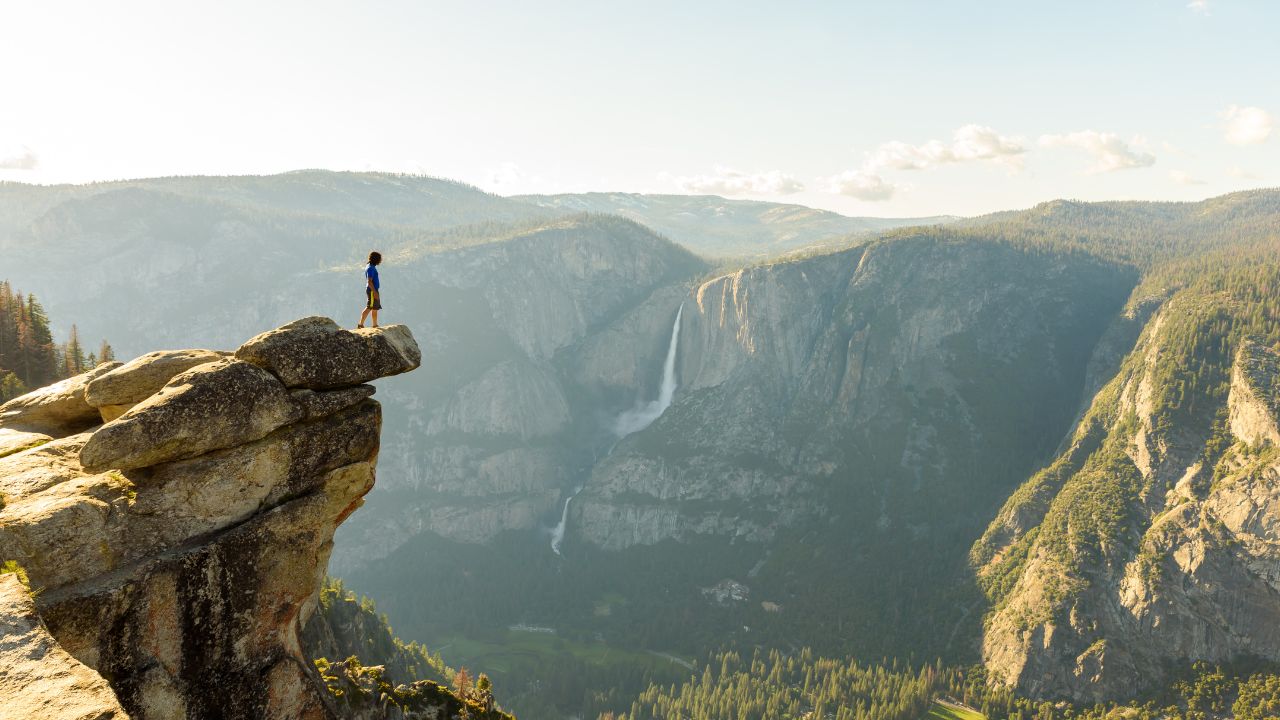
Glacier National Park has become one of the clearest U.S. examples of visible ice loss. The U.S. Geological Survey uses Glacier as a straightforward example of glacier retreat, and the National Park Service notes that the park’s glaciers still matter for irrigation, cold-water habitats, and recreation. That makes this more than a scenic change. It is a hydrology and ecosystem story happening in plain sight.
The old habit of turning Glacier into a countdown headline often oversimplified the science. The real point is stronger than the gimmick: the retreat is already measurable, ongoing, and consequential. Visiting now means seeing one of America’s most famous mountain landscapes while it is actively being reshaped by warming conditions.
5. Machu Picchu, Peru

Machu Picchu remains one of the world’s most extraordinary archaeological landscapes, but its fame is part of its preservation problem. UNESCO’s site profile describes tourism as a double-edged sword, bringing economic value while also creating cultural and ecological pressure that requires careful management. Peru’s official visitor site now reflects that management-heavy reality with controlled circuits, rules of conduct, and tightly structured access.
The threat here is not one single doomsday trigger. It is the cumulative effect of steep terrain, rain, erosion risk, and sustained visitor demand on a place that was never built for modern-volume tourism. That is why Machu Picchu works so well as a case study in heritage management: the site survives not because crowds are harmless, but because access has to be regulated aggressively to keep the damage from compounding.
6. The Amazon Rainforest

The Amazon matters because it stores enormous amounts of carbon, recycles moisture across South America, and contains an unmatched concentration of biodiversity. According to WWF, many scientists believe the forest is getting close to a tipping point beyond which it may no longer sustain itself in its current form. WWF also notes that deforestation in the region is already approaching the lower end of the threshold often discussed in tipping-point warnings.
That makes the Amazon different from a simple “go before it is gone” destination cliché. This is not one site but a giant living system being chipped away by deforestation, fire, mining, roads, and fragmented policy. Responsible visits to protected areas can still support conservation and local livelihoods, but the real lesson of the Amazon is scale: what happens here affects rainfall, biodiversity, and climate stability far beyond the forest itself.
7. The Dead Sea, Israel and Jordan
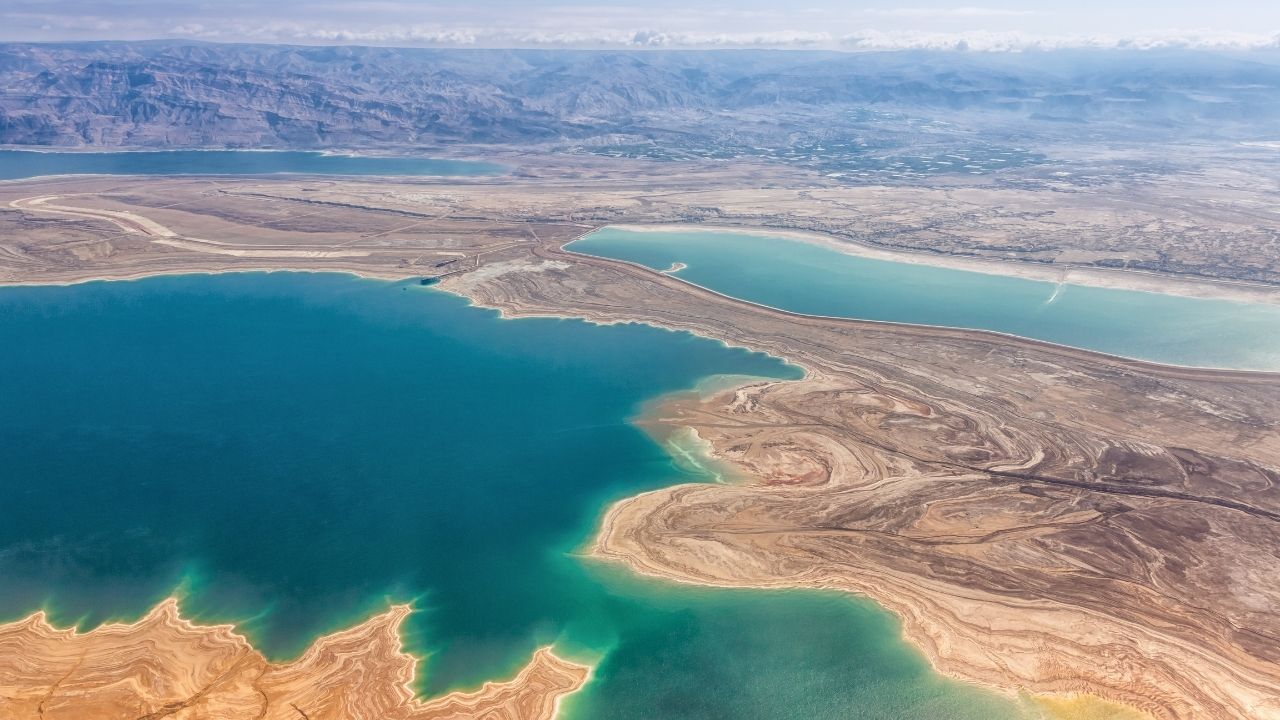
The Dead Sea still feels surreal in person, but its retreat is one of the region’s clearest environmental warning signs. Reduced inflow from the Jordan River and industrial extraction have helped drive a long-term drop in water levels, while research published in Scientific Reports shows how sinkhole hazards continue to spread along the receding shore. It is a place where the landscape itself makes the decline visible.
That visibility matters because the Dead Sea is not just a dramatic shoreline for spa tourism. It is a lesson in what long-term water diversion and resource extraction can do to a shared natural system. The shrinking shoreline, damaged access areas, and sinkhole risk are not abstract environmental themes here. They are part of the on-the-ground reality.
8. The Galápagos Islands, Ecuador

The Galápagos remain one of the most important places on Earth for understanding evolution, endemism, and ecological isolation. They are also tightly managed for a reason. UNESCO’s World Heritage page identifies invasive species, increased tourism, demographic growth, illegal fishing, and governance pressure as the main threats, and UNESCO’s 2025 conservation update says stronger planning is still needed to protect the archipelago’s biodiversity.
This is one of the rare places where strict rules are part of the appeal rather than a nuisance. Guided visits, controlled access, and biosecurity measures are not overkill. They are the reason the islands still function as a conservation success story instead of an ecological cautionary tale that arrived too late.
9. The Arctic Circle
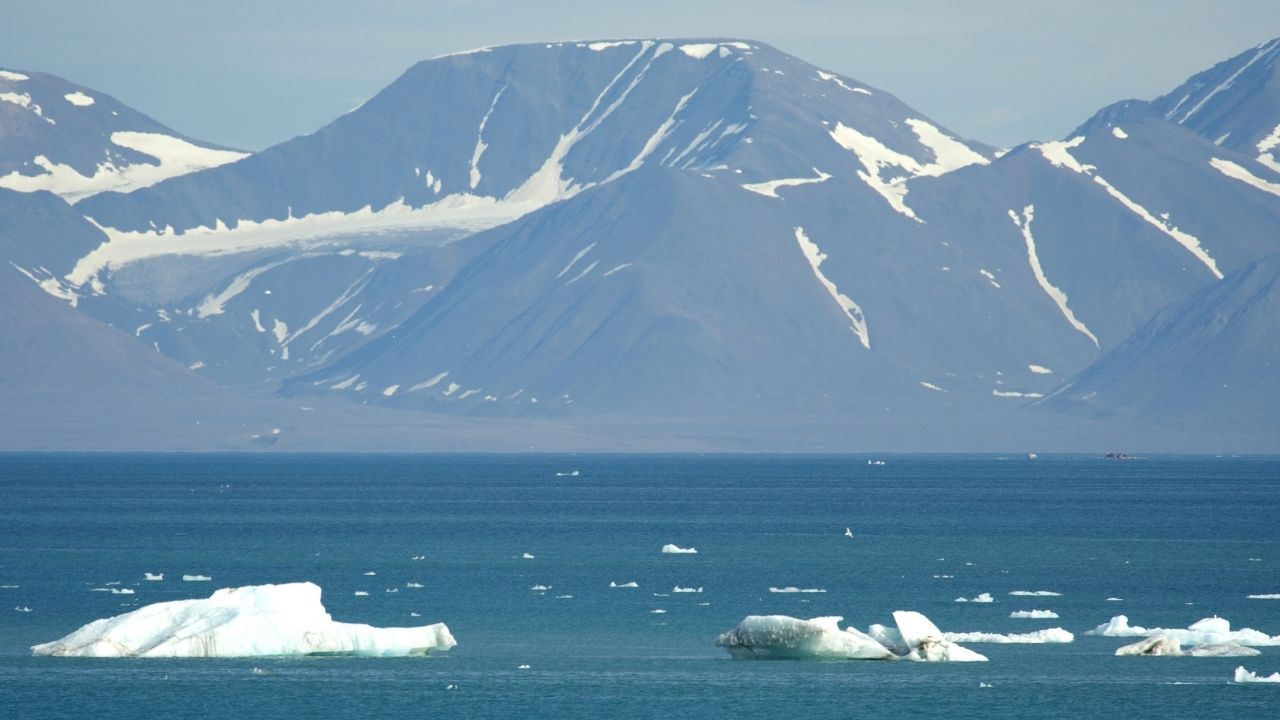
The Arctic is changing so quickly that it often feels less like a destination and more like a planetary dashboard. In NOAA’s 2025 Arctic Report Card, the agency says the oldest, thickest Arctic sea ice has declined by more than 95% since the 1980s. That is not a subtle shift. It is a structural change in one of Earth’s most climate-sensitive regions.
Travel here can be powerful, but it only makes sense when the focus is learning rather than consumption. Melting ice, warming waters, and changing habitats are not just local problems. What happens in the Arctic affects weather, sea level, and ecological stability far beyond the polar circle.
10. The Everglades, USA
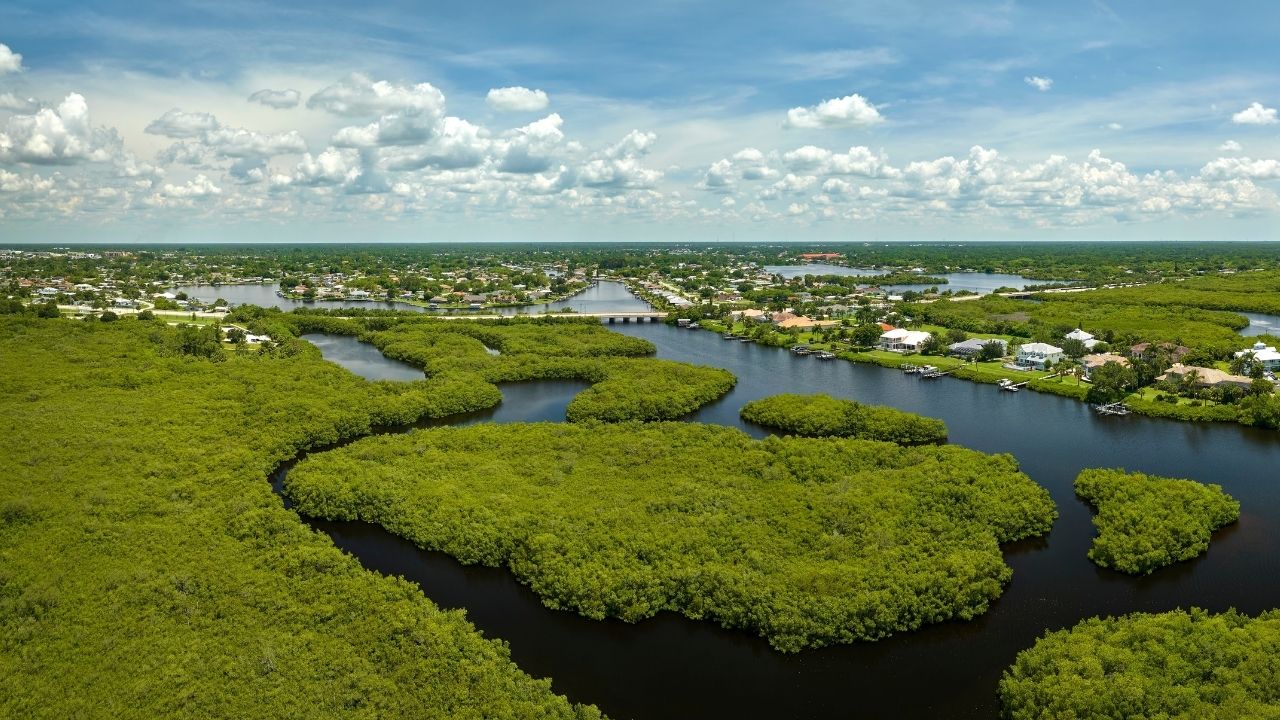
The Everglades are not just a Florida wilderness icon. They are one of the clearest U.S. examples of how water management, invasive species, and sea-level rise collide. The National Park Service warns that saltwater intrusion is already threatening sites within the park, and NPS also notes that invasive species continue to disrupt the park’s ecological balance.
That combination is what makes the Everglades so educational. Restoration here is not about returning to a pristine fantasy. It is about trying to hold together a working wetland system under enormous pressure. Visiting now means seeing both the beauty of the landscape and the scale of the engineering, science, and policy effort needed to keep it functioning.
11. Easter Island, Chile

Easter Island, or Rapa Nui, is one of those places where cultural symbolism and environmental exposure meet in a stark way. A UNESCO publication on World Heritage and tourism in a changing climate notes that many moai and ahu are directly exposed to coastal erosion and sea-level rise, while UNESCO’s more recent diagnosis of Rapa Nui heritage resources also highlighted serious damage to moai after the 2022 fires.
That mix of chronic and acute threat matters. Rapa Nui is not only vulnerable because it is isolated. It is vulnerable because its most famous cultural features sit in an exposed landscape where erosion, climate pressure, and destructive events can quickly become preservation crises.
12. The Sundarbans, India and Bangladesh
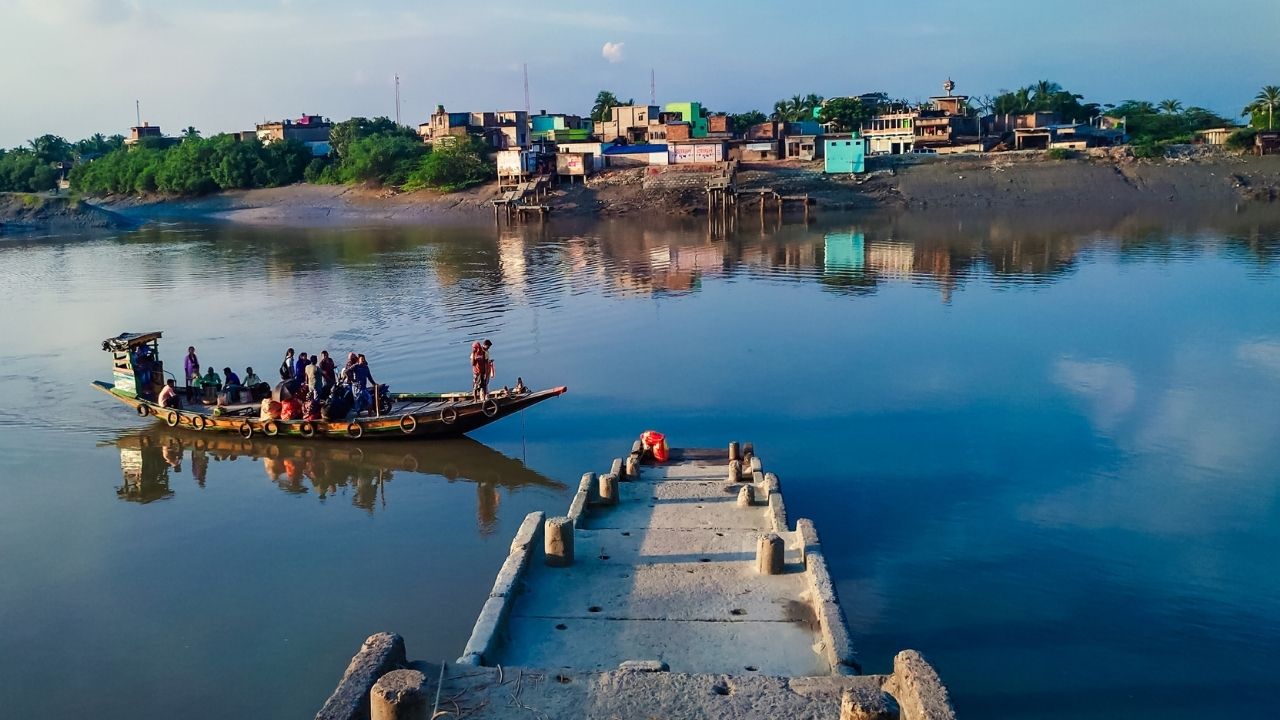
The Sundarbans are the world’s largest mangrove forest and one of the clearest examples of how ecosystems protect people as well as wildlife. UNESCO’s site profile highlights the area’s ecological uniqueness, while a recent Bangladesh conservation report shared through UNESCO points to sea-level rise, salinity intrusion, and more frequent cyclones as growing climate threats. That is a dangerous combination in a place where both biodiversity and livelihoods depend on the health of the mangroves.
The Sundarbans are often discussed in terms of tigers, but the deeper story is resilience. Mangroves soften storm impacts, support fisheries, and hold fragile coastlines together. When they weaken, both wildlife and human settlements lose one of their best natural defenses.
13. The Taj Mahal, India

The Taj Mahal does not face the same kind of environmental risk as a reef or wetland, but it does show how pollution can threaten an icon just as effectively. UNESCO’s site page notes that a large protected zone around the monument was created specifically to shield it from pollution, and it references India’s long-running legal controls in the Taj Trapezium Zone. That protection exists because the threat has been serious enough to require it.
The site remains magnificent, but its preservation has never been automatic. The Taj is a reminder that cultural landmarks are not protected simply because the world admires them. They survive because pollution, urban development, and surrounding industry are actively managed and kept in check.
14. Madagascar’s Rainforests
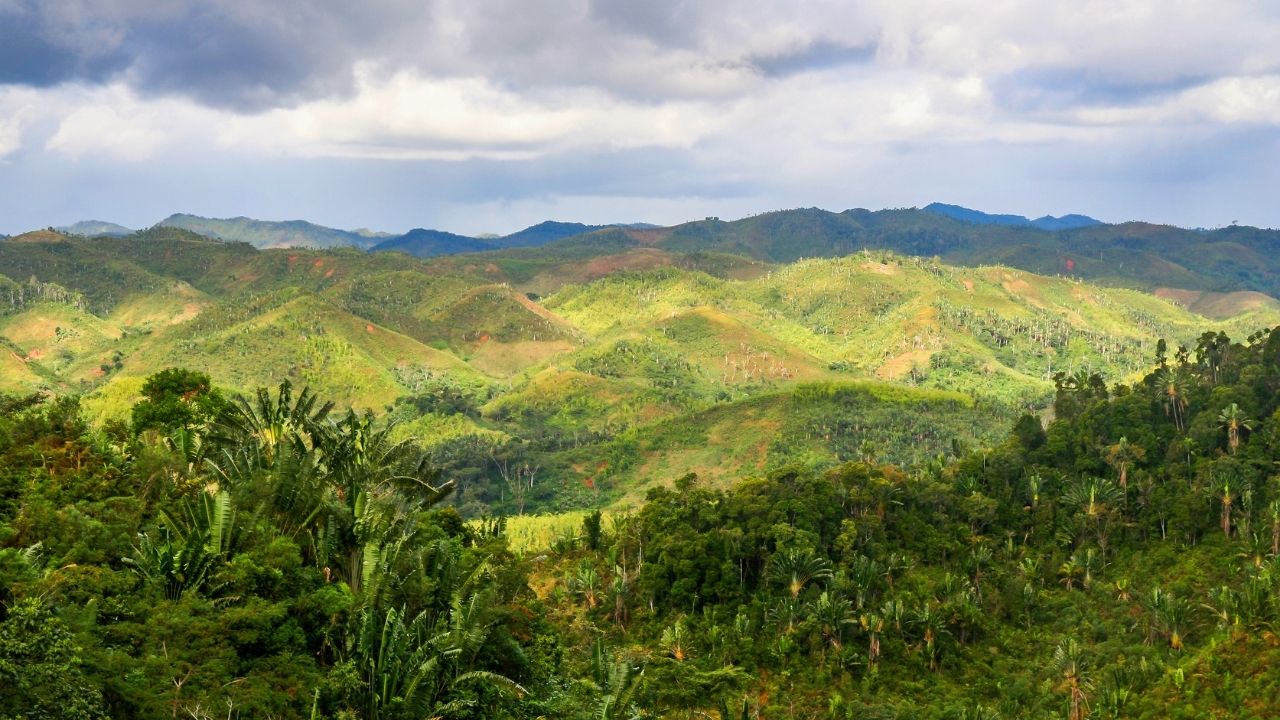
Madagascar’s rainforests are famous because so much of their life exists nowhere else. WWF notes the island’s extraordinary level of endemism, including all lemur species, while UNEP’s recent Madagascar climate-resilience work shows how environmental pressure is now tightly tied to livelihoods as well as biodiversity. In other words, habitat loss here is not just a wildlife story. It is also a human one.
That is why Madagascar keeps appearing on priority conservation lists. Deforestation, land conversion, and poverty pressures make protection unusually hard, yet the ecological value is too high to ignore. Visiting protected areas responsibly can help support the kind of community-based conservation that gives the forests a better chance.
15. Mount Kilimanjaro, Tanzania

Mount Kilimanjaro still delivers the visual drama people expect, but the ice at its summit has been shrinking for decades. A NASA report on tropical glacier loss says the glacier-covered area on Kilimanjaro decreased by nearly 75% between 1986 and 2019. That is the kind of change travelers can grasp immediately, even without a climate science background.
Kilimanjaro works as a symbol because the contrast is so striking: equatorial Africa, famous summit, disappearing ice. It is a reminder that climate change does not only rewrite remote polar landscapes. It also reshapes some of the world’s most recognizable mountains.
16. The Mekong Delta, Vietnam
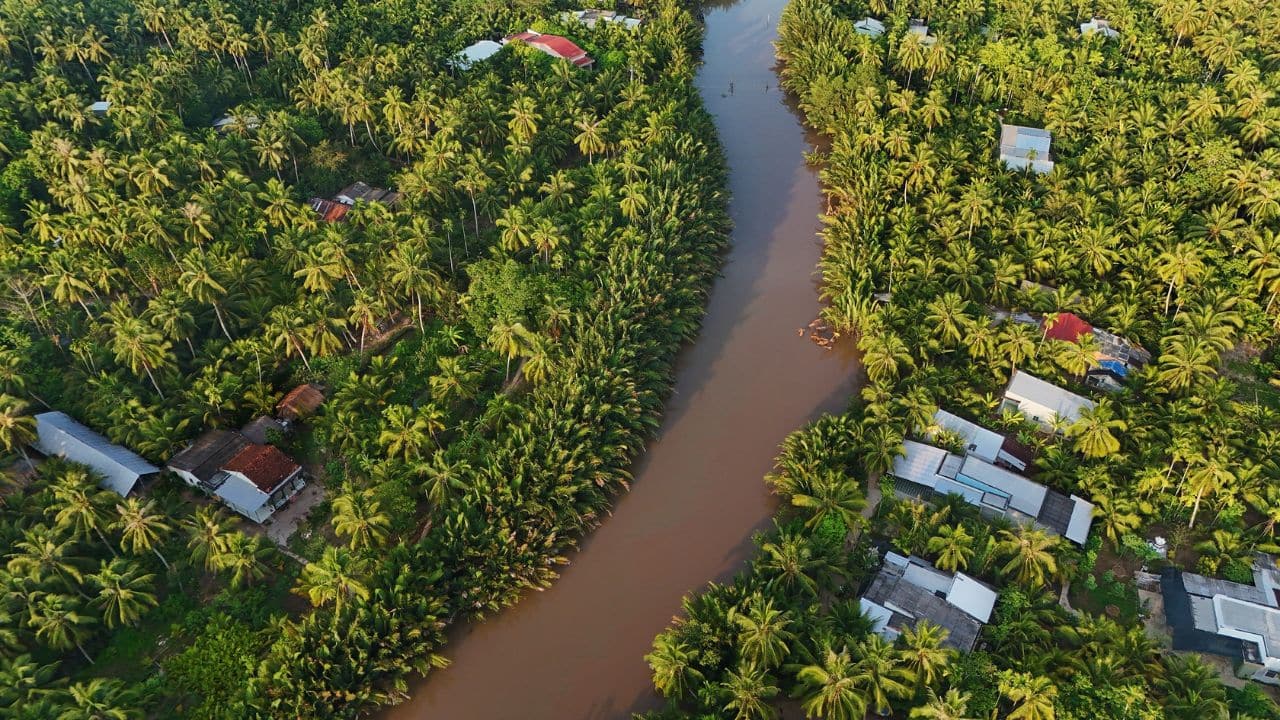
The Mekong Delta is one of Southeast Asia’s great agricultural landscapes, which is exactly why its vulnerability matters so much. The World Bank notes that saline intrusion and flooding in the delta are being worsened by sea-level rise and land subsidence. That puts pressure on freshwater, agriculture, infrastructure, and long-term settlement patterns all at once.
What makes the delta compelling for travelers is also what makes it fragile: it is a working landscape, not a museum. Boats, farms, canals, and villages all depend on a water balance that is becoming harder to maintain. A visit here can be beautiful, but it also makes the climate-and-food-security connection unusually concrete.
17. Tuvalu
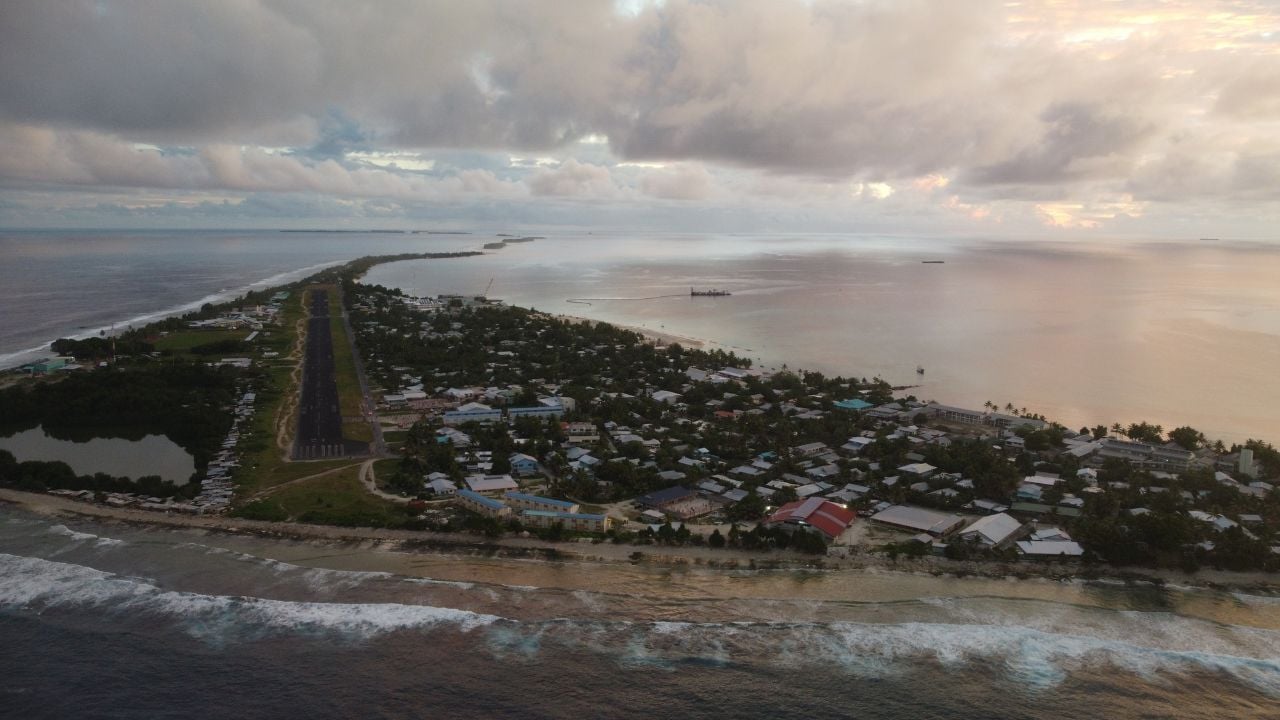
Tuvalu is one of the clearest examples of climate change becoming a sovereignty issue, not just an environmental one. In Reuters’ 2024 reporting, the country’s mean elevation is given as about two meters, with sea level already rising faster than the global average and NASA projections suggesting daily tides could submerge half of Funafuti by 2050. That is why Tuvalu is discussed in the same breath as migration, maritime rights, and statehood.
Seeing Tuvalu is not simply about seeing a pretty atoll before it changes. It is about understanding what climate exposure looks like for a small country with almost no room to retreat. Few places illustrate the human and political stakes of rising seas more clearly.