
While Instagram has popularized Europe’s most photogenic cities and landmarks, it has also pushed many destinations to the brink of overcrowding. Locals across the continent increasingly retreat to lesser-known towns and regions that offer beauty, culture, and authenticity without constant crowds or camera lenses. These places may not dominate social media feeds, but they deliver deeper, more meaningful travel experiences. Often, their appeal lies in everyday life rather than curated highlights.
From quiet coastal towns to inland cities rich with history, these destinations reward travelers who value atmosphere over algorithms. Locals protect them not out of secrecy, but out of love for their pace, traditions, and livability. Visitors who arrive with curiosity rather than expectations are often surprised by how much these places offer. Here are 15 European destinations locals quietly enjoy away from Instagram’s spotlight.
Kotor, Montenegro

Kotor sits within a dramatic bay framed by steep mountains, creating a natural setting that feels almost theatrical. The old town’s stone streets and medieval walls offer a sense of history without the overwhelming crowds found elsewhere on the Adriatic. Daily life unfolds slowly in small squares where locals gather rather than rush. The surrounding landscape dominates the experience, grounding the town in its natural environment. Kotor feels intimate, historic, and deeply connected to place.
Locals value Kotor for its balance between beauty and calm. Hiking trails above the city offer panoramic views without ticket booths or queues. Cafés serve as social spaces rather than tourist checkpoints. Seasonal rhythms dictate life more than visitor trends. Kotor remains visually stunning without being visually performative.
Gjirokastër, Albania
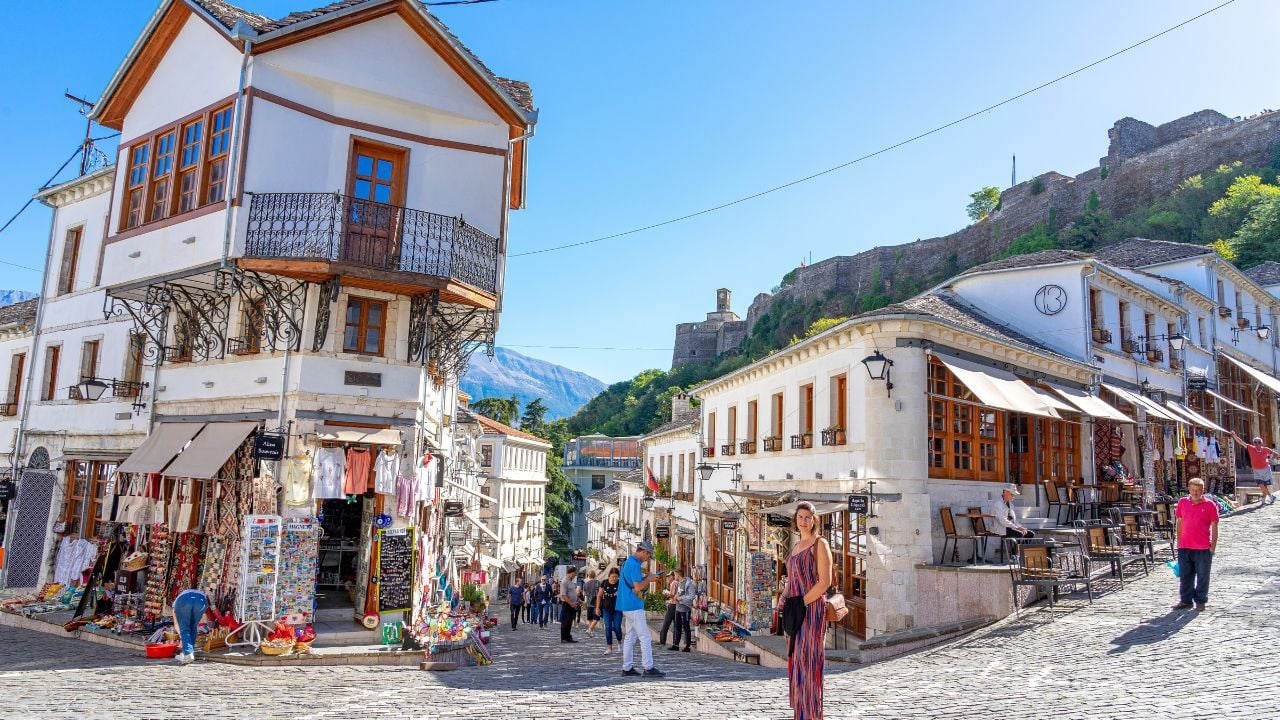
Gjirokastër is built almost entirely of stone, climbing a hillside beneath a fortress that dominates both the skyline and the city’s identity. Ottoman-era houses cascade down the slope, forming a cohesive architectural landscape that feels preserved through everyday use rather than restoration projects. Narrow streets follow the natural terrain, encouraging slow movement and observation rather than fast consumption. The city’s layout reinforces a strong sense of continuity between past and present. Gjirokastër feels shaped by history but lived in by real people.
Locals value the town’s calm rhythm and cultural self-sufficiency. Museums exist alongside family homes, blending heritage with routine life. Cafés function as neighborhood meeting points rather than tourist stops. Prices remain low enough to support long-term residents. Gjirokastër rewards travelers who appreciate depth, silence, and authenticity over spectacle.
Trogir, Croatia

Trogir occupies a compact island space where layers of Roman, medieval, and Renaissance history coexist within a walkable core. Stone buildings reflect light softly, creating a restrained beauty rather than dramatic contrast. Streets feel intimate and human-scaled, inviting exploration without pressure. The old town functions as a living neighborhood rather than a staged attraction. Trogir’s charm emerges through proximity and cohesion.
Residents value the balance between historic preservation and everyday functionality. Public squares serve as gathering places for locals throughout the day. The waterfront provides space for reflection rather than performance. Even during peak seasons, quieter corners remain accessible. Trogir offers beauty that integrates seamlessly into daily life.
Lecce, Italy

Lecce’s Baroque architecture transforms ordinary streets into richly detailed public spaces. The city’s distinctive limestone absorbs sunlight, creating a warm, unified visual identity throughout the historic center. Architectural ornamentation appears everywhere, from balconies to doorways, without needing formal entry points. Streets remain active yet unhurried, shaped by local routines. Lecce feels refined without being imposing.
Locals appreciate how beauty coexists with affordability and calm. Public squares act as extensions of daily life rather than tourist showcases. Churches remain open and welcoming, offering artistic richness without barriers. The city’s pace encourages lingering and conversation. Lecce proves that elegance can remain grounded and accessible.
León, Spain
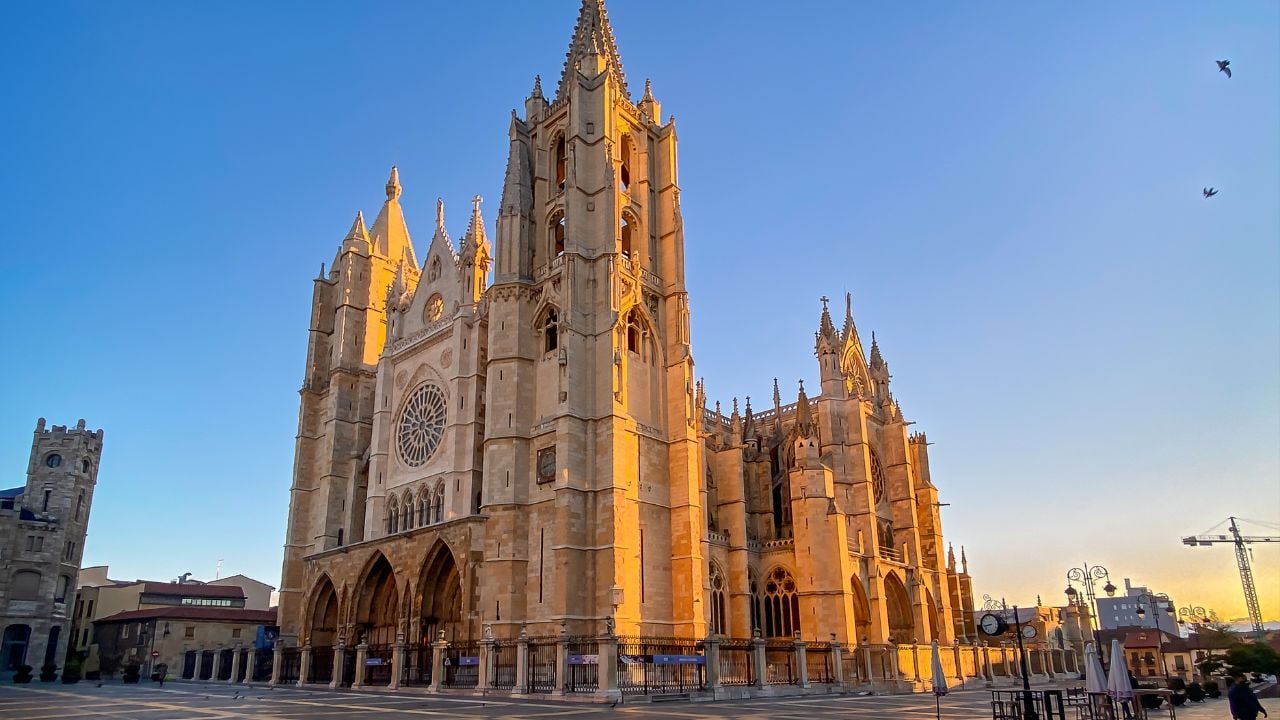
León is a city where layers of Roman, medieval, and modern history coexist openly in public spaces that locals use daily. Its historic streets are not frozen in time but actively lived in, allowing architecture to serve both function and beauty. The cathedral dominates the skyline while remaining part of everyday routines rather than a staged landmark. Public squares host conversation, movement, and rest throughout the day. León feels balanced, grounded, and quietly confident.
Locals value the city’s strong connection to tradition, particularly through food, festivals, and neighborhood culture. Tapas are part of daily social rituals rather than curated tourist experiences. Prices across dining and housing remain accessible, reinforcing long-term livability. Cultural events reflect regional identity instead of global trends. León offers authenticity through continuity rather than visibility.
České Budějovice, Czech Republic
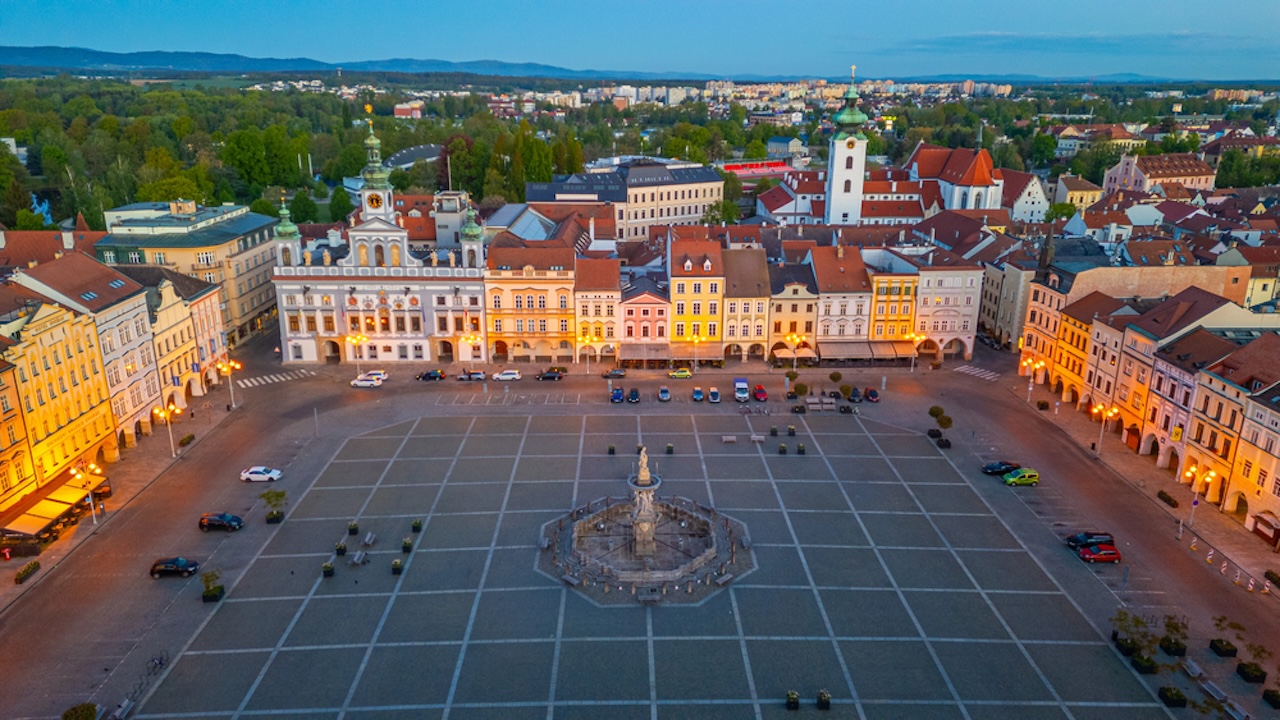
České Budějovice offers grand historic squares, riverbanks, and architectural harmony without the density of tourism found in larger Czech cities. The city’s layout encourages slow exploration, with open streets and walkable distances. Baroque and Renaissance influences remain visible without overwhelming daily life. Public spaces feel functional rather than performative. The city presents history as part of routine rather than spectacle.
Residents prioritize stability, affordability, and community presence over tourism growth. Cafés and beer halls primarily serve locals, preserving a sense of normalcy. Public spaces function as gathering points rather than photo backdrops. Cultural life unfolds quietly through seasonal events. České Budějovice rewards travelers who appreciate subtlety and rhythm.
Mostar, Bosnia and Herzegovina
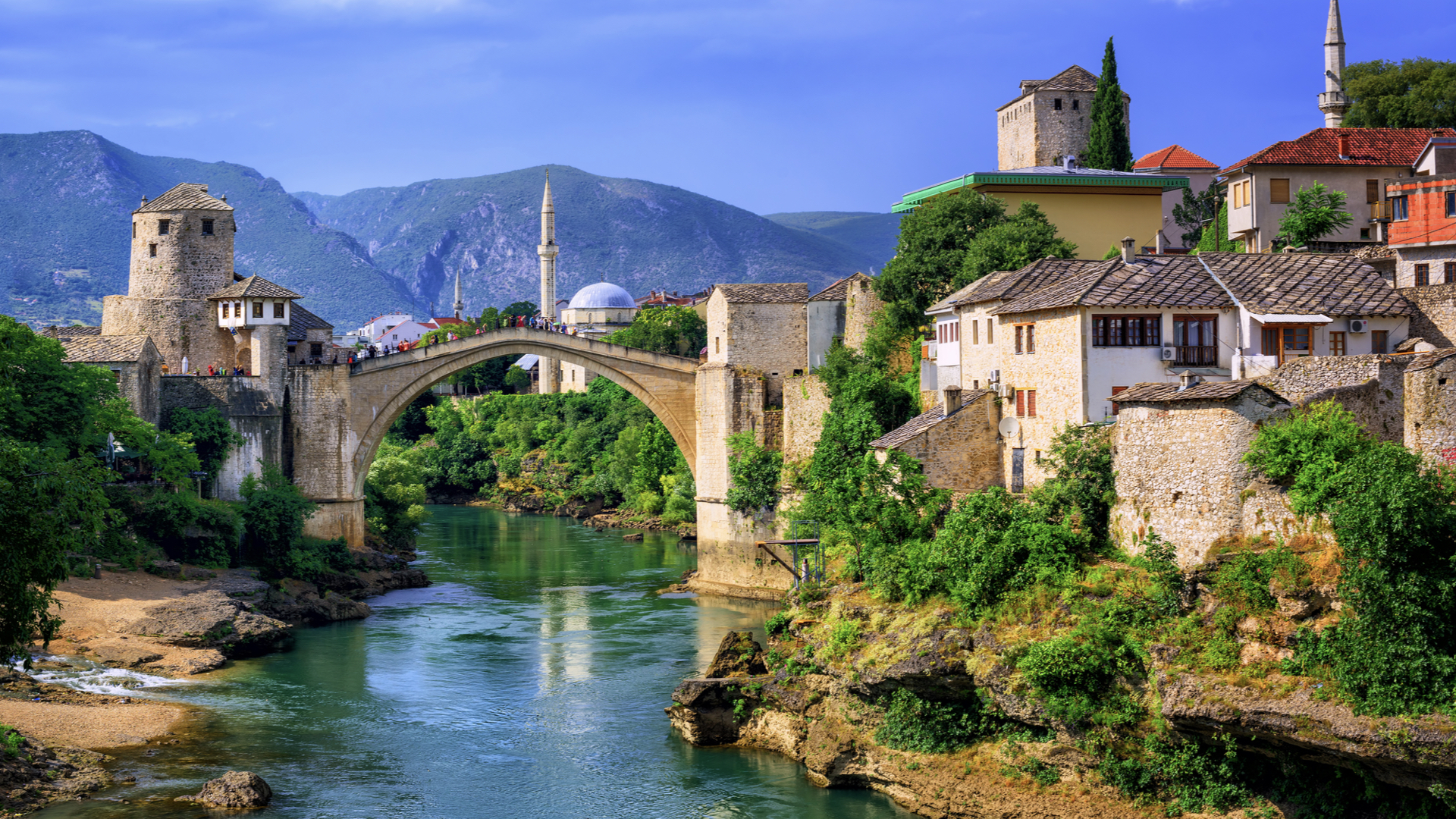
Mostar is shaped by its river, stone architecture, and the iconic bridge that anchors both geography and identity. The old town reflects centuries of cultural blending, visible in architecture and daily routines. Streets feel emotionally charged yet grounded in ordinary life. The city’s layout encourages reflection rather than consumption. Mostar carries history without turning it into spectacle.
Locals value resilience, continuity, and shared space. Markets and cafés support neighborhood life rather than tourism trends. Public areas invite conversation and pause. Cultural memory remains present but not curated. Mostar offers depth that cannot be condensed into images.
Setúbal, Portugal
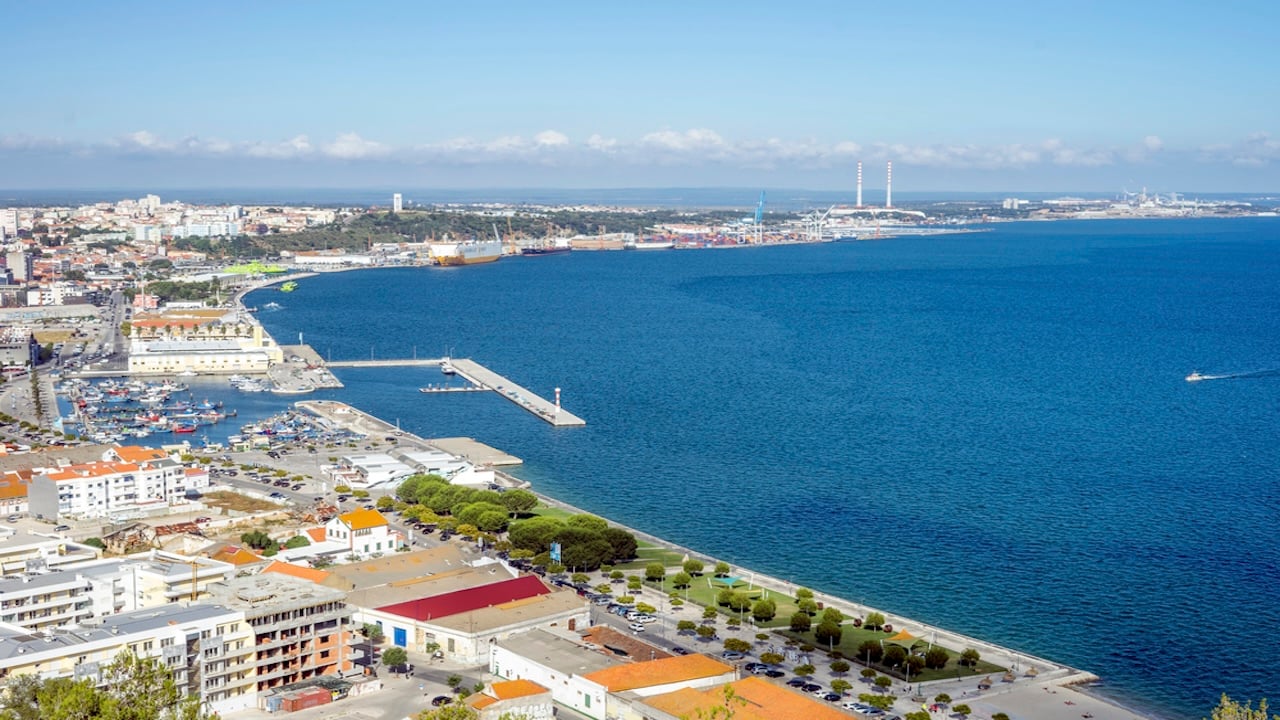
Setúbal exists at the intersection of sea, mountains, and working urban life, creating a landscape shaped by purpose rather than presentation. The harbor defines daily rhythm, reinforcing authenticity. Streets reflect function and routine. Markets anchor the community with color and movement. Setúbal feels grounded and practical.
Residents enjoy access to nature without inflated costs. Nearby beaches remain quieter and less commercialized. Dining emphasizes regional tradition and freshness. Public life revolves around routine rather than tourism. Setúbal values substance over performance.
Aarhus, Denmark
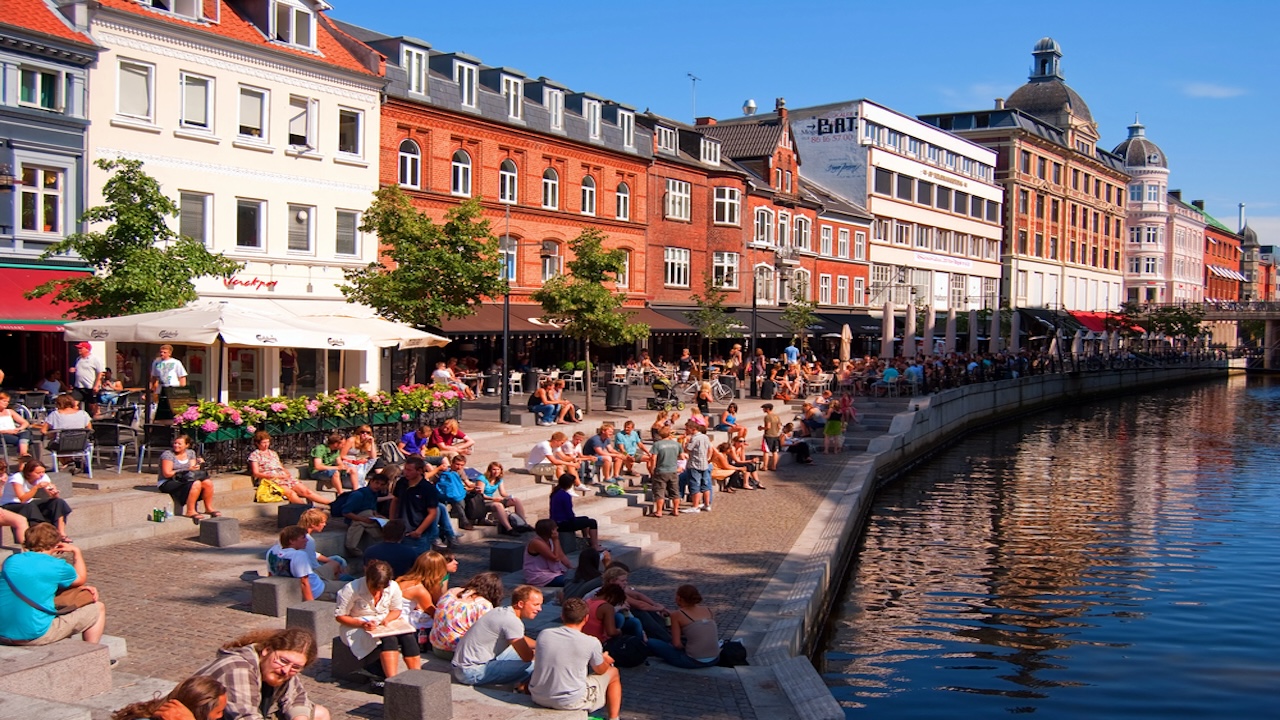
Aarhus is a city where contemporary design, historical layers, and everyday livability intersect in public spaces that remain open and genuinely used by locals. Rather than presenting itself as a polished showcase, the city integrates architecture into daily routines, allowing streets, squares, and waterfront areas to function naturally. Green spaces are woven directly into the urban fabric, creating visual breathing room and reinforcing a close relationship between city life and nature. The scale of Aarhus ensures that movement through the city feels intentional rather than overwhelming. Aarhus projects a sense of calm confidence rooted in functionality rather than display.
Locals value Aarhus for its balance between cultural richness and practical living, where museums, libraries, and performance spaces coexist with ordinary neighborhood life. Walkability and public transportation support daily routines without relying on spectacle or tourism-driven infrastructure. Cafés and social spaces prioritize conversation and community over image-making. Cultural institutions remain accessible, reinforcing the idea that art and education belong to everyone. Aarhus demonstrates that restraint, coherence, and thoughtful urban design can create a deeply satisfying place to live and visit.
Colmar, France

Colmar presents a carefully preserved urban landscape where canals, half-timbered houses, and narrow streets form a cohesive historic environment rather than a staged attraction. The town’s architectural harmony is immediately visible, yet it remains grounded in everyday residential life rather than performance for visitors. Streets are scaled for walking and observation, encouraging slow movement and sustained attention to detail. Seasonal changes subtly reshape the atmosphere, altering light, color, and rhythm without disrupting daily routines. Colmar feels intentional, orderly, and deeply rooted in continuity.
Locals value Colmar for its ability to balance preservation with livability, ensuring that beauty supports life instead of replacing it. Cafés, bakeries, and markets primarily serve residents, reinforcing a sense of normalcy even in visually striking surroundings. Public spaces remain shared and functional, not dominated by tourism flows. Cultural traditions unfold naturally through seasons rather than scheduled spectacles. Colmar demonstrates that visual charm can coexist with restraint and everyday purpose.
Ptuj, Slovenia
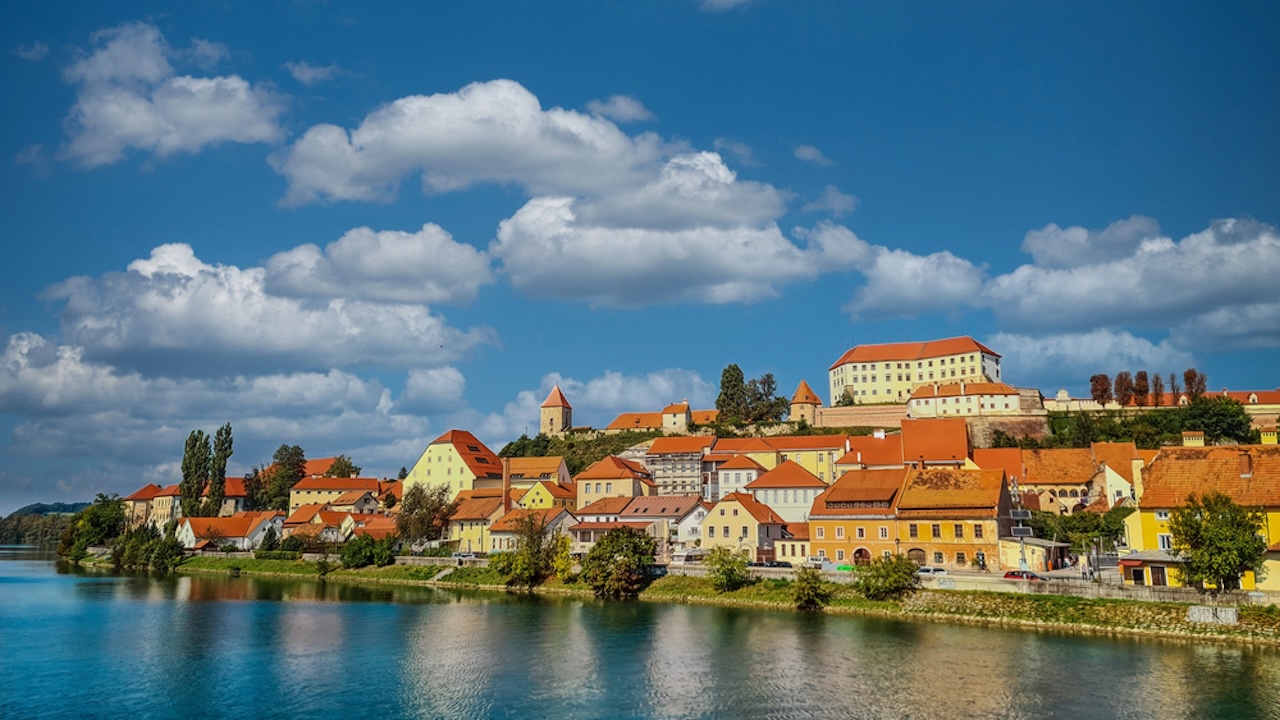
Ptuj is shaped by Roman foundations and medieval development that remain clearly visible within its compact historic core. The town’s layout emphasizes continuity, with streets and buildings reflecting centuries of gradual adaptation rather than abrupt change. Architecture blends seamlessly into daily life, allowing history to exist without constant explanation. The surrounding landscape adds scale and calm, reinforcing Ptuj’s grounded atmosphere. Ptuj feels anchored in time without feeling static.
Residents value tradition, stability, and community connection over expansion or reinvention. Festivals and cultural events reflect local heritage rather than external trends. Daily life moves at a measured pace, shaped by routine rather than demand. Tourism remains secondary to residential needs and rhythms. Ptuj rewards patience, attentiveness, and respect for place.
Lugo, Spain
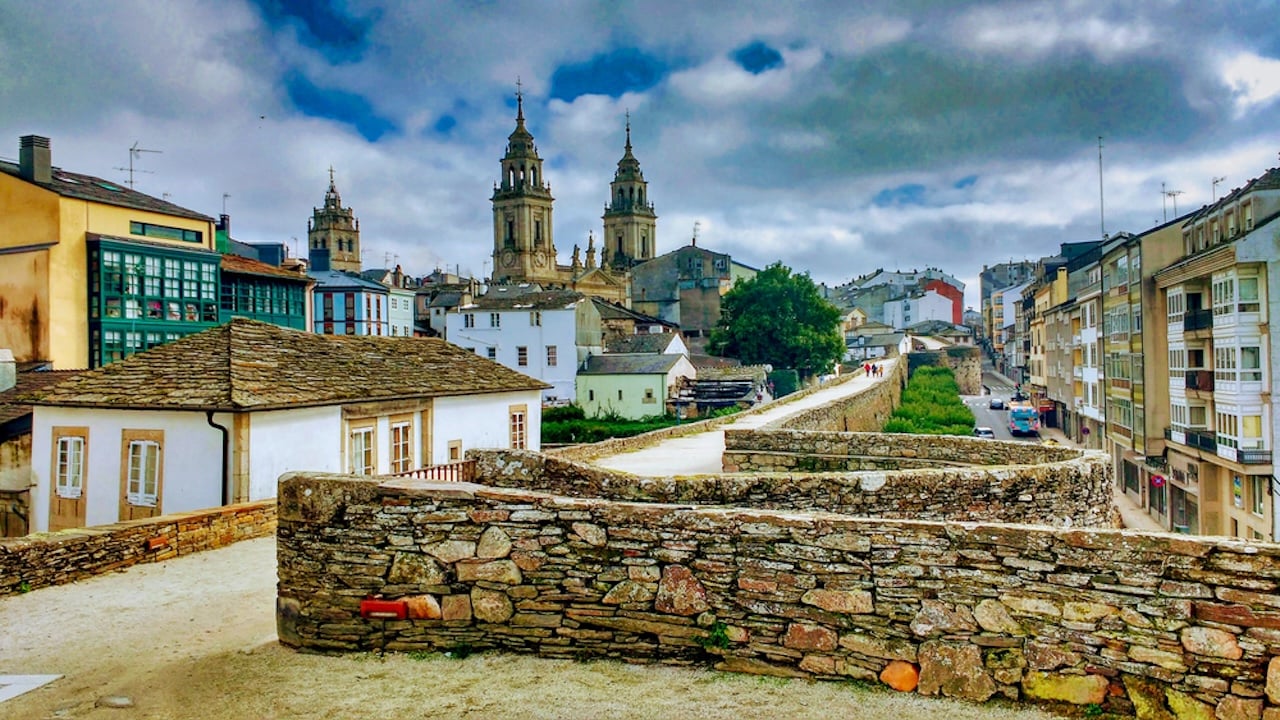
Lugo is defined by its intact Roman walls, which encircle the city as a public walkway integrated into everyday movement. History here is not separated from modern life but actively shapes how people navigate the city. Streets within the walls feel human-scaled and purposeful, supporting both residence and commerce. The city’s design prioritizes function while quietly showcasing its historical depth. Lugo feels modest yet remarkably complete.
Locals appreciate the city’s affordability, accessibility, and strong sense of community. Public spaces remain genuinely communal rather than symbolic. Food culture emphasizes tradition and regional continuity over innovation for visibility. Life unfolds without urgency or spectacle. Lugo demonstrates how historical significance can coexist with contemporary livability.
Sighișoara, Romania

Sighișoara’s medieval citadel remains a living town, where historic buildings continue to house residents rather than exhibits. Colorful façades and winding streets create a cohesive environment shaped by long-term habitation. The town’s layout encourages exploration through curiosity rather than direction. Architecture feels preserved through use, not restoration alone. Sighișoara maintains authenticity through continuity.
Locals carry out daily routines within the historic core, reinforcing the town’s lived-in character. Public spaces function as neighborhood meeting points rather than tourist nodes. Commercial activity remains modest and locally oriented. Tourism exists without dominating rhythm or identity. Sighișoara offers closeness between past and present.
Korçë, Albania
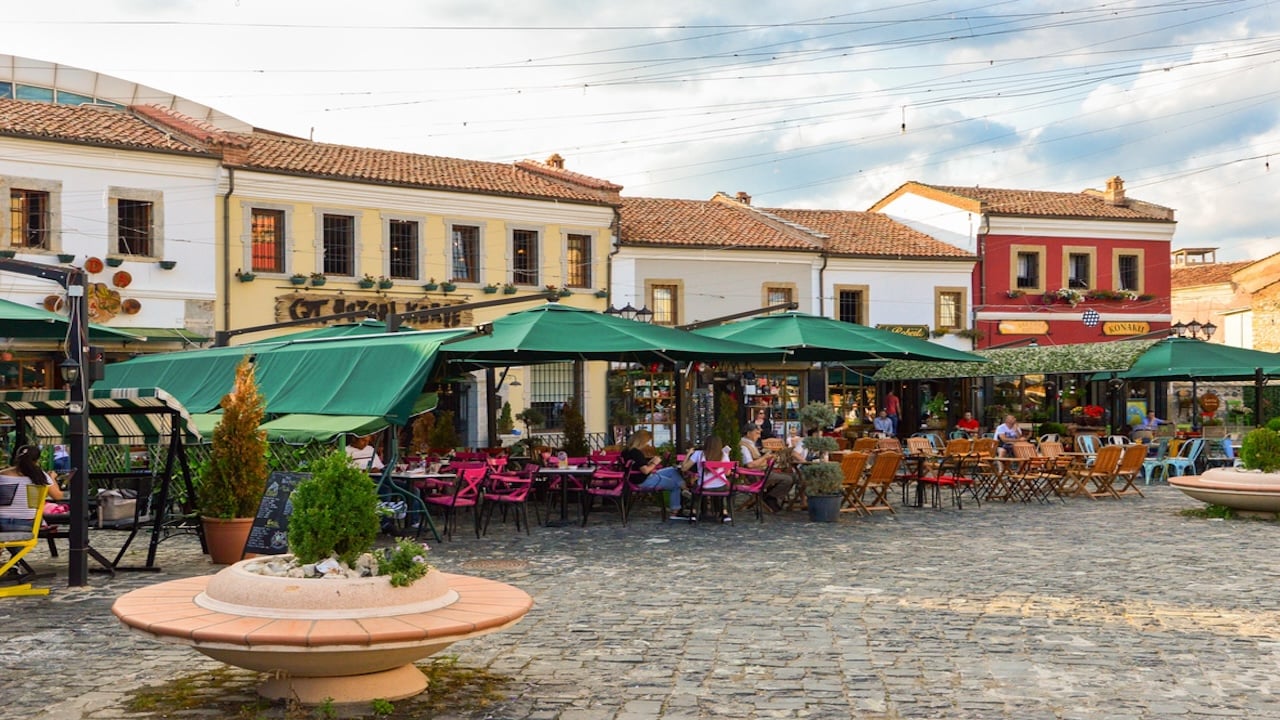
Korçë combines architectural elegance with a strong sense of civic order, visible in its broad boulevards and well-defined public spaces. European influences shape the city’s appearance without erasing local character. Streets feel intentional and balanced, supporting both movement and gathering. Cafés anchor social life as everyday institutions rather than attractions. Korçë feels composed and self-assured.
Residents value cultural continuity expressed through music, art, and shared public life. Events reflect local identity rather than visitor demand. Public spaces feel inclusive and well-used. Tourism integrates gently into existing rhythms. Korçë demonstrates how confidence and restraint can define urban beauty.
Viseu, Portugal
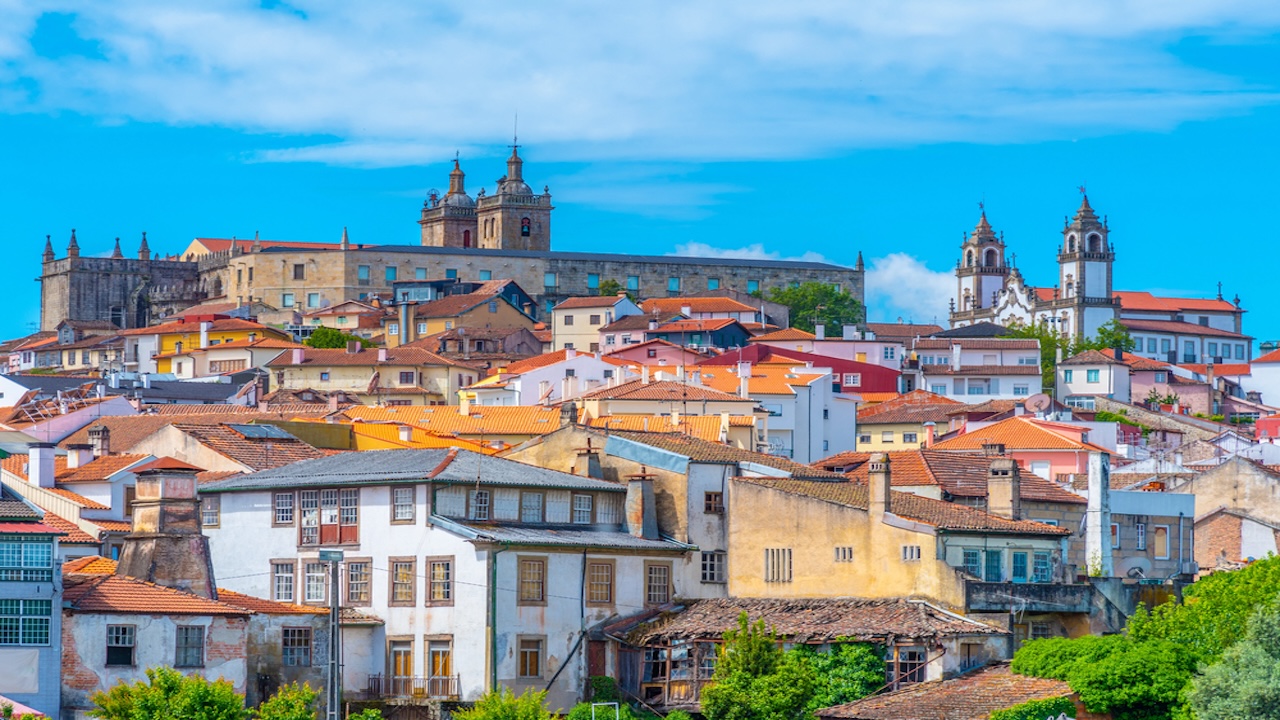
Viseu blends historic structure with modern livability, creating an environment where continuity guides development. Streets remain calm and residential, encouraging long-term habitation rather than short-term consumption. Architecture emphasizes coherence over monumentality, reinforcing a sense of stability. Public spaces feel purposeful and integrated into daily routines. Viseu feels grounded and intentional.
Locals appreciate the city’s affordability, social cohesion, and measured pace. Cultural life remains accessible and community-focused. Daily interactions prioritize familiarity and continuity. Growth does not disrupt identity. Viseu values substance, balance, and long-term sustainability.