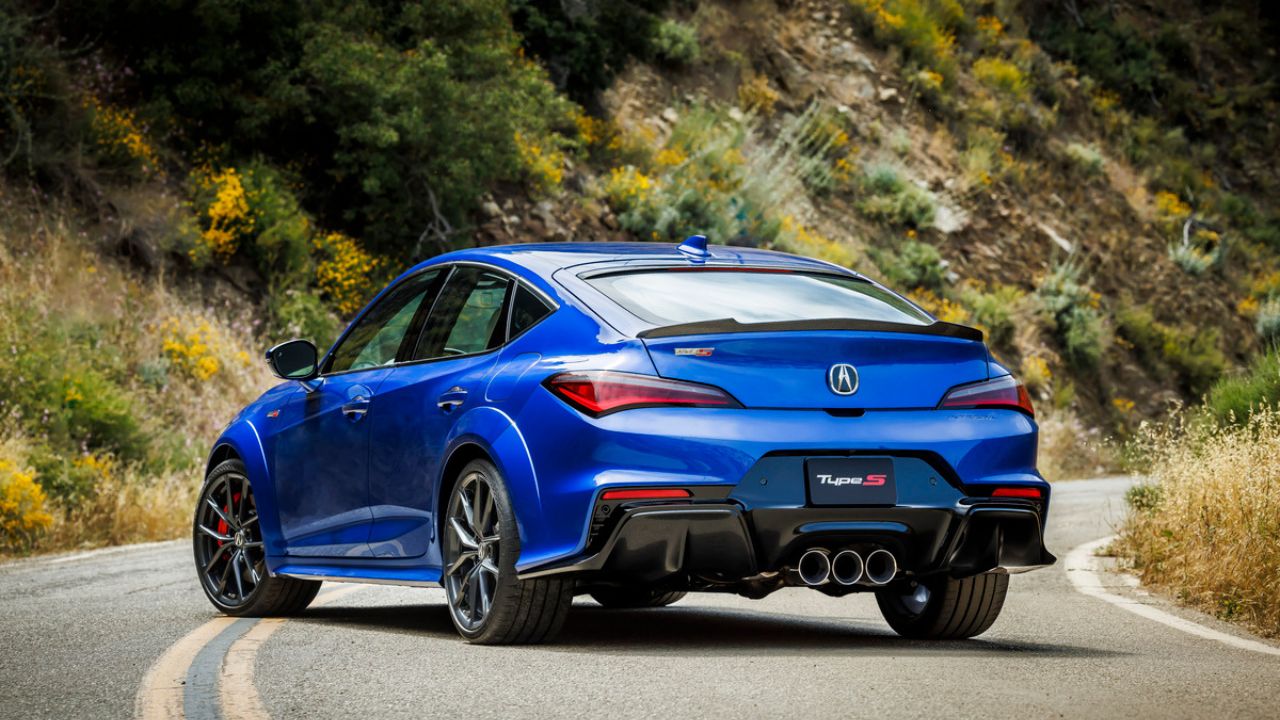
We’ve never believed cars exist to be preserved for the next owner. They’re meant to be driven, used, and enjoyed.
They also make terrible investments.
Few things are sadder than a performance car sitting untouched in a garage because someone thinks it might someday become the next L88 Corvette. The truth is far less exciting: most mass-produced cars will never meaningfully appreciate, even when ordered in rare combinations.
And no, being a “one-of-one” paint-and-option combination on a mass-produced car doesn’t make it collectible.
Sorry to the guys at car shows with laminated placards explaining their car is the only purple example ordered on a Tuesday with yellow wheels. That doesn’t make it collectible. It makes it specific. If you want returns, buy an index fund. If you want happiness, drive the car.
That said, car people can’t help themselves. Even knowing that speculation rarely works, it’s still fun to ask a different question—not which cars will make money, but which modern cars already feel like cult classics from the moment you drive them.
Not because they’re rare. Not because they’ll appreciate. But because they have personality, charm, and a sense of purpose that feels increasingly uncommon.
With that in mind, here are modern cars that feel like future cult classics—whether or not the market ever agrees.
Porsche Boxster and Cayman (981 & 718 Generations)

These are the Porsches people debated while they were new.
The Boxster and Cayman were never questioned for how well they drove—only for where they sat in Porsche’s hierarchy. For years, they were treated as “lesser” Porsches simply because they weren’t 911s, even though many enthusiasts quietly acknowledged that, in some ways, they were the better balanced cars.
That tension is exactly what gives them future cult potential.
The mid-engine layout delivers clarity and confidence that feels increasingly rare as modern performance cars grow heavier and more filtered. The 981 generation’s naturally aspirated flat-six models already have a loyal following, while the 718 generation, which introduced turbocharged four-cylinder engines and later brought back naturally aspirated six-cylinders in select models (like the GTS 4.0, GT4, and Spyder), represents a more complicated but still important chapter in Porsche’s evolution.
They weren’t rare when new—and that’s part of the point. These were real drivers’ cars, sold in meaningful numbers, used daily, and often overlooked. That combination has aged very well historically.
Honda Civic Type R (FK8 & FL5)

The Civic Type R exists because Honda still knows how to obsess.
Front-wheel drive performance cars shouldn’t work like this, yet the Type R consistently delivers composure, feedback, and real speed. The FK8 surprised skeptics with just how capable it was, while the FL5 refined the formula without dulling the edge.
Manual availability matters here, but it’s not the whole story. What gives the Type R cult appeal is its clarity of purpose—everything about it feels intentional rather than compromised.
That kind of focus earns loyalty, and loyalty is what turns good cars into lasting favorites.
Dodge Challenger and Charger Hellcat, Redeye, and Demon
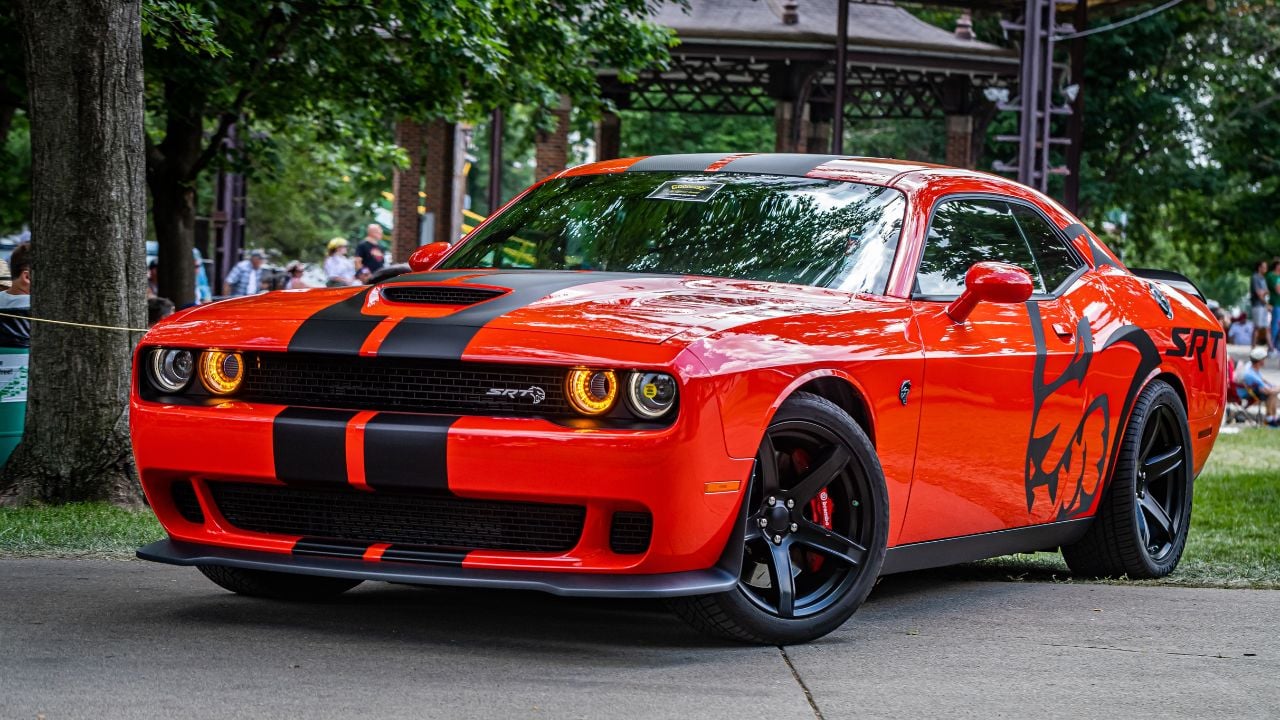
These cars feel like cult classics the moment you start them.
Dodge didn’t chase efficiency or subtlety. It chased excess—supercharged V8 power in everyday body styles, built with no apology and no concern for trends. That level of commitment leaves a mark, even on people who would never own one.
They represent the closing chapter of a very specific American performance mindset, where the answer was always more engine. Cars like this don’t quietly disappear from memory.
Chevrolet Corvette C8 Z06

The Z06 feels like a car that shouldn’t exist anymore.
A naturally aspirated, flat-plane-crank 5.5-liter LT6 V8 with an 8,600-RPM redline is a defiant choice in today’s automotive landscape. Add genuine track capability and dramatic design, and you get a car built around emotion rather than restraint.
Regardless of what happens to values, the C8 Z06 will always be remembered as a moment when Chevrolet ignored trends and built something extraordinary anyway.
Toyota GR Supra (A90)
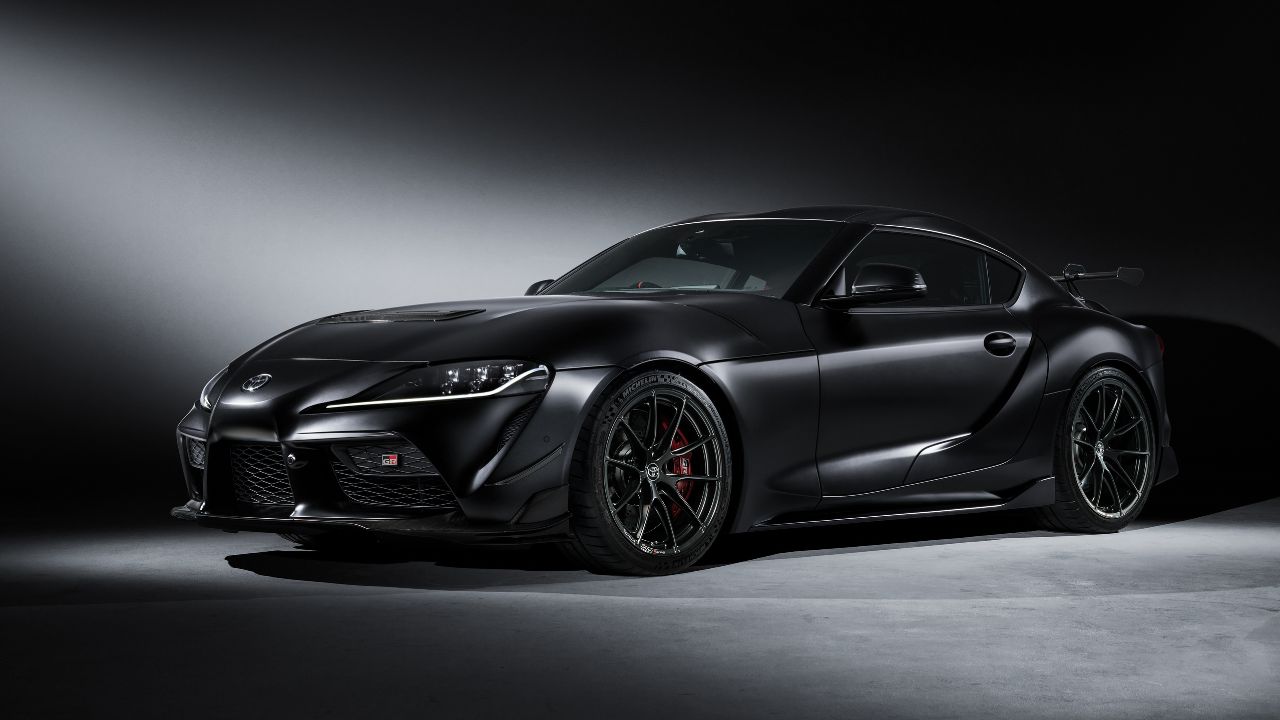
I’ll probably catch some flak for this pick—but this is one I can genuinely see becoming a cult classic.
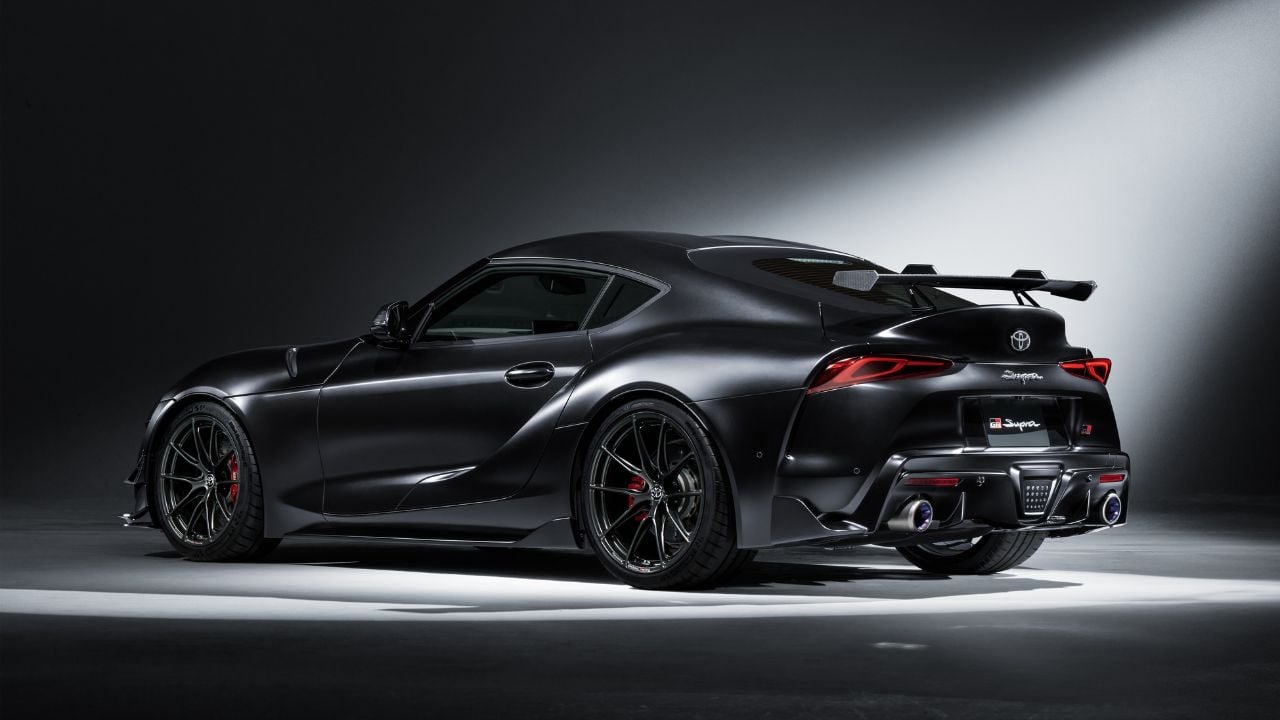
The modern Supra is a very good sports car. It’s quick, well-balanced, and rewarding to drive. The problem has never been the car itself. In many ways, it’s been held back by its name.
For a generation that came of age idolizing the Mk4 Supra through movies, video games, and internet mythology, the A90 was never going to be the retro revival some people wanted. It doesn’t look like the old car. It doesn’t sound like the old car. And it doesn’t try to recreate that moment.
That disappointment has overshadowed what the A90 actually is: a thoughtfully engineered sports car with real performance credibility. Over time, that disconnect may end up working in its favor. Once expectations reset and the nostalgia lens fades, the car can be judged on its own merits rather than what it isn’t.
That’s often how cult classics form—not through instant acceptance, but through reevaluation. The Supra doesn’t need to become the car people imagined. It just needs time to be appreciated for what it is.
BMW M2 CS and M2 Competition

Compact, aggressive BMWs built around driver engagement are becoming increasingly rare.
The M2 CS, in particular, feels like one of the last BMWs produced before weight, complexity, and brand positioning softened the formula. Manual or automatic, the appeal comes from its focus and immediacy rather than refinement.
It isn’t perfect—but it’s memorable, and memorability is the foundation of cult status.
Lotus Emira V6
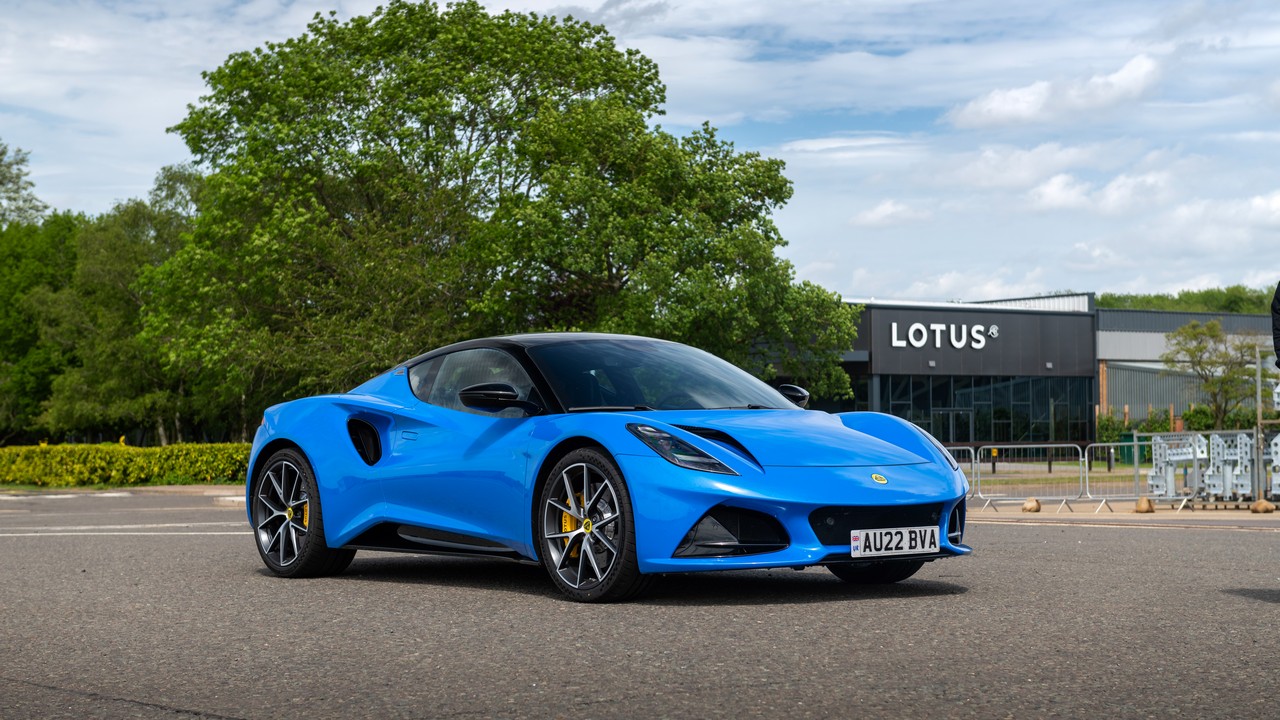
Choosing a Lotus almost feels a bit heavy-handed. The brand already has a built-in cult following, so it’s easy to assume any modern Lotus will automatically be remembered fondly. Still, the Emira feels like a car that will gain more fans over time, not fewer.
When it launched, the Emira was priced close to competitors with stronger on-paper performance, like the C8 Corvette or certain Porsche models, for buyers cross-shopping spec sheets, which made it a tough sell. Lotus has never won those comparisons, and the Emira was no exception. Where the Emira separates itself is in how it looks and feels. It delivers genuinely supercar-level design that competitors don’t quite match. Park one next to most cars in its price range, and it instantly feels special, even standing still.
Longer term, depreciation is likely to help rather than hurt its reputation. As prices settle, the Emira becomes the kind of car that starts appearing on “affordable exotic” or “modern classic” lists—not because it was the fastest, but because it offers something distinct.
Equally important, the Emira benefits from a Toyota-sourced supercharged 3.5-liter V6 and a Mercedes-AMG–sourced turbocharged four-cylinder option, addressing one of the biggest concerns that historically held back cars like the Lotus Esprit. Better reliability and manageable ownership costs make it easier for enthusiasts actually to live with the car, not just admire it.
That combination—dramatic design, improved ownership reality, and a sense that it was misunderstood when new—is exactly how cult favorites are born.
Mazda MX-5 Miata ND

Every time we mention the Miata, there’s a small part of us that smirks—like the Idiocracy line: “I’m the Secretary of State, brought to you by Carl’s Jr.”
No, Mazda doesn’t pay us every time we say “Miata.” (It does feel like they should by now.)
But there’s a reason the Miata keeps coming up, and it has nothing to do with memes or repetition. It simply delivers what enthusiasts consistently crave: light weight, balance, approachability, and a driving experience that feels honest rather than engineered to impress on paper.
The ND generation might be the clearest expression of that idea yet. It’s compact, responsive, and engaging without requiring high horsepower or exotic materials. Manual or automatic, the core appeal remains the same—it’s about connection.
Including the Miata almost feels too obvious, but leaving it out would feel wrong. Some cars become cult classics through rarity or controversy. The Miata does it by being relentlessly, unapologetically good at its job.
And sometimes, that’s the hardest thing to replace.
Nissan GT-R Nismo (R35)
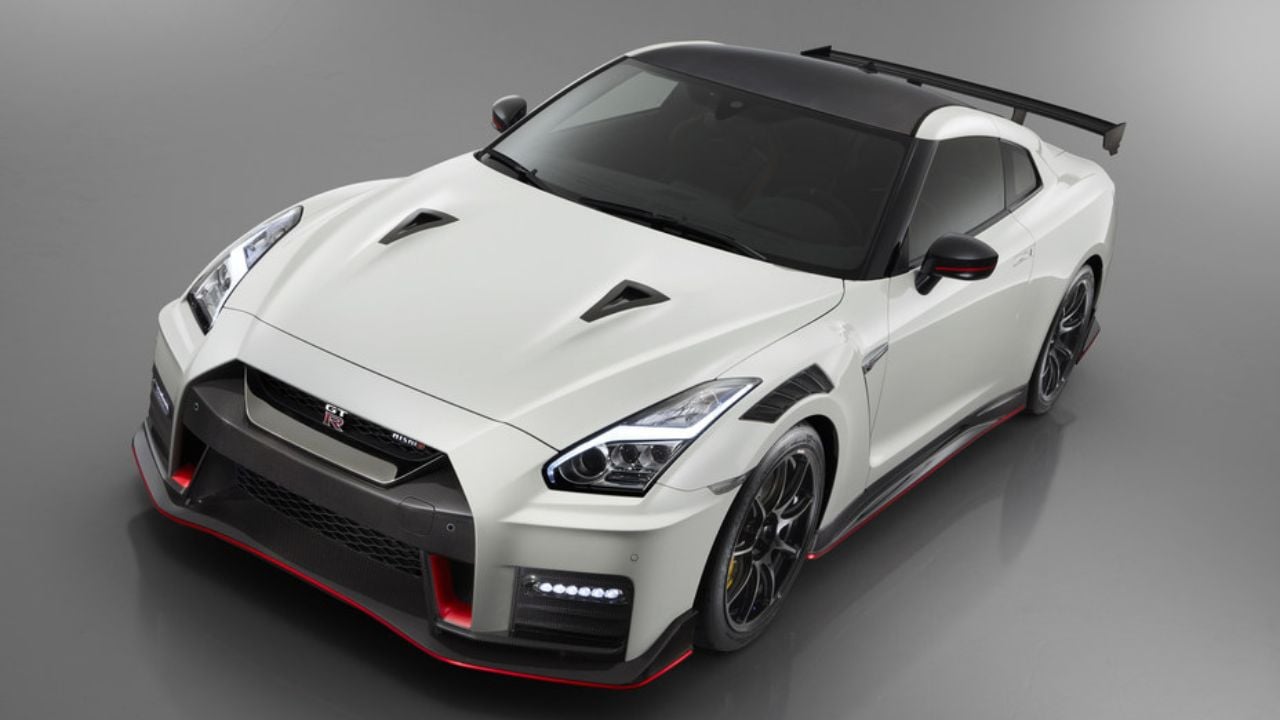
The GT-R Nismo represents the endpoint of a long-running idea—especially now that the R35’s production run has officially ended.
Relentlessly engineered, unapologetically complex, and obsessed with performance above all else, it pushed the GT-R formula as far as it could go. That intensity makes it polarizing—but unforgettable.
Cars that commit this fully tend to leave a mark.
Acura Integra Type S
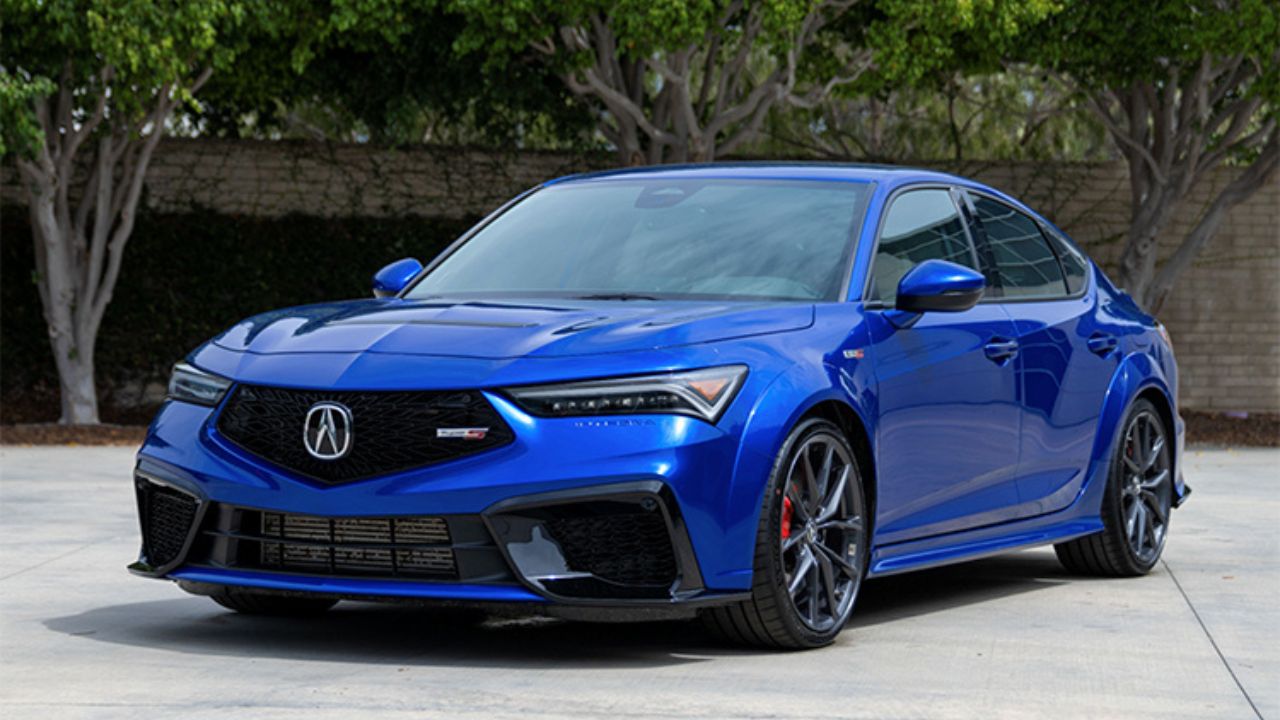
The Integra Type S feels like Acura remembering who it used to be.
Quick, well-balanced, and tuned with real intent, it stands out in a segment that’s steadily disappearing. Manual availability adds appeal, but the real draw is how cohesive the package feels. That honesty tends to age well.
Toyota GR Corolla

The GR Corolla exists because Toyota decided to build something purely for enthusiasts—and then actually followed through.
All-wheel drive, a turbocharged three-cylinder engine, and a chassis tuned for real engagement give it an identity that stands apart from typical hot hatches. Manual availability—and the later addition of an available 8-speed automatic for the 2025 model year—expand its reach without changing what makes it special.
Wide bodywork, aggressive cooling, and a drivetrain designed to reward commitment give it an increasingly rare homologation-era feel. That kind of origin story tends to stick.
Honorable Mention: Chevrolet Corvette C6 Z06

The C6 Z06 is a bit older than most cars on this list, but it still feels modern in all the ways that matter.
Its naturally aspirated 7.0-liter LS7 V8 delivers performance that remains relevant today and represents something that no longer exists: a high-revving American V8 built without forced induction or electrification. It’s not a future cult classic. It already is one.
What Actually Creates a Cult Classic
To me, a cult classic is a car that earns a devoted following because a small group of enthusiasts connects with it in a way the broader market—or even the enthusiast community at the time—did not.
Some were overlooked when new. Others were commercial successes but still dismissed by enthusiasts for one reason or another—too mass-market, too mainstream, or accused of selling out the brand’s identity.
A good example is the original Porsche 986 Boxster. It was a commercial success and played a major role in Porsche’s survival in the late 1990s, yet for years parts of the enthusiast world looked down on it as “not a real Porsche” or merely a stepping stone to a 911. Over time, that perception shifted. Drivers began to appreciate its mid-engine balance, steering feel, and purity—qualities that mattered more behind the wheel than in online debates.
That delayed appreciation is how cult classics form.
Drive your cars. Use them. Enjoy them.
If one of these turns out to be special in hindsight, great. If not, at least you didn’t miss the point waiting for permission.