While you’re out there dropping six figures on a McLaren that’ll depreciate faster than your dating prospects, let me tell you about some real cars. These pre-1930 legends were built (by hand) during a time where beauty and functionality worked together to get drivers down the road (at like 35 miles per hour) in a magnificent blend of steel, wood, and brass. Back then, cars didn’t need 47 different driving modes, heated cup holders, or a subscription service to unlock your heated seats (looking at you, BMW). They needed one thing: a bold vision, and these machines had it in spades.
Today, car collectors are not drawn to these vintage cars for their speed, performance, or prestige. They want them for the history. These stunning old-timers are like time machines, transporting us back to a time that’s hard even to imagine today — one with barely any roads (and traffic). Despite their age and lack of features, these cars are timeless. Any car enthusiast would appreciate these vintage cars, as they paved the way for the commuters, supercars, and EVs we drive today.
How We Picked These Rolling Legends
Picking these rolling pieces of history wasn’t just about grabbing the shiniest museum pieces or whatever Jay Leno’s hoarding this week. It’s tough because all vehicles created before the 1930s have an important place in automotive history and a distinct style. But we chose vintage cars that have collectors drooling, historians talking, and auctions selling.
These aren’t just expensive dust collectors — they’re the cars that defined what it meant to go fast (for the time), look good, and make your neighbors question their life choices. We looked for innovation, racing pedigree, cultural impact, and that indefinable quality that makes you want to sell a kidney just to sit behind the wheel.
Rolls-Royce Silver Ghost
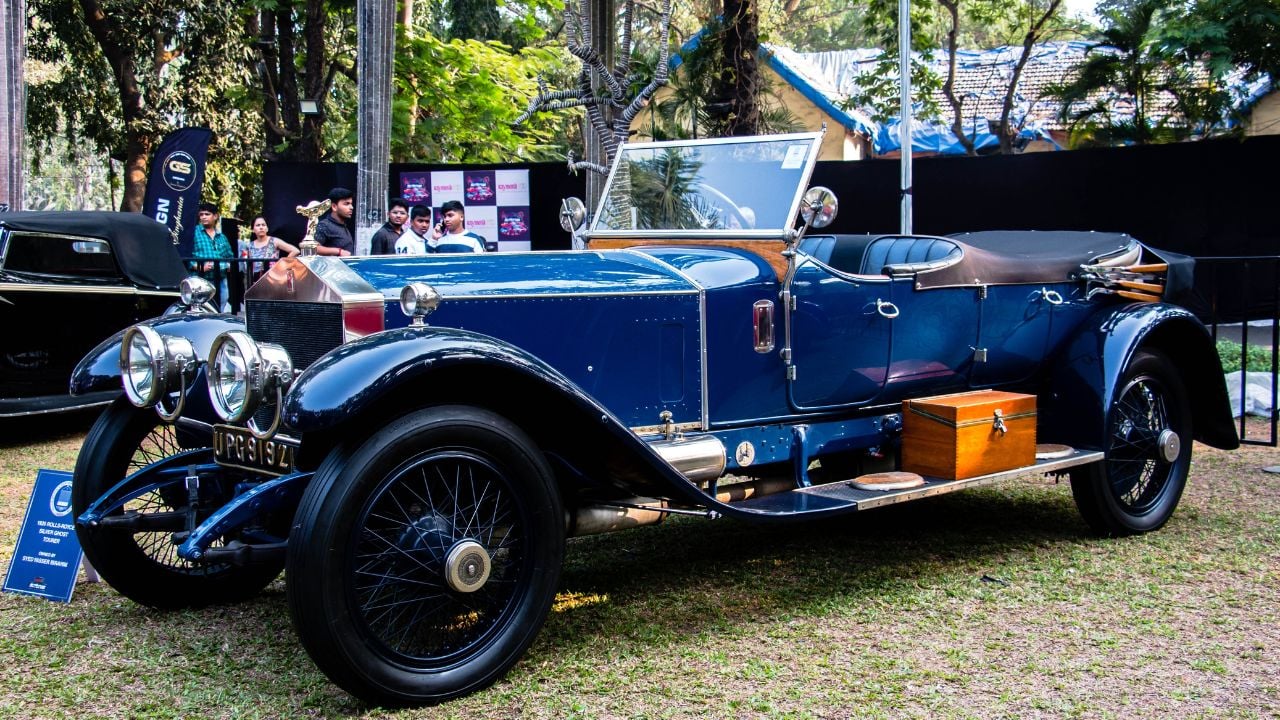
The Silver Ghost was a rolling middle finger to anyone who thought automobiles were just horseless carriages. While Ford was busy making cars for the masses, Rolls-Royce said “screw that” and built vehicles for people who had servants to start their engines — their 7.0L inline-six engines that produced 48 hp.
The famous Spirit of Ecstasy hood ornament was initially called “The Whisperer” because it was said that nobody could hear you coming. This thing was so quiet that Rolls-Royce marketed it as “The Best Car in the World.” And you know what? They weren’t lying. One Silver Ghost drove 15,000 miles from London to Edinburgh and back — twice — without a single mechanical failure. Try that with your Tesla; see if all those touchscreens help you.
The hand-built aluminum body panels were smoother than a used car salesman’s pitch, and the interior featured leather so fine it probably came from cows that got weekly massages. Collectors today will spend $500,000+ for a decent example, which sounds expensive until you realize it’s still cheaper than a new Bentley that’ll break down outside the warranty period.
Duesenberg Model J
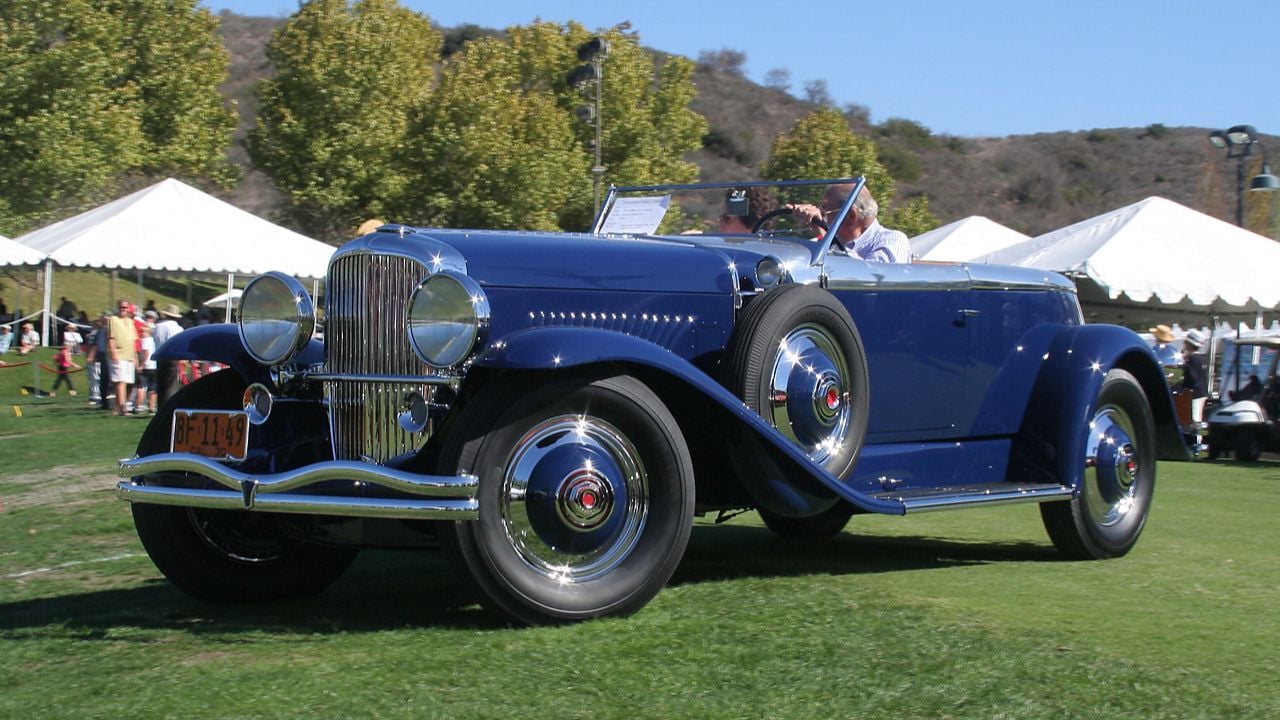
If the Silver Ghost was British refinement, the Duesenberg Model J was American excess with a Harvard education. This was the car Gary Cooper drove, the car that made Al Capone jealous, and the reason Europeans had to admit Americans could build something other than tractors. Duesenberg invented the phrase “It’s a Duesy!” which means even their marketing department knew they were showing off.
At $17,000 in 1929 (equivalent to $250,000+ in today’s dollars), the Model J cost more than most people’s houses. But for that money, you got a supercharged straight-eight that could hit 116 mph when the speed limit was probably 25 mph and cops rode horses.
On top of that, the craftsmanship was exceptional — each car took six months to build, and the bodies came from coachbuilders who treated metalwork with the same skill and finesse as Michelangelo treated marble. The dashboard had more gauges than a nuclear power plant, because apparently, rich people in the ’20s needed to know their engine’s oil pressure at all times. All of this couldn’t keep Duesenberg on the road. Who would have thought that a car that costs more than most homes back then wouldn’t sell during the Great Depression?!
Bugatti Type 35
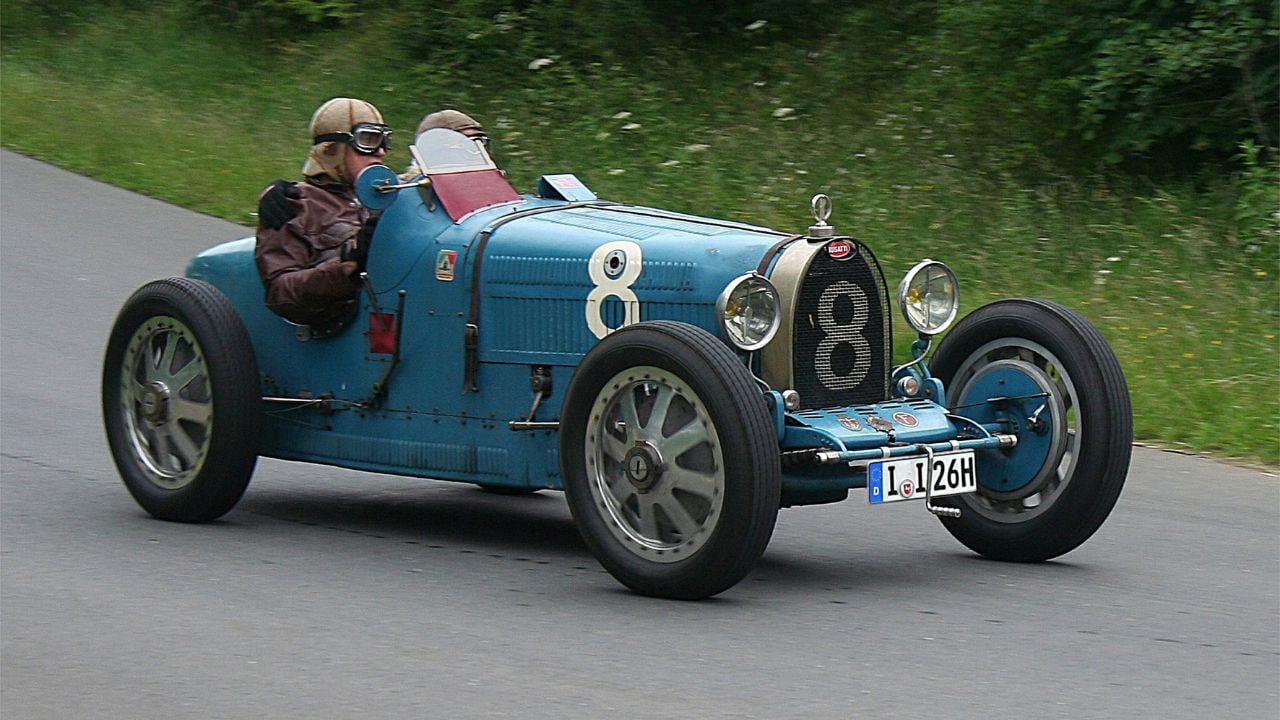
The Stats That Matter: 2.0L straight-eight, 130hp, 1,100 lbs (lighter than a Smart car), over 1,000 race wins.
While other manufacturers were building cars for Sunday drives, Ettore Bugatti was building missiles with wheels. The Type 35 didn’t just dominate racing — it made other cars look like they were standing still while towing trailers. The 2.0L straight-eight engine produced 130 hp, propelling the 1,100-pound car to win countless races.
This thing won everything: Grand Prix races, hill climbs, endurance races, and probably a few street races that definitely didn’t happen, officer. Between 1925 and 1927, Type 35s won over 350 races. That’s not a typo — they literally couldn’t lose.
The engineering was revolutionary: cast aluminum wheels (when everyone else was still using wire), a roller-bearing crankshaft, and handling so precise you could thread a needle while taking a corner. The iconic horseshoe grille became the face of European racing, and that distinctive exhaust note could be heard from the next county.
Original Type 35s now sell for $1-3 million, which is either a bargain for a piece of racing history or completely insane for something with drum brakes and no power steering. You decide.
Mercedes-Benz SSK
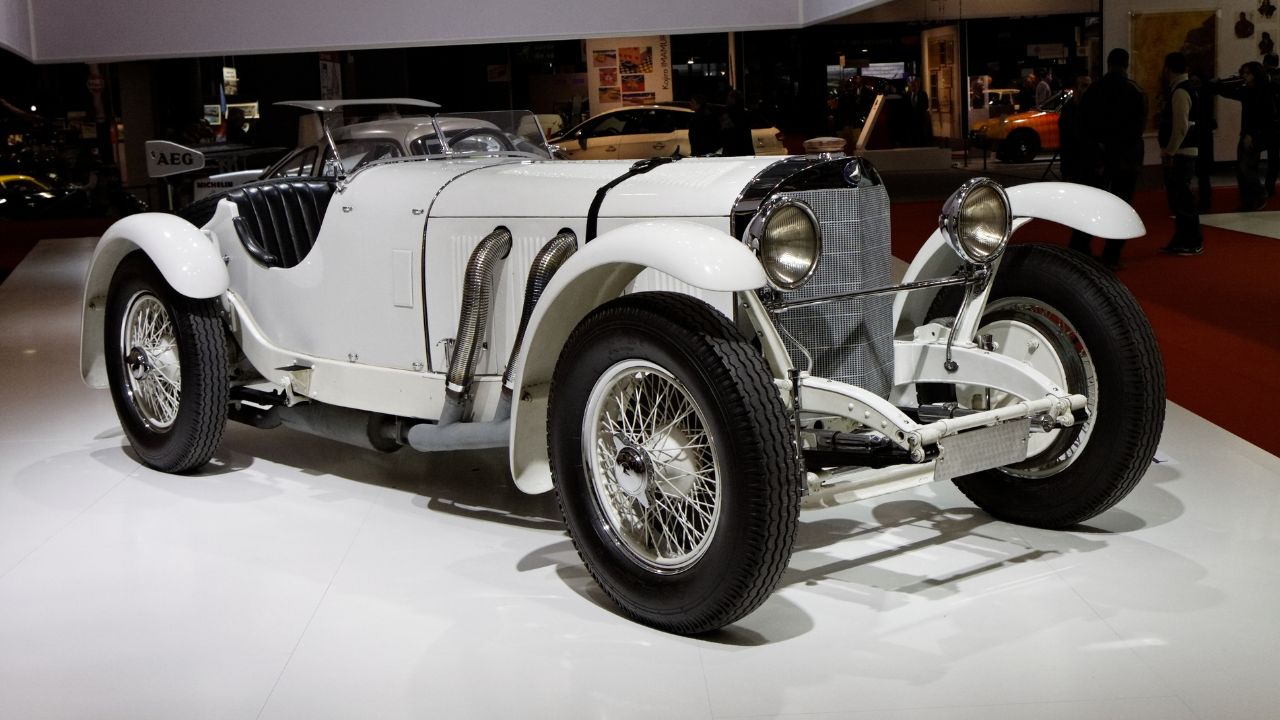
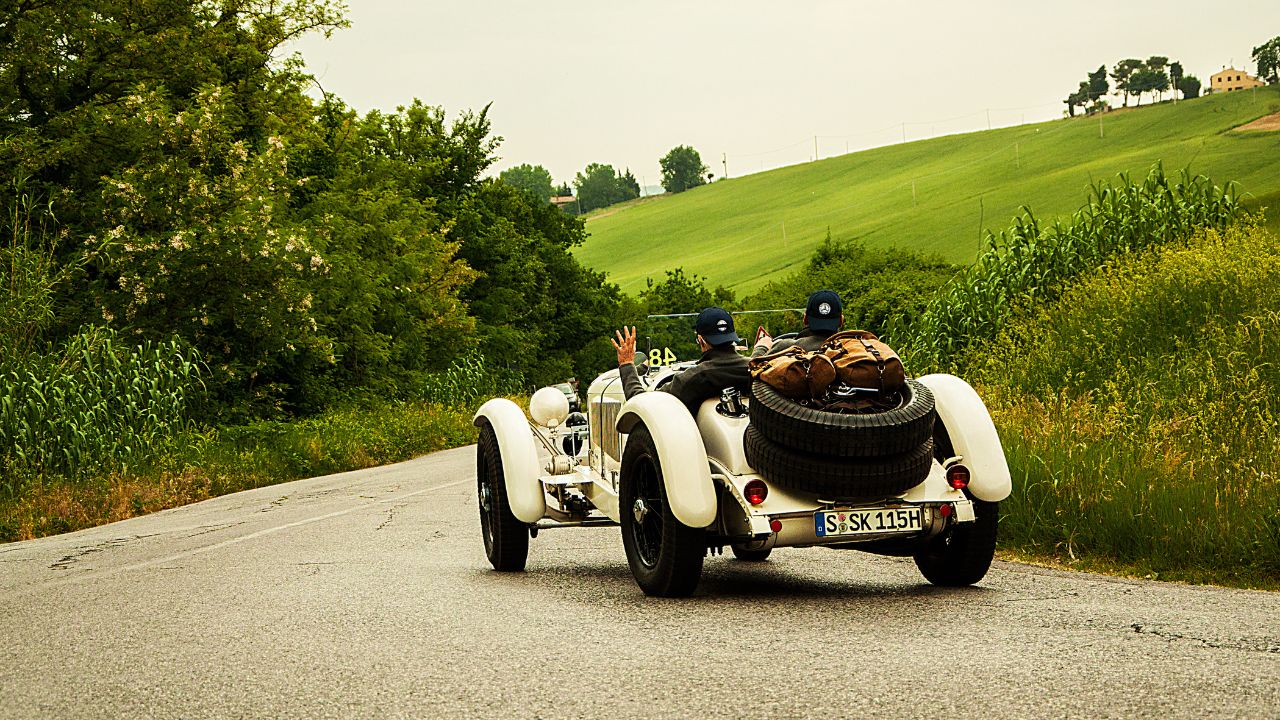
The SSK was the result of German engineers asking, “What if we made a car that could terrify its own driver?” Ferdinand Porsche — before he was busy not inventing Volkswagens for certain political parties — created this supercharged monster that made 300 hp when most cars made 30.
The supercharger wasn’t always engaged (because your engine would explode), but when you needed it, you just floored it and held on. The distinctive exhaust pipes weren’t just for show; they were escape routes for all that German fury. This thing could hit 115mph in 1928, when roads were basically suggestions and safety equipment was “don’t crash.” Rudolf Caracciola used an SSK to dominate hill climbs and road races, proving that Germans could build more than just efficient bureaucracies.
Only 40 were ever built, which means they’re rarer than honest politicians and cost about as much as a small aircraft. The side-exit exhausts, external spare tire, and that menacing stance made it look like it was ready to invade Poland, which, given the timing, was unfortunately prescient.
Ford Model T

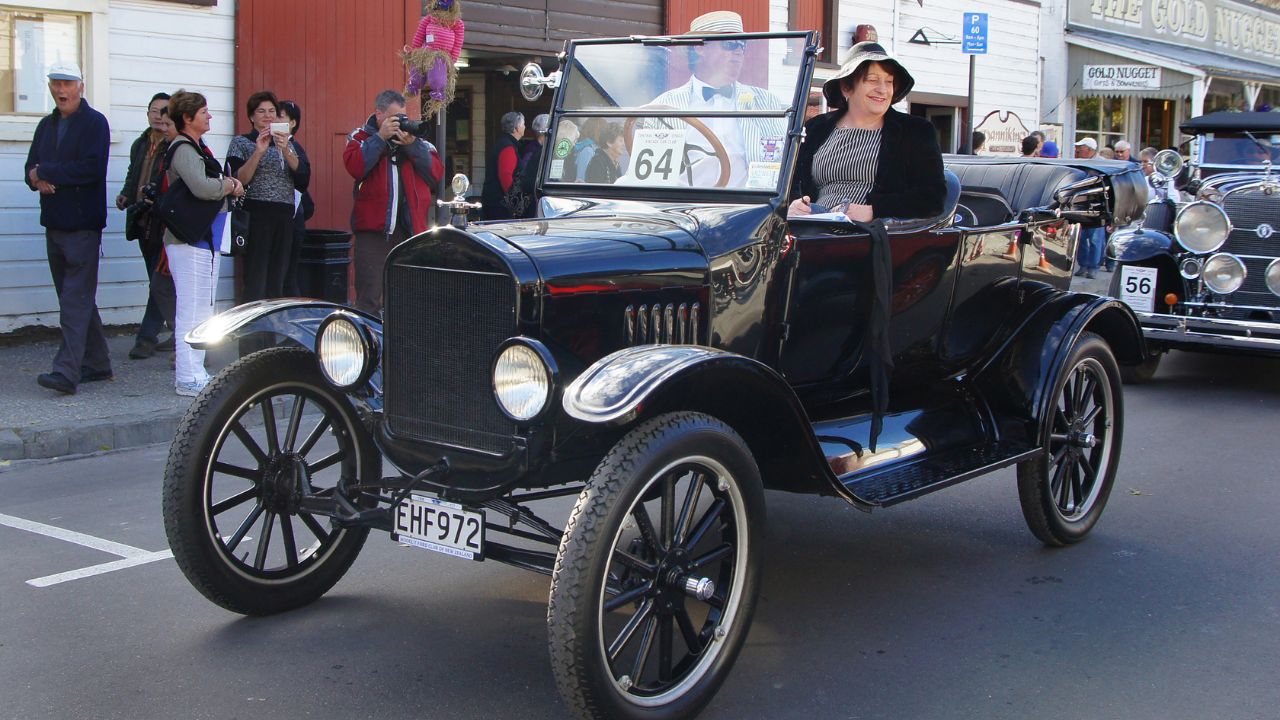
Henry Ford didn’t just build a car — he built a revolution. The Model T was the iPhone of its era: simple, reliable, and it changed everything. Before the T, cars were considered toys for the rich. After the T, every farmer, factory worker, and traveling salesman could afford four wheels and the freedom that came with them. Over 15 million were sold, all of them black. By 1918, half of all cars in the United States were Model Ts. That’s like if every other person today drove the same Honda Civic (all in black). Ford basically created automotive communism and made it profitable.
While European manufacturers were hand-fitting every bolt, Ford was cranking out identical cars faster than McDonald’s makes burgers. Quality? Who needs quality when you can have quantity and affordability?
The Model T’s high stance wasn’t a design choice; it was a matter of survival. These things had to navigate roads that were organized dirt, ford streams, and occasionally serve as makeshift tractors. The planetary transmission was so simple that a cave dweller could figure it out.
Mercer Type 35R Raceabout
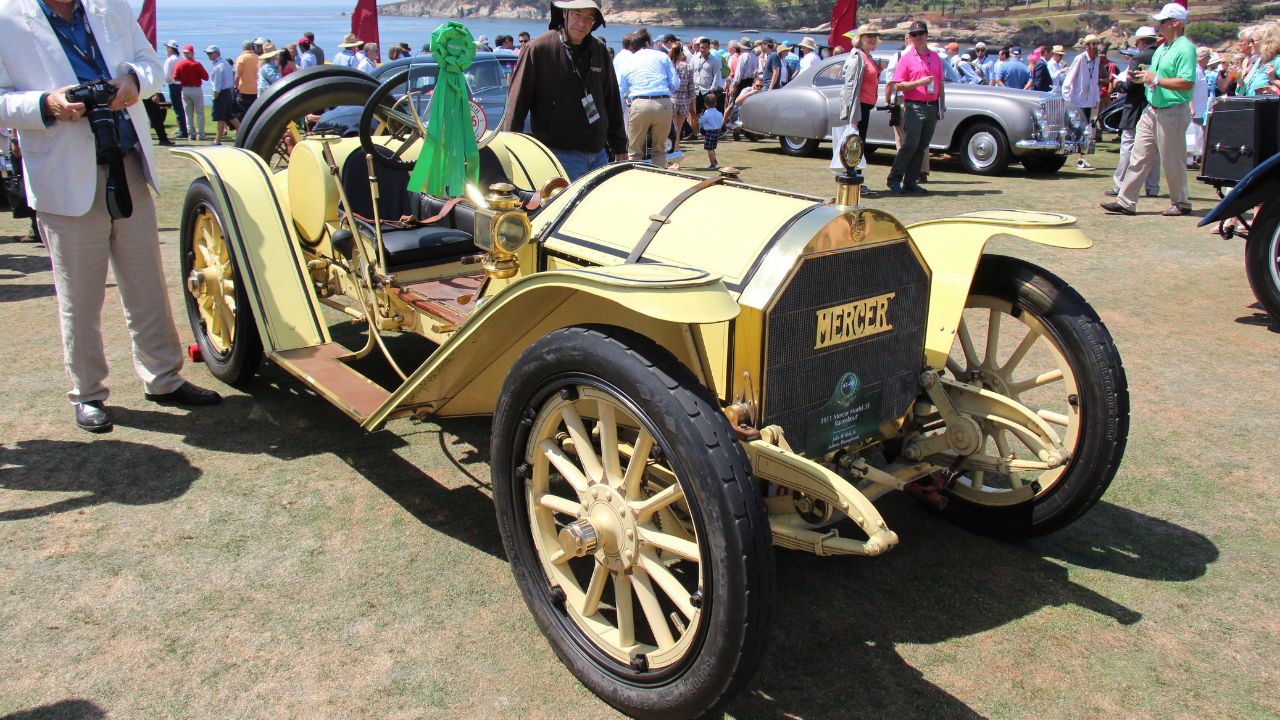
The Mercer Raceabout was designed for individuals who felt that regular cars weren’t dangerous enough. No windshield? Perfect — real men deflect bugs with their teeth. No doors? Who needs them when you can vault over the side like a cowboy? No weather protection? Weather is for the weak. The Mercer’s nickname was “The Widow Maker,” which should tell you everything you need to know about its safety record. But hey, at least you’d die looking cool.
This was the car equivalent of riding a motorcycle while juggling chainsaws. The steering wheel was the size of a wagon wheel, the seat was essentially a park bench, and the only safety equipment was your natural ability to avoid death. It could reach 75mph, which in 1910 was essentially the speed of teleportation.
The Raceabout became the symbol of the young, rich, and slightly unhinged. If you owned one, you were either brave, stupid, or both. Insurance companies probably just laughed and hung up when you called for a quote.
Hispano-Suiza H6B
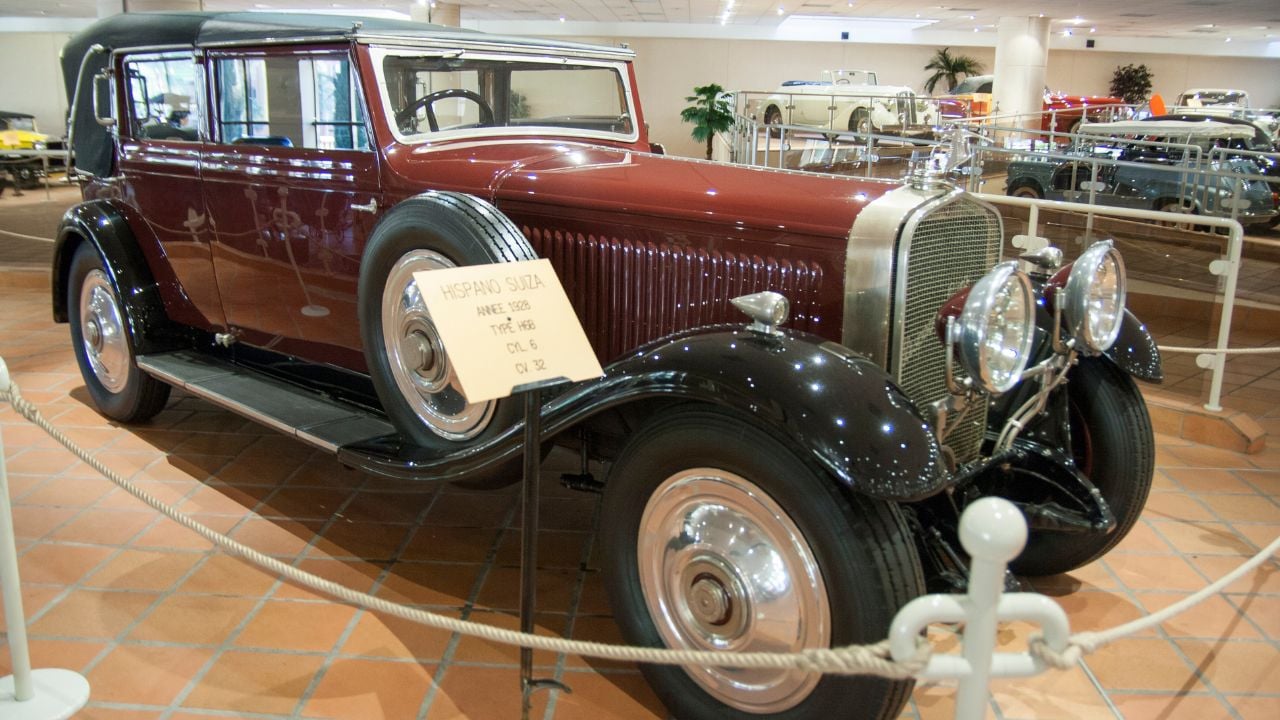
While everyone else was adapting horse carriage technology, Hispano-Suiza said, “Why not just stick an airplane engine in a car?” Their background building aircraft engines during WWI meant they knew a thing or two about making power without everything exploding. As a result, the H6B sported a 6.6L inline-six that produced 135 hp.
The H6B was the choice of kings, literally; King Alfonso XIII of Spain drove one, as did various other European royalty who needed something classier than a horse but faster than walking. The aluminum engine block was decades ahead of its time, and the servo-assisted brakes meant you could stop the thing, which was revolutionary thinking.
The famous Stork hood ornament wasn’t just a decoration — it represented the squadron insignia of Georges Guynemer, a French WWI ace. So basically, your car was wearing a war memorial, which is either deeply respectful or slightly macabre, depending on your perspective.
These things are rarer than reasonable health insurance and cost about the same amount. But hey, you’re not just buying a car — you’re buying a piece of aviation history that happens to have wheels.
Stutz Bearcat
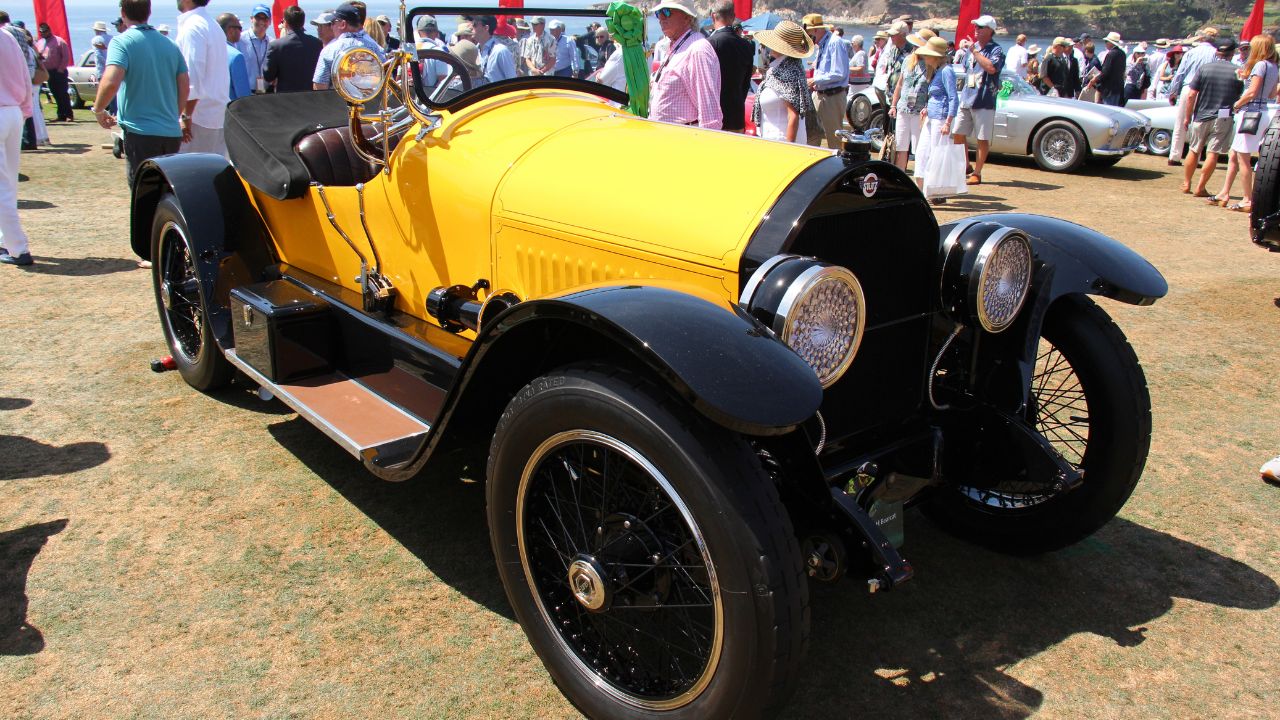
The Stutz Bearcat was America’s answer to European sophistication: “Sophistication is for quitters.” This thing looked like it was designed by someone who needed a rugged, no-nonsense machine that could beat up the competition. No roof, no windshield, no apologies. The Bearcat was for people who thought the Mercer Raceabout was too refined. It became the symbol of Jazz Age excess — fast, loud, and entirely inappropriate for polite society. Perfect.
The name “Bearcat” came from a particularly ferocious type of wildcat, which was fitting because driving one required similar reflexes and a complete disregard for personal safety. The marketing slogan was “The car that made good on the speedway” — presumably before killing its driver.
Packard Model 30
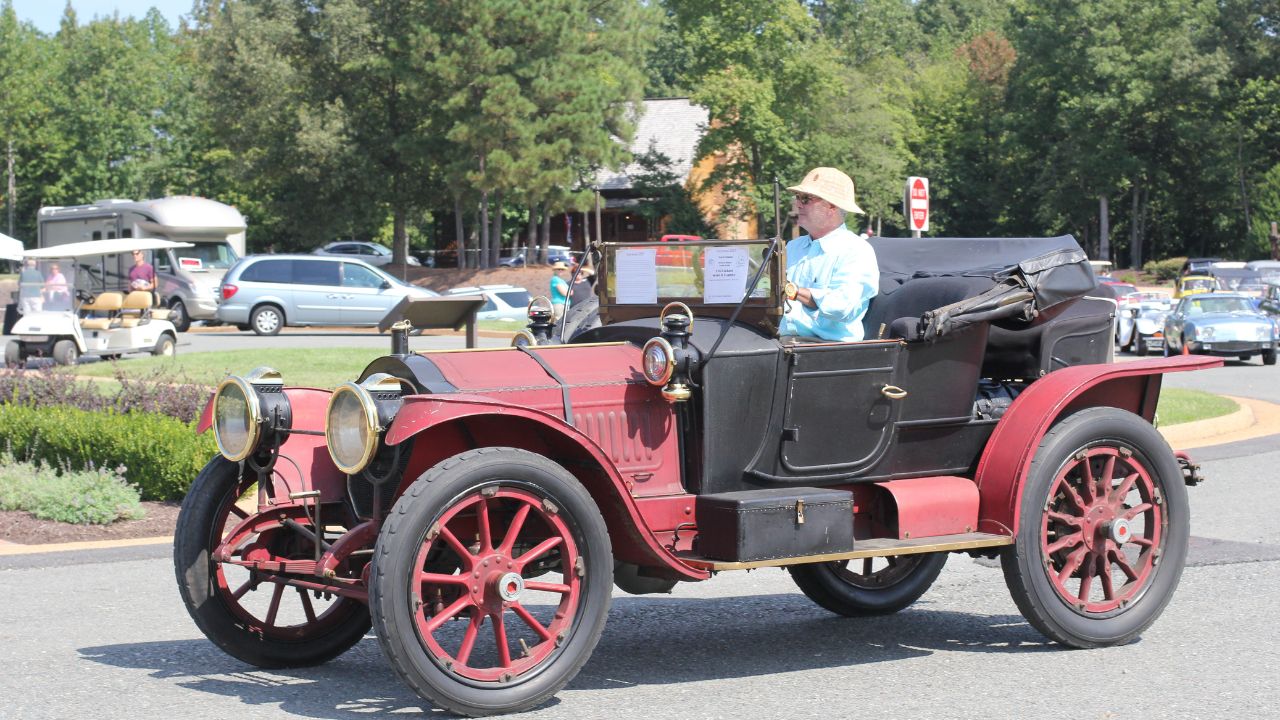
While Ford was revolutionizing mass production and Duesenberg was building rolling jewelry stores, Packard was quietly building the best cars money could buy. The Model 30 (because it made a whopping 30 horses) was engineered like a Swiss watch and built like a bank vault.
Packard’s slogan was “Ask the man who owns one,” which was brilliant marketing because Packard owners were a cult. These cars were so reliable that one Model 30 completed a transcontinental trip in 1903, proving that American engineering could handle more than just corn harvesters.
The hexagonal radiator badge became a symbol of American quality, and the company’s “gentleman’s agreement” with competitors about pricing meant they could focus on quality instead of racing to the bottom. Novel concept.
Packard survived until 1958, which in car company years is basically immortality. They only died because they tried to compete with Cadillac on flash instead of sticking to their engineering roots. Classic American business move.
Bentley 3 Litre
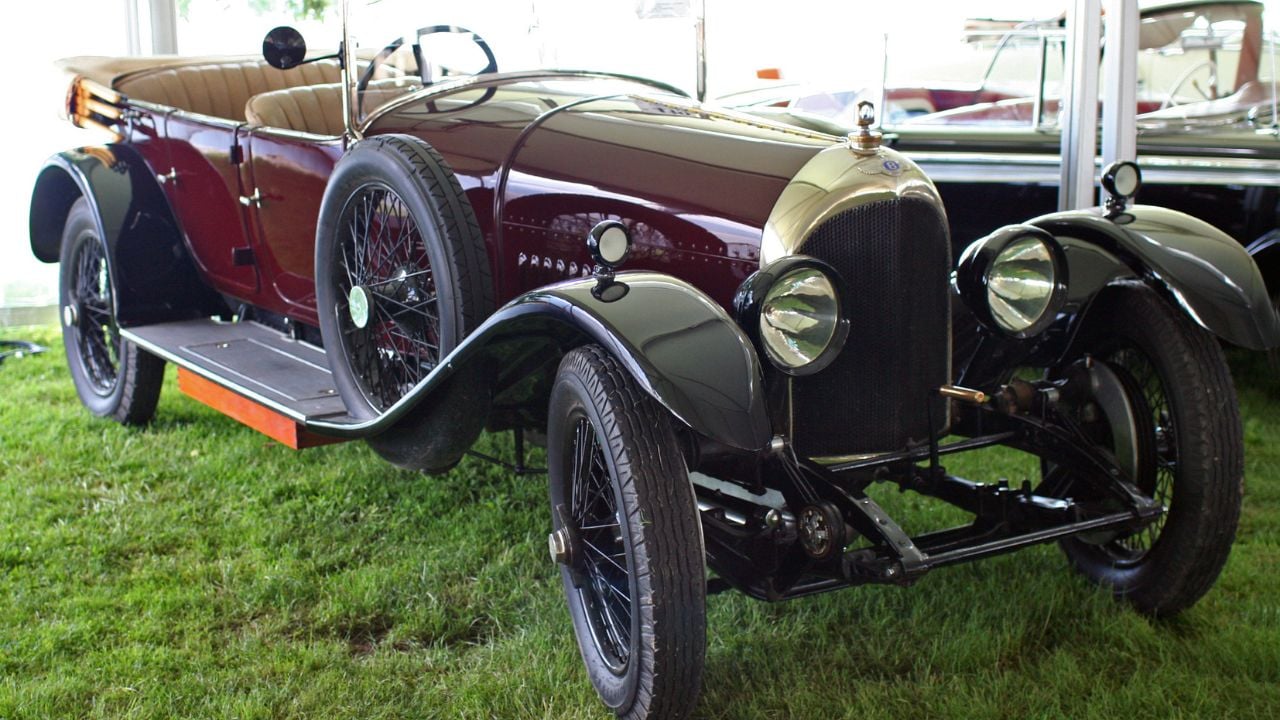
W.O. Bentley had a simple philosophy: “A car should be fast enough for the most expert driver, yet docile enough for a lady to drive.” In the 1920s, the British were basically saying, “Build something that won’t kill you immediately, but could if you’re not careful.”
The 3 Litre became the foundation of the “Bentley Boys” — a group of wealthy British racers who treated Le Mans like their personal playground. They won the 24-hour race four times, proving that proper engineering could overcome French automotive attempts. All of that in a 70-hp car with an 80 mph top speed. They owned Le Mans before they went bankrupt.
The car featured revolutionary four-wheel brakes when most cars still used prayers and good luck to stop. The engine was built like a locomotive — simple, strong, and unstoppable. British engineering at its finest, before they discovered electrical systems.
Pierce-Arrow Model 66
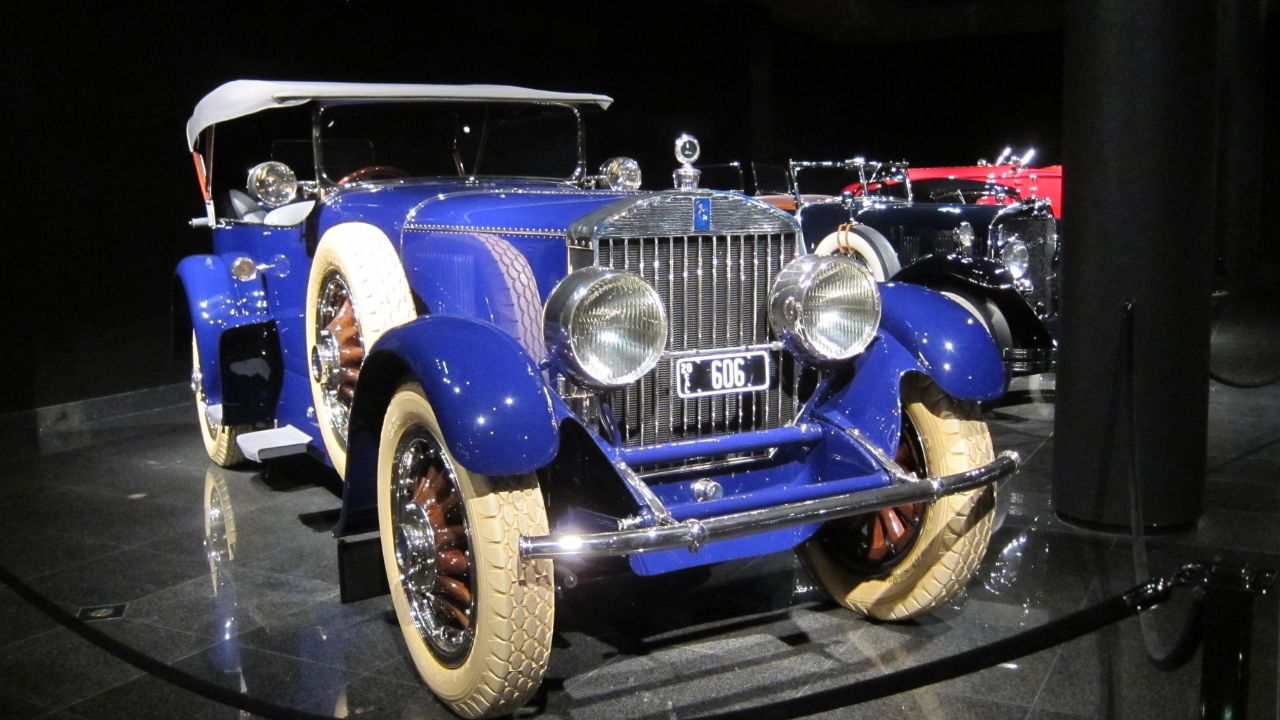
Pierce-Arrow didn’t just build cars — they built statements. The Model 66 was the result of American industrialists deciding that European luxury wasn’t ostentatious enough. Why have a car when you can have a rolling mansion? The vehicle had a wheelbase longer than that of some modern trucks.
The fender-mounted headlights weren’t just a styling feature — they were a functional genius. Turn the front wheels, and the lights turned with them, illuminating corners before corner lights were even a concept. Innovation is often hidden behind classic American engineering style.
Inside, these things were appointed like railroad cars: mahogany, brass, velvet, and enough space to hold a small dinner party. The straight-six engine was equally massive (a crazy 11.7L inline-six), and the build quality was legendary even by luxury car standards.
Pierce-Arrow was so exclusive that they didn’t even have dealers—they had “representatives.” Because apparently, selling cars was beneath them. They also refused to put their name on the radiator, claiming their cars were so distinctive they didn’t need identification. Peak American arrogance.
Renault Type AI 35CV Vanderbilt Racer
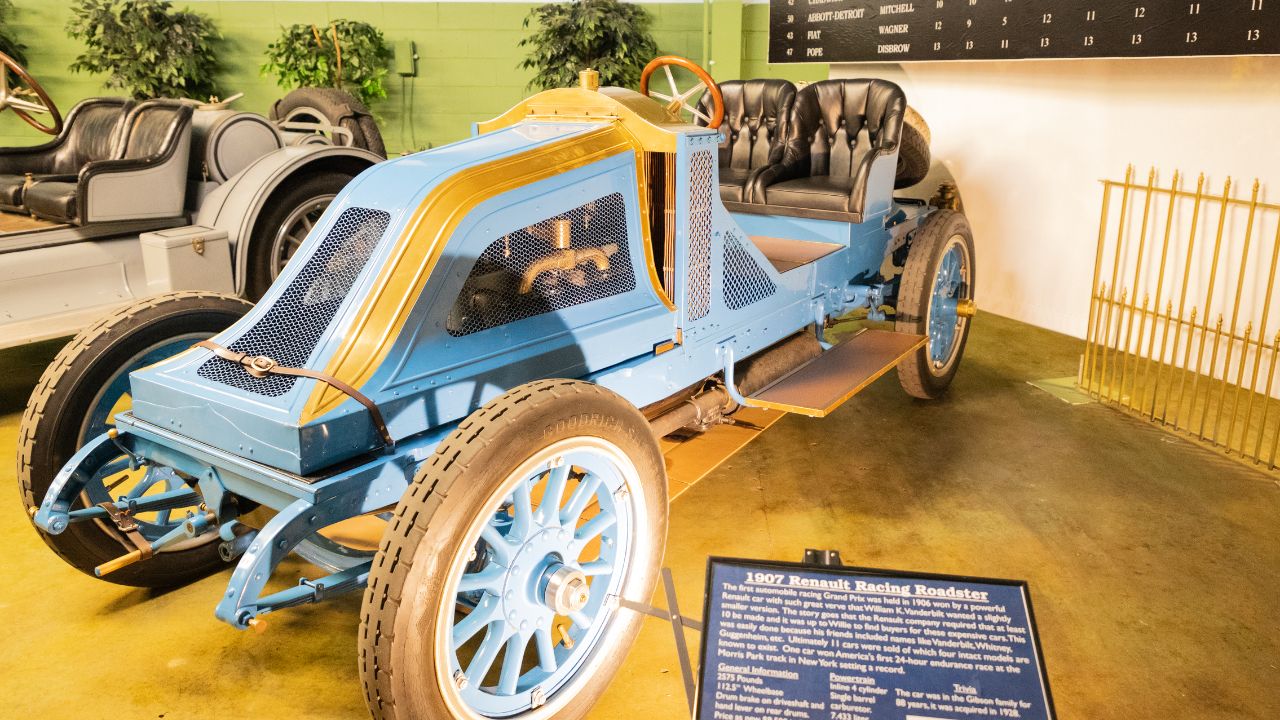
The Renault Vanderbilt Racer was built for one purpose: to win the Vanderbilt Cup and show those American upstarts how to build a proper racing car. With a 12.8-liter engine, this thing consumed fuel like a trendspotter consumes Porsche and Ferrari content on TikTok. The Vanderbilt Racer proved that French engineering could be both elegant and brutal. Too bad they didn’t apply the same philosophy to military planning a few decades later.
The pointed tail wasn’t just for aerodynamics (which barely existed as a concept) — it also cut through the competition. This thing looked like a land torpedo, and the driver sat so high he could probably see into next week. The brass components were functional art. Every bolt, fitting, and gauge was crafted with the same attention to detail as jewelry, because French engineers believed that even race cars should be beautiful. A revolutionary concept in a world where form often follows function.
Where the Road Never Ends
Ug, now I’m searching for cars that are over 100 years old and have no safety features. I’ll add that to my long list of terrible car purchase ideas.
These vintage legends prove something modern car companies seem to have forgotten: personality matters more than perfection. Sure, your new BMW has 47 different massage settings and can parallel park itself, but can it make you feel like a railroad baron conquering the frontier? Does it have a hood ornament that could double as a weapon? Can you fix it with a hammer and some choice words?
These cars were built when horsepower was earned, not electronically managed. When drivers were drivers, not passengers in rolling computers. When breaking down meant getting your hands dirty, not calling a software update hotline.
Modern supercars might be faster, safer, and more efficient, but they’ll never have the soul of a hand-built Duesenberg or the raw terror of a Mercer Raceabout. They’re engineering marvels wrapped in corporate committee design, focus-grouped into bland perfection.