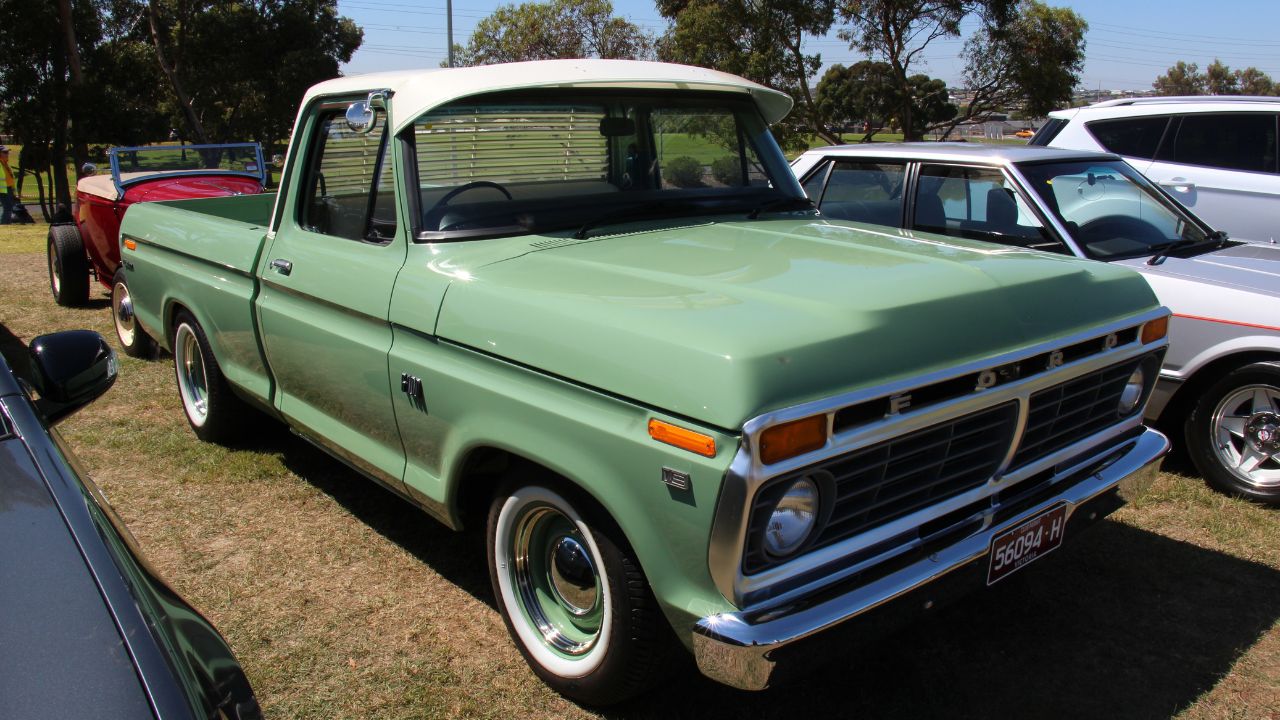

When we think about vehicles that shaped American life, cars often steal the spotlight, but behind every skyscraper, interstate highway, and sprawling suburb stands a fleet of hard-working trucks that quite literally built America. These machines weren’t about speed or glamour — they were about grit, power, and resilience. From hauling steel beams to paving roads, they carried the weight of progress through wars, economic booms, and industrial revolutions.
In this article, we’re taking a nostalgic yet practical journey through the most influential trucks in U.S. history. These aren’t just icons, they’re workhorses that left an undeniable imprint on the nation’s infrastructure. Each one tells a story of innovation, necessity, and sheer determination.
Before we dive in, it’s worth noting that these trucks span decades of development, from early 20th-century pioneers to modern legends. They served farmers, soldiers, builders, and dreamers alike. Some became household names, others remained the quiet giants of construction sites and factories.
What they all share is this: without them, America as we know it wouldn’t exist. So, let’s fire up the engines and celebrate the trucks that truly built the backbone of the United States.
How We Selected These Legends

Choosing the 12 trucks that “built America” wasn’t easy. We applied a simple but rigorous approach that went beyond horsepower and payload ratings. Our focus was on historical significance and real-world impact. Each truck on this list played a pivotal role in transforming America’s economy, infrastructure, and way of life. These were the trucks that hauled the materials for skyscrapers, supplied troops in wartime, delivered goods to small towns, and opened up the great outdoors to everyday Americans.
We considered factors like their influence on transportation systems, adoption in major construction or military projects, and cultural relevance. Did they change how Americans worked and lived? Were they trusted during moments of national challenge or growth? That’s what mattered most. While some models evolved over decades, we highlight the ones that marked turning points in history. This is a celebration of utility, perseverance, and progress on wheels.
Ford Model TT

The Ford Model TT was the truck that started it all. Built during World War I as a heavy-duty adaptation of the famous Model T, it was Ford’s first vehicle specifically designed for hauling. The Model TT gave small businesses and farmers access to affordable motorized transport when most were still relying on horses and wagons. With a sturdier frame and the ability to carry a full ton of cargo, it quickly became a cornerstone of rural America.
Its impact was monumental. The Model TT allowed farmers to move produce faster and more efficiently, connecting them to growing urban markets. It made small-town commerce easier and fueled economic development in an era when infrastructure was still catching up. More than just a truck, it symbolized progress and accessibility. By mass-producing an affordable workhorse, Ford set the stage for the modern pickup industry that would dominate American roads for the next century.
Chevrolet AK Series

The Chevrolet AK Series rolled onto the scene at a critical moment in history—just as the U.S. entered World War II. Initially designed as a civilian work truck, it was soon adapted for wartime duties, proving itself in both domestic and military roles. This versatility made it a staple for farmers, delivery businesses, and even the armed forces. Its design combined strength with usability, featuring a more comfortable cab that drivers appreciated during long workdays.
What sets the AK Series apart is its contribution during a time of scarcity and urgency. These trucks helped keep essential goods moving on the home front, from factory supplies to food for troops overseas. After the war, many AK trucks returned to civilian life, aiding in the country’s massive post-war construction boom. They were dependable, tough, and built to last—a combination that helped cement Chevrolet’s reputation in the truck market for decades to come.
Dodge Power Wagon

The Dodge Power Wagon was born from war and built for work. Derived from the legendary military WC trucks used in World War II, the Power Wagon brought four-wheel-drive capability to everyday Americans. At a time when rural areas were still underdeveloped, this feature was a game-changer. Farmers, loggers, and contractors embraced it for its ability to handle rough terrain and heavy loads without breaking a sweat.
The Power Wagon wasn’t just about brute strength; it represented freedom and reliability. It enabled Americans to reach places that had previously been inaccessible, whether to clear land, build homes, or start businesses in remote areas. Its ruggedness made it a favorite for municipalities and utility companies tasked with expanding infrastructure. The Power Wagon essentially defined the concept of an off-road-capable work truck, paving the way for future 4×4 legends. It proved that trucks could be as adventurous as they were practical.
Chevrolet C/K Series

The Chevrolet C/K Series is one of the most influential truck lines in American automotive history. Introduced in 1960, it modernized the pickup world with innovations like independent front suspension, making trucks more comfortable and versatile for everyday drivers. Over nearly four decades, the C/K evolved into a staple for farmers, contractors, and families alike, proving that a truck could be both rugged and refined.
Its importance goes beyond capability. The C/K Series helped define the pickup as an all-purpose vehicle rather than just a work tool. From hauling construction materials to towing boats on weekends, it adapted to the changing lifestyles of Americans. Many classic models from this era are still on the road today, a testament to their durability and design. In many ways, the C/K laid the groundwork for the modern full-size pickup, influencing nearly every truck that came after it.
Studebaker US6

The Studebaker US6 may not be a household name today, but its role during World War II was nothing short of heroic. Built to handle rugged terrain and extreme conditions, the US6 served primarily in military operations, including the legendary Lend-Lease program that supplied Allied nations like the Soviet Union. Its reliability in freezing temperatures and muddy battlefields made it a critical part of the war effort.
Beyond combat, the US6’s contributions extended to building infrastructure in remote theaters of war. Roads, bridges, and supply chains often relied on these trucks to move equipment and materials where trains or ships couldn’t reach. In short, the US6 kept the Allied logistics machine running smoothly. While its glory days were in uniform, its influence lingered in the design of post-war trucks. It’s a reminder that some vehicles make history not on highways, but on the backroads of global conflict and cooperation.
GMC CCKW “Deuce and a Half”

The GMC CCKW, famously known as the “Deuce and a Half,” is often called the truck that won World War II—and for good reason. Built to carry a 2.5-ton payload, this six-wheel-drive workhorse became the backbone of the Allied logistics network. It delivered fuel, ammunition, rations, and critical supplies across rugged battlefronts in Europe, Africa, and the Pacific. With its ability to handle rough terrain and extreme conditions, the CCKW kept armies moving when roads were scarce and time was critical.
After the war, the CCKW continued to serve during peacetime. Thousands of surplus units were sold to civilians, where they became indispensable for construction, farming, and infrastructure projects. Their strength and adaptability made them a trusted tool for rebuilding a world ravaged by conflict. Beyond its military glory, the CCKW laid the foundation for modern heavy-duty trucks, proving that durability and versatility can literally change the course of history.
International Harvester

The 1946 International KB Series is a classic example of form meeting function during a pivotal time in American history. Launched right after World War II, the KB trucks were designed for hardworking Americans ready to rebuild and expand. They were known for their distinctive Art Deco styling, with flowing lines and a bold grille that set them apart from the competition. But these trucks delivered durability and versatility for farms, small businesses, and delivery fleets across the country.
What made the KB Series significant was its role in the post-war economic boom. These trucks hauled everything from construction materials to groceries, helping fuel the rapid growth of cities and suburbs. They offered reliability when America needed it most, making International Harvester a household name in the process. Today, the KB remains a symbol of an era when craftsmanship and utility shaped the modern truck market.
Ford F-Series

Few vehicles have shaped American life as profoundly as the Ford F-Series. Launched in 1948, it introduced a new era for pickups, combining rugged utility with everyday usability. Unlike earlier work trucks that were purely functional, the F-Series added comfort, style, and versatility, making it appealing not only to farmers and builders but also to families who wanted a dependable all-purpose vehicle. This shift helped redefine what a truck could be.
The F-Series’ influence grew with every generation. It kept pace with America’s evolving needs—hauling construction materials during the post-war housing boom, powering small businesses through economic shifts, and becoming the ultimate companion for outdoor adventures. For over four decades, it has dominated sales charts, making it the best-selling vehicle in the U.S. Its success is no accident; the F-Series reflects America’s values of strength, reliability, and adaptability. Simply put, it’s more than a truck—it’s a cultural icon.
Chevrolet Advance Design

The Chevrolet Advance Design series debuted in 1947 and marked a turning point in American pickup truck design. These trucks were larger, more powerful, and more comfortable than their pre-war predecessors, making them ideal for a nation entering a period of rapid growth. With their bold, rounded styling and bigger cab, they stood out on the road and provided drivers with improved visibility and space. This was a truck built for both hard work and everyday practicality.
The Advance Design trucks became a favorite among small businesses and farmers during the post-war boom. They were trusted to haul materials for new homes, deliver goods to growing suburbs, and handle demanding jobs in construction and agriculture. Beyond functionality, they embodied post-war optimism—rugged yet refined, ready for work yet stylish enough for Main Street. Today, these trucks remain iconic in the classic collector market, symbolizing an era of resilience and progress.
Mack B61

The Mack B61 stands as one of the most iconic heavy-duty trucks ever built, earning a reputation for reliability and strength that made it a favorite among long-haul operators and construction crews. Designed for endurance, the B61 could handle massive loads and tough conditions, making it indispensable during the era of America’s expanding highway system and growing freight industry. Its bold, no-nonsense design — with a commanding hood and distinctive Bulldog emblem — became a symbol of working-class grit and determination.
What truly set the B61 apart was its durability. Whether hauling steel across states or delivering goods to bustling cities, this truck consistently delivered without compromise. It played a vital role in connecting industries and communities, moving the materials that fueled economic growth. Even today, the B61 remains a celebrated classic, representing the golden age of American trucking and the spirit of progress that helped shape the modern transportation network.
Jeep Gladiator

The Jeep Gladiator redefined what a pickup truck could be by blending rugged utility with adventurous spirit. Born from Jeep’s military heritage, it carried forward the toughness and capability that made the brand legendary, while introducing features that appealed to both workers and outdoor enthusiasts. Unlike traditional pickups of its time, the Gladiator wasn’t limited to job sites — it was equally at home on rocky trails and remote backroads, making it a true multipurpose vehicle.
What made the Gladiator so influential was its versatility. It offered the hauling strength needed for heavy-duty tasks while maintaining the off-road capability Jeep owners loved. This combination made it popular among ranchers, contractors, and those who valued adventure as much as hard work. By bridging practicality and recreation, the Gladiator helped shape the modern pickup market, proving that a truck could be more than a tool—it could be a lifestyle companion.
Peterbilt 379

The Peterbilt 379 is a true icon of American trucking, widely regarded as the pinnacle of style, durability, and power in the heavy-duty segment. Known for its long-nose design and commanding presence, the 379 became the truck of choice for countless long-haul drivers and fleets across the country. It wasn’t just about looks, it also delivered the reliability and performance needed to tackle massive loads over thousands of miles, helping keep the nation’s freight moving through decades of growth.
Beyond the open highways, the 379 represented a culture. It symbolized independence, hard work, and pride for professional drivers who spent their lives behind the wheel. Many were highly customized, showcasing the individuality of their owners. Its influence on trucking is unmatched, and it remains one of the most recognizable big rigs on the road. The Peterbilt 379 helped fuel the economy and define the spirit of American trucking.
Engines of Progress

America was built mile by mile, load by load. These trucks were more than machines; they were partners in progress, carrying steel for bridges, lumber for homes, and supplies for every industry in between. They shaped cities, connected communities, and brought the American dream within reach for millions.
From humble workhorses to iconic big rigs, each truck tells a story of resilience and innovation. They created the roads, paving the way for generations to come. Today’s advanced pickups owe their existence to these pioneers, whose legacy is etched into every mile of asphalt. As long as America dreams big, there will always be an engine ready to carry that dream forward.