Some things in the 1990s didn’t just happen, they happened. We fed tiny digital creatures on keychains, hoarded Beanie Babies like retirement plans, and decorated our rooms with inflatable furniture that lasted about as long as Crystal Pepsi. It was a weird, wonderful time, and through it all, the sedan quietly held things together.
Before SUVs and crossovers took over in the 2000s, the sedan was the backbone of the family driveway. The Toyota Camry and Honda Accord were everywhere; they were cultural fixtures, with Camry sales topping 200,000 units a year. And for four straight years (1992–1995), the Ford Taurus was America’s best-selling passenger car, a feat almost unthinkable today.
They weren’t flashy. They weren’t trying to impress. However, they were dependable, comfortable, and built to last. You could pack the kids, the dog, and a trunk full of gear, and they’d take it all in stride.
So grab a drink and take a nostalgic ride, and let’s revisit the sedans that defined the ’90s.
1992 Honda Accord EX
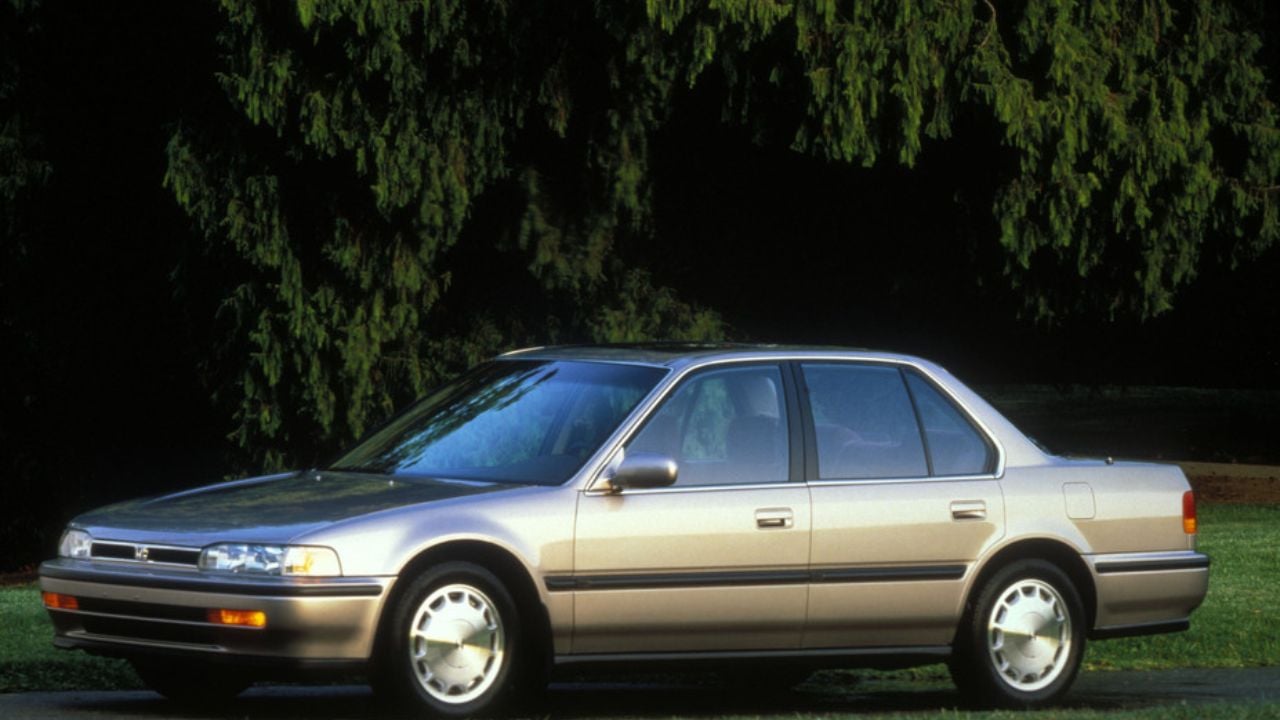
In 1992, Honda wasn’t just selling cars; they were selling dependability in a neat, aerodynamic package. The Honda Accord, especially in its venerable fourth generation (1990-1993), was a sales juggernaut, regularly competing with the Taurus for the top spot. Known for its utterly dependable performance, these vehicles were celebrated for their impressive fuel efficiency (especially with the 2.2L F22A4 (non-VTEC) engine, smooth driving experience, and bulletproof reliability.
The ’92 Accord EX, often seen with its crisp lines and optional alloy wheels, was the epitome of a no-nonsense, get-it-done sedan. Its enduring popularity today among budget-minded commuters and enthusiasts alike is a testament to Honda’s unwavering focus on value, longevity, and shockingly minimal upkeep costs. This car was a benchmark, plain and simple.
Why it mattered: It wasn’t flashy, but it was the reliable friend everyone wanted, setting the gold standard for mid-size sedans and proving that quality and practicality could drive sales numbers through the roof.
1994 Toyota Camry XLE V6

If the Accord was the popular kid, the 1994 Toyota Camry XLE V6 was the quiet, understated valedictorian who consistently delivered. This “XV10” generation Camry (1992-1996) truly cemented its reputation for legendary reliability and a serene driving experience. The refined 3.0-liter 1MZ-FE V6 engine, pumping out a buttery smooth 188 horsepower, made it a surprisingly strong performer in the mid-size segment.
Equipped with upscale features like genuine (or very convincing faux) leather upholstery and tasteful wood trim, it blended comfort and practicality seamlessly. The Camry XLE V6 became the perennial favorite for those seeking a durable, affordable (in the long run), and supremely comfortable family sedan. It was the car you bought if you wanted to spend your weekends fishing, not wrenching.
Why it mattered: It redefined the perception of reliability and refinement in an accessible package, becoming the quintessential “set it and forget it” family car that continues to serve on roads worldwide.
1997 BMW E39 528i

Ah, the 1997 BMW E39 528i. Many enthusiasts will tell you that this isn’t just one of the best mid-size luxury sedans of its era; it’s arguably one of the finest sedans ever built, period. This was BMW at its absolute peak. Known for its unparalleled driving dynamics, the E39 528i was no exception. With near-perfect 50:50 weight distribution, telepathic steering feedback, and a sport-tuned suspension that was firm yet remarkably comfortable, the 528i handled corners with an agility that belied its executive demeanor.
Power came from BMW’s silky-smooth M52B28 inline-six, delivering a robust 190 horsepower. It’s no wonder this car was, and still is, frequently praised by driving enthusiasts for its sharp cornering and that tangible “connected-to-the-road” feel. If you wanted to drive in the ’90s, you wanted an E39.
Why it mattered: It set the bar for luxury sport sedans, blending sophisticated design with engaging dynamics and a build quality that made its German rivals sweat.
1994 Chevrolet Impala SS
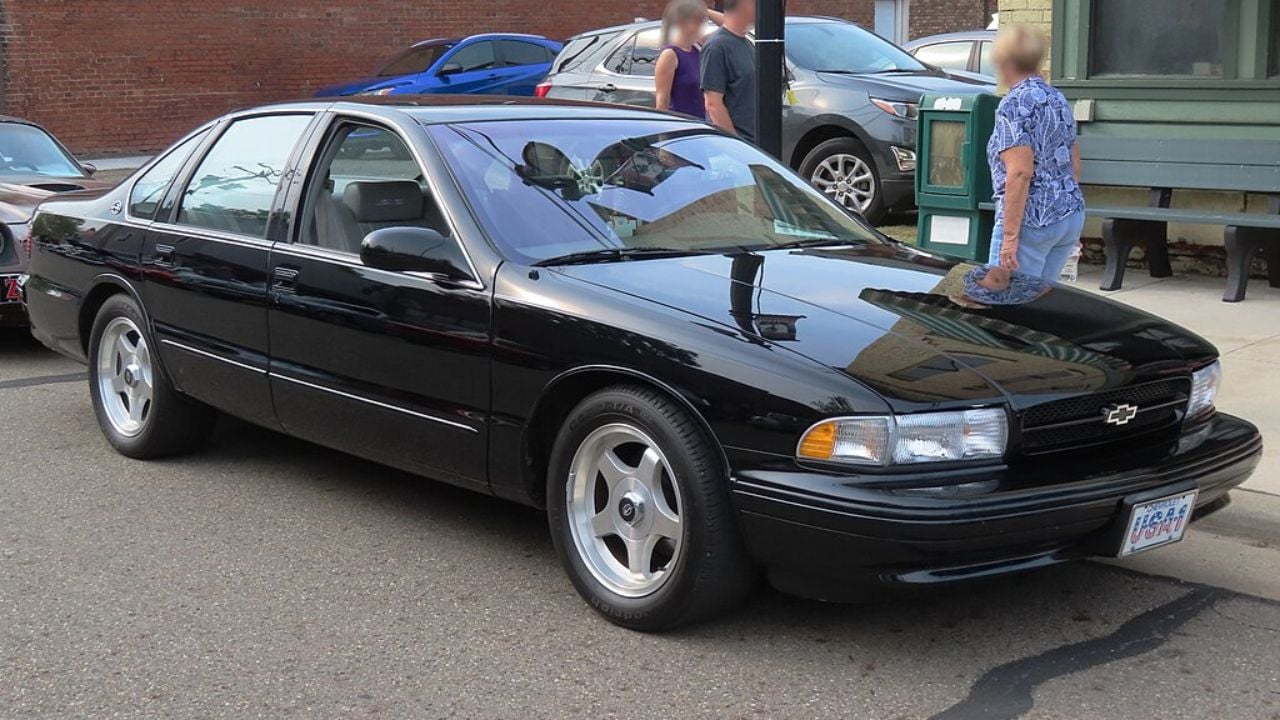
When GM brought back the Impala SS in 1994, they unleashed a beast. This wasn’t your grandma’s Caprice. The ’94 Impala SS effortlessly combined raw LT1 V8 performance (a detuned version of the Corvette engine, mind you) with a surprisingly refined, if somewhat wallowy, luxury ride. Its bold, aggressive monochromatic design, paired with those beefy 17-inch wheels and a sinister black paint job, made it an instant favorite among driving enthusiasts and a standout in the full-size sedan market.
With 260 horsepower and a rear-wheel-drive platform, it was a proper tire-shredding muscle sedan that could still haul the family. Over time, the Impala SS became a bona fide symbol of American muscle and automotive cool, securing its place as a cherished classic with lasting appeal. It was a brute of a car, but it also didn’t mind a weekend trip to Toys ‘R Us and Blockbuster with the family. Man, those were the days (thanks a lot, Netflix).
Why it mattered: The Impala SS proved that American muscle wasn’t dead in the ’90s, combining iconic styling with genuine V8 grunt and becoming a cult classic that still commands respect
1993 Lexus LS 400
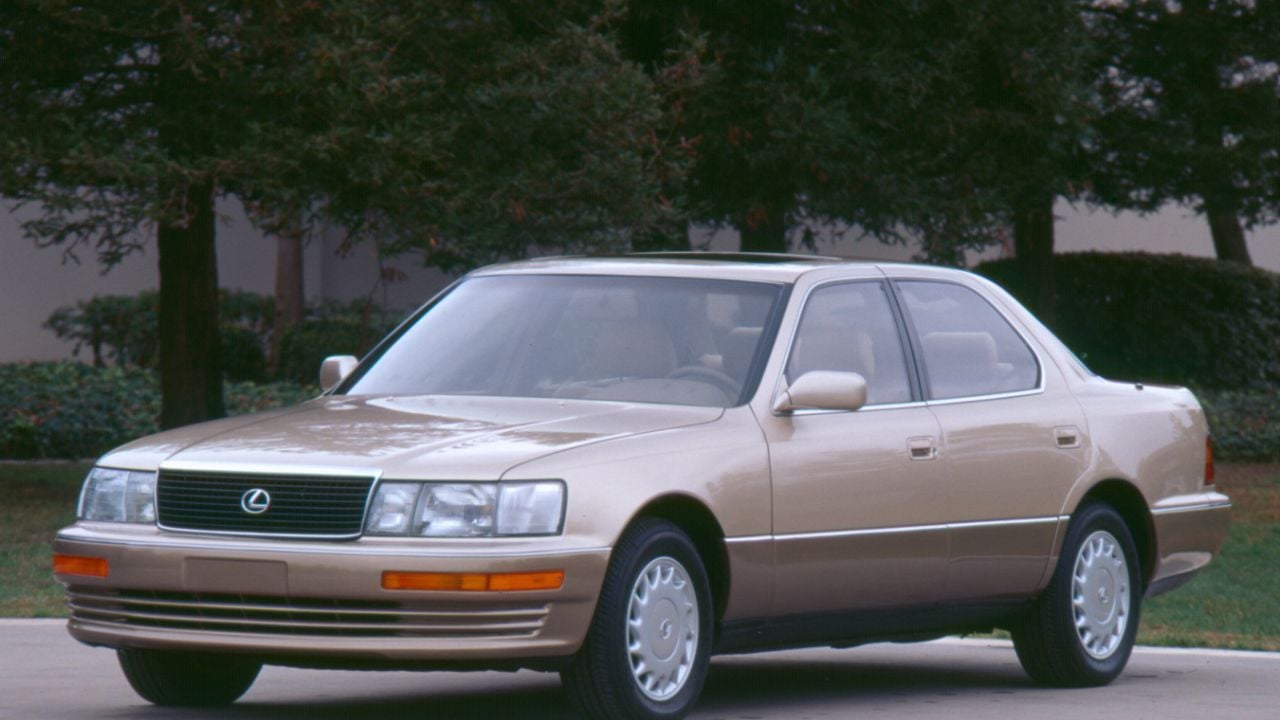
The 1993 Lexus LS 400 wasn’t just a car; it was a seismic event that sent shockwaves through the luxury sedan market. When it debuted in 1989, it aimed squarely at Mercedes and BMW, and it hit the bullseye. The ’93 model refined an already revolutionary formula, offering a butter-smooth and remarkably powerful 4.0-liter 1UZ-FE V8 engine. It quickly earned a reputation for its unrivaled reliability, an almost unnervingly quiet cabin (you could practically hear a pin drop at 70 mph), and an obsessive focus on build quality.
With advanced features that often outclassed its European rivals, the LS 400 set a new, higher standard for luxury cars. It became the go-to for those seeking supreme comfort, technological sophistication, and absolute peace of mind. It proved that luxury didn’t have to be temperamental or ridiculously expensive to maintain.
Why it mattered: It redefined luxury for an entire generation, forcing established brands to step up their game in terms of reliability, refinement, and value.
1990 Infiniti Q45
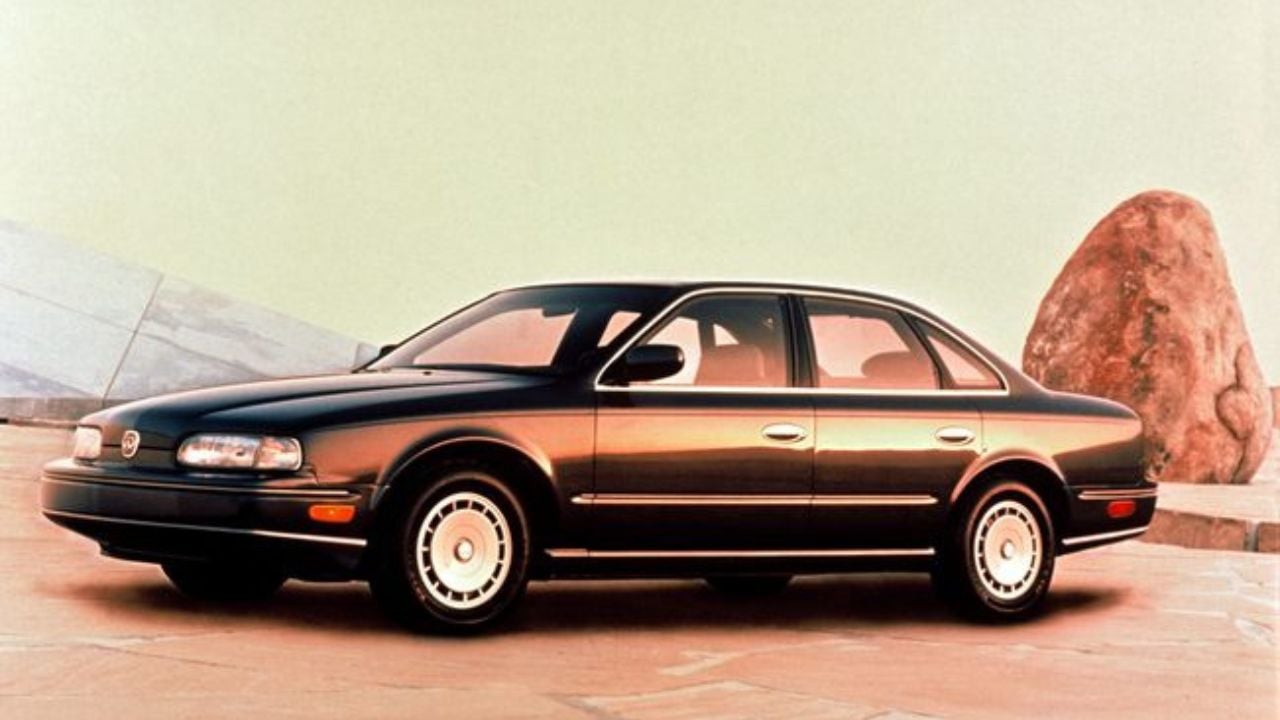
While Lexus played it safe, Nissan’s luxury division, Infiniti, came out swinging with the 1990 Infiniti Q45. Infiniti claimed that it was a sedan that would have luxury carmakers scrambling to redesign their vehicles to keep up. This was a bold, almost minimalist luxury sedan powered by an utterly ferocious 4.5-liter VH45DE V8 engine that delivered a whopping 278 hp. It was known for its raw power, direct steering, and surprisingly sporty handling, a true luxury car for drivers.
The Q45 was distinctive, eschewing traditional chrome and wood for a more modern, performance-oriented aesthetic (though some did come with an optional “analog clock” in place of the Infiniti badge on the grille – a true conversation piece!). With advanced features and solid reliability, it quickly established itself as a strong, albeit niche, competitor in the luxury market, bravely challenging established European brands and setting the stage for Infiniti’s future success. It was the car for the guy who wanted luxury but didn’t want to look like he was driving his grandad’s car.
Why it mattered: It was a daring entry into the luxury market, offering serious V8 performance and a unique, understated style that appealed to those who wanted something different.
1992 Ford Taurus SHO

This was the ultimate sleeper car of the early ’90s. While your neighbor was cruising in his regular Taurus (probably beige), you, the discerning enthusiast, knew better. Just don’t be the neighbor straight piping your SHO. The 1992 SHO was hiding a secret: a magnificent, Yamaha-built 3.0-liter DOHC V6 engine that revved to the moon and produced 220 hp.
The SHO offered sports car-level acceleration and a truly engaging driving experience, all while maintaining the comfort and practicality of a family sedan. Its distinctive engine note and unexpectedly sharp handling made it a standout, earning a loyal following among driving enthusiasts and helping to redefine what a midsize American sedan could be. It was the “talk softly and carry a big stick” of ’90s family cars.
Why it mattered: It proved that a family sedan could be genuinely exciting, packing a world-class engine and surprising performance into a familiar package.
1999 Audi A4 2.8 Quattro
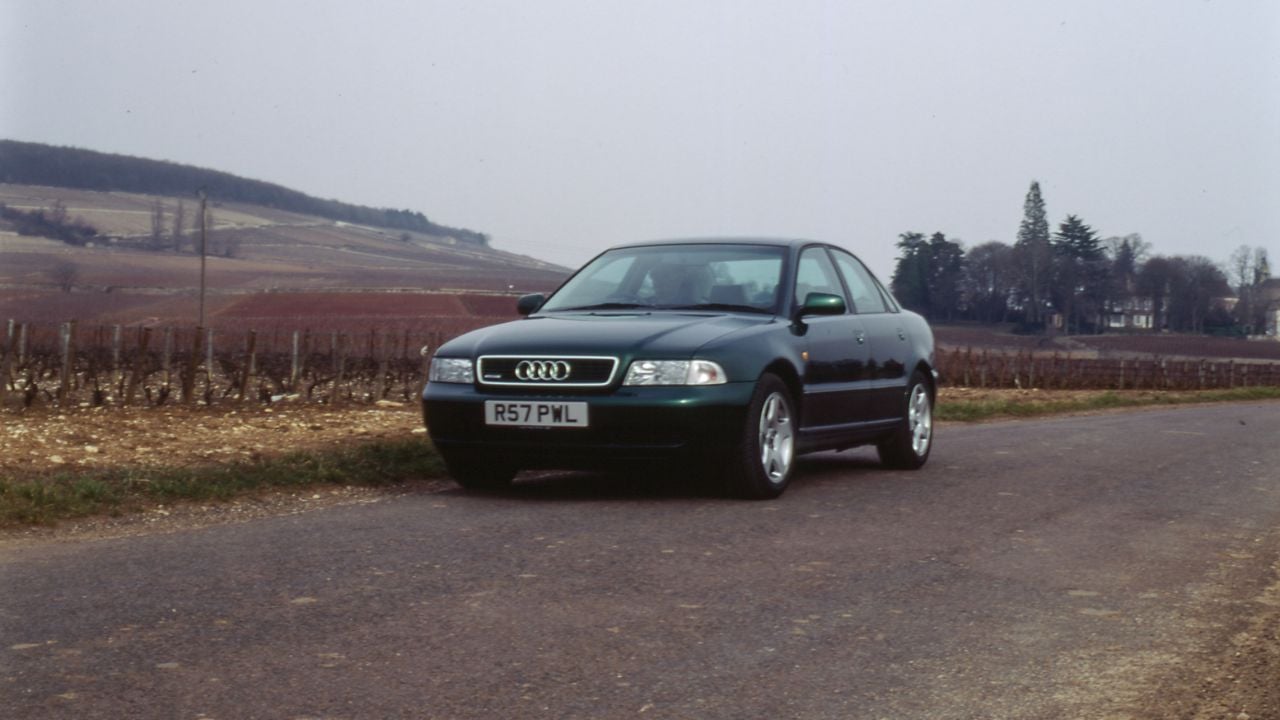
In the late ’90s, Audi was on the rebound, and the 1999 Audi A4 2.8 Quattro (B5 chassis) was a shining example of their renewed focus on quality and performance. This compact executive sedan blended luxury, engaging performance, and Audi’s signature Quattro all-wheel-drive system — a godsend in less-than-ideal weather conditions.
With its sleek, timeless design, beautifully crafted interior (Audi’s interiors were often ahead of their time), and solid build quality, the A4 2.8 Quattro quickly became a favorite for those seeking a practical yet premium compact sedan. The 2.8-liter V6, while not a fire-breather, was smooth and capable, and the Quattro system offered incredible grip and confidence.
Why it mattered: It helped solidify Audi’s resurgence in the luxury market, offering a sophisticated, all-weather performance package in a segment previously dominated by BMW and Mercedes.
1996 Nissan Maxima SE (“Four-Door Sports Car”)

Nissan wasn’t shy about marketing the 1996 Maxima SE as the “Four-Door Sports Car,” and for good reason. This wasn’t just a marketing gimmick; it actually delivered. Powered by the legendary VQ30DE 3.0-liter V6 engine (part of Nissan’s VQ engine family, which made Ward’s 10 Best Engines list for 14 straight years), the Maxima SE delivered strong acceleration and surprisingly agile handling for a midsize sedan. Its sleek design, especially the “A32” generation (1995-1999), was both sporty and refined, and the interior, while not opulent, was driver-focused.
With a reputation for reliability and impressive performance, the Maxima SE offered both fun and practicality for drivers who wanted a more dynamic daily ride without stepping into a full-blown sports car.
Why it mattered: It successfully bridged the gap between family sedans and sports cars, proving that practical transportation could still be genuinely thrilling.
1995 Volvo 850 T-5R