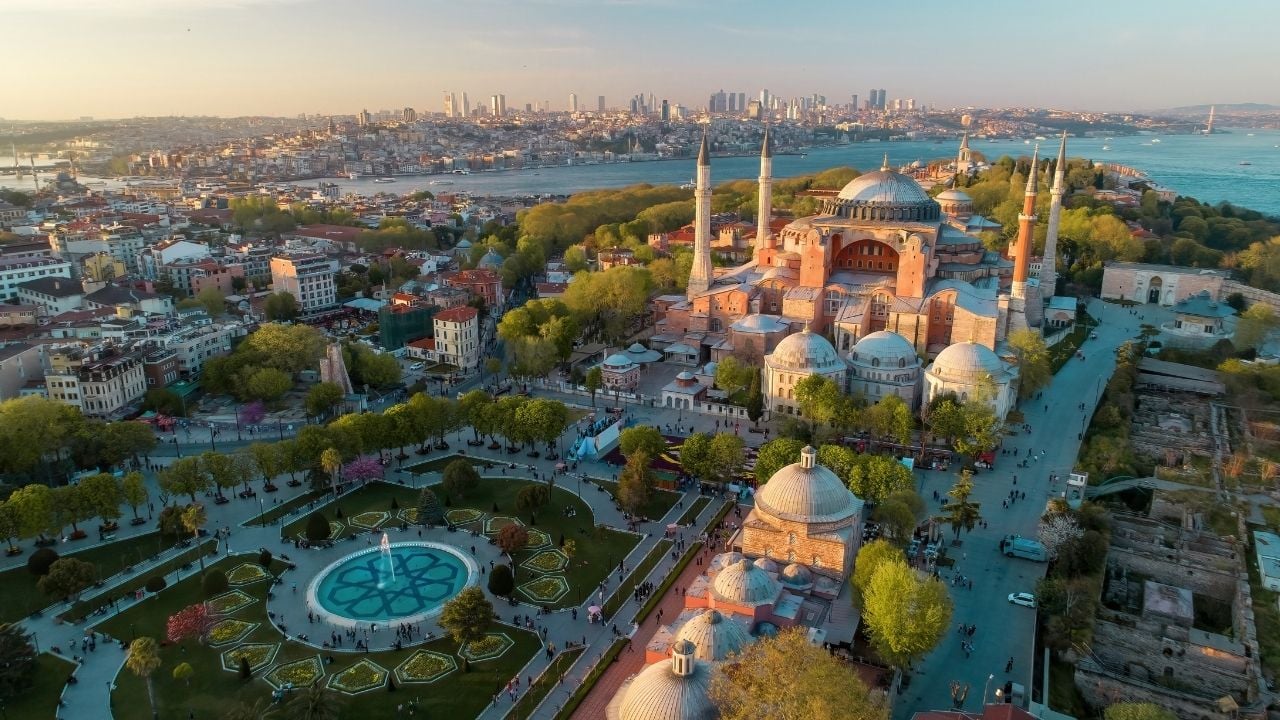
The Middle East rewards travelers who like layers: sacred precincts beside cafes, caravan routes echoed in modern streets, and skylines shaped by empires that rose, traded, and vanished. Many of the places below are internationally protected for their cultural value, which helps explain why they feel so powerful in person. Expect sensory overload in the best way, from the call to prayer drifting over rooftops to spice scents in covered lanes.
Practical note: conditions, entry rules, and access can change fast across the region, especially for certain destinations. Check official guidance before booking, hire local guides where appropriate, and dress with respect in religious spaces. Slower pacing usually pays off here, since early mornings and late afternoons bring softer light and calmer sidewalks.
1. Jerusalem

Sacred landmarks are packed into a compact walled quarter, and the emotional gravity is immediate. Stone alleys connect holy sites central to Judaism, Christianity, and Islam, often within a short walk. Architecture spans many eras, so each turn feels like a different chapter.
Arrive early to watch the streets wake up before day-trippers flood the gates. For perspective, pair major monuments with a rooftop view or a quiet museum visit. Keep your schedule light, because security lines and crowd flow can stretch timings.
2. Damascus

Few places feel as continuously lived-in as Damascus, where courtyard houses and old trade lanes still shape daily routines. The historic core includes long-standing religious sites and workshops tied to traditional crafts. Even a short stroll can reveal Roman traces beneath later layers.
Choose a guide for the older quarters, since details are easy to miss without context. Tea breaks in a calm courtyard help reset your senses after busy lanes. If visiting is not feasible, reputable museum collections and documentaries can still give a strong sense of the place.
3. Aleppo

Aleppo’s identity has long been linked to commerce, with a citadel rising above an urban fabric built for trade. Historic religious buildings, caravanserai-style structures, and covered passages speak to its role at the crossroads of routes linking regions. The setting carries deep significance for architectural heritage.
When access is possible, prioritize a guided walk that focuses on restoration and surviving landmarks. Photographs and exhibitions can also serve as a meaningful alternative for those unable to go. Either way, learning the context adds depth beyond surface impressions.
4. Beirut

Beirut runs on contrast: sea air along the Corniche, modern energy in the streets, and archaeology never far away. The National Museum offers a concentrated look at Lebanese heritage across long time spans. Coastal viewpoints add a simple, beautiful counterweight to heavier sightseeing.
Start with the museum to anchor your understanding, then move outdoors for an easy rhythm. Sunset along the waterfront near Raouché is a classic local ritual, with cafes perched above the waves. Keep evenings flexible, since the best experiences here often happen spontaneously.
5. Byblos
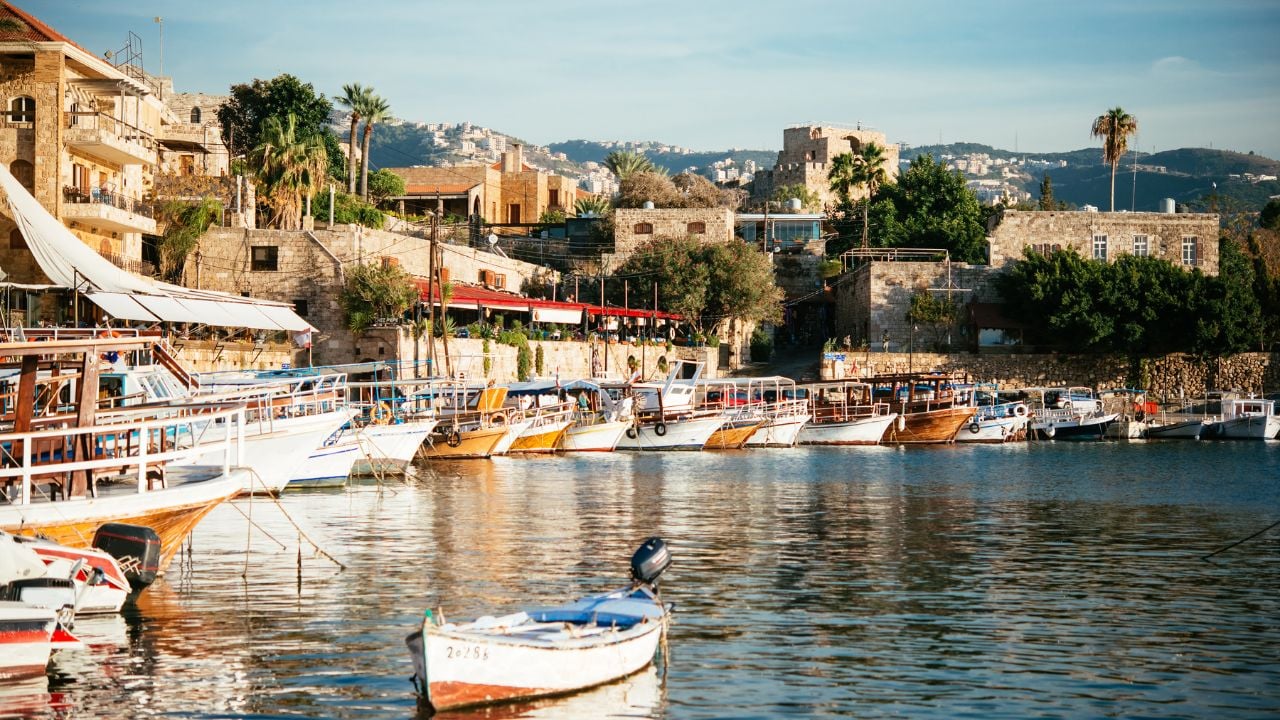
Byblos, also known as Jbeil, is celebrated for an exceptionally long sequence of settlement and construction. Layers range from Bronze Age remains through later fortifications, roads, and religious buildings. The site is also associated with the spread of the Phoenician alphabet.
Plan on lingering, because the compact size makes it tempting to rush, and that would be a mistake. Pair the archaeological area with a slow harbor meal for a full picture of past and present. Late afternoon light flatters the stonework and keeps the mood mellow.
6. Amman

Amman surprises people who expect only a modern capital, since major antiquity sits right in the center. The Roman Theatre and the hilltop Citadel frame a clear story of classical and early Islamic periods. Views from the Citadel knit the whole city together in one glance.
Hit the theater first, then climb to the Citadel before the heat peaks. A local guide can explain what you are seeing, especially around temple remains and palace structures. Afterward, dive into downtown for street food and small shops.
7. Cairo
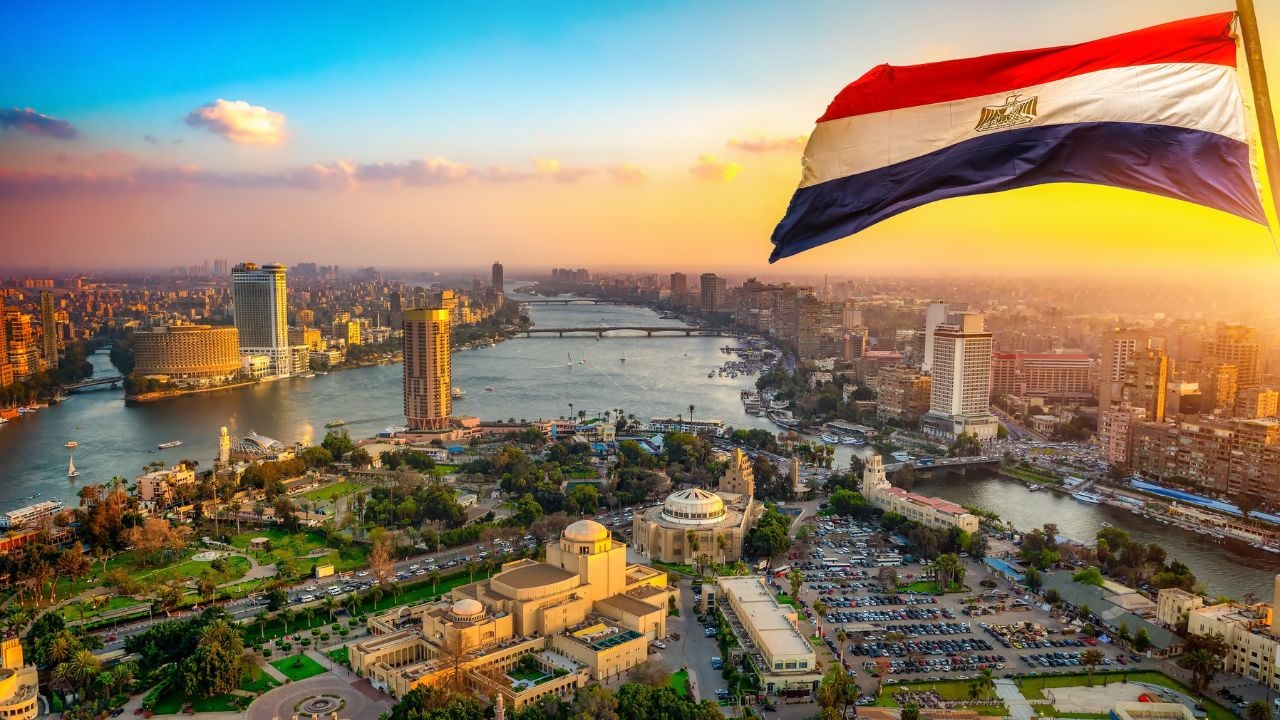
Historic Cairo holds one of the world’s great concentrations of Islamic architecture, with mosques, schools, baths, and fountains tucked into dense neighborhoods. The area’s medieval fabric feels like a living museum, where everyday life continues around monumental buildings. It is a place where patience is rewarded.
Go early for cooler air, then pause often to avoid fatigue, as the sensory load is intense. A guide helps you link names and dynasties to what you are viewing. End with a short felucca ride or a sunset viewpoint to reset your pace.
8. Istanbul
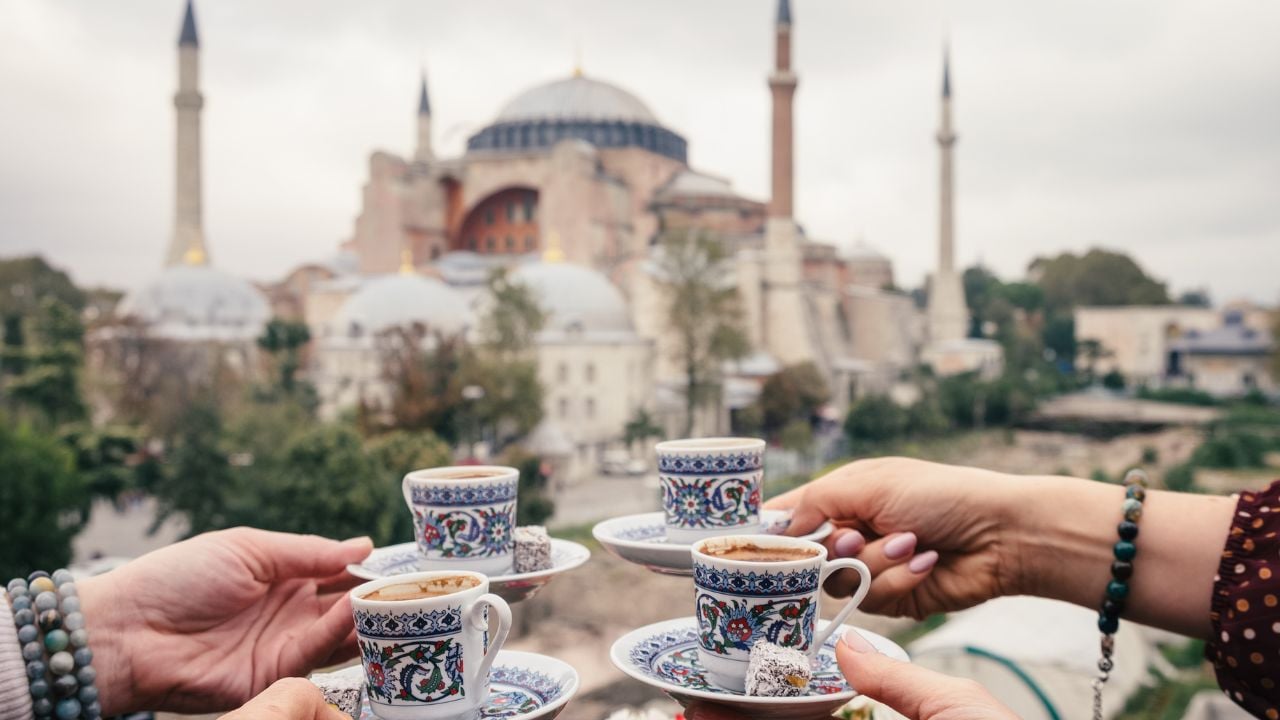
Istanbul sits on a strategic peninsula, and its historic districts reflect centuries of political, religious, and artistic influence. Major landmarks include Hagia Sophia, the Hippodrome area, and grand Ottoman-era complexes. The density of masterpieces can feel unreal.
Split your days by neighborhood rather than chasing a long checklist. Morning entry times reduce waits at top sites, and evening walks along older streets can be wonderfully calm. A ferry ride gives a quick, memorable geography lesson.
9. Isfahan
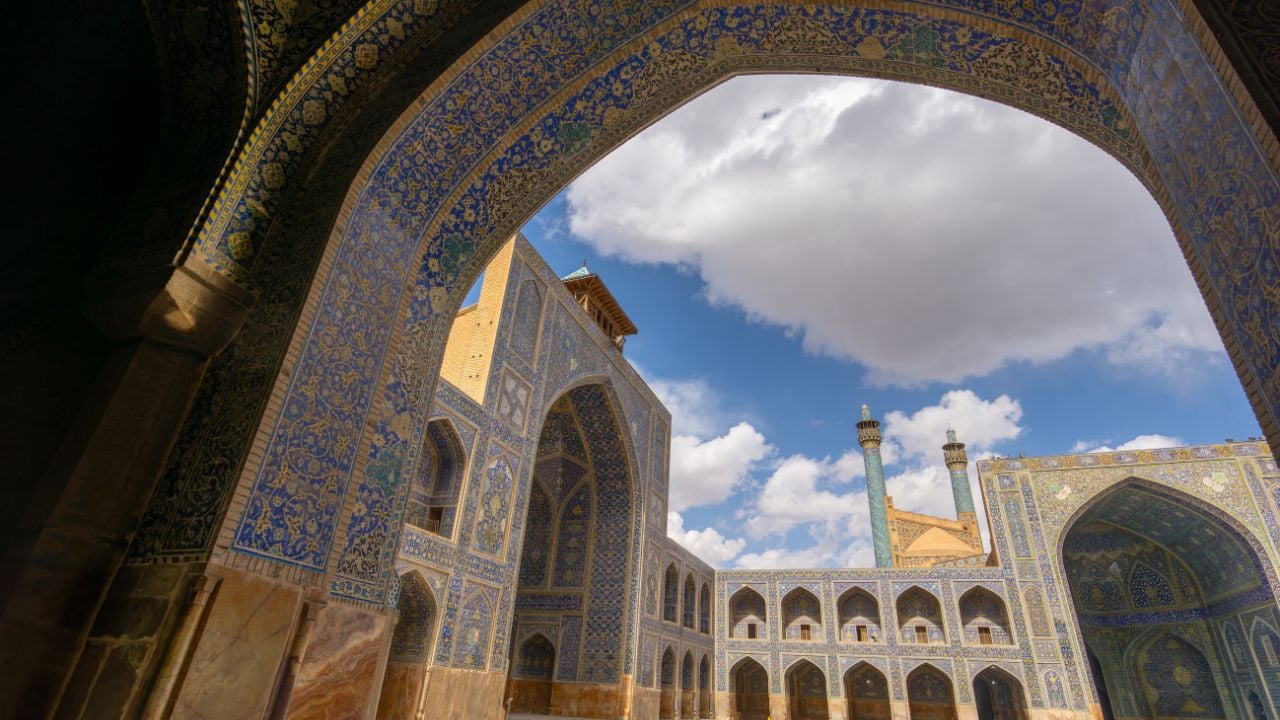
Isfahan’s signature experience is its monumental central square, framed by mosques, palaces, and arcaded facades from the Safavid era. The scale feels theatrical, yet the space still functions as a social hub. Crafts, tiles, and calligraphy combine into a visual feast.
Visit the square twice, once in daylight for detail and once after dark for atmosphere. Add a stroll over historic bridges, when locals gather and the air cools. Keep camera batteries ready, because every angle begs for a photo.
10. Yazd

Yazd is shaped by desert ingenuity, with windcatchers, earth-toned lanes, and a long tradition of water management through qanats. The old urban fabric is built for shade and airflow, creating a calm, almost whisper-quiet mood. It is an ideal place for wandering without urgency.
Choose a small guesthouse in the older quarters for the most immersive feel. Sunrise and dusk are the sweet spots for walking, since temperatures soften and rooftops glow. A short day trip to nearby desert scenery pairs nicely with the architecture.
11. Sana’a
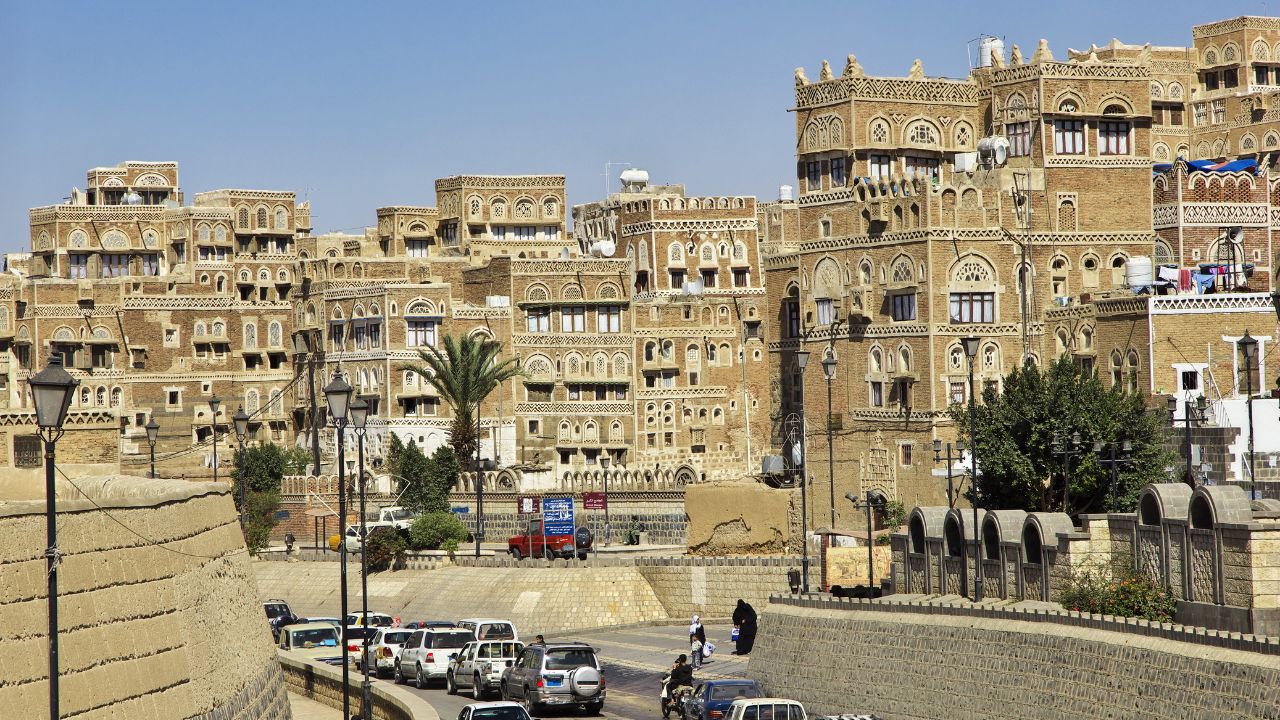
Sana’a’s old quarter is famous for its distinctive tower houses with patterned facades and stained-glass windows. The built environment reflects deep cultural history, with major religious sites and dense residential streets. The look is so striking it can feel like a storybook, except it is real.
If travel is possible, prioritize respectful, guided visits that focus on heritage and local norms. For many readers, following preservation work through credible reports and curated exhibits may be the safest way to engage. However you approach it, the architectural vocabulary here is unforgettable.