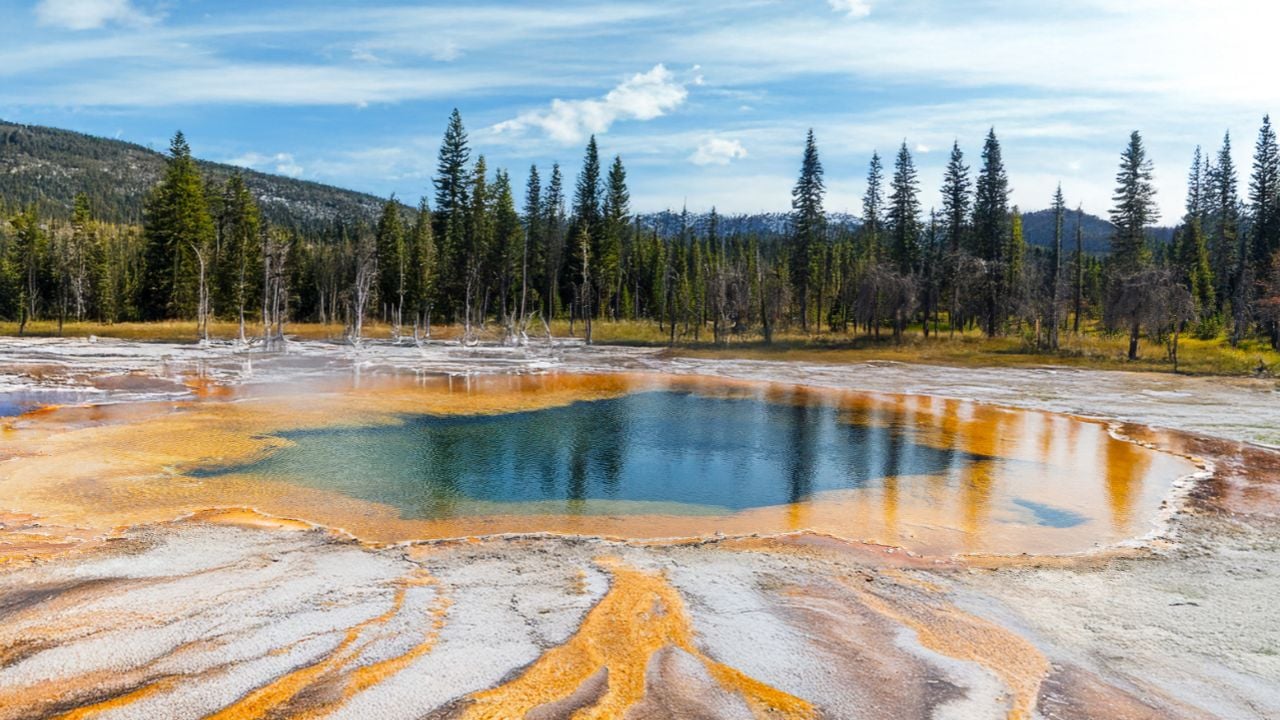
The United States packs a remarkable range of landscapes into one country, and that variety can make a domestic trip feel as dramatic as an overseas itinerary. In a single season, you can stand above a mile-deep chasm, walk beside steaming pools, enter a cave cathedral, and cross a field of giant dunes. For a slideshow, this topic is a natural fit because every stop delivers a strong visual and a real story behind it. Geology, climate, water, and time did the design work.
This list focuses on places that are famous for good reason while still giving readers useful context for planning. Each entry highlights what makes the site distinctive, what people often miss, and how to approach a visit with better timing and safer habits. Conditions can shift because of weather, road work, fire risk, or volcanic activity, so checking official park alerts before departure is always smart. The payoff is a lot sweeter when the logistics are handled first.
1. Grand Canyon, Arizona

The Grand Canyon can seem unreal even when you know exactly where you are. The scale is so huge that depth and distance become hard to judge, especially from popular overlooks on the South Rim. Layered rock walls expose an extraordinarily long slice of Earth history, and the Colorado River keeps shaping the gorge below. Light changes fast, so the same viewpoint can look completely different within an hour.
Sunrise and late afternoon usually bring the strongest color and softer temperatures. Summer crowds build quickly near major rim stops, so earlier arrivals tend to get easier parking and calmer paths. Rim walks deliver huge views without a strenuous descent, which suits visitors who want scenery without a demanding hike. If you’re heading down, it’s worth reviewing current South Rim conditions and carrying far more water than you think you need.
2. Yellowstone Thermal Basins, Wyoming, Montana, and Idaho
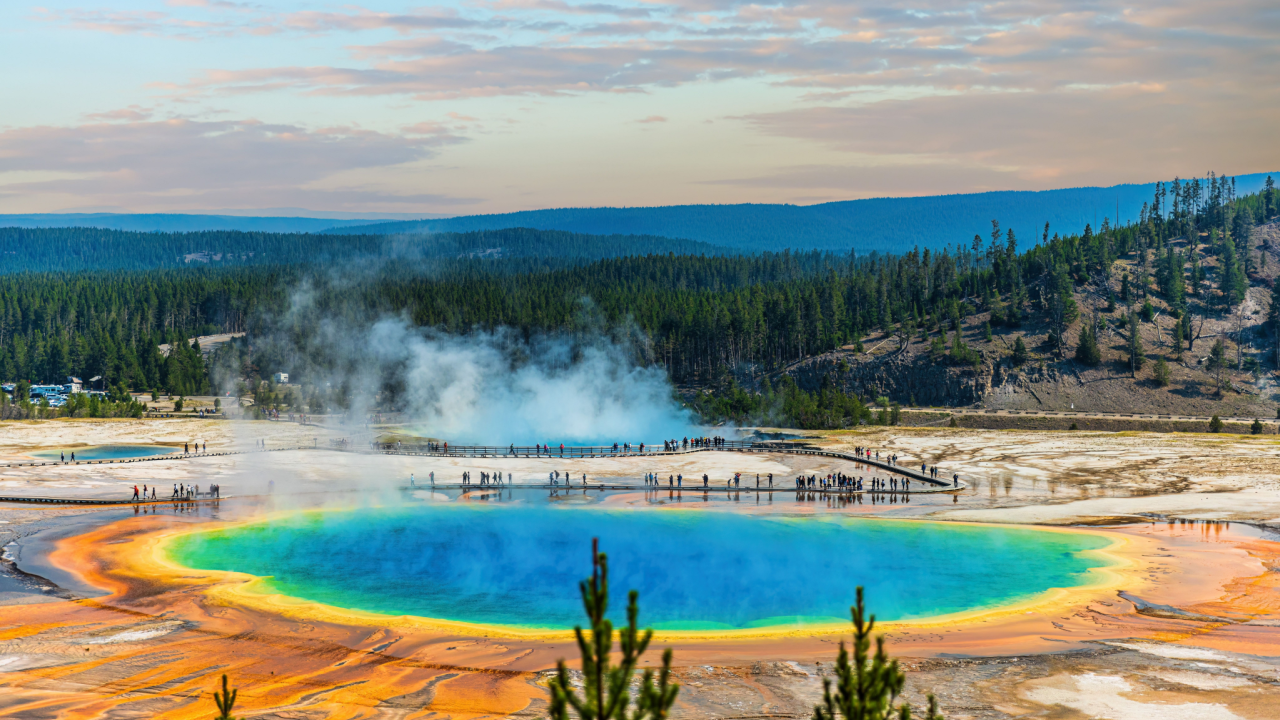
Yellowstone’s thermal zones look like another planet dropped into the Rocky Mountains. Geysers, hot springs, mudpots, and fumaroles appear across a vast volcanic hydrothermal system, with vivid mineral colors and steam drifting through the air. Boardwalks are essential because the ground can be thin and dangerously hot in active areas—so it’s smart to follow the park’s thermal-area safety guidance. Even a short loop can become unforgettable when eruptions or changing wind reveal new angles.
Old Faithful draws first-time visitors, but quieter basins often leave the deeper impression. Midway and Upper Geyser Basin areas can become congested in peak hours, so an early start usually improves the experience. Patience goes a long way here because features behave on their own schedule, not yours. A simple pause beside a spring can turn into the best moment of the day.
3. Yosemite Valley, California
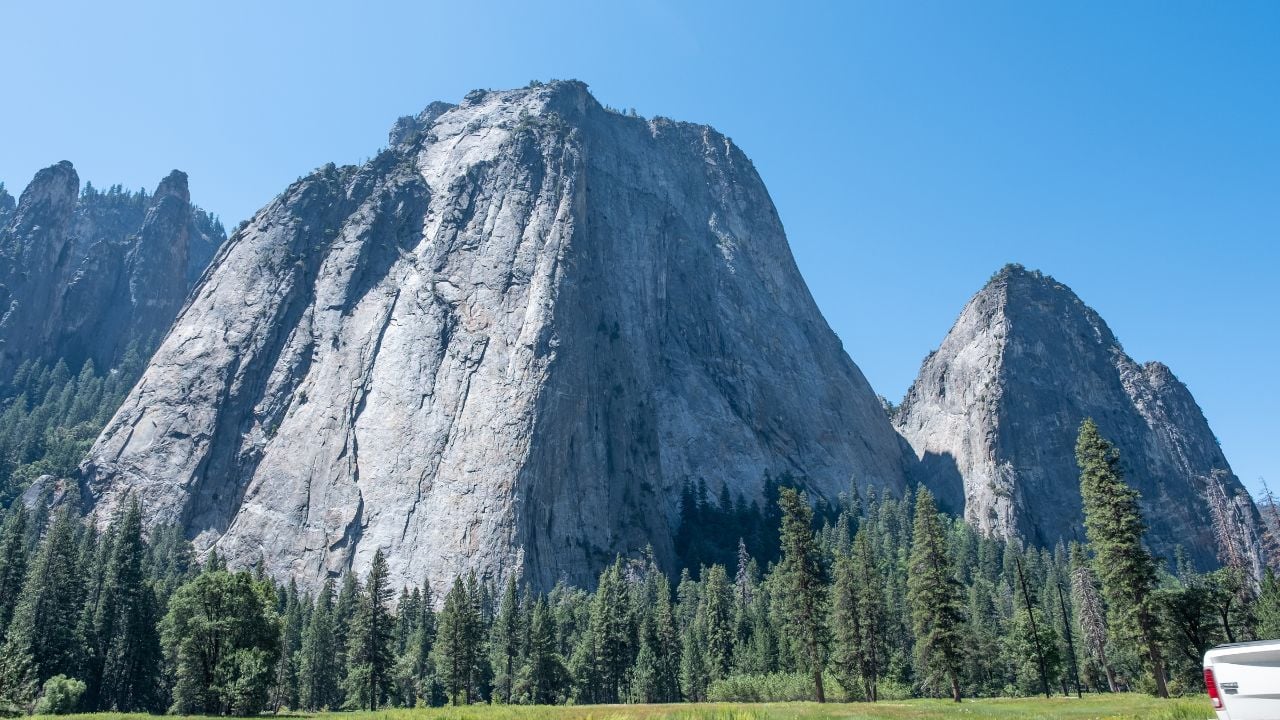
Yosemite Valley combines sheer granite faces, waterfall routes, and meadows in a compact setting that looks almost staged. El Capitan rises dramatically above the floor, while Half Dome anchors the skyline with a shape people recognize instantly. Glaciers played a major role in carving and widening the valley over long periods, which is a big reason the walls look so steep and clean.
Season matters a lot in Yosemite. Waterfall flow is often strongest in spring and early summer—NPS notes that peak runoff typically hits in May or June—while late season can bring thinner cascades in dry years. Entry rules, permits, and reservation requirements can affect planning depending on the date, so it’s worth checking the park’s permits and reservations page before you drive in. Crowds thin out if you begin early, use the Yosemite Valley shuttle, and linger after day-trippers leave.
4. Bryce Canyon, Utah
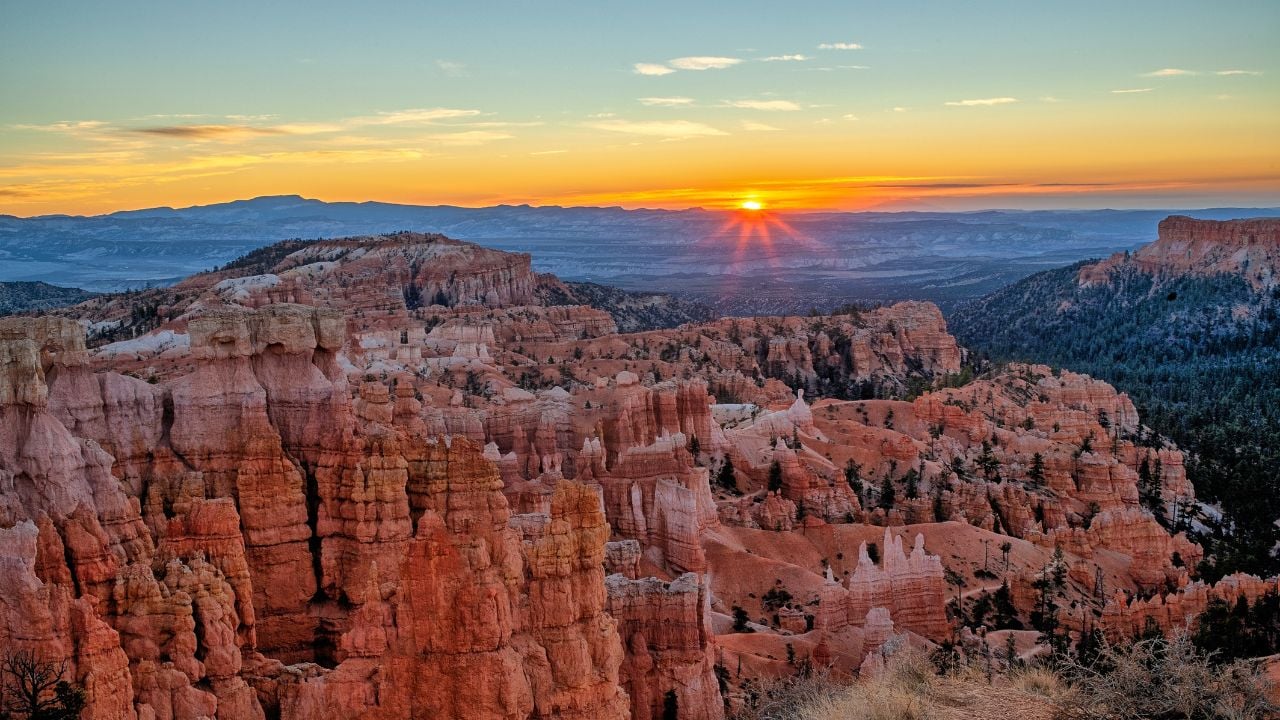
Bryce Canyon surprises people because it is not a single canyon in the usual sense. The headline feature is a series of amphitheaters filled with hoodoos, which are tall rock spires formed by erosion. Colors shift from pink to orange to cream depending on sun angle and cloud cover. A short rim walk can deliver dozens of photo-worthy scenes without much effort.
Freeze-thaw cycles are part of the ongoing sculpting process, especially at Bryce’s high elevations. Cold nights and warmer days crack and reshape stone over time, which helps create the park’s strange skyline of pillars. Morning light is excellent at many viewpoints, and sunrise spots are popular for good reason. Thin air and steep trails can catch people off guard, so pacing is important.
5. Arches, Utah
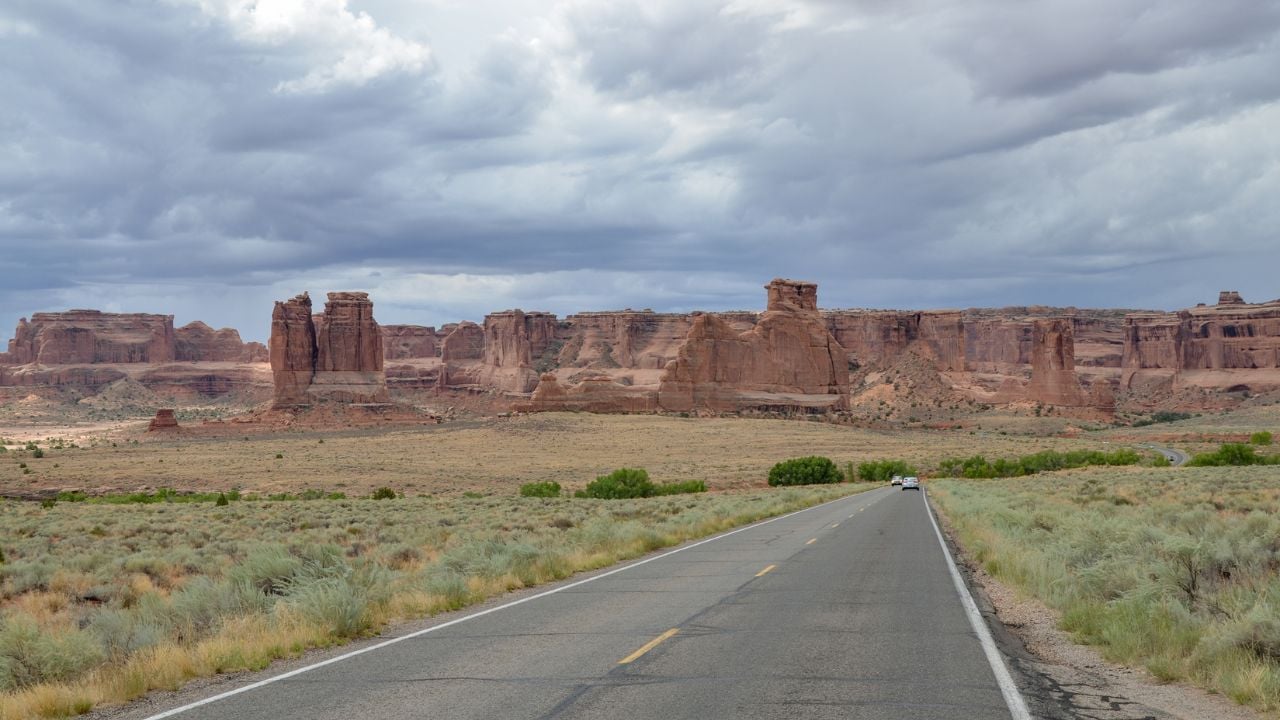
Arches reads like a sandstone gallery spread across a desert plateau. The park protects over 2,000 documented natural arches, along with fins, towers, balanced rocks, and sweeping slickrock vistas. Wind, water, and long-term weathering produced shapes that often look impossible from a distance. Nearly every turn reveals another formation with its own character.
Delicate Arch gets most of the attention, but the broader area rewards visitors with variety. Some routes are short and family-friendly, while others involve exposed terrain and stronger heat. Summer temperatures rise fast, so early outings are safer and far more comfortable. Bringing extra water is basic desert common sense, not over-preparation.
6. Mammoth Cave, Kentucky
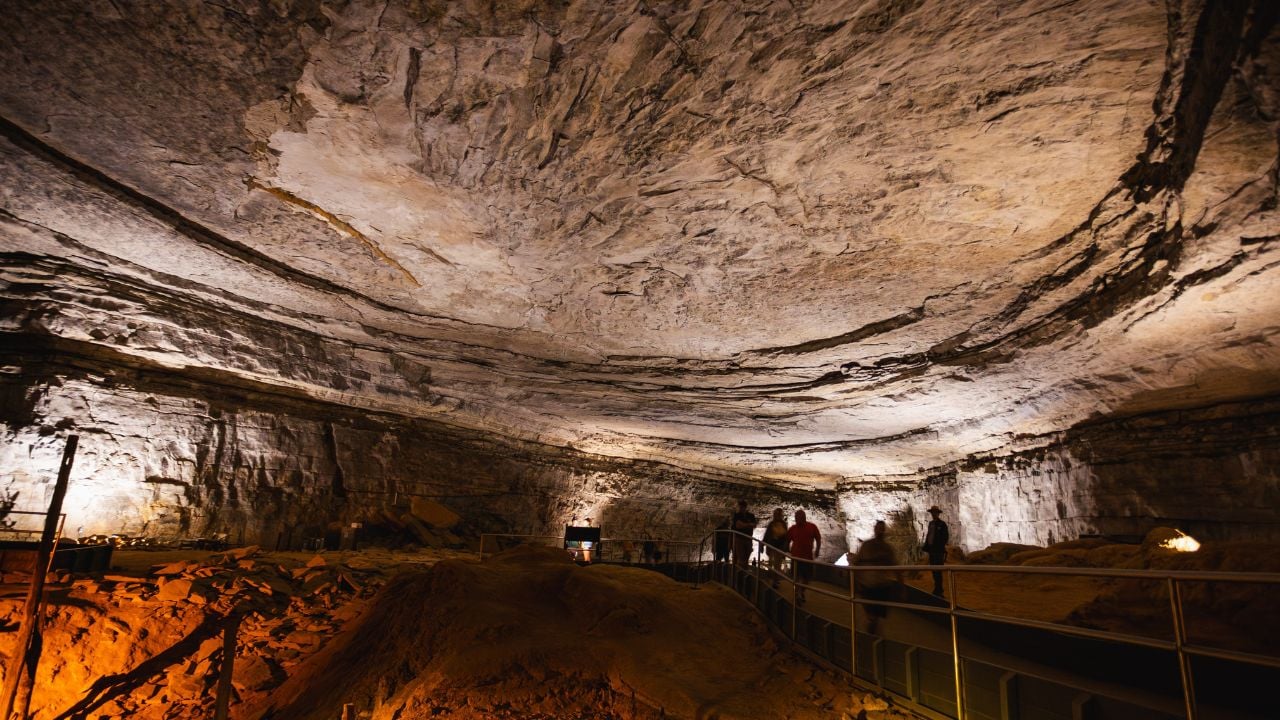
Mammoth Cave changes the mood of this list by taking the spectacle underground. It is the world’s longest known cave system, with hundreds of mapped miles and a history of exploration that continues to grow. Above ground, the surrounding hills and river landscape add another layer of interest, but the real shock comes after entering the limestone passages. The sense of scale builds slowly, then suddenly becomes enormous.
Tour reservations matter here because many cave experiences are ticketed and guided, and popular options can fill. Different programs vary in length, difficulty, and stair use, so matching the route to fitness level makes a big difference. Some visitors prefer a shorter introduction, while others want tighter passages and a more adventurous route. Either way, cave air and darkness create an atmosphere no photo fully captures.
7. Carlsbad Caverns, New Mexico
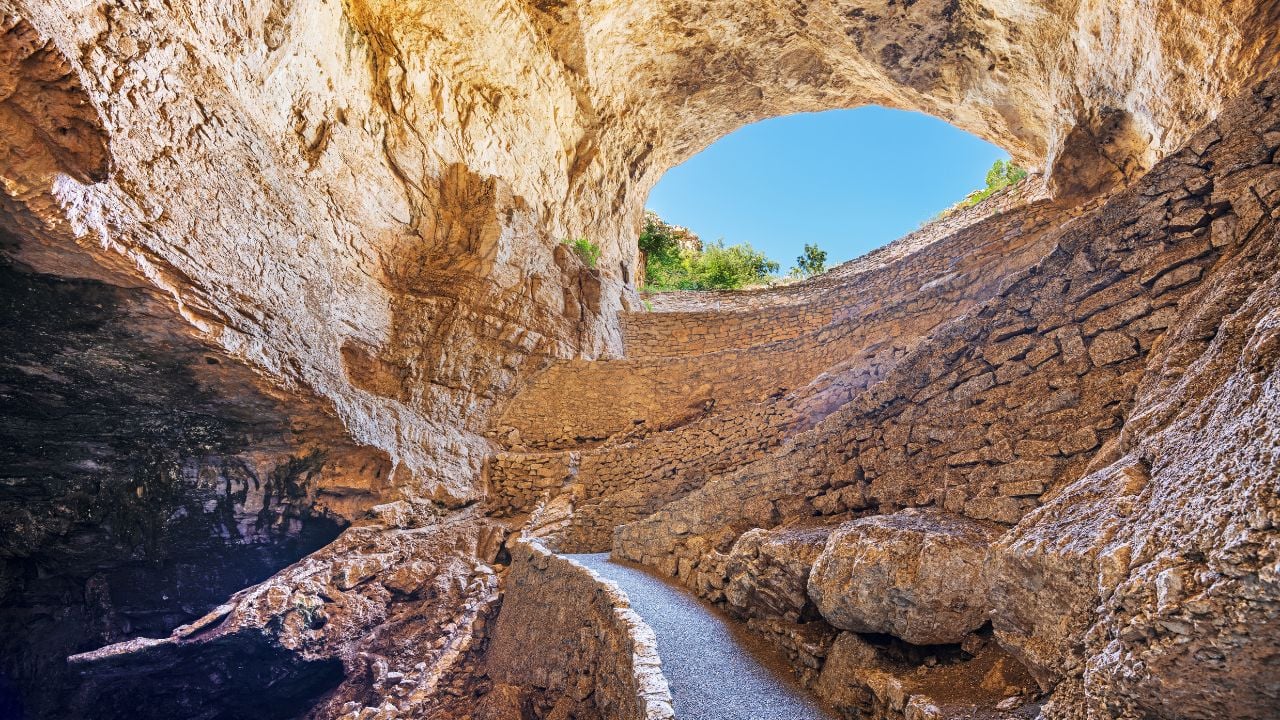
Carlsbad Caverns National Park offers another underground world, but with a very different personality from Mammoth Cave. Massive chambers, delicate formations, and dramatic ceilings give the interior a grand, almost theatrical look. The Big Room is one of the signature highlights and leaves many people staring upward for long stretches. Stone features look sculpted by hand, yet water chemistry did the work drop by drop.
Visitors can enter through the Natural Entrance or use the elevator, depending on preference and available access. The Natural Entrance route is steep, so it plays more like a hike than a casual stroll. Seasonal bat flights at dusk add a memorable outdoor element to the trip when programs are running. Checking schedules and current entry requirements in advance helps avoid disappointment.
8. Everglades, Florida
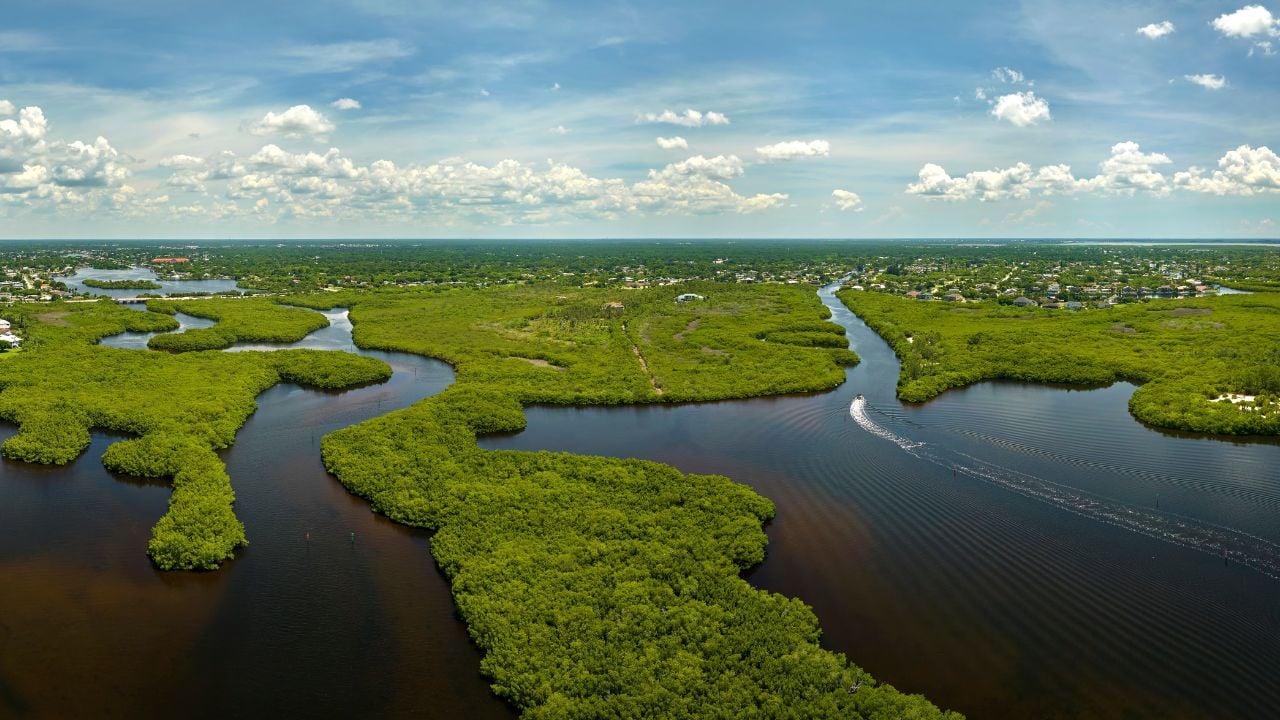
Everglades National Park proves that a place does not need cliffs or peaks to be extraordinary. This enormous subtropical wetland includes sawgrass marshes, mangrove forests, coastal zones, and rich wildlife habitat. From a distance, the landscape can look simple, but close observation reveals constant movement and detail. Water depth, bird activity, and light transform the scene hour by hour.
Quiet travel works best in the Everglades. Slowing down improves your chances of spotting wildlife, and the park notes that the best birding can be in the morning in key areas. Heat, humidity, insects, and sun exposure can be intense, so preparation matters more than many first-time guests expect. Early starts often bring better wildlife viewing and a more comfortable outing.
9. Hawaiʻi Volcanoes, Hawaiʻi Island
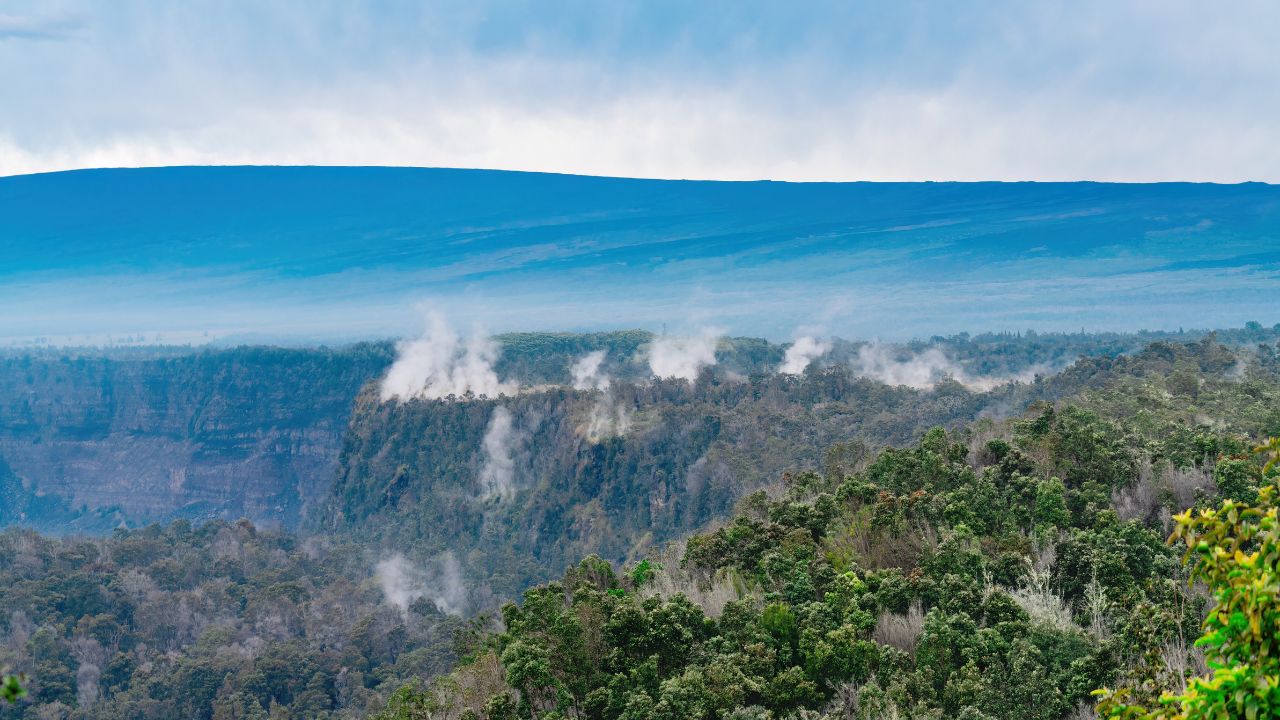
Hawaiʻi Volcanoes National Park works like a live geology lesson unfolding in real time. The park includes the summits of Kīlauea and Mauna Loa, and volcanic activity continues to reshape parts of the landscape. Lava fields, craters, native forests, and coastal sections create striking contrasts within one protected area. Few destinations show Earth-building processes this clearly.
Plans need flexibility because eruptions, gas conditions, weather, or closures can change access with little notice. Before you go, check the park’s alerts and conditions, and if you’re chasing current activity, USGS posts the latest on Kīlauea updates. Even on days without visible lava, crater overlooks and hardened flows still tell a powerful story about recent change. Sturdy footwear and layered clothing help because conditions vary by elevation and time of day.
10. Great Sand Dunes, Colorado

Great Sand Dunes look almost surreal, especially when giant sand hills rise in front of mountain peaks. The park contains the tallest dunes in North America, and the surrounding setting includes wetlands, grasslands, forests, and alpine areas. That mix creates a rare contrast that looks dramatic in every direction. Wind patterns and seasonal moisture keep reshaping the surface.
Medano Creek adds a seasonal bonus that many people do not expect in a dune field. When flow conditions line up, shallow water creates a playful edge along the sand, and families often spend hours there. Bare feet can be miserable once the surface heats up, so timing your walk matters a lot in warm weather. Night skies are another major draw, especially for anyone who stays late enough to watch the stars take over.