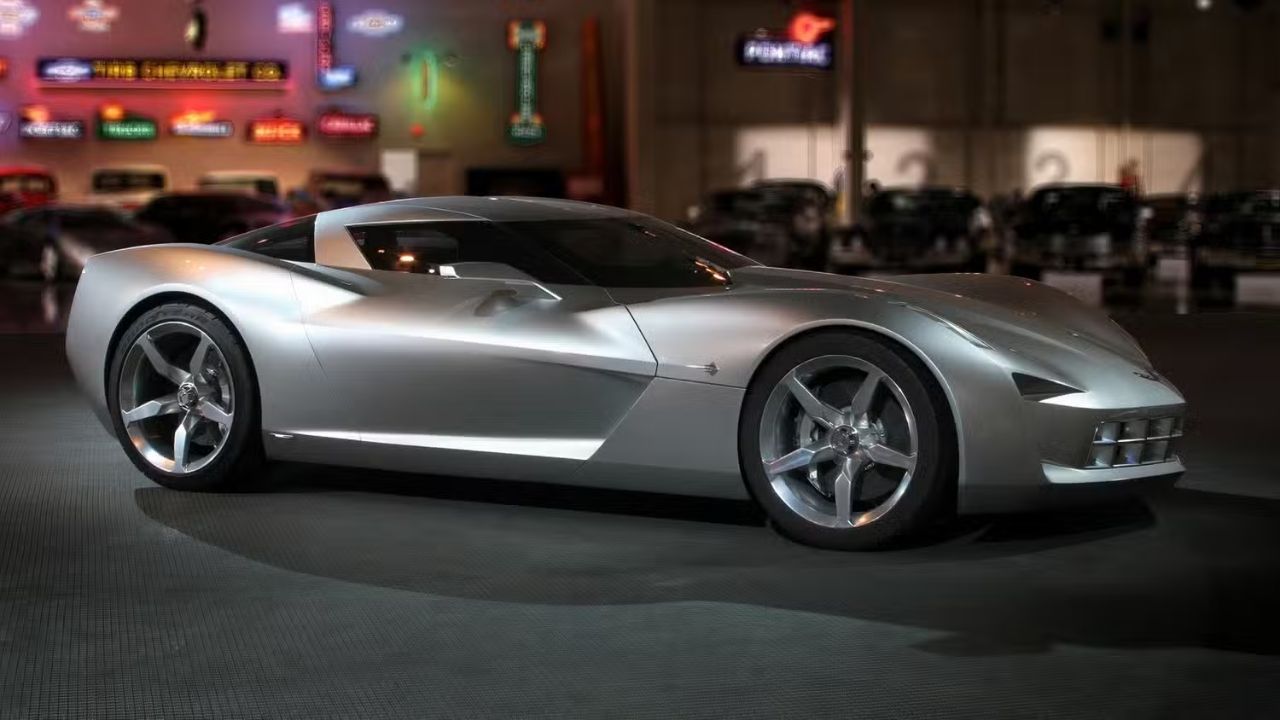

Concept cars are where automakers let their freak flags fly, and few did it with more flair than General Motors. For decades, GM treated concept design like a blank canvas; no rules, no limits, just wild imagination on four wheels. These weren’t just design exercises; they were rolling showcases of what the future could be if engineers and stylists had their way.
From turbine-powered cruisers to wedge-shaped sci-fi oddities, GM’s concept cars pushed the envelope in ways that were often decades ahead of their time. Some introduced tech that would eventually hit the showroom floor, while others lived fast, died young, and became legends anyway. This list highlights the boldest, strangest, and most unforgettable visions GM ever dared to build, because sometimes the cars that never made it to production are the ones we remember most.
How We Selected These Concepts
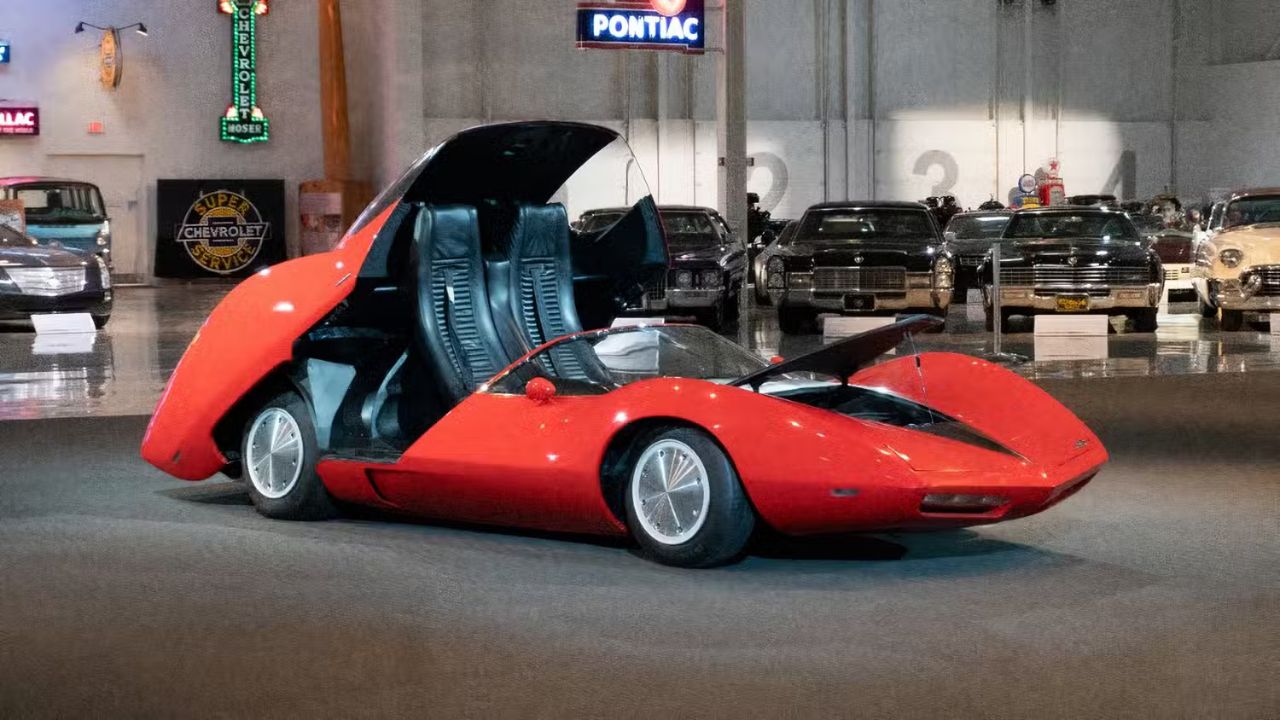
To curate this list, we reviewed GM heritage archives, design studies, and historical resources. The focus was on concepts that sparked curiosity, introduced new ideas, or left a lasting impression on automotive culture.
Each selection offers something exceptional. Some concepts pioneered technology, such as early electric propulsion or advanced aerodynamics. Others stood out for their visual drama or forward-thinking layouts that challenged conventional norms. We avoided purely speculative designs, instead choosing cars that represented meaningful explorations of future possibilities.
This approach ensures a balance between historical relevance and creativity. While these vehicles often remained one-offs, their influence stretched far beyond auto show floors. Many inspired production cars, while others shaped GM’s long-term design philosophy. These concepts remind us that innovation often begins as a bold experiment, and even the most imaginative ideas can redefine the industry over time.
1954 Firebird I: A Jet-Inspired Vision
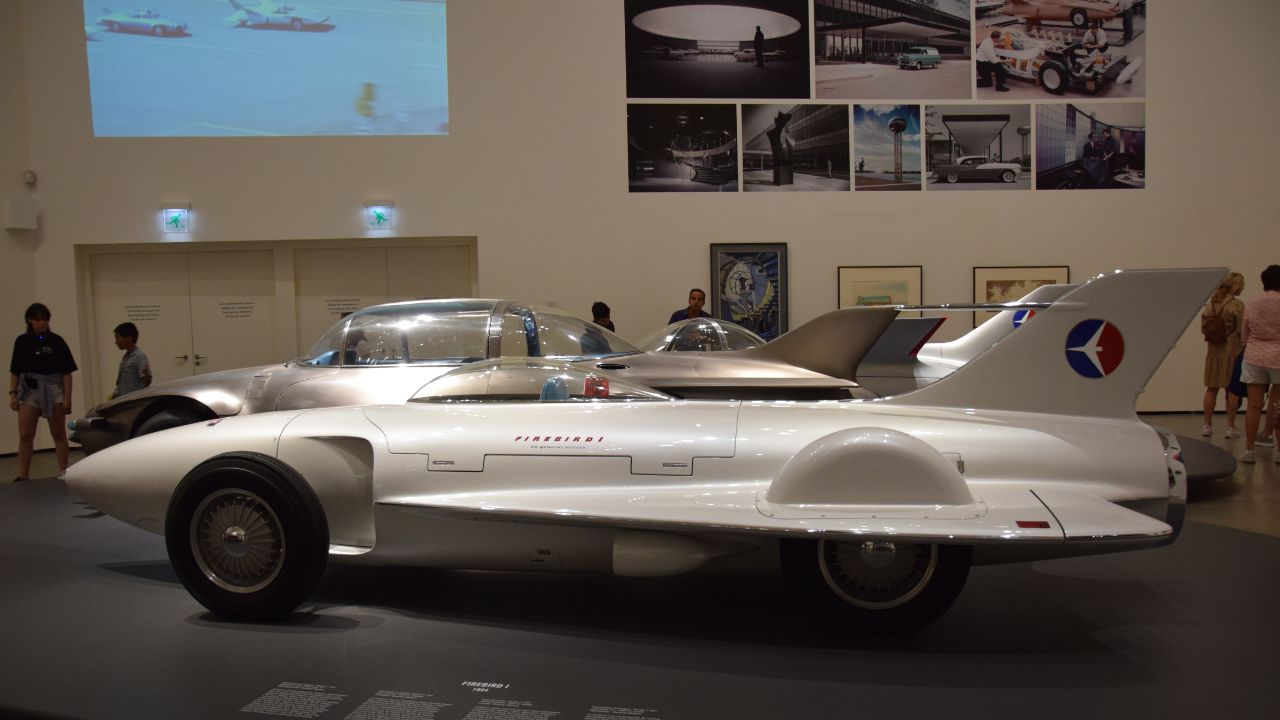
The Firebird I symbolized the soaring optimism of postwar America. Introduced in 1954, it resembled a jet fighter more than a car, complete with a bubble canopy and striking tail fins. This dramatic design captured the public’s fascination with flight and space exploration, making it a star attraction wherever it appeared.
Beyond its looks, the Firebird I was significant for its exploration of turbine propulsion, a bold concept at the time. GM envisioned a future where cars might share technology with aircraft, reflecting a willingness to think far beyond conventional norms. Although turbine engines never became standard in passenger cars, this concept demonstrated the spirit of innovation that defined GM during the 1950s. Today, Firebird I stands as an enduring symbol of ambition, creativity, and the futuristic thinking that fueled the golden age of concept cars.
1963 Chevrolet Corvair Super Spider: The Sports Car Spirit
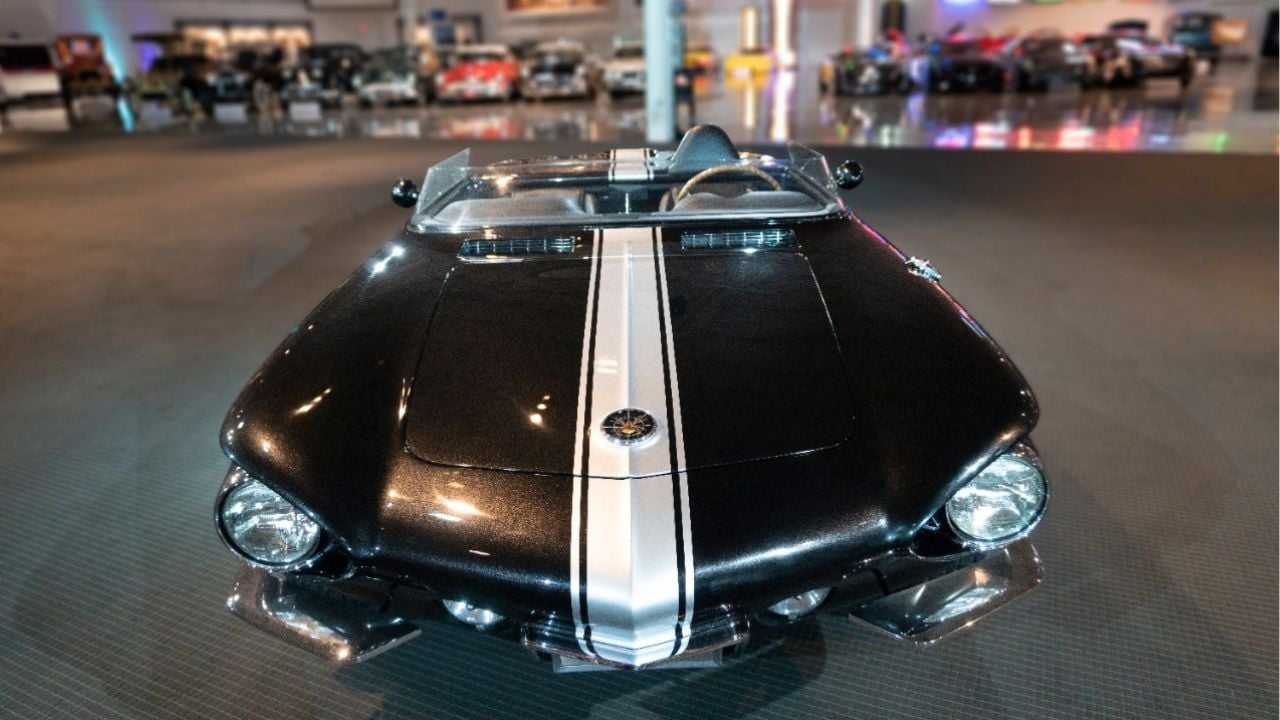
The Corvair Super Spider represented GM’s response to the growing popularity of European sports cars. Built on the Corvair platform, it combined compact proportions with distinctive styling cues that hinted at performance and excitement. The low windshield, aggressive stance, and sleek body lines set it apart from more conservative designs of the era.
This concept embodied an idea: that American drivers could enjoy an affordable, stylish roadster without importing a foreign brand. While it never entered production, the Corvair Super Spider suggested an alternative future for GM, a future where lightweight, agile sports cars could complement the company’s muscle car lineup. The concept remains memorable not for what it achieved, but for what it promised: a bold departure from the status quo and a glimpse into a more adventurous era of automotive design.
1967 Chevrolet Astro I: Science Meets Style
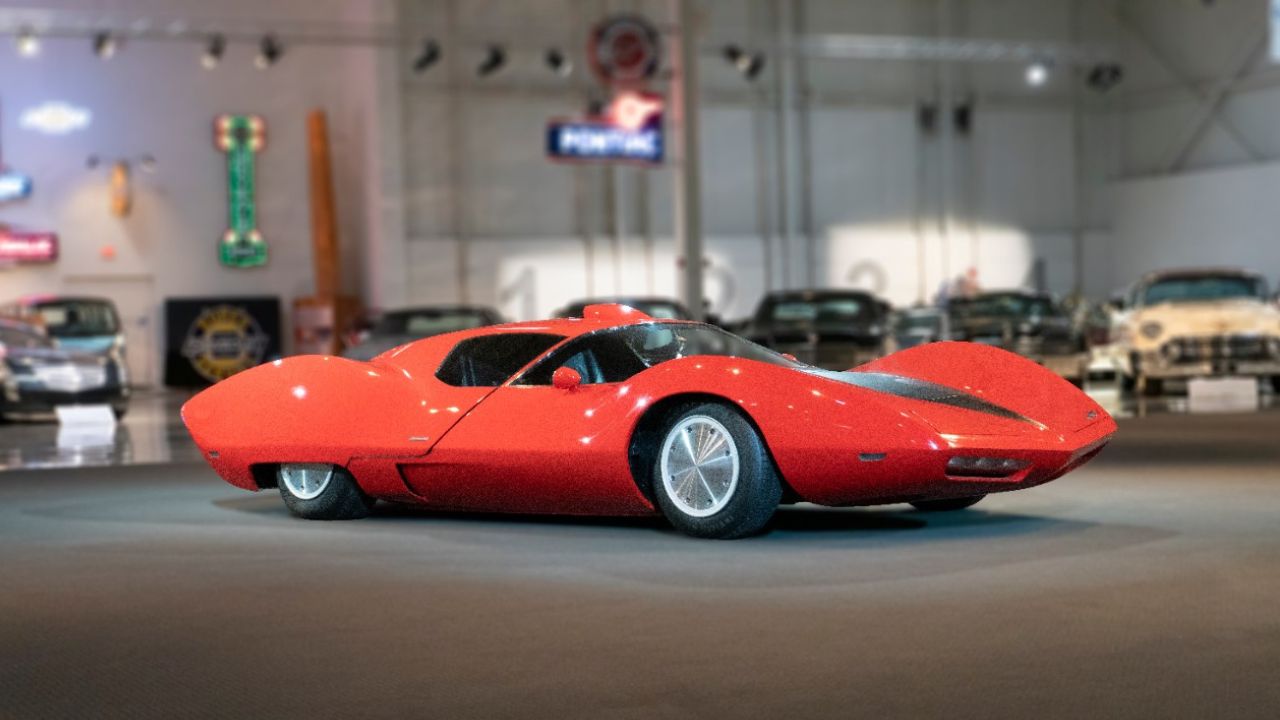
The Astro I explored the relationship between aerodynamics and beauty at a time when car design favored curves and ornamentation over airflow. With its teardrop profile, smooth surfaces, and sharply tapered rear, the Astro I looked futuristic even by today’s standards. It showcased GM’s early commitment to blending functional efficiency with striking aesthetics.
Inside, the Astro I introduced ideas that seemed light-years ahead. A steering yoke replaced the traditional wheel, evoking a sense of being in a spacecraft. The low-slung seating position and canopy-like roof reinforced this futuristic theme. Although it remained a concept, Astro I influenced thinking around aerodynamics in vehicle design for decades to come. It proved that science and style could work hand in hand, inspiring a lineage of concepts that prioritized efficiency without compromising visual drama.
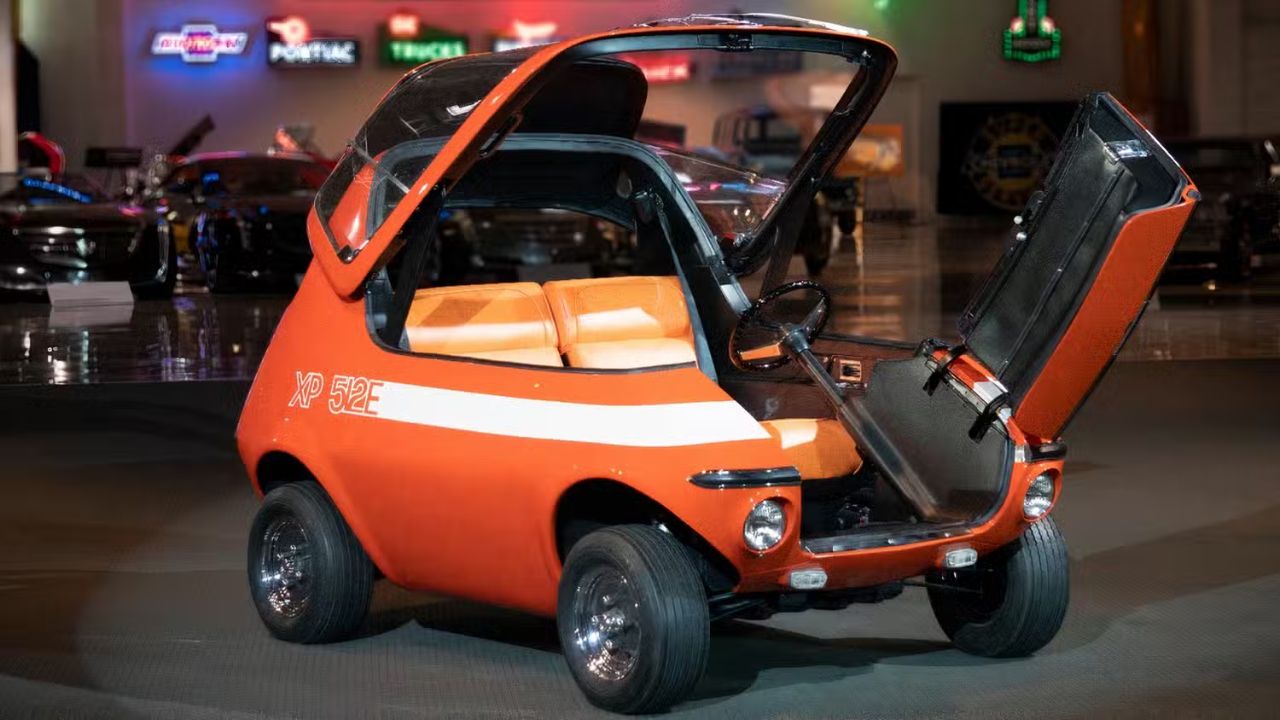
1969 GM 512 Electric Experimental: Early Electric Vision
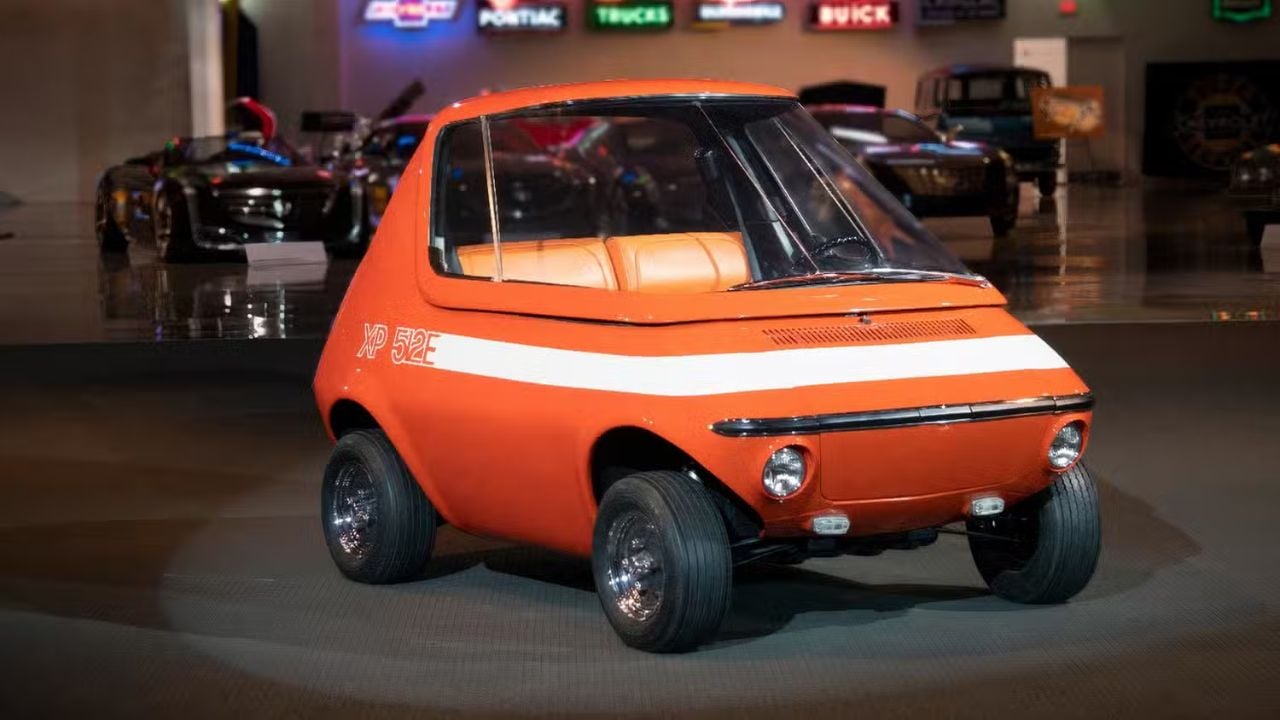
Decades before electric vehicles became mainstream, GM created the 512 Electric Experimental, a compact city car designed to explore battery-powered mobility. Its quirky proportions and fiberglass body made it an eye-catching presence at auto shows, but its true value lay in the boldness of its mission.
The 512 aimed to address concerns about fuel consumption and urban congestion, issues that feel surprisingly current today. Its lightweight construction and rechargeable battery system represented forward-thinking engineering for the late 1960s. Although the range and performance were modest by modern standards, this concept marked an important step in GM’s exploration of alternative energy solutions. The 512 serves as a reminder that ideas often begin small, and innovation sometimes needs decades to reach full maturity.
1971 Pontiac Pegasus: A Cultural Fusion
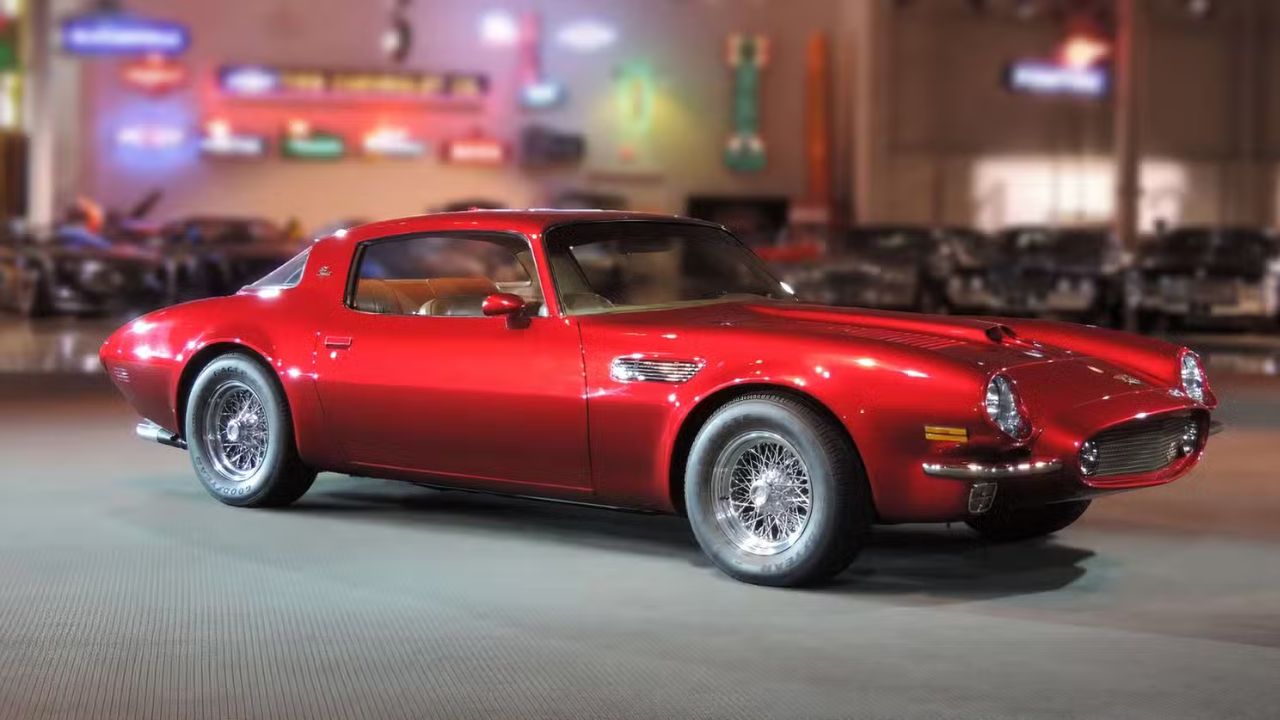
Pontiac’s Pegasus concept brought together two worlds: the muscular identity of American performance cars and the elegance of Italian grand tourers. Styled with Ferrari-inspired elements, including a sculpted front end and flowing lines, Pegasus created an aesthetic unlike anything else in GM’s lineup.
It started as a production 1970 Firebird design study, but the wild part was underneath: Pegasus used a Ferrari 365 GTB/4 V12 mated to a Ferrari 5-speed, with a GM posi-traction rear axle, but its design suggested a bold reimagining of what an American sports car could be. Pegasus embodied creativity through contrast, merging familiar power with European sophistication. Although it never advanced beyond the prototype stage, it left an impression as a daring experiment in cross-cultural design. Today, Pegasus stands as proof that blending traditions can produce ideas that capture the imagination and expand the possibilities of automotive styling.
1972 Chevrolet Reynolds Aluminum Corvette: Lightness Redefined
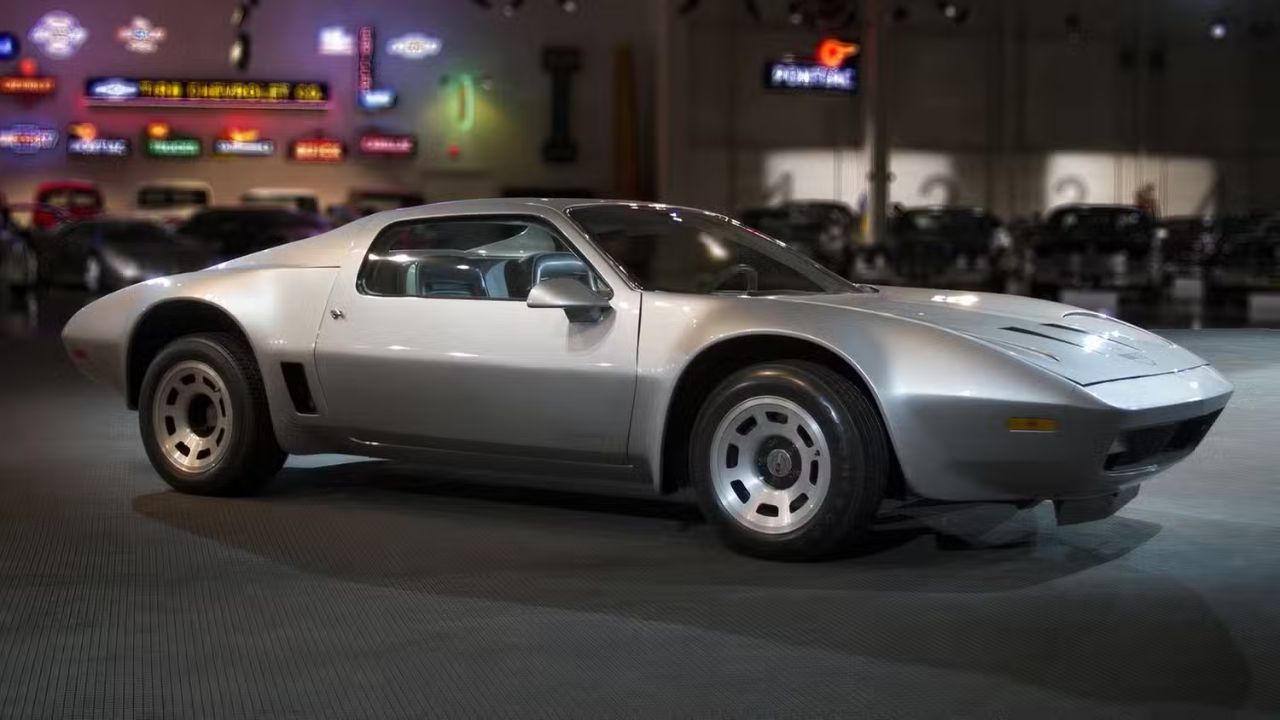
The Reynolds Aluminum Corvette represented GM’s pursuit of performance through innovation in materials. Developed with Reynolds Metals involvement, it explored lighter materials and radical packaging—including a transversely mounted mid-engine 400-cid small-block V8, this concept explored weight reduction as a way to improve speed, handling, and efficiency. Its philosophy remains central to automotive engineering today.
Its mid-engine layout added another layer of forward thinking. While such configurations were rare in American cars at the time, they hinted at the design direction that would eventually reach production decades later. The combination of lightweight construction and reimagined architecture positioned the Reynolds Aluminum Corvette as a pioneer. It demonstrated GM’s willingness to challenge convention and push boundaries in pursuit of progress.
1973 Chevrolet Aerovette: A Bold Statement
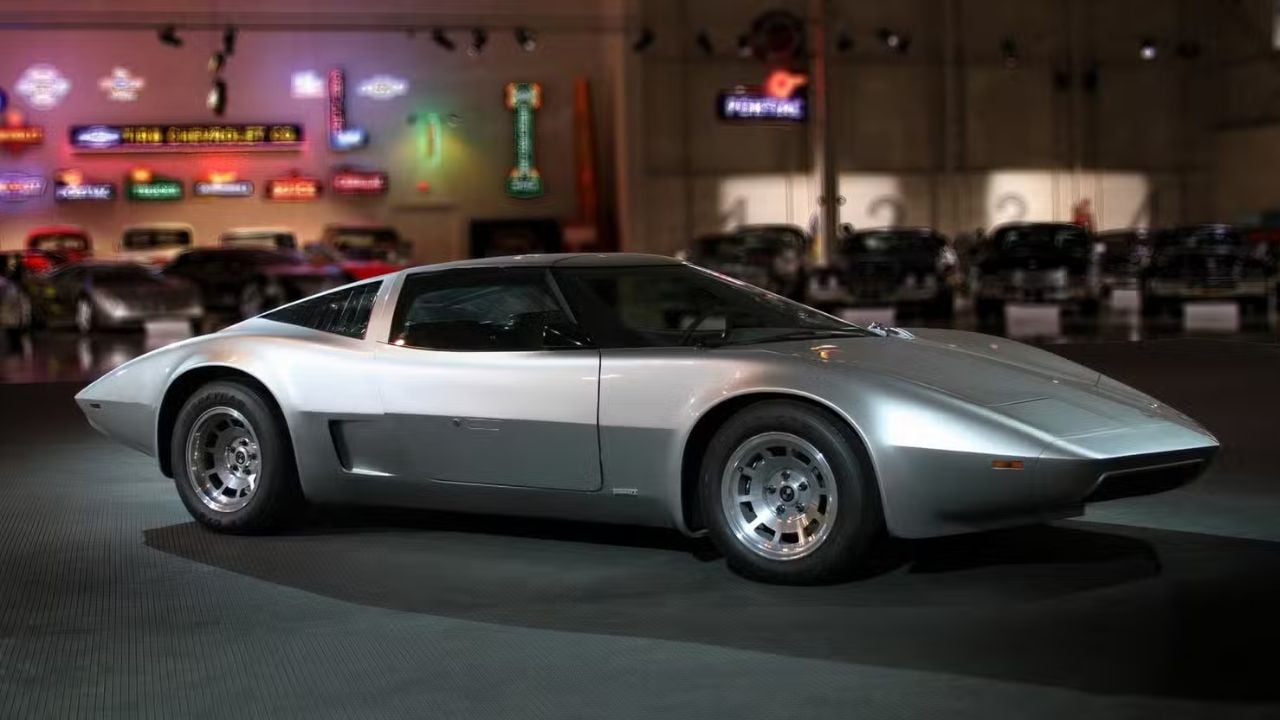
With its gullwing doors and sculpted profile, the Aerovette looked like something from another planet. Originally envisioned with a rotary engine, it later transitioned to a more traditional powertrain without losing its sense of drama. The Aerovette was not just a concept, it was a conversation starter, sparking debates about what an American supercar could look like.
Its design conveyed ambition, signaling GM’s readiness to compete with the most exotic sports cars of the era. Though the Aerovette never reached production, its legacy endures as one of the most daring styling experiments in GM’s history. This concept illustrated that risk-taking in design can lead to ideas that resonate long after the prototype is retired.
1990 Impact Experimental: A Modern Electric Pioneer
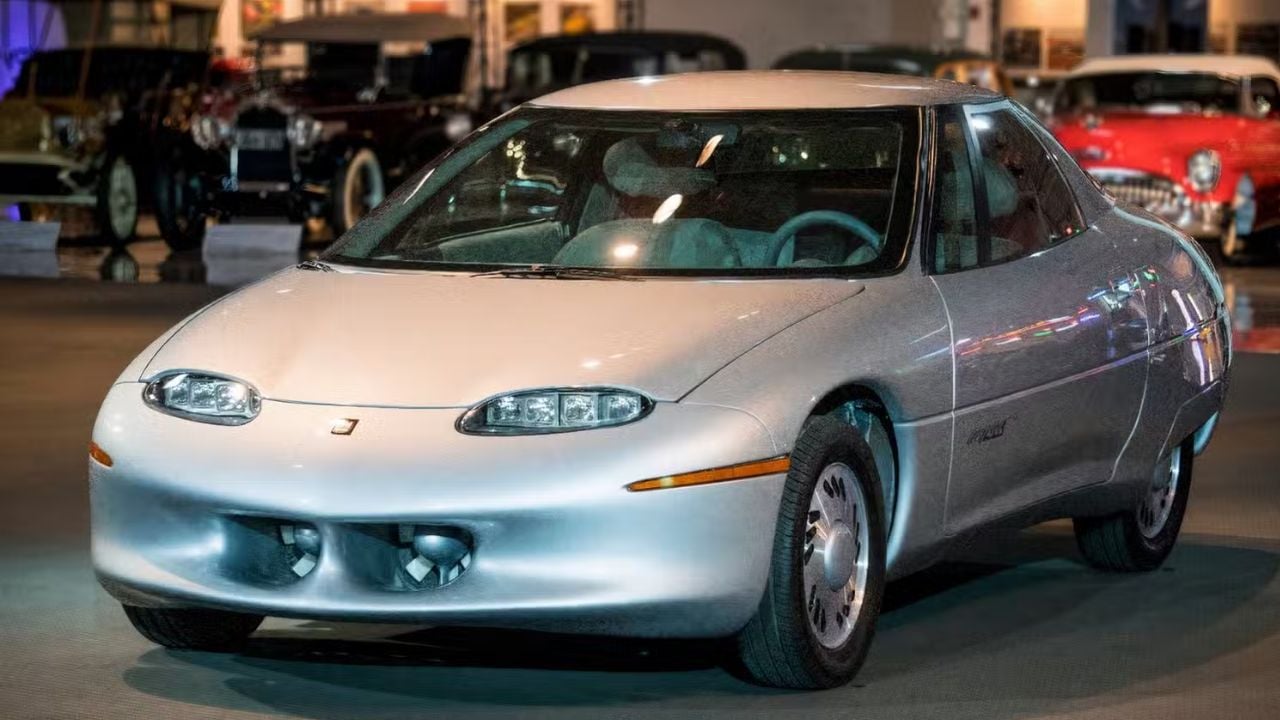
The Impact Experimental broke new ground as one of GM’s earliest electric performance concepts. Sleek, aerodynamic, and purpose-built, it challenged perceptions of what an electric vehicle could be in the early 1990s. The car was an attempt to make electric power truly exciting.
The Impact paved the way for the EV1, the first modern electric car from a major automaker. It proved that battery technology could deliver a driving experience beyond mere utility. More importantly, it helped ignite a conversation about sustainability and performance that continues today. The Impact remains significant as both a technological milestone and a cultural marker in the evolution of electric mobility.
1992 Chevrolet Corvette Stingray III: Tech Meets Tradition
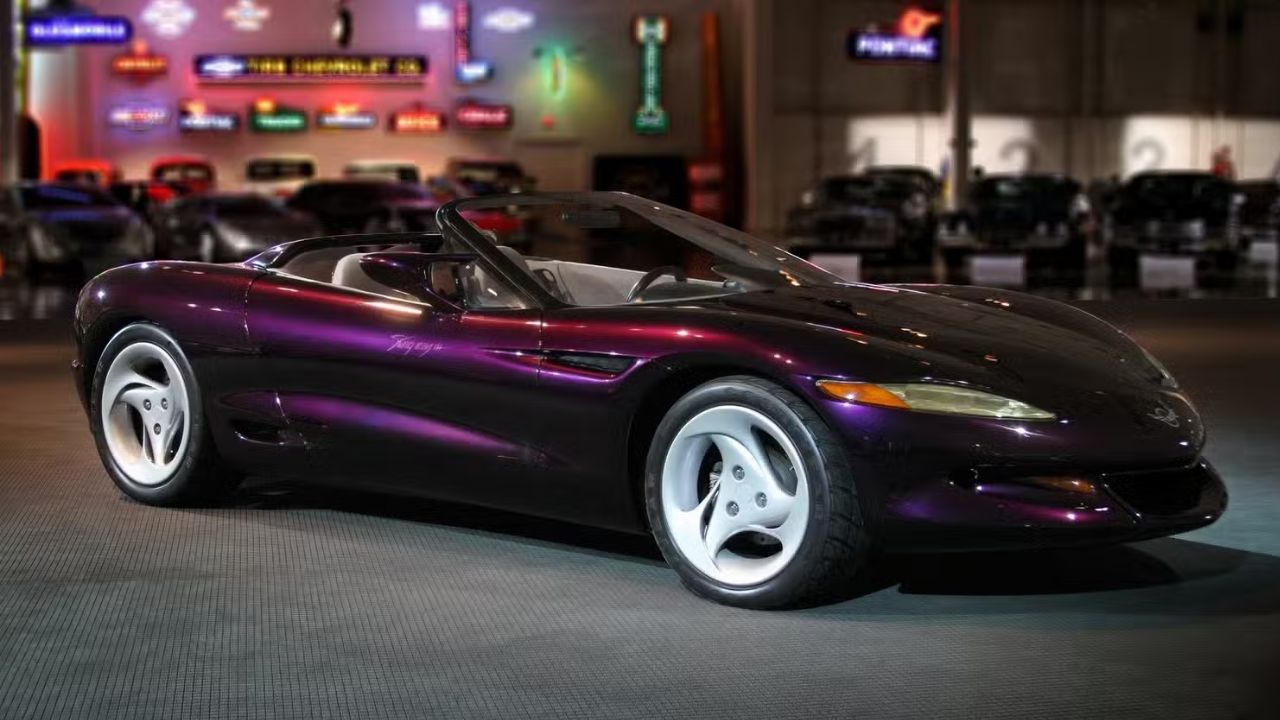
The Stingray III represented GM’s vision for a high-tech sports car of the future. Its angular styling and aggressive stance reflected confidence, while advanced features such as a rear-view camera with night vision enhancement and even a high-performance hybrid drive hinted at a digital age yet to come.
By blending innovation with Corvette heritage, the Stingray III set a precedent for how technology could enhance the driving experience without diluting performance. Many of its ideas have since become standard in modern vehicles, proving the lasting value of bold experimentation. This concept stands out not only for its appearance but also for its role in shaping the future of automotive technology.
2009 Corvette Stingray Concept: A Vision for the Next Era
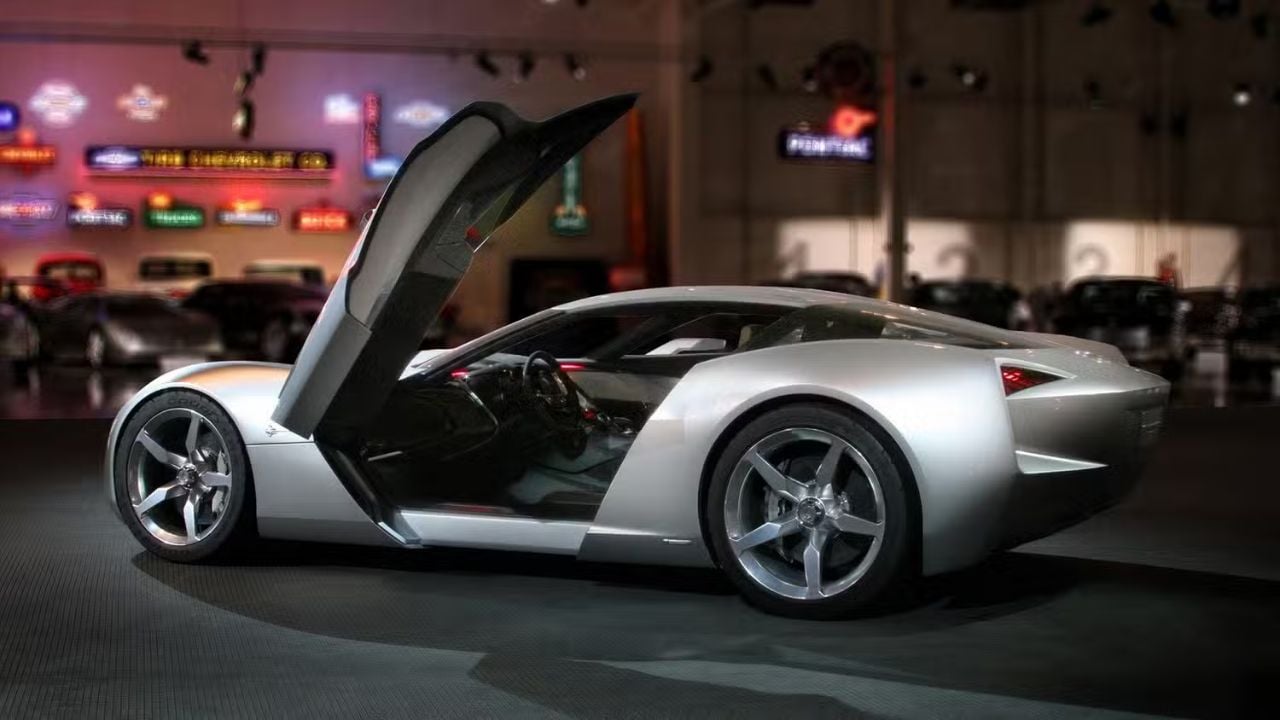
The 2009 Corvette Stingray Concept combined futuristic styling with clear links to Corvette tradition. Its sharp angles, wide stance, and dramatic detailing created a design that felt both aggressive and elegant. The concept also gained fame through pop culture, cementing its place in automotive lore.
Although it remained a showpiece, its influence is visible in later Corvette models, making it one of the most impactful design studies of its time. The Stingray Concept showed how heritage and innovation could coexist, setting the tone for the next generation of performance cars.
Why These Concepts Matter
GM’s concept cars reveal the importance of imagination in driving progress. Each of these vehicles offered a unique vision, whether through futuristic styling, advanced materials, or alternative propulsion systems. They pushed boundaries, inspired innovation, and shaped the trajectory of automotive design.
Even though most never reached production, their ideas lived on in subtle ways, through features, technologies, and philosophies that influenced future models. These concepts remain valuable as cultural and engineering milestones, reminding us that progress often starts with bold experiments.
Looking back, it is clear that GM did not just dream about the future; it actively tried to create it. These ten cars serve as enduring symbols of creativity and ambition in an industry that thrives on vision.