
Not every long lasting SUV becomes a keeper for the same reason. Some stay because they are roomy enough for every phase of family life, some because they handle bad weather without drama, and some because they keep doing hard work long after newer rivals start feeling more complicated than useful. For this headline, the key is not to talk about fresh 2026 models.
The better fit is to look at older SUVs from roughly 2013 to 2016 that can now honestly be described as vehicles owners have kept for more than a decade, while also making sure the nameplates themselves have proven long term loyalty in real ownership data. That is why the models below come from the SUV nameplates iSeeCars found owners keep the longest, then narrow down to the older generations that best fit the headline in literal calendar terms.
Why Do Some Older SUVs Still Feel Worth Keeping?

This list starts with iSeeCars’ long ownership study, which identifies the SUV nameplates with the highest share of original owners who keep them for at least 15 years. That matters here because any model that clears a 15 year retention test already clears the spirit of a more than 10 years headline. But instead of talking about current 2026 showroom versions, I narrowed the article to 2013 through 2016 model years and generations that can now honestly be described as decade old keepers.
In other words, the nameplates come from ownership data, while the actual examples come from the older generations shoppers will see on the used market, since the iSeeCars study itself analyzed much older 1981 to 2005 model year vehicles sold in 2020 rather than these exact 2013 to 2016 versions. I also favored versions whose core strengths were clear when new, such as room, visibility, all wheel drive confidence, towing ability, or family flexibility, because those are exactly the traits that age well.
This is not a list of the flashiest SUVs from that era, and it is not a nostalgia exercise. It is a list of older SUVs that kept proving their value long enough for owners to see no reason to let them go.
2014 To 2016 Toyota Highlander, Third Generation
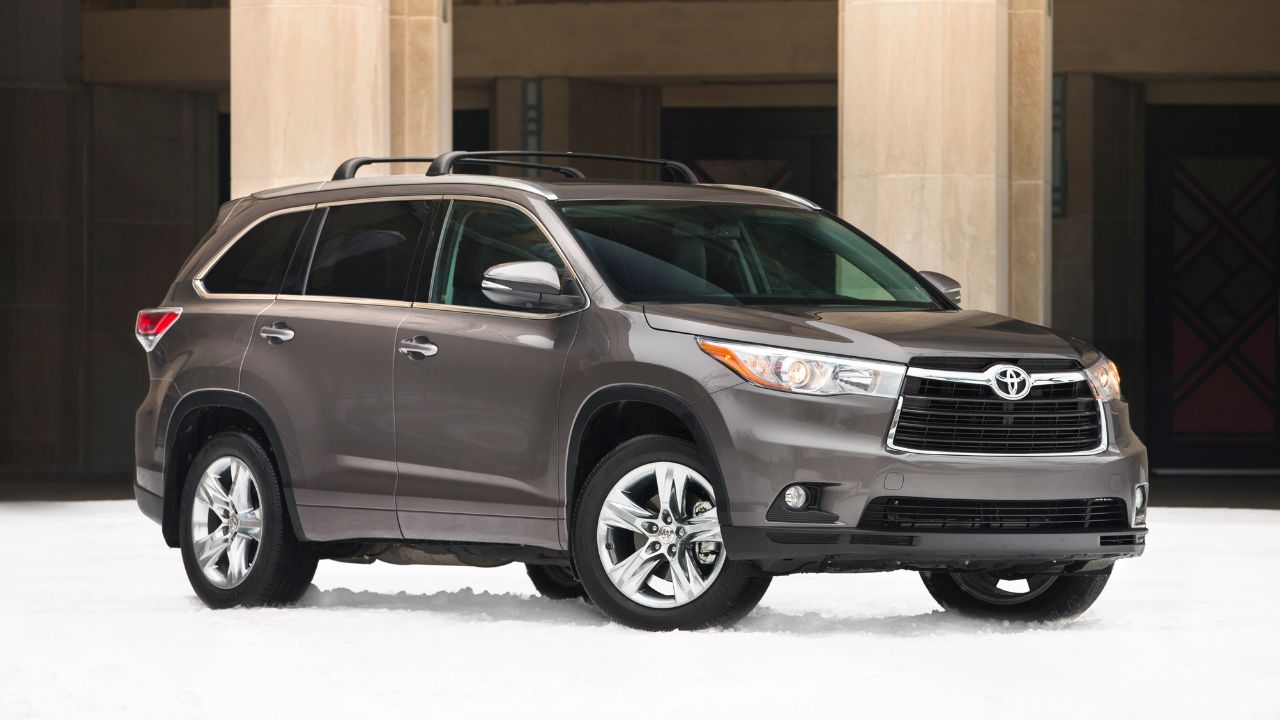
The third generation Highlander is one of the clearest examples of an SUV that earns its long stay in the driveway by making family life easier year after year.
Toyota’s 2014 redesign brought a far more usable cabin, with either a second row bench or captain’s chairs, easier one step access to the third row, nearly three more inches of entry space, a wider third row, and 34% more cargo room behind it. Those improvements matter because they are exactly the kind of details owners keep appreciating long after the monthly payment is gone.
The Highlander also sits at the top of iSeeCars’ SUV retention ranking, which tells you this is not just a likable model but a genuinely sticky one in real households. A 2014 to 2016 Highlander keeps making sense because it stays flexible. It is large enough for children, luggage, and winter travel, but not so large that it becomes a burden to use every day.
2015 To 2016 Honda CR-V, Fourth Generation Refresh
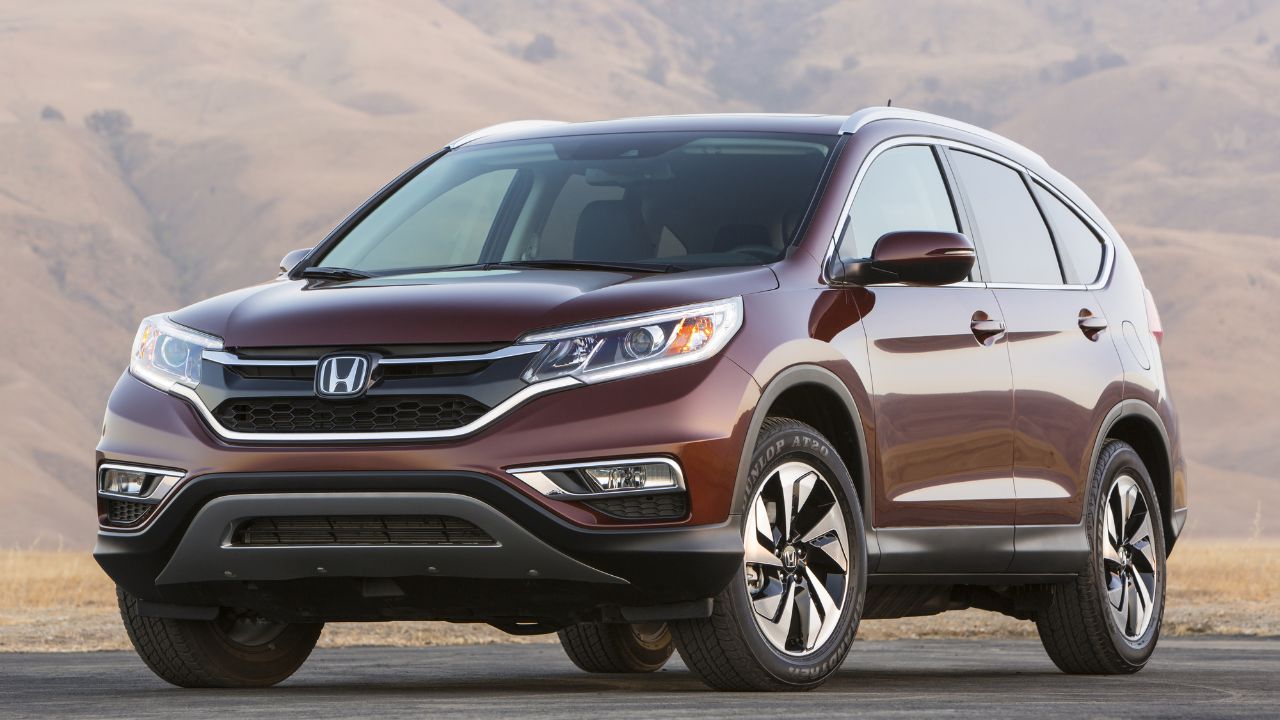
The 2015 and 2016 CR-V are such natural keepers because Honda sharpened an already practical formula instead of chasing novelty. Honda’s fourth generation CR-V was designed around comfort and practicality, with greater interior length and cargo capacity even as the body stayed manageable, and the 2015 refresh added a new configurable center console, rear ventilation ducts, more sound insulation, and a smoother CVT based powertrain.
None of that sounds flashy, which is exactly the point. Owners do not keep a compact SUV for more than a decade because it once looked exciting in a brochure. They keep it because it is easy to park, easy to see out of, easy to load, and easy to trust on an ordinary Tuesday.
iSeeCars ranks the CR-V second among SUVs owners keep the longest, and that fits the fourth generation refresh perfectly. It is the kind of vehicle that rarely gives people a compelling reason to replace it.
2013 To 2015 Honda Pilot, Second Generation
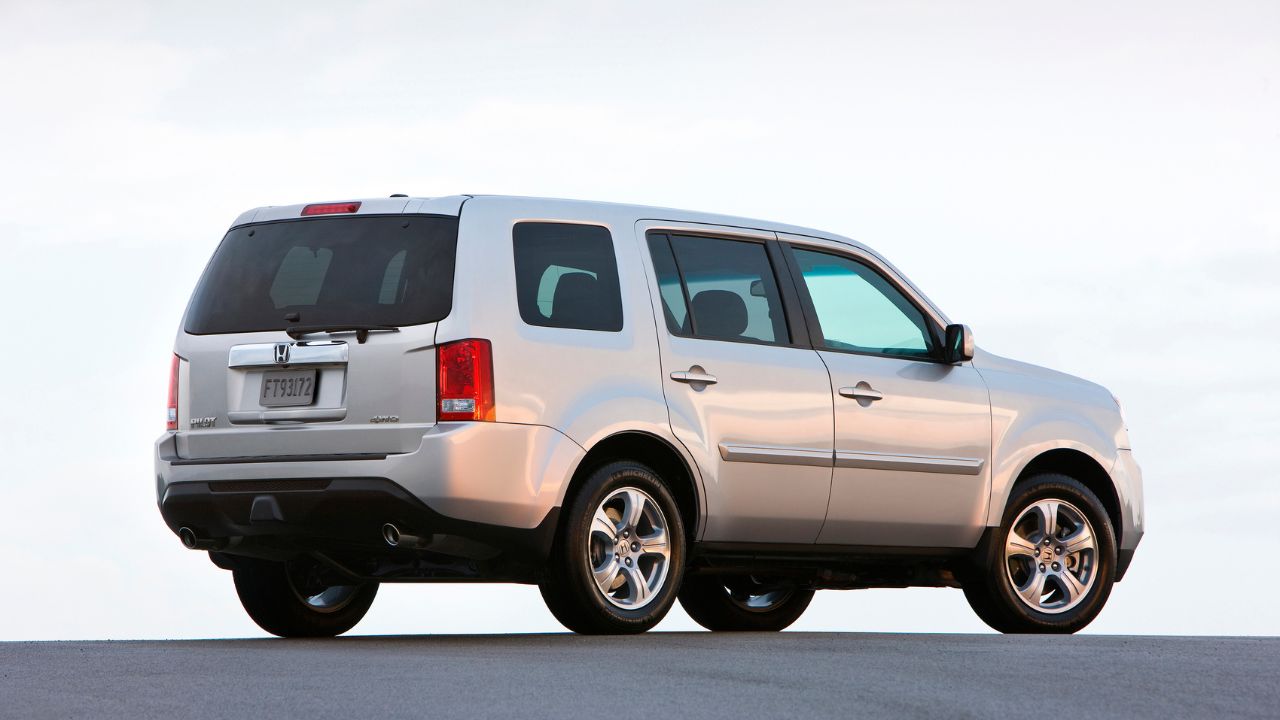
The second generation Pilot stayed in driveways for a simple reason: it was built around usefulness first, and that usefulness aged extremely well. Honda’s own timeline says the 2009 redesign for the second generation brought more interior space, more on road refinement, and a more rugged SUV look, and the 2015 Pilot brochure still sold the model as an eight passenger family machine with a 250 hp V6, up to 25 mpg highway, and real road trip readiness.
That gives you the whole story in one sentence. This was an SUV for people who actually needed one. The cabin was square, the seating layout was genuinely family friendly, and the vehicle had enough size and power to cover vacations, carpools, and light towing without feeling fragile.
iSeeCars places the Pilot third among the longest kept SUVs, and it makes sense. A 2013 to 2015 Pilot keeps its place because it still does the job cleanly once the trendier stuff starts aging out.
2014 To 2016 Subaru Forester, Fourth Generation
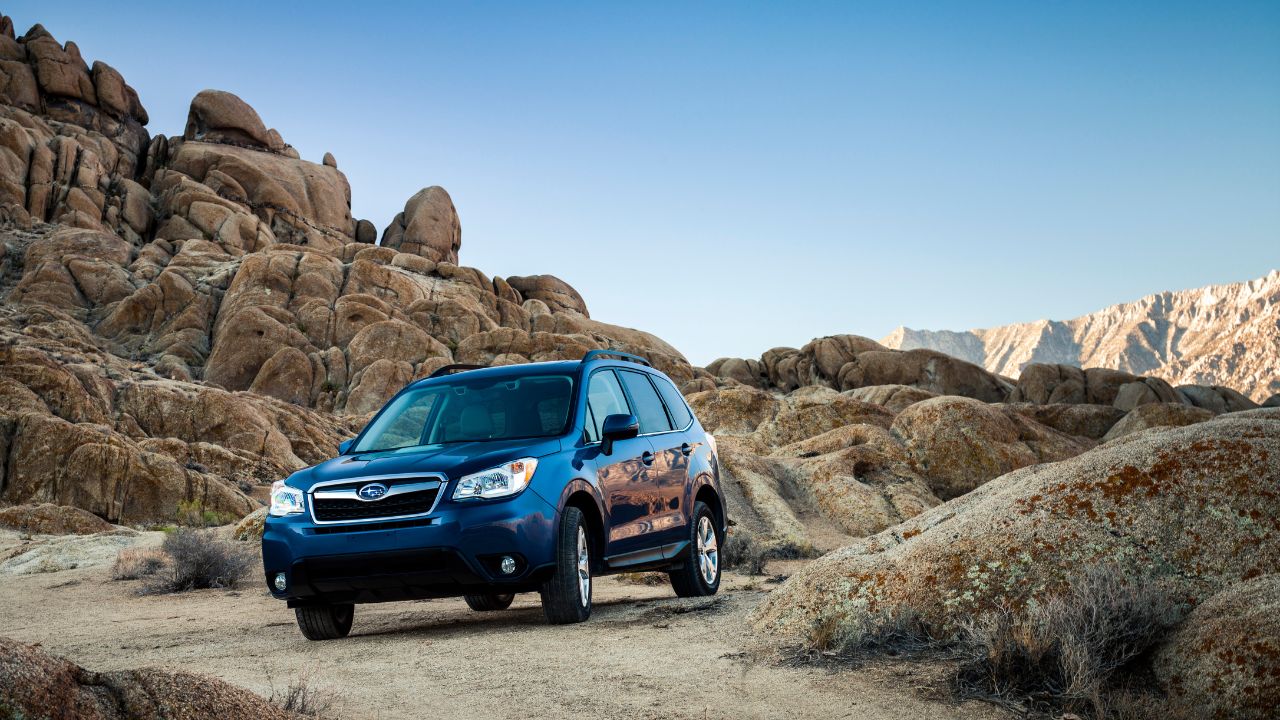
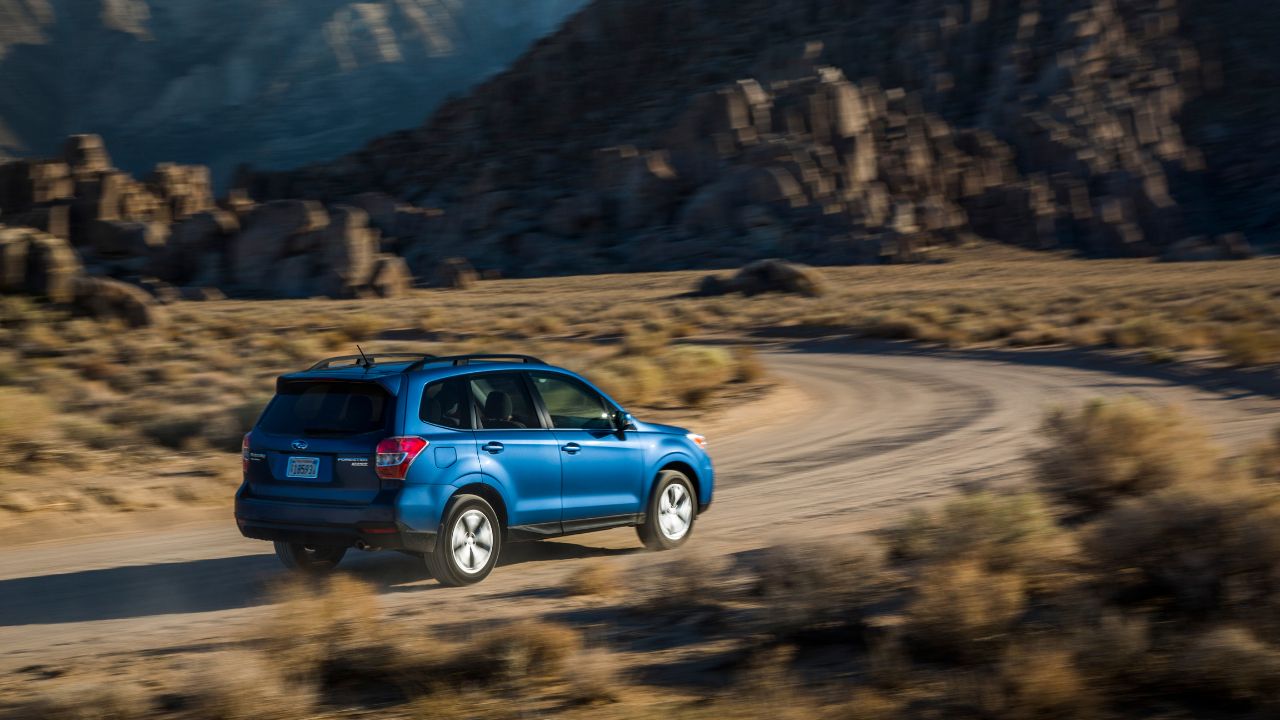
The fourth generation Forester has always appealed to the kind of owner who values confidence and function more than image, and those buyers are exactly the people who keep vehicles for a very long time.
Subaru’s all new 2014 Forester brought a roomier interior, improved performance, and higher fuel economy, and iSeeCars specifically called out the model’s safety, affordability, standard all wheel drive, and strong fuel economy as reasons practical owners stay loyal to it. That combination is powerful in the real world. A Forester is easy to place on the road, easy to trust in bad weather, and easy to use when life gets messy with dogs, hiking gear, hardware store runs, or snowy commutes.
It is not the SUV people buy to impress a neighbor. It is the SUV they keep because it asks very little while giving them a lot of reassurance. That is why a 2014 to 2016 Forester fits this headline so well.
2014 To 2016 Toyota 4Runner, Fifth Generation Facelift
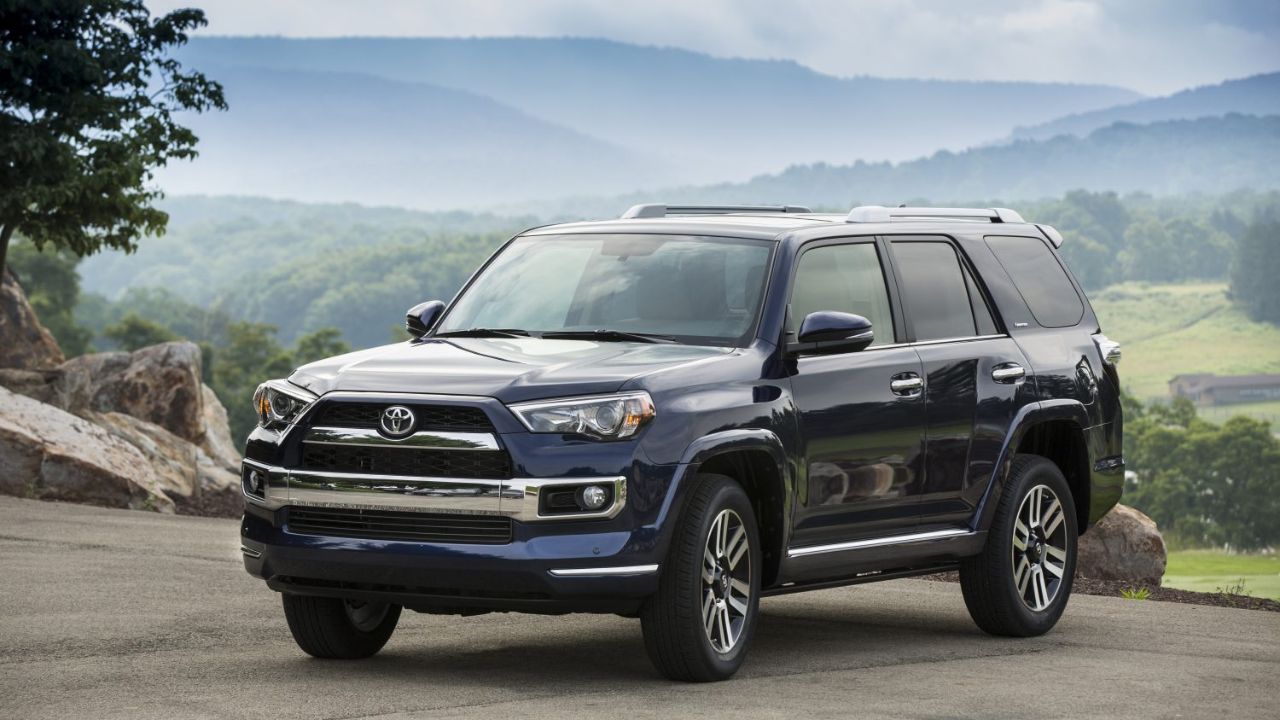
A 2014 to 2016 4Runner stays with one owner for a different reason than most crossovers on this list. It does not win by being the softest or the most efficient. It wins by feeling like something built for the long haul.
Toyota said the redesigned 2014 model was still in its fifth generation and remained one of the few fully capable midsize SUVs, while adding a more rugged exterior and interior refinements that improved comfort and convenience without weakening its core mission. That sentence practically explains the 4Runner’s entire reputation. Buyers who chose one in this era usually wanted a true body on frame SUV that could handle rough roads, towing, weather, and real abuse.
Once you already own a vehicle like that, replacing it starts to feel unnecessary unless your needs change dramatically. iSeeCars ranking the 4Runner fifth among long kept SUVs feels exactly right, because this is an SUV people buy with a long time horizon in mind.
2014 To 2016 Toyota Sequoia, Second Generation
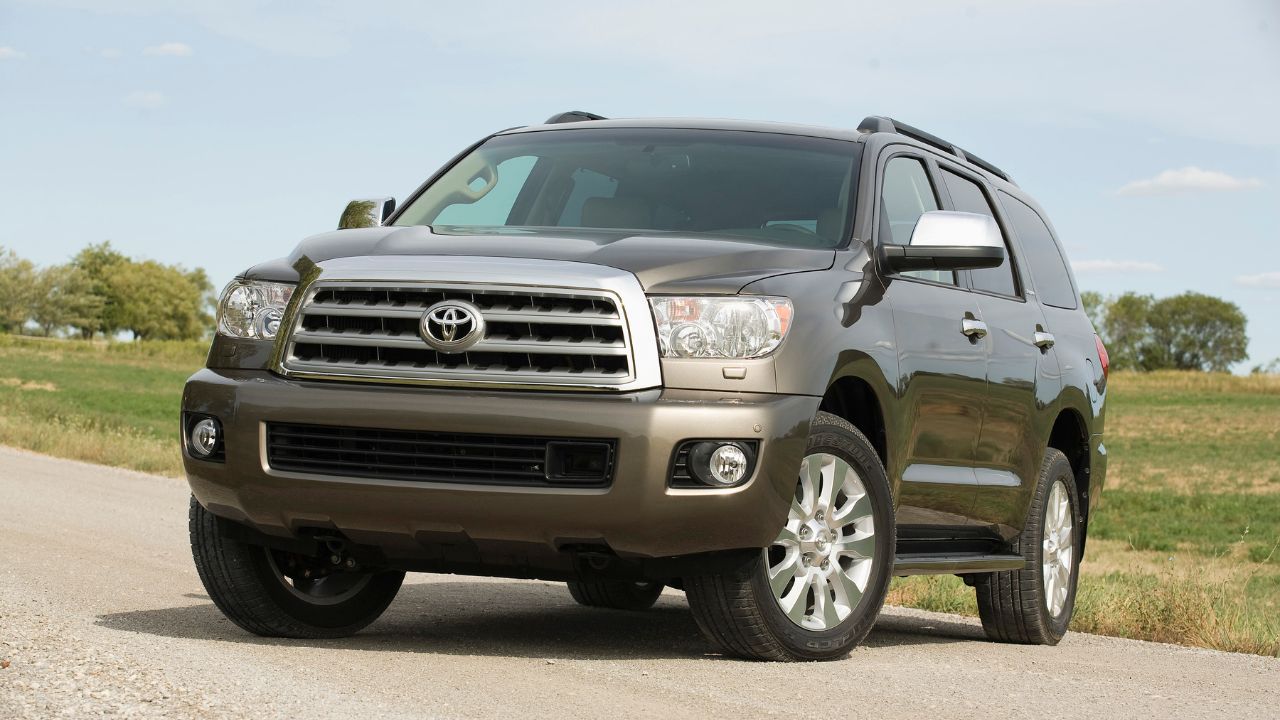
The second generation Sequoia from this period is a keeper because very few vehicles replace it cleanly once a family starts relying on everything it can do. Toyota’s own material for the 2015 and 2016 Sequoia emphasized seating for up to eight, a 381 hp V8, up to 7,400 pounds of towing, available full time four wheel drive, adult sized third row room, and a ride quality supported by four wheel independent suspension. That is a serious range of talents. A Sequoia is not something most people trade on a whim, because it covers so many roles at once.
It can tow, haul people, swallow luggage, and cruise long distances without feeling strained. iSeeCars places it sixth among SUVs owners keep the longest, and that tracks with how people use full size SUVs in the real world. When one vehicle becomes the family road trip machine, tow rig, and winter backup plan all at once, it often stays for years.
2013 To 2015 Toyota RAV4, Fourth Generation
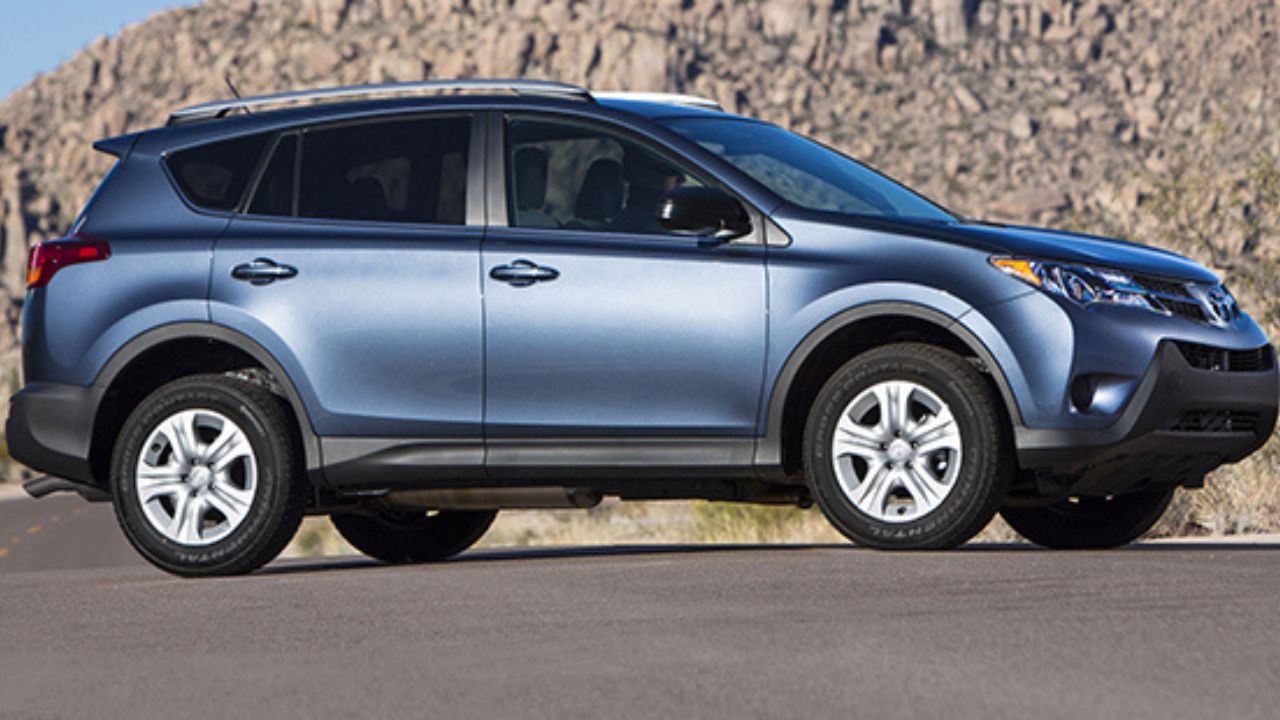
The fourth generation RAV4 fits this headline because it nailed the compact SUV brief in a way that still feels smart years later. Toyota launched the all new 2013 RAV4 as the fourth generation and highlighted improved fuel efficiency, regular grade fuel, and stronger day to day usability, while iSeeCars described the model as striking the right balance of reliability, affordability, cargo space, and seating space. That is exactly why people keep them.
A good compact SUV is not supposed to dominate one category and disappoint everywhere else. It is supposed to do almost everything well enough that ownership remains pleasantly uneventful. The 2013 to 2015 RAV4 did that. It was easy to run, easy to live with, and sized for real suburban life without feeling oversized in town. That may sound modest, but long term ownership often grows out of modest strengths repeated over hundreds of ordinary weeks.
2014 To 2016 Acura MDX, Third Generation
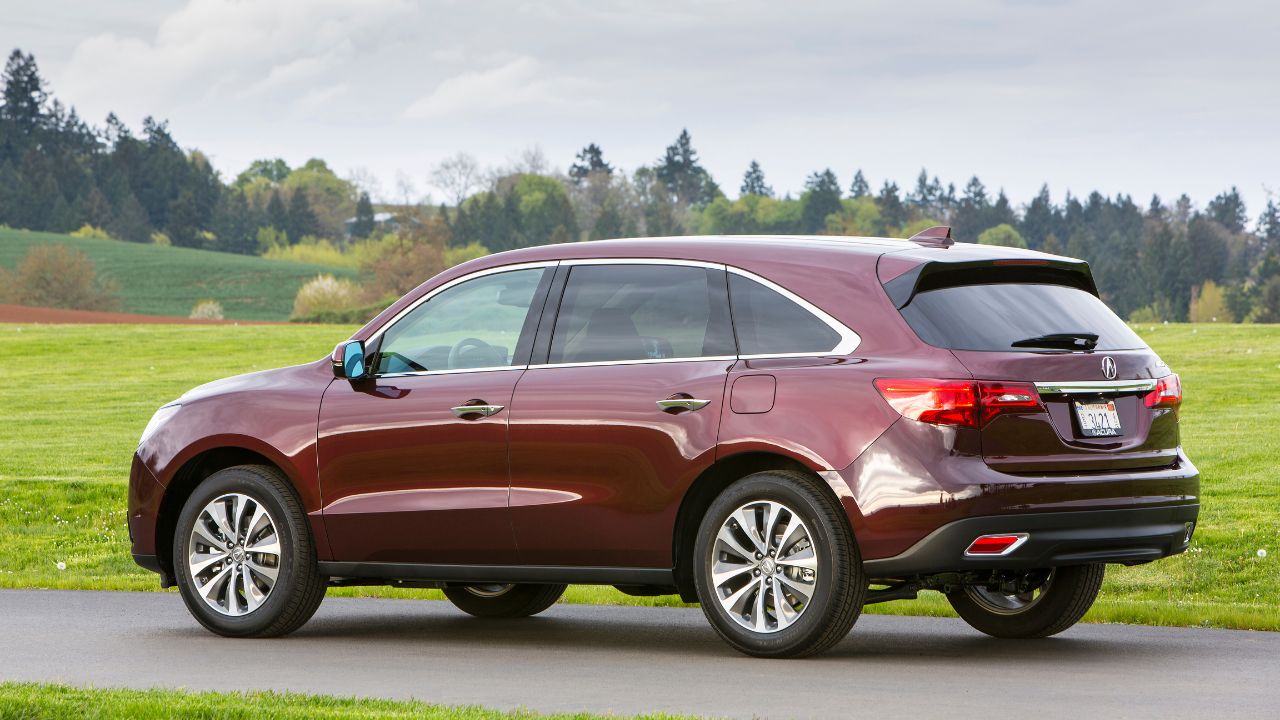
The third generation MDX makes this list because it delivered luxury in a way that still aligned with practical ownership. Acura’s 2014 redesign introduced the third generation on a completely new platform, with seven passenger seating, improved ride comfort, a more versatile and luxurious cabin, better fuel efficiency, and stronger overall performance. iSeeCars also pointed out that the MDX shares a platform relationship with the Honda Pilot and tends to appeal to practical buyers who want to get more out of a premium purchase. That is a very important detail.
The MDX was not a showy luxury SUV built around excess. It was a polished, well packaged family SUV with a premium badge, strong comfort, and enough everyday logic to justify keeping. A 2014 to 2016 MDX often stays in the family because it still feels upscale without becoming unusable or obviously outdated. For a luxury model, that is one of the strongest long term ownership traits of all.
2016 Hyundai Tucson, Third Generation
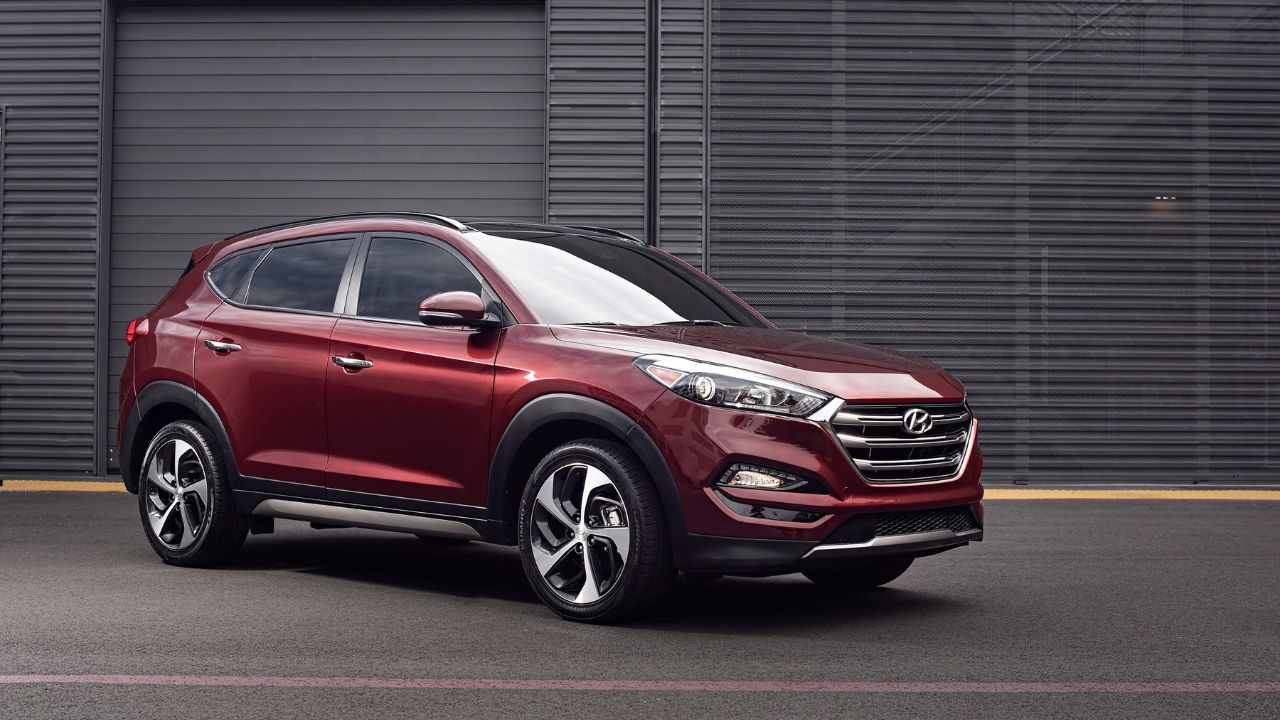
The 2016 Tucson belongs here because it represents the kind of value rich redesign that quietly earns long ownership. Hyundai’s official launch for the all new third generation Tucson emphasized a longer, wider body, a longer wheelbase, greater interior volume, 31.0 cubic feet of cargo room, and an enlarged liftgate opening, while iSeeCars highlighted its reliability, relatively low price, and Hyundai’s 10 year powertrain warranty. That is a very persuasive mix for mainstream buyers.
The Tucson is not on this list because it became a cult favorite. It is here because it gave owners a lot of what they wanted in one affordable package: smart size, a more refined cabin than older Hyundais, useful cargo space, and the reassurance of a long factory warranty in the early years of ownership. Once a vehicle proves itself as dependable and practical, people often stop looking for an excuse to move on. The 2016 Tucson is exactly that kind of hold onto it SUV.
2015 To 2016 Subaru Outback, Fifth Generation
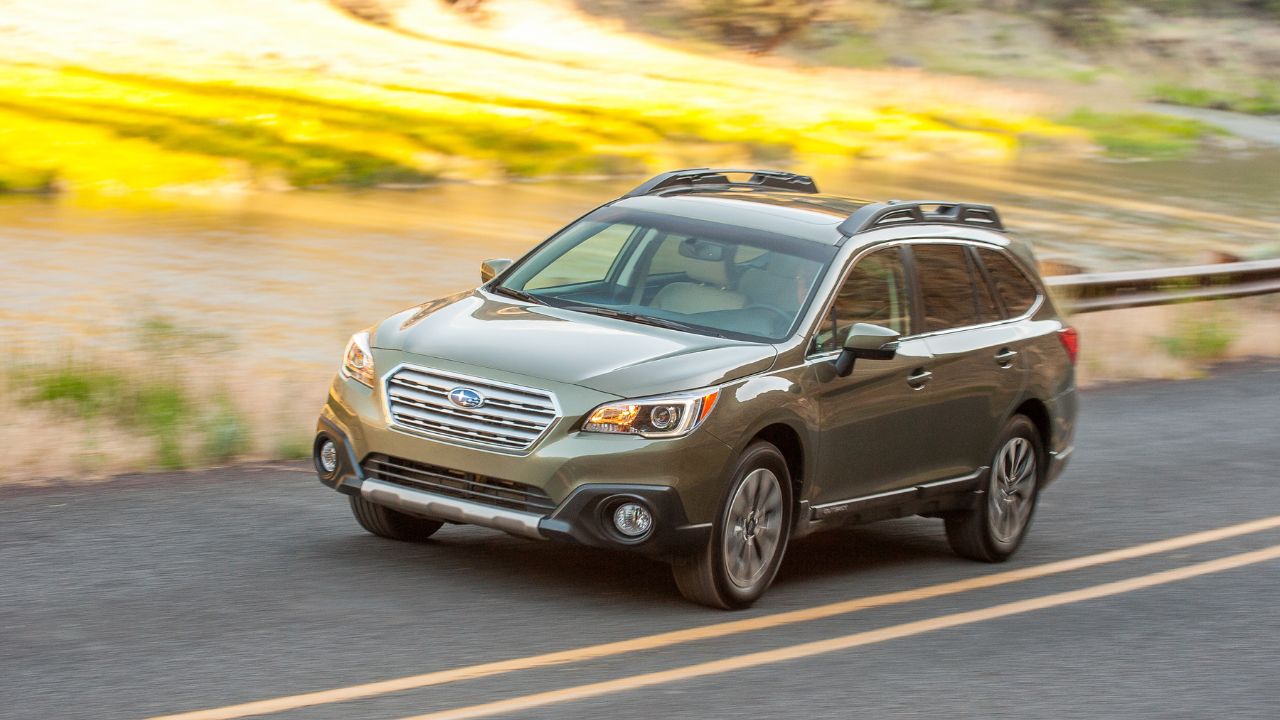
Yes, the Outback is technically a wagon, but for this headline it absolutely belongs because iSeeCars counted it in the SUV segment and its ownership logic is pure SUV logic. Subaru introduced the 2015 Outback as the fifth generation and described it as the roomiest, most capable, and most fuel efficient Outback to that point, with stronger ride comfort, interior refinement, safety technology, and available X Mode with Hill Descent Control to boost confidence on rough or slippery surfaces. That formula explains its staying power almost perfectly.
Owners keep Outbacks because they blend the strengths of a wagon and an SUV without the penalties of either one becoming overwhelming. It has useful cargo room, all wheel drive confidence, reasonable running costs, and a shape that still works whether life means commuting, road tripping, dog hauling, or getting out of town on weekends. The Outback lasts in ownership because it keeps fitting lives that keep changing.
What Makes An Older SUV Worth Keeping?
The answer usually has very little to do with fashion. Owners keep older SUVs when the vehicle keeps solving everyday problems with the same calm efficiency year after year. That is why so many names here come from Toyota, Honda, Subaru, and Acura, and why even the Hyundai Tucson made the cut through value and dependability.
A decade old keeper is rarely the loudest vehicle in the parking lot. It is the one whose space, comfort, confidence, and predictability still make sense after ten winters, ten school years, and ten rounds of new model hype.