How many chances do you think are left to buy a real manual performance car before the market starts treating the good ones like artifacts instead of drivers? That question feels a lot more urgent in 2026 than it did a few years ago.
Volkswagen already made 2024 the final year for a manual Golf R in the U.S., Subaru confirmed there would be no next generation internal combustion WRX STI on the new platform, and Toyota has already put a closing date on the current Supra with the 2026 MkV Final Edition. The cars below matter because they come from brands ordinary buyers actually know, but they carry the sort of mechanical identity the industry keeps abandoning.
That gives them a different kind of appeal from the usual collector fantasy. These are not obscure exotics with impossible parts and museum manners. They are performance cars from Honda, Toyota, Ford, Subaru, Chevrolet, Dodge, and Volkswagen, built by mainstream or near mainstream brands, but shaped by decisions that now feel increasingly rare: a great manual gearbox, a real driver focused chassis, and a specification that tells you somebody in the company still cared. Miss the timing on cars like these and the regret usually gets more expensive every year.
How This List Was Built
A car did not make this list just because it offered a stick shift. It had to come from a mostly mainstream badge, the manual had to be central to the car’s identity, and the model needed a believable reason to get stronger in the market, whether that was rarity, a final year story, a special engine, or early signs that buyers already see it as more than ordinary used metal.
The point is not to buy nostalgia for nostalgia’s sake. It is to find the manuals that still feel alive today and may feel painfully obvious in hindsight.
Honda S2000 AP2
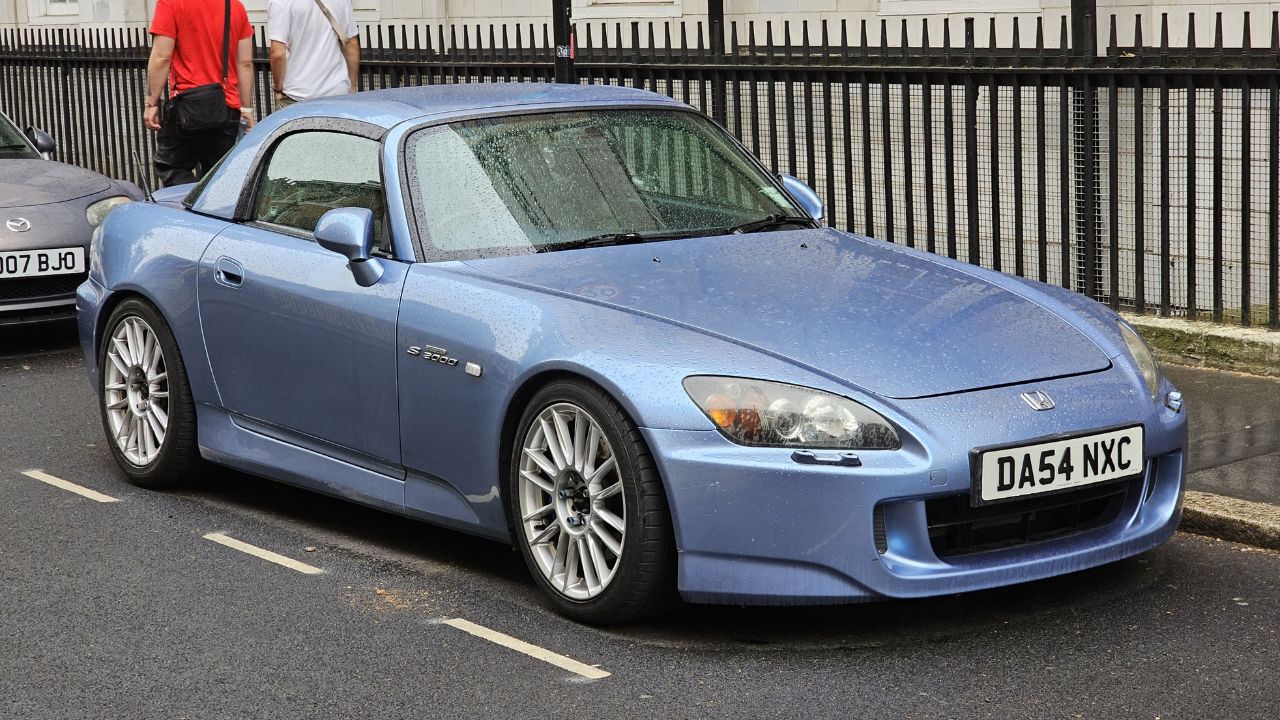
The S2000 has already started its climb, but the later AP2 cars still look like one of the cleaner ways into a future blue chip analog sports car. Classic.com currently puts the AP2 base model benchmark at $34,127, while Hagerty’s 2025 guide pegged a condition 3 AP2 at $29,500. For that money you get one of the last great naturally aspirated Honda driver’s cars, with 240 hp, a six speed manual, rear wheel drive, and the sort of crisp, high revving personality modern performance cars rarely even try to deliver anymore.
The AP2 belongs here because it still feels honest. No fake drama, no oversized footprint, no software trying to flatter the driver into competence. You buy an S2000 because you want the engine, the shift action, the seating position, and the feeling that a sports car should still revolve around timing and touch.
Clean ones are not cheap anymore, but they still look underappreciated relative to what they represent. Honda is not building anything remotely like this now, and that fact tends to matter more with every passing year.
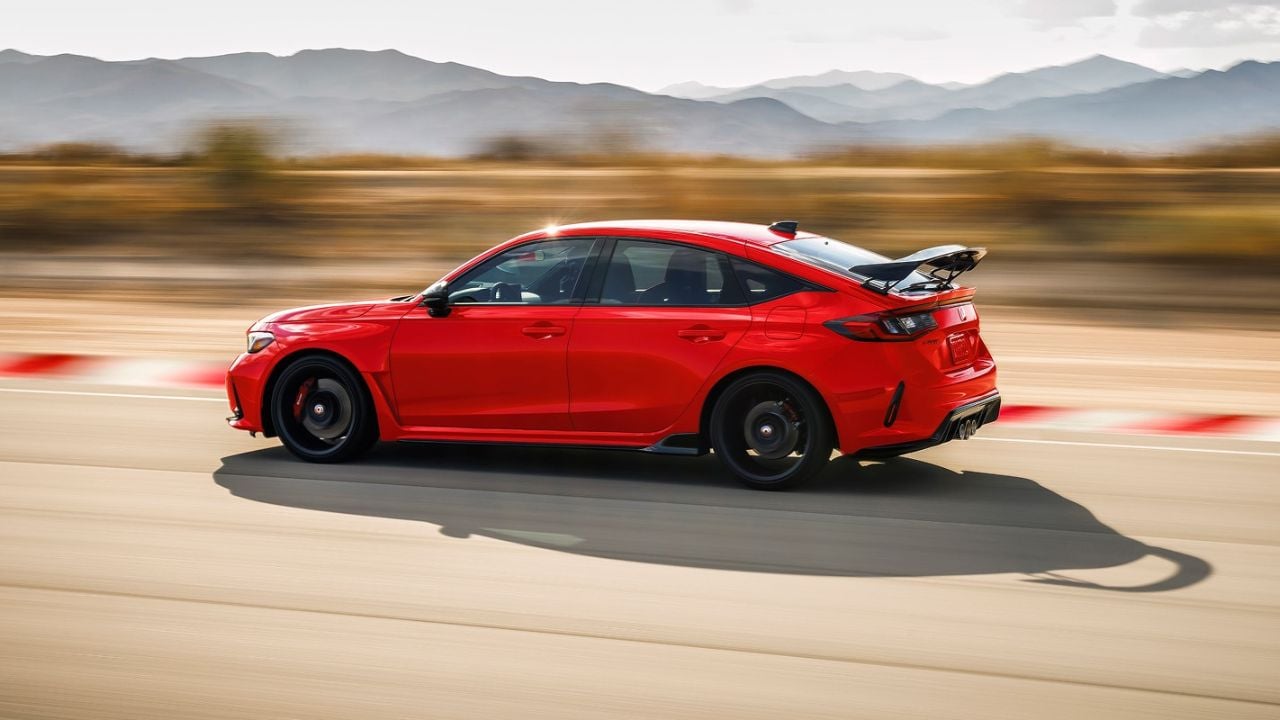
2026 Honda Civic Type R
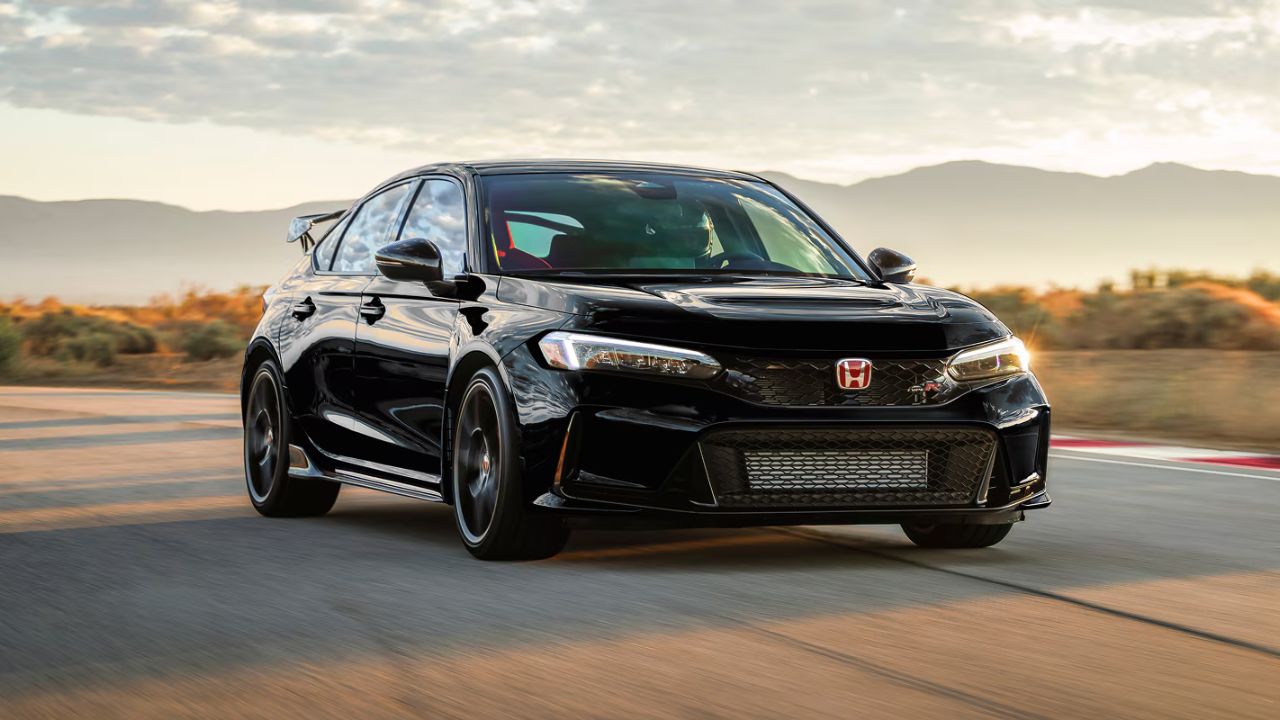
The Civic Type R feels like the sort of car people will one day talk about as if its value was obvious all along. Honda’s 2026 Type R starts at $46,895, keeps its 6 speed manual transmission, and the 11th generation Type R market already shows a benchmark around $44,338, with clean 2025 examples listed from roughly $43,000 to $47,000. That is a strong signal for a current production hot hatch from a mainstream badge, especially one whose whole identity still depends on a manual, a clever front drive chassis, and a very specific type of fanaticism.
What makes the Type R such a smart buy is that it already feels like a closing chapter, even if Honda has not formally written the ending yet. Cars like this do not usually get more common, less regulated, or more analog over time. They become reference points.
If the best future collectibles are the cars that most clearly capture the spirit of an era before it disappears, the current Type R has a very strong case. It is fast, manual only, immediately recognizable, and still just accessible enough to be bought before the market starts behaving more aggressively.
2023 Toyota GR Corolla Morizo Edition
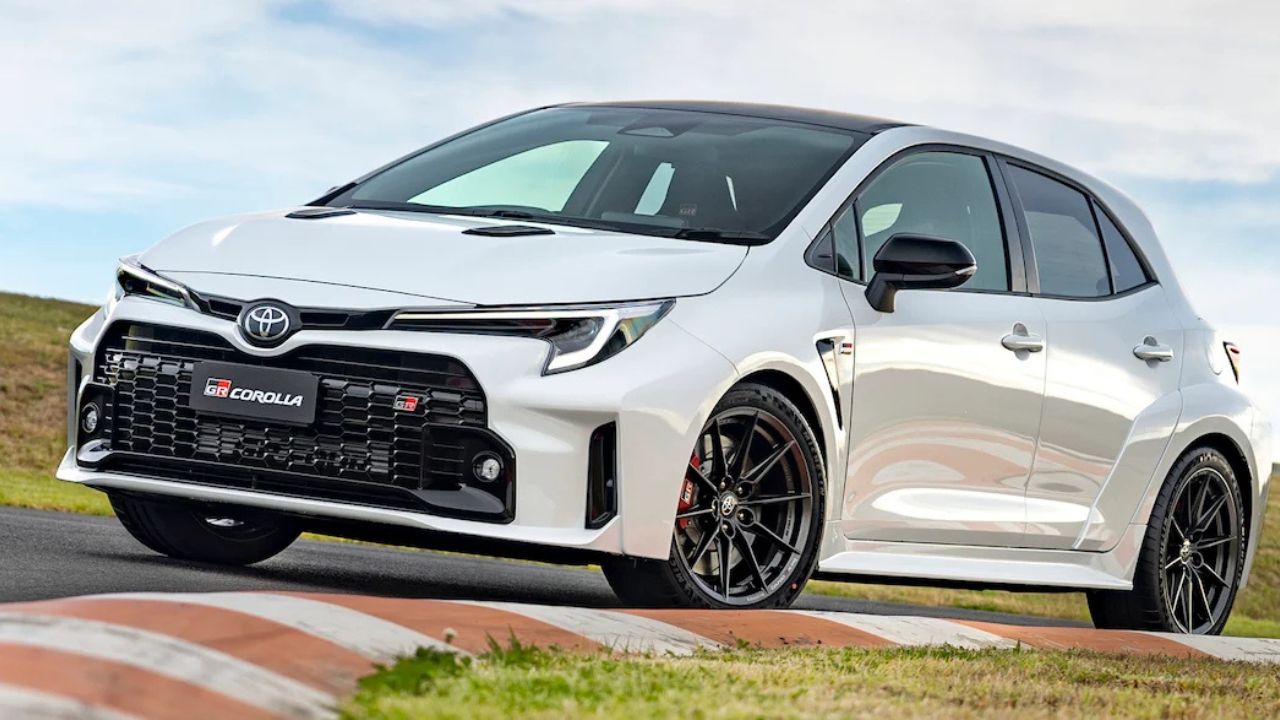
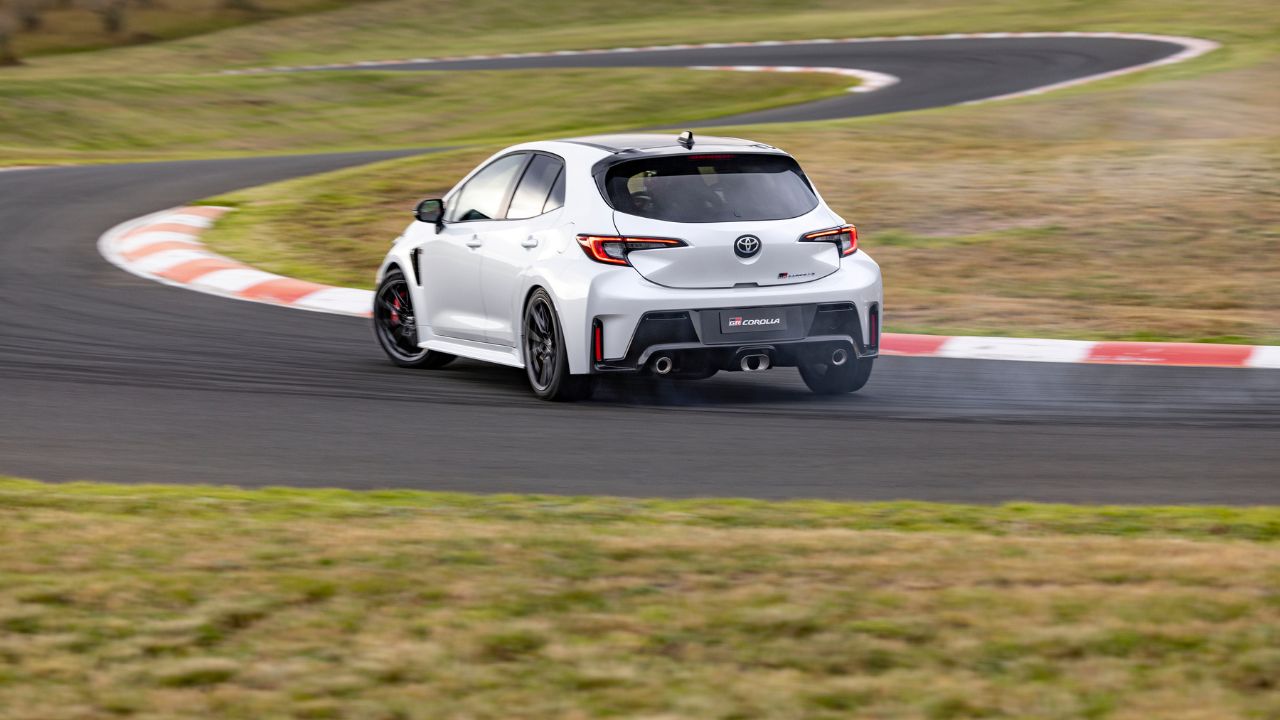
The GR Corolla Morizo Edition is the kind of car that tells you its collector story before you even start the engine. Toyota built only 200 numbered units for the U.S. market, all with a 300 hp turbocharged three cylinder, all wheel drive, and a six speed intelligent manual transmission.
The recipe was deliberately harder edged than the already serious GR Corolla, with more torque, shorter gearing, weight reduction, and no rear seat. Recent market activity has kept that rarity visible too, with a low mile Morizo last asking around $59,500 on Classic.com.
That matters because the Morizo is not just rare. It is weird in exactly the right way. Toyota took a practical hatchback idea, stripped away some of the practicality, and created a manual only special that feels more like a future cult object than a normal hot hatch trim. Cars like that usually do not get cheaper once the market has had time to sort out what they really are. If you want something from a mainstream brand that already feels touched by collector logic, this is one of the clearest answers on the list.
2026 Toyota GR Supra MkV Final Edition
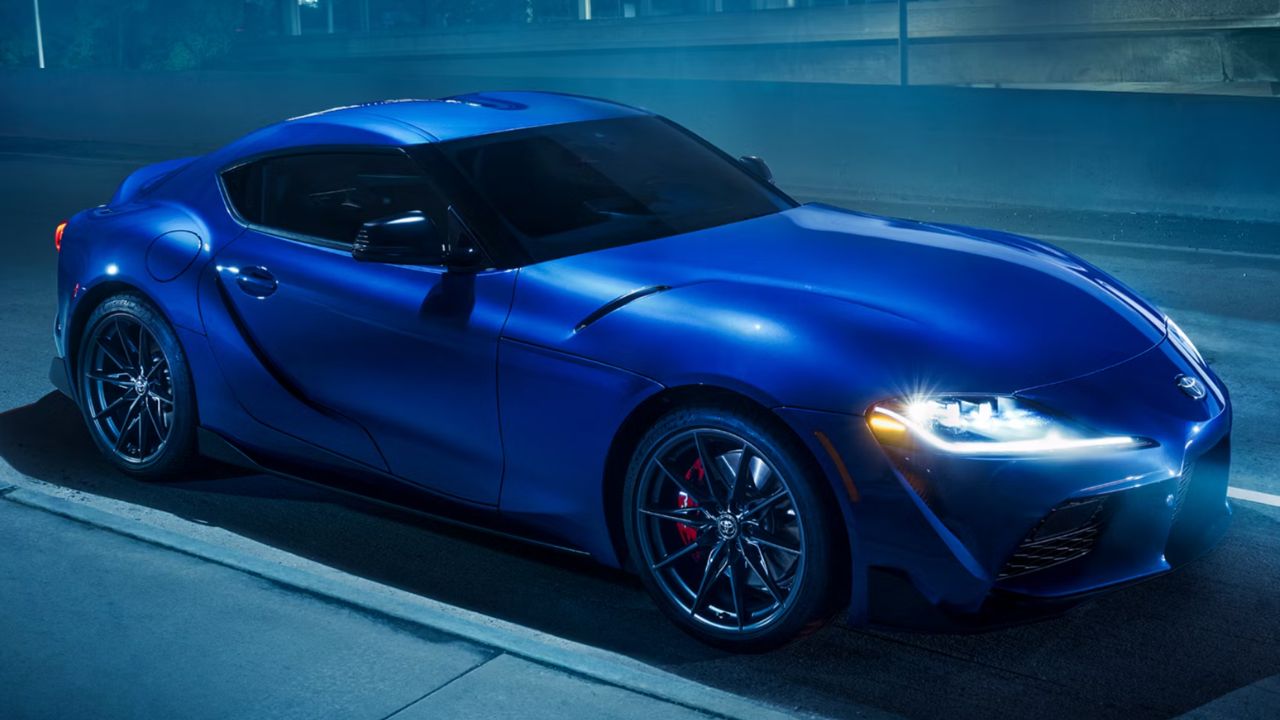
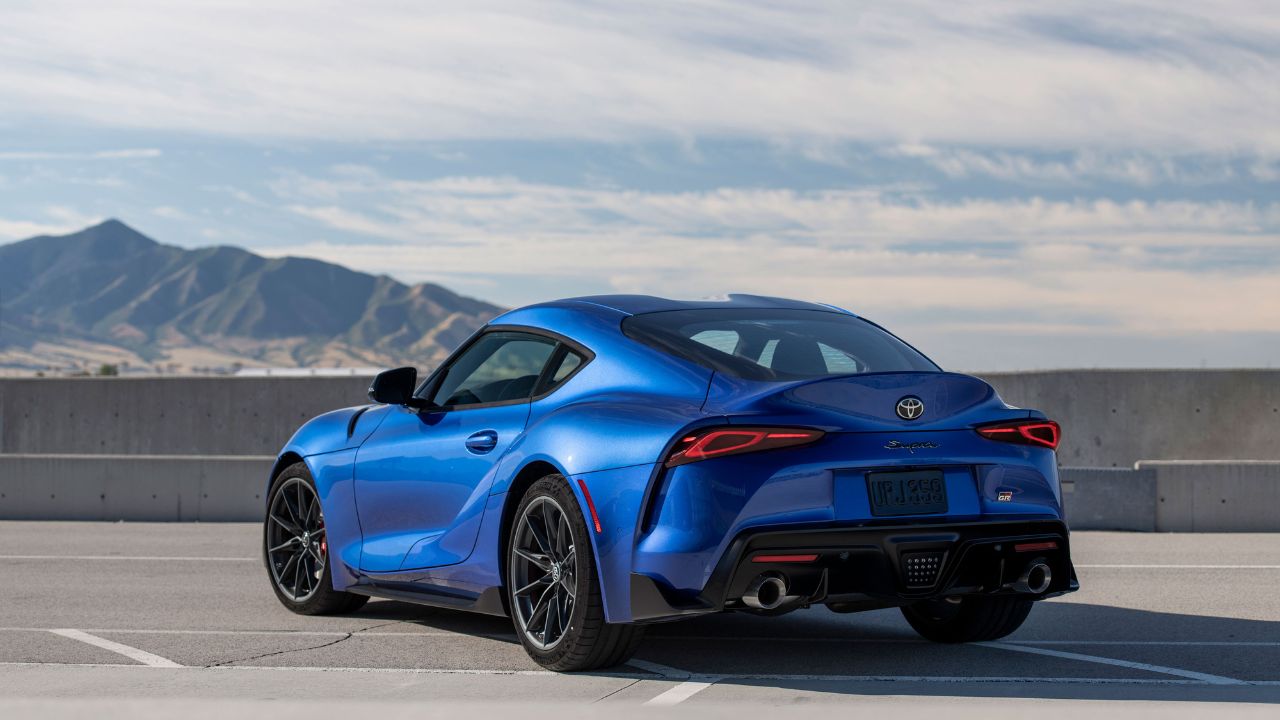
The Supra’s case is brutally simple. Toyota has already said the fifth generation ends after the 2026 model year, and the MkV Final Edition arrives with an exclusive North American run of 1,300 units, a base MSRP of $69,350, and availability with a manual transmission. That is exactly the sort of closing statement collectors notice.
The current car also carries more weight now than it did at launch, because time has been kind to the formula: straight six power, rear wheel drive, compact proportions, and a modern manual at a moment when almost everybody else is either downsizing the fun or automating it out of the cabin.
The Final Edition’s appeal goes beyond the numbers. It feels like the last clean draft of this Supra story, the fully matured version of a car that began with debate and is ending with far more respect. That is often a very good collector pattern. People argue when a car is new, then pay later for the version that finished the story properly. If you want a Toyota manual with a believable path from current toy to future must have, this one makes a remarkably persuasive argument.
2024 Volkswagen Golf R 6-Speed
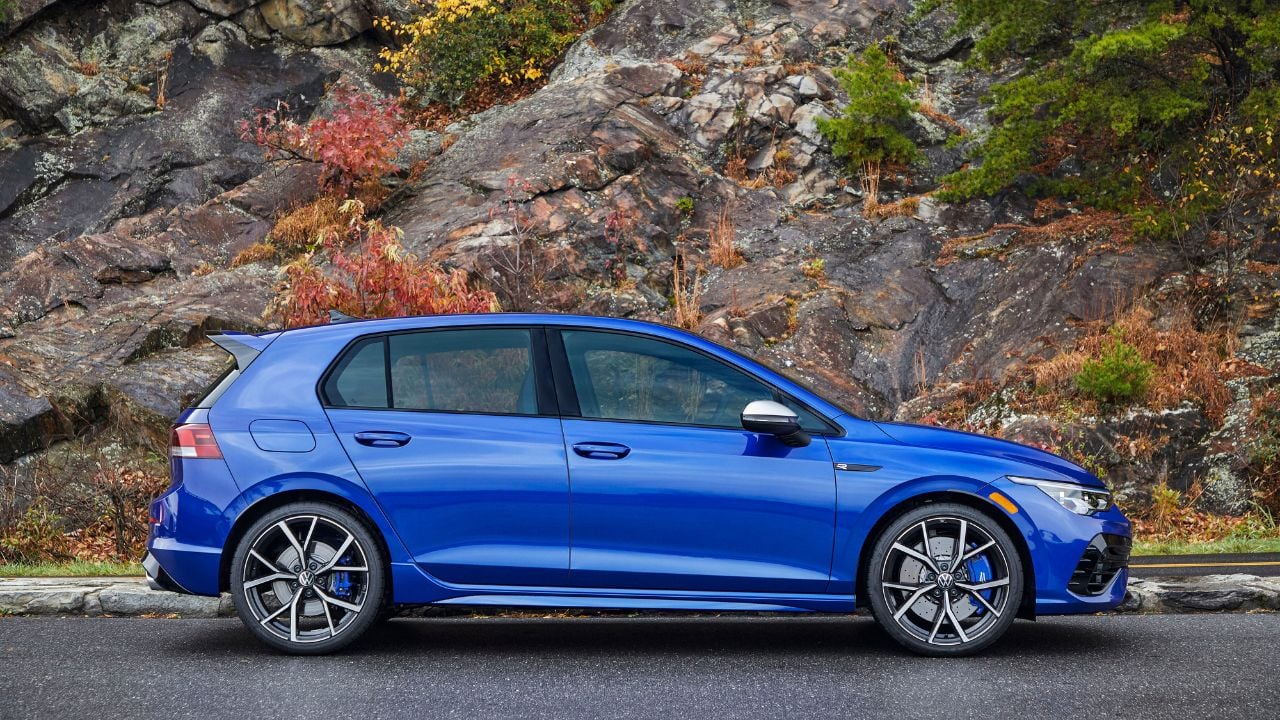
Volkswagen did half the collector work for you by publicly marking 2024 as the final manual year for the Golf R in the U.S. The official 2024 press kit put MSRP at $45,665 before destination, and the company was explicit that the six speed would not continue after that model year.
Since then, the market has behaved exactly the way you would expect when buyers realize a formula is ending. Classic.com shows a 2024 manual Golf R selling for $41,000 in late 2025, and current manual examples are still appearing mostly in the mid to high $40,000 range.
What gives the Golf R real staying power is the shape of the package. It is not flamboyant, and that helps. The best future collectibles are not always the loudest things in the room. Sometimes they are the deeply complete cars people realize they should not have taken for granted. The manual Golf R feels like exactly that type of machine, a grown up all weather performance hatch that suddenly became far rarer the moment Volkswagen decided enough was enough.
2021 Subaru WRX STI
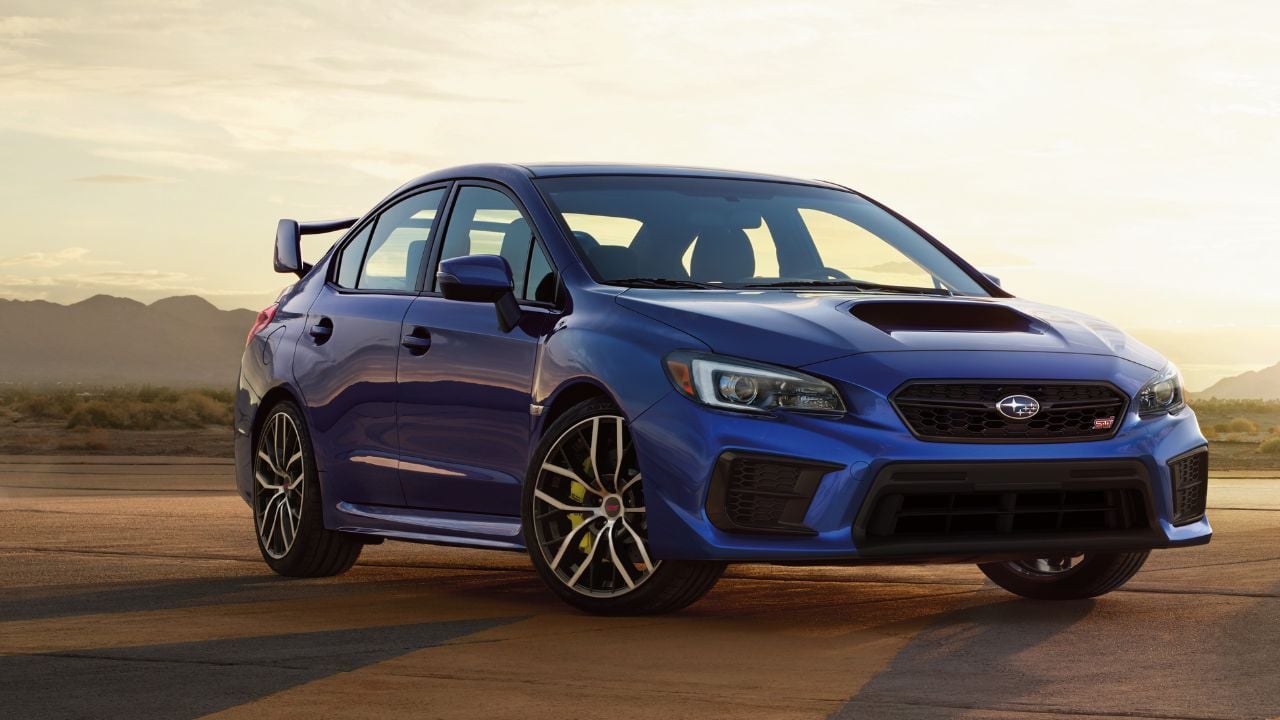
The final generation WRX STI already carries one of the cleanest appreciation stories on the list because Subaru itself confirmed the new WRX platform would not get a next generation internal combustion STI. That instantly turned the 2021 car into the end of a long, emotionally loaded chapter.
Subaru’s 2021 material still makes the old STI case clearly, 310 hp, a 6 speed manual, driver controlled center differential, Brembo brakes, and the full rally inspired mechanical seriousness that defined the badge. KBB currently shows a 2021 WRX STI Sedan 4D at about $27,610 fair purchase price, with private party values roughly from $23,830 to $26,830 depending on condition.
That combination of significance and relative affordability is why the STI still feels like unfinished business in the market. It is not subtle, not especially refined, and not pretending to be anything other than a very specific kind of hard charged all wheel drive manual sedan. Cars with that sort of single minded identity often age well because nothing later replaces them directly. The 2021 STI does not just represent the last of its line. It represents the moment Subaru stopped selling a certain dream in gasoline form.
2018 Ford Focus RS
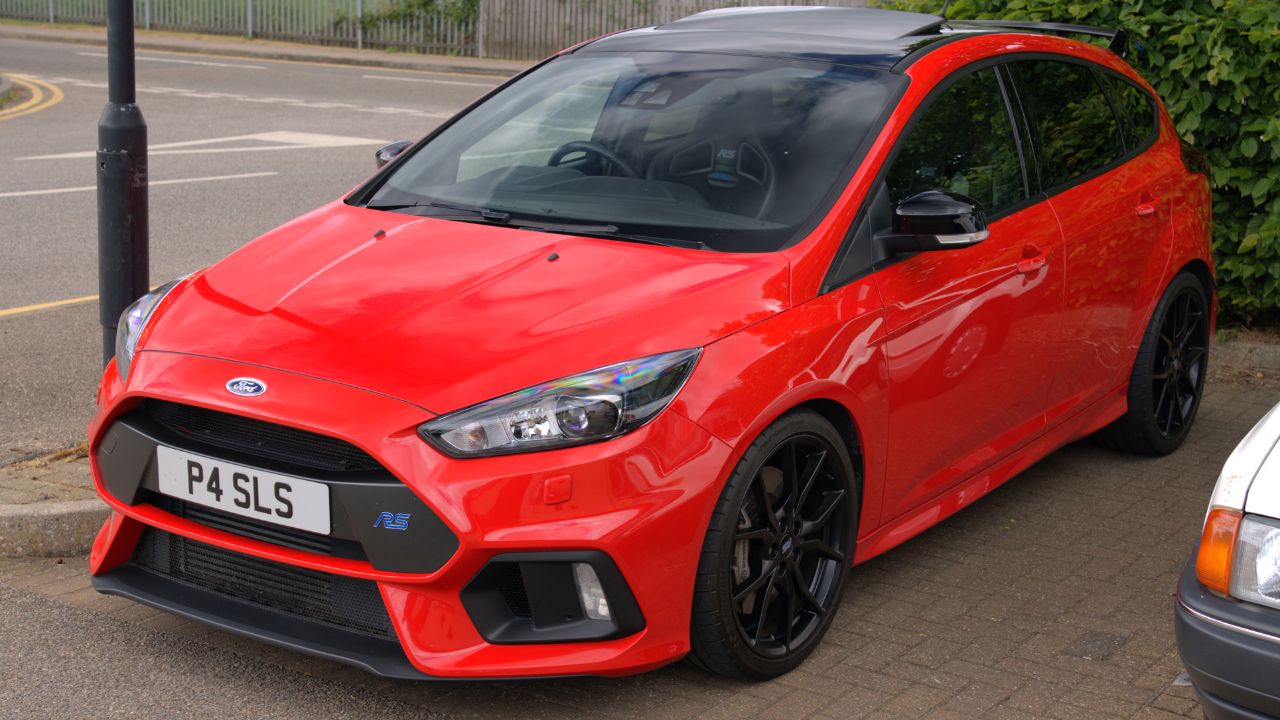
The Focus RS is a wonderful example of how an everyday shape can hide a future collectible. Car and Driver called 2018 its final year of production and noted that the 350 hp turbo four paired exclusively with a six speed manual.
Classic.com now puts the Mk3 Focus RS market benchmark at $33,002, which already suggests the car is being treated more seriously than a dead hot hatch usually is. That makes sense. The RS was the last truly wild U.S. Focus, all wheel drive, manual only, aggressively styled, and built at a time when Ford still seemed willing to do slightly irrational things for enthusiasts.
What helps the Focus RS is that it has never felt generic. Even now, the car’s reputation is tied to a distinct kind of energy, part rally toy, part hot hatch, part blue oval overreaction. When the market starts looking back at the era of mainstream manual performance cars, the Focus RS will stand out because it never tried to be polished into sameness. It was a little unruly, a little overconfident, and all the better for it. Those qualities usually become more charming with time, not less.
Ford Shelby GT350
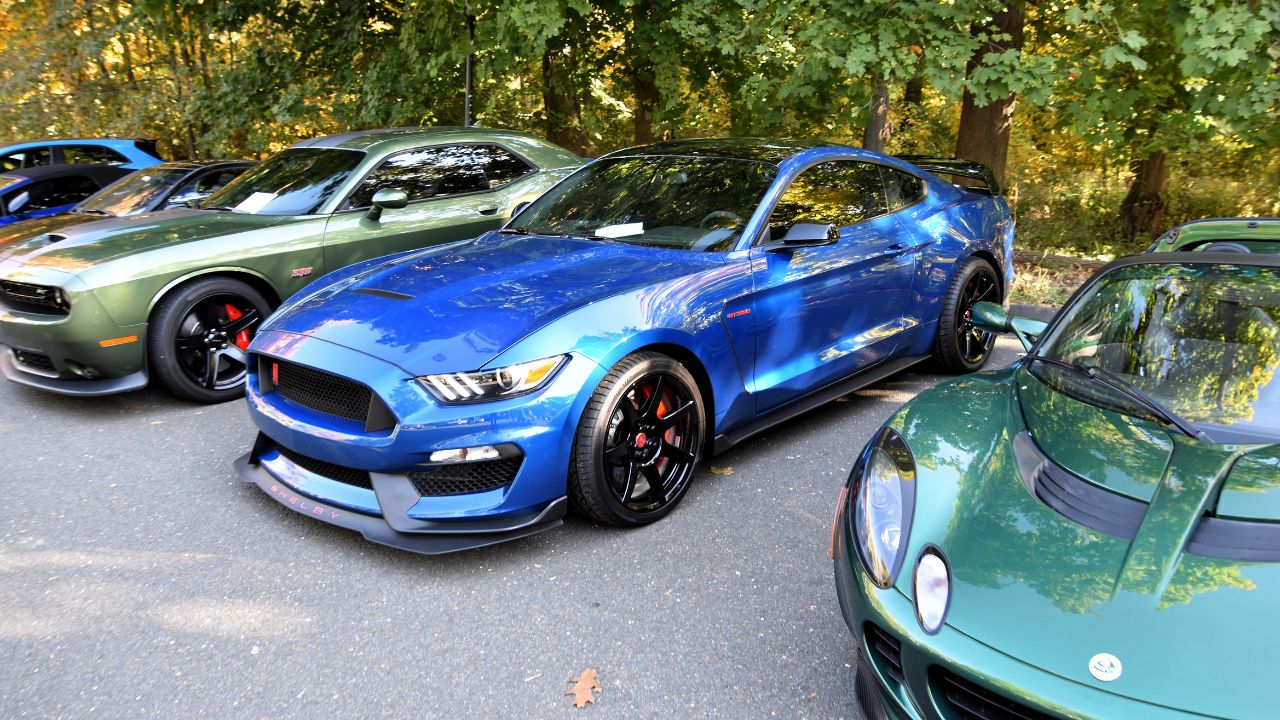
The GT350 is the one that already feels expensive because it probably is. Ford’s flat plane crank 5.2 liter V8 made 526 hp and 429 lb ft, and the entire model line was built around a six speed manual and a chassis worthy of the engine’s voice.
Classic.com now gives the third generation GT350 a market benchmark of $58,350, with clean 2018 and 2019 cars commonly advertised near or above $60,000. That is not bargain territory, but it is exactly the kind of pricing behavior that tells you the collector story is no longer hypothetical.
The reason the GT350 still belongs in this article is that the best big ticket collectibles often signal their future early. This car already reads like a modern classic because it sounds like one, feels like one, and carries an engine Ford is very unlikely to repeat in the same spirit. It is not just another fast Mustang. It is the flat plane, high revving, manual Shelby that gave Ford one of its clearest modern masterstrokes. If that sentence means something to you now, it will probably mean a lot more to the market later.
2024 Chevrolet Camaro SS 1LE With The 6-Speed
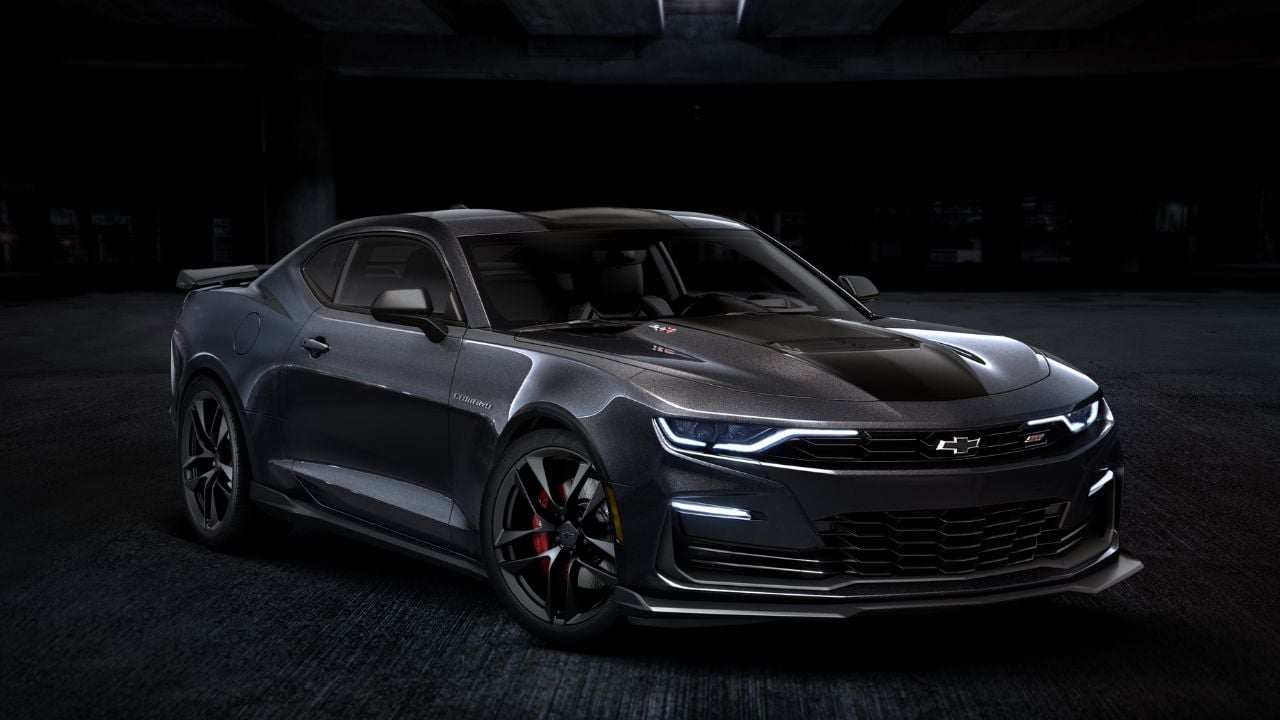
The final Camaro deserves a place here because Chevrolet closed the sixth generation with exactly the sort of car future buyers usually want most: a V8 coupe, a real track package, and a manual. GM confirmed 2024 as the final year for the current Camaro and kept the 1LE option available on SS and ZL1 models.
Contemporary specs list the 6.2 liter V8 at 455 hp and 455 lb ft, while dealer and listing data in 2026 show used 2024 SS cars often still asking somewhere in the low to mid $40,000s, with cleaner examples reaching much higher.
This car makes sense because the market usually remembers the final honest version of a formula. The SS 1LE manual is exactly that, no forced induction, no electrified rescue plan, no halfhearted farewell. Just a strong naturally aspirated V8, a very serious chassis, and one of the last opportunities to buy an American pony car that still trusted the driver to do some work. In hindsight, those are the versions people tend to regret not buying when they were merely “used Camaros.”
2023 Dodge Challenger SRT Hellcat 6-Speed Manual
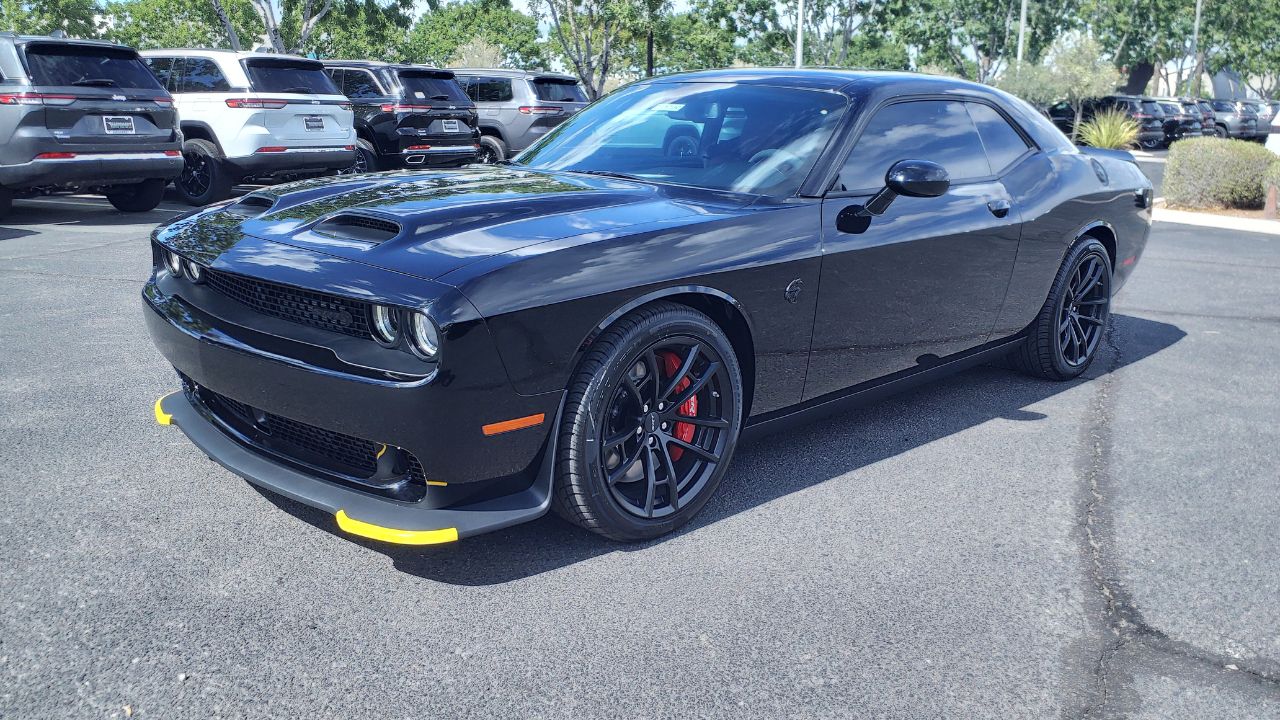
The Hellcat manual is not subtle, and that is exactly why it belongs. Dodge confirmed the six speed manual returned for the 2023 Challenger SRT Hellcat in low production volumes, right at the end of the current era of Hemi muscle cars.
The company went so far as to describe it as likely the last chance to buy a brand new supercharged Dodge muscle car that lets you row your own gears. That kind of language matters because it captures exactly what collectors notice later. The broader Hellcat market already has a benchmark around $56,080 on Classic.com, while real manual cars from recent years now sit deep into the $50,000 range.
There is also a simpler emotional truth here. A manual Hellcat is absurd in a way the industry no longer allows itself to be. That is a collector quality all by itself. The car is loud, oversized, unapologetically thirsty, and mechanically theatrical. It does not ask for approval. It assumes desire. In twenty years, that attitude may matter every bit as much as the horsepower. The rarest future collectibles often come from the moment a brand knew the music was stopping and played even louder anyway.
Buy The Gearbox, Not Just The Badge
The real point of this list is not that every one of these cars is guaranteed to double. Collector markets do not work like that, and pretending otherwise is how people end up buying the wrong car for the wrong reason. The smarter lesson is that the manuals most worth chasing tend to sit where character, rarity, and timing meet. A six speed is just a transmission until it becomes the defining feature of a dying formula. That is what is happening to these 10 cars.
So ask yourself a harder question. Which one would bother you most if it got away? The answer is probably the right place to start. Prices do not need to explode overnight for regret to become expensive. Sometimes all it takes is the moment the market collectively realizes a car was the last good version of something it can no longer buy new.