Owning a classic car every day sounds romantic until Monday morning traffic, rain, and grocery bags enter the picture. That is where the smartest classics separate themselves from the garage queens.
The best daily classic needs charm, of course, but it also needs clear sightlines, dependable manners, decent parts support, and an engine that does not treat every commute like a dramatic event. It should be a car you want to look back at in the parking lot and a car you trust to start before sunrise. It should make a routine drive feel richer without turning every errand into a project. Have you ever imagined opening a thin old door, settling into a seat with real character, and heading to work knowing your car already has a story? There is a special pleasure in that idea.
A good daily classic slows your mind down a little, sharpens your attention, and reminds you that driving used to have more texture. The trick is choosing one that still fits modern life instead of fighting it. These 10 classics are the ones that make the strongest case for doing exactly that.
What Makes A Classic Good Enough For Everyday Life?
This list favors classics you can realistically use in traffic, weather, and errands instead of saving for perfect Sundays. I prioritized cars with long production runs, strong owner communities, or manufacturer backed parts support, which matters more in daily life than a glamorous auction result. Comfort, visibility, simple mechanical layouts, and enough cabin or cargo usefulness to survive normal life carried more weight than outright performance.
I also leaned toward cars that were very well built when new, because that foundation still matters decades later. That is why you will find sedans, hatchbacks, wagons, and a few sports cars that know how to be civilized. The goal is simple: choose classics that still feel like companions, not constant negotiations.
Mercedes-Benz 300D W123
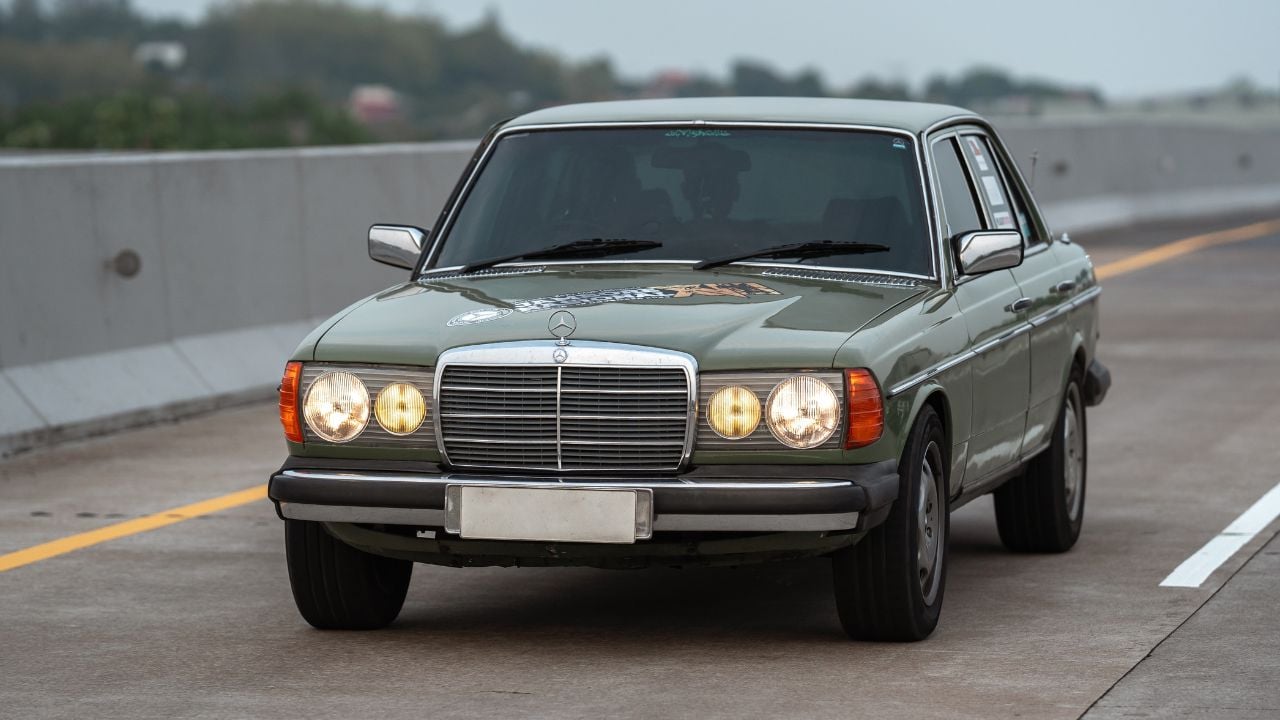
If there is a single classic that seems to understand daily life on an almost moral level, it is the W123 diesel. Mercedes-Benz built the 123 series from 1976 to 1985, and the company still supports classics through its Genuine Classic Parts program, which tells you a lot about how seriously this era is still taken.
The 300D works as a daily because it never tries to be clever. It gives you upright visibility, a calm ride, a cabin that feels dense and honest, and the kind of mechanical rhythm that encourages patience rather than impatience. In modern traffic, a good one still feels composed, especially if you accept its personality and drive it with a little respect.
It is also one of those rare classics that can handle ugly weather, long errands, and repetitive use without losing its dignity. You do not drive a W123 to prove anything. You drive one because it turns steady, ordinary miles into something deeply satisfying.
Mercedes-Benz 300E And E320 W124
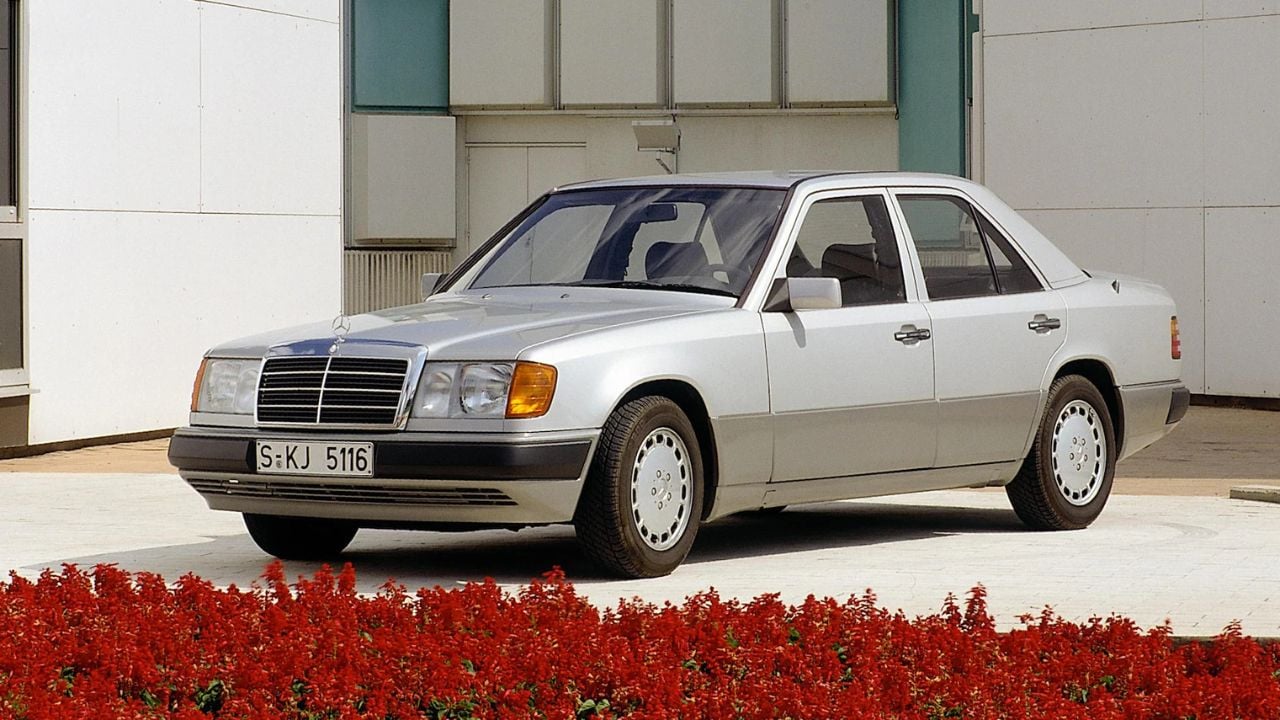
The W124 is the classic Mercedes for people who want old world solidity without giving up too much modern usability. Mercedes-Benz identifies the 124 series saloon as a 1984 to 1997 model line, and its E Class history highlights technologies such as ABS, ASR, ASD, and 4MATIC as part of this era. That matters because the W124 still feels like a car built for serious use, not just for admiration.
A good 300E or later E320 has enough pace for modern roads, excellent seats, impressive highway manners, and a cabin layout that still feels rational now. It is large enough to make commuting, travel, and family duty easy, yet tidy enough that it never feels like an old barge.
More importantly, it has the kind of engineering depth that makes repeated use feel natural. This is the classic you buy when you want a proper grown up car, one that can go to work every day and still feel quietly special when the light hits the hood just right.
Volvo 240

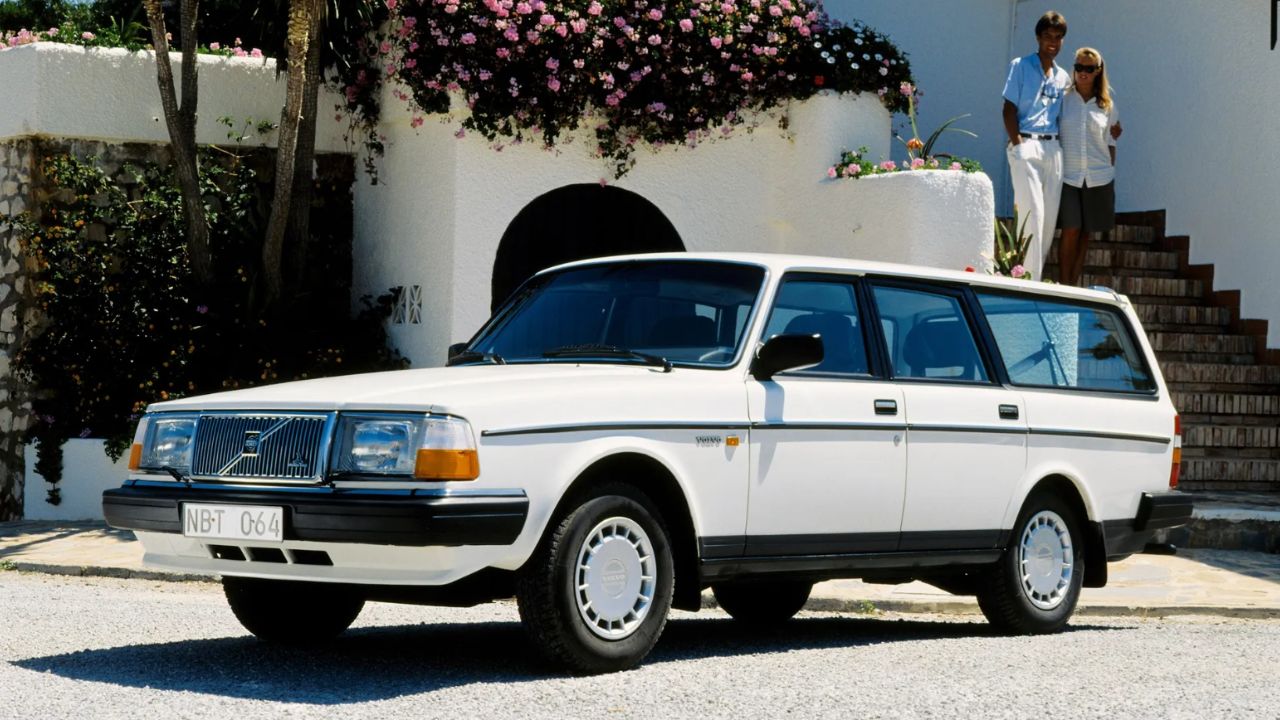
The Volvo 240 may be the least romantic looking car here, but that is part of its appeal. Volvo says the 240 was produced for nearly 20 years, sold more than 2.8 million examples, and was developed with such rigorous safety requirements that U.S. authorities used it as a standard car for safety developments. Those are exactly the kind of facts that make daily driving sense decades later.
A 240 feels square, sensible, and deeply reassuring in a way newer cars rarely do. The flat surfaces make it easy to place, the cabin has genuine room, and the wagon versions in particular still embarrass plenty of modern crossovers when it comes to useful shape. This is not a classic for someone chasing glamour. It is a classic for someone who likes trust.
The best daily classics earn affection by being useful first, and the 240 has been proving that point for almost half a century. It is honest transportation with a strangely warm soul.
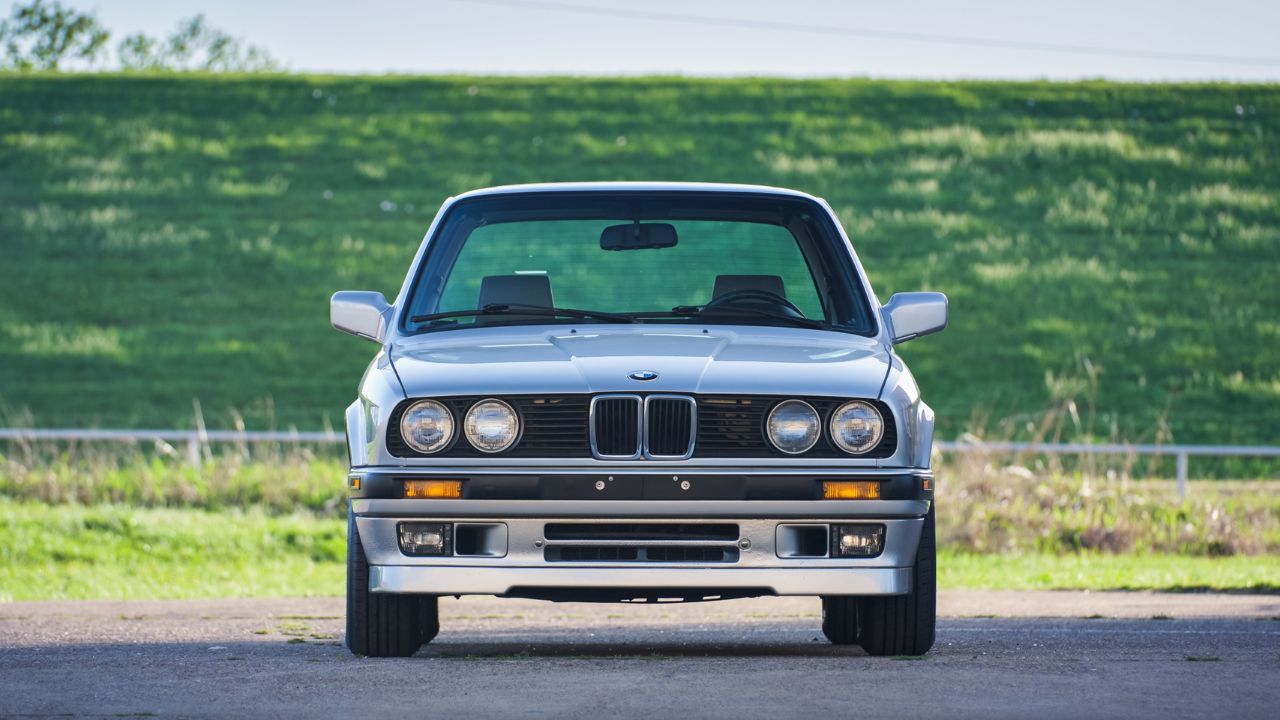
BMW 325i E30

Some classics ask you to sacrifice too much comfort for the sake of fun. The E30 325i does a much smarter job of balancing both. BMW Group Classic says the second generation 3 Series launched in 1982, broke previous BMW sales records with more than 2.3 million units built through 1991, and that the 325i’s revised six cylinder engine impressed customers with silky smooth performance, high torque, and low fuel consumption. That description still feels right.
The E30 is compact enough to feel alive in city traffic and on narrow roads, yet substantial enough that daily use never feels silly. The steering, sightlines, and seating position make even a short commute more involving, and the car still fits into normal life with surprising ease. It also helps that BMW Classic continues to reproduce parts for older cars.
If you want a daily classic that keeps you engaged without exhausting you, the E30 may be the sweetest answer in the whole article.
Lexus LS 400
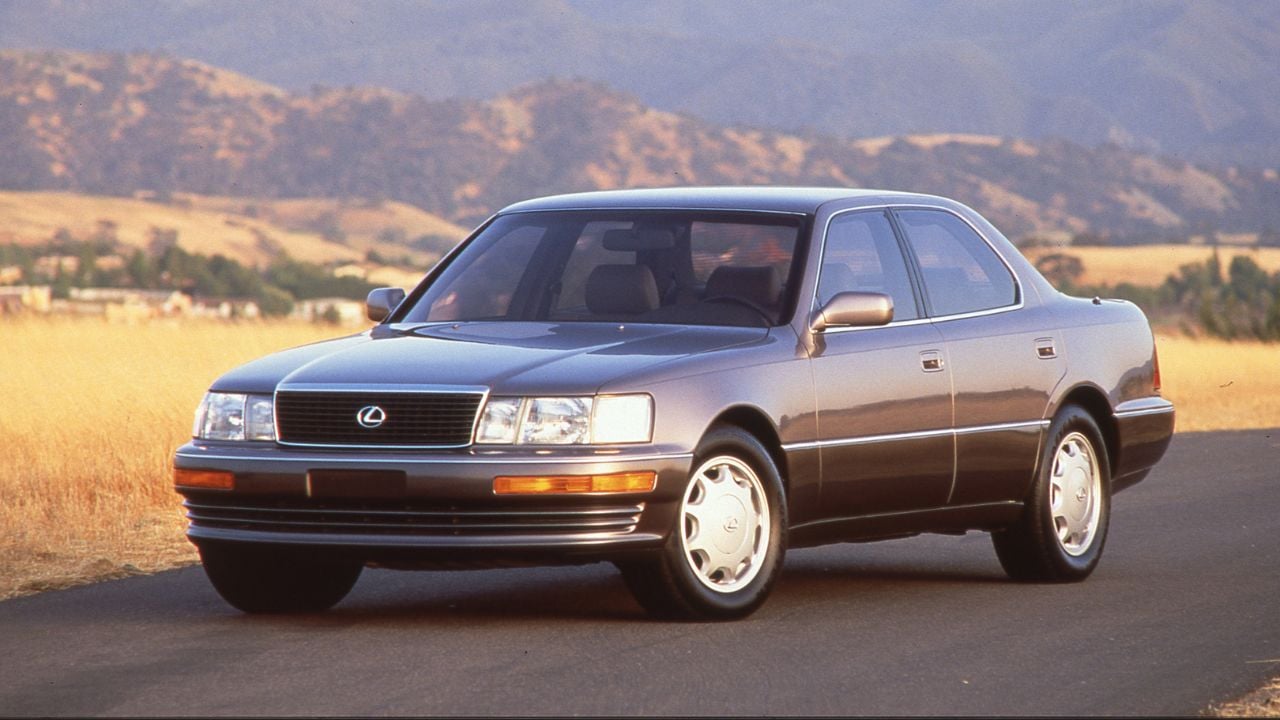
The first LS 400 changed the luxury car conversation when it arrived, and it still makes an unusually convincing daily classic now. Lexus says the LS 400’s 1989 Detroit introduction made automotive history and set new expectations for drive performance, quietness, luxury, build quality, attention to detail, and dependability. That is almost the perfect recipe for everyday classic ownership.
The LS 400 does not rely on nostalgia tricks. It wins by still feeling complete. The ride is smooth, the cabin is serene, and the whole car has a sense of refinement that makes daily use feel almost effortless. Many classics charm you by asking for patience. The LS charms you by lowering your stress. That is a huge difference.
If your ideal daily classic is something you can drive to work in one day and to dinner in the next without changing its tone, this is one of the strongest options anywhere. It still feels expensive in the best sense of the word, thoughtful, polished, and beautifully settled.
Mazda MX-5 Miata NA

The first Miata belongs here because daily driving does not always mean four doors and a big trunk. Sometimes it means choosing joy on purpose. Mazda’s own history says the MX 5 grew from a dream to revive the lightweight roadster, and the company later launched a restoration service and reproduction parts program for the first generation in 2017. That support matters, but the bigger story is emotional.
A good NA Miata turns a basic drive into a small event without asking for supercar money, supercar space, or supercar patience. It is easy to see out of, easy to place, easy to park, and eager at sane speeds. That last point matters a lot. Many classics only wake up when you are driving much too fast.
The Miata feels alive almost immediately. So yes, it asks you to pack lightly and think carefully about winter. In return, it makes ordinary roads feel like something you chose rather than something you endured.
Volkswagen Golf GTI Mk2

The Mk2 GTI might be one of the most balanced answers here because it understands both sides of the brief. Volkswagen’s own archive says the Golf II GTI was longer, heavier, more comfortable, and a fully fledged family car, while still discreetly displaying its agility. That sentence almost writes the case by itself. A daily classic needs personality, yes, but it also needs enough practicality that you do not start inventing excuses to leave it at home.
The Mk2 GTI gives you hatchback usefulness, compact dimensions, sharp responses, and a cabin that still feels friendly rather than theatrical. It is fun without being demanding. It is iconic without being precious. And because it looks simple, it wears everyday use extremely well. A good one feels like the kind of car that wants to be used hard and often, not polished into silence.
For readers who want one classic to handle commuting, city parking, weekend luggage, and back road fun, this is a very persuasive little machine.
Saab 900 Turbo Hatchback

The classic Saab 900 Turbo is the thinking person’s daily classic, slightly odd, very clever, and far more usable than its cult status sometimes suggests. Hagerty notes that the late 900 Turbo offered excellent seats, a strong driving position, refined motorway manners, room for adults in the rear, and a vast 610 litre hatchback boot, while also being built to a very high standard and capable of huge mileages with proper maintenance. That is daily driver gold.
The shape still looks unlike anything else on the road, yet the usefulness is completely real. You sit high enough to feel relaxed, the hatchback layout makes life easy, and the car has a sense of intelligence in every detail, from the cabin to the way it gathers speed once the turbo wakes up. It is not the simplest classic here, and it does ask for a knowledgeable owner.
Still, if you want a daily classic with real character and real utility, the Saab gives you both in one wonderfully eccentric package.
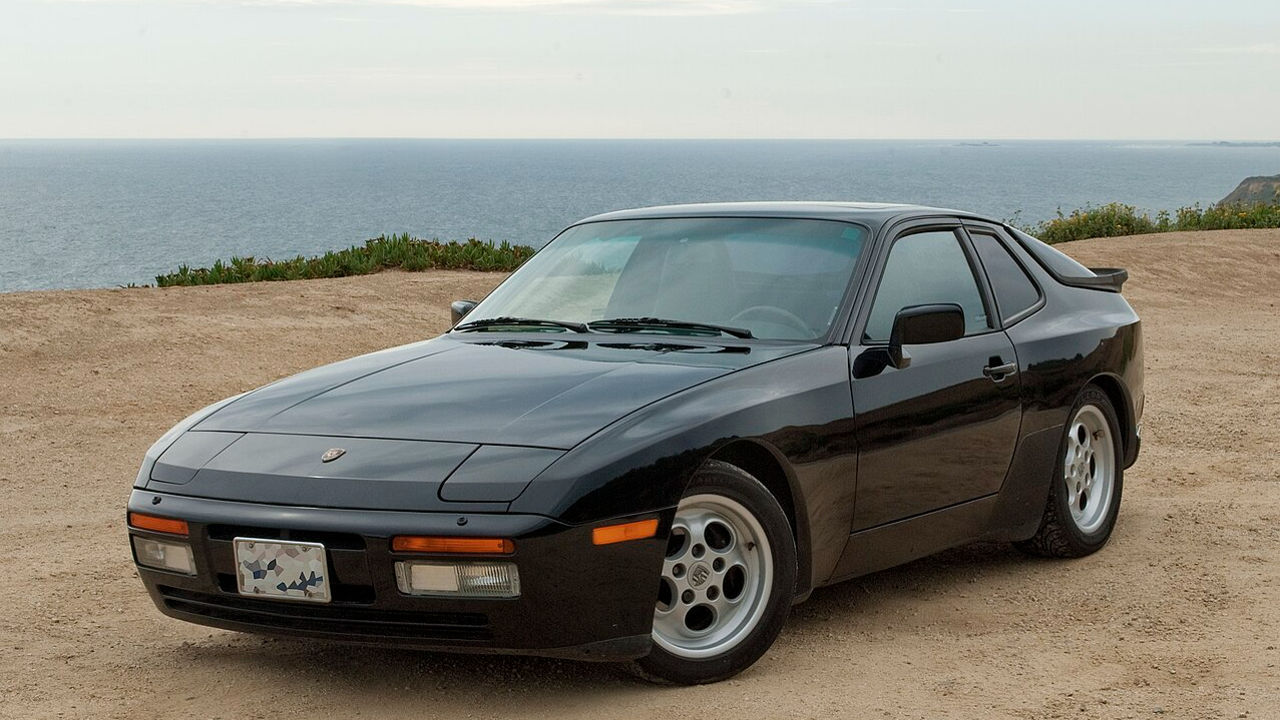
Porsche 944

A Porsche on a daily driver list can sound indulgent until you remember what the 944 actually is. Porsche’s transaxle history explains that the front engine and rear mounted transmission layout was designed to deliver near perfect weight distribution, improved balance, enhanced stability, and predictable handling that inspired confidence across a wide range of driving conditions.
Porsche Classic also continues to support the 944 with genuine parts and specialized services. That makes the 944 far easier to defend as an everyday classic than many people expect. It has a hatchback, a surprisingly practical cargo area, a comfortable driving position, and handling that rewards attention without punishing you in normal use. It feels special without feeling fragile. That is a very rare thing.
If you want a sports car classic that can still handle commuting and longer drives with real grace, the 944 is one of the smartest choices on the board. It gives you Porsche feeling with far fewer theatrics than the badge might suggest.
Mercedes-Benz 190E
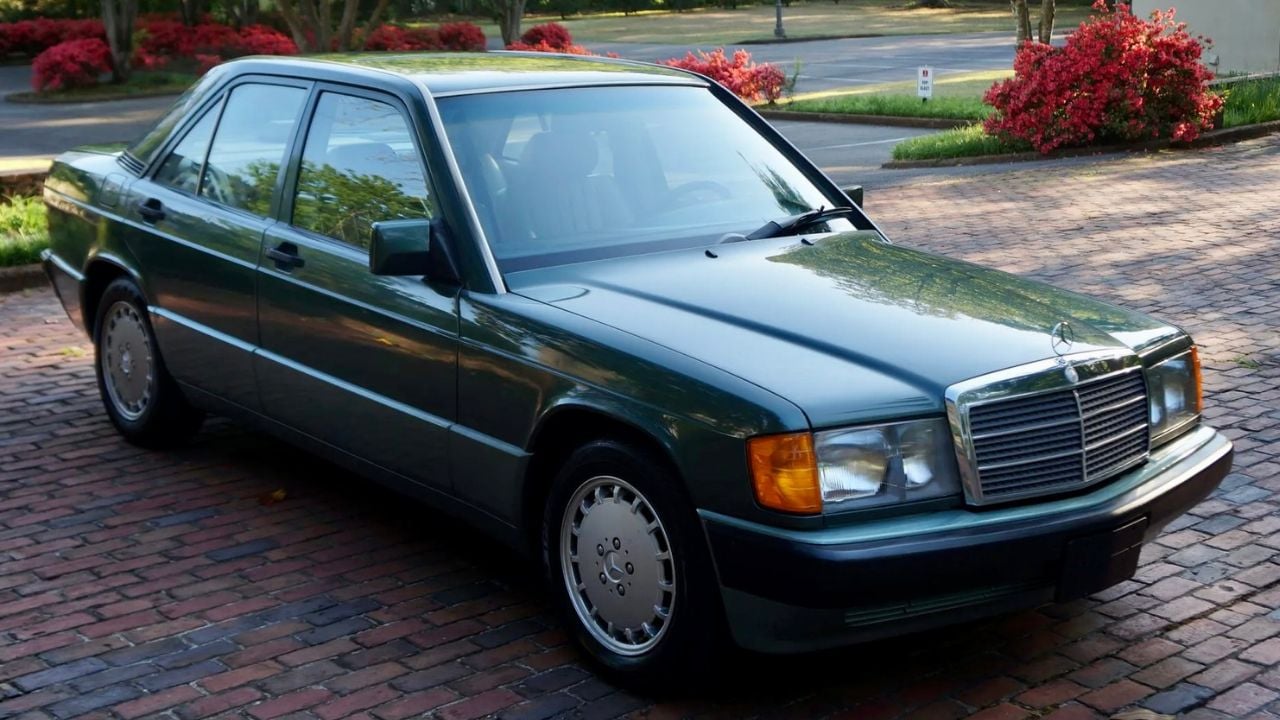
The 190E is proof that a compact classic can still feel dignified. Mercedes records show the 190E 2.3 was produced from 1983 to 1988 in its earlier form, and the company’s broader corporate history describes the 190 series as technically ultra modern for its day, including the patented multi link rear axle that later influenced the E Class and C Class. That engineering pedigree still shows through in daily use.
The 190E feels tighter and easier to thread through modern traffic than the larger Mercedes sedans, yet it keeps the same sense of seriousness. Doors shut with conviction, the cabin feels calm, and the car rides with a composure that makes many old compact sedans feel flimsy by comparison. It is also one of the easiest classics here to understand from behind the wheel. Nothing feels overcomplicated.
For someone who wants classic Mercedes integrity in a smaller, more city friendly package, the 190E is a beautiful answer, restrained, durable, and quietly classy every single day.
Could Your Next Daily Driver Also Be Your Favorite Old Friend?
A daily driven classic changes the rhythm of ordinary life. It turns the school run, the commute, and the late evening drive home into something with a little more memory in it. You start noticing smells, sounds, and textures again. You become more present. You choose routes with better light and better corners.
You take care of the car, and somewhere along the way the car starts taking care of your mood. That is why the right classic is rarely the rarest one. It is the one that fits your life well enough to keep getting used. So which one would you trust with your Mondays, your weather, and your coffee stops? The best classic for daily driving is the one that makes you want to keep the keys close and the excuses far away.