When was the last time a car made you feel like your inputs actually mattered? Not just that it responded quickly, but that it seemed to care about your timing, your touch, your confidence, and even your mistakes. That is the feeling this article is chasing. Before performance became so filtered, so insulated, and so eager to flatter, the best driver’s cars had a more direct relationship with the person behind the wheel. They asked more from you, but they also gave more back. That trade is exactly what made them memorable.
This list is not built around horsepower, lap records, or market hype. Every car here had to deliver a stronger sense of connection than the average modern machine, whether through steering feel, a great manual gearbox, low weight, honest balance, or an engine with real character. They also needed a clear identity instead of a generic “sporty” one, because personal driving has always come from personality, not just pace. That is why the lineup reaches across roadsters, coupes, sedans, and hatchbacks. The details change. The feeling stays the same.
Where The Conversation Between Car And Driver Still Lives
This list follows a simple idea: the right car makes you feel involved from the first few minutes behind the wheel. Steering feel, gearshift action, seating position, visibility, engine character, and chassis balance all mattered here, because those qualities shape the relationship far more deeply than a big number on a spec sheet.
Each model earned its place by giving the driver a stronger sense of timing, touch, and rhythm, the kind of response that turns an ordinary road into something worth remembering. These cars come from different countries, different eras, and different philosophies, yet they all share one rare gift: they make every mile feel like a conversation instead of a command. That is why they fit this article so well, and why people still speak about them with the sort of affection reserved for machines that felt alive in human hands.
Mazda MX-5 Miata NA

The first generation Miata remains the easiest car to love for the hardest reasons to fake. It was small, light, beautifully simple, and built around the idea that driving enjoyment could come from balance and immediacy rather than brute force.
Period U.S. cars began with a 1.6 liter twin cam four at 116 hp, then moved to a 1.8 liter that made 128 hp in 1994 and 1995 and 133 hp in 1996 and 1997, and the whole package stayed close to 2,200 pounds. That is not a recipe for bragging rights. It is a recipe for involvement. The NA Miata makes ordinary roads feel richer because it asks you to use momentum, rhythm, and precision instead of simply flattening the throttle and waiting for the electronics to tidy up the rest.
Even the proportions help. You sit low, see everything, and feel as though the corners begin exactly where your fingertips do. It is one of the purest reminders that intimacy matters more than numbers when the goal is joy.
Honda S2000

Honda built the S2000 as a celebration car, and it still drives like one. The original AP1 launched with the 2.0 liter F20C, a naturally aspirated four cylinder that made about 240 hp in U.S. trim and famously revved to 9,000 rpm, while later AP2 cars kept the same spirit with a larger 2.2 liter engine and a little more midrange.
What matters is not only the engine’s headline. It is the way the whole car orbits around it. The six speed manual is among the best ever fitted to a production car, the rear drive chassis feels alert without feeling nervous, and the seating position turns every drive into an event.
The S2000 does not try to be charming in a soft way. It has standards. It wants revs, commitment, and clean inputs. That can make it feel demanding at first, but it is also what makes the car so personal. It never gives the driver a filtered version of itself. It gives the whole thing.
Acura Integra Type R

The Integra Type R is the car that proved front wheel drive did not have to mean compromise. Acura’s own launch materials spelled out why the Type R was different, with a hand assembled 1.8 liter VTEC four, a five speed manual, a helical limited slip differential, stiffer suspension, reduced weight, and the kind of obsessive tuning that made it feel far more serious than the average compact coupe.
It was never about shock and awe. It was about clarity. Every major control in the Type R feels sharpened toward the same purpose, and that is what makes it so special even now. The engine wants to be worked, the gearbox rewards deliberate use, and the chassis feels eager rather than merely capable. There is no lazy part of the experience.
Even the car’s relative lack of torque becomes part of the charm, because it forces the driver to stay engaged and keep the rhythm intact. The Type R did not just feel fast. It felt alive in a wonderfully specific way.
Toyota MR2 AW11
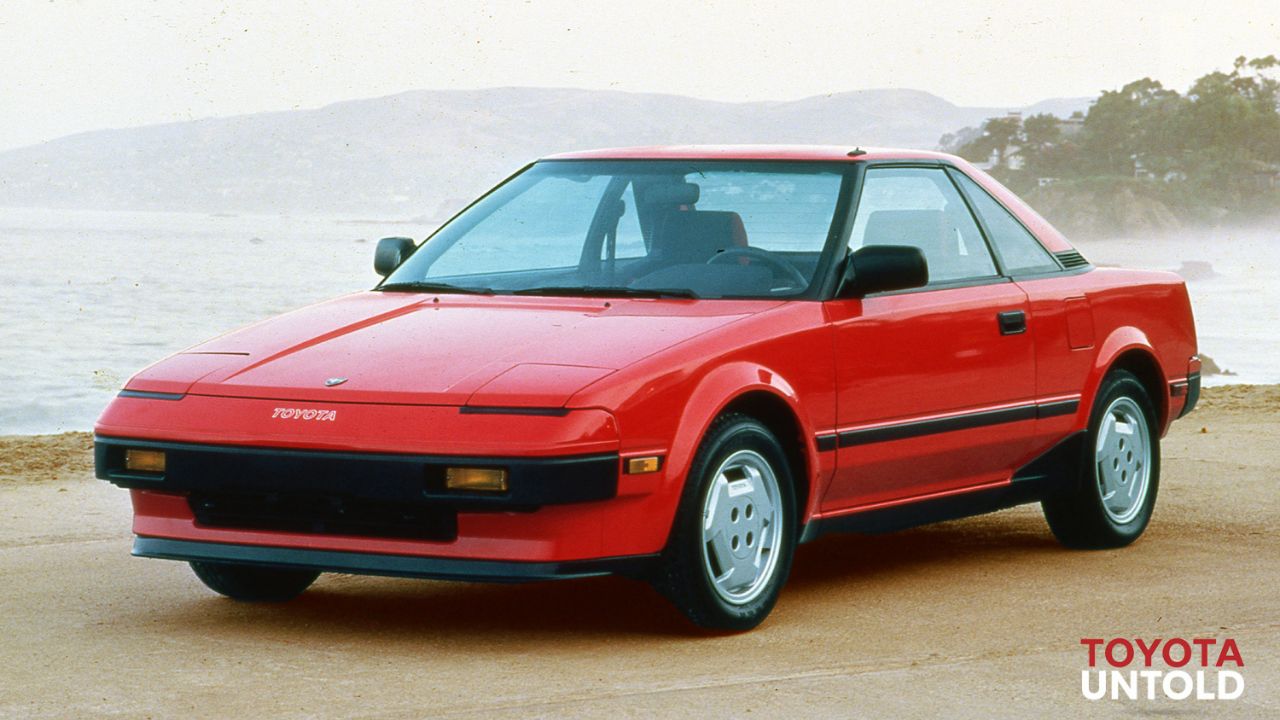
The first generation MR2 still feels like a small miracle because Toyota built something this unusual so early and got the tone so right. Official Toyota history traces the “middie” project back to the 1970s, but what matters from the driver’s seat is what emerged in 1984: a lightweight, mid engined, rear wheel drive two seater with some Lotus input in the rear suspension development and a clear belief that agility mattered more than ego.
Even modest power suited the car because the layout did so much of the emotional work. The AW11 feels distinct the moment you settle into it. The cabin is compact, the responses are immediate, and the whole vehicle seems to pivot around you instead of dragging itself through the road. That is a hard sensation to forget once you have felt it. So many modern cars try to hide their mass and complexity.
The AW11 does not need to. It is light enough and honest enough that the fun arrives before the speed becomes serious. That honesty is exactly why it still feels personal.
Lotus Elise
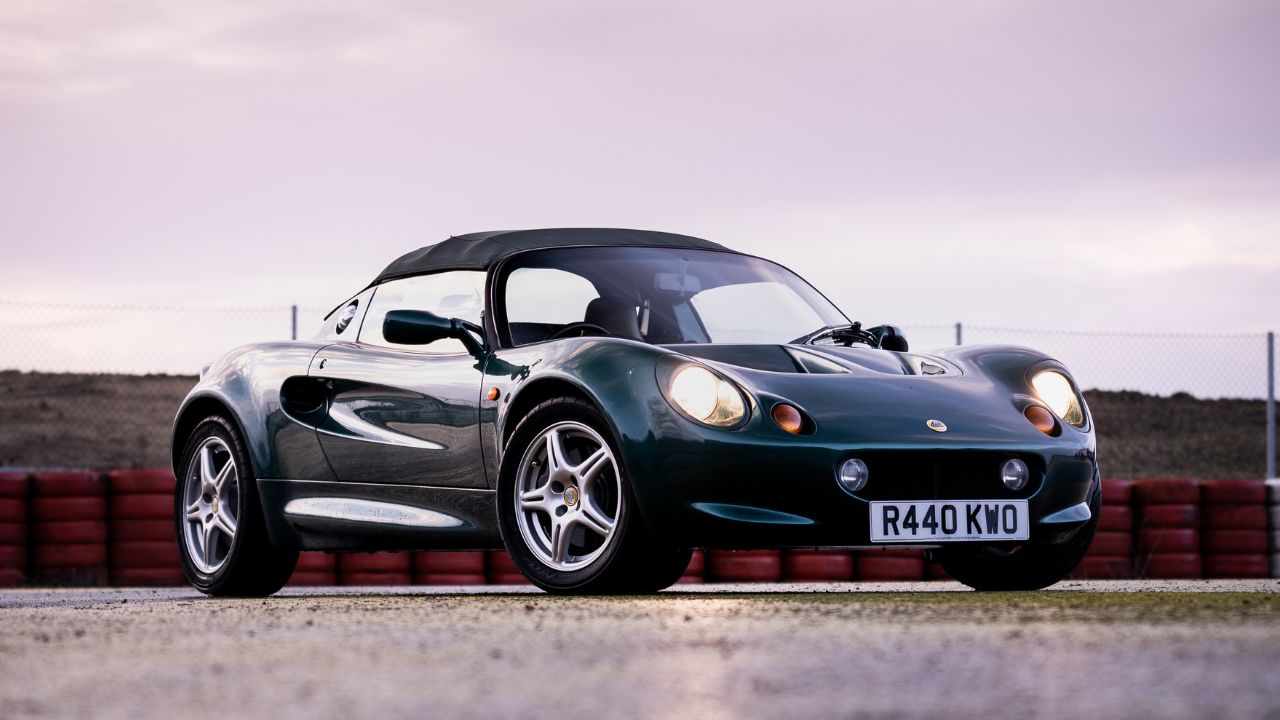
The Elise is one of those cars that makes you wonder how an entire industry managed to wander so far from the point. Lotus describes it as small, high tech, and simple, with a bonded extruded aluminum chassis and brilliant performance and handling.
That description still holds because the Elise was built around an idea many modern cars abandoned: remove weight, remove distance, remove excuses. Early Elise models used a 118 bhp 1.8 liter engine and, according to Lotus’ current heritage material, could reach 62 mph in 5.9 seconds, yet they felt faster than that because so little stood between the driver and the machine. The steering, the seating position, the visibility, even the awkwardness of getting in all became part of the relationship.
Nothing about the Elise was trying to make itself easier to consume. It was trying to make driving feel vivid. That is a very different ambition, and you can sense it in every mile. When people talk about “connection,” this is the kind of car they usually mean.
BMW E39 M5

The E39 M5 reminds you that even a serious sedan can feel intimate when the engineering is pointed in the right direction. BMW Classic still describes it as a discreet body hiding a 400 hp V8, a manual six speed gearbox, and a chassis that turned the experiment of fitting a large displacement engine into an M sedan into a triumph. That is exactly why the car matters.
The E39 was not a loud performance statement. It was a deeply coherent one. The steering had natural weight, the engine delivered huge pace without turning theatrical, and the manual gearbox changed the emotional tone of the whole machine. You never feel like a passenger to its power. You feel like the person responsible for shaping it. That is a different kind of thrill than modern super sedans usually offer.
They may be faster, but the E39 is more conversational. It always seems to be asking what kind of driver showed up today, and that question is a big part of what makes it linger in people’s minds.
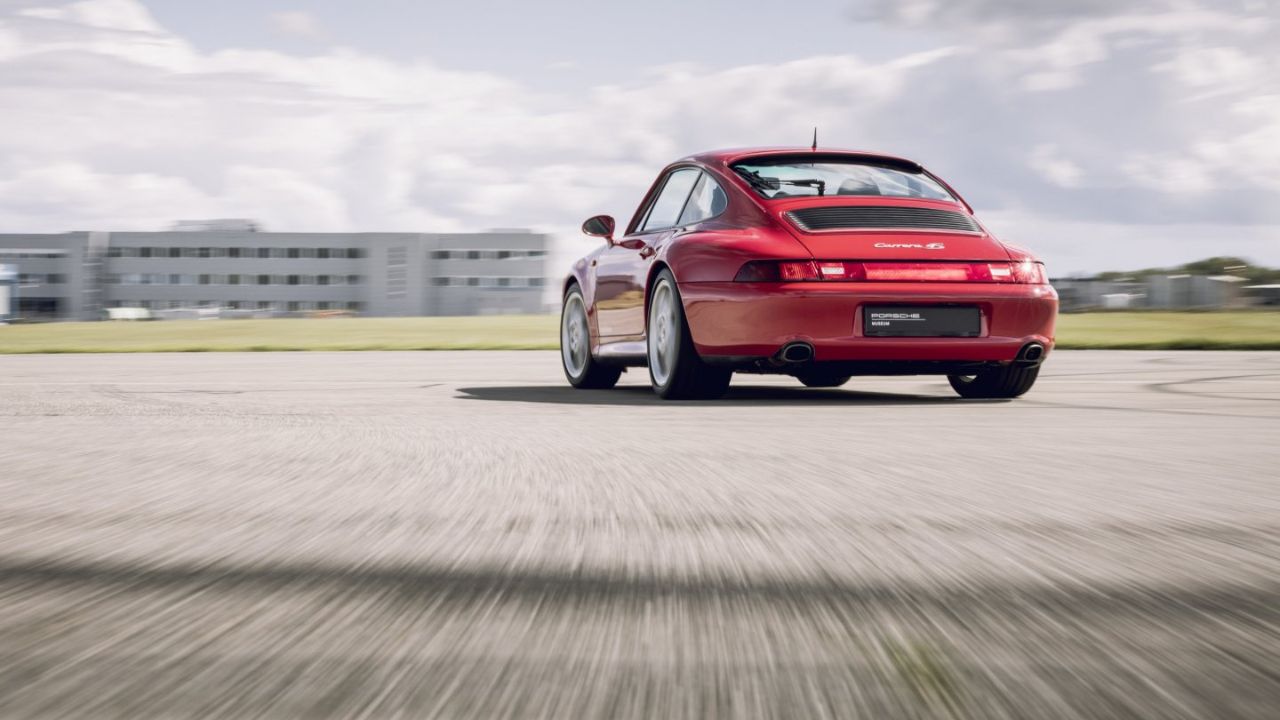
Porsche 911 Carrera 993
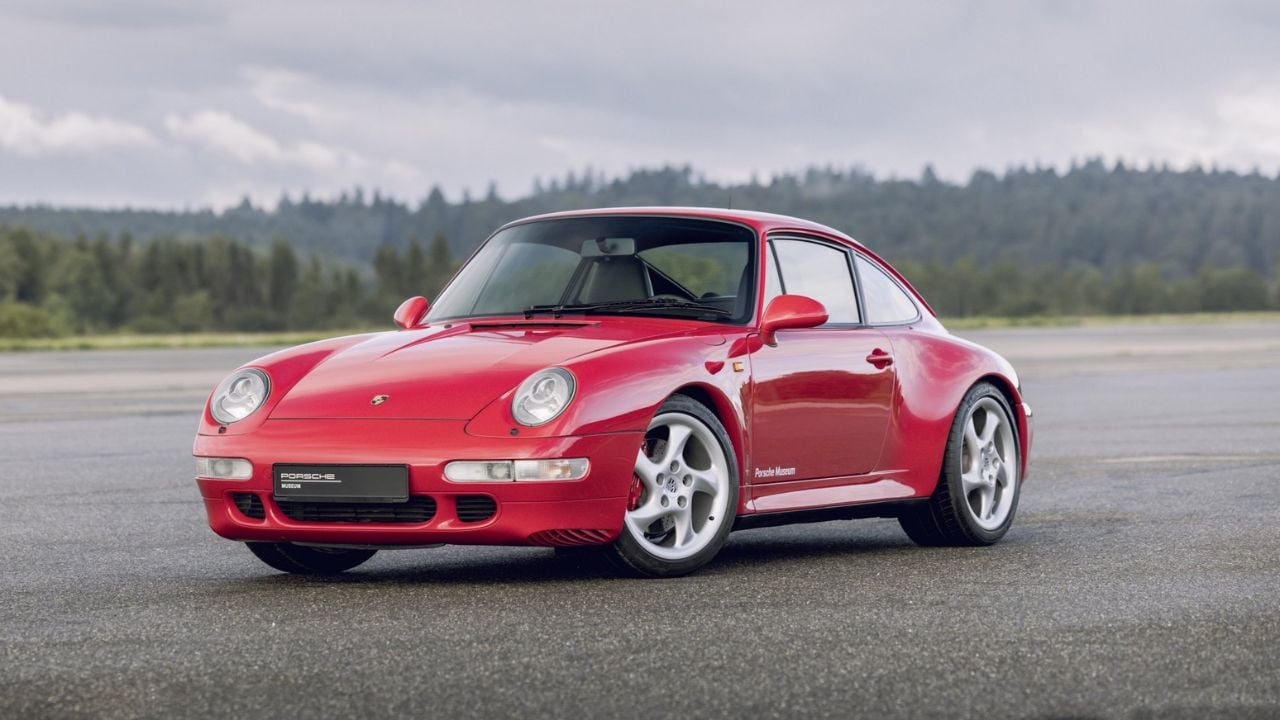
The 993 remains one of the most beloved 911s for a reason that goes far beyond nostalgia. Porsche itself notes that the Carrera models used a 3.6 liter flat six with 272 PS at launch, later rising to 285 PS, and that the 993 marked the final air cooled chapter of the 911 line. Those facts matter, but the deeper appeal lives in how the car translates them.
The 993 still carries the old rear engine rhythm and mechanical feel people associate with classic 911s, yet it packages that character in a car that feels complete rather than primitive. The result is wonderfully rich. The steering talks, the body breathes with the road instead of smothering it, and the engine brings a kind of textured urgency many newer cars have polished away.
Personal driving often depends on that exact balance between challenge and reward. Too raw and the car becomes exhausting. Too modern and it becomes distant. The 993 sits in the middle with unusual grace, which is why so many people still treat it like a benchmark for emotional usability.
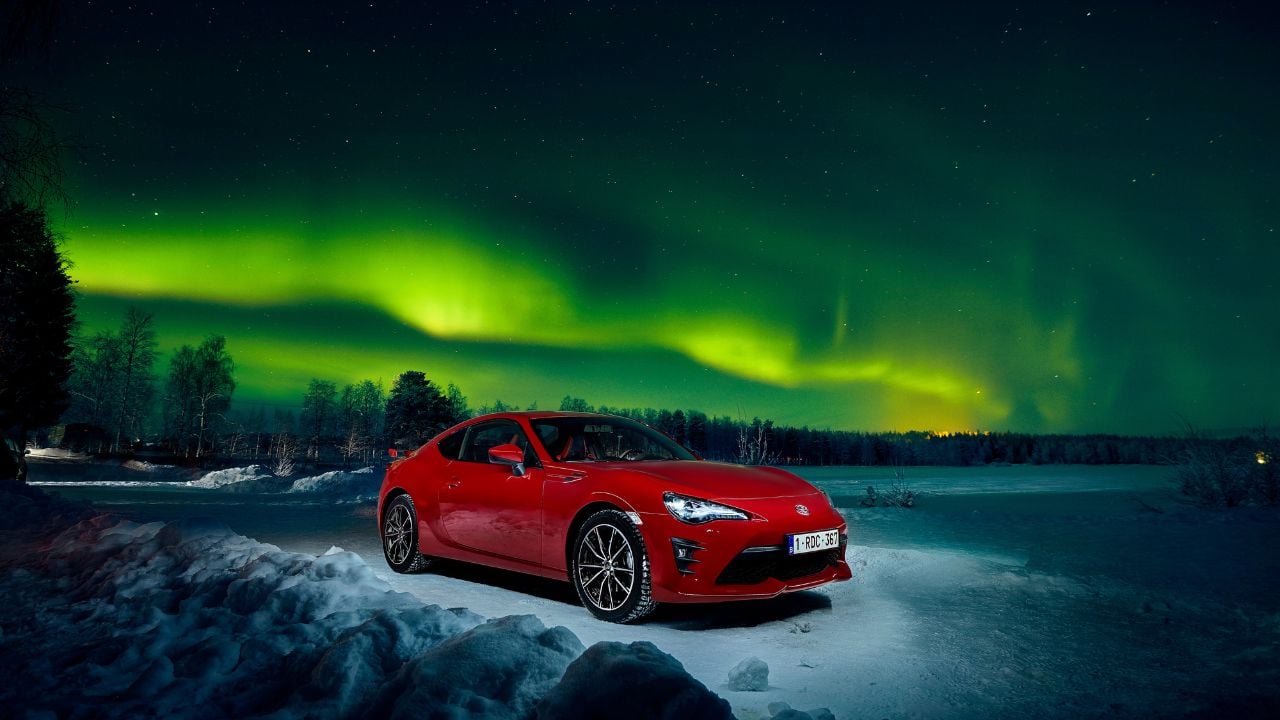
Toyota GT86
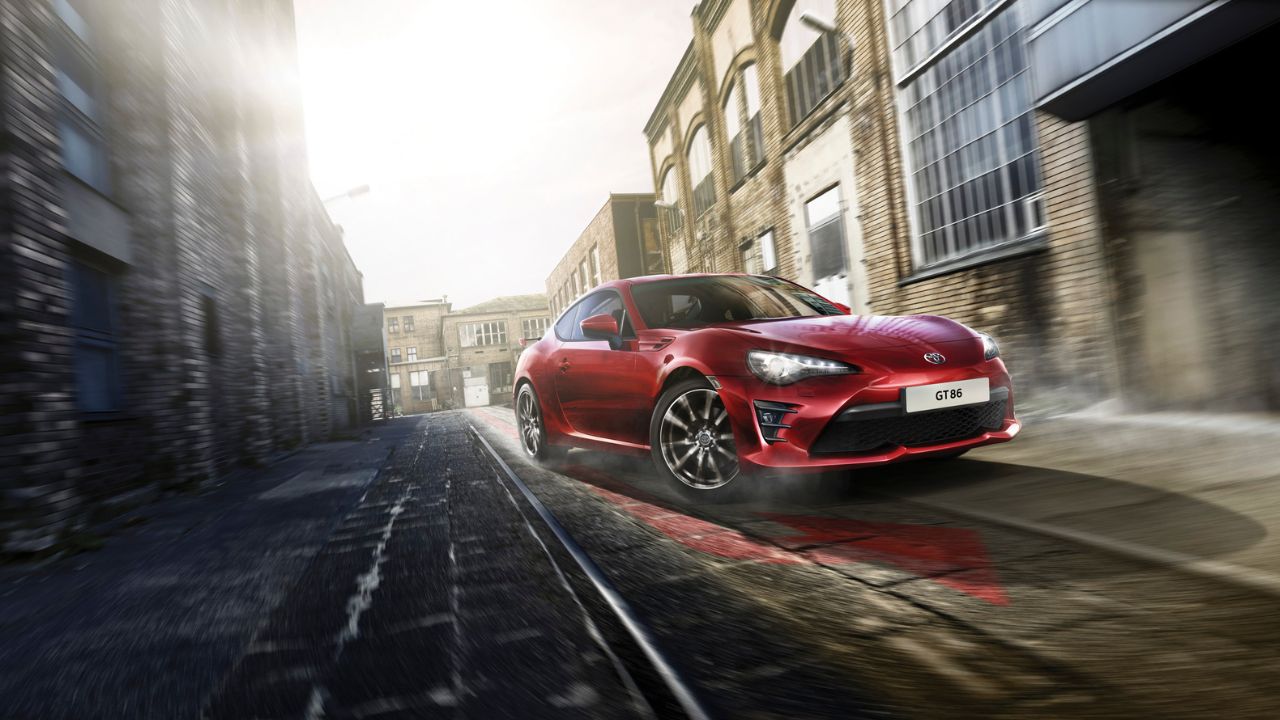
The GT86 arrived as a deliberate correction to the modern performance car trend, and that is part of why it still feels so refreshing. Toyota’s original press material talked openly about a compact, front mounted, naturally aspirated boxer engine, rear wheel drive, an exceptionally lightweight body, and a “flick of the wrist” six speed manual designed for driving purists.
That language was not empty. The GT86 genuinely feels like a car built around the driver rather than the spreadsheet. It is not overloaded with power, and that is a strength. Because the chassis is so willing and the engine asks for commitment, the car encourages you to participate instead of merely consume. Even the seating position and low center of gravity work together to make modest speeds feel significant.
There is a beautiful lack of waste in the way it goes about its business. Every part seems aimed at making you feel the road more clearly. In a market crowded with hot hatches and fast coupes trying to do everything, the GT86 stood out by editing itself down to the essential conversation.
Ford Fiesta ST
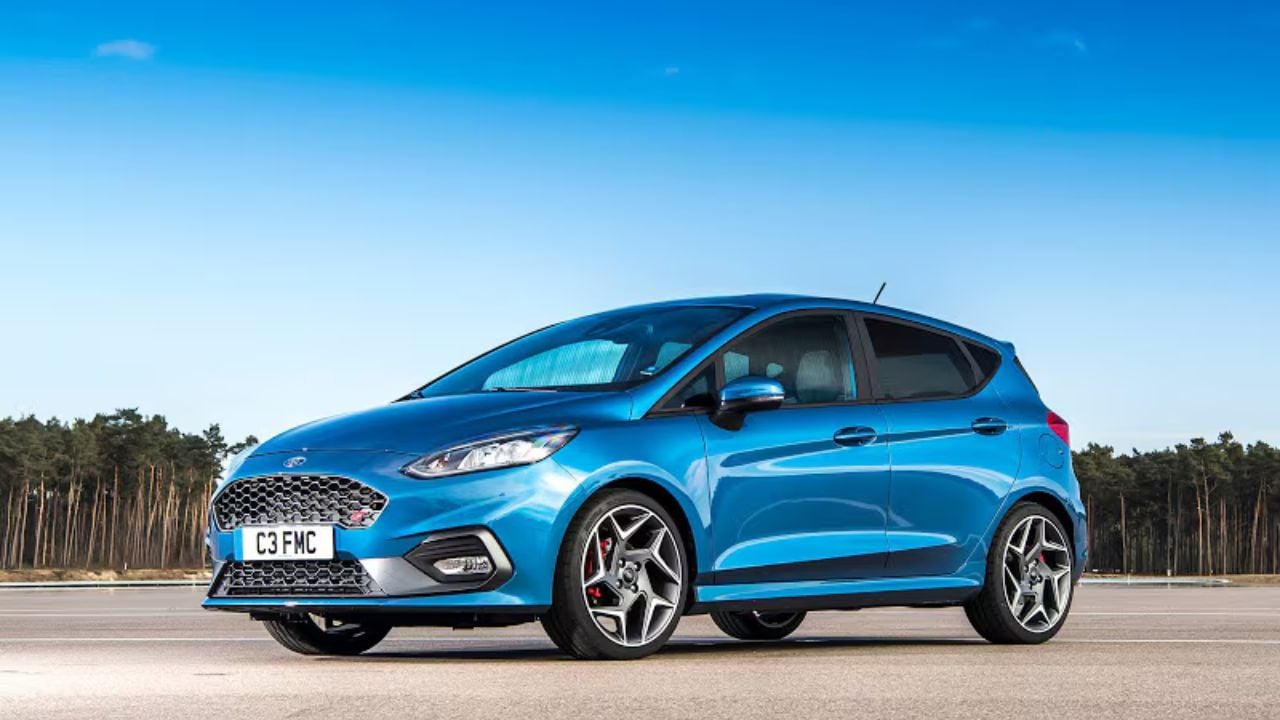
The Fiesta ST is proof that driving personality does not need rear wheel drive, huge power, or a grand heritage badge to matter. Ford’s U.S. technical information confirms the 2019 Fiesta ST came only with a six speed manual, while Ford of Europe described the later generation Fiesta ST as offering an optional Quaife limited slip differential and a driving experience that could flatter a novice while rewarding an expert.
That phrase gets to the heart of the car. The Fiesta ST never felt like it was trying too hard to be serious. Instead, it felt eager, playful, and light on its feet, the sort of hatchback that made a familiar road feel freshly mischievous. Small hot hatches often create very personal driving experiences because the scale stays human. You can use all of the car more often, and that changes the emotional math.
The Fiesta ST turned that advantage into an art form. It was practical enough to make sense and alive enough that you kept looking for reasons to drive somewhere unnecessary.
Subaru WRX STI
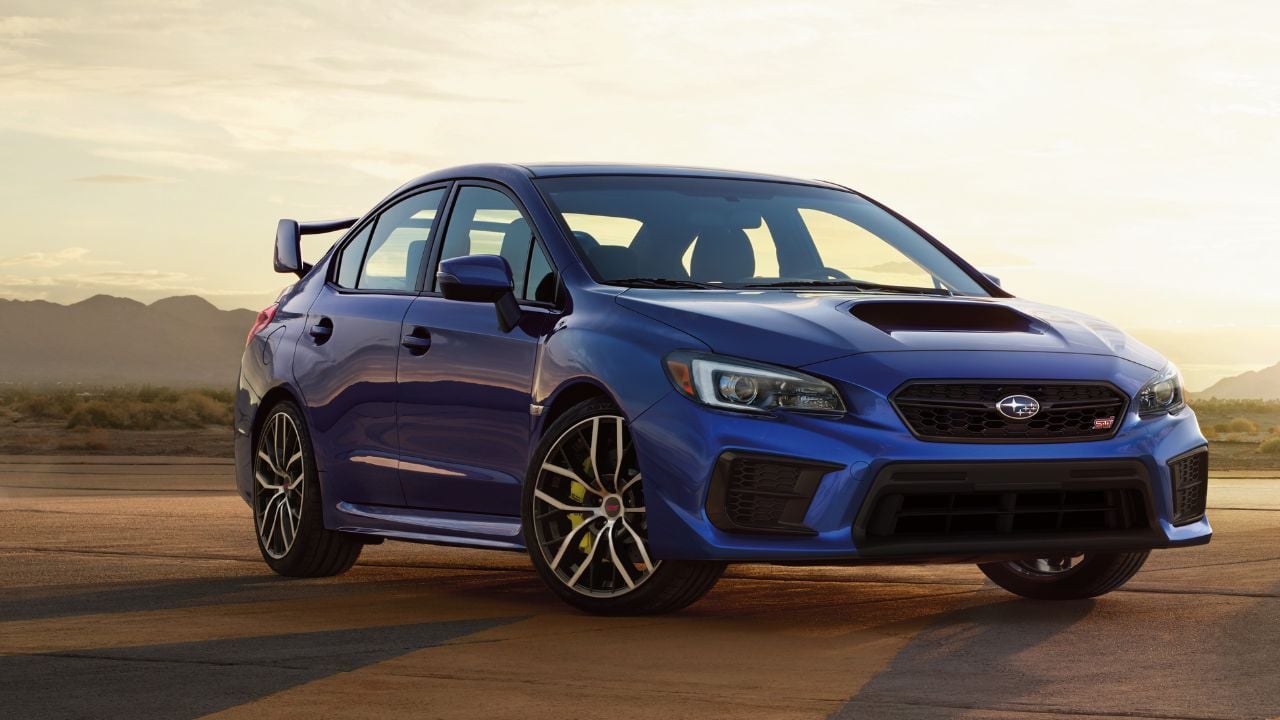
The WRX STI always felt like a car with its own weather system. Subaru’s 2021 WRX and WRX STI brochure centered the model around a close ratio six speed manual, driver controlled center differential, and the sort of driver focused layout that made the car feel more like a road legal tool than a polished mainstream sport sedan. That is exactly why it belongs here.
The STI did not charm you with delicacy. It won you over through commitment. The steering was quick, the drivetrain always seemed loaded and ready, and the whole car felt like it had been tuned for a version of the road where conditions were changing all the time. That made it different from almost everything else in its class. There was always a sense that the STI wanted to be used hard and with confidence.
In a world of smoother, smarter, more diplomatic fast cars, that old Subaru intensity now feels almost startling. Personal driving is not always about elegance. Sometimes it is about feeling like the car has a point of view. The STI absolutely did.
Why These Cars Stay With You

What these 10 cars reveal is something modern performance often struggles to remember. The personal part of driving has never depended on speed alone. It comes from a sense of mutual effort, the feeling that the machine is not just performing at you, but with you. That can happen in a tiny roadster, a focused hatchback, a hand built coupe, or even a fast sedan with four real doors. The shape changes. The intimacy is the point.
And maybe that is what so many people are really missing when they say driving used to feel better. They are not asking for less technology just to be nostalgic. They are asking for more consequence, more texture, and more of that wonderful sense that the best cars used to reveal their character one input at a time. These 10 still do. That is why they matter. That is also why people keep coming back to them long after newer, faster machinery has taken over the brochures.