There was a time when speed felt secondary to connection. In the 1990s, the best driver’s cars asked more from the person behind the wheel, but they also gave far more back. Steering talked, shifters clicked, clutches had real weight, and chassis balance could be felt through your hands, feet, and seat. You did not scroll through modes to find a personality because the personality was already built in. Power steering, traction control, and electronic aids existed, but they had not yet taken over the conversation.
Many of the decade’s best cars still trusted skill, rhythm, and mechanical honesty. That is what makes them so memorable now. They remind us that engagement is not measured by screen size, launch control numbers, or how many settings a dashboard can display. It is measured by the quality of feedback and the confidence a car builds one corner at a time. Few eras captured that balance better than the 1990s.
Where The Real Connection Comes From
This list focuses on 1990s production cars that made driver involvement the center of the experience. Each pick had to offer clear steering feel, strong pedal and shifter communication, and a chassis that rewarded precision instead of hiding mistakes. I favored cars that still felt mechanical first, even when performance was serious and price tags were high.
Variety mattered too, because analog magic was not limited to one country, one body style, or one budget. Some of these cars were attainable sports cars, while others were dream machines, but all of them made the driver feel essential. I avoided models remembered mainly for straight-line numbers or electronic novelty.
The final 10 are the cars that best show why the 1990s often felt like the last great decade before software began to replace sensation.
Mazda MX-5 Miata
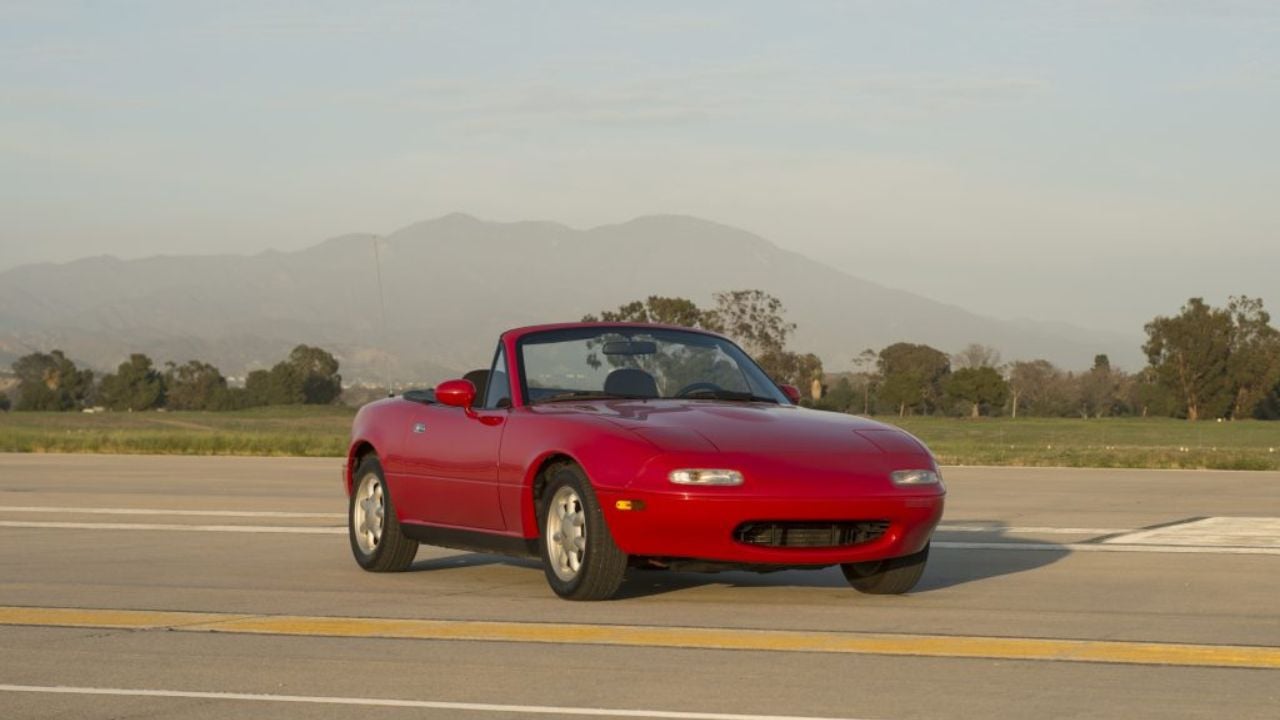
The Mazda MX-5 Miata did not need big horsepower or exotic engineering to make its point. Its brilliance came from simplicity, and that simplicity is exactly why it still stands as one of the clearest arguments for analog driving.
The steering was light but wonderfully talkative, the manual gearbox felt tight and precise, and the whole car seemed to pivot around the driver with no wasted motion. Because it weighed so little and sat so low, even ordinary roads felt interesting. You could enjoy it without needing reckless speed, which is something many modern performance cars struggle to offer.
The Miata also made the open-top experience feel natural rather than theatrical. Nothing about it was overdone. It just delivered balance, rhythm, and trust in a way that turned every back road into a reason to keep driving. For many people, this was the car that proved fun had far more to do with feel than with numbers.
Acura Integra Type R

A front-wheel-drive coupe has no business feeling this alive, which is exactly why the Acura Integra Type R became such a legend. It took a layout often associated with sensible packaging and turned it into something sharp, eager, and intensely rewarding.
The engine loved to rev, the shifter felt crisp and mechanical, and the front end bit into corners with the kind of precision that instantly built confidence. What really made it special, though, was the sense of discipline in the whole package. Nothing felt soft, lazy, or diluted. Acura stripped away weight, tightened the chassis, and created a car that demanded attention but paid the driver back every second. It did not flatter sloppy inputs, yet it never felt hostile. Instead, it felt focused. That distinction matters.
The Integra Type R showed that analog greatness did not require rear-wheel drive or a giant engine. It only required engineers who cared deeply about how a car communicated.
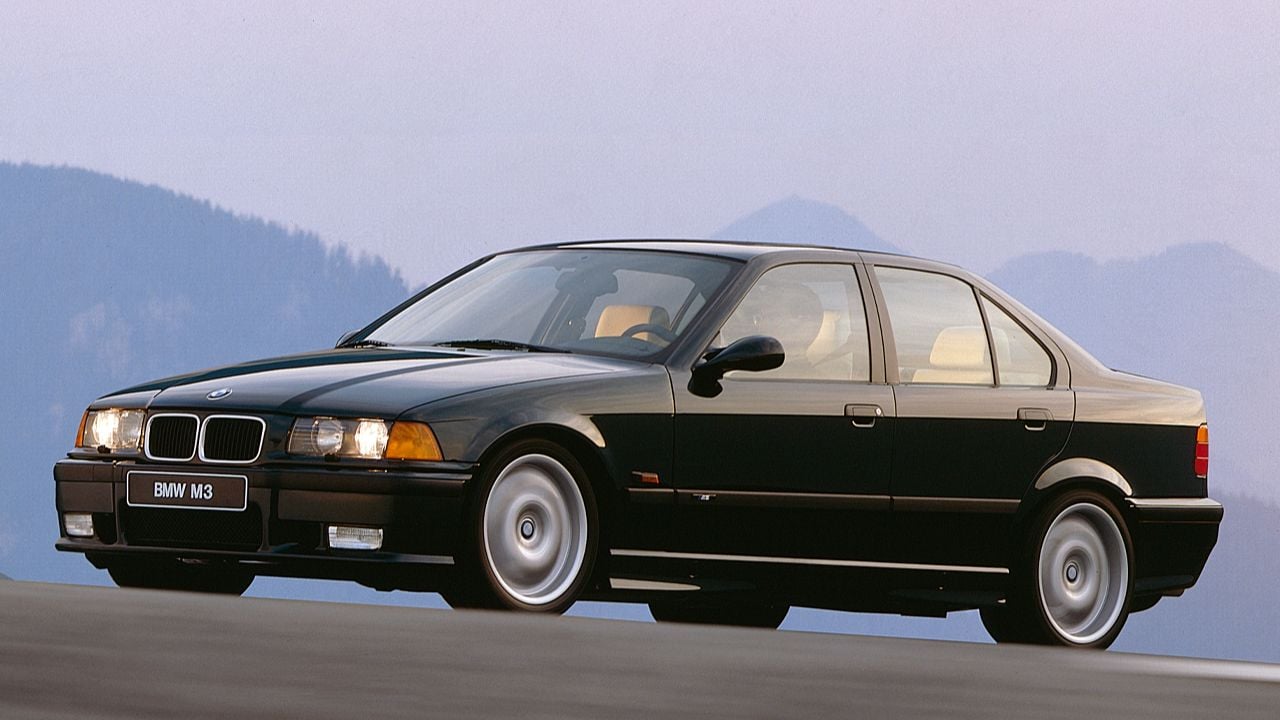
BMW M3 (E36)

The E36-generation BMW M3 made its case in a more understated voice, and that may be part of why it has aged so well. It did not rely on visual drama or wild proportions to feel special.
Instead, it delivered the kind of complete, deeply polished driving experience that made almost any road feel better. The chassis stayed balanced and readable, the controls felt natural, and the car always seemed to have another layer of ability waiting for a skilled driver to find it. Just as important, it was usable.
You could drive an E36 M3 every day, live with its practicality, and still get a genuine thrill from a late-afternoon run on the right road. That blend is harder to find now than many people realize. Modern performance cars often separate comfort from excitement. The E36 M3 brought them together. It was analog without being crude, quick without being exhausting, and serious without ever forgetting to be enjoyable.
Mazda RX-7

Nothing about the FD-generation Mazda RX-7 feels filtered. It sits low, looks tense, and drives with the kind of immediacy that makes even a short trip feel memorable.
The rotary engine gave the car a personality unlike almost anything else from the decade, not only because of its smooth rush at higher revs, but because the whole vehicle seemed built around compactness and response. Steering inputs were answered quickly, weight transfer felt clean, and the car’s lightness made every change of direction feel vivid. This was not a machine for casual inattentiveness. It demanded respect, especially near the limit, and that sharpened the experience rather than hurting it.
You always felt that your choices mattered. In a modern era of electronic correction and carefully managed behavior, that kind of honesty stands out even more. The RX-7 was beautiful, fast, and deeply involving, but its real appeal came from how little distance it placed between the driver’s intention and the car’s reaction.
Porsche 911 Carrera (993)
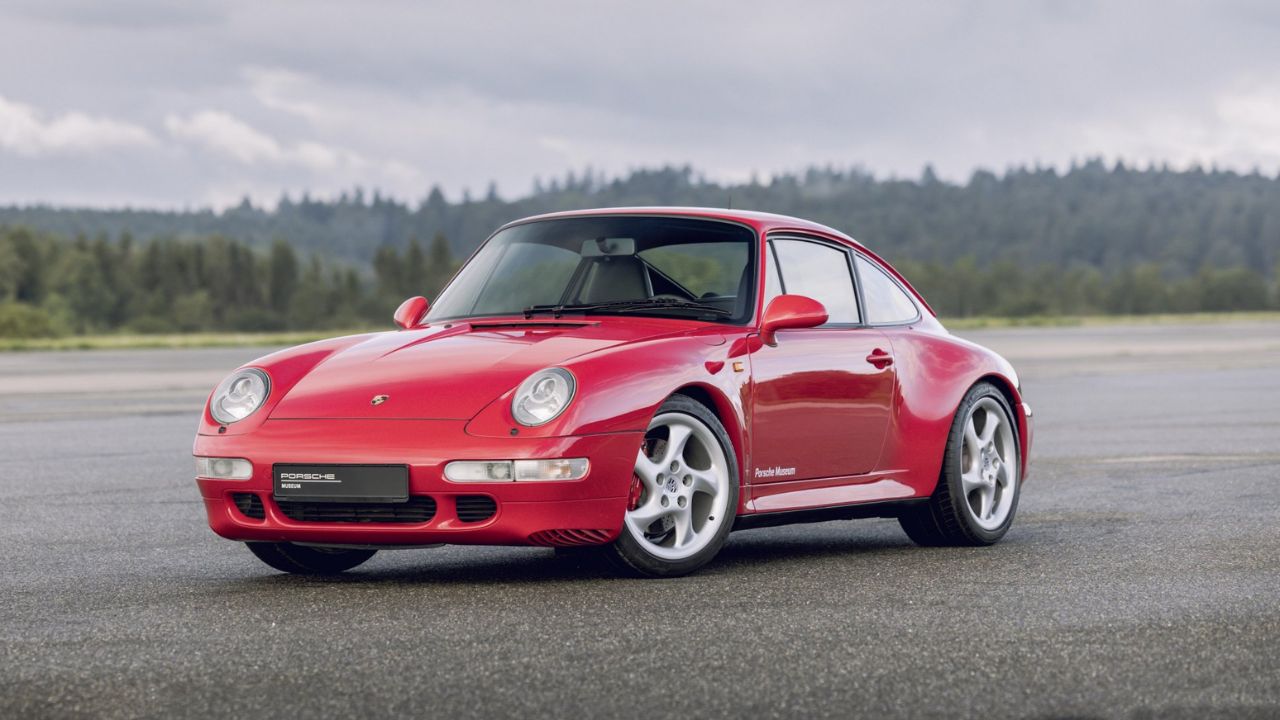
By the time the 993-generation Porsche 911 arrived, the formula had been refined for decades, but it still felt unmistakably old-school in the best possible way. Compact by modern standards and wonderfully transparent from the driver’s seat, it carried the familiar rear-engine character that made a 911 feel alive beneath you at every speed.
The steering was rich with detail, the brakes inspired confidence, and the flat-six delivered a sound and response that felt inseparable from the car’s identity. There was still real technique involved in driving it well, and that is part of why it remains so admired. The 993 was not merely about speed or prestige. It was about flow.
Once a driver found that rhythm, the car felt deeply satisfying in a way that modern, more isolated 911s sometimes struggle to match. It also holds a special place as the last air-cooled 911, which only strengthens its reputation as a final bridge to a more tactile era.
Lotus Elise
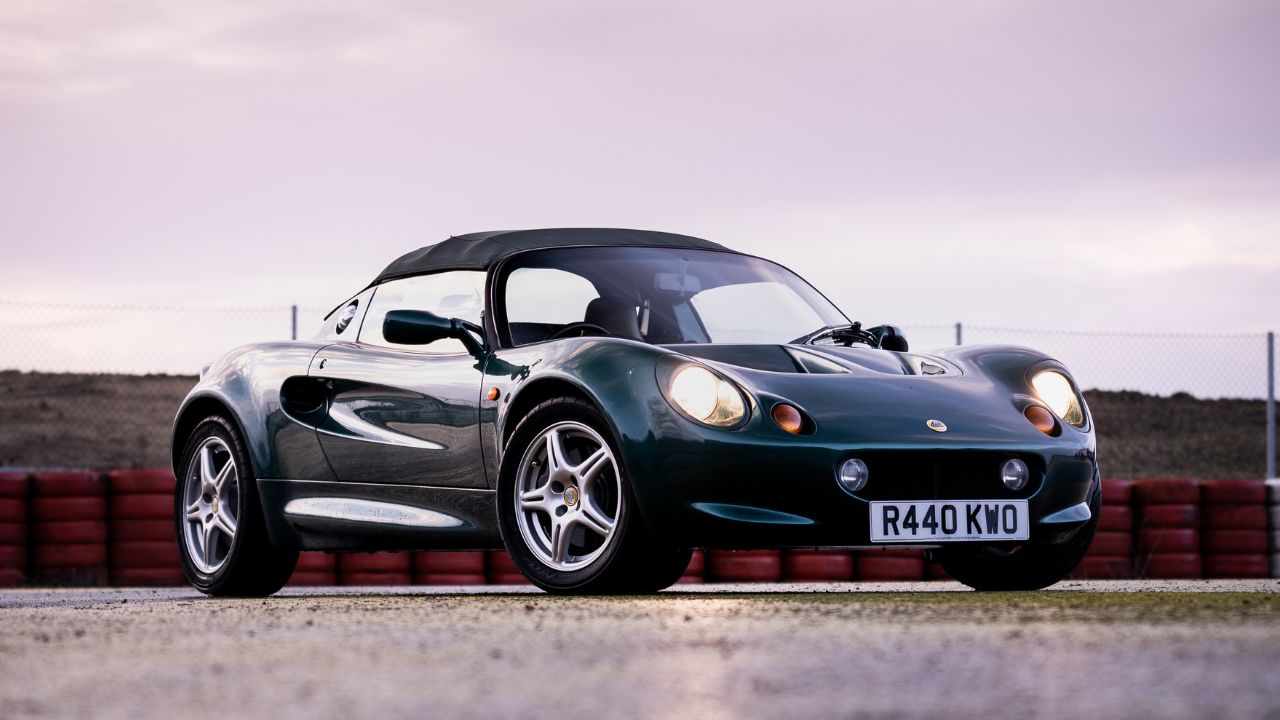
The original Lotus Elise almost feels like a protest against the direction the car industry eventually took. It was tiny, light, and completely uninterested in excess. You did not climb into it expecting luxury, giant power, or digital spectacle. You climbed into it because you wanted to feel the road with unusual clarity. That is exactly what it delivered.
The steering was among the purest of the decade, the chassis felt playful and precise, and the whole car seemed to shrink the distance between driver input and vehicle response to almost nothing. Every corner became an event, not because the Elise overwhelmed you, but because it engaged you so completely. It rewarded momentum, smoothness, and commitment. In that sense, it represented something larger than itself.
It reminded the industry that lightness is not a compromise when it is done right. It is a performance advantage and an emotional one. Few 1990s cars made that point with more conviction.
Honda NSX
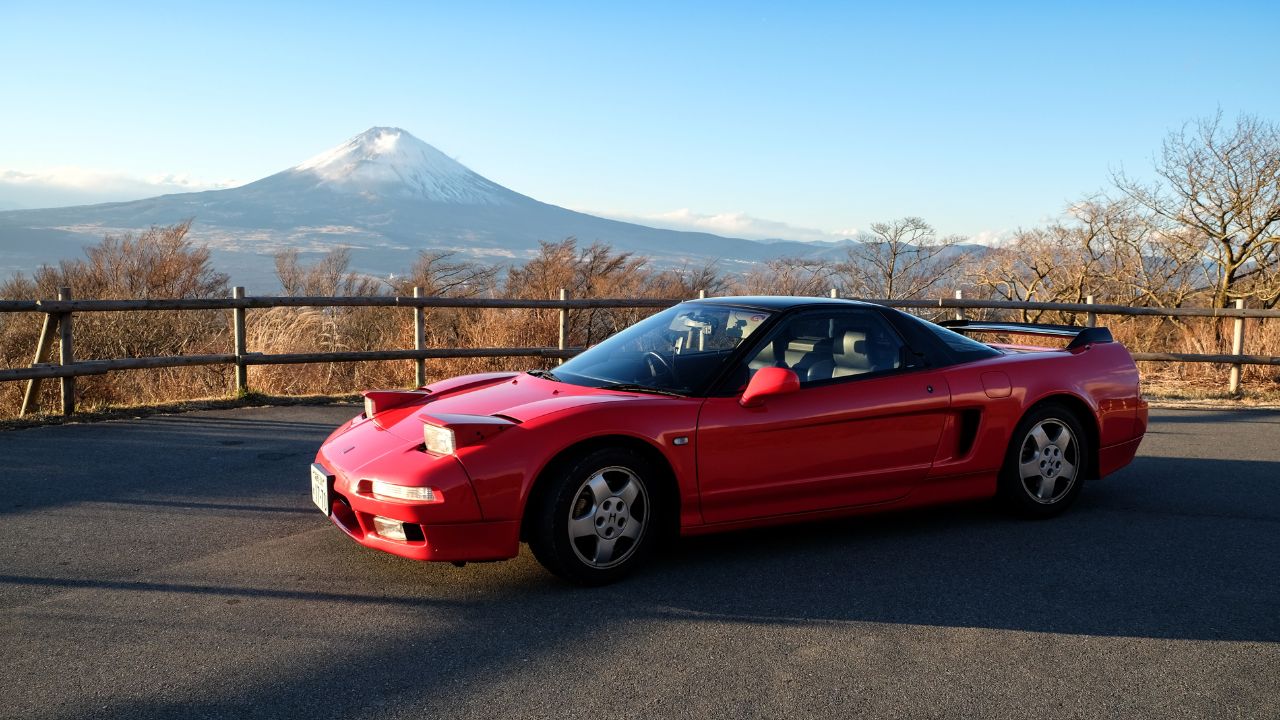
The Honda NSX changed the conversation by proving that a supercar could feel exotic without becoming intimidating or fragile. That may sound normal now, but in the early 1990s it was a major shift.
The NSX combined beautiful visibility, intuitive controls, and a chassis that spoke clearly to the driver, which made it feel approachable in a category that often prized difficulty. Its high-revving V6 delivered excitement without drama for drama’s sake, and the car’s balance encouraged confidence instead of fear. That matters because analog driving is not just about being raw. It is also about being truthful.
The NSX told the driver exactly what it was doing, and that honesty made it rewarding on ordinary roads as well as fast ones. It never needed to feel wild to feel special. Instead, it felt precise, beautifully engineered, and complete. Many modern supercars are astonishingly capable, but the NSX remains a benchmark because it made involvement feel natural rather than forced.
Ferrari F355

Some cars defend analog driving with logic. The Ferrari F355 does it with emotion. The moment you look at it, hear it, or guide it through a series of corners, the argument becomes easier to understand. In six-speed manual form, this was a Ferrari from the era when a gated shifter still played a starring role, and few gear changes have ever felt like such a memorable ritual.
The steering had delicacy, the engine note built into a thrilling mechanical crescendo, and the car felt alive without needing electronic theatrics to create a sense of occasion. That is why the F355 still occupies such a special place in Ferrari history. It delivered the beauty and theater people expected, but it also gave skilled drivers something substantial to work with.
It was not just a poster car. It was a driver’s car. Every input felt connected to a real mechanism, and every mile reminded you that sensation once mattered just as much as raw speed.
Dodge Viper GTS

Subtlety never defined the Dodge Viper GTS, and that is exactly why it belongs here. It represented a version of performance that felt unapologetically physical, almost confrontational, in a way few modern cars would dare attempt.
The massive V10, the long hood, the manual gearbox, and the minimal electronic safety nets created an experience that demanded respect before it gave rewards. The controls felt heavy, the cabin felt serious, and the whole machine carried a sense of danger that made every clean corner feel earned. There was very little insulation between the driver and the car’s character. You did not simply point a Viper and let software tidy things up behind you. You drove it. Properly driven, it felt thrilling in a way that was impossible to ignore.
Improperly driven, it could humble you quickly. That honesty is part of its legacy. The Viper GTS was not refined in the European sense, but it was raw, memorable, and unmistakably analog.
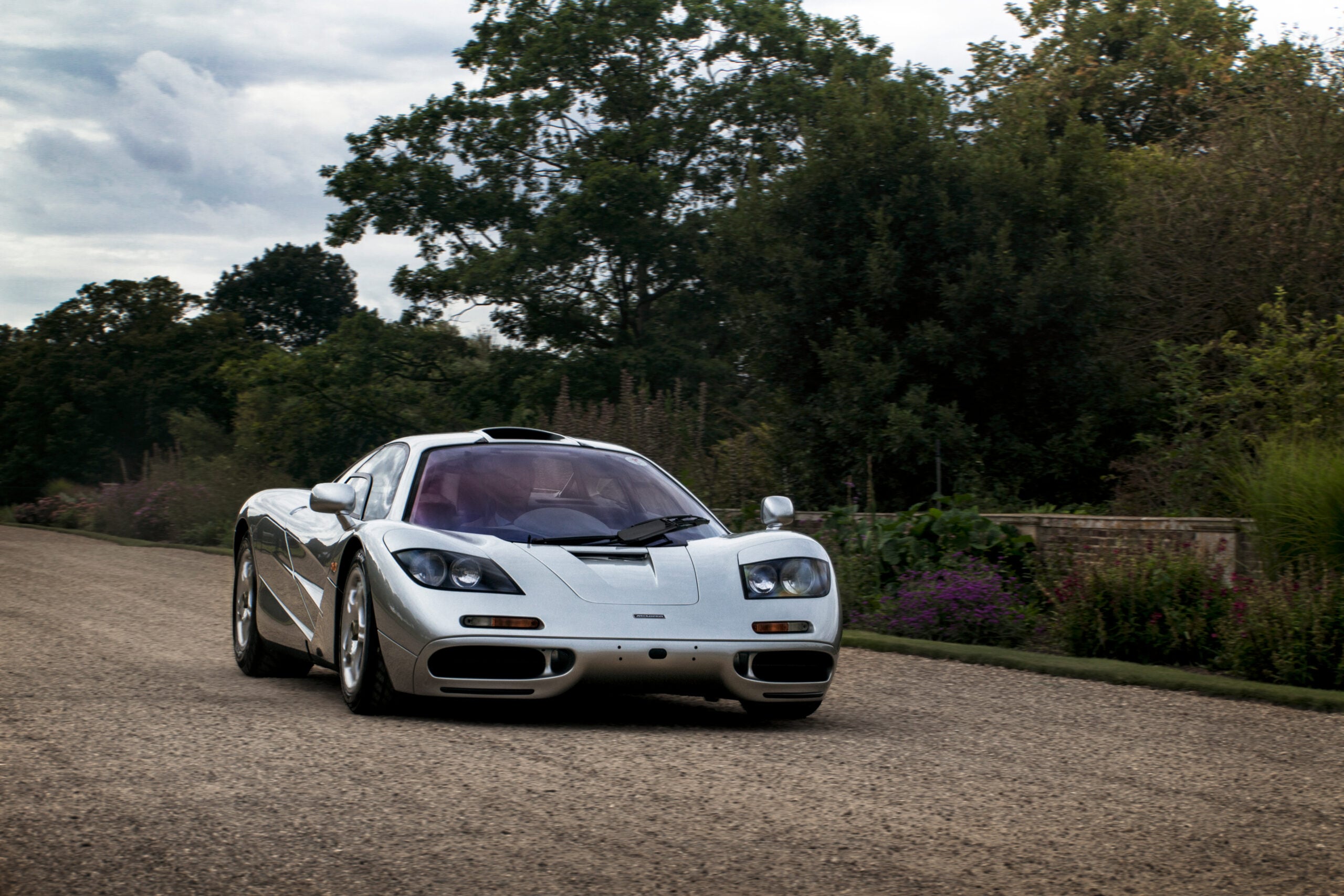
McLaren F1
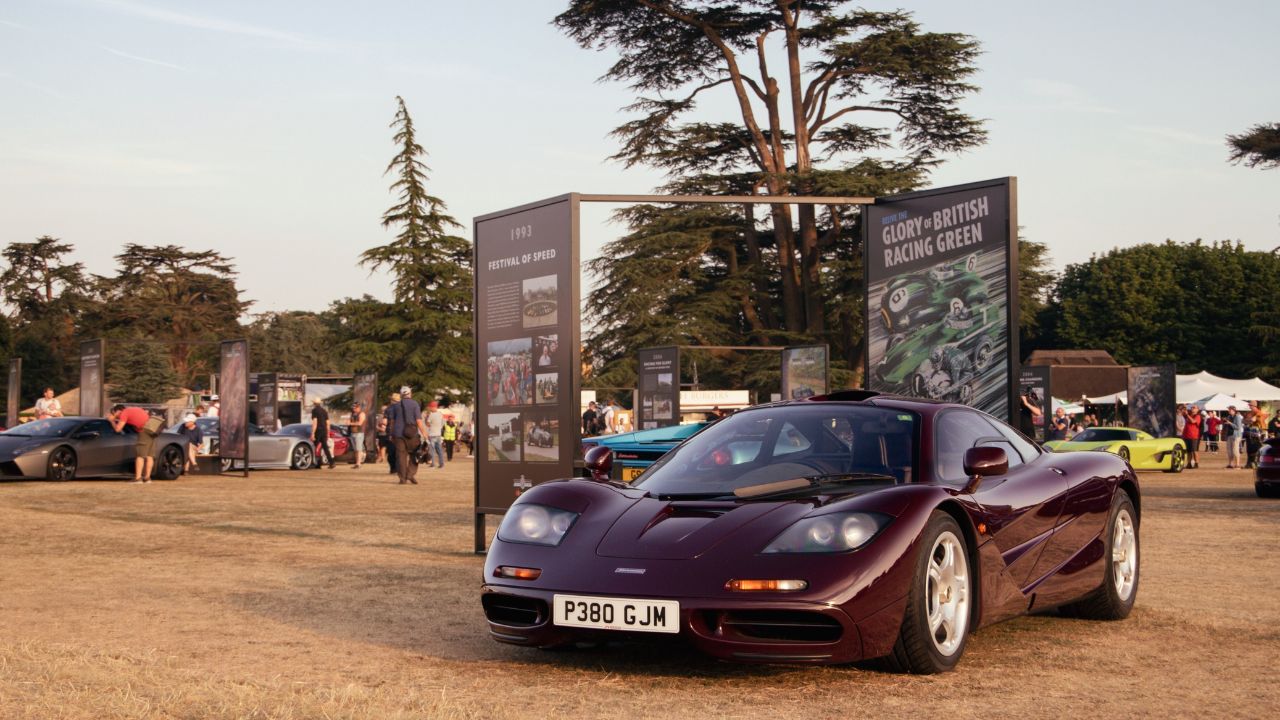
At the summit of 1990s analog thinking sat the McLaren F1, a machine so extraordinary that it still feels almost unreal. Yet for all its speed and rarity, the reason it fits this list has less to do with records and more to do with philosophy.
Gordon Murray’s masterpiece placed the driver in the center, used a manual gearbox, kept weight under control, and resisted the temptation to bury the experience beneath electronic interference. That approach gave the F1 a clarity that many newer hypercars, for all their brilliance, do not quite replicate. It felt engineered around the driver’s senses rather than around a software strategy. Even its speed came with a more human dimension because it relied on balance, vision, and confidence as much as technology.
The McLaren F1 was an extreme car, but it carried the same truth as the Miata and Elise in a far more dramatic form. Great driving is not only about capability. It is about connection.
What We Lost When Cars Got Smarter

Modern performance cars are faster in almost every measurable way. They brake harder, launch harder, and cover ground with astonishing ease. Yet ease is not always the same thing as pleasure.
The cars on this list remind us that a great drive used to feel like a conversation instead of a calculation. They asked for judgment, patience, and touch, and that is exactly why their best moments still linger. Maybe that is the real reason analog driving still matters in 2026. It lets the driver become part of the machine instead of just its supervisor. Which of these 1990s icons would you still choose over a modern performance car?
Would you take the purity of a Miata, the intensity of a Viper, or the all-around brilliance of an NSX or 911? And when you think about the cars you truly remember, are they the fastest ones, or the ones that made you feel the most?