
Cars don’t speak, but they sure know how to send a message. A strange smell, an odd noise, or a light on the dash—these little clues can be your vehicle’s way of saying, “Hey, something’s not right.” And when you know what to look for, you can often catch a problem before it becomes a full-blown (and expensive) disaster.
Whether you’re driving a brand-new SUV or a well-loved sedan, paying attention to early warning signs can save you time, money, and a whole lot of stress. Here are the key signals your car might need immediate attention and what they could mean.
How We Put This List Together

To build this guide, we referenced widely accepted driver safety guidance and common failure patterns that repair shops see frequently. These are practical warning signs that often lead to breakdowns or costly repairs if ignored. Whether you’ve been driving for years or are new behind the wheel, these indicators are worth paying attention to if you want to keep your car running safely and smoothly.
That Strange Smell Isn’t Just “Old Car”

Unusual odors are one of the easiest signs that something’s going wrong under the hood. A burning rubber smell could mean a slipping belt or an overheated component. Sweet syrup might point to a coolant leak. Rotten eggs? That could be a failing catalytic converter. And acrid smoke smells often indicate burning oil or electrical issues.
These smells are more than unpleasant. They’re warnings. Ignoring them could lead to overheating, engine damage, or even a fire in rare cases. If your car suddenly smells “off,” it’s time for a closer look.
Squealing, Grinding, or Clicking Sounds
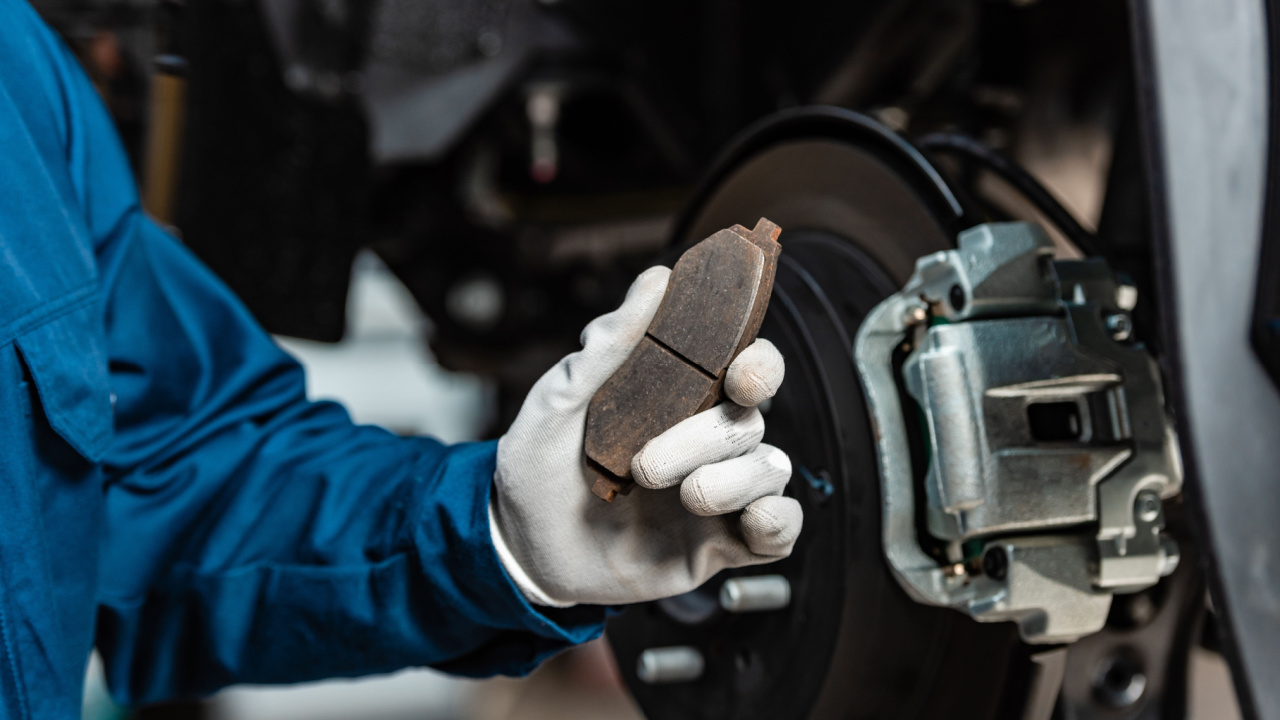
Cars make noise, but they shouldn’t sound like something out of a horror movie. A squealing sound while braking usually means the pads are worn and need replacing. Grinding may signal metal-on-metal contact, which can quickly damage your brake rotors.
Clicking sounds while turning often mean a failing CV joint, especially in front-wheel-drive vehicles. Unusual noises rarely go away on their own, and the longer you wait, the more expensive the fix can become.
Warning Lights That Stay On

Those lights on your dashboard aren’t just decoration. Whether it’s the check engine light, oil pressure warning, brake alert, or battery icon, each one is your car’s built-in way of flagging a problem.
Some lights might indicate a minor issue, but others could mean imminent failure. If a warning light stays on or starts flashing, it’s best to get it diagnosed sooner rather than later to avoid major repairs or roadside trouble.
Smoke or Steam from the Hood
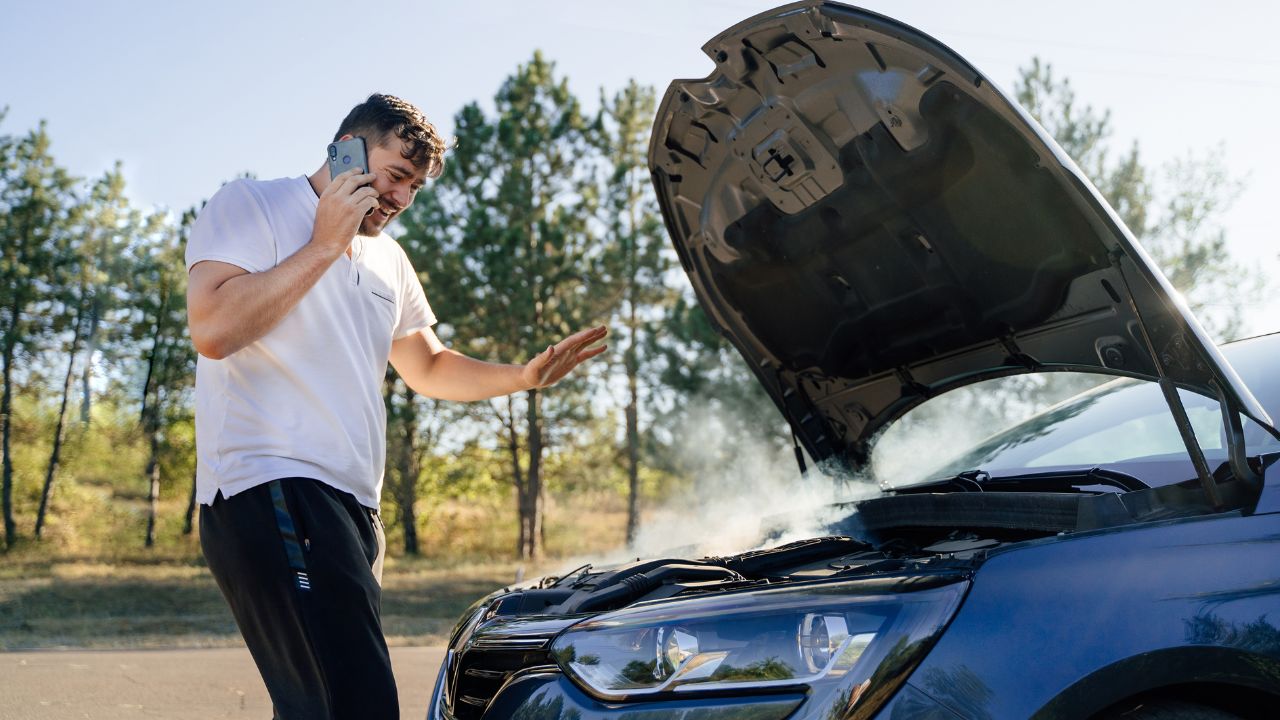
Anything rising from under the hood is a serious concern. White steam often points to overheating or a coolant leak, such as a failed hose or radiator. Smoke from under the hood more commonly means fluid is leaking onto a hot surface and burning off.
Either way, it’s not something you want to troubleshoot from behind the wheel. Pull over safely, turn off the engine, and get it checked right away. Continuing to drive can cause more damage or put you at risk.
Jerky Shifting or Slipping Gears
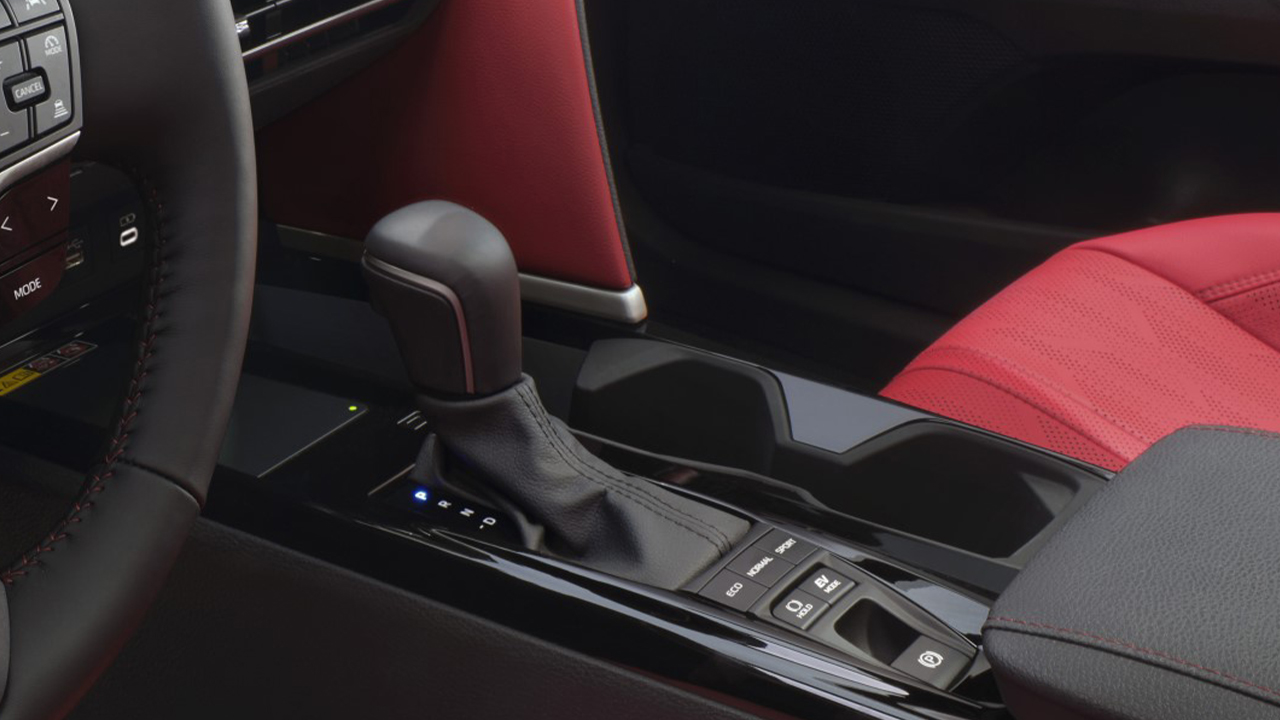
If your automatic transmission hesitates when shifting, feels rough between gears, or unexpectedly slips into neutral, it’s a sign that something isn’t working the way it should. These issues might start off subtle, but they’re often early warnings of a much larger problem “under the hood.”
Transmission repairs are some of the most expensive fixes a car can need, and the longer you wait, the more damage can build up. If you notice these symptoms, it’s best to get your car checked right away before a small issue turns into a full transmission replacement.
Hard Starts or Stalling
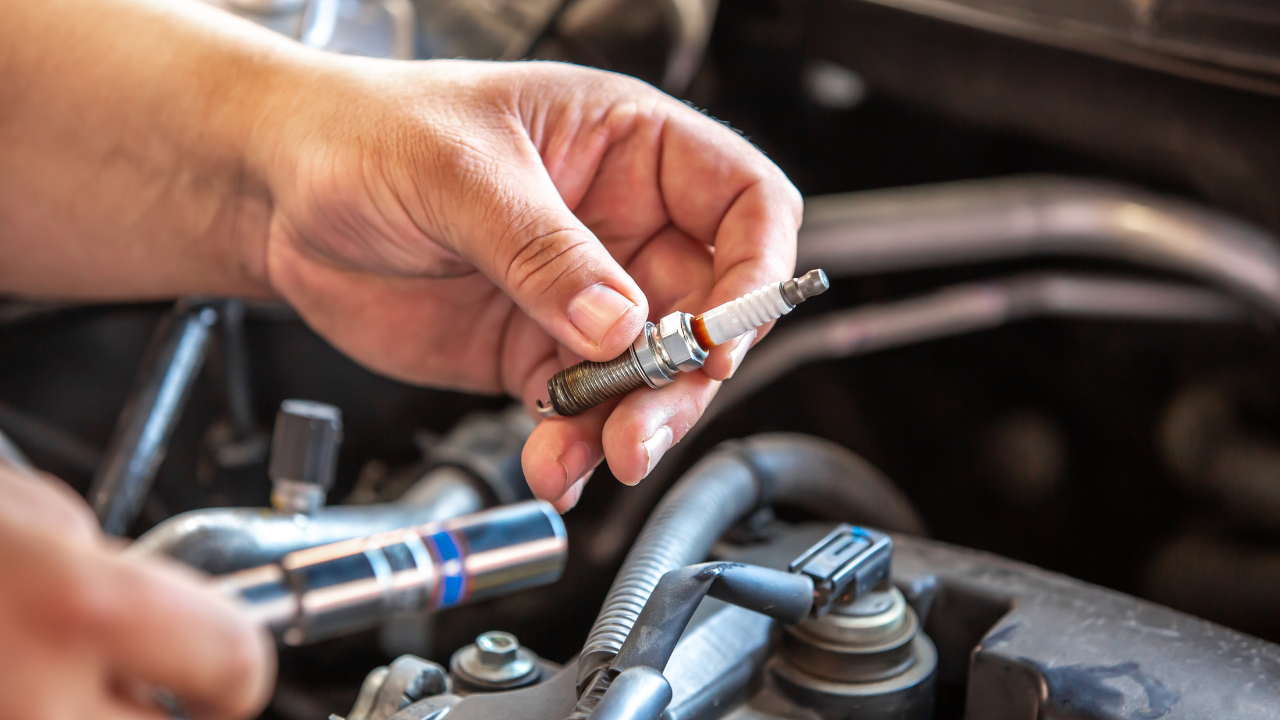
Struggling to get the engine going, long cranking sounds, or unexpected stalling at stoplights are all signs that something isn’t quite right. These issues can point to problems with the battery, alternator, spark plugs, or even the fuel system.
What starts as a minor inconvenience can quickly escalate into a car that won’t start at all. Catching these symptoms early can help you avoid getting stranded and potentially save you from a costly tow or emergency repair.
Fluid Leaks Under the Car
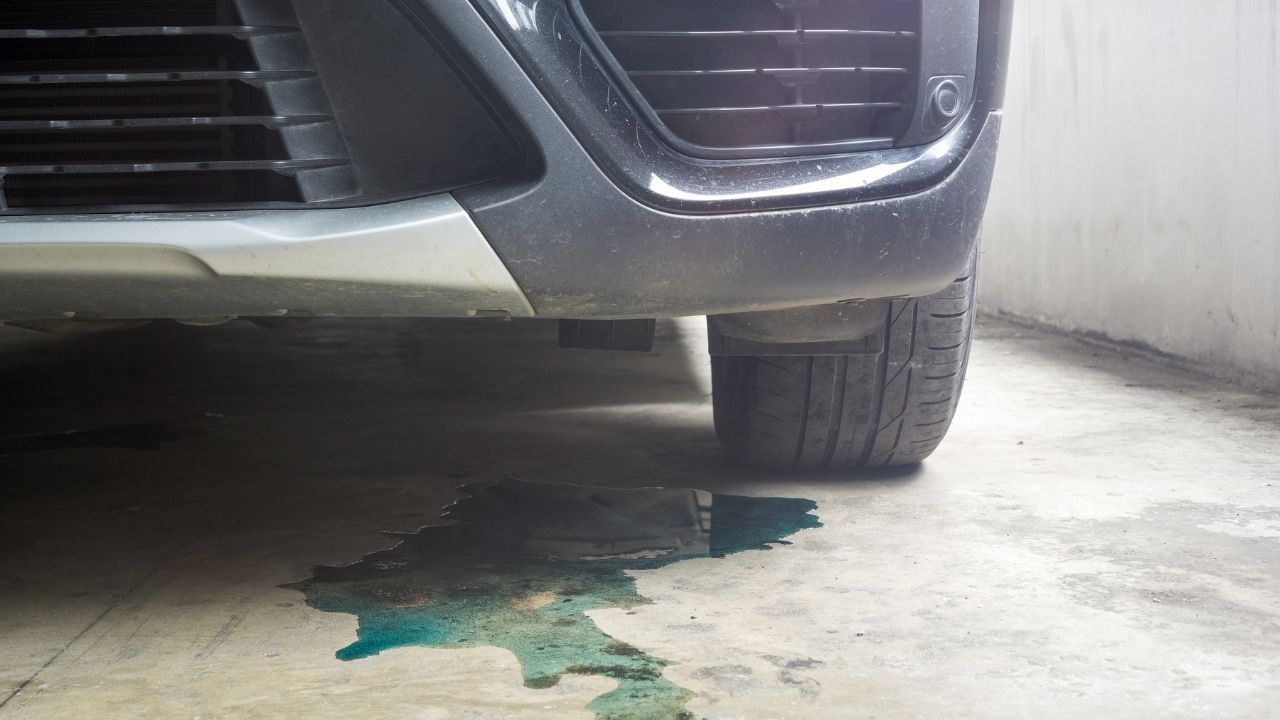
Seeing a bit of water under your car, especially after using the air conditioner, is usually nothing to worry about. But if you spot red, brown, or green puddles forming, that’s a different story. These colors can point to leaking transmission fluid, coolant, oil, or brake fluid.
Each of these fluids plays a critical role in keeping your car running safely. A leak might start small, but it can quickly lead to overheating, brake failure, or serious engine damage. Catching it early could mean a simple fix instead of a costly breakdown.
Vibrations or Shaking at Certain Speeds

A shaking steering wheel, vibrating seat, or unusual movement through the pedals is your car’s way of saying something’s off. These symptoms often point to wheel balancing issues, bad tires, misalignment, or worn suspension components.
Ignoring the vibrations can lead to uneven tire wear, poor handling, or even brake system damage. The sooner it’s checked out, the easier, and often cheaper, it’ll be to fix.
Unusual Exhaust Smoke

Exhaust fumes should be barely visible in most modern cars. So if you notice blue smoke (burning oil), white smoke (coolant leak), or black smoke (excess fuel), your engine could be in trouble.
Each type of smoke points to a different underlying issue, and none of them should be ignored. Early diagnosis can prevent more serious engine damage down the line.
Brakes Feel Soft, Spongy, or Grabby

Brakes that feel off in any way should never be dismissed. A soft or spongy pedal, grinding noises, or the car pulling to one side when stopping are signs your brake system may be compromised.
Brake problems only get worse with time and can become dangerous quickly. If your brake warning light comes on or anything feels abnormal, get it checked immediately.
Sudden Drop in Fuel Efficiency

If your gas tank seems to empty faster than usual, without any change in your driving habits, it could be a sign of trouble. Common culprits include misfiring spark plugs, a clogged air filter, or a faulty oxygen sensor.
Even small problems in the fuel or emissions system can reduce your mileage and hurt your engine over time. Poor fuel economy is often the first clue that something deeper is going on.
Steering Feels Off or Unresponsive

Steering that feels unusually heavy or loose or begins pulling to one side can make driving harder and less safe. It might be something as simple as low power steering fluid or as serious as a suspension or alignment issue.
These problems tend to get worse quickly and can affect your ability to control the vehicle. Addressing steering concerns early helps ensure your car stays safe and easy to handle.
Odd Feelings in the Pedals
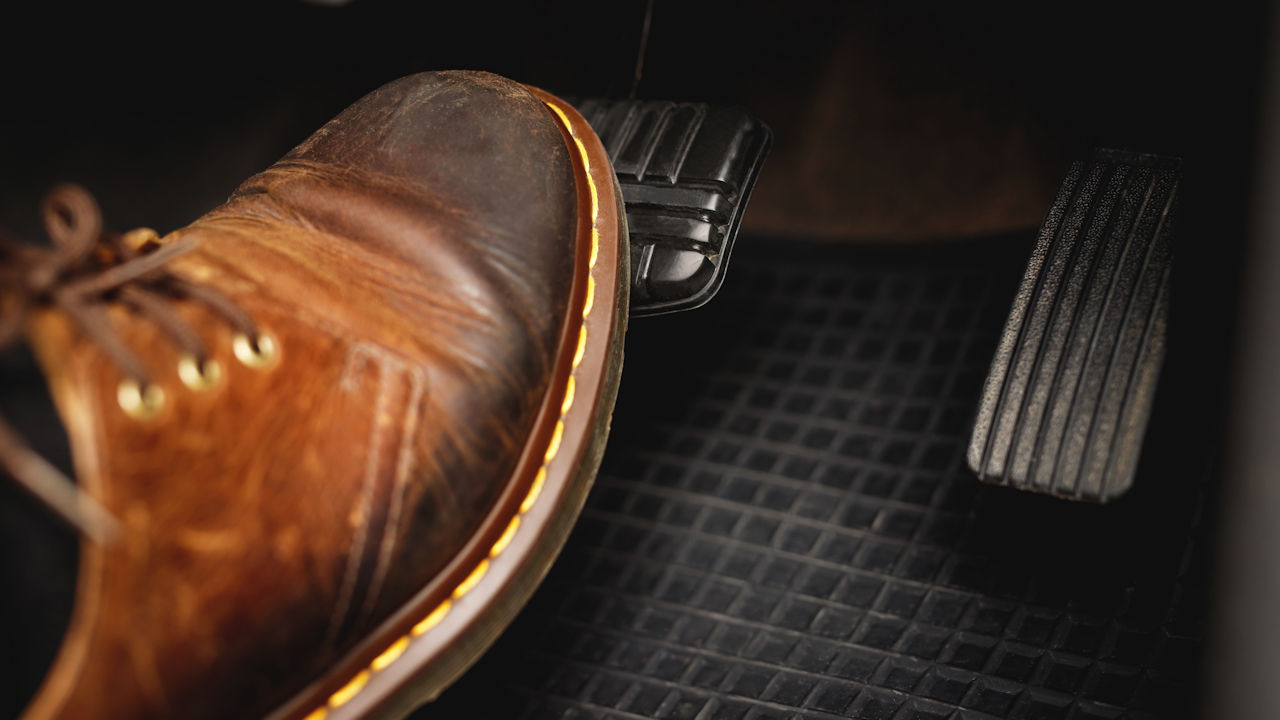
Your pedals are one of the most direct ways your car communicates with you. If the brake, gas, or clutch pedal feels oddly soft, stiff, or vibrates when pressed, that’s worth investigating.
These sensations can point to problems in the braking system, transmission, or even engine mounts. Don’t wait for something to fail; get it looked at before it becomes a bigger issue.
It Just Doesn’t Feel Right

You don’t need to be a mechanic to know when your car feels “off.” A new sound, a strange vibration, or a sudden change in handling may not be obvious, but your instincts usually are.
Trust that gut feeling. When something doesn’t feel right, it’s usually worth having a mechanic take a quick look. Catching issues early can save time, money, and headaches later.
Don’t Wait Until It’s Too Late
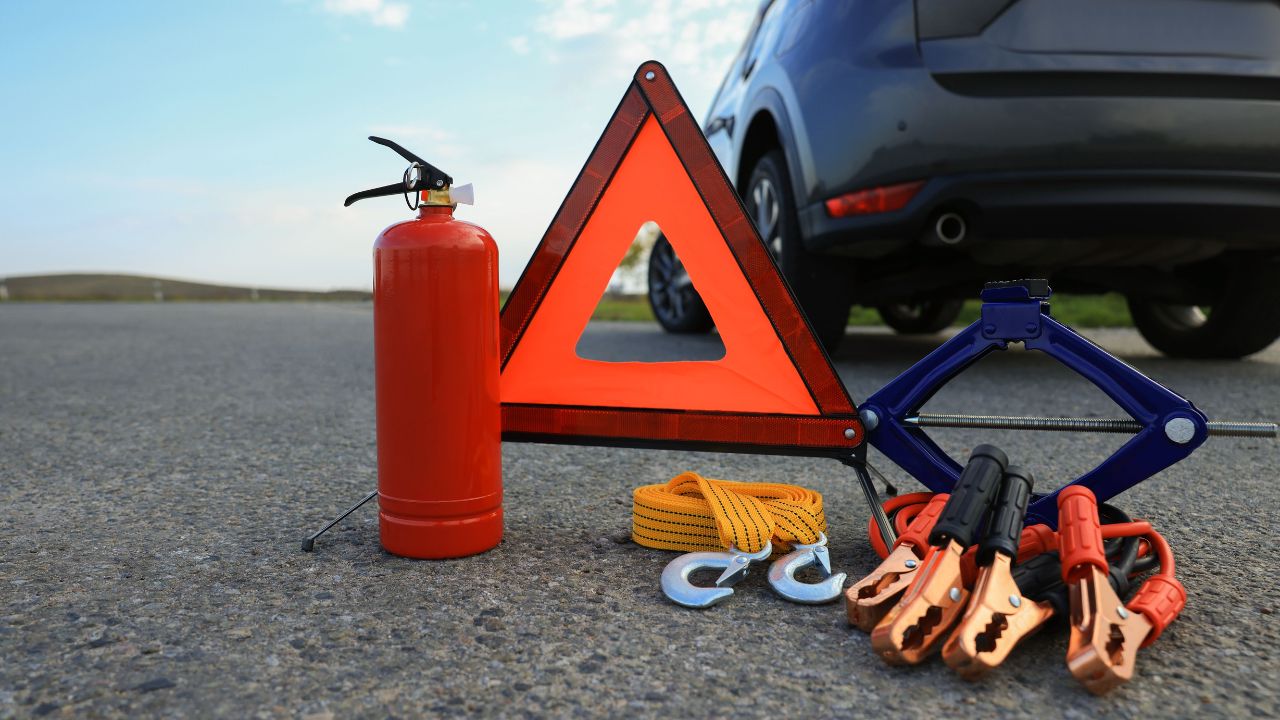
Cars are good at telling us when something’s wrong if we’re paying attention. Most major repairs start as small issues, and catching them early can save you time, money, and stress.
If your car starts acting up, whether it smells weird, makes a new sound, or just feels off, don’t wait. A quick check-up now can mean the difference between a simple fix and a serious breakdown. Stay safe, stay alert, and remember: your car’s trying to look out for you. Meet it halfway.