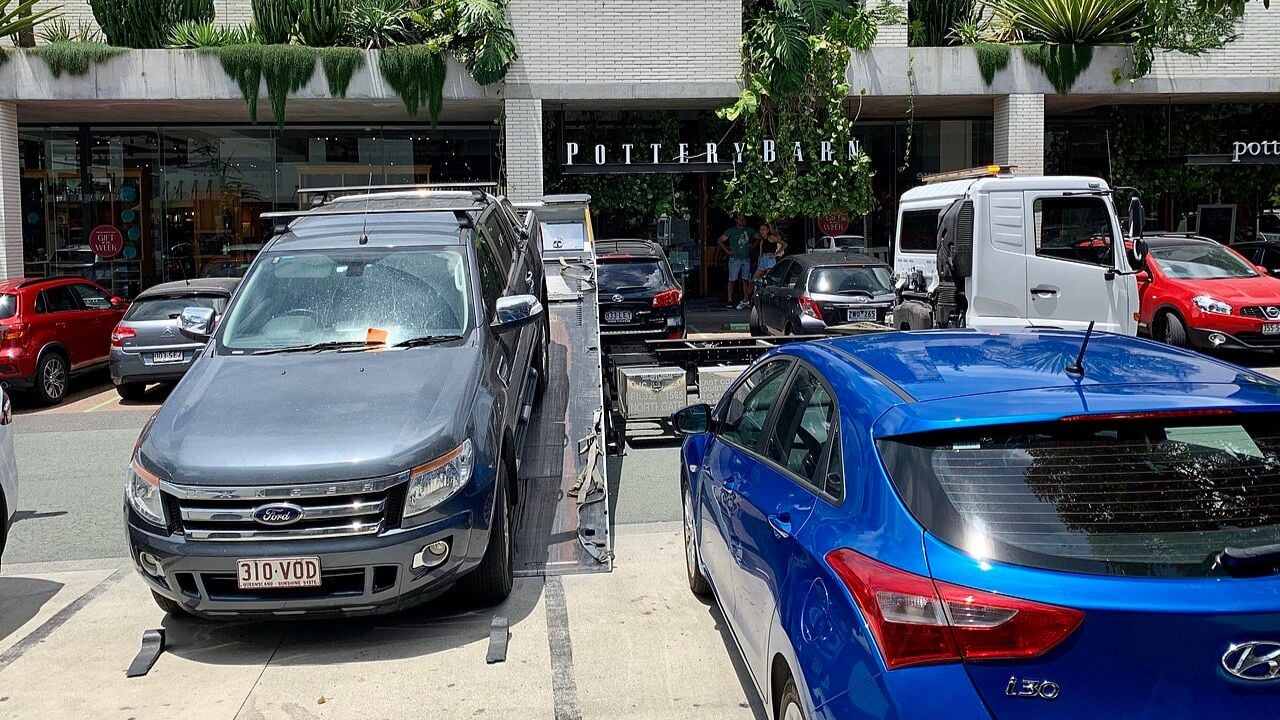

Wisconsin drivers face a sweeping new law that empowers municipalities to tow vehicles more aggressively, with added fees and penalties aimed at curbing reckless driving and unauthorized parking. The measure triggered debate across the state and raised questions about fairness, enforcement, and the balance between public safety and consumer protection.
In late 2025, Wisconsin lawmakers passed a bipartisan bill that significantly expands the authority of local governments to tow vehicles. The legislation was driven by mounting concerns over reckless driving, particularly in Milwaukee, where city leaders have described the problem as a public safety crisis.
Under the new law, cars involved in reckless driving incidents can be towed on the first offense, regardless of whether the driver owns the vehicle. If fines remain unpaid for more than 90 days, municipalities are permitted to destroy the vehicle.

At the same time, the Wisconsin Department of Agriculture, Trade and Consumer Protection issued updated towing and storage lien adjustments for 2026. These adjustments, tied to inflation through the Consumer Price Index, increase the dollar amounts that towing companies can charge for removing and storing vehicles. This means drivers not only face the risk of losing their cars but also higher costs if they attempt to reclaim them.
Key Provisions
- Immediate towing for reckless driving: Police can order a tow after the first offense, even if the car belongs to a family member or rental company.
- Vehicle destruction after unpaid fines: Cars may be scrapped if fines are not settled within 90 days.
- Annual fee adjustments: Towing and storage charges are recalculated each year based on inflation.
- Consumer protection gaps: Wisconsin ranks 31st nationally in towing protections, earning a C- grade from watchdog groups.
Those in support argue that the law is a necessary step to combat dangerous driving. Milwaukee officials have pointed to rising fatalities and injuries linked to reckless behavior on the roads. They believe that towing vehicles immediately will deter offenders and remove dangerous drivers from circulation.
Supporters also highlight that the law gives municipalities stronger tools to enforce penalties and ensure fines aren’t ignored.
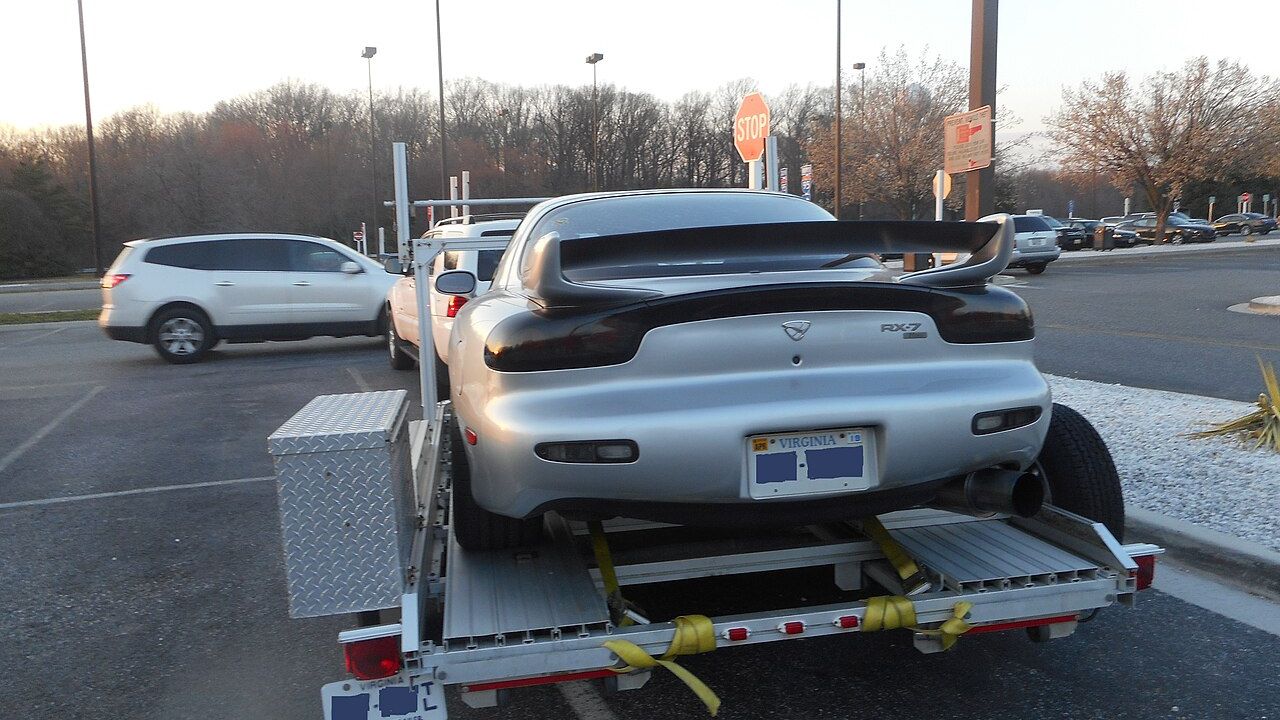
Opponents warn that the law could unfairly punish vehicle owners who are not directly responsible for reckless driving. For example, if a teenager drives a parent’s car recklessly, the parent could lose the vehicle. Rental companies and lenders also face risks if cars are seized before ownership disputes are resolved.
Consumer advocates stress that Wisconsin already has weak protections against predatory towing, and the new law may worsen the situation by giving towing companies more power without sufficient oversight.
Another concern is the financial burden. With towing and storage fees rising annually, drivers may find it prohibitively expensive to reclaim their vehicles. Critics argue that this creates a disproportionate impact on low-income residents, who are more likely to struggle with paying fines and fees.
The Big Picture
The law reflects a growing trend across the United States where municipalities are adopting stricter measures to address reckless driving and unauthorized parking. However, Wisconsin’s approach stands out because of its combination of immediate towing, escalating fees, and the possibility of vehicle destruction. This raises questions about whether public safety goals are being pursued at the expense of consumer rights.
Legal experts suggest that the law could face challenges in court, particularly around property rights and due process. If a car is destroyed before ownership disputes are resolved, affected parties may argue that their constitutional rights have been violated. Meanwhile, towing companies are expected to benefit financially from the higher fees and expanded authority, which could fuel further criticism of the industry.
While supporters see Wisconsin’s new towing law as a bold step toward safer roads, critics fear it will deepen consumer protection gaps and disproportionately harm vulnerable residents. The challenge for Wisconsin will be to enforce the law effectively while ensuring that drivers are not subjected to predatory practices or unjust penalties.
Sources: Fox6 Milwaukee