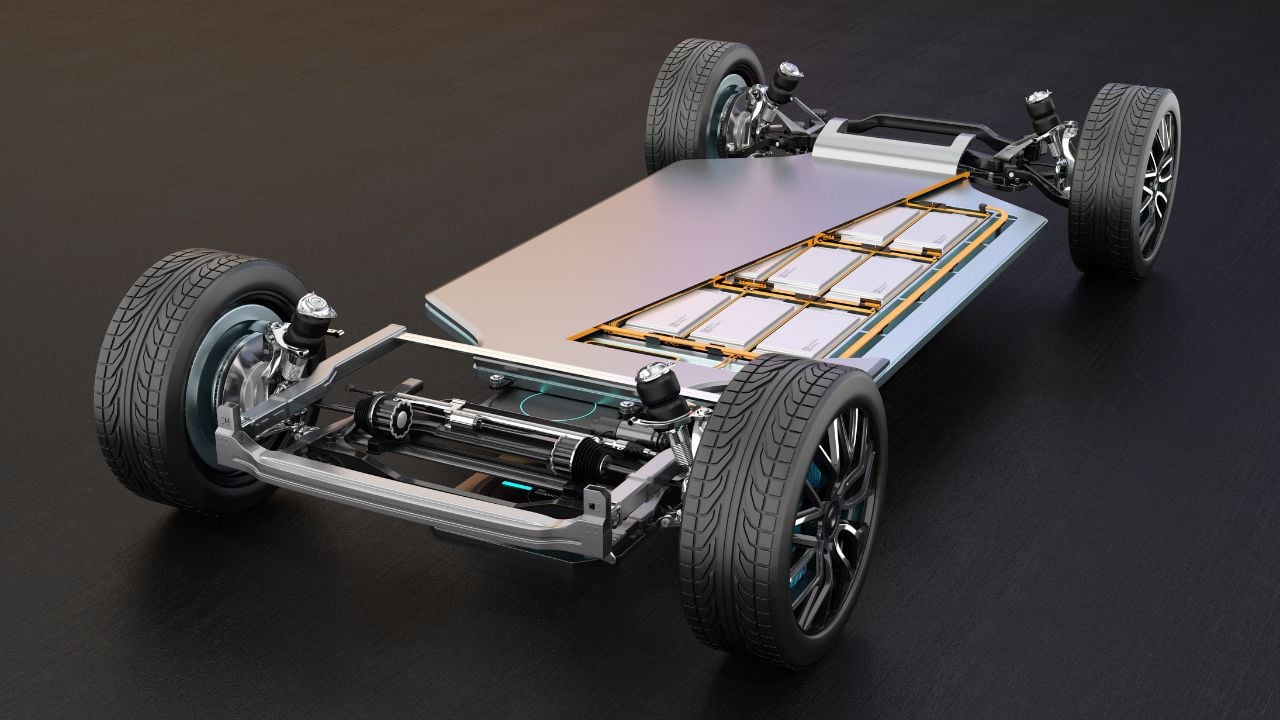
Solid-state batteries are one of the most talked-about potential leaps for electric vehicles, largely because the promise is so appealing: potentially higher energy density, potentially faster charging, and, in many designs, improved thermal stability compared with today’s liquid electrolyte lithium-ion cells. As of early 2026, solid-state cells are showing up in very limited, niche applications and pilot programs, but there is still no mass-market passenger EV for retail sale in the United States that uses a true all-solid-state battery pack.
A good example of how confusing the moment can feel is that policy is changing quickly while the tech is still immature. On January 19, 2026, New Jersey enacted new requirements that treat certain electric bicycles and other low-speed vehicles much more like motor vehicles, including licensing, registration, and insurance. That kind of regulatory churn is happening at the same time companies are making bold claims about next-generation batteries.
Eye-Catching Claims Are Real Marketing, Not Mass Production
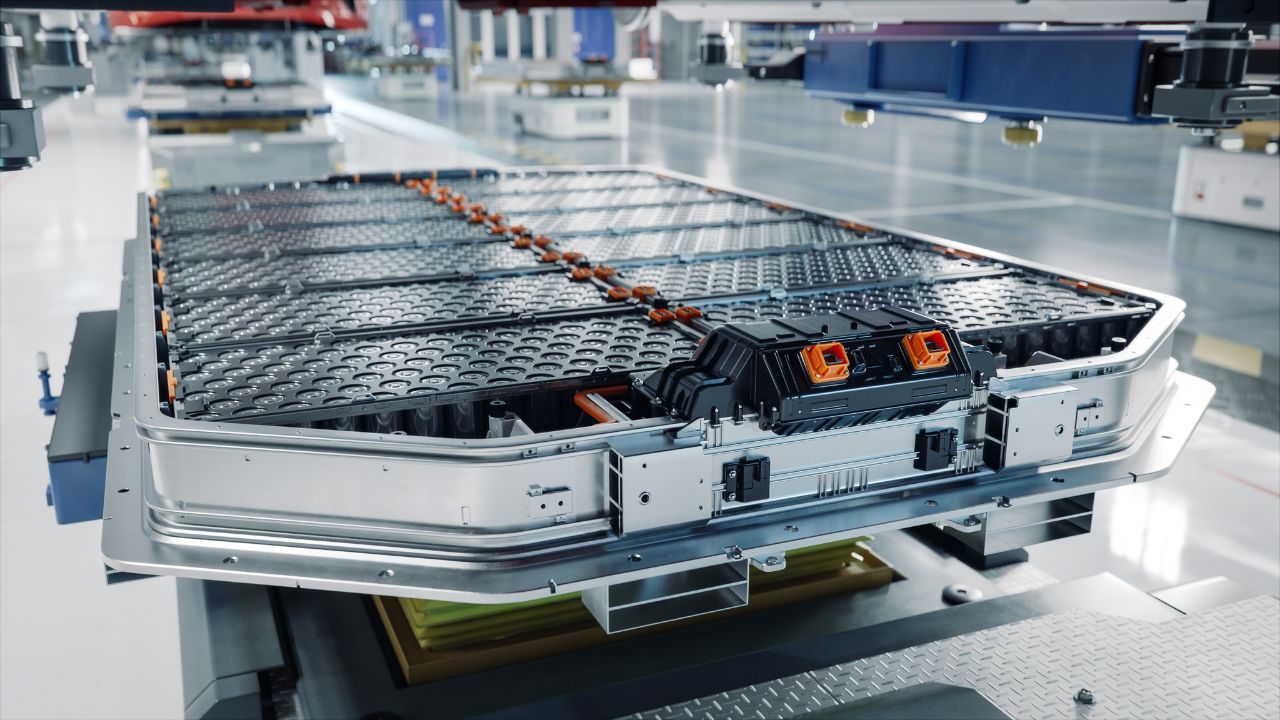
At CES 2026 and in announcements tied to Verge Motorcycles, Donut Lab has claimed an all-solid-state battery with headline specs of 400 Wh per kilogram, charging in as little as five minutes, and a design life of up to 100,000 cycles, but the company has not publicly released independent third-party validation of those figures. Those numbers, if they hold up at scale and in real-world automotive duty cycles, would be significant. But the key point is this: claims and small production runs for specialty vehicles are not the same thing as building millions of automotive-grade cells that meet cost, warranty, and safety requirements.
That gap is a major reason you still cannot buy a mass-market passenger EV in the United States with a true all-solid-state battery pack.
The Biggest Barriers Are Manufacturing, Cost, and durability.

The solid-state battery challenge is not only chemistry. It is manufacturing.
Automakers need a cell that can be produced with extremely high yield, consistent quality, and predictable cost, using supply chains that can support global volume. Even when a company shows a promising prototype, scaling it is notoriously hard because the materials and interfaces inside solid-state designs are less forgiving than liquid electrolyte cells. Tiny defects can reduce life, reduce power, or create reliability issues that are unacceptable for a vehicle expected to survive years of vibration, temperature swings, and repeated fast charging.
There is also the issue of validation and warranty confidence. Automotive batteries are expected to retain usable capacity over many years, across many climates, with safety margins that regulators and insurers accept. That is a high bar, and it takes time, testing, and massive capital investment to clear it.
Automakers Are Still In The Demonstration Phase
The most concrete automotive progress in the near term looks like demonstration fleets rather than retail sales.
Stellantis and Factorial Energy say they have validated automotive-sized FEST cells at about 375 Wh per kilogram, with charging from 15 percent to 90 percent in 18 minutes at room temperature, and the next step is a 2026 demonstration fleet intended for real-world validation rather than retail sales. That is meaningful progress, but it is not the same as high-volume commercialization.
Meanwhile, major automakers like Toyota, Volkswagen, and Ford have all been linked to solid-state development efforts for years, yet none are selling a US market passenger EV with a true solid-state pack today.
Why This Matters For Real Buyers
Many shoppers look at solid-state batteries as the solution to two big anxieties: charging convenience and fire risk. Solid state designs can, in theory, help on both fronts, but current lithium ion packs are also improving quickly through better thermal management, chemistry tweaks, and charging networks. That is part of why the market has not paused to wait.
What To Watch Next
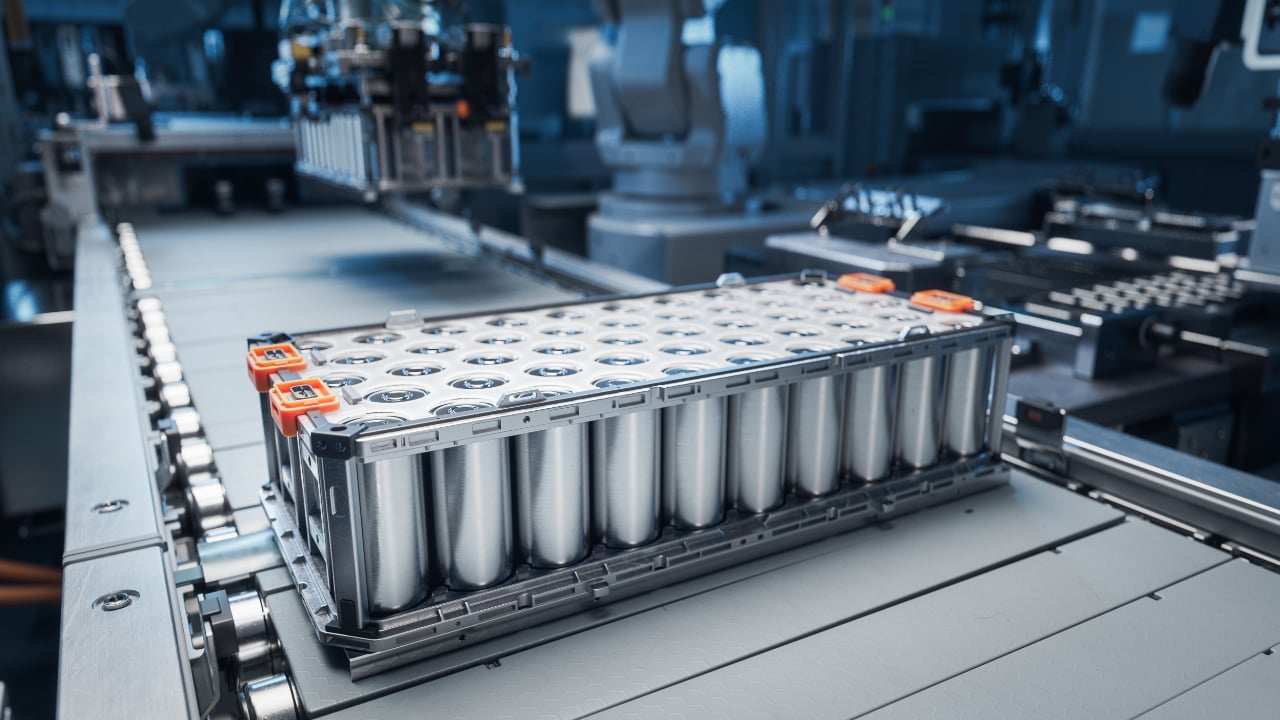
The most realistic path is gradual introduction: limited fleets, limited premium models, and only later broad adoption once factories, yields, and costs stabilize. Outside the auto industry, manufacturing breakthroughs may help, including the 3D printing work highlighted by MotorTrend in a 2023 report on Sakuu and its approach to producing solid-state batteries.
For now, the reason you cannot buy a solid-state battery EV in America is simple: the technology is exciting, but the industry is still proving it can be built at automotive scale, at automotive cost, with automotive reliability.
This article originally appeared on Autorepublika.com and has been republished with permission by Guessing Headlights. AI-assisted translation was used, followed by human editing and review.