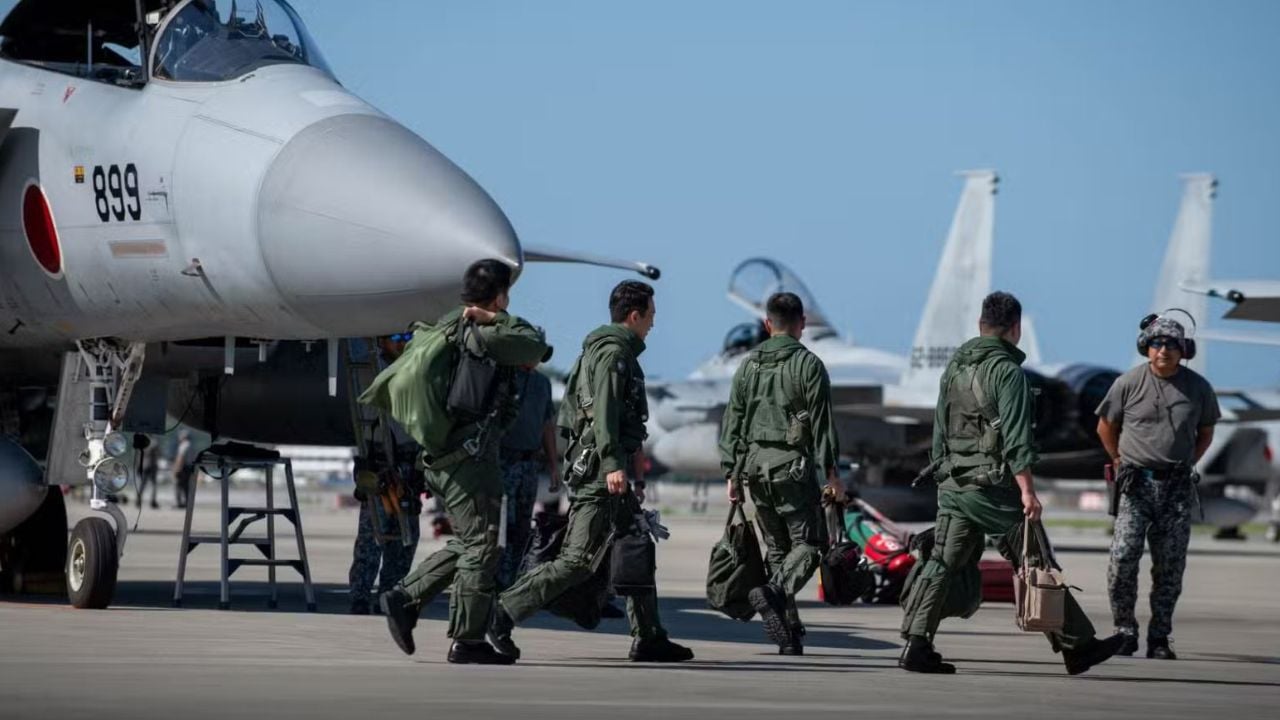
Few aviation terms have crossed over into everyday speech as successfully as “Roger.” It sounds simple, even casual, but its roots go back to the early decades of radio communication, when pilots, radio operators, and military services needed a clearer way to confirm that a message had been heard.
Early military and civil spelling alphabets used spoken code words for each letter, and before today’s international standard took over, the letter R was commonly spoken as Roger. Early U.S. and allied radio procedure helped cement the term, and it remained widely used through World War II as American and British forces worked more closely together. Over time, “Roger” became one of the most recognizable words in aviation language, even after it disappeared from the official spelling alphabet itself.
From The Letter R To A Lasting Aviation Term
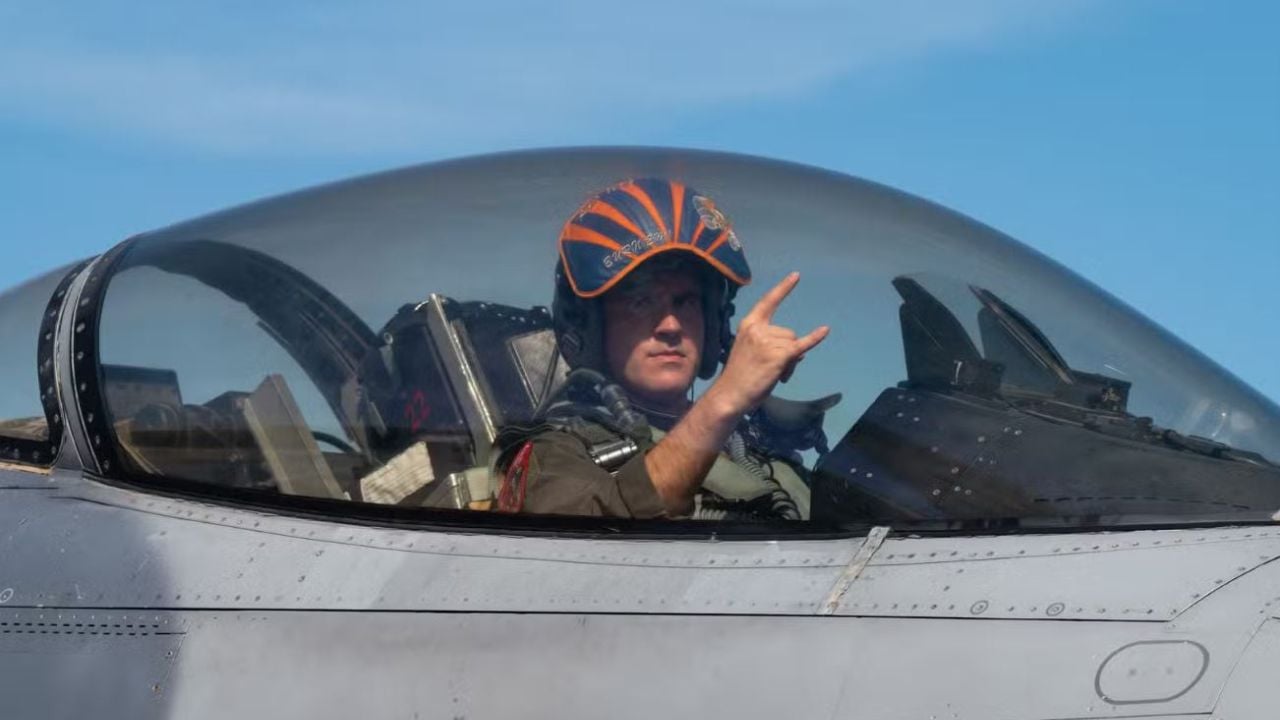
The original logic behind the word was straightforward. In radio procedure, the letter R stood for “received,” and in the older spelling alphabets, operators voiced that letter as Roger. That mattered because early radio audio was often weak, distorted, or full of static, making short words easy to miss or confuse. Spelling alphabets were created to make letters sound more distinct under poor conditions, and Roger became the practical, spoken stand-in for R. In time, the spoken reply “Roger” came to mean that the last transmission had been received.
That history also explains why the word survived even after the alphabet changed. ICAO notes that aviation used several different spelling alphabets before the modern international version was standardized. The final ICAO radiotelephony spelling alphabet was implemented on March 1, 1956, and that is the system that gave us today’s Alfa, Bravo, Charlie, and Romeo. By then, however, Roger was already too deeply embedded in aviation and military radio culture to disappear. The official letterhead changed, but the operational meaning of Roger stayed alive.
What Roger Means, And What It Does Not Mean

In modern aviation phraseology, Roger does not simply mean “yes.” The FAA defines it as “I have received all of your last transmission” and specifically notes that it should not be used to answer a question that requires a yes or no response. That is why aviation continues to prefer more precise terms such as “affirmative” for yes and “negative” for no. Clarity matters, and short everyday words can be misheard too easily over radio.
Just as important, Roger does not mean the pilot will comply with the instruction. It confirms receipt, not execution. That is where “Wilco” comes in, short for “will comply.” In standard phraseology, Wilco signals that the message was received and that the speaker intends to follow it. This distinction is one reason aviation communication still sounds so formal to outsiders. Every word is supposed to do a specific job, and small differences in meaning can matter a great deal in a busy cockpit or control tower environment.
Why Standard Phraseology Still Matters
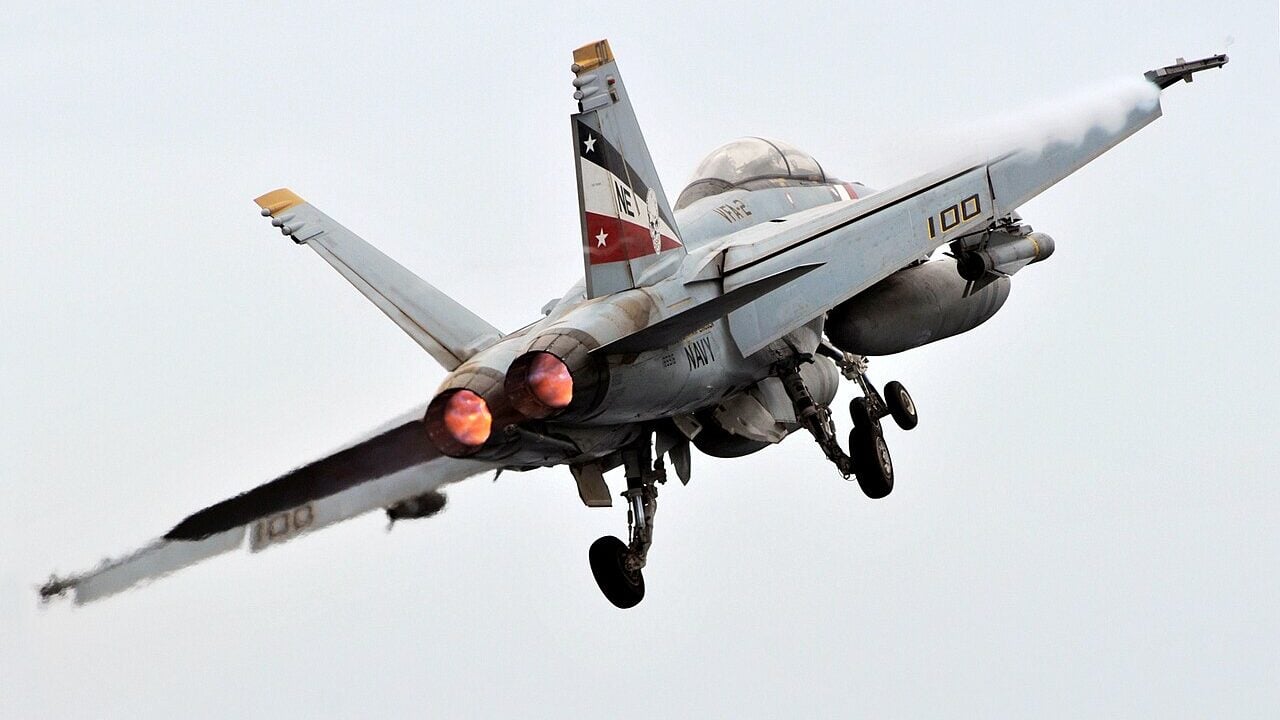
The larger story behind Roger is really the story of aviation’s long push for standardization. ICAO’s spelling alphabet was developed after extensive international testing, precisely because earlier systems varied from one country, military branch, or agency to another. The final 1956 version was designed to be easier for speakers of different languages to pronounce and understand, and it also standardized the way numbers are spoken, giving aviation familiar forms such as “tree,” “fife,” and “niner.”
That same commitment to clarity also shapes emergency language. In standard aviation phraseology, MAYDAY signals immediate distress, while PAN PAN marks an urgent situation that is serious but not yet life-threatening. ICAO phraseology guidance continues to treat these calls as critical tools for cutting through confusion and making the level of danger instantly clear. Roger belongs to that same broader culture of disciplined communication, where words are chosen not for style but for certainty.
That is why Roger still matters. It is a surviving piece of an older radio world, one that lived through multiple alphabets, wartime cooperation, and the eventual arrival of a global standard. Officially, R is now Romeo. In practice, Roger never really left. It remains one of aviation’s clearest and most enduring ways to say that a message got through.
This article originally appeared on Autorepublika.com and has been republished with permission by Guessing Headlights. AI-assisted translation was used, followed by human editing and review.