Waymo’s robotaxis have frequently made headlines for controversial incidents that have sparked debate over their safety, from blocking emergency vehicles to driving over fireworks and entering flooded streets.
This time, however, the focus is on how Waymo handles passengers who fall asleep inside its driverless vehicles. If remote support staff cannot wake them, the company may contact 911.
If a passenger falls asleep, Waymo’s remote support staff will first attempt to wake them through the vehicle’s communication system. If those efforts fail and there are concerns about the passenger’s well-being, emergency services may be contacted.
Robotaxi operators have had to develop policies governing passenger behavior, including how to handle riders who fall asleep or leave vehicles in an unsanitary condition. Many companies also charge cleaning fees when passengers leave behind excessive messes.
Emergency Personnel Could Wake You Up If You Sleep in a Robotaxi
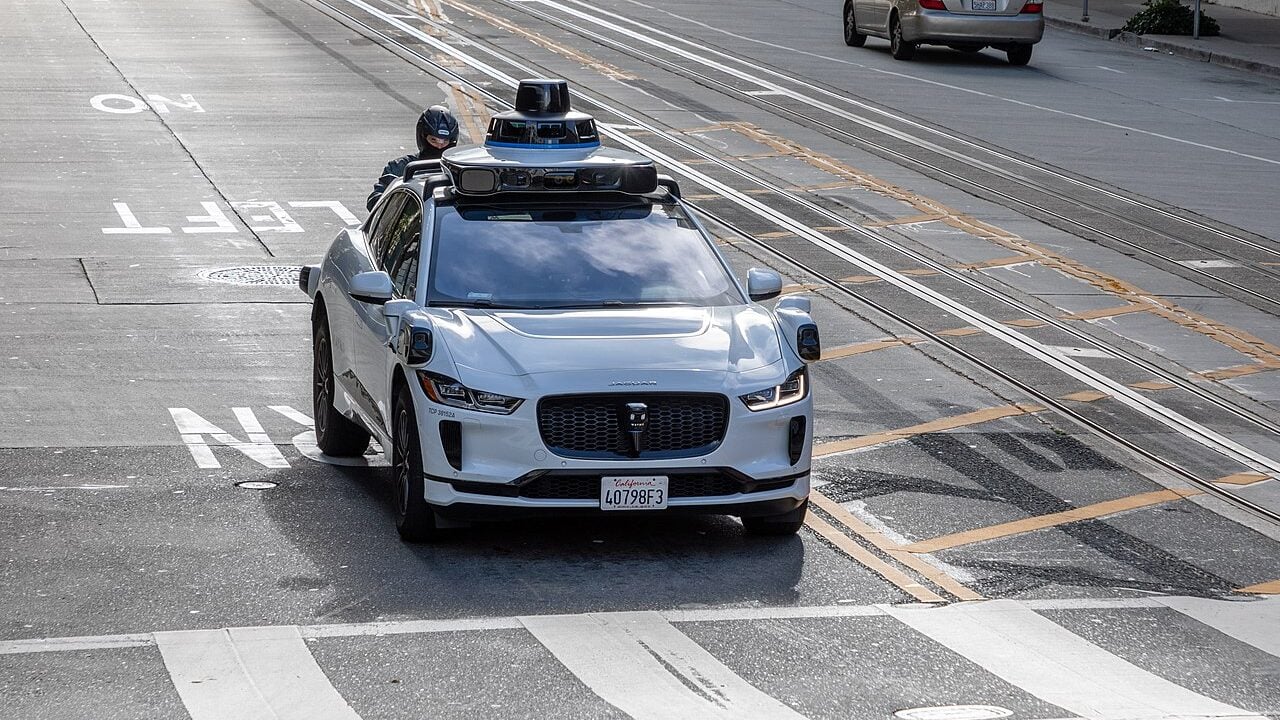
According to a report by the Los Angeles Times, robotaxi operators frequently deal with passenger-related issues that sometimes require calling 911. Sleeping passengers are one such issue because operators cannot always determine whether someone is simply asleep or experiencing a medical emergency.
While a taxi operated by a human driver can immediately check on the sleeping or intoxicated passenger and respond accordingly, robotaxis feature interior cameras and a communication system through which company staff can communicate with the passenger from a remote location. If the staff is unable to wake the passenger or determine whether they are breathing, they are forced to call 911.
In Austin, Waymo recorded 99 calls related to sleeping passengers in the first nine months, according to Roger Patterson, a commander with Austin-Travis County Emergency Medical Services. Emergency responders have nicknamed such incidents “sleepers.”
In situations where Waymo’s remote support team cannot determine whether an unresponsive passenger is breathing, emergency dispatchers reportedly respond as though the person is experiencing a heart attack.
Although only three percent of these incidents ultimately result in a hospital visit, such calls can still divert emergency responders from other potentially urgent situations. Patterson said:
“We don’t want to commit a significant number of resources to these calls when, statistically, we know that most of the time, these people do not need further medical treatment. These calls are very resource-heavy.”
As robotaxi services expand to more cities, companies are increasingly dealing with passenger-related issues. Incidents ranging from medical emergencies and riders falling asleep to food spills and other messes have created operational challenges, while some situations have also placed additional strain on local emergency services and municipal resources.
Tom Dwiggins, fire chief of a Phoenix suburb, stressed that robotaxi operators need to have a standardized approach to such emergencies so they won’t have to waste time figuring out how to open the car doors or contact remote assistants. He said:
“We would love to see one standard approach across the board. If you expect a firefighter in a four-minute response to look up research, try to figure out which vehicle it is, what type of platform it’s on, what company — that’s not going to happen.”
Passenger Reveals Personal Account After Waymo Dialed 911
A Waymo passenger named Ditto Kasendar was returning home late at night after a birthday party last year and did not realize when he dozed off. In the next moment, he woke up to Los Angeles firefighters opening the door and inquiring if he was alright.
Although the ride itself lasted only six minutes, the passenger remained inside the robotaxi for nearly an hour after it reached its destination.
Repeated attempts by a Waymo remote assistant to wake him through the vehicle’s audio system failed, prompting the remote assistant to call 911. Addressing the surprise, Kasendar said:
“I was like, ‘Oh my God, what happened?’”
Given the swift response to the incident, he said he was likely to use a Waymo more often than he does, especially since he was not charged more for the ride in question.
“It feels safer in a way. With humans you don’t know what’s going to happen, but with Waymo you do know.”
Had this been a genuine medical emergency, however, it raises the question of whether the nearly one hour spent trying to wake the passenger before calling 911 would have been too long.