
A viral video showing a self-driving taxi attempting to cross eight lanes of traffic has renewed debate over the safety of autonomous ride-hailing services. The footage, filmed inside a Waymo driverless vehicle, captures passengers shouting in alarm as the robo-taxi tries to make a left turn across a wide intersection in Phoenix. The maneuver appeared to place the vehicle directly in the path of oncoming traffic, prompting another driver to slow to avoid a collision.
The clip quickly spread online, prompting questions about how autonomous systems make complex driving decisions in real-world traffic. Waymo, a subsidiary of Alphabet Inc., operates fully driverless ride-hailing services in several U.S. cities and has promoted its technology as safer than human drivers. But the Phoenix incident highlights the unpredictable challenges autonomous vehicles still face on public roads.
Viral Video Captures Risky Maneuver
The incident came to public attention after passengers recorded the tense moment inside the robotaxi and shared it on social media. According to reports, the vehicle attempted to cross eight lanes of traffic to complete a left turn at a busy intersection. As the car began the maneuver, passengers inside the cabin realized it might cut directly across the path of oncoming vehicles and began shouting in alarm.
The video shows the autonomous car creeping forward while approaching vehicles move through the intersection. One of those vehicles ultimately slowed, preventing what could have been a severe T-bone crash. The passengers’ reaction was audible panic and shouting, illustrating a key challenge for autonomous ride services. Riders must trust a system they cannot control, especially when no human driver is present.
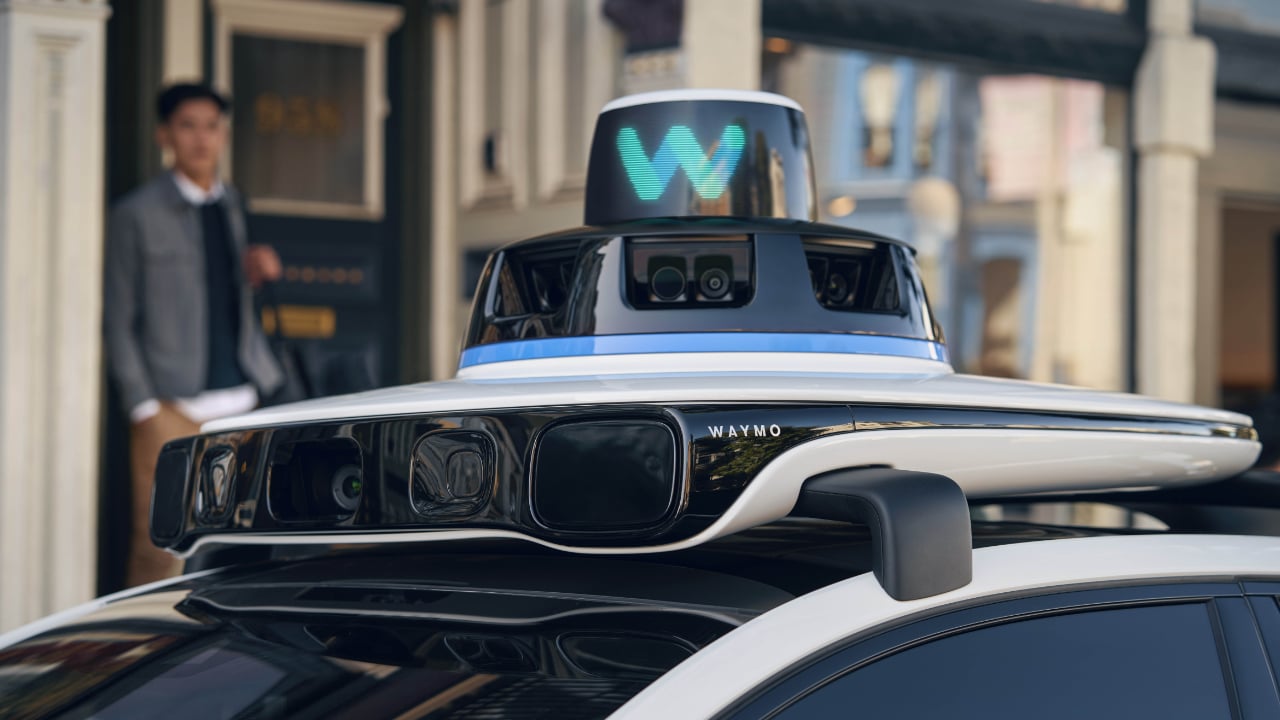
Phoenix has been one of Waymo’s main testing grounds for fully autonomous ride-hailing services, with the company running thousands of driverless trips through its commercial service, Waymo One. In these vehicles, the car’s sensors, cameras, and software, collectively known as the “Waymo Driver,” handle every aspect of navigation. This includes lane changes, intersection decisions, and obstacle detection.
While no crash occurred in this case, the near miss raised questions about whether the vehicle’s decision-making algorithms correctly assessed the traffic conditions before attempting the turn.
A Pattern of Unusual Robotaxi Incidents
The Phoenix episode is not the first time Waymo vehicles have drawn attention for unusual or controversial driving behavior. As autonomous fleets expand into more cities, passengers and other road users have captured a growing number of incidents on video.
For example, a Waymo vehicle in San Francisco reportedly swerved into oncoming traffic during a ride, leaving passengers shaken by the sudden maneuver. The near-miss was also recorded on video and widely shared online, contributing to public concern about the reliability of self-driving systems in unpredictable situations.
Other episodes have involved operational problems rather than dangerous driving. Reports in 2025 described Waymo vehicles driving the wrong way on streets, becoming stuck in unusual locations, such as drive-through lanes, or halting in the middle of roads due to software confusion. In some cases, passengers reported being temporarily trapped inside until the system allowed them to exit.
Autonomous vehicles have also occasionally interfered with emergency responses. In one high-profile situation in Austin, a Waymo Robotaxi blocked an ambulance responding to a shooting scene until authorities intervened and moved the vehicle.
Safety Debate Around Autonomous Driving

Despite the viral nature of such incidents, Waymo and other developers argue that autonomous driving systems are improving overall road safety. The company has published research suggesting that its vehicles experience far fewer injury-causing crashes than human drivers. One study comparing millions of miles of autonomous-driving data found that the Waymo system recorded significantly lower rates of property damage and injury claims than typical human-driven vehicles.
Advocates say these results demonstrate the long-term potential of automated driving technology, which eliminates human errors such as distraction, fatigue, and impaired driving. Autonomous systems rely on radar, LIDAR, and camera sensors that continuously monitor the surroundings in all directions. This theoretically allows for the detection of hazards more quickly than human drivers.
However, critics argue that real-world traffic remains too complex for fully automated systems to handle reliably. Regulators are paying close attention. Federal safety authorities have already opened investigations into similar incidents. Hopefully, the manufacturers will take note and implement appropriate safety protocols, making Waymo Robotaxis safer for public use.