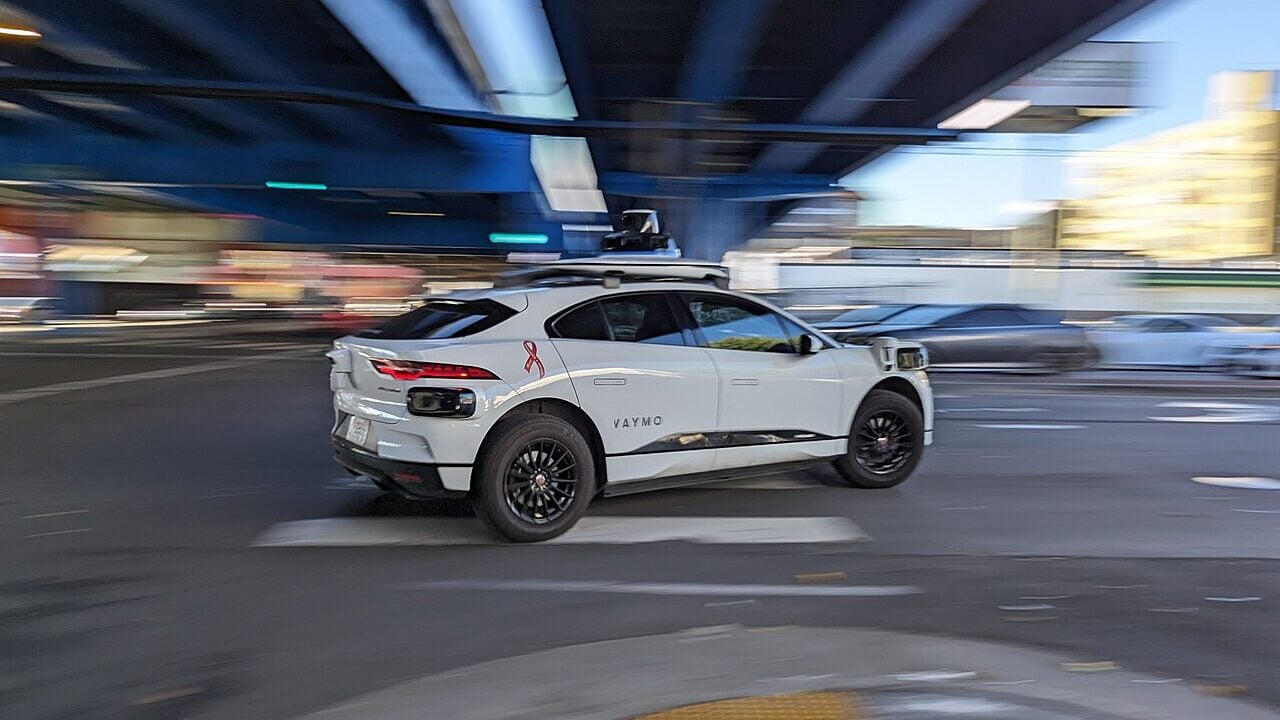

Waymo’s self-driving cars have always had a reputation for being cautious. In the early days, critics said they were not cautious enough. Now the pendulum may have swung so far in the other direction that a picture on the side of a bus is enough to trigger a full-blown panic stop.
That is the takeaway from a new report out of the UK, where a driverless vehicle slammed on its brakes after mistaking a life size movie advertisement on a bus for real pedestrians standing in the road.
The incident was revealed by Professor John McDermid, a government advisor on autonomous vehicles, just weeks before Waymo plans to begin robotaxi trials in London this spring.
From Ignoring School Buses to Fearing Movie Posters
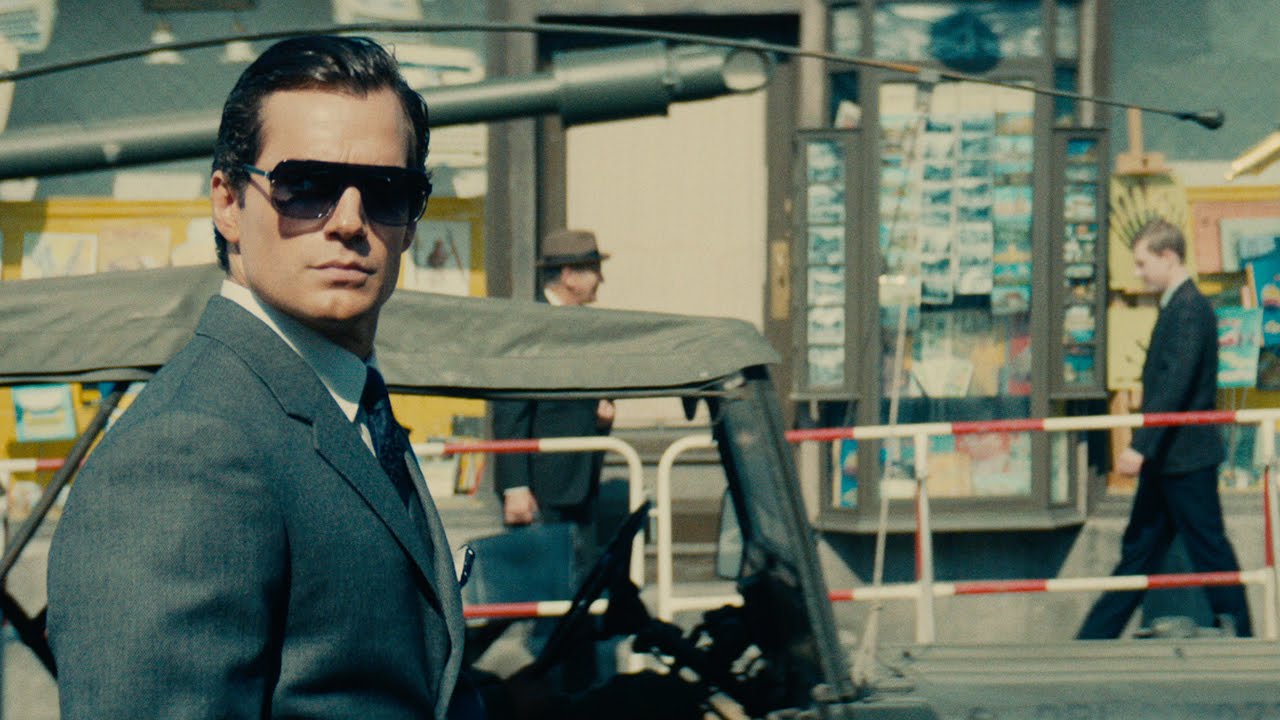
According to McDermid, the vehicle’s artificial intelligence saw human figures, decided the road was blocked, and performed an emergency stop. The problem was simple. The people were not real. They were actors printed on the side of a bus advertising the 2015 film The Man from U.N.C.L.E.
Of course, this would be a nonevent to a human driver. But to a machine trained to assume the worst, it had just witnessed a crisis.
Anyone who’d been following Waymo’s activities stateside can understand how such a reaction represents a fascinating reversal of fortune for the ride-hailing company. Not long ago, the company came under intense scrutiny for what’s decidedly the opposite of being too careful.
Last year, Waymo vehicles in California were repeatedly accused of failing to respond properly around school buses. Videos circulated showing robotaxis creeping past buses with stop arms extended or hesitating in ways that confused other drivers.
School crossing guards and parents raised alarms, and lawmakers called for investigations into whether autonomous systems were adequately trained to recognize one of the most sacred rules of the road.
In response, regulators stepped in. California officials demanded clearer safeguards. Waymo pledged updates to its perception software, specifically around school zones, buses, and children. The message from regulators was loud and clear. When it comes to vulnerable road users, err on the side of extreme caution.
When Caution Becomes Paralysis
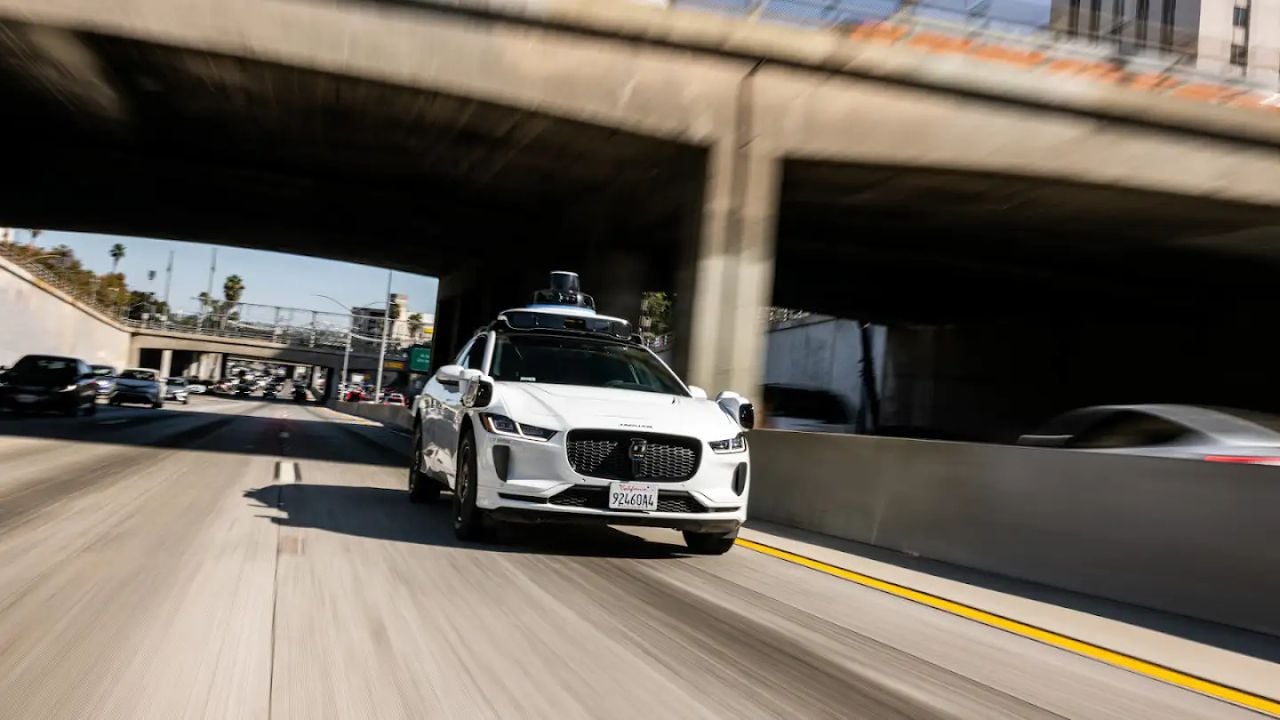
Fast forward to today, and that caution appears to have taken on a life of its own. McDermid didn’t say when exactly the driverless car mistook The Man from U.N.C.L.E. for real people, but he made the comments recently at London’s Science Media Centre.
At first, we thought perhaps he’s talking about the Google Self-Driving Car Project, since we’re darn sure there wasn’t a Waymo in 2015 to coincide with The Man from U.N.C.L.E.’s premiere.
Google began testing AVs (autonomous vehicles) in 2009, but these were experimental prototypes and research vehicles that can be forgiven for such blunders. The rebranding to Waymo happened in December 2016, with pilot robotaxi services only beginning later.
Limited public trials kicked off in Phoenix, Arizona around 2017–2018, and full commercial operations (where anyone could hail a Waymo ride) didn’t launch until 2020 in Phoenix. So, while we have some questions for McDermid, we admit he didn’t mention “Waymo” by name.
We Know that You Know that We Know
Still, it can’t be coincidence that he’s telling this story just when Waymo announced plans to begin robotaxi trials in London in 2026. “Why do they have these driverless cars?” he reportedly wondered aloud. “I think somebody should be driving them.”
Waymo confirmed it would bring its fully autonomous ride-hailing service to London, working with its fleet partner Moove to prepare operations and secure regulatory approvals.
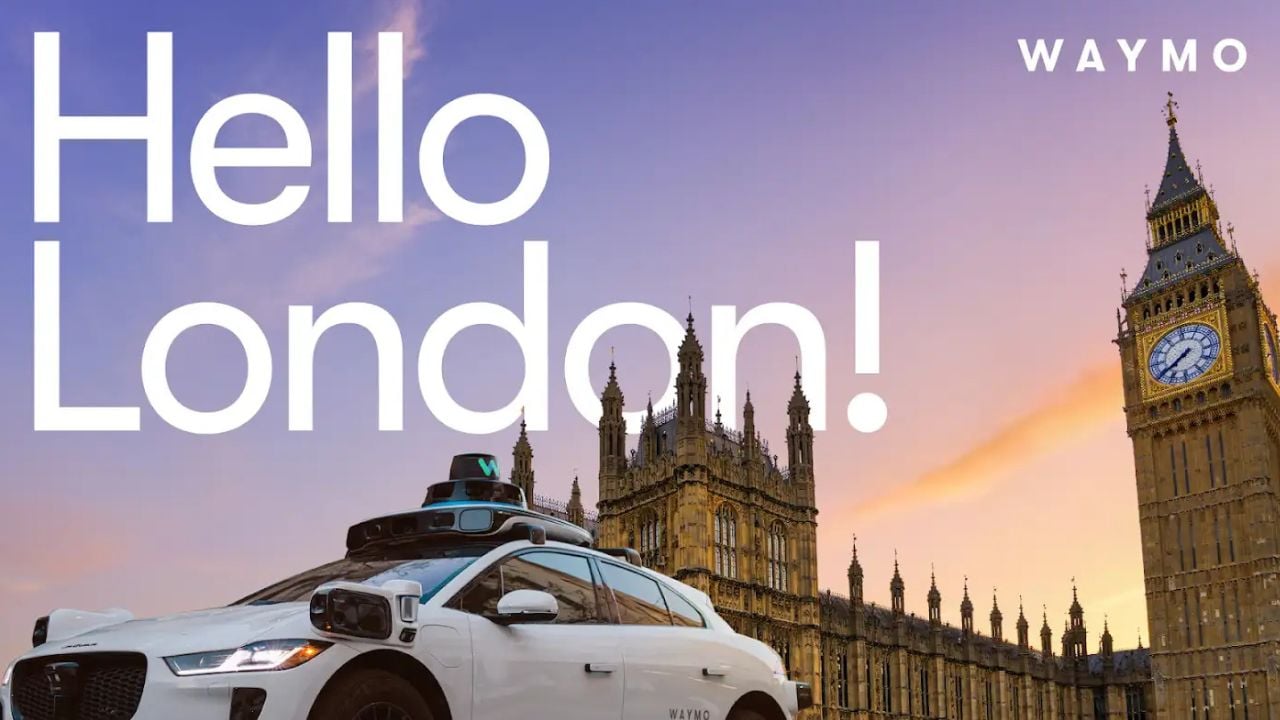
By December 2025, Waymo’s Jaguar I-PACE AVs were already spotted cruising London, including at Abbey Road, as part of early groundwork and testing.
The company says its London service will integrate with the city’s transport ecosystem (bus, tube, bike, pedestrian networks) and be available through the Waymo app once commercial operations begin.
But McDermid, a York University-based software expert doesn’t trust autonomy on UK roads. He said the one that confused a signage for real people did not just slow down.
It executed an emergency stop because it believed a group of pedestrians had stepped into its path. He figures such reactions could actually increase risk by surprising human drivers behind the vehicle.
According to Daily Mail, the professor explained to the Daily Telegraph that the signage was huge: “It was a life-size advert on the side of a bus, but to an AI, it was human beings. That seems very obvious [to us], but actually, to the AI, it’s not.”
The Unintended Consequences of Zero-Tolerance Regulation

The irony is hard to miss. The same Waymo that’s been in the eye of the storm for not minding school buses enough is now so wary of buses and anything associated with them that even a printed image is treated as a potential tragedy waiting to happen.
It forces you to wonder if regulators are inadvertently teaching autonomous systems to be afraid of their own shadows.
Autonomous driving software does not understand context the way humans do. It understands models, probabilities, and rules. If regulators demand zero tolerance for mistakes around buses, children, and pedestrians, engineers respond by tightening thresholds.
The result is a car that would rather stop dead than risk being wrong. In software terms, false positives become preferable to false negatives.
That mindset plays well in hearings and press releases, but it has real world consequences. McDermid is right on that front. Sudden braking can cause rear end collisions. Overly timid behavior can frustrate drivers and pedestrians too. In dense urban environments like London, New York, or San Francisco, hesitation itself can become a hazard.
Professor McDermid also highlighted another challenge. Pedestrians do not always behave predictably. In the UK, people often continue crossing even after the light turns green for traffic.
In the US, jaywalking is illegal in many places, but common in practice. Teaching a machine to navigate human inconsistency without freezing up is one of the hardest problems in autonomy.
A Lesson Learned Too Well?
Waymo’s upcoming London trial will put all of this under a microscope. The company insists its vehicles are safer than human drivers on a per mile basis. Regulators insist safety standards should meet or exceed human behavior.
Somewhere between those positions lies a robotaxi that neither ignores school buses nor panics at movie posters.
Dare we conclude that Waymo’s cars appear to have learned their lesson a little too well? Once burned by criticism for missing school buses, they may now be seeing buses, and people, everywhere.
The challenge ahead is teaching them the difference between a child in the street and a handsome spy frozen in time on the side of a double decker.