
Who says retirement is about slowing down? For those trading neckties for travel mugs and early meetings for early morning drives, the open road offers a new kind of freedom. We imagine retirees aren’t just looking for a car to fill the garage; they want something with personality, performance, and the kind of value that makes savvy collectors take notice.
That’s where the smart used buys come in. We focused on enthusiast-grade vehicles that have likely already hit their depreciation floor and are beginning to see renewed interest and price movement as drivers rediscover just how much they offer for the money.
To make the list, each car needed real-world appreciation signals over the past five years, a strong community presence, and manageable maintenance. All examples were capped at $40,000 for clean, largely stock units.
If you’ve got time, taste, and a garage with one open slot, these cars might be the perfect next adventure.
Mazda MX-5 Miata

The second-generation Miata is the automotive equivalent of a golden retriever: reliable, cheerful, and always ready for a spin. Its balance and lightweight simplicity deliver driving joy at any speed, perfect for retirees who enjoy scenic routes over straight-line sprints. The first-gen’s pop-up headlights may be gone, but its styling still feels refreshingly analog in today’s tech-heavy world.
The Miata community is vast and friendly, with club drives, forums, and easy access to parts. Maintenance is refreshingly straightforward, making this a great garage companion rather than a fussy diva. Values have been climbing modestly, particularly for low-mileage or especially low-mileage or special-edition examples—most notably the factory-turbocharged 2004–2005 Mazdaspeed MX-5 Miata.
For those who miss manual gearboxes and Sunday backroad fun, the Miata offers an authentic experience. It’s also a sensible option, as its fuel economy and modest insurance rates make it as frugal as it is fun. Best of all, it’s a car that never takes itself too seriously, ideal for a life stage where joy matters more than lap times.
Chevrolet Corvette C5

This is America’s fiberglass thunderbolt, matured and refined. The C5 Corvette marks the point where Corvette performance became world-class, offering the 5.7-liter LS1 V8 (1997–2004) that’s smooth, responsive, and famously bulletproof. Retirees looking for muscle without the rough edges of earlier generations will appreciate the C5’s balance of comfort and power.
It cruises effortlessly yet rumbles with authority. The interior, while never accused of being “European,” is ergonomic and surprisingly spacious. With values rising as C4s age out and C6s climb, the C5 has found its sweet spot in the classic market. Z51 performance package versions or the iconic Z06 bring collector interest with modern drivability.
Its parts network is robust, and Corvette clubs welcome newcomers with open arms. For retirees who once dreamed of owning a Corvette in their 40s, now is the time. And let’s face it, nothing says “I’ve made it” like backing into a country club parking lot in a targa-topped Vette.
Corvette C6 Z06 (or Grand Sport)

While the C5 Corvette redefined value and drivability for America’s sports car, the C6 Z06 elevated it into supercar territory. With a hand-built 7.0-liter LS7 V8 producing 505 horsepower, it delivers raw, naturally aspirated power with race-bred engineering. The aluminum chassis, carbon fiber panels, and track-tuned suspension combine to create a driving experience that’s both thrilling and capable.
That said, clean Z06s started to increase in value, many exceeding the $40,000 mark. For retirees who want 90% of the Z06’s looks and handling without the price spike, the C6 Grand Sport is a savvy alternative. It pairs the Z06’s wide-body styling and upgraded brakes with the reliable LS3 V8, rated at 430 horsepower (or 436 horsepower with the optional dual-mode exhaust) and daily drivability.
Both options cater to serious performance enthusiasts who want a car that still feels modern, engaging, and fast. Whether you’re chasing apexes or simply want a car that reminds you how good the open road can feel, the C6 generation delivers lasting satisfaction.
Porsche Boxster (986)

The first-gen Boxster brought Porsche pedigree to an entirely new audience. With its mid-engine layout and svelte handling, the 986 delivers an experience that is pure Zuffenhausen, without the 911 tax. Retirees seeking tactile feedback and a comfortable driving position will find this car endlessly charming.
Its flat-six engine sings with a mature rasp, and the cabin, though simple, has aged well in design and feel. Enthusiast support is strong, and a well-maintained example rewards careful ownership with rising values, especially for manual transmission versions. Prices are still approachable, but the curve is trending upward as younger collectors take notice.
It’s also a convertible that you’ll want to use. Top-down cruising on sunny weekdays? That’s the kind of retirement planners don’t talk about enough. The Boxster is equal parts indulgence and smart buy, an artful car that rewards the driver and the spreadsheet alike.
BMW Z4 (E85)
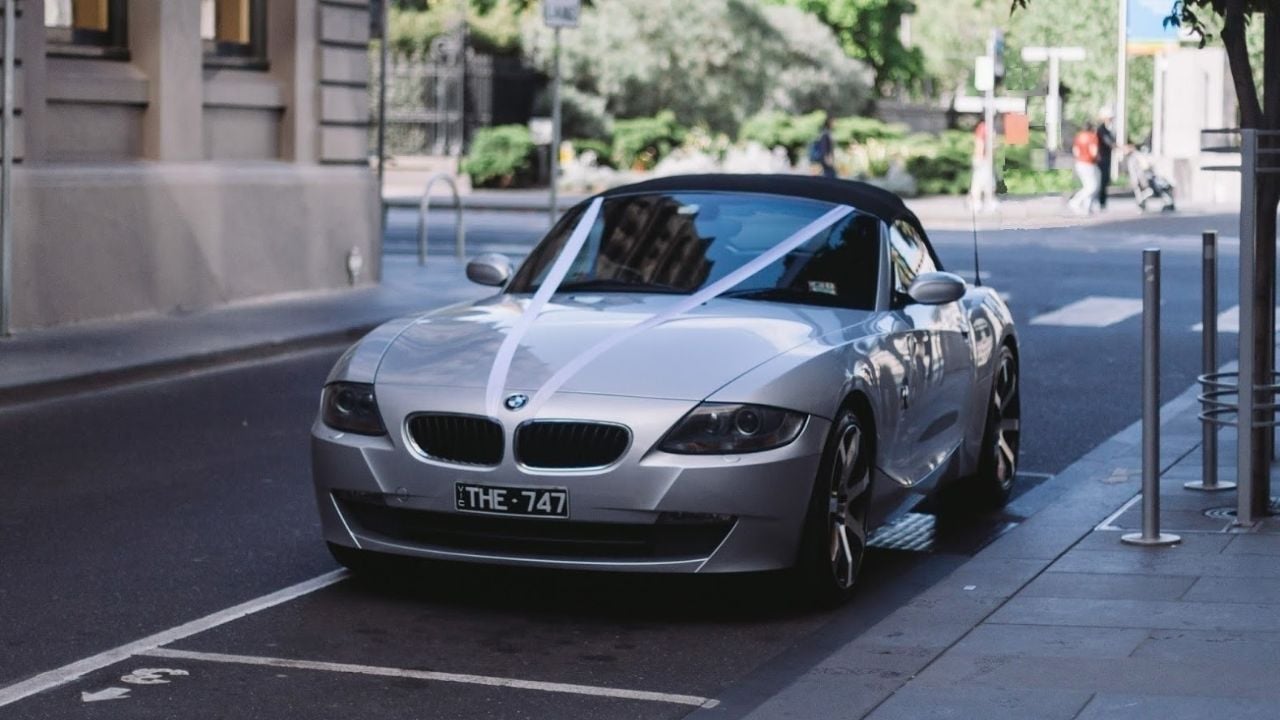
The E85 Z4 arrived with crisp lines, a long hood, and unmistakable German presence. More refined than the Z3 and less electronic than newer generations, it hits the sweet spot for retirees seeking balance. Inline-6 engines, particularly the 3.0i and 3.0si variants, offer buttery power delivery and classic BMW feel.
Inside, it’s low-slung but accessible. The ride is sporty without being jarring, and BMW’s luxury touches make it comfortable for longer getaways. The market has recognized the Z4’s design as one that ages gracefully, with values remaining stable and showing signs of gradual appreciation.
What makes it especially appealing is its usability. With ample trunk space for a roadster and a power soft top, it strikes a balance between practicality and poise. For anyone who ever said, “One day, I’ll own a BMW convertible,” that day might be right now.
Ford Mustang GT (S197)

Few cars speak fluent Americana like the Mustang GT. The retro-styled S197 generation brings a V8 growl, real presence, and bulletproof reliability into a package that still turns heads at the gas pump or the VFW. With over 300 horsepower (and well over 400 hp in later S197 years) and either a five-speed or six-speed manual depending on model year, this pony car makes driving an event.
It’s not all straight-line bravado; the chassis is surprisingly composed, and comfort levels are high. Convertible and coupe options let retirees tailor the car to their lifestyle, and there’s plenty of room for golf bags or travel luggage. Maintenance is simple, thanks to Ford’s extensive parts network, and the engine bay space is large enough to host a barbecue.
Special editions like the Bullitt or California Special carry collector prestige, and values for clean examples have been ticking up. It’s patriotic, practical, and undeniably cool, three traits that never go out of style.
Honda S2000

For the retiree who still listens to classic rock loud and hits the apex even louder, the S2000 is an engineering marvel. Honda’s high-revving 2.0L (and later 2.2L) engine delivers over 100 horsepower per liter, naturally aspirated. It’s a scalpel in a world of sledgehammers, precise, communicative, and exhilarating.
The S2000 blends exhilarating performance with exceptional quality. Honda’s build standards keep these cars running reliably, and their minimalist design has aged into classic territory. Collectors have taken notice, and values have appreciated steadily, especially for AP1 models in clean condition.
Driving one connects you to the road like few cars can. It’s mechanical in the best way, yet practical enough for weekend getaways. With a gated shifter that’s often called the best ever made, it’s a reminder that joy comes from involvement, not gadgets.
Toyota MR2 Spyder

This quirky roadster is one of the best-kept secrets in the used car market. Lightweight, mid-engined, and backed by Toyota reliability, the MR2 Spyder punches far above its price tag. Retirees seeking something different yet not too challenging will find it refreshingly pure.
The car’s simplicity is its strength. The suspension setup favors agility, and its dimensions make it ideal for winding roads or city streets. Enthusiasts are beginning to appreciate the model’s uniqueness, and clean examples are becoming increasingly difficult to find.
Toyota’s reputation ensures ease of ownership, and the manual-folding cloth convertible top lets you enjoy open-air drives without complex mechanisms without complex mechanisms. For those who remember the original MR2 fondly, this third-gen spiritual successor offers nostalgia wrapped in featherweight fun.
Jaguar XK (X150)
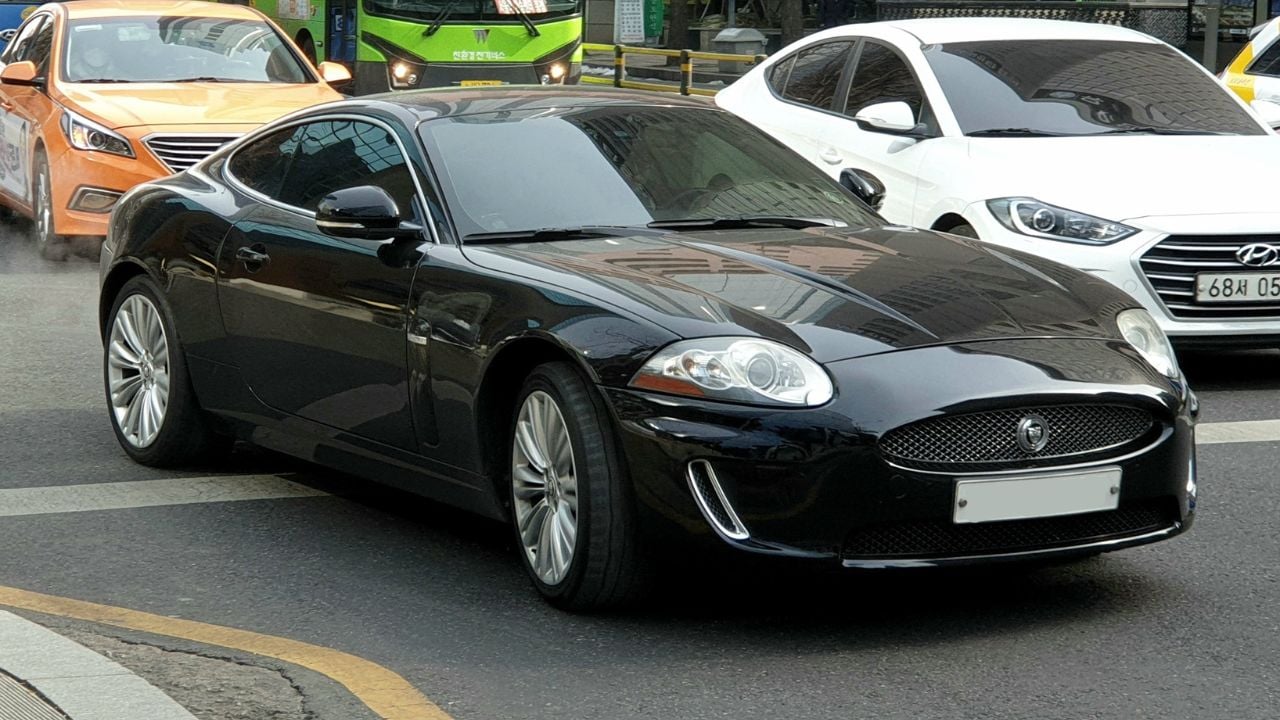
Retirement deserves a touch of British elegance, and the Jaguar XK delivers it in grand style. With a sleek aluminum body and a sonorous V8, the XK is a grand tourer for those who like their coffee strong and their acceleration stronger. It’s refined without being stuffy, fast without being frantic.
The cabin features comfort and luxury touches, including wood veneers and plush leather. Long-distance comfort is a standout feature, making it ideal for retirees seeking to explore scenic highways or coastal getaways. The XK’s values have begun to stabilize, with collectors finally recognizing its graceful design—production totaled about 50,000 units (2006–2014).
Maintenance, when approached with research and a good mechanic, is reasonable, especially compared to German counterparts. For the driver who wants both looks and lineage, the Jaguar is a statement of sophistication.
Ford Thunderbird (2002–2005)

Not exactly a sports car, but few cars evoke American nostalgia quite like the Thunderbird. Ford’s early-2000s revival of the nameplate celebrated American motoring spirit, emphasizing stylish cruising over precision performance. This two-seat roadster blends retro design with modern amenities, creating a relaxed driving experience retirees will find both familiar and satisfying.
Under the hood lies a smooth a Jaguar-derived 3.9-liter AJ35 V8, delivering plenty of power for highway jaunts and sunset cruises. The Thunderbird embraces the art of gliding through corners, top down, favorite station playing, and endless sky stretching out in front. Its ride quality is plush, its styling iconic, and its presence in a parking lot still turns heads.
These Thunderbirds came well-equipped, with heated leather seats, power tops, and a design callback to the 1955 original that resonates with classic car lovers. They are comfortable for daily use and long enough for a weekend road trip with room for bags, beach chairs, or a small cooler in the trunk.
Enthusiast communities have maintained values steadily, and the best examples, especially those in rare colors or featuring the removable porthole hardtop, have begun to appreciate. For retirees who remember the original or just want something with soul, this modern classic fits the bill.
Cadillac XLR (2004-2009)

For the retiree who values exclusivity and a touch of Hollywood swagger, the Cadillac XLR is a compelling, if quirky, choice. Built on GM’s Y platform and assembled alongside the Corvette in Bowling Green, the XLR often gets dismissed as a re-bodied Vette. However, that’s like calling a bespoke suit “just a shirt and pants.” The XLR brought Cadillac’s sharp “Art & Science” design language to a luxury roadster, setting it apart from its Chevy cousin.
Underneath the angular sheet metal, you’ll find a 4.6-liter Northstar V8 (320 hp), which, while not the fire-breathing monster of the Corvette’s LS series, provides smooth, ample power for effortless cruising. The real showstopper, however, is the power-retractable hardtop, which transforms the sleek coupe into an open-air cruiser in less than 30 seconds (about half a minute, depending on source).
A signature interior detail is the instrument cluster, with gauges designed in conjunction with Bvlgari, feels luxurious and distinctive, offering a more refined ambiance than the Corvette. Features like a head-up display, heated and cooled seats, and adaptive cruise control were cutting-edge for its time. While some older XLRs may have minor electrical issues or problems with the complex convertible top hydraulics, these are often manageable with a skilled mechanic.
Values have generally hit their bottom and are now stable, making a clean XLR an intriguing proposition for a discerning collector. It’s a comfortable, stylish grand tourer that won’t make you look like you’re trying to relive your frat boy years, but still offers plenty of V8 rumble for the country club valet.
The Road Ahead: Driving Joy, Not Just Resale

Retirement doesn’t have to mean downshifting your lifestyle. In fact, it might be the perfect time to finally put something beautiful in your driveway, something that sparks joy every time you turn the key. Beyond quarter-mile times and concours trophies, these used sports cars embody a spirit of freedom, adventure, and youthful playfulness.
The beauty of this stage of life is that you get to drive what you want, when you want, without apology. Whether it’s a burbling V8 from Detroit, a zippy Japanese roadster, or a mid-engine experiment from Toyota, each of these cars offers more than nostalgia. They offer a connection to the road, to your past dreams, and to the possibility that the best drives still lie ahead.
Best of all, with rising values and growing interest, these machines are proving to be smart investments, which means you can enjoy them now and smile later when the market catches on. So take the top down, turn up the oldies, and head for the long way home. Because retirement isn’t the end of the road. It’s just finally driving it on your terms.