When people picture cars for spirited drives on winding back roads, sports cars and grand tourers usually come to mind. Low rooflines, long hoods, and two doors feel like part of the formula. But real life often dictates something more practical—usable rear seats, easier access, and the flexibility that comes with four doors.
That necessity doesn’t mean giving up driving enjoyment. Many used performance sedans were engineered to deliver balance, stability, and steering feel while still handling everyday duties. Designed to move confidently on real roads, these cars can match the pace and composure of entry-level sports cars when corners come quickly, and conditions vary.
This isn’t about replacing sports cars or challenging their purpose. It’s about recognizing that for drivers who need practicality without sacrificing engagement, certain performance sedans offer a compelling middle ground.
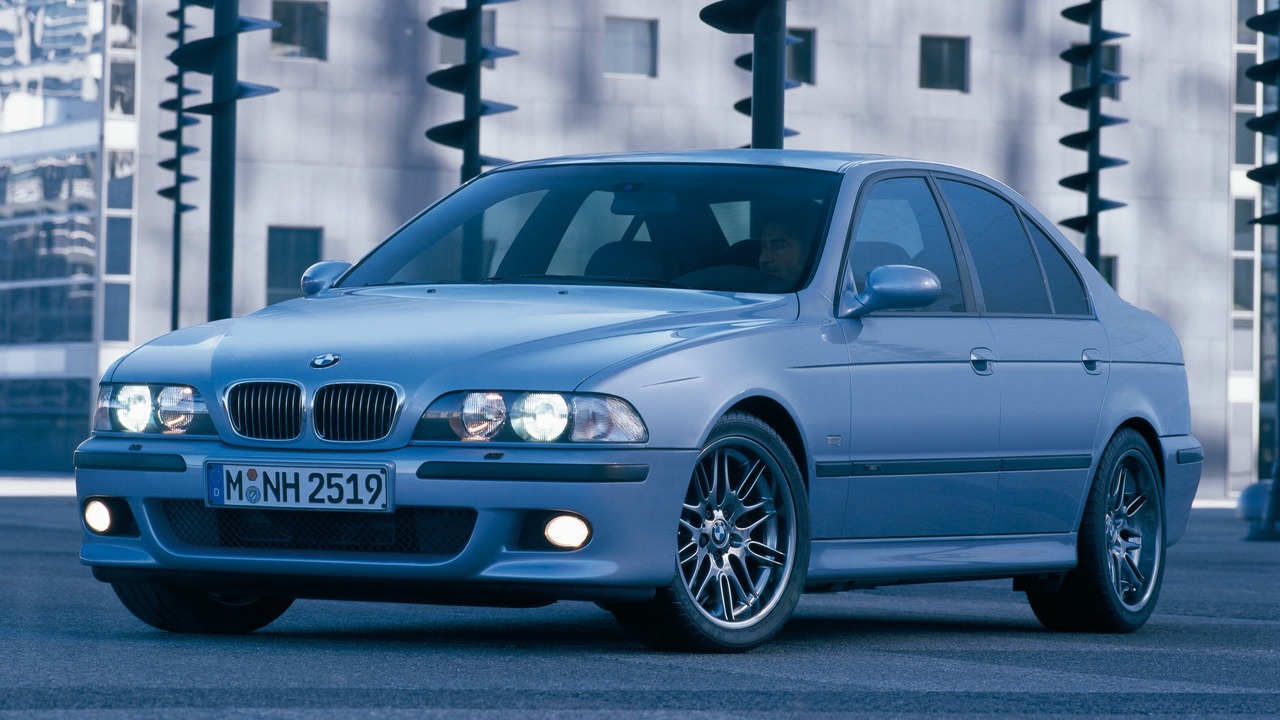
BMW E39 M5

The BMW E39 M5 remains a benchmark for balanced performance. Its naturally aspirated 4.9-liter V8 produces just under 394 horsepower, delivered smoothly and progressively. Despite weighing over 4,000 pounds, the car feels agile thanks to careful suspension tuning and near-even weight distribution.
On winding roads, the E39 stands out for its composure. It absorbs surface imperfections without unsettling the chassis, allowing confident corner entry and clean exits. Hydraulic steering provides clear feedback, making the car easy to place. Ownership costs are higher than average, but its maintenance needs are well understood and far from exotic-car territory.
Cadillac CTS-V (First Generation)

The first-generation CTS-V marked a turning point for Cadillac’s performance identity. Powered by a V8 rated at 400 horsepower (2004–2005) and 400 horsepower again for 2006–2007, with changes mainly in torque delivery. While early models are known for interior and differential issues, the underlying chassis earned credibility quickly.
On twisty roads, the CTS-V feels stable and predictable rather than flashy. It doesn’t hide its size, but it remains controlled when corners arrive back-to-back. Compared to cars focused primarily on straight-line performance, the CTS-V rewards smooth inputs and steady pacing.
Mercedes-Benz C32 AMG

Often overshadowed by later AMG models, the C32 AMG deserves recognition for its balance. Its supercharged V6 produces 349 horsepower, delivered without overwhelming the chassis. Suspension tuning favors stability and daily usability over aggressive rotation.
Against stiffly sprung sports cars, the C32 feels easier to manage on uneven roads. Steering feedback is moderate rather than sharp, but the car remains composed and predictable, allowing drivers to maintain momentum without constant correction.
Subaru Legacy GT Spec B

The Legacy GT Spec B was aimed at drivers who valued control over image. Turbocharged power is market-dependent (for example, 243 hp in U.S. models), paired with all-wheel drive and upgraded suspension components.
On winding roads—especially when grip changes—the Spec B’s balance and traction stand out. It doesn’t feel dramatic, but it feels trustworthy, which often translates into smoother and quicker progress than rear-drive cars struggling to put power down consistently.
Audi RS4 (B7)

The B7 RS4 combines a high-revving naturally aspirated V8 with a well-sorted all-wheel-drive system. With 414 horsepower and wide tires, it delivers exceptional grip and stability.
Rather than relying on oversteer, the RS4 carries speed through corners with minimal drama. Steering feel divides opinion, but the chassis remains neutral and planted, making it especially effective on fast, flowing roads.
Lexus IS F
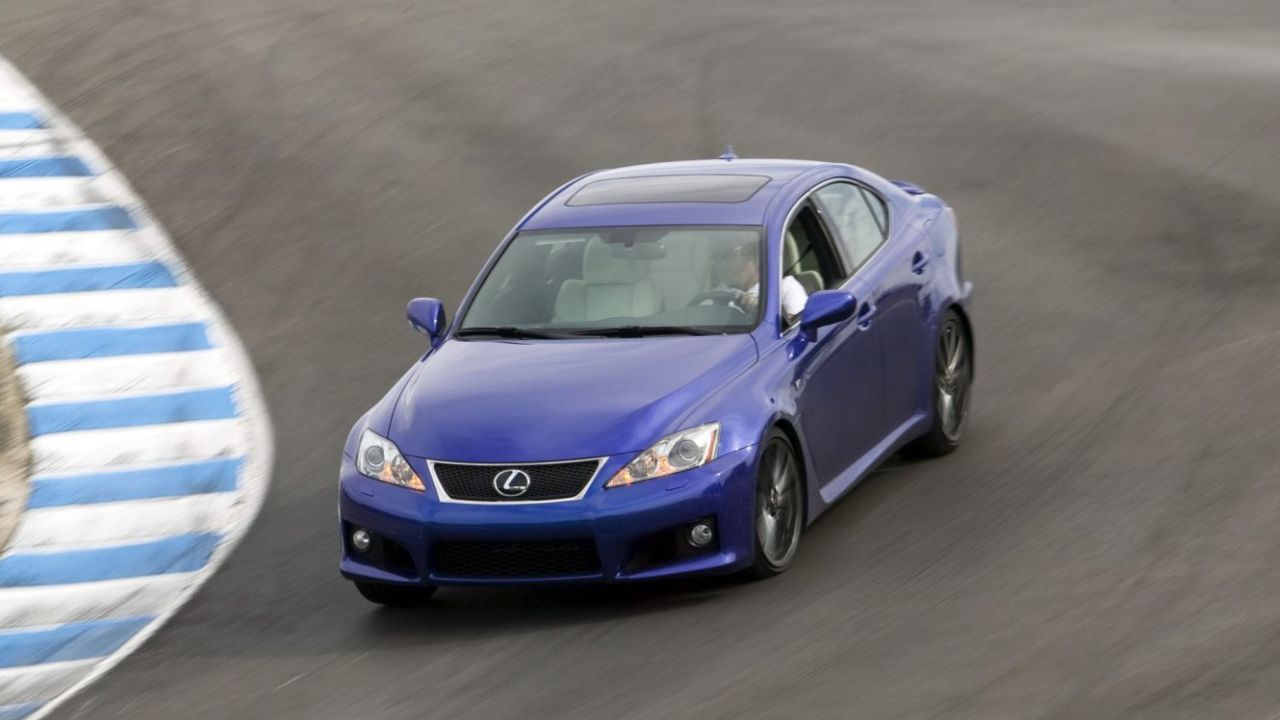
When the IS F debuted, expectations were mixed. Styling and early transmission tuning in the first model years drew criticism, but its driving dynamics earned respect over time. Its naturally aspirated V8 produces over 400 horsepower, delivered smoothly rather than aggressively.
In corners, the IS F remains calm and composed. Instead of demanding constant attention, it encourages sustained, confident driving. Compared to cars that feel exciting initially but tiring over distance, the Lexus favors consistency and control.
BMW E46 330i ZHP
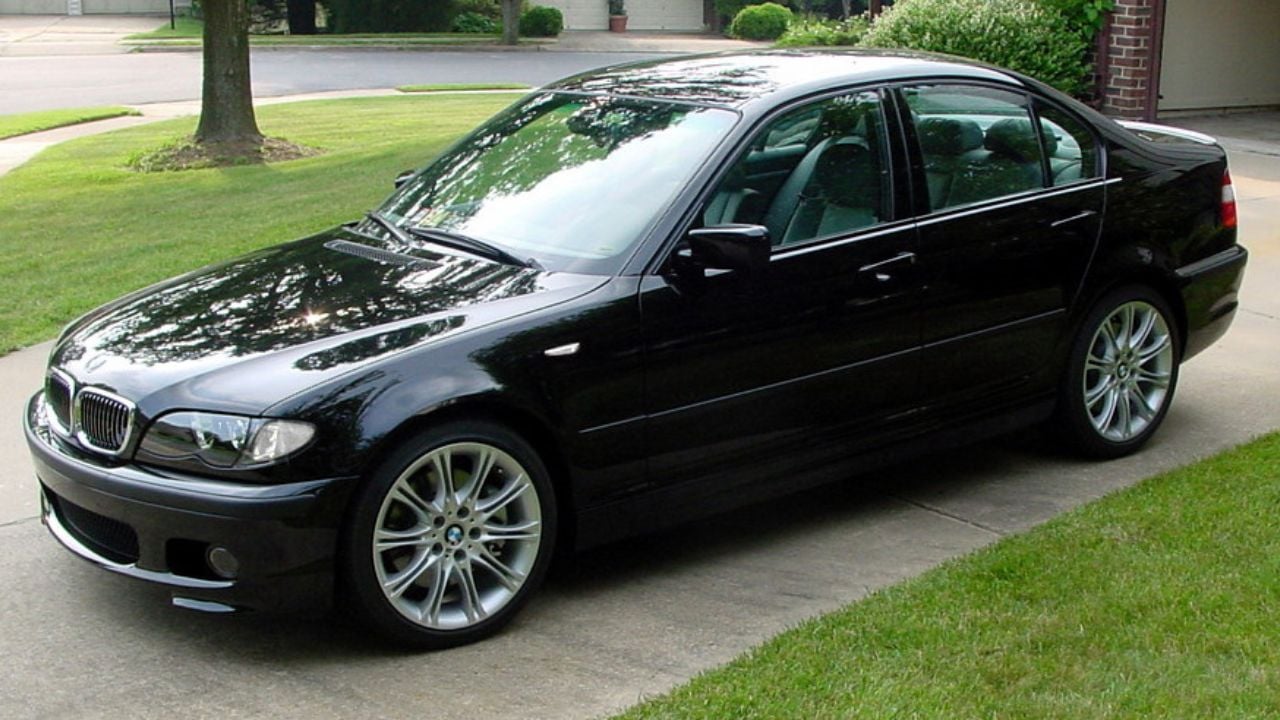
Often overlooked next to the M3, the 330i ZHP delivers excellent balance. With roughly 230 horsepower, it relies on weight distribution, suspension tuning, and steering feel rather than brute force.
In real-world driving, the ZHP often feels more composed than aggressively tuned sports cars. Its predictable handling and clear feedback allow drivers to push confidently without feeling on edge.
Acura TL Type S (Third Generation)
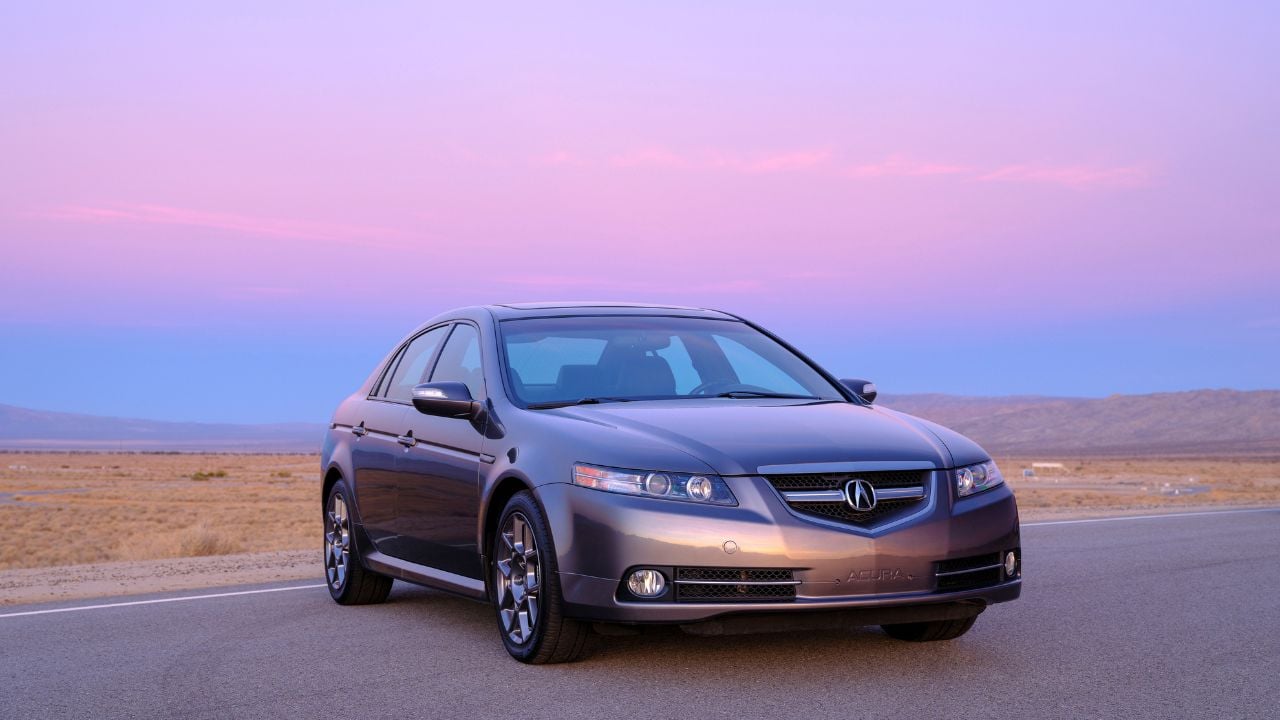
The third-generation TL Type S paired a strong V6—producing just under 300 horsepower—with a rigid chassis and carefully tuned suspension. While front-wheel drive limits rotation, grip and stability remain strong.
On winding roads, the Type S feels calm and settled. Rather than attacking corners aggressively, it excels at maintaining speed smoothly, often feeling more composed than cars with harsher setups.
Volvo S60 R
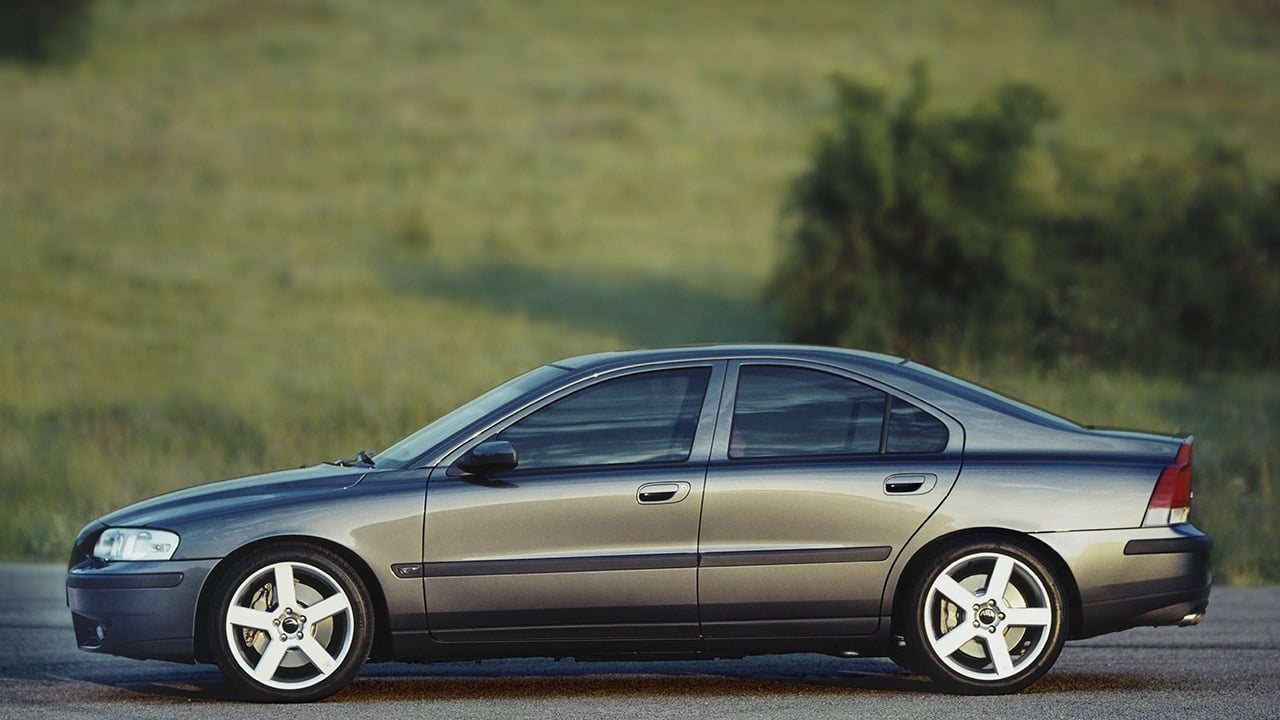
The S60 R combined turbocharged power, adjustable suspension, and all-wheel drive into a single package. With around 300 horsepower, it carries extra weight, but grip levels are impressive.
In corners, the S60 R feels secure and predictable. Compared to lighter cars that struggle for traction, the Volvo delivers consistency and confidence, particularly as road conditions change.
Infiniti G35 Sedan

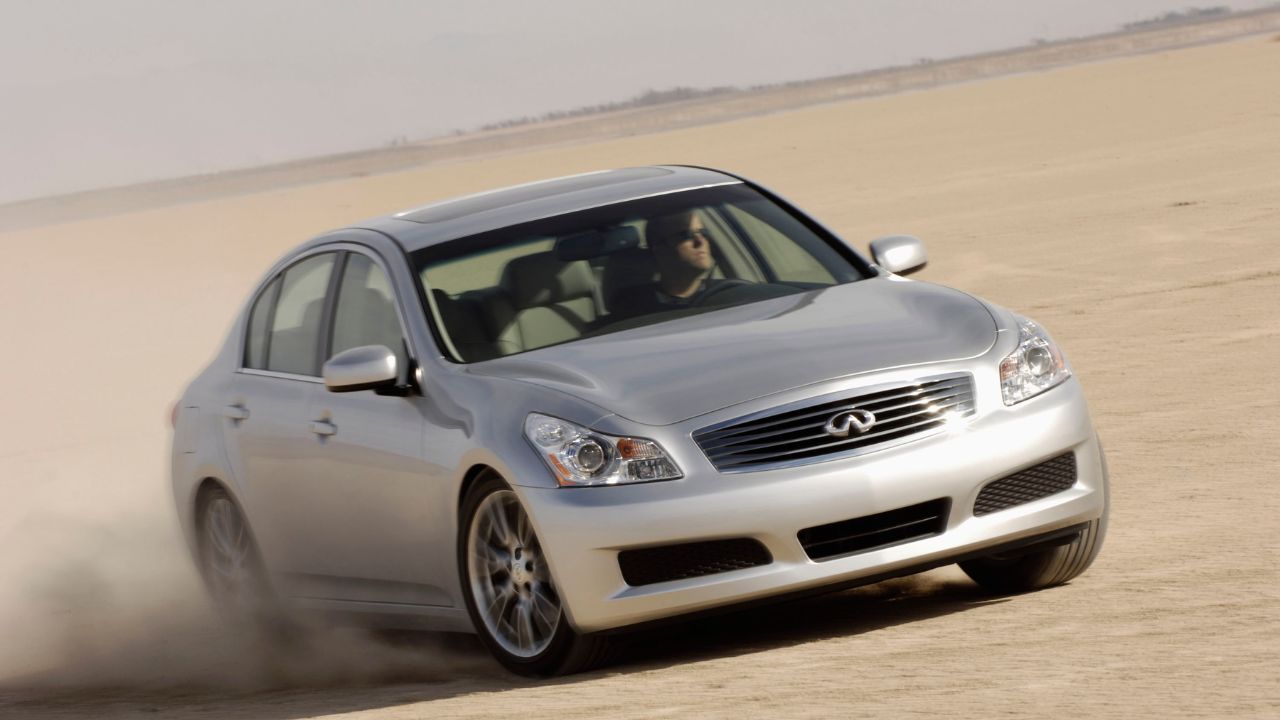
The G35 sedan brought rear-wheel-drive balance and a strong V6 into a practical package. Producing roughly 260 horsepower, it prioritizes neutrality over theatrics.
On twisty roads, the G35 often feels more stable than entry-level sports cars tuned primarily for stiffness. Steering feedback is solid, and the chassis communicates grip levels clearly.
Jaguar XJR (X350)
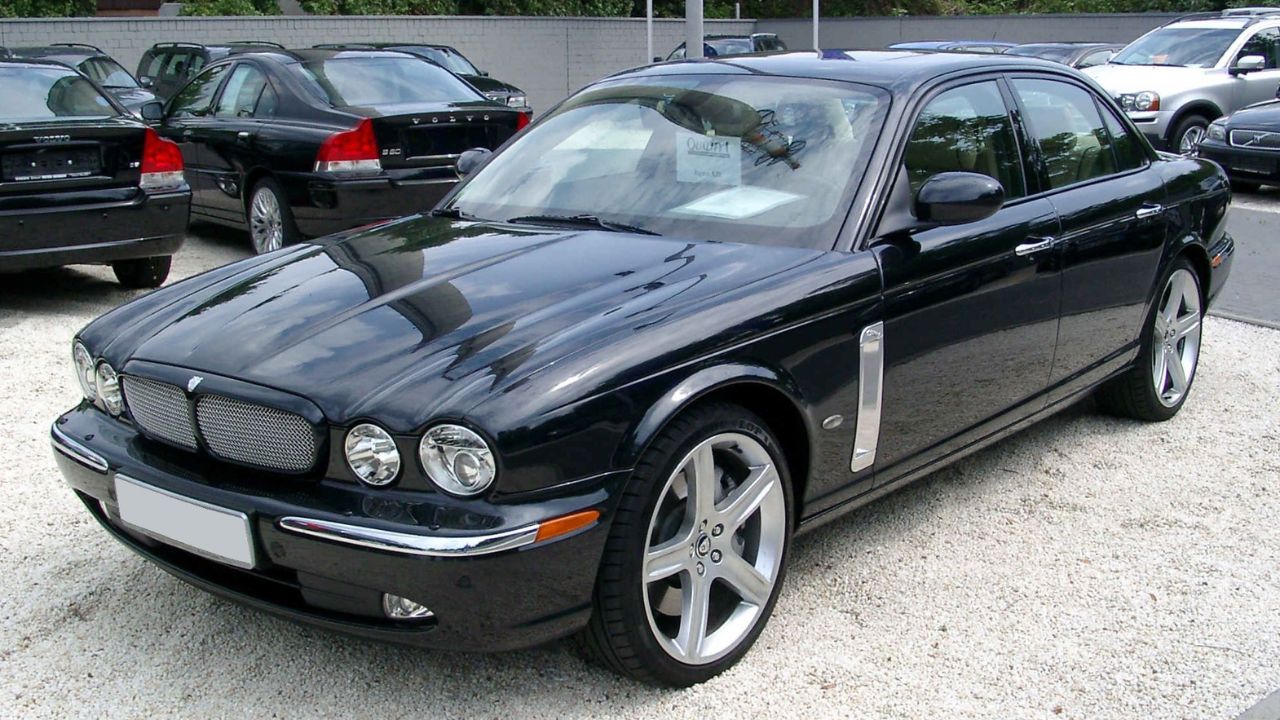
Thanks to its aluminum body, the X350-generation XJR shed significant weight compared to earlier Jaguars. Its supercharged V8 produces around 390 horsepower, paired with adaptive suspension.
Despite its size, the XJR corners with surprising confidence. Where some cars feel nervous at speed, the Jaguar remains settled and composed, rewarding smooth inputs over aggressive ones.
Mitsubishi Galant VR-4
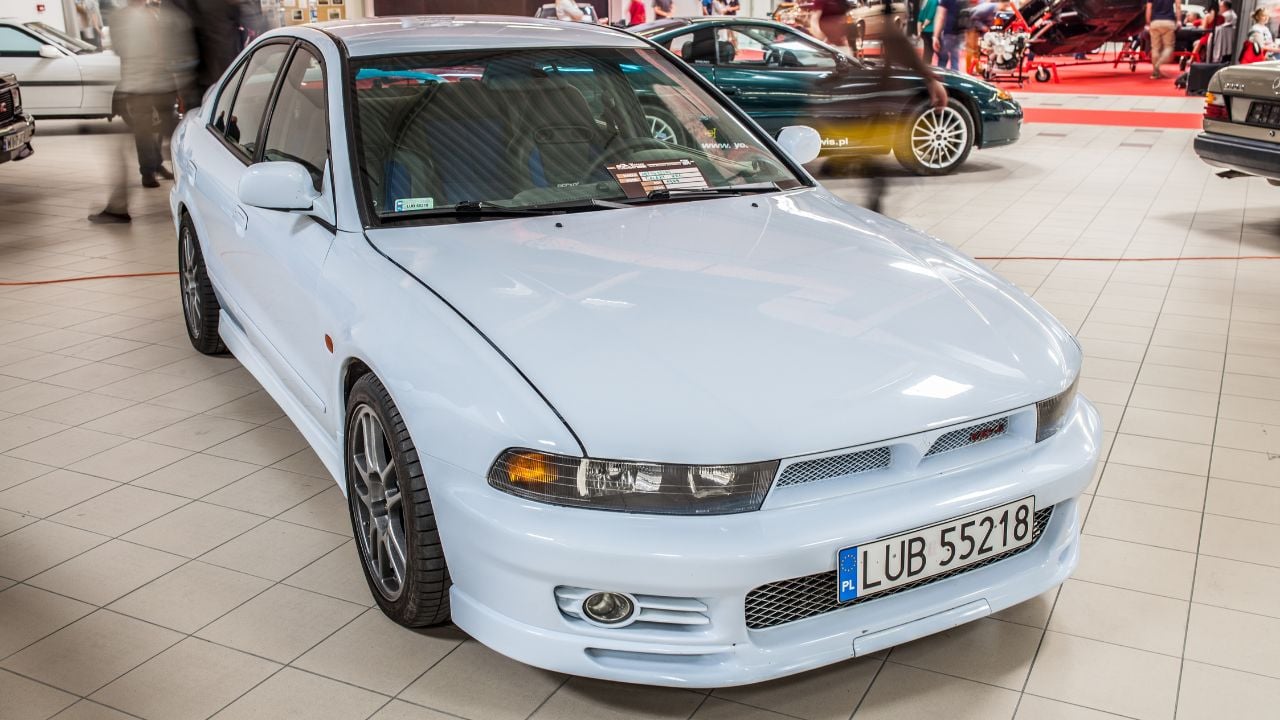
The Galant VR-4 laid the foundation for Mitsubishi’s later performance sedans. With around 200 horsepower from a turbocharged engine and all-wheel drive, it emphasized balance over brute force.
On winding roads, the VR-4 feels steady and predictable. It may not look aggressive, but it carries speed through corners better than many vehicles designed primarily for straight-line performance.
When Practicality Meets Back-Road Confidence
Choosing a sedan doesn’t mean settling for a lesser driving experience. For drivers who need usable rear seats and everyday flexibility, these performance sedans show how thoughtful chassis tuning and real-world composure can still deliver satisfying back-road performance.
When the pavement gets uneven, and the road tightens, these cars prove that practicality and driving confidence aren’t mutually exclusive. Sometimes, the right answer isn’t fewer doors—it’s better balance.