
Shopping for a used car can feel like navigating a minefield blindfolded: exciting, sure, but also potentially disastrous. While there are plenty of reliable pre-owned vehicles out there that’ll serve you faithfully for years, some models have earned their questionable reputations through a combination of design flaws, reliability issues, and wallet-draining maintenance costs.
The good news? Knowledge is power, and knowing which vehicles tend to disappoint can save you thousands in unexpected repairs. We’re not saying every single one of these cars will leave you stranded, but the odds aren’t exactly in your favor. Think of this as your friendly heads-up from someone who’s seen too many mechanics shake their heads in sympathy.
Let’s dive into some used cars that have made quite a few owners wish they’d kept scrolling through those listings.
2011-2016 Ford Focus (Automatic Transmission)
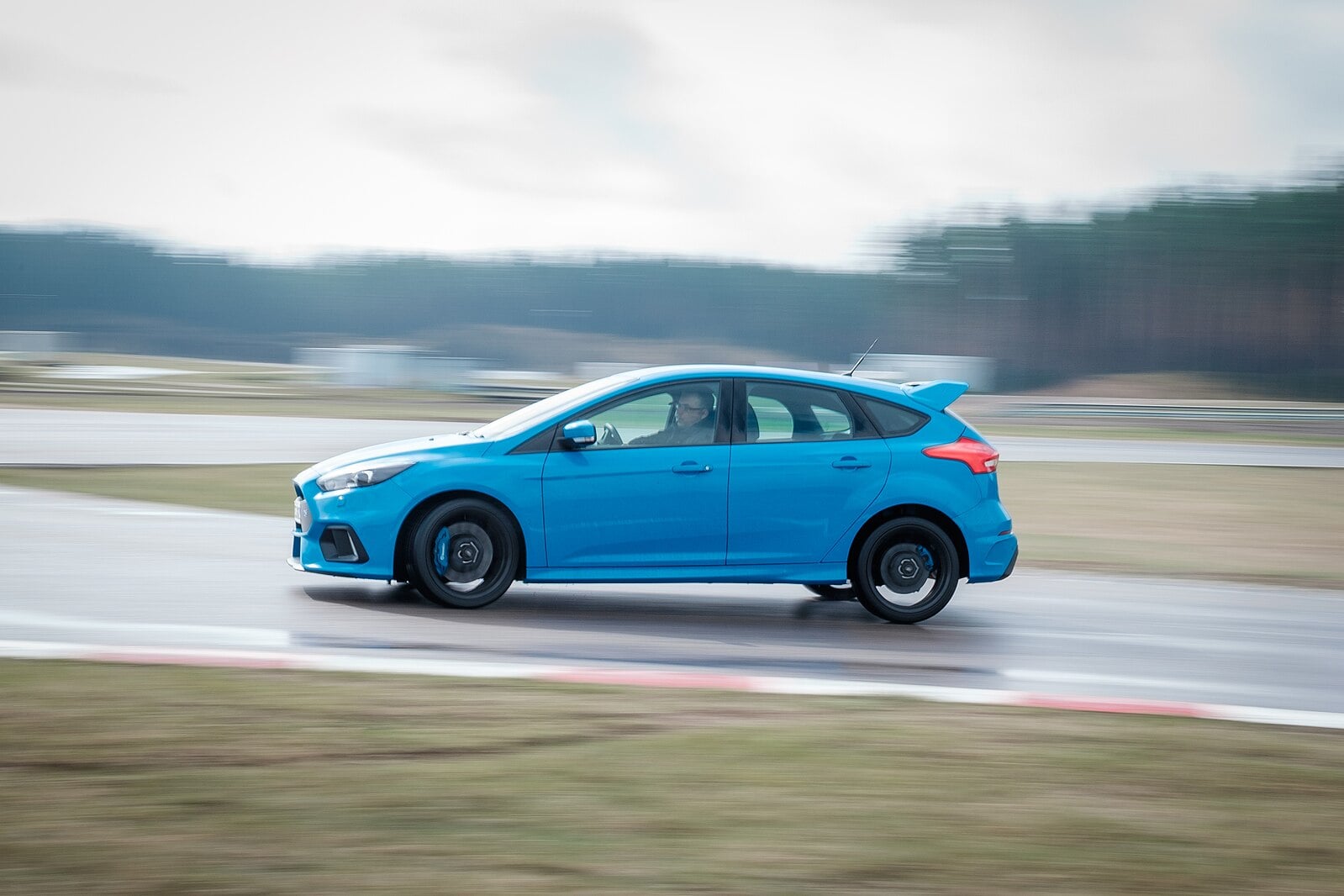
The Ford Focus is a great little car… Until you get the one with the dual-clutch automatic transmission, and then it becomes a masterclass in frustration. Ford’s PowerShift transmission was an ambitious attempt to combine the efficiency of a manual with the convenience of an automatic, but the execution left much to be desired.
Said one owner: “I love my Focus, it has been a great car. That being said, the auto transmission severely decreases the reliability of the car. If it is a manual transmission then you’re good.” They then added that it needed a brand new clutch just six months after ownership… Yikes.
Owners have reported shuddering, hesitation, slipping, and premature wear, often requiring expensive repairs or complete transmission replacements. Ford even faced a class-action lawsuit over these issues, which tells you everything you need to know. If you’re set on a Focus from this era, the manual transmission versions are actually quite solid and fun to drive.
But if you see “automatic” in the listing, it’s probably wise to keep your distance unless you enjoy intimate relationships with your local transmission shop.
2003-2008 Nissan Murano

The first-generation Nissan Murano was stylish and ahead of its time with its swoopy design, but it came with a ticking time bomb under the hood — or more accurately, in the transmission. These models are notorious for CVT (continuously variable transmission) failures, often occurring well before the 100,000-mile mark.
When the CVT goes, you’re looking at repair bills that can easily exceed $3,000 to $5,000, which is often more than these vehicles are worth on the used market. Owners have also reported issues with the catalytic converters, which aren’t cheap to replace either. The interior materials haven’t aged particularly well, with many examples showing significant wear and dashboard cracking.
While the Murano offered a comfortable ride and decent space, the reliability concerns make it a risky proposition unless you’re getting one with a documented transmission replacement and have a healthy repair fund set aside.
2005-2011 Cadillac STS

Cadillac’s attempt to compete with European luxury sedans in the mid-2000s resulted in the STS, a car that looks impressive on paper but tends to disappoint in the ownership experience. These vehicles are plagued by electrical gremlins that would make even the most patient owners consider a career change to electrical engineering.
Common issues include failures in the adaptive suspension system, problems with the electronic throttle body, and a Northstar V8 engine that’s infamous for head gasket failures and oil consumption issues. The repairs aren’t just frequent — they’re expensive, as Cadillac parts and labor don’t come cheap. Many of these cars end up sitting in driveways because the cost to fix them exceeds their value.
If you’re drawn to the luxury sedan segment from this era, the Lexus LS or even the Acura RL offer much better reliability without the constant trips to the shop.
2001-2007 Chrysler Town & Country / Dodge Grand Caravan

These minivans were once the backbone of American family transportation, but age has not been kind to them. The 3.3L and 3.8L V6 engines in these models are known for head gasket failures, intake manifold gasket leaks, and oil sludge buildup if maintenance wasn’t absolutely meticulous.
Transmission problems are incredibly common, with many owners reporting failures before 100,000 miles. The electrical systems can develop bizarre issues, from sliding doors that won’t operate properly to instrument cluster failures. Rust is also a significant concern, particularly in the rocker panels and rear wheel wells if the vehicle spent time in salt-belt states. Said one former owner: “I recently had to sell my 2006 Town & Country because the rust was taking over. Look carefully for rust issues. I loved the car.”
While these vans were practical and affordable when new, the maintenance costs and reliability issues make them less appealing as used purchases unless you’re getting one with extensive service records and you’re handy with a wrench.
2007-2014 Mini Cooper (Turbocharged Models)

Mini Coopers are undeniably fun to drive, with go-kart handling and quirky British charm that enthusiasts adore. However, the second-generation turbocharged models developed a reputation for expensive repairs that can quickly drain your bank account. The N14 and N18 engines are notorious for timing chain failures, which can lead to catastrophic engine damage if not addressed early.
Carbon buildup on the intake valves is common, requiring costly walnut blasting services to clean. Electrical issues abound, from window regulators to various sensors that seem to fail with alarming regularity. The turbocharged models also tend to develop oil leaks from various seals and gaskets. If you’re considering a used Mini, budget significantly for maintenance and repairs; many owners joke that “Mini” stands for “Money In, Nothing Innovative.”
The driving experience is genuinely enjoyable, but make sure you can afford the relationship.
2011-2014 Jeep Grand Cherokee (3.6L V6)

The Jeep Grand Cherokee from this generation offers a comfortable ride and capable off-road performance, but certain versions have proven problematic for owners. The 3.6L Pentastar V6 engine in these model years can develop cylinder head failures, sometimes as early as 60,000 miles.
This isn’t a cheap fix — you’re looking at several thousand dollars for the repair. Additionally, these Grand Cherokees have shown susceptibility to electrical issues, including problems with the wireless control module that can drain the battery. The ZF eight-speed automatic transmission, while smooth when working properly, has been the subject of complaints regarding harsh shifting and hesitation. Water leaks around the sunroof and rear liftgate are also commonly reported.
If you’re set on a Grand Cherokee from this era, the 5.7L Hemi V8 models tend to be more reliable, though they’ll cost you more at the pump.
2007-2012 Nissan Altima (CVT Models)

Nissan’s mid-size sedan has long been a popular choice for its spacious interior and smooth ride, but these model years have earned a less-than-stellar reputation for CVT reliability. The continuously variable transmissions in these Altimas are prone to premature failure, with many owners reporting issues between 60,000 and 100,000 miles. When one Redditor asked if the Altima was reliable, someone answered: “My friend, you’ve been given some bad information. Nissans haven’t been reliable since 1998.”
Symptoms include shuddering, slipping, overheating, and complete transmission failure. Nissan did extend the warranty on some of these transmissions, but many affected vehicles are now beyond that coverage. Replacement costs typically run between $3,000 and $5,000, which can exceed the vehicle’s value in many cases. Beyond the transmission, these Altimas are generally decent cars with comfortable interiors and good fuel economy. However, the CVT concerns are significant enough that many buyers would be better served looking at competitors like the Honda Accord or Toyota Camry from the same era, which offer legendary reliability.
2005-2010 Volkswagen Jetta (2.5L and TDI)

Volkswagen’s Jetta has always appealed to drivers seeking European refinement at an accessible price point, but ownership costs can quickly exceed expectations. The 2.5L five-cylinder engine, while smooth and peppy, tends to develop ignition coil failures, PCV valve issues, and oil leaks as mileage accumulates.
The TDI diesel models, particularly those involved in the emissions scandal, present their own set of concerns including expensive emissions system repairs. Both versions suffer from electrical gremlins, including window regulator failures and various sensor issues. The DSG automatic transmission requires expensive service every 40,000 miles, and repairs can be costly if problems develop. Interior materials don’t hold up particularly well, with many examples showing significant wear.
While VWs offer an engaging driving experience and solid highway manners, the maintenance costs and reliability concerns make them less appealing in the used market unless you find one with impeccable service records.
2003-2008 BMW 7 Series (E65/E66)

Few vehicles exemplify the phrase “there’s nothing more expensive than a cheap luxury car” quite like the early 2000s BMW 7 Series. This generation was BMW’s technological showcase, packed with innovative features that have since become reliability nightmares.
The iDrive system was revolutionary but prone to failures, the air suspension systems are expensive to repair, and the electronics are legendarily temperamental. Engine issues include VANOS system problems, valve stem seal failures leading to oil consumption, and cooling system components that fail with regularity. Transmission problems aren’t uncommon, and when repairs are needed on these cars, parts and labor costs reflect their original luxury status. Many examples on the used market have deferred maintenance, making them ticking time bombs of expensive repairs.
Unless you’re a skilled DIY mechanic with deep pockets or you’re buying one with a comprehensive warranty, there are much better ways to experience luxury sedan ownership without the constant financial anxiety.
2014-2019 Jeep Cherokee (2.4L Tigershark)

The modern Jeep Cherokee polarized opinion with its styling, but the real controversy lies under the hood of the base 2.4L Tigershark engine. These engines have developed a troubling reputation for consuming excessive oil, sometimes requiring owners to add a quart or more between oil changes.
Some engines have failed prematurely due to oil starvation, leading to expensive repairs or complete engine replacement. The nine-speed automatic transmission paired with these engines has also been problematic, with complaints of rough shifting, hesitation, and the vehicle becoming stuck in gear. Electrical issues aren’t uncommon either, including problems with the instrument cluster and various sensors. The V6 models tend to be more reliable, though fuel economy takes a hit.
If you’re in the market for a compact crossover from this era, alternatives like the Honda CR-V, Toyota RAV4, or Mazda CX-5 offer better reliability and peace of mind.
2000-2006 Audi A4 (1.8T and 2.0T)

Audi’s compact luxury sedan from this era offers quattro all-wheel drive, a refined interior, and engaging driving dynamics, but ownership can become expensive quickly. The turbocharged four-cylinder engines are known for oil sludge problems if previous owners didn’t stay on top of maintenance, which can lead to engine failure.
The timing belt requires replacement every 75,000 miles, and if it fails, the interference engine will suffer catastrophic damage. Oil leaks from various seals and gaskets are common as these cars age. The automatic transmissions can develop harsh shifting and may eventually fail, requiring expensive rebuilds. Electrical issues include problems with window regulators, coil packs, and various sensors. The quattro system is excellent but adds complexity and cost to maintenance.
While these Audis are wonderful to drive when everything’s working properly, the maintenance requirements and repair costs make them better suited for enthusiasts who can handle their own wrenching or have budgeted significantly for upkeep. Noted one sad owner: “I purchased a used 2007 A4 2.0T Quattro with 62,008 miles. Drove it for 10 weeks before it broke down at 65,459 miles. Long story short, the engine suffered catastrophic failure resulting from oil starvation to the cylinder head due to unknown cause. I had to pay to have the entire engine, along with the turbo, replaced. When it was all said and done, the bill for repairs was $9,046.”
2008-2013 Subaru Impreza / WRX (2.5L)

Subaru has built a devoted following for their all-wheel-drive reliability, but certain engines from this era have proven problematic. The naturally aspirated 2.5L four-cylinder and the turbocharged version in the WRX are susceptible to head gasket failures, a problem that has plagued Subarus for years.
This repair typically costs $1,500 to $3,000 depending on the shop and whether the heads need resurfacing. The EJ series engines in these models can also develop piston ringland failures, particularly in the WRX when driven hard or modified. Oil consumption becomes an issue as these engines age, requiring vigilant monitoring. The manual transmissions are generally solid, but the CVT automatics in non-WRX models can develop issues over time.
Additionally, rust can be a concern in salt-belt states, particularly in the rear wheel wells. If you’re looking at a Subaru from this era, get a pre-purchase inspection that specifically checks for head gasket leaks and undercarriage rust, and ensure the timing belt has been replaced on schedule.
Conclusion

While this list might make used car shopping seem daunting, remember that knowledge truly is your best defense against buyer’s remorse. Every vehicle mentioned here has satisfied owners out there, but the overall reliability trends suggest these models present higher-than-average risks.
The key is doing thorough research, getting pre-purchase inspections from trusted mechanics, and reviewing service records carefully before committing your hard-earned money. Sometimes that seemingly great deal on a used luxury car isn’t actually a deal once you factor in potential repairs. Your best bet? Look for vehicles with strong reliability track records, even if they cost slightly more upfront — the peace of mind and lower maintenance costs will pay dividends down the road.
Happy hunting, and may your used car purchase be uneventful in all the best ways!