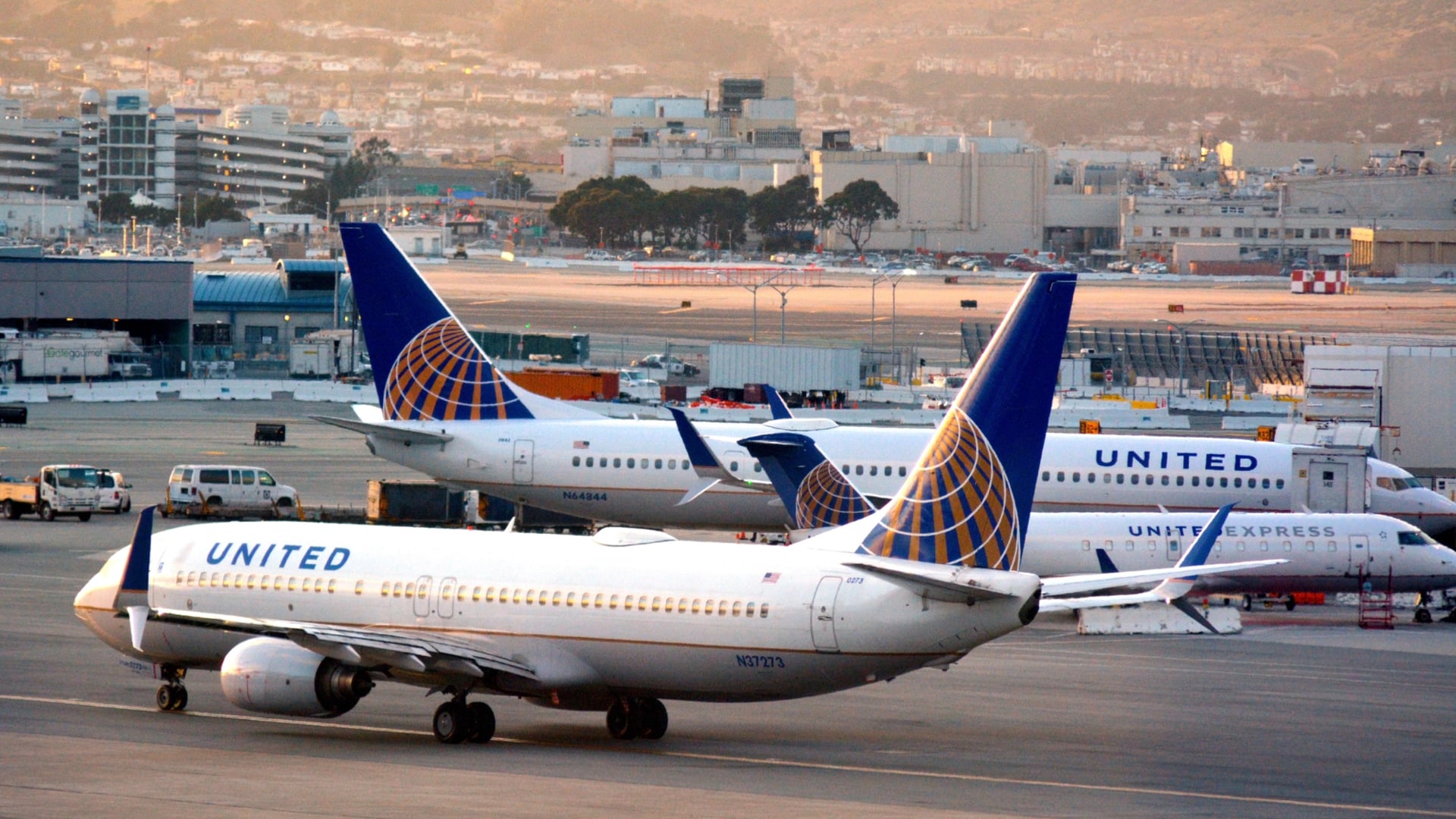
Have you ever been running late from a connecting flight hoping to catch your flight? It can be stressful and frustrating. One United Pilot went out of the way to make a LinkedIn apology.
A United Airlines pilot’s emotional public apology for leaving three passengers behind has sparked widespread discussion about the often-invisible tension between airline operational procedures and the human cost of split-second decisions that affect travelers’ plans.
The pilot, whose identity has not been publicly disclosed, took to social media to address passengers left at the gate during United Flight 64’s departure from Newark to Lisbon on October 12th, offering a rare glimpse into the difficult decisions flight crews face and the emotional toll those choices can carry.
The Apology
Writing in a post that has since been widely shared across aviation forums and social media, the pilot provided a detailed account of what transpired:
“I want to say I am sorry to the passengers we left behind last night (October 12th) on United Flight 64 from Newark to Lisbon.
Our team had delayed the departure by six minutes to wait for late connecting passengers. Once everyone had boarded, the gate agent closed the flight, pulled the jetway, and we completed our final checklists in preparation for pushback.
Just as we were ready to go, the tug driver asked if we could take two additional bags that had just arrived from the late connection. We agreed, and the ramp crew quickly loaded them into the aft cargo compartment.
While that was happening, we noticed three people waving from the windows in the boarding area. At first, we thought they were pointing at the jetway — but we soon realized they were trying to get our attention, hoping to still make the flight.
It broke my heart to see them there, pleading to come aboard. Unfortunately, at that point, the flight was officially closed. The jetway had been disconnected, the gate agent had left, and the weight and balance had already been completed.
Reconnecting everything would have required reversing multiple safety and operational steps, causing a long delay for other passengers making onward connections.
Still, the sight of those passengers stayed with me.
It was a powerful reminder that behind every procedure and checklist, there are real people — with hopes, plans, and stories.
To those travelers: if you ever read this, please know that we saw you, we felt for you, and we truly wished we could have brought you with us.”
The Operational Reality
The pilot’s account highlights a frustrating but common scenario in airline operations: passengers whose bags made the flight, but who arrived at the gate moments too late to board themselves.
The Timeline Problem: The flight had already been delayed six minutes to accommodate late connecting passengers, a gesture that demonstrates the crew’s willingness to help when possible. Once the gate agent closed the flight, pulled the jetway, and departed, a series of operational steps were completed that are difficult and time-consuming to reverse.
Weight and Balance: Aircraft require precise weight and balance calculations before departure to ensure safe flight. Once these calculations are complete and entered into the flight management system, adding passengers would require recalculating everything, not a quick process, especially when bags have already been loaded based on the original calculations.
Safety Procedures: Reconnecting the jetway, reopening aircraft doors, reprocessing boarding passes, and completing new safety checks aren’t just bureaucratic hassles, they’re required procedures that exist for legitimate safety reasons. Shortcuts aren’t an option when it comes to aviation safety protocols.
The Domino Effect: The pilot specifically mentioned concerns about “causing a long delay for other passengers making onward connections.” International flights like Newark-Lisbon serve as connecting points for dozens of passengers continuing to other European destinations. A significant departure delay would ripple through the system, potentially causing many passengers to miss their onward connections.
Why This Happens
The scenario described, bags making the flight while passengers don’t—is unfortunately common:
Baggage Processing Speed: Modern airport baggage systems are designed to move quickly. Bags from connecting flights often reach the departing aircraft before passengers can make the same connection, especially in large hub airports where gates can be far apart.
Tight Connection Times: Airlines build minimum connection times into their schedules, but these minimums don’t account for delays in the first flight, slow deplaning, long walks between gates, or the reality that connecting passengers often need bathroom breaks or must navigate unfamiliar airports.
Gate Closure Policies: Airlines have specific door closure times—typically 10-15 minutes before departure for domestic flights and 15-20 minutes for international flights. Once that door closes, reopening it triggers multiple procedural requirements that create significant delays.
The Pressure to Depart On Time: Airlines face intense pressure to maintain on-time performance. Departure delays affect everything from crew scheduling to gate availability to passenger connections. Gate agents and flight crews are evaluated partly on their ability to depart on schedule, creating systemic pressure to close doors and go—even when it means leaving late-arriving passengers behind.
What Should Have Happened?
Several questions arise from this incident:
Better Communication: Did gate agents adequately communicate with the passengers about their tight connection? Were they told which gate to go to and how much time they had? Better information might have helped them arrive sooner.
Technology Solutions: Some airports and airlines use apps that alert connecting passengers to gate changes and provide real-time walking estimates. Technology could help prevent these situations by giving passengers better information to make tight connections.
Baggage Policies: Should bags be held if passengers haven’t checked in for the connecting flight? The current system where bags fly without passengers creates frustration and potential security concerns, though the latter is addressed through passenger screening at the origin airport.
Discretion at the Gate: Should gate agents have more authority to make judgment calls about reconnecting jetways for passengers visible at the gate? Or would this create inconsistent service and operational chaos?
What Passengers Can Do
While this situation primarily reflects systemic issues, travelers can take steps to protect themselves:
Avoid Tight Connections: When booking, build in buffer time beyond the airline’s minimum connection time, especially when connecting through large, unfamiliar airports or when flying internationally.
Check Connection Feasibility: Some connections that airlines sell are barely achievable even in perfect conditions. Research the airport layout and be realistic about whether you can make a connection that requires changing terminals or long walks.
Communicate with Crew: If you’re on a flight that’s delayed and you have a tight connection, alert flight attendants. They may be able to relay information to the gate about late-connecting passengers.
Run (Carefully): If you’re racing for a connection, don’t assume the flight will wait. Move as quickly as safety allows, and if you can see your flight is still at the gate but the door appears closed, make your presence known, though this clearly didn’t help the three passengers in this case.
Know Your Rights: If the airline is responsible for your missed connection (due to delays on your first flight), they must rebook you on the next available flight at no charge. Understanding your rights reduces stress when things go wrong.
Bottom Line
The United pilot’s heartfelt apology for leaving three passengers behind offers a rare window into the emotional complexity of airline operations. His decision to follow procedures rather than reopen the aircraft was operationally correct, reconnecting the jetway and reversing completed safety steps would have delayed hundreds of other passengers and created a cascade of missed connections.
His admission that the sight of desperate passengers waving from the terminal “broke my heart” reminds us that doing the right thing operationally doesn’t always feel right emotionally. The incident highlights the fundamental tension in modern aviation: airlines must balance individual passenger needs against the operational efficiency required to move millions of people safely and on time.
It sucks missing a connection. I have done it, and missed one in August. Not because of tight windows just those delays that happen from time to time. My August flight was delayed by over three hours. No connection time can help that out, but fortunately our airline helped to get us on the next flight.