The 1990s brought us dial-up internet, grunge music, and some of the most distinctive automobiles ever to grace American roads. While the decade might not get the same nostalgic reverence as the muscle car era, it gave us vehicles that pushed boundaries in design, technology, and sheer audacity.
This was a time when kids were choosing between dirt bikes and Nintendo 64s, when Furbies wouldn’t stop talking in our closets (even without batteries), and the world was a pastel, neon blur of dirty cartoons and cars that got imaginations soaring.
From quirky imports to bold domestic experiments, the ’90s produced cars that still turn heads today, whether you’re spotting one at a car show or catching a glimpse in your rearview mirror.
Dodge Viper RT/10 (1992-1995)

Chrysler looked at the Cobra and said, “We can do that, but bigger.” The result was 8.0 liters of V10 fury wrapped in curves that made every other sports car look timid.
With 400 horsepower and no traction control, stability control, or antilock brakes in early models, the Viper was automotive adrenaline in its purest form. The side exhaust pipes could literally cook your leg if you weren’t careful, which somehow made it even more appealing.
This semi-deadly car was a commitment to living dangerously every time you turned the key.
Mazda MX-5 Miata (1990-1997, NA Generation)

When Mazda revived the lightweight roadster formula in 1990, enthusiasts wondered if anyone still wanted a simple, affordable sports car. Turns out, everyone did.
The first-generation Miata proved that 116 horsepower was plenty when your car weighed less than a golf cart full of groceries. Its pop-up headlights gave it an eager, friendly face that made even the grumpiest commuters smile.
The Miata reminded America that driving pleasure doesn’t require a massive engine — just perfect balance, a manual transmission, and open air above your head.
Plymouth Prowler (1997-1999)
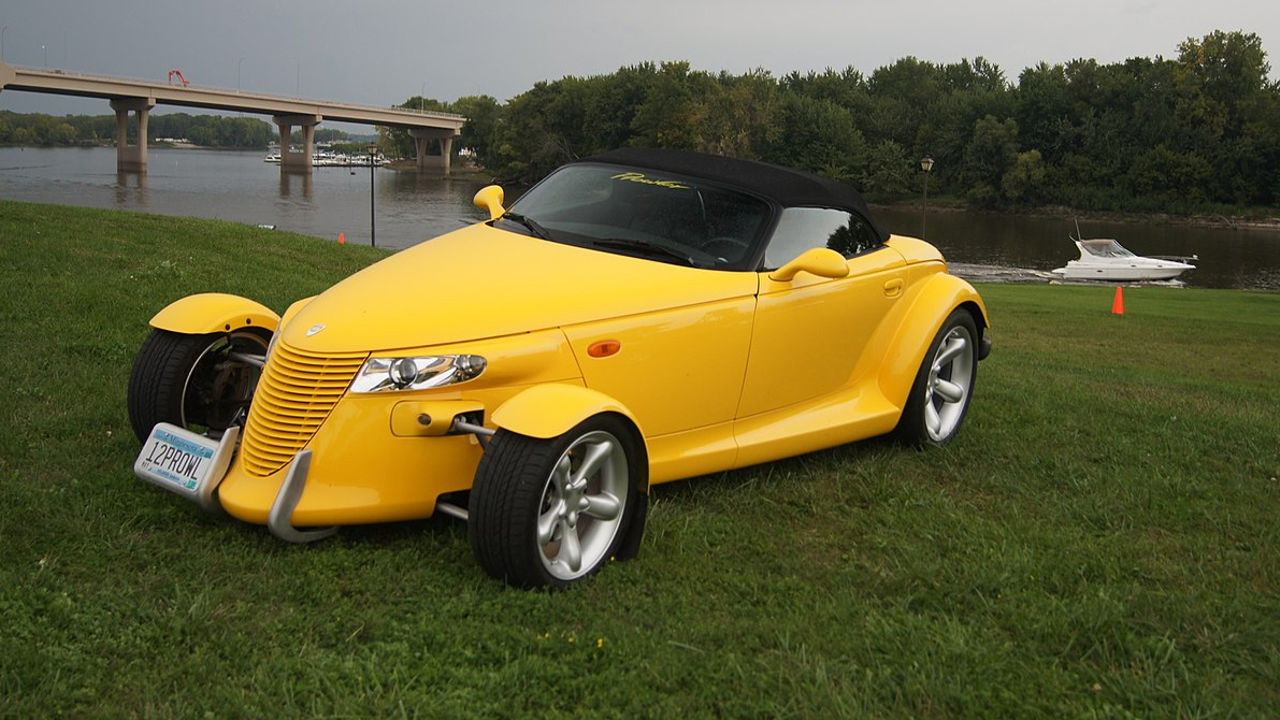
Purple hot rod meets modern engineering — only Chrysler in the ’90s would greenlight something this wonderfully impractical.
The Prowler looked like it drove straight out of a custom car show and into your local dealership, complete with exposed front wheels and a retro-futuristic aesthetic that still looks fresh today. Sure, it only had a V6 (the same one from the minivan, actually), but with just 2,770 pounds to move around, it scooted along respectably.
This was design-first thinking at its finest, proving that sometimes being memorable matters more than being the fastest thing on the block.
Acura NSX (1991-2005, First Generation)

Honda decided to show Ferrari how to build a reliable supercar, and the result embarrassed more than a few European exotics.
The all-aluminum construction was aerospace-grade thinking applied to the streets, while the 3.0-liter V6 delivered power with a smoothness that felt almost polite for something this quick. Gordon Murray used one as his daily driver while developing the McLaren F1 — that’s the automotive equivalent of a master chef eating at your restaurant.
The NSX proved Japanese engineering could create something that thrilled the soul without breaking down every other Tuesday.
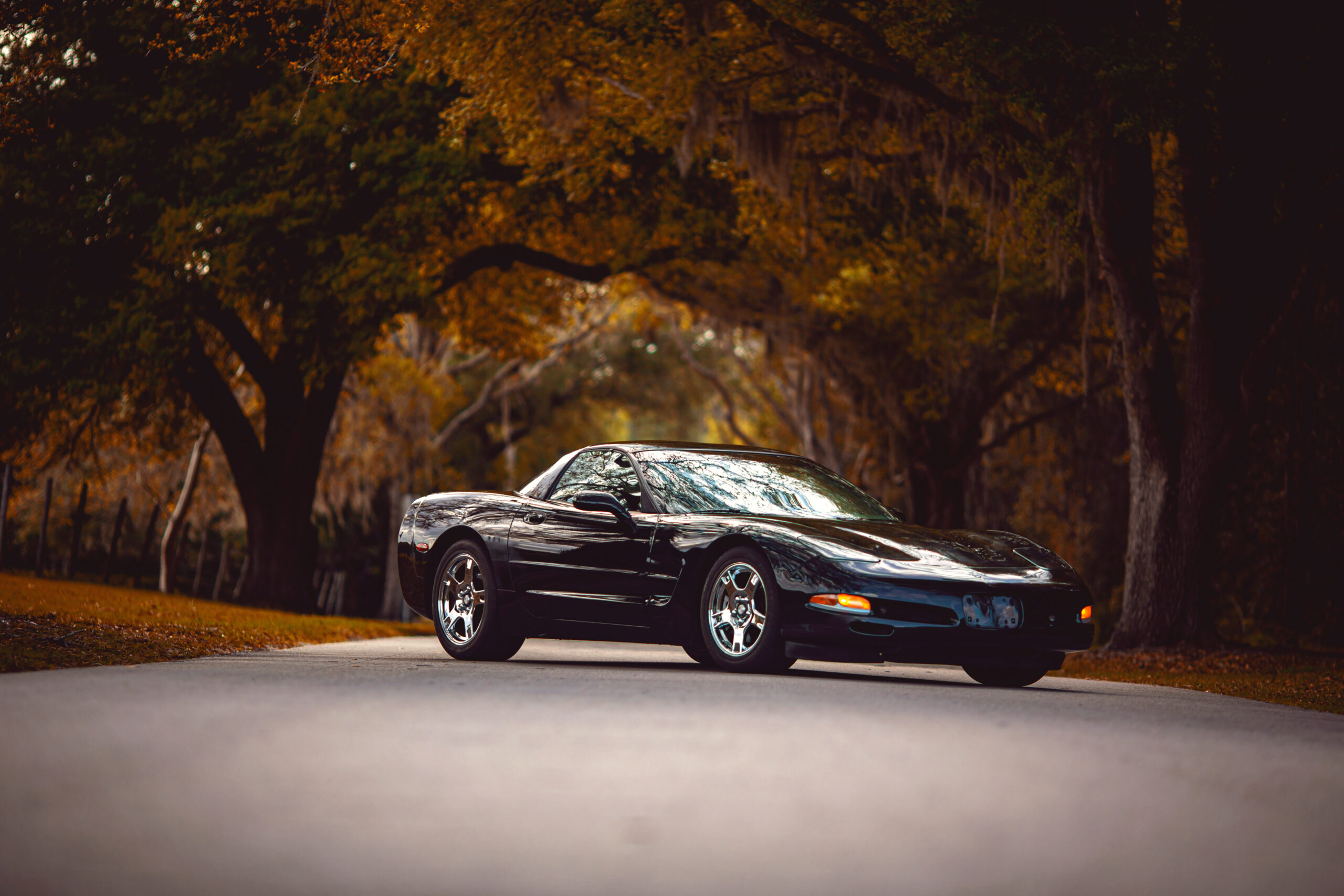
Chevrolet Corvette C5 (1997-2004)

After the C4’s long run, Chevrolet came back swinging with a Corvette that finally had the chassis to match its engine.
The C5 introduced a rear-mounted transaxle for better weight distribution, which translated to handling that could genuinely embarrass cars costing twice as much. Pop-up headlights made their final appearance on this generation before regulations sent them to automotive history.
With the LS1 V8 producing 345 horsepower and returning respectable fuel economy, this was the everyday supercar that actually worked as an everyday car — a concept foreign to many of its European competitors.
BMW M Roadster (1998-2002)
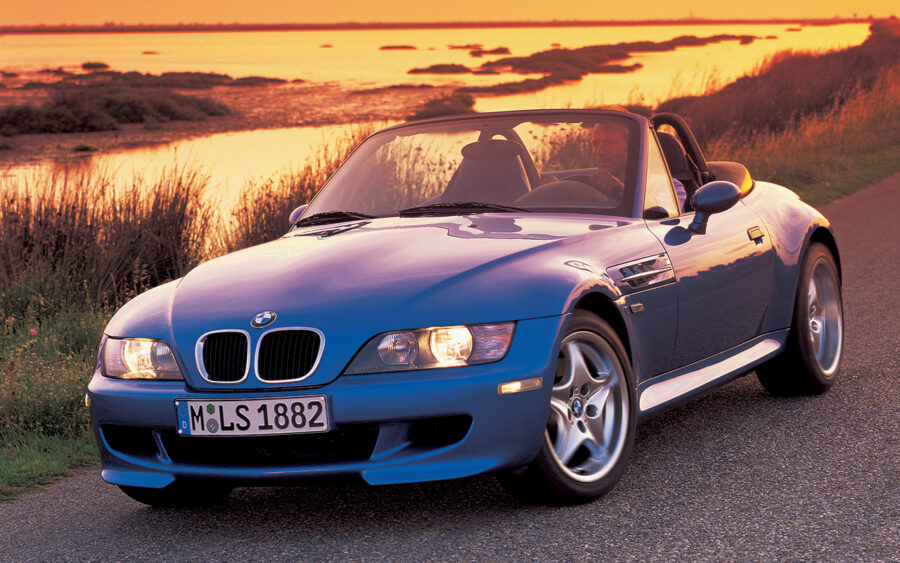
BMW took the Z3 roadster, fed it nothing but protein shakes and aggression, then stuffed in the 240-horsepower inline-six from the M3.
The result looked like a clown shoe from certain angles — particularly the coupe version — but drove like a caffeinated go-kart with a premium badge. That short wheelbase made it twitchy and demanding, rewarding skilled drivers while keeping novices honest.
Only about 15,000 made it to American shores across all years, making it the kind of rare find that gets genuine excitement at cars and coffee events.
Honda Civic Si (1999-2000, EM1)
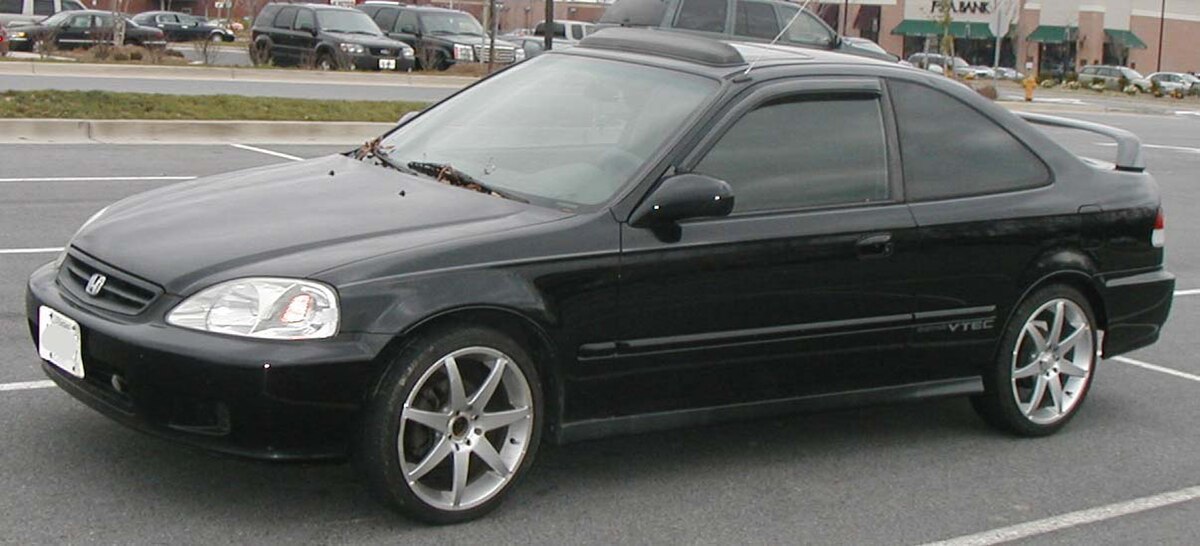
Honda proved you could have tremendous fun with front-wheel drive, 160 horsepower, and absolutely no pretense.
The EM1 Si weighed just 2,600 pounds and came with a screaming VTEC engine that loved to rev past 8,000 RPM, a limited-slip differential, and a price tag under $20,000 when new. This was the car that launched a thousand modified Hondas, though the truly smart enthusiasts learned that the factory setup was often better than whatever expensive modifications they had in mind.
It turned grocery runs into autocross practice sessions and made rush hour traffic marginally more bearable.
Porsche Boxster (1997-2004, 986 Generation)

Porsche took heat for building a “cheaper” sports car, but the Boxster silenced critics the moment they drove it.
That mid-engine layout delivered balance that made the car feel telepathically connected to your inputs, while the flat-six soundtrack provided a soundtrack worthy of the Stuttgart badge. Starting around $40,000 when new, it finally gave people a realistic entry point into Porsche ownership that didn’t involve a 20-year-old 911 with questionable maintenance history.
The manual top operation took just 12 seconds, proving German engineering could occasionally embrace simplicity.
Ford SVT Mustang Cobra (1993-1995, SN95 Platform)
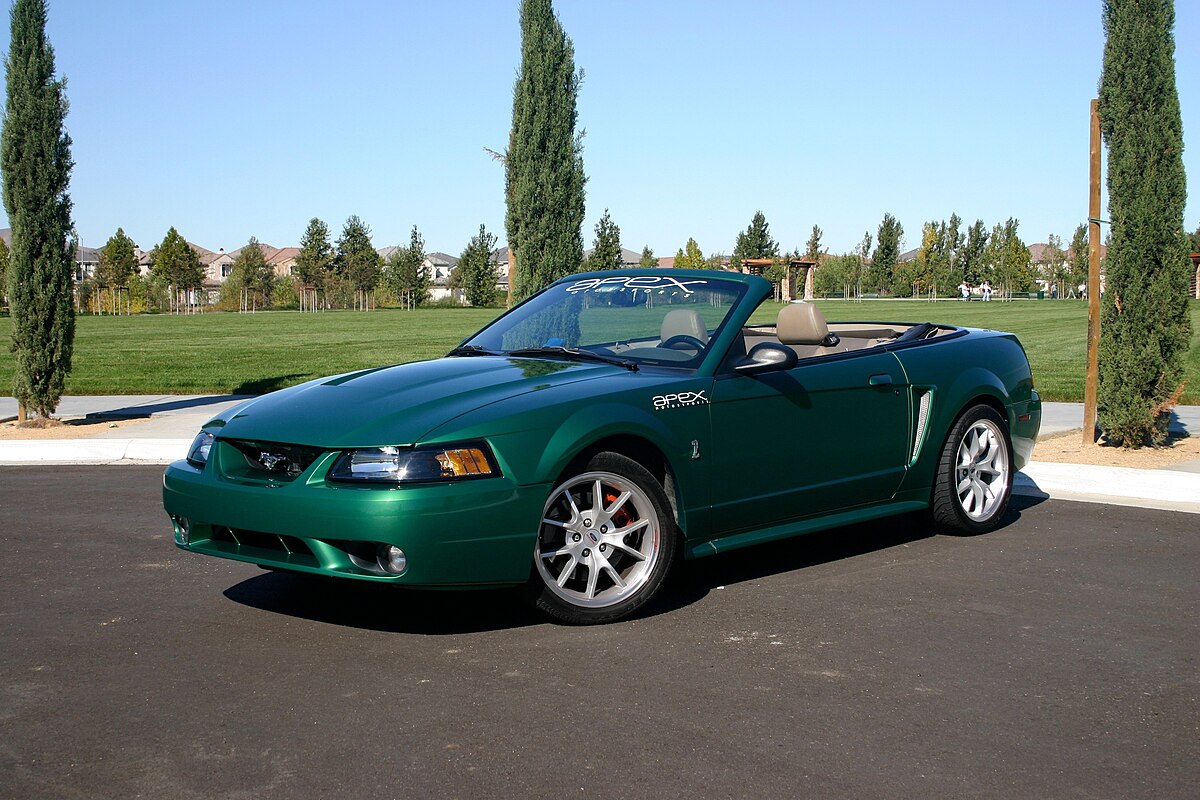
When the Mustang got its first major redesign since the Fox body era, Ford’s Special Vehicle Team made sure the Cobra variant lived up to its venomous name.
The 5.0-liter V8 produced 240 horsepower, which doesn’t sound earth-shattering today but felt plenty potent in a package that finally had suspension geometry from this century. The aggressive body kit and side exhaust gave it a purposeful stance that separated it from regular GT models in parking lots and on backroads.
This was American muscle entering its modern era, keeping the spirit alive while accepting that independent rear suspension might actually be a good idea.
Subaru Impreza WRX (1998-2000, GC8 Chassis)
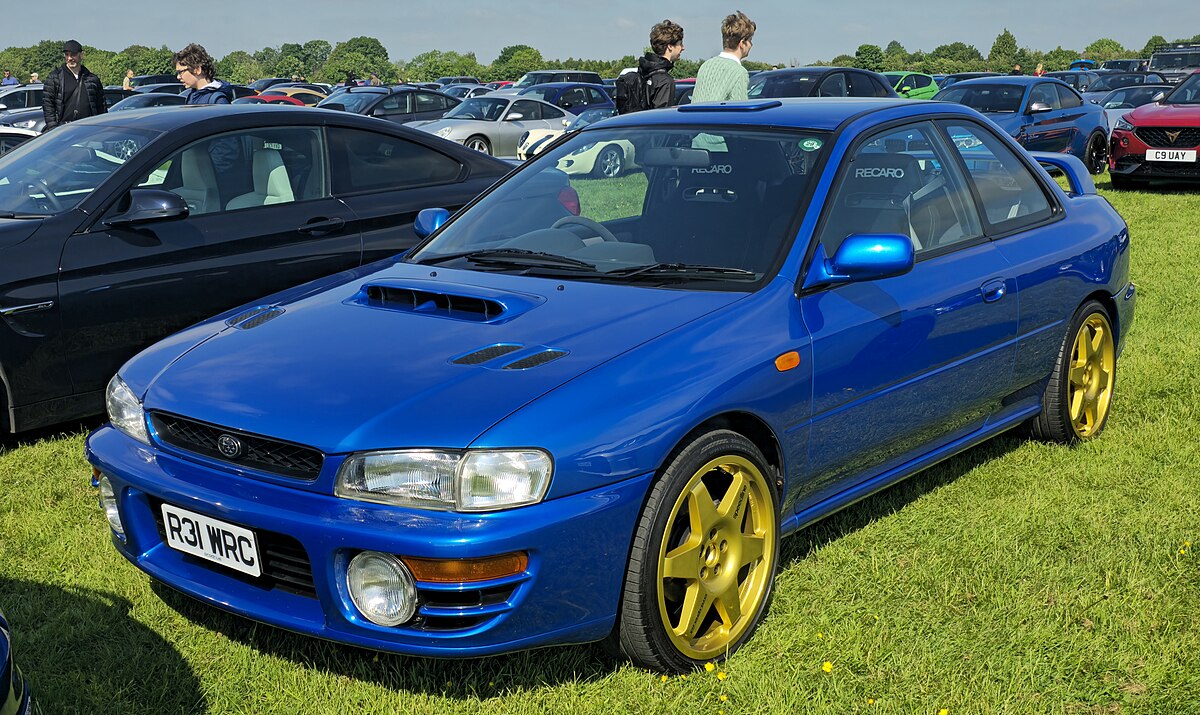
Rally racing came to American streets when Subaru finally brought the turbocharged Impreza stateside in limited numbers.
That hood scoop wasn’t just for show — it fed cold air to the intercooler sitting atop a 2.0-liter flat-four making 217 horsepower and 217 lb-ft of torque. All-wheel drive meant you could use all that power in conditions that would have other sports cars parked in the garage.
The boxer rumble became its calling card, announcing your arrival long before anyone could see the trademark blue paint and gold wheels coming around the corner.
Audi TT (1998-2006, 8N Generation)
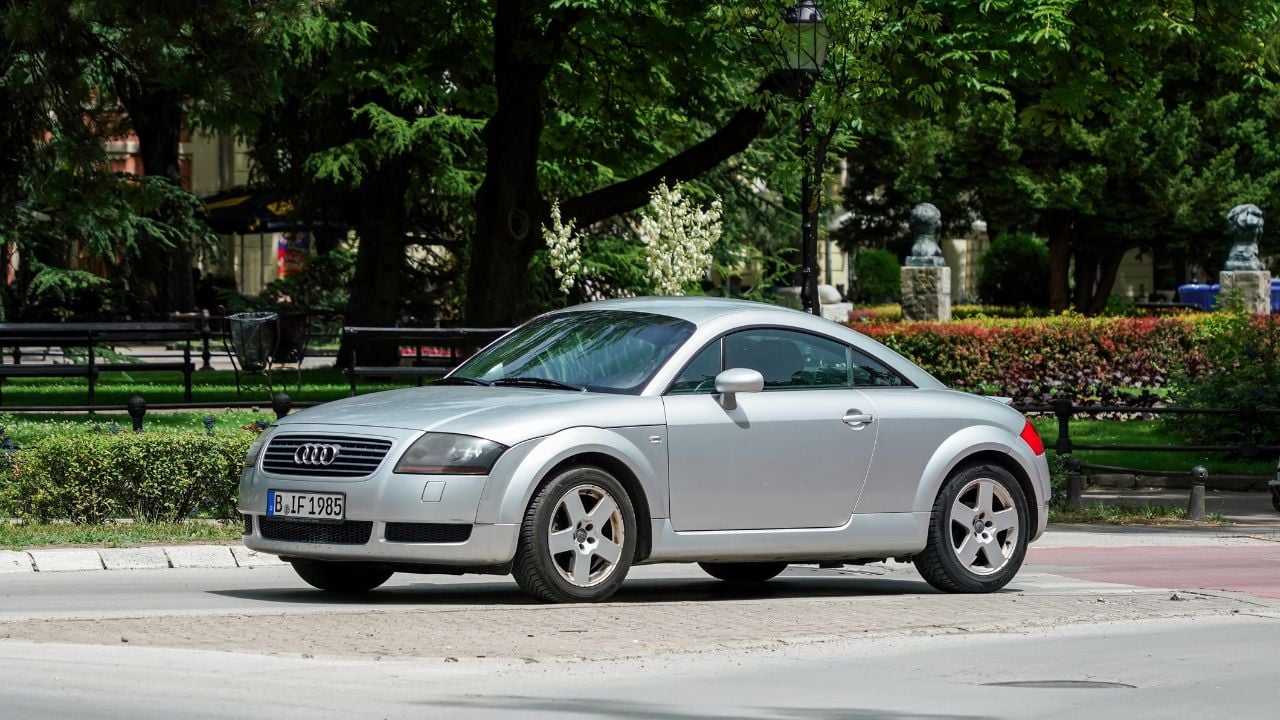
Bauhaus design principles met modern performance when Audi unveiled the TT at car shows in the late ’90s.
The interior featured aluminum accents and circular air vents that looked more aircraft cockpit than economy car parts bin, while the exterior design was so influential that it still looks contemporary decades later. Early models had some high-speed stability issues until Audi added a rear spoiler, proving even beautiful cars need proper aerodynamics.
The 1.8-liter turbocharged four-cylinder delivered adequate power, but this was always more about the total package than straight-line speed — driving art that happened to be pretty quick.
Nissan 240SX (1995-1998, S14 Generation)
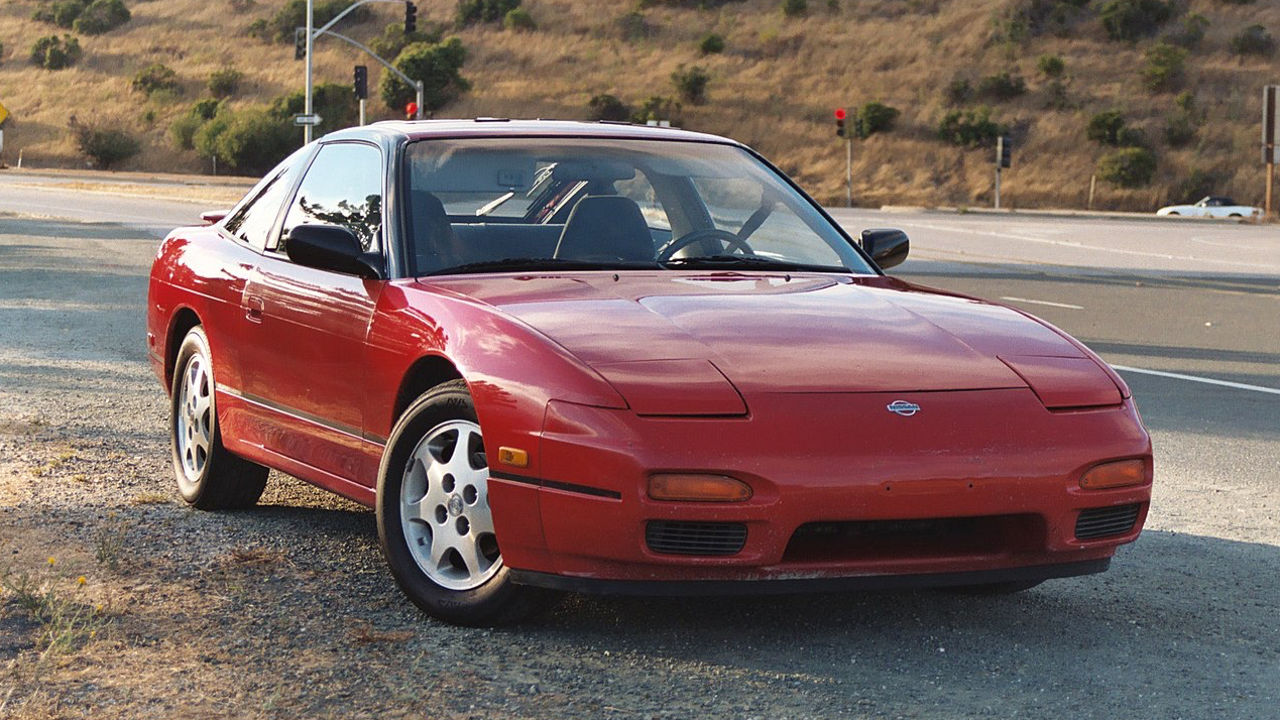
Rear-wheel drive, a smooth inline-four, and a chassis that begged to be thrown sideways made the 240SX a cult favorite that only grew in stature after production ended.
Sure, 155 horsepower from the factory didn’t set pulses racing, but the SR20DET engine swap from Japan became so common it was practically a factory option in enthusiast circles. The weight distribution was nearly perfect, making it a natural for autocross, drifting, or just enjoying a twisty canyon road.
Clean examples now sell for multiples of their original sticker price, proving the market eventually recognizes greatness even if it took a couple decades.
Conclusion

Looking back at the 1990s automotive landscape reveals a decade far more innovative than it often gets credit for.
These twelve cars represent different approaches to the same goal: making driving exciting, whether through raw power, sublime handling, or design that refused to play it safe. Many of them struggled to find buyers when new, only to become icons once enthusiasts realized what they were losing.
The ’90s might not have produced the most powerful cars or the most technologically advanced, but it gave us vehicles with character and personality that still resonate with anyone who loves the mechanical symphony of a great automobile.